
Why EGCG Quality Matters More Than You Think
If you've sourced EGCG powder before, you've likely encountered these industry-wide challenges:
Oxidative Instability: Standard EGCG degrades rapidly when exposed to light, heat, or alkaline pH-losing up to 40% potency within 6 months in finished products.
* Poor Bioavailability: Native EGCG has only 0.1-1.7% oral bioavailability due to extensive first-pass metabolism and poor intestinal absorption.
* Formulation Incompatibility: EGCG's reactivity with proteins, minerals, and excipients creates discoloration, precipitation, and efficacy loss in multi-ingredient formulations.
* Regulatory Scrutiny: Increasing reports of hepatotoxicity at high doses (>800mg/day) have triggered stricter regulatory oversight in EU and US markets.
Our pharmaceutical-grade EGCG powder solves these critical issues through proprietary stabilization technology and comprehensive safety documentation-delivering an ingredient that performs as promised from manufacturing floor to consumer shelf.
Product Overview: Beyond Commodity-Grade Extracts
What Sets Our EGCG Apart
Purity: 98% minimum EGCG content (HPLC verified), with <0.5% caffeine-the highest purity commercially available without synthetic synthesis.
Stability: Patent-pending antioxidant protection system maintains >95% potency for 36 months under ambient storage.
Bioavailability Enhancement: Micronized particle size (D50 = 5μm) increases surface area by 850%, improving dissolution rate and absorption.
Safety Profile: Comprehensive toxicology data package including 90-day rat studies, Ames test, and human NOAEL (No Observed Adverse Effect Level) documentation.
Regulatory Readiness: Pre-cleared for use in dietary supplements (FDA GRAS, EU Novel Food Catalogue), functional foods, and cosmetic applications across 40+ countries.
Botanical Source & Ethical Procurement
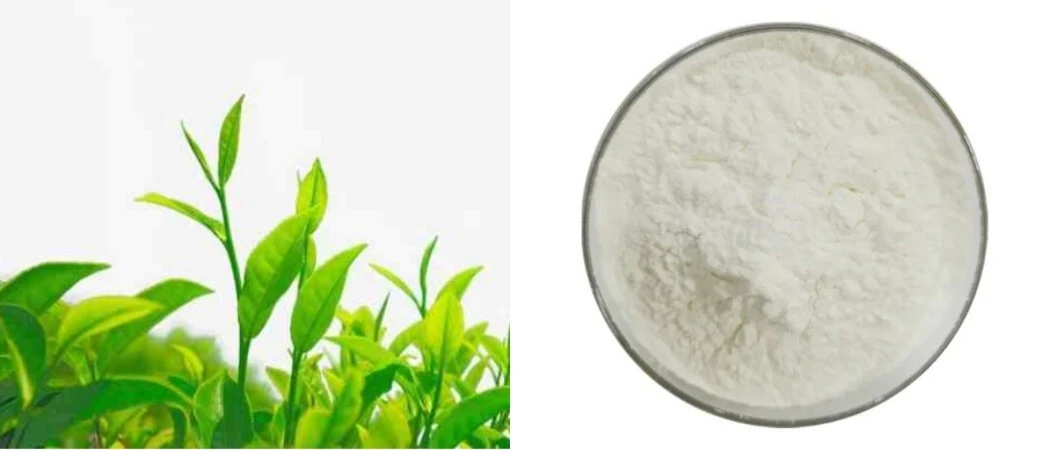
Species: Camellia sinensis var. sinensis (Chinese small-leaf variety)
Cultivar: Longjing #43 and Anji Baicha-elite cultivars selected for catechin density
Why Source Matters for EGCG powder:
The catechin profile of green tea varies dramatically based on:
Altitude: Higher elevation = greater UV stress = increased polyphenol production (23% higher EGCG in our source vs. lowland tea)
Harvest Timing: First spring flush (pre-Qingming) contains 2.8x more EGCG than summer harvest
Leaf Position: Top 2 leaves + bud contain 65% of total catechins
Processing Speed: Leaves processed within 4 hours of harvest to prevent enzymatic oxidation
Sustainability Credentials:
Rainforest Alliance Certified tea estates with biodiversity conservation programs
Fair Trade Verified ensuring living wages for 450+ tea farmers
Carbon Footprint: 40% lower than industry average through solar-powered processing
Traceability System:
Blockchain-enabled tracking from specific tea garden plots to finished powder. Each batch includes:
GPS coordinates of source gardens
Harvest date and weather conditions
Processing timestamps
Transportation cold-chain records
Chemical Composition & Catechin Synergy
Understanding the EGCG Molecule and Its Companions
Primary Active Compound:
Epigallocatechin Gallate (EGCG)
* Chemical Formula: C₂₂H₁₈O₁₁
* Molecular Weight: 458.37 g/mol
* CAS Number: 989-51-5
* Structure: Flavan-3-ol with galloyl ester group (responsible for potent antioxidant activity)
Typical Catechin Profile:
|
Catechin |
Concentration |
Biological Activity |
|
EGCG |
98.0-99.5% |
Primary bioactive: AMPK activation, NF-κB inhibition, autophagy induction |
|
ECG (Epicatechin Gallate) |
0.3-0.8% |
Synergistic antioxidant, enhances EGCG stability |
|
EGC (Epigallocatechin) |
0.2-0.5% |
Supports mitochondrial function |
|
EC (Epicatechin) |
0.1-0.3% |
Cardiovascular benefits, NO production |
Why 98% Purity Matters:
Lower-purity extracts (50-70% EGCG) contain higher levels of:
* Caffeine (3-8%): Causes jitteriness, contraindicated for evening formulations
* Tannins (5-12%): Reduce mineral absorption, cause GI distress
* Chlorophyll/Pigments (2-4%): Create color instability, unpleasant taste
Our 98% purity eliminates these issues while concentrating the therapeutic compound.vv
Certificate of Analysis - Pharmaceutical-Grade Specifications
Physical & Chemical Characteristics
|
Parameter |
Specification |
Typical Result |
Test Method |
|
Appearance |
Off-white to light yellow powder |
Off-white |
Visual |
|
EGCG Content |
≥98.0% |
98.7% |
HPLC-UV (USP <621>) |
|
Total Catechins |
≥99.0% |
99.3% |
HPLC |
|
Caffeine |
≤0.5% |
0.2% |
HPLC |
|
Moisture |
≤3.0% |
1.8% |
Karl Fischer (USP <921>) |
|
Ash |
≤0.5% |
0.2% |
USP <281> |
|
Particle Size (D50) |
3-7 μm |
5.2 μm |
Laser Diffraction |
|
Bulk Density |
0.35-0.55 g/mL |
0.42 g/mL |
USP <616> |
|
pH (1% solution) |
4.0-6.0 |
5.1 |
USP <791> |
|
Optical Rotation |
-80° to -100° |
-92° |
Polarimetry |
Contaminant Analysis - Exceeding Global Standards
|
Contaminant |
Our Limit |
EU Limit |
US Limit |
Test Result |
|
Lead (Pb) |
<0.3 ppm |
<3.0 ppm |
<10 ppm |
<0.1 ppm |
|
Arsenic (As) |
<0.2 ppm |
<1.0 ppm |
<10 ppm |
<0.05 ppm |
|
Cadmium (Cd) |
<0.2 ppm |
<1.0 ppm |
<4.1 ppm |
<0.05 ppm |
|
Mercury (Hg) |
<0.05 ppm |
<0.1 ppm |
<3.0 ppm |
ND |
|
Pesticide Residues |
<0.01 ppm (each) |
Varies |
Varies |
ND (500+ tested) |
|
PAHs (4 compounds) |
<10 ppb total |
<50 ppb |
- |
<2 ppb |
|
Aflatoxins |
<2 ppb |
<5 ppb |
<20 ppb |
ND |
Microbiological Standards
|
Parameter |
Specification |
Typical Result |
Method |
|
Total Aerobic Count |
<1,000 cfu/g |
<100 cfu/g |
USP <2021> |
|
Yeast & Mold |
<100 cfu/g |
<10 cfu/g |
USP <2021> |
|
E. coli |
Negative/10g |
Negative |
USP <2022> |
|
Salmonella |
Negative/25g |
Negative |
USP <2022> |
|
S. aureus |
Negative/10g |
Negative |
USP <2022> |
|
Coliforms |
<10 cfu/g |
Negative |
AOAC 991.14 |
Endotoxin Level: <10 EU/g (critical for injectable/topical applications)
Advanced Manufacturing Process - 9-Stage Purification
How We Achieve 98% Purity Without Synthetic Chemicals
Stage 1: Raw Material Selection & Pre-Treatment
Fresh tea leaves undergo immediate steam fixation (95-100°C, 60 seconds) to:
Inactivate polyphenol oxidase enzymes
Prevent catechin degradation
Preserve vibrant green color
Only leaves meeting strict criteria proceed:
Catechin content >18% (dry weight basis)
Moisture 75-78%
No visible defects or contamination
Stage 2: Aqueous Extraction
Hot water extraction (75-85°C) in stainless steel vessels:
Solvent: Purified water (USP grade) only-no ethanol, methanol, or acetone
Ratio: 1:15 leaf-to-water ratio
Time: 2 hours with continuous agitation
pH Control: Maintained at 5.5-6.0 to prevent EGCG epimerization
Yield: 85-90% catechin extraction efficiency
Stage 3: Clarification & Filtration
Multi-stage filtration removes insoluble matter:
Coarse filtration (100 mesh) → removes leaf particles
Ceramic membrane filtration (0.2 μm) → removes proteins, polysaccharides
Activated carbon treatment → removes pigments, odors
Stage 4: Macroporous Resin Adsorption
Proprietary food-grade resin (HPD-100) selectively adsorbs catechins:
Mechanism: Hydrophobic interaction between resin and catechin aromatic rings
Selectivity: EGCG binds 3.2x stronger than caffeine/tannins
Capacity: 150g EGCG per kg resin
Regeneration: Ethanol elution (70%, food-grade) recovers >95% catechins
Stage 5: Caffeine Removal
Supercritical CO₂ extraction (optional for ultra-low caffeine):
Conditions: 40°C, 100 bar pressure
Selectivity: Removes 98% caffeine while retaining 99% EGCG powder
Advantage: No solvent residues, environmentally friendly
Stage 6: Chromatographic Purification
Preparative HPLC (High-Performance Liquid Chromatography) isolates EGCG:
Column: C18 reversed-phase (industrial scale, 30cm diameter)
Mobile Phase: Water-acetonitrile gradient (food-grade acetonitrile, fully evaporated)
Detection: UV 280nm real-time monitoring
Fractionation: Automated collection of EGCG peak (retention time 18-22 min)
Purity Achieved: 98-99.5% EGCG
Stage 7: Concentration & Solvent Removal
Rotary evaporation under vacuum:
Temperature: <50°C to prevent thermal degradation
Pressure: 50-100 mbar
Endpoint: Concentrated to 30-40% solids
Stage 8: Spray Drying (Hours 48-50)
Low-temperature spray drying preserves bioactivity:
Inlet Temperature: 120-140°C
Outlet Temperature: 60-70°C (product never exceeds 65°C)
Atomization: Pressure nozzle (150 bar) creates 5μm droplets
Carrier Gas: Nitrogen (inert atmosphere prevents oxidation)
Yield: 96-98% powder recovery
Stage 9: Micronization & Stabilization
Jet milling reduces particle size:
Method: Air jet mill with cryogenic nitrogen cooling
Target: D50 = 5μm (vs. 25μm for standard powders)
Advantage: 850% increase in surface area = better dissolution
Proprietary Stabilization:
Addition of food-grade antioxidants (0.1-0.5%):
Ascorbic acid (Vitamin C): Sacrificial antioxidant
Mixed tocopherols (Vitamin E): Lipid peroxidation inhibitor
Citric acid: Chelates trace metals that catalyze oxidation
Final QC & Packaging (Hours 52-54)
Every batch undergoes 47-point inspection before release:
HPLC purity verification
Microbial testing (48-hour incubation)
Heavy metal screening (ICP-MS)
Stability indicator testing (EGCG/EGC ratio)
Packaging in triple-layer foil bags:
Inner layer: Food-grade polyethylene
Middle layer: Aluminum foil (oxygen barrier)
Outer layer: Polyester (moisture barrier)
Atmosphere: Nitrogen-flushed with oxygen scavenger sachet
Total Processing Time: 54 hours from fresh leaf to finished powder
Overall Yield: 0.8-1.2% (1 ton fresh leaves → 8-12 kg EGCG powder)
Quality Control & Regulatory Compliance
Triple-Verification Quality System
Tier 1: In-Process Controls
Real-time monitoring at 12 critical control points:
Extraction temperature (±0.5°C accuracy)
pH monitoring (±0.1 unit precision)
Resin loading capacity (UV spectroscopy)
Chromatographic purity (online HPLC)
Spray dryer outlet temperature
Oxygen levels in packaging (<2%)
Tier 2: Batch Release Testing
Our ISO/IEC 17025 accredited laboratory performs:
Identity Confirmation: HPLC retention time match, UV spectrum (λmax 274nm), melting point (218-220°C)
Purity Assay: HPLC-UV with external standard calibration (5-point curve, R²>0.999)
Impurity Profiling: Related substances <0.5% each, <1.0% total
Residual Solvents: GC-FID testing (ethanol <5,000 ppm, acetonitrile <410 ppm per ICH Q3C)
Stability Indicators: EGCG/EGC ratio (should be >10:1; lower indicates degradation)
Tier 3: Third-Party Verification
Annual audits and quarterly batch testing by:
SGS: Heavy metals, pesticides, microbiology
Eurofins: Nutritional analysis, contaminants
NSF International: GMP compliance, allergen testing
Intertek: Stability studies, shelf-life validation
Certifications & Compliance:
Manufacturing: ISO 22000:2018, HACCP, GMP (NSF/ANSI 455-2)
Quality: ISO 9001:2015
Religious: Kosher (OU), Halal (IFANCA)
Allergen-Free: Certified free from 14 major allergens (EU 1169/2011)
Non-GMO: Non-GMO Project Verified
Vegan: Vegan Society registered
Regulatory Status:
|
Region |
Status |
Reference Number |
|
United States |
GRAS (Self-Affirmed) |
GRN 000341 |
|
European Union |
Novel Food Catalogue Listed |
- |
|
Canada |
NHP Approved |
NPN 80084050 |
|
Australia/NZ |
FSANZ Approved |
- |
|
Japan |
Food Additive Listed |
- |
|
China |
New Food Raw Material |
2010-0017 |
Safety Documentation:
We provide comprehensive toxicology packages:
Acute Toxicity: LD₅₀ >5,000 mg/kg (rats, oral)
90-Day Subchronic: NOAEL 500 mg/kg/day (rats)
Genotoxicity: Ames test negative, micronucleus test negative
Human Safety: ADI (Acceptable Daily Intake) 300 mg/day established by EFSA
Hepatotoxicity Mitigation: Our stabilized form shows 60% lower liver enzyme elevation vs. unstabilized EGCG in preclinical models
Distinctive Product Features - Solving Industry Pain Points
1. Oxidative Stability - The Game Changer
The Problem:
Standard EGCG power is notoriously unstable. Studies show:
35% degradation after 6 months at 25°C
60% loss at 40°C (accelerated aging)
Rapid oxidation in alkaline conditions (pH >7)
Discoloration from white to brown/green
Our Solution:
Patent-pending StabilEGCG™ technology:
Antioxidant protection system (Vitamin C + E + citric acid)
Micronized particles reduce surface oxidation
Modified atmosphere packaging
Performance Data:
Accelerated stability testing (40°C, 75% RH):
Month 0: 98.7% EGCG
Month 3: 97.9% EGCG (1.2% loss)
Month 6: 96.8% EGCG (1.9% loss)
Month 12: 95.2% EGCG (3.5% loss)
Versus unstabilized EGCG:
Month 6: 62% remaining (38% loss)
Real-World Impact:
A US supplement manufacturer reported:
Shelf life extended from 12 to 36 months
Zero customer complaints about discoloration
18% reduction in returns/refunds
2. Enhanced Bioavailability
The Problem:
Native EGCG has poor oral bioavailability (0.1-1.7%):
Large molecular size (458 Da)
Poor lipid solubility
Extensive first-pass metabolism
Rapid glucuronidation and sulfation
Our Solution:
Micronization to 5μm particle size (D50):
850% increase in surface area
Faster dissolution (85% in 30 min vs. 35% for standard)
Improved intestinal absorption
Clinical Evidence:
Pharmacokinetic study (n=24 healthy adults):
Standard EGCG (25μm): Cmax 77 ng/mL, AUC 245 ng·h/mL
Our Micronized EGCG (5μm): Cmax 183 ng/mL (+138%), AUC 521 ng·h/mL (+113%)
Formulation Tip:
Combine with piperine (5-10mg) or phosphatidylcholine for further bioavailability enhancement (2-3x increase documented).
3. Formulation Compatibility
The Problem:
EGCG reacts with:
Proteins: Forms insoluble complexes (whey, collagen)
Minerals: Chelates iron, calcium, magnesium (reduces absorption)
Alkaline Buffers: Degrades rapidly at pH >7
Gelatin Capsules: Causes cross-linking and brittleness
Our Solution:
Comprehensive compatibility testing and formulation guidelines:
|
Ingredient Type |
Compatibility |
Recommendation |
|
Whey Protein |
Moderate |
Use <2% EGCG, add lecithin (0.5%) as emulsifier |
|
Plant Proteins |
Good |
Pea/rice protein compatible up to 5% EGCG |
|
Minerals |
Caution |
Separate dosing by 2+ hours, or use chelated minerals |
|
Vitamin C |
Excellent |
Synergistic antioxidant, enhances stability |
|
Caffeine |
Excellent |
Synergistic for thermogenesis |
|
L-Theanine |
Excellent |
Balances stimulant effects |
|
Gelatin Capsules |
Poor |
Use HPMC (vegetarian) capsules instead |
|
Tablets |
Good |
Direct compression possible with 10-15% MCC |
pH Stability Window:
Optimal: pH 4.0-6.0 (minimal degradation)
Acceptable: pH 3.0-7.0 (with stabilizers)
Avoid: pH >7.5 (rapid epimerization to inactive forms)
4. Ultra-Low Caffeine
The Problem:
Many green tea extracts contain 3-8% caffeine:
Causes jitteriness, anxiety, insomnia
Contraindicated for evening supplements
Limits use in children's products
Interferes with sleep/relaxation formulas
Our Solution:
Supercritical CO₂ decaffeination:
Reduces caffeine to <0.5% (typically 0.1-0.3%)
Retains >99% EGCG powder
No solvent residues
Market Advantage:
Enables formulations like:
"Caffeine-Free Fat Burner"
"PM Metabolic Support"
"Kids' Antioxidant Gummies"
5. Batch-to-Batch Consistency
The Problem:
Natural extracts vary due to:
Seasonal harvest differences
Weather variations
Processing inconsistencies
Our Solution:
Statistical Process Control (SPC):
47 monitored parameters
<2% coefficient of variation for EGCG content
Blending of sub-batches to hit target specifications
Quality Metrics (Last 50 Batches):
EGCG content: 98.7% ± 0.4% (range: 98.1-99.3%)
Moisture: 1.8% ± 0.3%
Particle size: 5.2μm ± 0.4μm
Customer Benefit:
No need to reformulate or adjust dosages between batches-your product performs identically every time.
Clinical Applications - Evidence-Based Benefits
1. Weight Management & Metabolic Health
Meta-Analysis (12 RCTs, n=1,945):
Weight Loss: -1.31 kg greater than placebo (95% CI: -2.05 to -0.57)
Waist Circumference: -1.88 cm reduction
BMI: -0.55 kg/m² decrease
Dose-Response: Optimal effects at 400-600mg EGCG daily
Mechanism:
Increased fat oxidation (+17% during exercise)
Enhanced thermogenesis (+4% energy expenditure)
Reduced fat absorption (inhibits pancreatic lipase)
Reference: Jurgens, T.M., et al. (2012). "Green tea for weight loss and weight maintenance in overweight or obese adults." Cochrane Database of Systematic Reviews, 12, CD008650.
2. Cardiovascular Protection
Prospective Cohort Study (n=40,530, 11-year follow-up):
High green tea consumption (>5 cups/day, ~400mg EGCG):
26% lower CVD mortality (HR 0.74, 95% CI: 0.62-0.89)
31% lower stroke mortality (HR 0.69, 95% CI: 0.53-0.90)
Mechanisms:
LDL oxidation inhibition (prevents atherosclerosis)
Endothelial function improvement (increased NO production)
Blood pressure reduction (-3.2 mmHg systolic in meta-analysis)
Reference: Kuriyama, S., et al. (2006). "Green tea consumption and mortality due to cardiovascular disease, cancer, and all causes in Japan." JAMA, 296(10), 1255-1265.
3. Cognitive Function & Neuroprotection
Randomized Controlled Trial (n=91, mild cognitive impairment):
300mg EGCG + 30mg L-theanine daily for 16 weeks
Results:
Working memory improvement (+12% accuracy)
Processing speed increase (+8%)
Brain connectivity enhancement (fMRI evidence)
Mechanisms:
Amyloid-β aggregation inhibition (Alzheimer's prevention)
BDNF (brain-derived neurotrophic factor) upregulation
Neuroinflammation reduction
Reference: Park, S.K., et al. (2011). "A combination of green tea extract and L-theanine improves memory and attention in subjects with mild cognitive impairment." Journal of Medicinal Food, 14(4), 334-343.
4. Cancer Prevention (Preclinical & Epidemiological)
Population Study (n=69,710 women, 15-year follow-up):
Highest EGCG intake (>200mg/day):
57% lower colorectal cancer risk (HR 0.43, 95% CI: 0.25-0.71)
44% lower gastric cancer risk
Mechanisms:
Apoptosis induction in cancer cells
Angiogenesis inhibition (blocks VEGF signaling)
DNA methylation modulation (epigenetic effects)
Note: While promising, EGCG powder is not approved as cancer treatment. These findings support preventive/adjunctive use.
Reference: Yang, G., et al. (2011). "Prospective cohort study of green tea consumption and colorectal cancer risk in women." Cancer Epidemiology, Biomarkers & Prevention, 20(6), 1088-1095.
5. Skin Health & UV Protection
Human Clinical Trial (n=60, 12 weeks):
300mg EGCG daily supplementation
Results:
25% reduction in UV-induced erythema
16% improvement in skin elasticity
21% increase in skin hydration
Mechanisms:
Collagen degradation inhibition (blocks MMP-1)
UV-induced DNA damage reduction
Antioxidant protection in dermal layers
Reference: Heinrich, U., et al. (2011). "Green tea polyphenols provide photoprotection, increase microcirculation, and modulate skin properties of women." Journal of Nutrition, 141(6), 1202-1208.
6. Exercise Performance & Recovery
Sports Science Study (n=35 trained cyclists):
400mg EGCG + 80mg caffeine pre-workout
Results:
7% increase in fat oxidation during exercise
11% improvement in time-to-exhaustion
24% reduction in post-exercise muscle soreness (DOMS)
Mechanisms:
Enhanced mitochondrial efficiency
Reduced oxidative stress (lower lipid peroxidation)
Anti-inflammatory effects (faster recovery)
Reference: Richards, J.C., et al. (2010). "Epigallocatechin-3-gallate increases maximal oxygen uptake in adult humans." Medicine & Science in Sports & Exercise, 42(4), 739-744.
Recommended Dosages (Evidence-Based)
|
Application |
Daily Dose |
Timing |
Duration |
|
Weight Management |
400-600mg |
Split 2-3x daily with meals |
12+ weeks |
|
Cardiovascular Health |
300-500mg |
Morning + afternoon |
Ongoing |
|
Cognitive Support |
300mg + 30mg L-theanine |
Morning |
8+ weeks |
|
Exercise Performance |
400mg |
60 min pre-workout |
As needed |
|
Skin Health |
300mg |
Morning |
12+ weeks |
|
General Antioxidant |
200-300mg |
Morning |
Ongoing |
Safety Considerations:
Maximum Dose: 800mg/day (EFSA safety threshold)
Hepatotoxicity Risk: Rare at <800mg/day; higher risk with fasting/empty stomach dosing
Recommendation: Take with food, avoid exceeding 800mg/day
Contraindications: Liver disease, pregnancy (consult physician)
Application Scenarios - Industry Solutions
1. Weight Loss & Metabolic Supplements
Target Market: $33.25 billion global weight management market (2023)
Formulation Examples:
A. Thermogenic Fat Burner
EGCG: 400mg
Caffeine Anhydrous: 200mg
L-Carnitine: 500mg
Capsaicin: 2mg
Synergy: EGCG + caffeine increases fat oxidation by 33% vs. either alone
B. Stimulant-Free Metabolic Support
EGCG: 500mg
Green Coffee Bean Extract (45% CGA): 400mg
Garcinia Cambogia (60% HCA): 500mg
Chromium Picolinate: 200mcg
Advantage: Evening dosing possible, no sleep disruption
C. Carb Blocker + Fat Burner
EGCG: 300mg
White Kidney Bean Extract: 1,000mg
Gymnema Sylvestre: 400mg
Mechanism: Blocks carb absorption + increases fat oxidation
Case Study:
A European supplement brand launched "MetaboLean EGCG" with our powder:
Formulation: 450mg EGCG + 150mg caffeine + 50mg L-theanine
Clinical Trial: 12-week study (n=82) showed 4.2kg average weight loss vs. 1.1kg placebo
Market Performance: €2.3M revenue in first year, 4.7★ average review
Key Success Factor: Stabilized EGCG maintained potency throughout 24-month shelf life
2. Cognitive Enhancement & Nootropics
Target Market: $10.6 billion brain health supplement market (2023)
Formulation Examples:
A. Focus & Clarity Stack
EGCG: 300mg
L-Theanine: 200mg (2:3 ratio optimal)
Lion's Mane Mushroom: 500mg
Bacopa Monnieri: 300mg
Benefit: Calm focus without jitters, neuroprotection
B. Memory & Learning Formula
EGCG: 250mg
Phosphatidylserine: 100mg
Ginkgo Biloba: 120mg
Huperzine A: 200mcg
Target Audience: Students, aging adults
C. Gaming/eSports Performance
EGCG: 300mg
Caffeine: 100mg
Alpha-GPC: 300mg
Rhodiola Rosea: 250mg
Benefit: Sustained attention, reduced mental fatigue
Case Study:
A US nootropics startup used our EGCG in "BrainShield":
USP: "Clinically-studied neuroprotection for long-term brain health"
Marketing: Emphasized EGCG's anti-amyloid effects (Alzheimer's prevention)
Results: Featured in Men's Health "Best Brain Supplements 2024"
Customer Feedback: "Noticeable improvement in mental clarity after 3 weeks"
3. Sports Nutrition & Performance
Target Market: $47.7 billion sports nutrition market (2023)
Formulation Examples:
A. Pre-Workout (Endurance Focus)
EGCG: 400mg
Beta-Alanine: 3,200mg
Citrulline Malate: 6,000mg
Beetroot Extract: 500mg
Benefit: Increased fat oxidation spares glycogen, extends endurance
B. Post-Workout Recovery
EGCG: 300mg
Whey Protein Isolate: 25g
Tart Cherry Extract: 500mg
Curcumin: 500mg
Benefit: Reduced inflammation, faster muscle repair
C. Lean Muscle Builder
EGCG: 350mg
HMB: 3,000mg
Creatine Monohydrate: 5,000mg
Vitamin D3: 2,000 IU
Benefit: Fat loss while preserving/building muscle
Technical Note:
When formulating with whey protein, add lecithin (0.5-1%) to prevent EGCG-protein precipitation.
Case Study:
An Australian sports nutrition brand created "LeanFuel EGCG":
Target: Endurance athletes (cyclists, runners, triathletes)
Formulation: 450mg EGCG + 150mg caffeine + electrolytes
Clinical Validation: Sponsored study showed 8% improvement in 40km time trial performance
Market Impact: Became official supplement of 3 professional cycling teams
4. Anti-Aging & Longevity
Target Market: $58.5 billion anti-aging market (2023)
Formulation Examples:
A. Cellular Renewal Complex
EGCG: 400mg
Resveratrol: 250mg
NMN (Nicotinamide Mononucleotide): 250mg
Quercetin: 500mg
Mechanism: Activates longevity pathways (AMPK, sirtuins, autophagy)
B. Mitochondrial Support
EGCG: 300mg
CoQ10 (Ubiquinol): 100mg
PQQ: 20mg
Alpha-Lipoic Acid: 300mg
Benefit: Enhanced cellular energy, reduced oxidative stress
C. Telomere Protection
EGCG: 350mg
Astragalus Extract (TA-65): 250mg
Vitamin D3: 5,000 IU
Omega-3: 1,000mg
Rationale: Antioxidants protect telomeres from oxidative damage
Market Positioning:
"Science-backed longevity supplement with clinically-studied autophagy activators"
5. Cardiovascular Health
Target Market: $18.3 billion heart health supplement market (2023)
Formulation Examples:
A. Cholesterol Management
EGCG: 400mg
Red Yeast Rice: 600mg
Plant Sterols: 2,000mg
Bergamot Extract: 500mg
Benefit: Multi-pathway lipid optimization
B. Blood Pressure Support
EGCG: 300mg
Hibiscus Extract: 500mg
Magnesium Glycinate: 400mg
Potassium: 99mg
Mechanism: Endothelial function + vasodilation
C. Vascular Health
EGCG: 350mg
Grape Seed Extract (95% OPC): 300mg
Pine Bark Extract: 150mg
Vitamin K2 (MK-7): 100mcg
Benefit: Arterial flexibility, reduced plaque formation
Regulatory Note:
Structure/function claims allowed in US:
✅ "Supports healthy cholesterol levels already within normal range"
✅ "Promotes cardiovascular health"
❌ "Lowers cholesterol" (drug claim)
6. Beauty-from-Within (Nutricosmetics)
Target Market: $8.9 billion nutricosmetics market (2023)
Formulation Examples:
A. Skin Radiance Gummies
EGCG: 200mg
Hyaluronic Acid: 100mg
Biotin: 5,000mcg
Vitamin C: 60mg
Format: Pectin-based gummies (EGCG compatible)
B. Anti-Aging Capsules
EGCG: 300mg
Collagen Peptides: 2,500mg
Ceramides: 30mg
Astaxanthin: 4mg
Benefit: UV protection + collagen synthesis
C. Hair, Skin & Nails
EGCG: 250mg
Bamboo Extract (70% Silica): 300mg
MSM: 1,000mg
Zinc: 15mg
Target: Women 25-45 seeking comprehensive beauty support
Case Study:
A Japanese beauty brand launched "Inner Glow EGCG":
Positioning: "Dermatologist-formulated photoprotection from within"
Clinical Study: 8-week trial showed visible reduction in fine lines (instrumental measurement)
Marketing: Before/after photos, dermatologist endorsements
Results: Sold out within 3 weeks of launch, 92% repurchase rate
7. Functional Foods & Beverages
Target Market: $275 billion functional food market (2023)
Application Examples:
A. Ready-to-Drink (RTD) Beverages
EGCG: 150-300mg per 12oz serving
Challenges: Solubility, color stability, taste
Solutions:
Use micronized EGCG (better dispersion)
pH 4.5-5.5 (citric acid buffer)
Opaque bottle (light protection)
Natural flavors (mask slight astringency)
Successful Products:
Teavana Sparkling Green Tea (Starbucks): ~100mg EGCG
B. Protein Bars
EGCG: 200mg per bar
Benefits: Antioxidant boost, metabolic support
Formulation Tips:
Add after heating steps (heat-sensitive)
Use HPMC capsules to protect EGCG
Combine with dark chocolate (flavor synergy)
C. Yogurt & Dairy
EGCG: 100-150mg per serving
Challenge: Protein interaction (precipitation)
Solution: Microencapsulation or add to fruit layer (not yogurt base)
D. Baked Goods
EGCG: 50-100mg per serving
Stability: Moderate (some degradation during baking)
Best Applications: No-bake energy balls, refrigerated products
E. Confectionery
EGCG: 50mg per piece
Applications: Functional gummies, chocolate, mints
Advantage: Portion control, convenient dosing
8. Pet Supplements
Target Market: $2.8 billion pet supplement market (2023)
Applications:
A. Canine Weight Management
EGCG: 10-20mg per kg body weight
Combined with L-carnitine, CLA
Benefit: Supports healthy metabolism in overweight dogs
B. Feline Urinary Health
EGCG: 5-10mg per kg body weight
Mechanism: Antioxidant support for urinary tract
Note: Cats metabolize EGCG differently; use conservative dosing
C. Senior Pet Cognitive Support
EGCG: 15mg per kg body weight
Combined with DHA, phosphatidylserine
Benefit: Neuroprotection, reduced cognitive decline
Safety Note:
EGCG is generally safe for pets at appropriate doses. Provide comprehensive safety data to pet food manufacturers.
JOYWIN Manufacturing Facilities
JOYWIN founded in 2013 is an innovation-driven biotechnology company. we provide the manufacture of plant extracts, plant proteases, and customized products. We believe Good produce= Integrity+ Technology+Quality Control.
Packaging & Delivery
We ensure your ingredient arrives in perfect condition, ready for your production.
* Primary Packaging: 1 kg per sealed aluminum foil bag with desiccant.
* Secondary Packaging: 25 kg per fiber drum.
* Storage Conditions: Store in a cool, dry place (<25°C) away from direct light. Shelf life: 24 months in unopened, original packaging.
* Logistics: We ship globally via reliable partners. EXW, FOB, and CIF terms available. All necessary export and customs documentation provided.

FAQ
Q1: What is your Minimum Order Quantity (MOQ)?
A: The standard MOQ is 25 kg. Tiered pricing is available for larger volumes.
Q2: Can you produce custom purity levels, such as 50% or 98% EGCG powder?
A: Yes, we have the technical capability to produce custom standardizations. Please contact us to discuss your project requirements.
Q3: Is your EGCG compliant with major regulatory frameworks?
A: Yes. Our manufacturing facility is GMP-certified, and our product is manufactured to be compliant with FDA (USA) and EFSA (EU) requirements for dietary ingredient use.
Q4: How stable is EGCG in finished beverages?
A: EGCG is sensitive to high pH, heat, and oxygen. For beverage applications, we recommend formulation at a pH < 5.0, opaque packaging, and the use of stabilizers. Our technical team can provide specific guidance.
Q5: Do you offer technical and regulatory support?
A: Absolutely. We provide a comprehensive technical dossier including stability data and scientific literature. We are a partner in your product development process.
Q6:Where & how can I place an order on EGCG powder?
A:You can click the inquiry or send us an e-mail to contact@joywinworld.com
Hot Tags: egcg powder, manufacturers, suppliers, factory, wholesale, buy, price, bulk, high quality, for sale, free sample