What Is Palm MCT Powder?
MCT stands for medium-chain triglycerides - a class of dietary fats characterized by fatty acid chains of 6 to 12 carbons in length. Unlike long-chain triglycerides (LCTs, C14–C22) that dominate most dietary fats, MCTs are metabolized through a fundamentally different pathway: they are absorbed directly from the gut into the portal circulation, transported to the liver, and rapidly converted into ketone bodies - an alternative fuel source that the brain, heart, and muscles can use with exceptional efficiency.
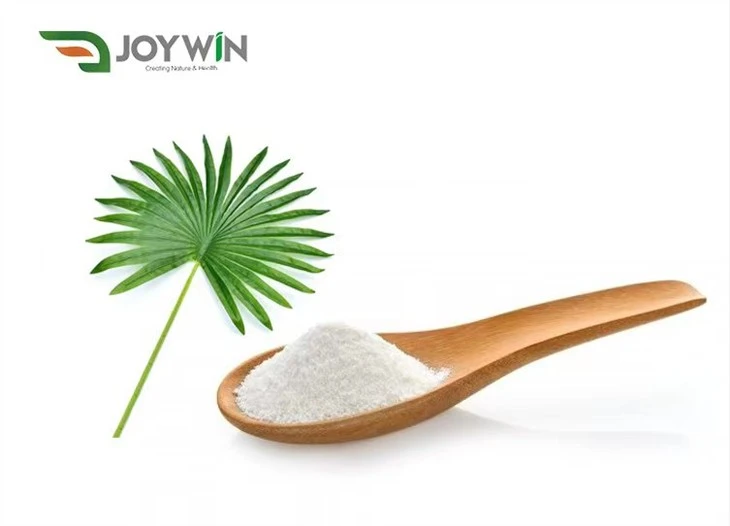
Palm MCT Powder is produced by spray-drying a refined MCT oil derived from palm kernel oil onto a food-grade carrier (typically tapioca maltodextrin, acacia fiber, or a combination), creating a free-flowing, water-dispersible powder that delivers the metabolic benefits of MCT oil in a format compatible with powdered supplements, functional foods, and beverage applications.
The "powder" format solves a fundamental formulation problem: pure MCT oil is a liquid that is difficult to incorporate into capsules, tablets, sachets, and dry-blend products. Spray-dried MCT powder brings the same fatty acid profile into a stable, shelf-stable, easy-to-handle ingredient that blends seamlessly into protein powders, coffee creamers, meal replacements, and keto formulas.
What distinguishes palm kernel-derived MCT from coconut-derived MCT in commercial terms is primarily supply chain economics and scalability - palm kernel oil is one of the world's most abundant sources of lauric acid (C12) and medium-chain fatty acids, making it a reliable, cost-competitive raw material for large-scale MCT production. The fatty acid profile differs slightly from coconut-derived MCT, a distinction we address in detail below.
Source & Origin - Palm Kernel Oil, Transparently Explained
Botanical Source: Elaeis guineensis (Oil Palm)
Our Palm MCT Powder is derived from palm kernel oil - the oil extracted from the kernel (seed) of the oil palm fruit, Elaeis guineensis. This is distinct from palm oil, which is extracted from the fleshy mesocarp of the same fruit and has a very different fatty acid composition (predominantly long-chain palmitic acid, C16).
Palm kernel oil is naturally rich in medium-chain fatty acids:
|
Fatty Acid |
Carbon Chain |
% in Palm Kernel Oil |
MCT Classification |
|
Caproic Acid |
C6:0 |
<1% |
MCT (rarely isolated) |
|
Caprylic Acid |
C8:0 |
3–5% |
✅ Primary ketogenic MCT |
|
Capric Acid |
C10:0 |
3–5% |
✅ Strong ketogenic MCT |
|
Lauric Acid |
C12:0 |
45–52% |
⚠️ Debated MCT (partially behaves as LCT) |
|
Myristic Acid |
C14:0 |
14–18% |
Long-chain (not MCT) |
|
Palmitic Acid |
C16:0 |
6–9% |
Long-chain (not MCT) |
An important transparency note for formulators: The MCT fraction extracted from palm kernel oil for MCT powder production is concentrated and refined - the long-chain fatty acids (C14, C16) are removed during fractionation, yielding an MCT-enriched oil predominantly composed of C8, C10, and C12. The exact ratio in our finished MCT powder is specified on the COA and can be customized based on your application requirements.
Sustainability Commitment
Palm kernel oil sourcing carries legitimate sustainability concerns that informed buyers rightly raise. Our palm kernel oil is sourced from RSPO-certified (Roundtable on Sustainable Palm Oil) supply chains, with full traceability documentation available. We take this seriously - not as a marketing checkbox, but because our European customers in particular require it for their own sustainability reporting and consumer-facing claims.

Fatty Acid Profile & Active Constituents
Understanding the fatty acid composition of your MCT powder is not optional - it directly determines the product's ketogenic potency, flavor profile, digestive tolerance, and positioning in the market.
The MCT Hierarchy: C8 > C10 > C12
Not all MCTs are created equal in terms of ketogenic efficiency:
|
Fatty Acid |
Ketogenic Potency |
Speed of Conversion |
Flavor Impact |
Digestive Tolerance |
|
C8 (Caprylic) |
⭐⭐⭐⭐⭐ Highest |
Fastest |
Neutral |
Best (at moderate doses) |
|
C10 (Capric) |
⭐⭐⭐⭐ High |
Fast |
Slightly stronger |
Good |
|
C12 (Lauric) |
⭐⭐ Moderate |
Slower (partially LCT pathway) |
Mild |
Excellent |
|
C6 (Caproic) |
⭐⭐⭐ Moderate |
Fast |
Strong / unpleasant |
Poor (GI irritant) |
Research published in PMC confirms that caprylic acid (C8) is the most potent ketogenic MCT, producing the highest blood ketone levels per gram consumed, followed by capric acid (C10). Lauric acid (C12), while technically classified as an MCT by chain length, is partially absorbed via the lymphatic system like long-chain fats - meaning its ketogenic contribution is meaningfully lower than C8 or C10.
Our standard Palm MCT Powder formulation targets a C8:C10:C12 ratio that balances ketogenic potency with digestive tolerance and cost - the specific ratio is detailed in the COA. Custom C8/C10-only formulations (excluding C12) are available for premium keto product lines where maximum ketogenic potency is the priority.
Product Specifications & COA Parameters
|
Parameter |
Specification |
|
Product Name |
Palm MCT Powder |
|
Raw Material Source |
Palm Kernel Oil (Elaeis guineensis) |
|
Carrier |
Tapioca Maltodextrin (or Acacia Fiber - specify on order) |
|
MCT Content (on oil basis) |
≥ 99% |
|
MCT Content (on powder basis) |
≥ 70% |
|
C8 (Caprylic Acid) |
50–65% of MCT fraction |
|
C10 (Capric Acid) |
30–45% of MCT fraction |
|
C12 (Lauric Acid) |
≤ 5% of MCT fraction |
|
Appearance |
White to off-white free-flowing powder |
|
Odor |
Bland, neutral (no rancid or off-notes) |
|
Moisture Content |
≤ 3.0% |
|
Fat Content (as-is basis) |
65–75% |
|
Protein |
≤ 1.0% |
|
Ash Content |
≤ 1.0% |
|
Peroxide Value (PV) |
≤ 0.5 meq/kg |
|
Free Fatty Acids (FFA) |
≤ 0.1% |
|
Heavy Metals (Total) |
≤ 10 ppm |
|
Lead (Pb) |
≤ 0.1 ppm |
|
Arsenic (As) |
≤ 0.1 ppm |
|
Mercury (Hg) |
≤ 0.05 ppm |
|
Cadmium (Cd) |
≤ 0.1 ppm |
|
Pesticide Residues |
Compliant with EU Reg. 396/2005 |
|
Microbial: Total Plate Count |
≤ 1000 CFU/g |
|
Yeast & Mold |
≤ 100 CFU/g |
|
E. coli |
Negative |
|
Salmonella |
Negative |
|
Bulk Density |
0.4–0.6 g/mL |
|
Particle Size (D90) |
≤ 250 μm |
|
Dispersibility |
Readily dispersible in water (≥40°C) |
|
Shelf Life |
18 months from manufacturing date |
|
Storage |
Cool (≤25°C), dry, away from light; sealed |
Available variants:
* 70% MCT / Tapioca Maltodextrin carrier - Standard grade, best value
* 70% MCT / Acacia Fiber carrier - Preferred for keto/low-carb positioning (lower net carbs)
* C8/C10 only (no C12) - Premium ketogenic grade
* Organic-certified - Available seasonally; contact for availability
Manufacturing Process - From Palm Kernel to Powder
The quality of MCT powder is determined at every stage of production. Here's a transparent walkthrough of our process:
Step 1 - Palm Kernel Oil Sourcing & Incoming QC Refined, bleached, and deodorized (RBD) palm kernel oil is sourced from RSPO-certified suppliers. Each incoming lot is tested for fatty acid profile (GC), peroxide value, free fatty acids, moisture, and heavy metals before acceptance.
Step 2 - Fractionation RBD palm kernel oil undergoes fractional distillation to separate the medium-chain fatty acid fraction (C8–C12) from the long-chain components (C14+). This step is what converts palm kernel oil - which contains significant C14 and C16 - into a true MCT oil. The fractionation parameters (temperature, vacuum level, cut points) are tightly controlled to achieve the target C8:C10:C12 ratio.
Step 3 - MCT Oil Quality Verification The fractionated MCT oil is tested by GC-FID for fatty acid profile confirmation, peroxide value, free fatty acid content, and color before proceeding to encapsulation.
Step 4 - Emulsification The MCT oil is emulsified with the carrier material (tapioca maltodextrin or acacia fiber) and water using high-shear mixing and homogenization equipment. The stability of this emulsion - droplet size distribution, viscosity, and phase separation resistance - directly determines the final powder's dispersibility and shelf stability. This step requires significant process engineering expertise.
Step 5 - Spray Drying The stable emulsion is spray-dried using a rotary atomizer or two-fluid nozzle system under controlled inlet/outlet temperature parameters. The goal is to encapsulate MCT oil droplets within the carrier matrix, creating microencapsulated fat particles that are shelf-stable, free-flowing, and readily release the MCT oil upon consumption or dissolution.
Step 6 - Powder Collection & Cooling The spray-dried powder is collected, cooled to ambient temperature, and screened to remove any agglomerates or oversized particles.
Step 7 - Blending & Homogenization Batch blending ensures lot-to-lot uniformity in fat content, particle size, and bulk density - critical for customers running continuous production lines.
Step 8 - Final QC Testing, Packaging & Release Every batch is tested against the full COA parameter list - including peroxide value (oxidative stability), fatty acid profile, moisture, and microbiological panel - before release. No batch ships without a passing QC report.
Quality Control - Oxidative Stability Is the Critical Variable
For MCT powder specifically, oxidative stability is the quality parameter that most often separates good product from problematic product. Rancid MCT powder is not just a sensory problem - it signals lipid oxidation byproducts that can affect product safety and regulatory compliance.
Our QC system specifically addresses this:
* Peroxide Value (PV) tested on every batch (target ≤0.5 meq/kg; rancid product typically >2.0)
* Free Fatty Acid (FFA) content monitored as an indicator of hydrolytic rancidity
* Anisidine Value available on request for comprehensive oxidation assessment
* Accelerated shelf-life testing conducted on each new formulation variant
Facility Certifications:
✅ cGMP - Current Good Manufacturing Practice
✅ ISO 9001:2015 - Quality Management System
✅ ISO 22000 - Food Safety Management System
✅ FSSC 22000 - Food Safety System Certification
✅ BRC - British Retail Consortium Global Standard
✅ RSPO - Roundtable on Sustainable Palm Oil (supply chain)
✅ Kosher Certified
✅ HALAL Certified
✅ ISO 14001 - Environmental Management System
On-Site Testing Capabilities:
* GC-FID - Fatty acid profile (C6–C18 quantification)
* Peroxide Value Titration - Oxidative stability
* Karl Fischer Titration - Moisture content
* ICP-MS - Heavy metals
* GC-MS/MS - Pesticide residues
* Particle Size Analyzer (laser diffraction) - D10/D50/D90 distribution
* Bulk Density / Tap Density - Flow property characterization
* Microbiological Testing Suite - Full panel
Third-party testing through SGS, Eurofins, or Intertek is available and encouraged for new customer qualification processes.
The Science of MCTs - Evidence-Based, Application-Relevant
1. Metabolic Pathway - Why MCTs Are Metabolically Unique
The metabolic advantage of MCTs over LCTs is well-established in the scientific literature and stems from a fundamental difference in absorption and transport:
* LCTs are packaged into chylomicrons in intestinal cells and transported via the lymphatic system before entering the bloodstream - a slow process that deposits fat in adipose tissue
* MCTs bypass this pathway entirely: they are absorbed directly into the portal vein and transported to the liver, where they undergo rapid beta-oxidation and are converted to acetyl-CoA and subsequently to ketone bodies (beta-hydroxybutyrate, acetoacetate)
This means MCTs are available as cellular energy within 60–90 minutes of consumption - significantly faster than LCTs. Research published in PMC confirms that MCT consumption produces measurable elevations in blood ketone levels even in non-fasting, non-ketogenic diet conditions.
2. Ketogenic Support & Metabolic Flexibility
For formulators targeting the keto and low-carb market - still one of the fastest-growing segments in sports nutrition and functional foods - MCT powder is a foundational ingredient. The evidence base is solid:
* MCT supplementation raises blood beta-hydroxybutyrate (BHB) levels dose-dependently, supporting ketosis induction and maintenance
* MCTs can help individuals transition into ketosis more easily when starting a ketogenic diet
* Even on a standard diet, MCT consumption provides a ketogenic energy source without requiring dietary carbohydrate restriction
* C8 (caprylic acid) produces approximately 3× more ketones per gram than C12 (lauric acid), making the fatty acid profile of your MCT powder a genuine performance differentiator
3. Cognitive Health & Brain Energy - Emerging Clinical Evidence
This is arguably the most exciting frontier for MCT powder applications, and the science is moving fast.
Research led by Dr. Stephen Cunnane at Université de Sherbrooke demonstrated that MCT supplementation (30g/day of C8/C10) significantly increased brain ketone metabolism in individuals with Alzheimer's disease and pre-dementia - compensating for the well-documented glucose hypometabolism that characterizes early Alzheimer's pathology. In subjects with mild cognitive impairment, MCT supplementation was associated with measurable improvements in cognitive test performance.
For supplement formulators, this translates into a compelling, evidence-backed positioning for MCT powder in cognitive health, brain energy, and healthy aging product lines - categories experiencing strong consumer demand and premium pricing tolerance.
4. Sports Performance & Energy
Healthline's review of MCT oil benefits, drawing on multiple clinical studies, summarizes the sports nutrition evidence:
* MCTs provide rapidly available energy that can spare muscle glycogen during exercise
* Some studies show reduced lactate buildup during high-intensity exercise with MCT supplementation
* MCTs support fat adaptation in endurance athletes, improving the body's ability to use fat as fuel
* The rapid gastric emptying of MCTs compared to LCTs makes them suitable for pre-workout use without the GI discomfort associated with high-fat pre-workout meals
5. Weight Management
The weight management evidence for MCTs is more nuanced than marketing claims often suggest - and being accurate here builds credibility with sophisticated buyers:
* MCTs increase satiety hormones (peptide YY, leptin) and reduce appetite in short-term studies
* MCT consumption produces a modest increase in thermogenesis (calorie burning) compared to LCTs
* Long-term weight loss effects are modest and context-dependent - MCTs are not a magic weight loss ingredient, but they are a legitimate tool in a calorie-controlled dietary strategy
* The satiety and thermogenic effects are most consistently demonstrated with C8 and C10, not C12
6. Gut Health & Antimicrobial Properties
Caprylic acid (C8) has well-documented antimicrobial activity against pathogenic bacteria, Candida species, and certain viruses. This has driven interest in MCT powder as an ingredient in gut health formulations - particularly products targeting dysbiosis, Candida overgrowth, and gut barrier integrity.
Application Scenarios - Where Palm MCT Powder Fits Your Product Line
|
Application Category |
Product Format |
Typical Use Level |
Key Positioning |
|
Keto Supplements |
Sachets, capsules, canisters |
5–15g MCT/serving |
Ketosis support, fat fuel |
|
Protein Powders |
Blended powder |
3–10g MCT/serving |
Energy, satiety, keto-friendly |
|
Coffee Creamers (Keto) |
Instant powder sachets |
5–10g MCT/serving |
Bulletproof-style, brain fuel |
|
Meal Replacement Shakes |
Powder blend |
5–15g MCT/serving |
Satiety, metabolic health |
|
Pre-Workout Formulas |
Powder, capsules |
3–8g MCT/serving |
Rapid energy, glycogen sparing |
|
Cognitive Health Supplements |
Capsules, sachets |
5–15g MCT/serving |
Brain energy, anti-aging |
|
Sports Nutrition Bars |
Solid bar format |
3–8g MCT/serving |
Sustained energy, fat adaptation |
|
Infant & Medical Nutrition |
Specialized formulas |
Per clinical protocol |
Malabsorption, epilepsy (ketogenic diet) |
|
Functional Beverages |
Instant drink mixes |
3–8g MCT/serving |
Energy, wellness |
|
Weight Management |
Meal replacement, capsules |
5–10g MCT/serving |
Satiety, thermogenesis |
Formulation Synergies Our Customers Use:
* Palm MCT Powder + BHB Salts (exogenous ketones) → Maximum ketogenic support stack; MCT provides sustained ketone production, BHB provides immediate elevation
* Palm MCT Powder + Whey Protein + Collagen → Complete keto meal replacement with all macronutrient bases covered
* Palm MCT Powder + Lion's Mane + Bacopa → Cognitive health formula combining MCT brain fuel with nootropic botanicals
* Palm MCT Powder + Electrolytes (Na, K, Mg) → Keto hydration formula addressing the electrolyte depletion common in ketogenic dieters
* Palm MCT Powder + Acacia Fiber carrier → Prebiotic-enhanced keto creamer with gut health positioning
A Practical Formulation Note: Dispersibility
One of the most common complaints about MCT powder in finished products is clumping and poor cold-water dispersibility. This is almost always a carrier selection and spray-drying parameter issue, not an inherent MCT problem. Our powder is optimized for dispersibility in both hot and warm water (≥40°C). For cold-water applications (cold brew coffee, cold shakes), we recommend our lecithin-enhanced grade - contact our technical team for samples and formulation guidance.
Why Source Palm MCT Powder from Joywin Natural?
The MCT powder market has matured rapidly, and with that maturity has come a predictable set of quality and supply chain problems that we hear about regularly from buyers switching suppliers:
"The powder clumped badly in our protein blend - we had to reformulate." "Peroxide value came back at 3.2 meq/kg on our incoming QC. The product smelled off." "The fatty acid profile didn't match the COA - C12 was 25%, not the 5% stated." "We couldn't get RSPO documentation for our EU sustainability report." "The carrier was changed from acacia fiber to maltodextrin without notice - our keto label claim was compromised."
These are real failures with real commercial consequences. Here's how our systems address them:
|
Common Supplier Failure |
Joywin's Response |
|
Clumping / poor dispersibility |
Optimized emulsification and spray-drying parameters; dispersibility tested per batch |
|
Rancidity / high peroxide value |
PV tested on every batch; nitrogen-flushed packaging standard |
|
Fatty acid profile mismatch |
GC-FID profile on every COA; third-party confirmable |
|
No RSPO documentation |
RSPO-certified supply chain; certificates provided |
|
Undisclosed carrier substitution |
Carrier type locked in specification; any change requires buyer approval |
|
High MOQ blocking trials |
500g sample available; 5 kg minimum for pilot runs |
|
Missing nutrition data for label development |
Full nutrition panel data provided as standard |
Packaging & Logistics
We ensure your product arrives in perfect condition, ready for your production line.
* Standard Packaging:
20 kg in a sealed food-grade polyethylene bag inside a foil-lined kraft paper bag.
25 kg in a sealed food-grade polyethylene bag inside a fiber drum.
* Custom Packaging: Available upon request to fit your specific manufacturing requirements.
* Storage: Store in a cool, dry, and well-ventilated area away from direct sunlight and strong odors. Recommended storage temperature: below 25°C (77°F). Shelf life: 18 months.
* Global Logistics: We are experienced in handling international B2B shipping, documentation, and customs clearance. We ship via air, sea, and land under standard Incoterms (FOB, CIF, DAP).

JOYWIN Manufacturing Facilities
JOYWIN founded in 2013 is an innovation-driven biotechnology company. we provide the manufacture of plant extracts, plant proteases, and customized products. We believe Good produce= Integrity+ Technology+Quality Control.

FAQ
Q1: What is the difference between Palm MCT Powder and Coconut MCT Powder? Both are derived from tropical oils rich in medium-chain fatty acids, and both can be refined to produce high-quality MCT powder. The key differences are: (1) raw material cost - palm kernel oil is generally more cost-competitive at scale; (2) sustainability perception - coconut MCT carries a more favorable consumer perception in some markets, while palm-derived MCT requires RSPO certification to satisfy sustainability-conscious buyers; (3) fatty acid profile - both can be fractionated to similar C8/C10 ratios; the finished MCT oil quality is largely determined by fractionation precision rather than the source oil. For B2B buyers, the choice often comes down to cost, sustainability documentation requirements, and consumer-facing label preferences.
Q2: Is Palm MCT Powder suitable for keto diet products? Yes - it is one of the most widely used ingredients in keto product formulations globally. MCT powder supports ketosis by providing rapidly metabolized fatty acids that the liver converts to ketone bodies. For maximum ketogenic potency, specify our C8/C10-only grade (no C12), which produces the highest blood ketone elevation per gram. For mainstream keto products where cost is a factor, our standard C8/C10/C12 blend delivers excellent performance at a more accessible price point.
Q3: What carrier options are available, and does it affect the keto claim? We offer two standard carriers: tapioca maltodextrin (standard grade) and acacia fiber (low-carb/keto grade). Tapioca maltodextrin adds a small amount of digestible carbohydrate - typically 2–4g net carbs per 15g serving - which may be a consideration for strict keto formulations. Acacia fiber is a prebiotic soluble fiber with negligible net carb impact, making it the preferred carrier for products marketed to strict ketogenic diet followers. The choice of carrier should be reflected in your nutrition facts panel and any keto-related label claims.
Q4: How does Palm MCT Powder perform in hot beverages like coffee? Our standard grade disperses well in hot beverages (≥60°C) and produces a smooth, creamy texture without significant oiliness or separation. For best results in instant coffee applications, we recommend our lecithin-enhanced grade, which provides superior emulsification and a more stable dispersion even as the beverage cools. This grade is specifically designed for the bulletproof coffee and keto creamer market segment.
Q5: What is the shelf life, and how should it be stored? Shelf life is 18 months from the manufacturing date under proper storage conditions: cool (≤25°C), dry environment, away from direct light, in a sealed container. Once opened, reseal immediately and use within 3 months. The nitrogen-flushed packaging we use for commercial quantities significantly extends oxidative stability compared to air-packed alternatives. Monitor peroxide value on incoming QC as a freshness indicator.
Q6: Is Palm MCT Powder allergen-free? Palm kernel oil is not classified as a tree nut allergen under FDA regulations (21 CFR 101.4) or EU Food Information Regulation (EU 1169/2011). Our Palm MCT Powder is produced in a facility that also processes products containing soy lecithin (used in our lecithin-enhanced grade). Full allergen statements are provided with every order. Buyers should conduct their own allergen risk assessment based on their specific facility and formulation context.
Q7: Can you produce under private label with custom fatty acid specifications? Yes. We offer custom C8:C10:C12 ratios, custom carrier types, custom MCT loading levels (60–80% on powder basis), custom particle size, and full private label services. Minimum quantities apply for custom production runs - typically 500 kg per variant. Contact our sales team for a custom specification discussion.
Q8:Where & how can I place an order?
A8:You can click the inquiry on Palm MCT Powder or send us an e-mail to contact@joywinworld.com
Hot Tags: palm mct powder, manufacturers, suppliers, factory, wholesale, buy, price, bulk, high quality, for sale, free sample