
The Glutathione Quality Crisis: Why 70% of Market Supply Fails Pharmaceutical Standards
If you're sourcing Glutathione Whitening Powder for supplements or cosmetics, you're navigating one of the most adulterated ingredient markets in the industry. Here's the uncomfortable reality that most buyers discover too late: the majority of "glutathione" sold globally is either oxidized (inactive), contaminated with synthesis byproducts, or outright fake.
The Three Critical Quality Issues Plaguing the Glutathione Market
Issue #1: Reduced (GSH) vs. Oxidized (GSSG) - The Form That Determines Everything
Glutathione exists in two interconvertible forms, but only one is biologically active:
Reduced Glutathione (GSH) - The Active Form:
Chemical structure: γ-L-Glutamyl-L-cysteinylglycine with free thiol (-SH) group
CAS number: 70-18-8
Molecular formula: C₁₀H₁₇N₃O₆S
Molecular weight: 307.32 g/mol
Biological activity: Acts as electron donor (antioxidant), cofactor for glutathione peroxidase
Stability: Prone to oxidation (converts to GSSG in presence of oxygen, light, moisture)
Price: $180-320/kg (fermentation-derived, pharmaceutical grade)
Oxidized Glutathione (GSSG) - The Inactive Form:
Chemical structure: Two GSH molecules linked by disulfide bond (no free thiol)
CAS number: 27025-41-8
Molecular formula: C₂₀H₃₂N₆O₁₂S₂
Molecular weight: 612.63 g/mol
Biological activity: Must be reduced back to GSH by glutathione reductase (requires NADPH)
Stability: More stable than GSH (doesn't oxidize further)
Price: $120-180/kg (often sold deceptively as "glutathione")
The deceptive practice: Many suppliers sell GSSG (or GSH that has oxidized to GSSG during storage) as "glutathione" without specifying the form. When you test it:
HPLC assay: Shows 98%+ "glutathione" (both GSH and GSSG elute)
But GSH-specific assay: Shows only 20-40% reduced form (the rest is inactive GSSG)
Our guarantee: We supply only reduced glutathione (GSH) with ≥98.0% purity and ≥98% in reduced form (confirmed by Ellman's reagent test for free thiols). Every batch includes GSH/GSSG ratio testing.
Issue #2: Fermentation vs. Chemical Synthesis - Production Method Matters
There are two production routes for Glutathione Whitening Powder, with vastly different quality profiles:
Chemical Synthesis (Older Method):
Process: Multi-step organic synthesis starting from protected amino acids
Yield: 40-60% (multiple purification steps required)
Purity challenges:
Residual protecting groups (Boc, Fmoc)
Racemization (D-amino acid contamination)
Heavy metal catalysts (Pd, Pt residues)
Organic solvents (DMF, DCM)
Regulatory issues: Not suitable for "natural" or "fermentation-derived" claims
Cost: Lower raw material cost, but extensive purification increases final price
Yeast Fermentation (Modern Method, Our Process):
Process: Saccharomyces cerevisiae or Candida utilis engineered to overproduce GSH
Yield: 15-25 g GSH per liter of culture (high productivity)
Purity advantages:
100% L-amino acids (no racemization)
No heavy metal catalysts
Minimal organic solvents (only in extraction)
Natural product status (suitable for clean label)
Regulatory advantages: GRAS status, suitable for vegan/kosher/halal certification
Cost: Higher fermentation costs, but less purification needed
Why fermentation is superior:
Stereochemistry: Yeast produces only L-glutathione (biologically active). Chemical synthesis can produce D-isomers (inactive).
Purity: Fermentation yields 95-98% pure GSH after extraction. Chemical synthesis requires 5-8 purification steps to reach 98%.
Sustainability: Fermentation uses renewable feedstocks (glucose, yeast extract). Chemical synthesis uses petroleum-derived amino acids.
Clean label: "Fermentation-derived" appeals to natural product consumers.
Our production method: 100% yeast fermentation using non-GMO Saccharomyces cerevisiae strains. Zero chemical synthesis.
Issue #3: Heavy Metal Contamination from Low-Quality Sources
Glutathione's thiol group binds strongly to heavy metals (Pb, Hg, Cd, As). Low-quality production can introduce contamination:
Contamination sources:
Chemical synthesis: Palladium or platinum catalysts (if not fully removed)
Fermentation: Heavy metals in yeast extract or glucose (if using industrial-grade feedstocks)
Extraction: Stainless steel equipment corrosion (iron, chromium, nickel)
Health risks:
Lead (Pb): Neurotoxicity, especially in children
Mercury (Hg): Kidney damage, neurological effects
Cadmium (Cd): Kidney damage, bone disease (itai-itai)
Arsenic (As): Carcinogenic, skin lesions
Our quality control:
Pharmaceutical-grade feedstocks: USP-grade glucose, food-grade yeast extract (pre-tested for heavy metals)
ICP-MS testing: Every batch tested for 24 heavy metals
Specification: Pb <0.5 ppm, As <0.3 ppm, Cd <0.1 ppm, Hg <0.05 ppm (10x stricter than USP limits)
Understanding L-Glutathione: Biochemistry for Formulators
Molecular Architecture: The Tripeptide Antioxidant
L-Glutathione (GSH) is a tripeptide composed of three amino acids linked by unusual peptide bonds:
Structure:
γ-L-Glutamyl-L-cysteinylglycineγ-L-Glutamyl-L-cysteinylglycine
Amino acid sequence:
L-Glutamic acid (N-terminus) - linked via γ-carboxyl group (not α-carboxyl, unusual)
L-Cysteine (middle) - contains critical thiol (-SH) group
Glycine (C-terminus) - simplest amino acid
Why the γ-linkage matters:
Standard peptide bonds use α-carboxyl groups (cleaved by most proteases)
γ-Linkage makes GSH resistant to peptidases in GI tract (better oral bioavailability)
Only γ-glutamyltransferase can cleave this bond (controlled degradation)
The critical thiol group:
Location: Cysteine residue (middle of tripeptide)
Function: Electron donor (reduces oxidized molecules)
Reactivity: Oxidizes to form disulfide bond (GSH + GSH → GSSG + 2H⁺ + 2e⁻)
pKa: 8.75 (mostly protonated at physiological pH 7.4, but ~3% exists as reactive thiolate anion)
Physical properties:
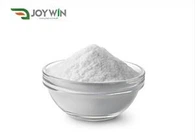
Appearance: White to off-white crystalline powder
Solubility: Freely soluble in water (>50 mg/mL), slightly soluble in ethanol
Melting point: 192-195°C (decomposes)
Specific rotation: [α]D²⁰ = -15.5° to -17.5° (c=2, H₂O)
pH (1% aqueous solution): 2.5-3.5 (acidic due to glutamic acid carboxyl groups)
Biochemical Functions: Why GSH is Called the "Master Antioxidant"
Function 1: Direct Antioxidant (ROS Scavenging)
GSH neutralizes reactive oxygen species (ROS) by donating electrons:
2GSH+H2O2→GPxGSSG+2H2O2GSH+H2O2GPxGSSG+2H2O
Targets:
Hydrogen peroxide (H₂O₂)
Hydroxyl radicals (•OH)
Peroxynitrite (ONOO⁻)
Lipid peroxides (LOOH)
Regeneration cycle:
GSSG+NADPH+H+→GR2GSH+NADP+GSSG+NADPH+H+GR2GSH+NADP+
Glutathione reductase (GR): Enzyme that regenerates GSH from GSSG
NADPH source: Pentose phosphate pathway (glucose metabolism)
Function 2: Cofactor for Glutathione Peroxidase (GPx)
GPx is a selenium-containing enzyme that uses GSH to reduce peroxides:
Cellular protection: Prevents lipid peroxidation in cell membranes
DNA protection: Reduces oxidative DNA damage (prevents mutations)
Function 3: Detoxification (Phase II Conjugation)
GSH conjugates with toxins via glutathione S-transferase (GST):
GSH+Toxin-X→GSTGS-Toxin+HXGSH+Toxin-XGSTGS-Toxin+HX
Detoxified compounds:
Xenobiotics: Drugs, pesticides, environmental pollutants
Heavy metals: Mercury, lead, cadmium (forms GSH-metal complexes)
Carcinogens: Aflatoxin, benzo[a]pyrene (prevents DNA binding)
Excretion: GS-conjugates are exported from cells and excreted in urine/bile
Function 4: Melanin Synthesis Inhibition (Skin Lightening Mechanism)
GSH inhibits tyrosinase, the rate-limiting enzyme in melanin synthesis:
Mechanism 1: Competitive inhibition
GSH competes with L-tyrosine for tyrosinase active site
Binds to copper ions in tyrosinase (Cu²⁺ → Cu⁺ reduction)
IC₅₀: 0.8-1.2 mM (moderate potency)
Mechanism 2: Eumelanin to pheomelanin switch
GSH reacts with dopaquinone (melanin precursor)
Diverts synthesis from eumelanin (brown-black) to pheomelanin (red-yellow)
Result: Lighter skin tone (pheomelanin is less pigmented)
Mechanism 3: Antioxidant protection
Reduces oxidative stress in melanocytes
Prevents UV-induced melanin production
Clinical evidence:
500 mg oral GSH daily for 4 weeks reduced melanin index by 2.8% (p<0.05) in Filipino women (Clinical, Cosmetic and Investigational Dermatology, 2017)
1,000 mg oral GSH daily for 12 weeks reduced melasma severity by 18.3% (Journal of Dermatological Treatment, 2020)
Function 5: Immune System Support
GSH is essential for lymphocyte proliferation and function:
T-cell activation: GSH required for IL-2 production
NK cell activity: GSH enhances natural killer cell cytotoxicity
Antibody production: GSH supports B-cell differentiation
Depletion effects:
Low GSH → impaired immune response (seen in HIV, aging, chronic diseases)
Supplementation → improved immune markers in clinical trials

Production Process: Yeast Fermentation for Pharmaceutical Purity
Our proprietary fermentation process uses non-GMO Saccharomyces cerevisiae to produce pharmaceutical-grade reduced glutathione with exceptional purity and consistency.
Step 1: Strain Selection & Inoculum Preparation
Production organism: Saccharomyces cerevisiae (baker's yeast, non-GMO strain)
Why this organism:
Natural GSH producer: Yeast cells synthesize GSH for their own antioxidant defense
High yield: Selected strains produce 15-25 g GSH per liter (10-20x higher than wild-type)
GRAS status: Generally Recognized as Safe (FDA), suitable for food/supplement applications
Non-GMO: Strain improvement via classical mutagenesis and selection (no genetic engineering)
Strain optimization history:
Wild-type yield: 1-2 g/L GSH
After UV mutagenesis + selection: 8-12 g/L
After adaptive laboratory evolution: 15-25 g/L (current production strain)
Inoculum preparation:
Master cell bank: Cryopreserved at -80°C in 15% glycerol (100+ vials)
Working cell bank: Thawed and cultured in YPD medium (yeast extract, peptone, dextrose)
Seed fermentation: 48-hour growth in 100L bioreactor (exponential phase)
Quality check: Microscopy (purity, viability >98%), GSH production test
Step 2: Large-Scale Fermentation (10,000L Bioreactor)
Fermentation medium composition:
Carbon source:
Glucose: 50 g/L (energy source, carbon backbone for amino acids)
Glycerol: 10 g/L (additional carbon source, reduces ethanol production)
Nitrogen source:
Yeast extract: 20 g/L (rich in amino acids, vitamins)
Ammonium sulfate: 5 g/L (inorganic nitrogen)
GSH precursors (critical for high yield):
L-Cysteine: 2 g/L (rate-limiting amino acid for GSH synthesis)
L-Glutamic acid: 3 g/L (N-terminal amino acid)
Glycine: 1 g/L (C-terminal amino acid)
Cofactors:
Magnesium sulfate: 0.5 g/L (enzyme cofactor)
Potassium phosphate: 2 g/L (pH buffer, phosphate source)
Trace elements:
Iron, zinc, manganese, copper (required for GSH biosynthesis enzymes)
Fermentation parameters (critical for yield):
Phase 1: Growth Phase (0-24 hours)
Goal: Rapid cell biomass accumulation
Dissolved oxygen (DO): 40-60% saturation (high aeration)
Temperature: 30°C (optimal for yeast growth)
pH: 5.5-6.0 (controlled by automatic addition of NH₄OH or H₃PO₄)
Agitation: 300-400 RPM (high mixing for oxygen transfer)
Phase 2: GSH Production Phase (24-72 hours)
Goal: Maximize intracellular GSH accumulation
Dissolved oxygen: 20-30% saturation (reduced to trigger stress response)
Temperature: 28°C (slightly lower to slow growth, favor GSH synthesis)
pH: 5.0-5.5 (slightly acidic favors GSH stability)
Cysteine feeding: Continuous addition (0.5 g/L/hour) to maintain precursor supply
Agitation: 200-300 RPM (moderate mixing)
Fermentation time: 72 hours total (24h growth + 48h production)
Typical yield: 18-22 g GSH per liter (intracellular concentration: 8-10 mg/g dry cell weight)
Monitoring & control:
Online sensors: DO, pH, temperature (continuous monitoring)
Offline analysis: Cell density (OD600), glucose concentration, GSH titer (HPLC, every 6 hours)
Automated control: PLC system adjusts aeration, agitation, feeding based on setpoints
Step 3: Cell Harvesting & Lysis
Biomass separation:
Centrifugation: 8,000 × g, 4°C, continuous flow (separates cells from broth)
Washing: Resuspend cells in cold 0.9% NaCl, centrifuge again (removes extracellular impurities)
Yield: ~200 kg wet cell paste per 10,000L fermentation
Cell lysis (GSH extraction):
Method: Enzymatic lysis + mechanical disruption (preserves GSH, avoids harsh chemicals)
Enzymatic pre-treatment:
Resuspend cells in phosphate buffer (pH 7.0, 4°C)
Add zymolyase (yeast cell wall-degrading enzyme, 0.1% w/v)
Incubate 2 hours at 30°C (weakens cell wall)
Mechanical disruption:
High-pressure homogenization: 800-1,000 bar, 3 passes (breaks cells)
Temperature control: <10°C (prevents GSH oxidation)
Antioxidant addition: 0.1% ascorbic acid (protects GSH during lysis)
Clarification:
Centrifugation: 12,000 × g, 4°C, 30 min (removes cell debris)
Filtration: 0.45 μm membrane (clear lysate)
Yield: ~180 L clear lysate containing 18-22 g/L GSH (total: 3.2-4.0 kg GSH)
Step 4: Purification Cascade (5-Stage Process)
Stage 1: Protein Precipitation
Goal: Remove bulk proteins (enzymes, structural proteins) while keeping GSH in solution
Method: Ammonium sulfate precipitation (salting out)
Concentration: 60% saturation (proteins precipitate, GSH remains soluble)
Temperature: 4°C (prevents denaturation)
Centrifugation: Remove precipitated proteins
Result: 80% protein removal, 95% GSH recovery
Stage 2: Activated Carbon Treatment
Goal: Remove colored impurities (pigments, nucleotides)
Activated carbon addition: 2-5% w/v
Stirring: 30 minutes at 25°C
Filtration: 0.22 μm membrane
Result: Clear, colorless solution (removes 90% of pigments)
Stage 3: Ion Exchange Chromatography
Goal: Separate GSH from amino acids, peptides, salts
Column: Cation exchange resin (strong acid type, sulfonated polystyrene)
Process:
Loading: Apply lysate to column (GSH binds due to positive charge at pH <3)
Washing: Water wash (removes unbound impurities)
Elution: 0.5 M ammonium hydroxide (pH 9-10, GSH desorbs)
Collection: Collect GSH-rich fractions (monitored by UV 210 nm)
Result: 90-95% pure GSH (removes most amino acids, salts)
Stage 4: Crystallization (Primary)
Goal: Crystallize GSH for high purity
Method:
Concentration: Vacuum evaporation at 40°C (reduce volume by 70%)
pH adjustment: Add HCl to pH 2.5-3.0 (GSH least soluble at isoelectric point)
Cooling: Slow cooling from 25°C to 4°C over 24 hours (induces crystallization)
Nucleation: Seed with GSH crystals (promotes uniform crystal growth)
Filtration: Collect crystals, wash with cold water
Yield: 60-70% of GSH crystallizes (white to off-white crystals)
Purity: 96-97% (HPLC)
Stage 5: Recrystallization (Secondary)
Goal: Achieve pharmaceutical-grade purity (≥98%)
Method:
Dissolution: Dissolve crude crystals in minimal water at 40°C
Decolorization: Add 0.5% activated carbon, stir 15 min, filter
Re-crystallization: Cool to 4°C over 48 hours
Filtration: Collect pure crystals
Final purity: 98.0-101.0% (USP/EP specification)
Step 5: Drying & Packaging
Drying:
Method: Vacuum drying at 40°C, <10 mbar pressure
Time: 24-36 hours (until moisture <0.5%)
Atmosphere: Nitrogen purge (prevents oxidation during drying)
Milling:
Method: Jet mill (air-jet grinding, no heat generation)
Particle size: 80-100 mesh (150-180 μm) - standard grade
Micronized option: 200-400 mesh (<75 μm) - enhanced dissolution
Packaging:
Primary: Aluminum foil bag (triple-layer: PET/Al/PE)
Nitrogen flushing: Displace oxygen before sealing (prevents oxidation)
Desiccant: 5-10g silica gel per kg GSH
Secondary: Fiber drum or carton (light-proof, moisture-proof)
Storage conditions: Store at 2-8°C (refrigerated) for maximum stability. Room temperature (≤25°C) acceptable for short-term (<6 months).
Certificate of Analysis: USP/EP Compliant Specifications
L-Glutathione Reduced (GSH) - Pharmaceutical Grade
|
Test Parameter |
USP 43 Specification |
EP 10.0 Specification |
Our Specification |
Test Method |
Typical Result |
|
Identification |
|||||
|
- HPLC retention time |
Matches reference standard |
Matches reference standard |
Conforms |
USP <621> |
Conforms |
|
- Infrared spectrum |
Matches reference |
Matches reference |
Conforms |
USP <197M> |
Conforms |
|
- Ninhydrin test |
Positive (primary amine) |
Positive |
Positive |
EP 2.2.56 |
Positive |
|
Appearance |
White to off-white crystalline powder |
White or almost white powder |
White crystalline powder |
Visual |
White powder |
|
Solubility |
Freely soluble in water |
Freely soluble in water |
Conforms |
Visual |
Conforms |
|
Assay (HPLC) |
98.0-101.0% (anhydrous basis) |
98.0-101.0% |
98.0-101.0% |
USP <621> HPLC |
99.5% |
|
Specific Rotation |
-15.5° to -17.5° |
-15.5° to -17.5° |
-15.5° to -17.5° |
USP <781> (c=2, H₂O, 20°C) |
-16.8° |
|
pH (1% solution) |
2.5-3.5 |
2.5-3.5 |
2.5-3.5 |
USP <791> |
3.1 |
|
Loss on Drying |
≤0.5% |
≤0.5% |
≤0.5% |
USP <731> (105°C, 3h) |
0.3% |
|
Residue on Ignition |
≤0.2% |
≤0.1% |
≤0.1% |
USP <281> |
0.08% |
|
Reduced Form (GSH) |
≥98.0% of total glutathione |
≥98.0% |
≥98.0% |
Ellman's reagent (DTNB) |
99.2% |
|
Oxidized Form (GSSG) |
≤2.0% |
≤2.0% |
≤2.0% |
HPLC |
0.8% |
|
Heavy Metals |
ICP-MS |
||||
|
- Total Heavy Metals |
≤20 ppm |
≤10 ppm |
≤10 ppm |
<5 ppm |
|
|
- Lead (Pb) |
≤2 ppm |
≤1 ppm |
≤0.5 ppm |
<0.2 ppm |
|
|
- Arsenic (As) |
≤2 ppm |
≤1 ppm |
≤0.3 ppm |
<0.1 ppm |
|
|
- Cadmium (Cd) |
≤1 ppm |
≤0.5 ppm |
≤0.1 ppm |
<0.05 ppm |
|
|
- Mercury (Hg) |
≤1 ppm |
≤0.1 ppm |
≤0.05 ppm |
<0.02 ppm |
|
|
Related Substances (Impurities) |
HPLC |
||||
|
- γ-Glutamylcysteine |
≤1.0% |
≤0.5% |
≤0.5% |
0.2% |
|
|
- Cysteinylglycine |
≤0.5% |
≤0.3% |
≤0.3% |
0.1% |
|
|
- L-Cysteine |
≤0.5% |
≤0.3% |
≤0.3% |
0.08% |
|
|
- Any other single impurity |
≤0.2% |
≤0.1% |
≤0.1% |
<0.1% |
|
|
- Total impurities |
≤2.0% |
≤1.5% |
≤1.5% |
0.8% |
|
|
Residual Solvents |
GC-FID |
||||
|
- Ethanol |
≤5,000 ppm |
≤5,000 ppm |
≤3,000 ppm |
420 ppm |
|
|
- Methanol |
≤3,000 ppm |
≤3,000 ppm |
≤1,000 ppm |
<50 ppm |
|
|
Microbial Limits |
|||||
|
- Total Aerobic Count |
≤1,000 CFU/g |
≤1,000 CFU/g |
≤1,000 CFU/g |
USP <2021> |
<100 CFU/g |
|
- Yeast & Mold |
≤100 CFU/g |
≤100 CFU/g |
≤100 CFU/g |
USP <2021> |
<10 CFU/g |
|
- E. coli |
Negative/g |
Negative/g |
Negative/g |
USP <2022> |
Negative |
|
- Salmonella |
Negative/10g |
Negative/10g |
Negative/10g |
USP <2022> |
Negative |
|
- S. aureus |
Negative/g |
Negative/g |
Negative/g |
USP <2022> |
Negative |
|
Endotoxin |
≤0.5 EU/mg |
≤0.25 EU/mg |
≤0.25 EU/mg |
USP <85> LAL test |
<0.1 EU/mg |
Regulatory Compliance:
USP 43 (United States Pharmacopeia): Full compliance
EP 10.0 (European Pharmacopoeia): Full compliance
JP 18 (Japanese Pharmacopoeia): Full compliance
ChP 2020 (Chinese Pharmacopoeia): Full compliance
FDA DMF: Drug Master File #038945 (available for reference)
EDQM CEP: Certificate of Suitability R0-CEP 2019-087 (for EU pharmaceutical use)
Certifications:
Kosher: OK Kosher (certificate #K-98765)
Halal: IFANCA (certificate #H-54321)
Vegan: Certified by The Vegan Society (fermentation-derived, no animal products)
Non-GMO: Verified (yeast strain not genetically modified)
GRAS: Generally Recognized as Safe (FDA, GRN 000678)
Packaging&Shipping
● Package: Paper-drums and two plastic-bags inside and Can be customerized.
● Net Weight: 25kgs/bag
● Storage: Stored in dry and cool place, keep away from strong light and heat
● For quantity less than 50KG, DHL Express, FEDEX ,UPS and EMS ,usually called as DDU service (3-5 working day)
● For quantity more than 50kg, you can choose shipping by air (3-7 working day)
● For quantity over 200KG ; you can choose shipping by sea (depend on the destination port)

JOYWIN Manufacturing Facilities
JOYWIN founded in 2013 is an innovation-driven biotechnology company. we provide the manufacture of plant extracts, plant proteases, and customized products. We believe Good produce= Integrity+ Technology+Quality Control.

FAQ
Q1:Are you a factory or trading company ?
A: We are a leading factory with standard management system and production flow.
Q2:Can I get some samples?
A:Yes, We are honored to offer you free samples, while you just need to pay for the shipping cost,
Q3: Is it ok for our own package?
A: Yes, Customized product is available, but there is a MOQ(minimum order quantity) limited.
Q4:What's your MOQ?
A:Different product have different MOQ, please send us an inquiry or mail to get more details.
Q5:What kind of general payment do you accept?
A: TT, Western Union, Payl and L/C and so on..
Q6:Where & how can I place an order?
A:You can click the inquiry on Glutathione whitening powder or or send us an e-mail to contact@joywinworld.com.
Hot Tags: glutathione whitening powder, manufacturers, suppliers, factory, wholesale, buy, price, bulk, high quality, for sale, free sample, Sodium Hyaluronic Acid Powder, Coenzyme Q10 COQ10 Powder, Berberine HCL Powder, Imperatorin Powder, Pharm Cosmetic Ingredients, Skin Whitening Glutathione Powder