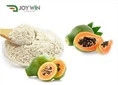

Products Description
Pomegranate 40 Ellagic Acid is a standardized botanical extract derived from the peel of Punica granatum L., concentrated and validated to contain a minimum of 40% ellagic acid by HPLC analysis. It represents one of the most bioactively dense polyphenol ingredients available to supplement formulators today.
Ellagic acid (EA) is a naturally occurring polyphenolic compound - technically a dilactone of hexahydroxydiphenic acid - found predominantly in pomegranate, but also in walnuts, raspberries, and strawberries. What makes pomegranate the preferred commercial source is its exceptionally high ellagitannin content (primarily punicalagin and punicalin), which hydrolyze to release free ellagic acid during extraction and digestion.
The "40%" designation is critical for B2B buyers: it means every gram of extract delivers a guaranteed, HPLC-verified minimum of 400 mg of ellagic acid - a standardization that eliminates the batch-to-batch variability that plagues non-standardized pomegranate powders. This is the specification that serious supplement manufacturers, contract manufacturers, and pharmaceutical ingredient buyers specify on their purchase orders.
Beyond ellagic acid itself, this extract retains a rich co-matrix of anthocyanins, flavonoids, and hydrolyzable tannins that contribute to its broad-spectrum biological activity - a complexity that isolated ellagic acid alone cannot replicate.
Source & Origin - From Orchard to Extract
Botanical Identity: Punica granatum L.
Our Pomegranate 40 Ellagic Acid is extracted from the dried peel of Punica granatum L. - the part of the fruit with the highest concentration of ellagitannins. While pomegranate juice and seed oil have their own commercial applications, the peel contains 2–3× higher polyphenol concentrations than the juice, making it the scientifically and economically optimal raw material for high-potency ellagic acid extraction.
|
Plant Part |
Primary Compounds |
Ellagic Acid Yield |
Commercial Viability |
|
Fruit Peel |
Punicalagin, Punicalin, Ellagic Acid |
High (up to 40%+ extractable) |
✅ Primary commercial source |
|
Juice / Arils |
Anthocyanins, Ellagic Acid |
Moderate |
⚠️ Lower concentration |
|
Seeds |
Punicic Acid (omega-5), Ellagic Acid |
Low |
❌ Not preferred for EA |
|
Whole Fruit Powder |
All of the above |
Variable |
⚠️ Inconsistent standardization |
Our raw material is sourced from pomegranate orchards in Shaanxi and Yunnan provinces, China - regions with the climatic profile (high altitude, dry summers, significant diurnal temperature variation) that promotes elevated polyphenol biosynthesis in the fruit. Each incoming lot of dried peel is tested for identity via TLC and HPLC fingerprinting before entering the extraction process.

Active Constituents - What's Actually in This Extract
Understanding the full phytochemical profile - not just the headline number - is what separates informed formulators from those who get surprised by finished product performance.
Primary Active: Ellagic Acid (≥40%)
Ellagic acid is the benchmark compound, standardized by HPLC. It is the hydrolysis product of ellagitannins (primarily punicalagin) and exists in both free and bound forms in the extract. Its molecular structure - a planar, highly conjugated polyphenol - is responsible for its potent antioxidant, anti-inflammatory, and anti-proliferative activities.
Supporting Phytochemical Matrix:
* Punicalagin (α and β isomers) - the largest molecular weight polyphenol known in any plant food; precursor to ellagic acid and urolithins
* Punicalin - a hydrolyzable tannin with documented antioxidant activity
* Anthocyanins (delphinidin, cyanidin, pelargonidin glycosides) - responsible for the characteristic red pigmentation and additional antioxidant activity
* Flavonoids (luteolin, quercetin, kaempferol) - synergistic anti-inflammatory co-factors
* Gallic acid - a phenolic acid with independent antimicrobial and antioxidant properties
This co-matrix is not incidental. Research increasingly supports the concept of polyphenol synergy - where the combined activity of the extract exceeds what isolated ellagic acid alone would predict.
Product Specifications & COA Parameters
Standard Specification: Pomegranate 40 Ellagic Acid
|
Parameter |
Specification |
|
Product Name |
Pomegranate Extract (Ellagic Acid 40%) |
|
Botanical Source |
Punica granatum L. (Fruit Peel) |
|
CAS Number |
476-66-4 (Ellagic Acid) |
|
Molecular Formula |
C₁₄H₆O₈ |
|
Molecular Weight |
302.19 g/mol |
|
Appearance |
Yellow-brown to brown fine powder |
|
Ellagic Acid Content (HPLC) |
≥ 40% |
|
Loss on Drying |
≤ 5.0% |
|
Ash Content |
≤ 5.0% |
|
Heavy Metals (Total) |
≤ 10 ppm |
|
Lead (Pb) |
≤ 2 ppm |
|
Arsenic (As) |
≤ 1 ppm |
|
Mercury (Hg) |
≤ 0.1 ppm |
|
Cadmium (Cd) |
≤ 1 ppm |
|
Pesticide Residues |
Compliant with EU Reg. 396/2005 |
|
Microbial: Total Plate Count |
≤ 1000 CFU/g |
|
Yeast & Mold |
≤ 100 CFU/g |
|
E. coli |
Negative |
|
Salmonella |
Negative |
|
Solubility |
Slightly soluble in water; soluble in DMSO, alkaline solutions |
|
Particle Size |
80 mesh (customizable) |
|
Storage |
Cool, dry, away from light; sealed container |
|
Shelf Life |
24 months from manufacturing date |
Higher-purity grades (70%, 90%) and water-soluble forms are available upon request. Full HPLC chromatogram, UV spectrum, and third-party test reports (SGS / Eurofins) provided with each commercial order.
Manufacturing Process - Precision at Every Step
The difference between a Pomegranate 40 Ellagic Acid and a generic pomegranate powder is entirely a manufacturing story. Here's ours:
Step 1 - Raw Material Selection & Incoming QC Dried pomegranate peel is received from contracted farms. Each lot undergoes identity verification (macroscopic, microscopic, TLC), moisture testing, and preliminary HPLC screening for ellagic acid content before acceptance into the facility.
Step 2 - Pre-Treatment & Comminution The dried peel is cleaned, inspected for foreign matter, and milled to a controlled particle size to maximize extraction surface area and solvent penetration efficiency.
Step 3 - Solvent Extraction We use an optimized aqueous-ethanol extraction system under controlled temperature, time, and solvent-to-material ratio parameters. This step selectively solubilizes ellagitannins and ellagic acid while minimizing co-extraction of undesirable compounds such as waxes and chlorophylls.
Step 4 - Filtration & Clarification The crude extract undergoes multi-stage filtration - first through coarse filters to remove plant fiber, then through fine membrane filtration to achieve a clear, concentrated liquid extract.
Step 5 - Concentration The filtered extract is concentrated under reduced pressure (vacuum evaporation) at controlled temperatures to preserve thermolabile polyphenols. This step reduces volume and prepares the extract for the critical standardization phase.
Step 6 - Standardization & Blending This is where quality becomes quantifiable. The concentrated extract is HPLC-tested, and batches are precision-blended to achieve the target 40% ellagic acid specification with a defined tolerance window. This step is what guarantees the number on your COA reflects what's in your capsule.
Step 7 - Spray Drying The standardized liquid extract is spray-dried using food-grade carriers (maltodextrin or without carrier, per customer specification) to produce a free-flowing powder with controlled moisture content and bulk density.
Step 8 - Final QC Testing, Packaging & Release Every finished batch is tested against the full COA parameter list before release. No batch ships without a passing internal QC report - and third-party verification is available on request.
Quality Control - Our Commitment to What's on the Label
The supplement industry has a well-documented problem: label claims that don't match reality. Independent testing organizations regularly find that botanical extracts - particularly polyphenol-rich ones - fail to meet their stated potency. We've built our QC infrastructure specifically to eliminate this risk for our customers.
Certifications:
✅ cGMP - Current Good Manufacturing Practice
✅ ISO 9001 - Quality Management System
✅ ISO 22000 - Food Safety Management
✅ FSSC 22000 - Food Safety System Certification
✅ BRC - British Retail Consortium Global Standard
✅ Kosher Certified
✅ HALAL Certified
✅ ISO 14001 - Environmental Management
On-Site Testing Capabilities:
* HPLC - Ellagic acid quantification and identity fingerprinting
* ICP-MS - Heavy metals (Pb, As, Hg, Cd, and 10+ additional elements)
* GC-MS - Pesticide residues and solvent residues
* UV-Vis Spectrophotometry - Total polyphenol content (Folin-Ciocalteu method)
* Karl Fischer Titration - Moisture content
* Microbiological Testing Suite - Full panel per USP/EP standards
* Third-party testing through SGS, Eurofins, or Intertek is available upon request and actively encouraged for new customers establishing their incoming QC protocols.
The Science of Ellagic Acid - Evidence-Based, Not Marketing-Based
This section is for the formulators, R&D scientists, and regulatory affairs professionals who need more than a bullet-point health claim. Here's what the peer-reviewed literature actually says.
1. Antioxidant Mechanism - More Than Just ORAC
Ellagic acid is a multi-mechanism antioxidant. Unlike simple hydrogen-donating antioxidants, it operates through:
* Direct radical scavenging via its phenolic hydroxyl groups
* Metal chelation - binding pro-oxidant transition metals (Fe²⁺, Cu²⁺) that catalyze Fenton reactions
* Upregulation of Nrf2/ARE pathway - activating the body's own antioxidant enzyme systems (SOD, CAT, HO-1, NQO1)
A comprehensive review published in PMC confirmed that ellagic acid and its metabolites demonstrate significant antioxidant capacity across multiple validated assay systems (DPPH, ABTS, FRAP), with activity comparable to or exceeding reference antioxidants like Trolox in several models.
2. The Urolithin Connection - Why Gut Microbiome Matters
This is where pomegranate ellagic acid gets genuinely interesting - and where most supplier content falls short.
When ellagic acid and ellagitannins are consumed, gut bacteria metabolize them into a family of compounds called urolithins (primarily Urolithin A and Urolithin B). Urolithins are now recognized as the primary bioactive metabolites responsible for many of pomegranate's systemic health effects - particularly mitophagy activation, muscle health, and anti-aging benefits.
However - and this is critical for formulators - not everyone produces urolithins. Research published in Nature Metabolism and confirmed by multiple subsequent studies shows that only approximately 40% of Western adults have the gut microbiome composition necessary to efficiently convert ellagitannins to Urolithin A.
What this means for your product:
* Pomegranate 40% Ellagic Acid delivers both direct ellagic acid activity (for all consumers) and urolithin precursor loading (for urolithin-producers)
* Formulators targeting the urolithin/mitophagy market may consider co-supplementation strategies
* This mechanistic complexity is a compelling story for premium positioning of pomegranate-based products
3. Anti-Inflammatory Activity
Multiple in vitro and animal studies confirm that ellagic acid inhibits key pro-inflammatory pathways, including:
* NF-κB signaling - the master regulator of inflammatory gene expression
* COX-2 inhibition - reducing prostaglandin synthesis
* Reduction of TNF-α, IL-1β, and IL-6 - key cytokines in chronic low-grade inflammation
A review published in Lidsen Publishing summarized ellagic acid's anti-inflammatory mechanisms across multiple tissue types, noting consistent activity in gastrointestinal, hepatic, and cardiovascular inflammatory models.
4. Anticancer & Chemopreventive Properties
Ellagic acid has one of the most extensively studied chemopreventive profiles among dietary polyphenols. Research documents activity across multiple mechanisms:
* Cell cycle arrest at G1/S and G2/M checkpoints in cancer cell lines
* Apoptosis induction via both intrinsic (mitochondrial) and extrinsic pathways
* Inhibition of angiogenesis - limiting tumor vascularization
* DNA protection - reducing oxidative DNA damage and inhibiting carcinogen-DNA adduct formation
It's important to note: these findings are primarily from in vitro and animal studies. Regulatory bodies in the US, EU, and elsewhere have not approved ellagic acid as a treatment for cancer. These data support chemopreventive positioning in supplement contexts, not therapeutic claims.
7.5 Skin Health & Anti-Aging - The Cosmetic Opportunity
Ellagic acid has emerged as a premium active in cosmetic and cosmeceutical formulations, driven by:
* Melanin synthesis inhibition - ellagic acid inhibits tyrosinase activity, the rate-limiting enzyme in melanogenesis, supporting skin brightening and hyperpigmentation reduction
* Collagen protection - inhibiting MMP (matrix metalloproteinase) enzymes that degrade dermal collagen
* UV-induced damage protection - reducing oxidative stress from UVA/UVB exposure in keratinocyte models
* Anti-glycation activity - reducing advanced glycation end-products (AGEs) associated with skin aging
6. Gut Microbiome Modulation
Emerging research published in PMC highlights ellagic acid's prebiotic-like effects on gut microbiota composition. EA selectively promotes the growth of beneficial bacteria (including Akkermansia muciniphila and Lactobacillus species) while inhibiting pathogenic strains. This bidirectional relationship - where gut bacteria metabolize EA into urolithins, and EA in turn shapes the microbiome - positions pomegranate extract as a genuinely functional ingredient for gut health formulations.
Application Scenarios - Where This Ingredient Performs
|
Application Category |
Product Format |
Typical Dosage |
Key Positioning |
|
Antioxidant Supplements |
Capsules, softgels |
200–500 mg extract/day |
Free radical protection, cellular health |
|
Anti-Aging Formulas |
Capsules, powder blends |
250–500 mg/day |
Urolithin precursor, skin health |
|
Cardiovascular Health |
Tablets, capsules |
250–500 mg/day |
Vascular protection, LDL oxidation |
|
Skin Brightening Supplements |
Capsules, beauty drinks |
100–300 mg/day |
Tyrosinase inhibition, even skin tone |
|
Cosmeceutical Topicals |
Serums, creams, masks |
0.1–1.0% w/w |
Brightening, anti-aging, UV protection |
|
Gut Health Formulas |
Capsules, sachets |
200–400 mg/day |
Microbiome modulation, urolithin support |
|
Sports & Recovery |
Pre/post-workout blends |
250–500 mg/day |
Oxidative stress, muscle recovery |
|
Functional Beverages |
Powdered drink mixes |
100–300 mg/serving |
Antioxidant, wellness positioning |
|
Men's Health |
Capsules |
250–500 mg/day |
Prostate health, testosterone support |
Formulation Synergies Our Customers Use:
Pomegranate EA + Resveratrol + CoQ10 → Premium cardiovascular antioxidant stack
Pomegranate EA + Vitamin C + Niacinamide → Skin brightening supplement or topical serum
Pomegranate EA + Green Tea Extract + Turmeric → Broad-spectrum anti-inflammatory formula
Pomegranate EA + Probiotic blend → Gut-skin axis product targeting urolithin conversion
Pomegranate EA + Quercetin + Zinc → Immune support with antioxidant depth
Packaging & Logistics
Standard Packaging Options:
|
Pack Size |
Packaging Type |
Best For |
|
10–20 g |
Sealed aluminum foil bag |
Samples / R&D evaluation |
|
1 kg |
Double-sealed aluminum foil bag |
Small batch / pilot production |
|
25 kg |
Fiber drum with double PE inner liner |
Standard commercial orders |
|
Custom |
Private label, nitrogen-flushed, custom sizes |
OEM / brand customers |
Shipping & Lead Times:
Samples (10–20g): Free of charge; dispatched within 2–3 business days via DHL / FedEx / UPS
Commercial orders: 7–15 business days production lead time
Shipping modes: Express courier, air freight, sea freight (LCL/FCL)
Export markets served: USA, EU, UK, Canada, Australia, Japan, South Korea, Southeast Asia

JOYWIN Manufacturing Facilities
JOYWIN founded in 2013 is an innovation-driven biotechnology company. we provide the manufacture of plant extracts, plant proteases, and customized products. We believe Good produce= Integrity+ Technology+Quality Control.

JOYWIN Exhibition Show
JOYWIN attend international exhibitions, including CPhI, FIC, API, Vitafoods, SupplesideWest.

FAQ
Q1: What does "40% Ellagic Acid" actually mean - is it standardized by HPLC or UV? It means that every gram of extract contains a minimum of 400 mg of ellagic acid, quantified by HPLC - the gold standard analytical method. Some suppliers use UV spectrophotometry, which can overestimate ellagic acid content due to interference from other polyphenols. We use HPLC exclusively, and our HPLC chromatograms are available upon request. This distinction matters enormously for label accuracy.
Q2: Is this extract water-soluble? How does it behave in formulation? Pure ellagic acid has limited water solubility (~4 mg/L at neutral pH). Our 40% extract - being a complex polyphenol matrix - has somewhat better dispersibility than isolated ellagic acid, but it is not truly water-soluble. For beverage applications, we recommend our water-dispersible version (available with food-grade emulsifier coating) or working with a solubilization system. For capsule and tablet formats, standard powder performs excellently.
Q3: Does pomegranate extract interact with medications? Ellagic acid and pomegranate polyphenols have been shown in some studies to inhibit CYP3A4 and CYP2C9 - the same cytochrome P450 enzymes affected by grapefruit. This is a relevant consideration for pharmaceutical-adjacent products. We recommend formulators targeting clinical populations include appropriate advisory language and consult with a regulatory specialist.
Q4: What's the difference between pomegranate extract and pomegranate juice powder? Pomegranate juice powder is a whole-food ingredient with variable and typically low ellagic acid content (often 1–5%). Our 40% Ellagic Acid extract is a standardized, concentrated botanical extract - it delivers a guaranteed, consistent potency level suitable for clinical-dose supplement formulations. They serve different market segments and should not be treated as interchangeable.
Q5: Can this ingredient be used in topical cosmetic formulations? Yes. Our 40% grade is used by cosmetic formulators in serums, creams, and masks at concentrations of 0.1–1.0% w/w. For topical applications, we recommend evaluating solubilization in a suitable cosmetic solvent (e.g., propylene glycol, glycerin) and conducting standard patch testing. The skin brightening and anti-aging data supporting ellagic acid in topicals are well-documented.
Q6: Is this product Non-GMO and suitable for vegan formulations? Yes on both counts. Punica granatum is a naturally occurring fruit species with no GMO varieties in commercial cultivation. The extract contains no animal-derived ingredients or processing aids. Formal Non-GMO and Vegan statements are provided with each order.
Q7: Do you offer custom specifications - higher ellagic acid content, different particle size, or organic-certified material? We offer 70% and 90% ellagic acid grades, custom particle sizes (40–200 mesh), and water-dispersible formats. Organic-certified raw material is available seasonally - contact our sales team for current availability and pricing. Private label and OEM services are available for qualified buyers.
Q8: How should I store this extract to maintain potency? Store in a sealed container in a cool (below 25°C), dry location away from direct light and humidity. Polyphenols are sensitive to oxidation, heat, and UV exposure. Under proper storage conditions, shelf life is 24 months from the manufacturing date. Once opened, reseal immediately and use within a reasonable timeframe.
Q9:Where & how can I place an order?
A:You can click the inquiry on Pomegranate 40 Ellagic Acid or send us an e-mail to contact@joywinworld.com.
Hot Tags: pomegranate 40 ellagic acid, manufacturers, suppliers, factory, wholesale, buy, price, bulk, high quality, for sale, free sample, Corn Silk Extract Powder 10 1, Monk Fruit Extract Mogroside Powder, Broccoli Extract Powder, Milk Thistle Extract Powder Silymarin, Rosemary Powder Extract 5 Rosmarinic Acid, Chaga Mushroom Extract Powder