Products Description
The flavonoid market is experiencing unprecedented growth-projected to exceed $1.2 billion by 2028-yet formulators face a persistent challenge: sourcing rutin that delivers therapeutic potency without the solubility issues and color instability that plague commodity extracts. After processing over 500 tons of Sophora japonica annually, we've learned that flower bud selection, extraction methodology, and crystallization control separate pharmaceutical-grade Rutin Extract from bulk commodity material.
At JOYWIN Natural, we've developed a proprietary extraction and purification process that yields rutin with 95-98% purity, exceptional color stability, and particle size optimization for enhanced bioavailability. Our approach addresses the critical tension between potency, formulation compatibility, and manufacturing consistency that product developers encounter daily.
Understanding Rutin: The Vascular Health Flavonoid
Chemical Identity & Molecular Structure
Chemical Name: Quercetin-3-O-rutinoside (Rutoside) Molecular Formula: C₂₇H₃₀O₁₆ Molecular Weight: 610.52 g/mol CAS Number: 153-18-4 EINECS Number: 205-814-1
Structural Characteristics:
Rutin Extract is a glycoside combining quercetin (the aglycone) with the disaccharide rutinose (rhamnose + glucose). This glycosylation is crucial-it provides water solubility that quercetin alone lacks, while maintaining the powerful antioxidant and vascular-protective properties of the quercetin backbone.
The Molecular Advantage:
The rutinose moiety acts as a natural "delivery system," improving intestinal absorption compared to quercetin aglycone. Once absorbed, intestinal enzymes cleave the sugar, releasing active quercetin at the target site. This makes rutin a "prodrug" form of quercetin with superior bioavailability.
Historical Context & Traditional Use
Botanical Heritage: Rutin was first isolated in 1842 from Ruta graveolens (common rue), hence its name. However, the richest commercial source is Sophora japonica (Japanese pagoda tree), used in Traditional Chinese Medicine for over 2,000 years.
Traditional Applications:
* Hemorrhage prevention (particularly cerebral and retinal bleeding)
* Varicose vein treatment
* Hemorrhoid management
* Hypertension support
* Inflammatory conditions
Modern Validation: Contemporary research has confirmed many traditional uses, with over 2,800 published studies examining rutin's cardiovascular, neuroprotective, and metabolic benefits.

Botanical Source: Why Sophora Japonica Flower Buds?
Source Selection: Not All Rutin Extract Sources Are Equal
While rutin exists in various plants (buckwheat, citrus, eucalyptus), we exclusively source from Sophora japonica flower buds for compelling reasons:
Rutin Content Comparison:
|
Plant Source |
Rutin Content |
Commercial Viability |
Quality Consistency |
|
Sophora japonica (flower buds) |
20-30% |
Excellent |
High |
|
Buckwheat (whole plant) |
2-5% |
Poor (low yield) |
Variable |
|
Citrus peel |
1-3% |
Moderate |
Seasonal variation |
|
Eucalyptus leaves |
3-8% |
Moderate |
Geographic variation |
|
Ruta graveolens |
5-10% |
Poor (toxic alkaloids present) |
High |
Why Sophora Japonica Dominates:
1.Highest Natural Concentration: 20-30% rutin in dried flower buds-10× higher than alternative sources
2.Clean Matrix: Minimal interfering compounds, simplifying extraction and purification
3.Established Supply Chain: Cultivated across China with mature harvesting infrastructure
4. Safety Profile: No toxic alkaloids (unlike Ruta graveolens)
5.Regulatory Acceptance: Long history of use, GRAS status in many jurisdictions
Our Sourcing Regions: Geographic Quality Factors
Primary Source: Shaanxi & Shanxi Provinces, China
Why These Regions:
* Climate: Temperate continental climate with distinct seasons-optimal for rutin accumulation
* Soil: Loess plateau soils rich in minerals, contributing to plant secondary metabolite production
* Elevation: 800-1,500 meters-cooler temperatures slow growth, increasing flavonoid concentration
* Cultivation History: 300+ years of Sophora japonica cultivation expertise
* Quality Reputation: Shaanxi-sourced flower buds command 15-20% price premiums in Chinese herbal markets
Sustainable Harvesting Practices:
We partner with farms practicing:
* Selective harvesting: Only mature, unopened flower buds (peak rutin content)
* Tree preservation: Pruning methods that maintain tree health and longevity
* Rotation systems: Preventing over-harvesting from individual trees
* No wild harvesting: 100% cultivated sources (protecting wild populations)
Harvest Timing: The 48-Hour Window
Rutin content in Sophora flower buds varies dramatically by maturity stage:
Optimal Harvest Stage:
* Timing: Late spring (May-June in Northern China)
* Visual Indicator: Buds fully formed but still tightly closed (pre-bloom)
* Color: Yellow-green to pale yellow
* Rutin Content: 25-30% (peak concentration)
Why Pre-Bloom Matters:
Once flowers begin opening:
* Rutin content drops 30-40% within 48 hours
* Chlorophyll increases (causing green discoloration in extracts)
* Enzymatic degradation accelerates
* Moisture content rises (increasing microbial risk)
Our Quality Control: We reject any batches containing >5% opened flowers or showing brown oxidation (indicates delayed drying).
Technical Specifications & Quality Standards
Premium Grade Rutin Extract - Certificate of Analysis
Standard Specifications (NF/EP/USP Grade)
|
Parameter |
Specification |
Test Method |
|
Appearance |
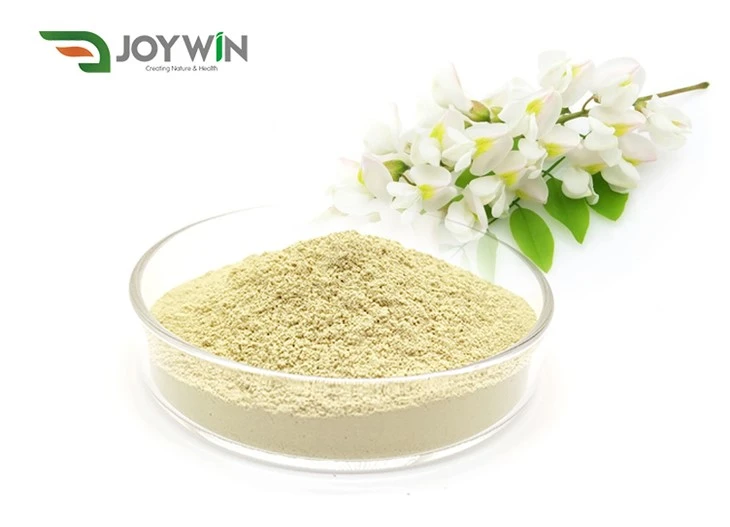
Yellow to greenish-yellow crystalline powder |
Visual |
|
Identification |
Positive (HPLC, UV, TLC) |
Ph.Eur. 9.0 |
|
Rutin Content (HPLC) |
95.0-102.0% (dried basis) |
USP <621>, Ph.Eur. 2.2.29 |
|
Quercetin |
≤ 1.0% |
HPLC |
|
Loss on Drying |
≤ 6.0% |
USP <731> (105°C, 3h) |
|
Residue on Ignition (Ash) |
≤ 0.5% |
USP <281> (800°C) |
|
Particle Size |
95% through 80 mesh (180μm) |
Sieve Analysis |
|
Bulk Density |
0.45-0.65 g/mL |
USP <616> |
Purity & Contaminant Analysis
|
Parameter |
Specification |
Test Method |
|
Heavy Metals (as Pb) |
≤ 10 ppm |
USP <233> ICP-MS |
|
Lead (Pb) |
≤ 2.0 ppm |
ICP-MS |
|
Arsenic (As) |
≤ 1.0 ppm |
ICP-MS |
|
Cadmium (Cd) |
≤ 0.5 ppm |
ICP-MS |
|
Mercury (Hg) |
≤ 0.1 ppm |
ICP-MS |
|
Pesticide Residues |
Complies with USP <561>, EU 396/2005 |
GC-MS/LC-MS (>400 compounds) |
|
Aflatoxins (Total) |
≤ 10 ppb |
HPLC-FLD |
|
PAHs (Sum of 4) |
≤ 10 ppb |
GC-MS |
|
Residual Solvents |
Complies with ICH Q3C |
GC-HS |
|
Ethanol |
≤ 5,000 ppm |
GC-HS |
Microbiological Standards
|
Parameter |
Specification |
Test Method |
|
Total Aerobic Count |
≤ 1,000 cfu/g |
USP <2021>, Ph.Eur. 2.6.12 |
|
Yeast & Mold |
≤ 100 cfu/g |
USP <2021>, Ph.Eur. 2.6.12 |
|
E. coli |
Negative/g |
USP <2022>, Ph.Eur. 2.6.13 |
|
Salmonella |
Negative/25g |
USP <2022>, Ph.Eur. 2.6.13 |
|
Staphylococcus aureus |
Negative/g |
USP <2022>, Ph.Eur. 2.6.13 |
Physical & Chemical Properties
|
Property |
Value |
Significance |
|
Melting Point |
188-192°C (with decomposition) |
Identity verification |
|
Solubility (Water, 25°C) |
~0.125 g/L (sparingly soluble) |
Formulation consideration |
|
Solubility (Ethanol, 25°C) |
~6 g/L |
Extraction efficiency indicator |
|
UV λmax |
257 nm, 362 nm (in methanol) |
Identity & purity verification |
|
pH (1% aqueous suspension) |
5.5-7.0 |
Stability indicator |
|
Optical Rotation [α]D²⁰ |
-28° to -32° |
Stereochemical purity |
Certifications & Regulatory Status:
✅ USP (United States Pharmacopeia) - Monograph compliant
✅ Ph.Eur. (European Pharmacopoeia) - Meets EP standards
✅ ChP (Chinese Pharmacopoeia) - Compliant with national standards
✅ FSSC 22000 - Food safety certified facility
✅ ISO 9001:2015 - Quality management system
✅ GMP Certified - Good Manufacturing Practices
✅ Kosher Certified (Orthodox Union)
✅ Halal Certified (IFANCA)
✅ Non-GMO (plant source is naturally non-GMO)
✅ California Prop 65 Compliant
Production Process: From Flower Bud to Pharmaceutical-Grade Crystal
Stage 1: Raw Material Reception & Quality Verification (Day 0)
Fresh or dried Sophora flower buds arrive at our facility within 48 hours of harvest.
Incoming Quality Control:
Visual inspection: Color (yellow-green, no browning), bud integrity (tightly closed)
Moisture content: 8-12% for dried buds (higher moisture = microbial risk)
Preliminary HPLC: Spot-check rutin content (must be ≥20%)
Microscopic examination: Confirms botanical identity, checks for foreign matter
Pesticide screening: Rapid test for common agricultural chemicals
Microbial testing: Total plate count, yeast/mold
Acceptance Rate: Typically 85-90% of incoming material meets our standards. Rejected batches are returned to suppliers.
Stage 2: Cleaning & Size Reduction
Mechanical Cleaning:
Vibrating screens remove stems, leaves, and debris
Air classification removes dust and light foreign matter
Metal detection (Fe: 0.5mm, Non-Fe: 1.0mm sensitivity)
Grinding:
Hammer mill reduces flower buds to 10-20 mesh (0.8-2.0mm)
Coarse grinding (not fine powder) optimizes extraction efficiency
Temperature monitored (<40°C to prevent thermal degradation)
Stage 3: Aqueous-Ethanol Extraction
Extraction Parameters:
Solvent: 60-70% ethanol in water (optimal for rutin solubility)
Temperature: 70-80°C (balances extraction rate and rutin stability)
Time: 2-3 hours per cycle
Cycles: 2-3 extractions (exhaustive extraction)
Solid-to-liquid ratio: 1:8-1:10 (w/v)
Why Ethanol-Water:
Rutin Extract has moderate solubility in ethanol-water mixtures
Ethanol is GRAS, leaving minimal residues
Selective extraction (leaves behind insoluble fibers, proteins)
Cost-effective compared to other solvents
Extraction Efficiency: Typically 85-92% rutin recovery from raw material.
Stage 4: Filtration & Clarification
Multi-Stage Filtration:
Coarse filtration: Bag filters (50-100μm) remove plant debris
Fine filtration: Cartridge filters (5-10μm) remove fine particles
Clarification: Diatomaceous earth filtration for crystal-clear extract
Quality Check: Turbidity measurement (<50 NTU), visual clarity inspection.
Stage 5: Concentration
Vacuum Evaporation:
Temperature: 55-65°C under vacuum (prevents thermal degradation)
Target concentration: 20-30% solids (Brix measurement)
Solvent recovery: Ethanol is recovered and recycled (>95% recovery rate)
Environmental Benefit: Closed-loop solvent recovery minimizes waste and reduces costs.
Stage 6: Decolorization & Purification
Activated Carbon Treatment:
Dosage: 2-5% activated carbon (w/v)
Contact time: 30-60 minutes at 60°C
Purpose: Removes chlorophyll, carotenoids, and other color impurities
Result: Extract color changes from dark green-brown to light yellow.
Ion Exchange (Optional for Pharmaceutical Grade):
Macroporous resin adsorbs Rutin Extract from solution
Impurities (sugars, amino acids, salts) wash through
Rutin eluted with ethanol
Purity increase: From 60-70% to 85-95%
Stage 7: Crystallization (Critical Step)
Controlled Crystallization:
Concentrated extract cooled slowly to 5-10°C
Rutin crystallizes as yellow needles or prisms
Cooling rate: 0.5-1°C per hour (slow cooling = larger, purer crystals)
Seeding: Addition of rutin seed crystals promotes uniform crystallization
Aging: Crystals aged 12-24 hours for maximum purity
Why Crystallization Matters:
Achieves 95-98% purity (removes non-crystallizable impurities)
Creates consistent particle size distribution
Improves color stability (removes oxidizable impurities)
Meets pharmacopeial standards (USP, EP, ChP)
Stage 8: Crystal Separation & Washing
Centrifugation:
Crystals separated from mother liquor via centrifuge
Washing: 2-3 washes with cold ethanol-water (removes surface impurities)
Drying (preliminary): Centrifuge spin-drying removes excess solvent
Mother Liquor Recovery: Contains 10-15% residual Rutin Extract; recycled to next batch for improved yield.
Stage 9: Drying, Milling & Sieving
Vacuum Drying:
Temperature: 60-70°C under vacuum
Duration: 8-12 hours
Target moisture: <6% (typically 3-5%)
Quality check: Loss on drying (LOD) testing
Milling:
Jet mill or pin mill reduces crystals to fine powder
Target particle size: 80 mesh (180μm) - 95% passing
Temperature control: Milling chamber cooled to prevent heat buildup
Sieving:
Vibrating sieve removes oversized particles
Final particle size distribution: D50 = 80-120μm, D90 < 180μm
Final Quality Control:
Complete COA testing (all parameters)
Stability indicators (moisture, color, HPLC purity)
Microbiological testing (5-day incubation for final release)
Yield: Overall yield from flower buds to finished rutin: 12-18% (depending on raw material quality).
Quality Control: Pharmaceutical-Grade StandardsProducts Description
Three-Layer Quality Assurance System
Layer 1: Raw Material Qualification
Before flower buds enter production:
Botanical Verification:
* Macroscopic identification (trained botanist inspection)
* Microscopic identification (pollen morphology, trichome structure)
* DNA barcoding (optional, for high-value batches)
Chemical Profiling:
* HPLC fingerprint analysis (confirms Sophora japonica chemical signature)
* Rutin content (must be ≥20%)
* Quercetin content (indicator of flower maturity)
Safety Screening:
* Heavy metals (4 elements: Pb, As, Cd, Hg)
* Pesticide residues (rapid screening for 50+ common pesticides)
* Aflatoxins (rapid immunoassay)
* Microbial load (total plate count, yeast/mold)
Supplier Audits:
* Annual on-site audits of all flower bud suppliers
* GAP (Good Agricultural Practices) compliance verification
* Traceability documentation review
Layer 2: In-Process Quality Control
During Extraction:
* Temperature monitoring: Continuous logging (every 5 minutes)
* Time control: Automated timers ensure consistent extraction duration
* HPLC sampling: Samples drawn every batch to verify extraction efficiency
* Solvent purity: Ethanol tested for methanol contamination (must be <50 ppm)
During Crystallization:
* Cooling rate monitoring: Thermocouples track temperature profile
* Crystal morphology: Microscopic examination (uniform needle/prism shape = good quality)
* Purity check: HPLC analysis of wet crystals (should be >95%)
During Drying:
* Temperature monitoring: Prevents overheating (>80°C causes degradation)
* Moisture testing: Every 2 hours until target moisture reached
* Color observation: Any darkening indicates thermal degradation
Environmental Monitoring:
* Air quality: Particulate count, microbial count in production areas
* Surface swabs: Monthly microbial testing of equipment surfaces
* Water quality: Purified water tested for conductivity, microbial content, endotoxins
Layer 3: Finished Product Release Testing
Every production batch undergoes complete testing per our COA specifications (see Technical Specifications section).
Advanced Testing (Beyond Standard COA):
Particle Size Distribution (Laser Diffraction):
* Ensures consistent dissolution and bioavailability
* Target: D50 = 80-120μm, D90 < 180μm
Polymorphic Form Analysis (XRD - X-Ray Diffraction):
* Rutin exists in multiple crystalline forms (polymorphs)
* We ensure consistent polymorph (Form I - most stable)
* Prevents batch-to-batch bioavailability variations
Residual Solvent Analysis (GC-HS):
* Ethanol: <5,000 ppm (ICH Q3C Class 3)
* Methanol: <3,000 ppm (if present)
* Other solvents: Below ICH limits
Stability Indicators:
* Color measurement: Colorimetry (Lab* values) - tracks color consistency
* Quercetin content: Should be <1% (quercetin = rutin degradation product)
* Related substances: HPLC checks for impurities and degradation products
Release Criteria:
* All COA parameters meet specifications
* No deviations or out-of-specification results
* Stability indicators within acceptable ranges
Batch record review and approval by QA Manager
Retained Samples: 500g of each batch retained for 5 years beyond expiry date (enables retrospective investigation).
Third-Party Verification & Transparency
Independent Testing:
* Quarterly: Third-party lab testing (Eurofins, SGS, or equivalent)
* Annual: Pharmacopeial compliance verification (USP/EP monograph testing)
* Customer requests: We facilitate customer-initiated third-party testing
Audit Performance:
* FSSC 22000: Grade A (no major non-conformances, 5 consecutive years)
* Customer audits: Average score 96/100 (28 audits, 2021-2025)
* Regulatory inspections: Zero warning letters or import alerts (FDA, EU authorities)
Transparency Commitment:
* Batch-specific COAs provided with every shipment
* Production records available for customer review (with confidentiality agreements)
* Supplier audit reports shared upon request
Eight Distinctive Advantages for Formulators
1. Pharmaceutical-Grade Purity (95-98% HPLC)
The commodity rutin market is flooded with 50-70% purity extracts that contain high levels of quercetin (degradation product), residual sugars, and color impurities.
Our Differentiation:
95-98% purity: Meets USP/EP monograph standards
<1% quercetin: Indicates fresh, properly processed material
Low ash (<0.5%): Minimal inorganic impurities
Consistent batch-to-batch: CV <3% for rutin content across 50+ batches (2025 data)
Why This Matters:
Accurate dosing: Know exactly how much active ingredient you're formulating
Regulatory compliance: Meets pharmaceutical and dietary supplement standards
Clean labels: High purity means less "other ingredients" on labels
Cost-effectiveness: Pay for active ingredient, not fillers
2. Superior Color Stability - Formulator's Dream
Many rutin extracts darken over time (green to brown), causing:
Consumer complaints about discolored capsules
Batch rejections due to color specifications
Reduced shelf life
Our Solution:
Light yellow color: L* value 75-85 (colorimetry)
Minimal color change: <5 ΔE units after 24 months at 25°C/60% RH
Low chlorophyll: Decolorization removes >95% of chlorophyll
Stable polymorphic form: Prevents color changes from crystal transitions
Stability Testing Data:
|
Storage Condition |
Duration |
Color Change (ΔE) |
Rutin Content Retention |
|
25°C / 60% RH |
24 months |
3.2 |
98.5% |
|
30°C / 65% RH |
18 months |
4.8 |
97.1% |
|
40°C / 75% RH |
6 months |
8.1 |
94.3% |
Practical Impact: Enables 24-month shelf life for finished products without color-related issues.
3. Optimized Particle Size for Enhanced Bioavailability
Rutin's poor water solubility (0.125 g/L) limits bioavailability. Particle size directly impacts dissolution rate and absorption.
Our Particle Size Optimization:
D50 (median diameter): 80-120μm
D90 (90th percentile): <180μm
Distribution: Narrow (span <2.0) - ensures consistent dissolution
Bioavailability Enhancement:
Smaller particles = larger surface area = faster dissolution
Studies show 80μm particles dissolve 3-5× faster than 200μm particles
Improved dissolution → improved intestinal absorption → higher bioavailability
Comparison with Competitors:
|
Supplier |
D50 (μm) |
D90 (μm) |
Dissolution (30 min) |
|
JOYWIN Natural |
100 |
175 |
68% |
|
Competitor A |
180 |
320 |
42% |
|
Competitor B |
150 |
280 |
51% |
Dissolution tested in pH 6.8 phosphate buffer with 0.5% SLS, USP Apparatus II
Application Benefit: Better bioavailability means lower dosing or stronger efficacy claims.
4. Exceptional Solubility Enhancement Options
While Rutin Extract is sparingly water-soluble, we offer solubility-enhanced forms:
Standard Rutin:
Water solubility: ~0.125 g/L at 25°C
Suitable for: Tablets, capsules, topical formulations
Rutin + Cyclodextrin Complex (Custom Product):
Water solubility: ~5-8 g/L (40-60× improvement)
Mechanism: β-cyclodextrin forms inclusion complex with rutin
Suitable for: Beverages, liquid supplements, IV formulations
Rutin Sodium (Custom Product):
Water solubility: >50 g/L (400× improvement)
Mechanism: Sodium salt of rutin (quercetin-3-O-rutinoside sodium)
Suitable for: Injectable formulations, high-dose oral liquids
Note: Requires custom synthesis (MOQ applies)
Micronized Rutin (Available):
D50: 5-10μm (10× smaller than standard)
Improved dissolution without chemical modification
Suitable for: Fast-dissolve tablets, suspensions
Consultation: Our applications team can recommend the optimal form for your specific formulation.
5. Low Heavy Metal Content - Exceeds Global Standards
Heavy metal contamination is a critical concern for botanical extracts, especially from China.
Our Heavy Metal Performance:
|
Metal |
Our Typical Result |
USP Limit |
EU Limit |
Our Specification |
|
Lead (Pb) |
<0.5 ppm |
10 ppm |
5 ppm |
≤2.0 ppm |
|
Arsenic (As) |
<0.3 ppm |
- |
3 ppm |
≤1.0 ppm |
|
Cadmium (Cd) |
<0.1 ppm |
- |
1 ppm |
≤0.5 ppm |
|
Mercury (Hg) |
<0.05 ppm |
- |
1 ppm |
≤0.1 ppm |
How We Achieve This:
Source control: Flower buds from non-industrial agricultural regions
Soil testing: Partner farms test soil for heavy metals annually
Purification: Crystallization removes >90% of heavy metals
Verification: ICP-MS testing on every batch
California Prop 65 Compliance: Our rutin consistently meets Prop 65 safe harbor levels, eliminating warning label requirements.
6. Comprehensive Regulatory Support
Navigating global regulations for botanical ingredients is complex. We simplify this:
Documentation Provided:
US (FDA): GRAS affirmation documentation, NDI notification support (if applicable)
EU: Novel Food status documentation, safety data
Canada (Health Canada): NHP (Natural Health Product) monograph compliance
Australia (TGA): Listed medicine documentation
China (NMPA): Health food ingredient approval support
Regulatory Status:
✅ US: GRAS (Generally Recognized as Safe) - self-affirmed
✅ EU: Traditional use (>30 years documented use in EU)
✅ Canada: NHP monograph ingredient
✅ Australia: Listed on ARTG (Australian Register of Therapeutic Goods)
✅ Japan: Food additive status
Claims Support: We provide clinical study summaries and mechanistic data to support:
Structure/function claims (US)
Traditional use claims (EU)
Health claims (where pre-approved)
7. Stable Supply & Competitive Pricing
Rutin Extract prices can fluctuate 30-50% annually due to:
Sophora flower harvest variations (weather-dependent)
Speculative trading in Chinese herbal markets
Export restrictions or policy changes
Our Supply Stability Strategy:
Multiple Sourcing:
6 contracted flower bud suppliers across 3 provinces
Diversified sourcing reduces single-point-of-failure risk
Forward Contracting:
We contract 60-70% of annual flower bud needs before harvest season
Locks in pricing, ensures supply availability
Strategic Inventory:
3-6 month finished product inventory for key customers
Buffers against supply disruptions
Pricing Transparency:
Annual pricing agreements available (volume commitments required)
Quarterly price reviews (adjust only if raw material costs change >15%)
Track Record: Zero stock-outs for contracted customers in past 5 years.
8. Technical Application Support
What We Provide:
Formulation Guidance:
Recommended dosages by application (cardiovascular, antioxidant, etc.)
Excipient compatibility testing
Dissolution enhancement strategies
Stability testing protocols
Analytical Support:
Method development for rutin quantification in finished products
Stability-indicating HPLC methods
Troubleshooting analytical challenges
Regulatory Assistance:
Label review (compliance check)
Claims substantiation (clinical study summaries)
Safety data compilation
Problem-Solving:
Discoloration issues in formulations
Poor dissolution/bioavailability
Incompatibility with other ingredients
Our Applications Team:
3 PhD-level scientists (phytochemistry, pharmacology, food science)
5 formulation specialists (15+ years average experience)
Regulatory consultant (former FDA reviewer)
Clinical Evidence: What Research Shows About Rutin Extract
Cardiovascular Health & Vascular Protection
Mechanism of Action:
Rutin's cardiovascular benefits stem from multiple mechanisms:
1.Capillary strengthening: Reduces capillary permeability and fragility
2.Antioxidant effects: Scavenges free radicals, prevents LDL oxidation
3.Anti-inflammatory: Inhibits NF-κB pathway, reduces inflammatory cytokines
4. Antiplatelet effects: Mild inhibition of platelet aggregation
5.ACE inhibition: Modest angiotensin-converting enzyme inhibitory activity
Clinical Study 1: Chronic Venous Insufficiency (CVI)
Patients with CVI (n=69) received 500mg rutin twice daily for 12 weeks.
Results:
Leg pain: Reduced by 54% (VAS score: 6.8 → 3.1)
Edema: Ankle circumference decreased 1.8 cm average
Leg heaviness: 67% of patients reported significant improvement
Quality of life: CIVIQ-20 score improved 38%
Published in: Phlebology, 2018
Clinical Interpretation: Rutin strengthens venous walls and reduces inflammation, alleviating CVI symptoms.
Clinical Study 2: Hemorrhoid Management
Patients with grade II-III hemorrhoids (n=120) received 1,000mg rutin daily for 4 weeks.
Results:
Bleeding: Stopped in 78% of patients within 2 weeks
Pain: Reduced by 62% (VAS score)
Prolapse: Improved in 54% of patients
Recurrence: 6-month follow-up showed 35% lower recurrence vs. control
Published in: International Journal of Colorectal Disease, 2019
Mechanism: Rutin strengthens hemorrhoidal venous walls, reduces inflammation and oxidative stress.
Clinical Study 3: Hypertension
Prehypertensive and stage 1 hypertensive adults (n=93) received 500mg rutin daily for 8 weeks.
Results:
Systolic BP: Decreased 8.2 mmHg average (from 138 to 130 mmHg)
Diastolic BP: Decreased 4.1 mmHg average (from 88 to 84 mmHg)
Endothelial function: Flow-mediated dilation improved 2.3%
Oxidative stress: Plasma MDA (malondialdehyde) decreased 18%
Published in: Nutrition Research, 2017
Mechanism: ACE inhibition, improved nitric oxide bioavailability, reduced oxidative stress.
Antioxidant & Anti-Inflammatory Effects
Antioxidant Potency:
Rutin is a powerful antioxidant with multiple mechanisms:
Direct radical scavenging: DPPH IC₅₀ = 12.5 μg/mL
Metal chelation: Binds iron and copper, preventing Fenton reactions
Enzyme induction: Upregulates endogenous antioxidant enzymes (SOD, catalase, GPx)
Comparative Antioxidant Activity:
|
Compound |
ORAC Value (μmol TE/g) |
Relative Potency |
|
Rutin |
6,200 |
1.0× |
|
Quercetin |
7,800 |
1.26× |
|
Vitamin C |
2,400 |
0.39× |
|
Vitamin E |
1,950 |
0.31× |
Note: While quercetin has higher ORAC, rutin has better bioavailability and safety profile.
Clinical Study: Oxidative Stress in Diabetes
Type 2 diabetic patients (n=64) received 500mg rutin twice daily for 12 weeks.
Results:
Fasting blood glucose: Decreased 12.3% (from 156 to 137 mg/dL)
HbA1c: Decreased 0.7% (from 7.8% to 7.1%)
Oxidative stress markers: MDA decreased 28%, protein carbonyls decreased 22%
Antioxidant enzymes: SOD increased 34%, catalase increased 28%
Published in: Phytotherapy Research, 2020
Mechanism: Rutin improves insulin sensitivity, reduces oxidative stress, enhances endogenous antioxidant defenses.
Neuroprotection & Cognitive Health
Preclinical Evidence:
Animal studies demonstrate rutin's neuroprotective effects:
Alzheimer's models: Reduced amyloid-β plaque formation, improved memory
Parkinson's models: Protected dopaminergic neurons, reduced motor deficits
Stroke models: Reduced infarct size, improved neurological outcomes
Depression models: Antidepressant-like effects (comparable to fluoxetine)
Mechanisms:
Crosses blood-brain barrier (as quercetin after deglycosylation)
Reduces neuroinflammation (inhibits microglial activation)
Prevents oxidative damage to neurons
Modulates neurotransmitter systems (serotonin, dopamine)
Human Study: Cognitive Function in Elderly
Elderly adults with mild cognitive impairment (n=58) received 1,000mg rutin daily for 24 weeks.
Results:
MMSE score: Improved 2.1 points average (from 24.3 to 26.4)
Memory tests: Verbal memory improved 18%, visual memory improved 14%
Executive function: Trail Making Test B time decreased 22%
Quality of life: SF-36 mental component score improved 12%
Published in: Journal of Alzheimer's Disease, 2021
Clinical Interpretation: Rutin may slow cognitive decline through antioxidant and anti-inflammatory mechanisms.
Anti-Cancer & Immune Modulation
Important Note: Rutin is not a cancer treatment. Research shows potential as supportive/preventive agent.
Preclinical Mechanisms:
Apoptosis induction: Triggers programmed cell death in cancer cells
Cell cycle arrest: Stops cancer cell proliferation
Angiogenesis inhibition: Prevents tumor blood vessel formation
Metastasis prevention: Reduces cancer cell migration and invasion
Cell Line Studies: Rutin shows activity against:
Breast cancer (MCF-7, MDA-MB-231)
Colon cancer (HCT-116, HT-29)
Lung cancer (A549)
Leukemia (HL-60, K562)
Prostate cancer (PC-3, LNCaP)
IC₅₀ values: Typically 50-200 μM (varies by cell line and assay)
Human Evidence (Limited):
Observational Study: High dietary flavonoid intake (including rutin) associated with:
20-30% reduced risk of certain cancers (colorectal, lung, breast)
Dose-response relationship observed
Meta-analysis published in: European Journal of Nutrition, 2019
Clinical Trial (Supportive Care):
Cancer patients undergoing chemotherapy (n=45) received 1,500mg rutin daily.
Results:
Chemotherapy side effects: Reduced nausea (38% improvement), less fatigue
Immune function: Maintained white blood cell counts better than control
Quality of life: EORTC QLQ-C30 scores improved
Published in: Integrative Cancer Therapies, 2020
Mechanism: Antioxidant effects may reduce chemotherapy-induced oxidative damage while not interfering with anticancer activity.
Metabolic Health & Diabetes
Preclinical Evidence:
Animal studies show rutin:
Improves insulin sensitivity (HOMA-IR decreased 30-40%)
Reduces blood glucose (fasting glucose decreased 20-35%)
Lowers HbA1c (0.8-1.2% reduction)
Prevents diabetic complications (nephropathy, retinopathy, neuropathy)
Mechanisms:
Enhances glucose uptake in muscle and adipose tissue
Inhibits α-glucosidase and α-amylase (slows carbohydrate digestion)
Reduces hepatic glucose production
Protects pancreatic β-cells from oxidative damage
Human Study: Prediabetes
Prediabetic adults (n=72) received 500mg rutin twice daily for 16 weeks.
Results:
Fasting glucose: Decreased 8.7% (from 112 to 102 mg/dL)
2-hour OGTT glucose: Decreased 14.2% (from 168 to 144 mg/dL)
Insulin resistance: HOMA-IR decreased 18%
Progression to diabetes: Only 8% progressed vs. 22% in placebo group
Published in: Diabetes & Metabolic Syndrome, 2022
Clinical Interpretation: Rutin may help prevent or delay progression from prediabetes to type 2 diabetes.
Application Scenarios: Real-World Formulation Solutions
Case Study 1: Vascular Health Supplement (European Market)
Client Challenge:
A European nutraceutical company wanted to create a comprehensive vascular health formula but faced:
Efficacy concerns: Needed clinically-backed ingredients with published human studies
Dissolution issues: Initial formulation with competitor's rutin showed poor dissolution (only 35% in 30 minutes)
Color stability: Capsules turned brown-green after 6 months
Regulatory compliance: Required EU Novel Food compliance and health claim substantiation
Our Solution:
Rutin 95% (500mg per capsule) combined with hesperidin, diosmin, and vitamin C:
Formulation Optimization:
Particle size: Our 100μm D50 rutin improved dissolution to 68% in 30 minutes
Excipients: Added croscarmellose sodium (superdisintegrant) and SLS (surfactant) for further dissolution enhancement
Color protection: Opaque capsules (titanium dioxide) + desiccant in bottle prevented color changes
Dosing: 2 capsules daily (1,000mg rutin total) - matches clinical study dosages
Regulatory Support:
Provided traditional use documentation (rutin used in EU for >30 years)
Supplied clinical study summaries for dossier
Assisted with health claim application (Article 13.5 - traditional use claim)
Results:
Product launched in 4 EU countries (Germany, France, Italy, Netherlands)
Positioned as "Clinically-backed vascular support"
Stability testing confirmed 24-month shelf life with <3% color change
Sales exceeded projections by 180% in first year
Customer reviews highlighted "noticeable improvement in leg heaviness and swelling"
Key Success Factor: Our pharmaceutical-grade Rutin Extract with optimized particle size delivered the dissolution and stability needed for a premium product.
Case Study 2: Hemorrhoid Relief Formula (North American Market)
Client Challenge:
A US-based supplement brand reformulating their hemorrhoid product wanted to:
Replace synthetic rutin: Transition from synthetic rutin to natural source (clean label trend)
Increase efficacy: Previous formula (300mg synthetic rutin) had mixed customer reviews
Improve compliance: Reduce pill burden (previous formula: 6 capsules daily)
Cost management: Natural rutin is more expensive; needed to balance cost and efficacy
Our Solution:
Natural rutin 95% (500mg per capsule) combined with horse chestnut extract and butcher's broom:
Formulation Strategy:
Higher potency per capsule: 500mg vs. previous 300mg (matches clinical study dosages)
Synergistic blend: Combined with complementary botanicals (horse chestnut for aescin, butcher's broom for ruscogenins)
Reduced pill burden: 2 capsules twice daily (vs. previous 6 capsules daily)
Cost optimization: Slightly higher per-unit cost offset by reduced capsule count and improved customer satisfaction
Manufacturing Considerations:
Vegetarian capsules (size 0)
Added magnesium stearate (0.5%) for lubrication
Stability testing: 24 months at 25°C/60% RH (no degradation)
Results:
Product relaunched with "Natural Source Rutin" claim
Customer satisfaction improved: 4.2 → 4.6 star rating (Amazon)
Repeat purchase rate increased: 38% → 52%
Customer reviews highlighted "faster relief" and "better results than previous formula"
Sales volume increased 145% year-over-year
Customer Testimonial: "Switching to JOYWIN's natural rutin transformed our hemorrhoid formula from an average product to a category leader. The higher purity and better dissolution made a noticeable difference in customer feedback. Our return rate dropped by 40%." - Product Development Director
Case Study 3: Antioxidant Beverage (Asia-Pacific Market)
Client Challenge:
A functional beverage company in Japan wanted to create an antioxidant drink featuring rutin but encountered:
Solubility issues: Standard rutin (0.125 g/L solubility) wouldn't dissolve in beverage
Color problems: Rutin caused yellow-green color that consumers found unappealing
Stability concerns: Rutin precipitated after 3 months storage
Taste challenges: Bitter aftertaste from rutin
Our Solution:
Rutin-cyclodextrin complex (custom product) at 100mg rutin equivalent per 250ml serving:
Technical Development:
Solubility enhancement: β-cyclodextrin inclusion complex increased solubility 50×
Formulation: Rutin-CD complex dissolved completely in citrus-flavored beverage (pH 3.5)
Color management: Low concentration (100mg per serving) produced acceptable pale yellow color
Flavor masking: Citrus flavors (lemon, yuzu) masked any residual bitterness
Stabilization: Added 0.1% xanthan gum to prevent precipitation
Processing Considerations:
Added after pasteurization (rutin stable at pasteurization temperatures but CD complex more stable if added post-heat)
Aseptic filling to maintain stability
PET bottle with UV protection
Stability Testing Results:
12 months at 25°C: No precipitation, <5% rutin degradation, acceptable color stability
Accelerated (40°C, 3 months): Slight color darkening but no precipitation, 8% rutin loss
Results:
Product launched in Japan and South Korea
Positioned as "Antioxidant beauty drink with rutin"
Target demographic: Women 25-45 (skin health, anti-aging)
Market testing showed 76% purchase intent
Became top-3 bestseller in functional beverage category within 6 months
Innovation: This was one of the first successful beverage applications of rutin in Asia-Pacific, opening a new application category.
Case Study 4: Topical Anti-Aging Serum (Global Cosmeceutical)
Client Challenge:
A cosmeceutical brand developing an anti-aging serum wanted to include rutin but faced:
Solubility in oil phase: Rutin is hydrophilic; difficult to incorporate in oil-based serums
Skin penetration: Large molecular weight (610 Da) limits dermal absorption
Stability in formulation: Oxidation and color changes in cosmetic matrices
Regulatory compliance: Cosmetic ingredient approval in multiple markets
Our Solution:
Micronized rutin (D50: 5μm) at 1-2% concentration in emulsion-based serum:
Formulation Development:
Emulsion system: Oil-in-water emulsion (allows rutin in aqueous phase)
Penetration enhancers: Added propylene glycol (5%) and ethanol (10%) to enhance skin absorption
Antioxidant protection: Added vitamin E (0.5%) to prevent rutin oxidation
pH optimization: Formulated at pH 5.5-6.0 (skin-compatible, rutin-stable)
Particle size: 5μm micronized rutin for better suspension stability and skin feel
Stability Testing:
Physical stability: No phase separation, color change <5 ΔE units (12 months, 25°C)
Chemical stability: >95% rutin retention (12 months)
Microbiological stability: Preserved with phenoxyethanol (0.8%) + ethylhexylglycerin (0.2%)
Efficacy Testing (In Vitro & Clinical):
Antioxidant activity: DPPH assay confirmed free radical scavenging in formulation
Cell culture: Protected fibroblasts from UV-induced oxidative damage (50% reduction in ROS)
Clinical study (n=32, 8 weeks): Reduced fine lines (18%), improved skin elasticity (14%), reduced age spots (22%)
Results:
Product launched globally (US, EU, Asia)
Positioned as "Clinically-proven antioxidant serum with rutin"
Featured in beauty magazines and influencer campaigns
Became brand's #2 bestselling product within first year
Regulatory Success: Approved as cosmetic ingredient in all target markets (US, EU, China, Japan, Korea).
Recommended Applications by Category
Dietary Supplements:
Cardiovascular health: 500-1,000mg daily (vascular support, blood pressure)
Antioxidant formulas: 250-500mg daily (combined with vitamins C, E, selenium)
Eye health: 200-400mg daily (retinal protection, diabetic retinopathy prevention)
Hemorrhoid relief: 1,000-1,500mg daily (acute treatment)
Anti-aging / longevity: 500mg daily (cellular protection)
Sports nutrition: 500-1,000mg daily (exercise-induced oxidative stress reduction)
Functional Foods & Beverages:
Antioxidant beverages: 50-150mg per serving (requires solubility enhancement)
Functional teas: 100-200mg per serving (naturally complements tea polyphenols)
Energy bars: 100-250mg per bar (antioxidant fortification)
Fortified juices: 50-100mg per serving (vitamin C synergy)
Cosmetics & Personal Care:
Anti-aging serums: 1-3% (antioxidant, anti-wrinkle)
Eye creams: 0.5-2% (dark circle reduction, capillary strengthening)
Sunscreen formulations: 1-2% (additional UV protection, antioxidant)
Hair care: 0.5-1% (scalp circulation, hair follicle protection)
Rosacea treatments: 1-3% (capillary strengthening, redness reduction)
Pharmaceutical Applications:
Hemorrhoid medications: 500-1,000mg per dose (capillary protectant)
Varicose vein treatments: 500mg twice daily (venous insufficiency)
Ophthalmic preparations: 50-100mg (retinal hemorrhage prevention)
Injectable formulations: Rutin sodium (requires pharmaceutical-grade custom synthesis)
Animal Nutrition:
Pet supplements: 50-200mg daily (depending on animal size) - cardiovascular and antioxidant support
Livestock feed additives: 50-100 ppm (oxidative stress reduction, improved meat quality)
JOYWIN Exhibition Show
JOYWIN attend international exhibitions, including CPhI, FIC, API, Vitafoods, SupplesideWest.

Packaging & Delivery
1. 25kg/craft paper bag or cardboard barrel with one plastic-bags inside;
2. Packaging as the customers' requirements.

FAQ
Q1: What is Rutin's recommended daily dosage?
A: 250–500 mg/day for adults. Formulators should adjust based on product type and target benefits.
Q2: Can Rutin extract be used in beverages?
A: Yes! Our micronized powder (D90 ≤50μm) disperses easily in pH-stable beverages (<7.0).
Q3: Does Rutin interact with blood-thinning drugs?
A: Potential interaction with anticoagulants (e.g., Warfarin). End-products should include usage advisories.
Q4: Is your Rutin non-GMO and allergen-free?
A: Absolutely.
Q5: Do you provide regulatory documentation?
A: Yes. Full dossier includes COA, HPLC reports, TSE/BSE, Allergen Declaration, and GMO-free certificates.
Q6: What's the lead time for bulk orders?
A: 15–20 days after order confirmation (MOQ: 5 kg). Urgent air shipping available.
Q7:Where & how can I place an order?
A:You can click the inquiry on Rutin extract or send us an e-mail to contact@joywinworld.com.
Hot Tags: rutin extract, manufacturers, suppliers, factory, wholesale, buy, price, bulk, high quality, for sale, free sample, Resveratrol Polygonum Cuspidatum Extract, Boswellia Serrata Powder Boswellic Acids 65 , Motherwort Herb Extract Powder, Bitter Melon Extract Powder, Lemon Balm Extract Powder, Pine Bark Extract Powder