


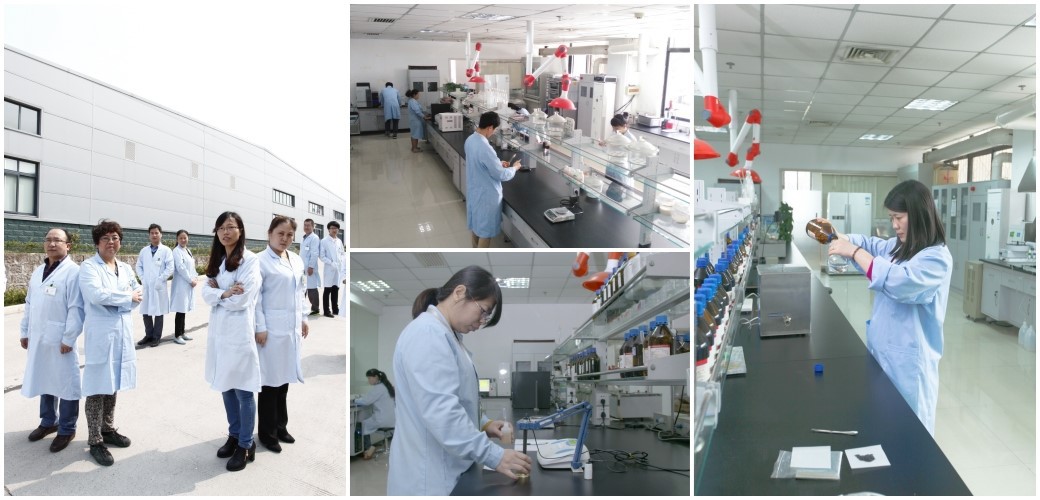
Customers from all over the world are welcome to visit our factory. You will see our professionalism and rigor in the field of Astragalus Polysaccharide Extract 10%-70%, Spray Dried Blueberry Powder, Citrus Aurantium Extract Powder, and our strict control over quality. Loyalty and integrity is the principle we always believe in, loyalty, morality, honesty and trustworthiness are our solemn promises to customers. We have won widespread favor, universal praise and unanimous praise in the industry and abroad. Due to our dedication, our products are well known throughout the world and our export volume continuously grows every year. After years of careful management, we have established a good reputation for high quality, low price and good service.
What Is Black Cohosh Root Powder?
Black cohosh (Actaea racemosa L., formerly classified as Cimicifuga racemosa) is a perennial flowering plant native to the deciduous forests of eastern North America, from Ontario and Manitoba in Canada south to Georgia and Arkansas in the United States. It has been used medicinally by Native American peoples for centuries - primarily for gynecological conditions, musculoskeletal pain, and fever - and was adopted into European botanical medicine in the 19th century, where it became one of the most commercially significant herbal medicines in the German-speaking world.
Today, black cohosh root powder and its standardized extracts are among the top-selling botanical ingredients globally in the women's health supplement category, driven by a substantial and growing body of clinical evidence supporting their use for menopausal symptom management - particularly hot flashes, night sweats, mood disturbances, and sleep disruption.
The dried, powdered root and rhizome is the foundational ingredient form - used either as crude powder in capsules and tablets, or as the starting material for standardized extracts. Understanding the distinction between these forms, and the quality variables that separate effective product from ineffective product, is where serious B2B sourcing decisions begin.
A critical taxonomic note for formulators: The botanical name transition from Cimicifuga racemosa to Actaea racemosa reflects modern phylogenetic reclassification. Both names refer to the same plant and are used interchangeably in the scientific literature. Your regulatory submissions, INCI names, and label copy should reflect current nomenclature requirements in your target market - we provide documentation supporting both naming conventions.
Source & Origin - Botanical Authentication Is Non-Negotiable
Why Species Authentication Matters More Here Than Almost Anywhere
Black cohosh adulteration is a documented, persistent problem in the global botanical ingredient supply chain. Multiple independent studies - including analyses published by the American Botanical Council and the NIH Office of Dietary Supplements - have identified commercial black cohosh products containing Asian Actaea species (A. cimicifuga, A. dahurica, A. foetida) substituted for or mixed with authentic A. racemosa.
These Asian species have different phytochemical profiles and no clinical evidence base for menopausal symptom management. A product formulated with adulterated black cohosh may fail to deliver on its label claims - and in markets with strong botanical authentication requirements (EU, US, Canada), it creates serious regulatory exposure.
Our black cohosh root powder is sourced exclusively from authenticated Actaea racemosa L. - verified by:
* Macroscopic and microscopic examination of root morphology
* TLC fingerprinting against authenticated reference standards
* HPLC identity confirmation using the characteristic triterpene glycoside profile of A. racemosa
* DNA barcoding available on request for customers requiring molecular-level authentication
Sourcing Geography
|
Source Region |
Supply Type |
Characteristics |
Certification |
|
Appalachian Mountains, USA |
Wild-harvested |
Traditional source; highest consumer recognition |
FairWild / Sustainably harvested |
|
Eastern US Cultivated Farms |
Cultivated |
Consistent supply; controlled growing conditions |
GAP-certified farms |
|
European Cultivated |
Cultivated |
EU-grown; strong regulatory acceptance |
EU organic available |
Our primary supply is from GAP (Good Agricultural Practice) certified cultivation in the eastern * United States and select European farms - a deliberate sourcing decision that addresses the sustainability concerns associated with wild-harvesting of A. racemosa, which is listed as a species of conservation concern in several US states due to overharvesting pressure.
Sustainable sourcing documentation - including farm certificates, harvest records, and chain-of-custody documentation - is available for every commercial order.

Phytochemical Profile - The Bioactive Compounds That Drive Clinical Activity
Primary Bioactives: Triterpene Glycosides
The most pharmacologically significant compounds in black cohosh are its cycloartane-type triterpene glycosides, which serve as the standardization markers for extract grades. The major identified compounds include:
* Actein - the primary triterpene glycoside; used as a reference standard for HPLC quantification
* Cimicifugoside (27-deoxyactein) - major triterpene; contributes to biological activity
* Cimiracemoside A, C, F, H - a series of characteristic triterpene glycosides unique to A. racemosa
* Acetylactein - minor triterpene with documented activity
These compounds are expressed as "triterpene glycosides calculated as 27-deoxyactein" in most commercial standardization systems - the convention established by the German Commission E and followed by USP and EP monographs.
Secondary Phytochemicals
* Phenolic acids: Caffeic acid, ferulic acid, isoferulic acid, fukinolic acid - contributing antioxidant and anti-inflammatory activity; isoferulic acid has been specifically studied for its role in black cohosh's biological effects
* Flavonoids: Formononetin (historically proposed as an estrogenic component - now largely discredited as a significant contributor; see Section 7.1), kaempferol, quercetin
* Alkaloids: N-methylcytisine (minor alkaloid fraction)
* Resins and tannins: Contributing astringent properties
* Cimicifugic acids: A unique class of caffeic acid esters specific to Actaea/Cimicifuga species
The Mechanism Debate - What We Know in 2026
One of the most scientifically interesting aspects of black cohosh is that its mechanism of action remains incompletely understood - despite decades of research. Early hypotheses proposed estrogenic activity (binding to estrogen receptors), but multiple rigorous studies have failed to confirm significant ER-α or ER-β binding activity for the triterpene glycoside fraction. Current research focuses on:
* Serotonergic activity - black cohosh extracts bind to serotonin receptors (5-HT1A, 5-HT1D, 5-HT7), potentially explaining effects on thermoregulation (hot flashes) and mood
* Dopaminergic activity - binding to dopamine D2 receptors
* Opioid receptor modulation - mu-opioid receptor activity proposed as a contributor to hot flash reduction
* Central nervous system effects - rather than peripheral hormonal effects
This mechanistic complexity is actually a selling point for formulators targeting hormone-sensitive populations (e.g., breast cancer survivors) where estrogen-receptor active ingredients are contraindicated - black cohosh's non-estrogenic mechanism makes it potentially suitable for these consumers, though clinical guidance should always be sought.
Product Specifications & COA Parameters
We offer two primary product forms to serve different formulation requirements:
Form A: Black Cohosh Root Crude Powder
|
Parameter |
Specification |
|
Product Name |
Black Cohosh Root Powder |
|
Botanical Name |
Actaea racemosa L. (syn. Cimicifuga racemosa) |
|
Plant Part |
Root and Rhizome |
|
CAS Number |
84776-26-1 |
|
Appearance |
Light grey-brown to dark brown coarse powder |
|
Odor |
Characteristic; slightly acrid |
|
Moisture Content |
≤ 10.0% |
|
Total Ash |
≤ 8.0% |
|
Acid-Insoluble Ash |
≤ 2.0% |
|
Triterpene Glycosides (HPLC) |
≥ 0.4% (as 27-deoxyactein) |
|
Particle Size |
60 mesh (customizable) |
|
Heavy Metals (Total) |
≤ 10 ppm |
|
Lead (Pb) |
≤ 2 ppm |
|
Arsenic (As) |
≤ 1 ppm |
|
Mercury (Hg) |
≤ 0.1 ppm |
|
Cadmium (Cd) |
≤ 1 ppm |
|
Pesticide Residues |
Compliant with EU Reg. 396/2005 |
|
Microbial: Total Plate Count |
≤ 10,000 CFU/g |
|
Yeast & Mold |
≤ 1,000 CFU/g |
|
E. coli |
Negative |
|
Salmonella |
Negative |
|
Botanical Identity (TLC) |
Confirmed vs. A. racemosa reference |
|
Shelf Life |
24 months from manufacturing date |
|
Storage |
Cool (≤25°C), dry, away from light; sealed |
Form B: Black Cohosh Root Extract - Standardized 2.5% Triterpene Glycosides
|
Parameter |
Specification |
|
Product Name |
Black Cohosh Root Extract |
|
Botanical Name |
Actaea racemosa L. |
|
Plant Part |
Root and Rhizome |
|
Extraction Ratio |
5:1 to 10:1 (depending on raw material potency) |
|
Appearance |
Brown to dark brown fine powder |
|
Triterpene Glycosides (HPLC) |
≥ 2.5% (as 27-deoxyactein) |
|
Moisture Content |
≤ 5.0% |
|
Total Ash |
≤ 5.0% |
|
Heavy Metals (Total) |
≤ 10 ppm |
|
Lead (Pb) |
≤ 2 ppm |
|
Arsenic (As) |
≤ 1 ppm |
|
Mercury (Hg) |
≤ 0.1 ppm |
|
Cadmium (Cd) |
≤ 1 ppm |
|
Pesticide Residues |
Compliant with EU Reg. 396/2005 |
|
Residual Solvents |
Compliant with ICH Q3C |
|
Microbial: Total Plate Count |
≤ 1,000 CFU/g |
|
Yeast & Mold |
≤ 100 CFU/g |
|
E. coli |
Negative |
|
Salmonella |
Negative |
|
Botanical Identity (HPLC + TLC) |
Confirmed vs. A. racemosa reference |
|
Shelf Life |
24 months from manufacturing date |
|
Storage |
Cool (≤25°C), dry, away from light; sealed |
Full HPLC chromatogram, TLC plate image, and third-party authentication reports (SGS / Eurofins) provided with commercial orders on request.
Manufacturing Process - Authentication and Standardization at Every Step
Step 1 - Raw Material Sourcing & Botanical Authentication Dried black cohosh root and rhizome is received from GAP-certified farms. This is the most critical step in our entire process - and the one where most quality failures in the industry originate. Every incoming lot undergoes:
* Macroscopic examination (root morphology, color, fracture characteristics)
* Microscopic examination (cellular anatomy, starch grain morphology)
* TLC identity test against authenticated A. racemosa reference standard
* Preliminary HPLC screening for triterpene glycoside profile
* Microbiological pre-screening
Any lot that fails botanical identity confirmation is rejected regardless of price or supplier relationship.
Step 2 - Cleaning & Size Reduction Authenticated root material is cleaned to remove soil, foreign matter, and damaged material. It is then dried to target moisture content and milled to the specified particle size for crude powder orders, or to extraction-optimized particle size for extract production.
Step 3 - Extraction (Extract Grade) Black cohosh triterpene glycosides are extracted using an optimized isopropanol-water or ethanol-water solvent system - the extraction solvents validated in the clinical research literature and specified in USP and EP monographs for black cohosh extract. Extraction parameters (solvent concentration, temperature, contact time, solid-to-liquid ratio) are validated and locked.
Step 4 - Filtration & Concentration The crude extract is filtered through multi-stage membrane systems and concentrated under vacuum at controlled temperatures to preserve triterpene glycoside integrity.
Step 5 - Standardization The concentrated extract is HPLC-tested and precision-blended to achieve the target 2.5% triterpene glycoside specification. This standardization step is what ensures dose consistency in your finished product - critical for a botanical ingredient where clinical dosing is well-established.
Step 6 - Spray Drying The standardized extract is spray-dried to produce a free-flowing powder with controlled moisture content and bulk density.
Step 7 - Final QC Testing, Packaging & Release Every batch - both crude powder and extract - is tested against the full COA parameter list including botanical identity confirmation before release. No batch ships without a passing QC report and identity verification.
Quality Control - Authentication Is the Foundation
For black cohosh specifically, botanical authentication is the single most important quality control measure - more important than purity, more important than heavy metals, more important than microbiology. An adulterated product with perfect heavy metal and microbial results is still a fraudulent product that will fail to perform and may create serious regulatory and liability exposure for the buyer.
Our authentication protocol is multi-layered:
Authentication Methods Applied:
|
Method |
What It Confirms |
Applied When |
|
Macroscopic Examination |
Root morphology, color, texture |
Every incoming lot |
|
Microscopic Examination |
Cellular anatomy, starch grains |
Every incoming lot |
|
TLC Fingerprinting |
Characteristic compound pattern |
Every incoming lot |
|
HPLC Fingerprinting |
Triterpene glycoside profile |
Every incoming lot |
|
DNA Barcoding |
Molecular species confirmation |
On request / new suppliers |
Facility Certifications:
✅ cGMP - Current Good Manufacturing Practice
✅ ISO 9001:2015 - Quality Management System
✅ ISO 22000 - Food Safety Management System
✅ FSSC 22000 - Food Safety System Certification
✅ BRC - British Retail Consortium Global Standard
✅ Kosher Certified
✅ HALAL Certified
✅ ISO 14001 - Environmental Management System
On-Site Testing Capabilities:
* HPLC - Triterpene glycoside quantification and identity fingerprinting
* TLC - Botanical identity confirmation
* ICP-MS - Heavy metals (full panel)
* GC-MS/MS - Pesticide residues and residual solvents
* Karl Fischer Titration - Moisture content
* Microbiological Testing Suite - Full USP/EP panel
* DNA Barcoding - Available through partnered molecular biology laboratory
The Clinical Science of Black Cohosh - 40 Years of Evidence
This is where black cohosh genuinely stands apart from most botanical ingredients: it has an unusually robust clinical evidence base built over four decades of randomized controlled trials, systematic reviews, and pharmacological research. Here's an honest, nuanced summary.
1. Menopausal Symptom Management - The Core Evidence
The most extensively studied application for black cohosh is the management of vasomotor symptoms of menopause - primarily hot flashes and night sweats, but also mood disturbances, sleep disruption, and vaginal dryness.
A clinical study published in PMC evaluated black cohosh in women with early menopausal symptoms and found statistically significant reductions in hot flash frequency and severity, with a safety profile comparable to placebo. The researchers concluded that black cohosh represents an effective alternative medicine for menopausal vasomotor symptoms.
A separate PMC-published randomized controlled trial confirmed these findings, demonstrating significant improvement in menopausal symptoms measured by the Kupperman Menopause Index - a validated clinical scoring tool - in women receiving black cohosh extract compared to placebo.
The NIH Office of Dietary Supplements' comprehensive fact sheet on black cohosh references a 2012 Cochrane Review that evaluated 16 randomized clinical trials on black cohosh for menopausal symptoms. While the Cochrane reviewers noted methodological heterogeneity across trials, the overall evidence direction was positive for hot flash reduction, with several high-quality trials showing clinically meaningful benefit.
A 2022 meta-analysis published in PubMed concluded that "black cohosh is an effective and safe treatment option for the relieving of vasomotor symptoms" - one of the stronger summary statements in the recent literature.
2. Standardized Dosing - What the Clinical Evidence Supports
This is a detail that separates informed formulators from those who simply copy competitor label claims. The clinical evidence for black cohosh is dose-specific:
|
Product Form |
Clinically Studied Dose |
Daily Triterpene Glycosides |
Study Outcomes |
|
Standardized Extract (2.5%) |
40–80 mg extract/day |
1–2 mg/day |
Positive for hot flash reduction |
|
Remifemin® (proprietary) |
40 mg extract/day |
~1 mg/day |
Most extensively studied formulation |
|
Crude Root Powder |
300–600 mg/day |
Variable |
Less consistent outcomes |
The 40–80 mg/day range of standardized extract (2.5% triterpene glycosides) is the dose range with the strongest clinical support. Formulators using crude powder should be aware that the variable triterpene glycoside content of non-standardized material makes dose-response prediction difficult.
3. Safety Profile - Addressing the Hepatotoxicity Question Directly
Any responsible discussion of black cohosh must address the hepatotoxicity question - because it is the primary safety concern that sophisticated buyers will raise, and because the evidence deserves careful interpretation rather than dismissal or alarm.
Rare case reports of liver injury associated with black cohosh supplement use have been published in the literature. However:
* The causal relationship between black cohosh and hepatotoxicity has not been definitively established in most reported cases
* Several cases involved adulterated products containing Asian Actaea species rather than authentic A. racemosa - reinforcing the critical importance of botanical authentication
* The NIH ODS fact sheet notes that the overall incidence of liver injury attributable to authenticated black cohosh appears to be extremely rare relative to the millions of doses consumed annually
* The European Medicines Agency (EMA) has reviewed the evidence and concluded that black cohosh products can be authorized as traditional herbal medicinal products with appropriate labeling
For B2B buyers, the practical implication is clear: source authenticated A. racemosa from a supplier with rigorous identity verification - and ensure your finished product labeling includes appropriate advisory language regarding liver health monitoring, as required by regulatory bodies in your target markets.
4. Bone Health - Emerging Evidence
Beyond menopausal symptom management, emerging research suggests black cohosh may support bone mineral density in postmenopausal women - a significant secondary benefit given the well-established relationship between estrogen decline and osteoporosis risk. While this evidence is less mature than the hot flash data, it represents a compelling secondary positioning opportunity for women's health supplement formulators.
5. Mood & Sleep - The Serotonergic Connection
The serotonergic receptor activity of black cohosh compounds - particularly binding to 5-HT1A and 5-HT7 receptors - provides a plausible mechanistic basis for the mood-stabilizing and sleep-improving effects reported in clinical trials. Several studies have documented improvements in anxiety, irritability, and sleep quality in menopausal women receiving black cohosh, independent of hot flash reduction.
This positions black cohosh as a genuinely multi-dimensional ingredient for women's wellness formulations - not just a hot flash remedy, but a botanical that addresses the interconnected symptom cluster of menopause holistically.
Application Scenarios - Where Black Cohosh Root Powder Fits Your Product Line
|
Application Category |
Product Format |
Typical Dose |
Key Positioning |
|
Menopause Support |
Capsules, tablets |
40–80 mg extract/day |
Hot flash, night sweat relief |
|
Women's Hormonal Balance |
Capsules, softgels |
40–80 mg extract/day |
Hormonal transition support |
|
Women's Wellness Blends |
Multi-ingredient capsules |
20–40 mg extract/serving |
Broad women's health |
|
Sleep & Mood Support |
Capsules, evening formula |
40 mg extract/day |
Serotonergic, sleep quality |
|
Bone Health Formulas |
Tablets, capsules |
40 mg extract/day |
Postmenopausal bone support |
|
Herbal Tea Blends |
Loose leaf, tea bags |
300–500 mg crude powder |
Traditional use positioning |
|
Tinctures / Liquid Extracts |
Alcohol-based tincture |
1–4 mL/day (1:5 tincture) |
Traditional herbal medicine |
|
Pharmaceutical OTC |
Standardized tablets |
Per EMA/USP monograph |
EU traditional herbal medicine |
High-Performance Formulation Combinations:
Black Cohosh + Dong Quai (Angelica sinensis) + Chaste Tree (Vitex agnus-castus) → Comprehensive women's hormonal balance formula combining Eastern and Western botanical traditions
Black Cohosh + Red Clover Isoflavones + Soy Isoflavones → Phytoestrogen-rich menopause formula - note: this combination is appropriate for women without hormone-sensitive conditions; clear labeling required
Black Cohosh + Ashwagandha + L-Theanine → Menopause + stress/anxiety formula targeting the mood and sleep dimensions of menopausal transition
Black Cohosh + Calcium + Vitamin D3 + Vitamin K2 → Postmenopausal bone health formula addressing both symptom management and long-term skeletal health
Black Cohosh + Valerian Root + Passionflower → Evening/sleep formula for menopausal women experiencing night sweats and sleep disruption
Market Context: Why This Category Is Growing
The global menopause supplement market was valued at over $600 million in 2023 and is projected to grow at 6–8% CAGR through 2030, driven by:
* The aging of the global female population (the largest Baby Boomer cohort is now in the 55–75 age range)
* Growing consumer preference for non-hormonal, botanical alternatives to HRT
* Increasing awareness of menopause as a health topic worthy of serious medical and commercial attention
* The "menopause wellness" movement gaining significant mainstream media and social media traction
Black cohosh is the #1 botanical ingredient in the menopause supplement category by market share - making it a foundational ingredient for any supplier or brand operating in women's health.
Packaging & Shipping
Standard Packaging Options:
|
Pack Size |
Packaging Type |
Best For |
|
10–50g |
Double-sealed aluminum foil bag |
Samples / R&D evaluation |
|
1 kg |
Aluminum foil bag, vacuum-sealed |
Small batch / pilot production |
|
25 kg |
Fiber drum with double PE inner liner |
Standard commercial orders |
|
Custom |
Private label, nitrogen-flushed, custom sizes |
OEM / brand customers |
Shipping & Lead Times:
Samples (10–50g): Free of charge; dispatched within 2–3 business days via DHL / FedEx / UPS
Commercial orders (1–25 kg): 7–14 business days production lead time
Large orders (>25 kg): 10–20 business days; sea freight available
Export markets served: USA, EU (Germany, France, Netherlands, UK, Austria, Switzerland), Canada, Australia, Japan, South Korea

JOYWIN Technical Support
● R&D team of 40 members to provide full technical support.
● Years of successful experience with top food companies in the world.
● Dedicate on build long-term relationships with our clients and developing deeps partnership.
FAQ
Q1: What is the difference between Black Cohosh Root Powder and Black Cohosh Extract? Black cohosh root powder is the dried, milled root and rhizome - a whole-herb ingredient with naturally variable triterpene glycoside content (typically 0.3–0.6% in quality raw material). Black cohosh extract is a concentrated, standardized form - typically 5:1 to 10:1 concentration ratio - with a guaranteed minimum triterpene glycoside content (most commonly 2.5%). For clinical-dose supplement formulations where the evidence base is built on standardized extract, the extract grade is the appropriate choice. For traditional herbal formulations, tinctures, and tea blends, crude root powder is suitable.
Q2: Is Black Cohosh estrogenic? Can it be used by breast cancer survivors? This is the most clinically important question in the black cohosh category, and it deserves a careful answer. Current evidence does not support significant estrogen receptor binding activity for authenticated A. racemosa triterpene glycosides. Multiple rigorous in vitro and in vivo studies have failed to demonstrate meaningful ER-α or ER-β agonism. The proposed mechanisms are primarily serotonergic and dopaminergic. However, the clinical evidence specifically in breast cancer survivors is limited, and several major oncology organizations recommend that breast cancer patients consult their oncologist before using black cohosh. We do not make estrogenic claims for this ingredient and recommend that our customers' label copy and marketing materials reflect the current scientific consensus.
Q3: What is the standard dose for menopause supplement formulations? The clinically validated dose range is 40–80 mg/day of standardized extract (2.5% triterpene glycosides), corresponding to approximately 1–2 mg/day of triterpene glycosides. This is the dose range used in the majority of positive clinical trials. The most extensively studied proprietary formulation (Remifemin®) uses 40 mg/day. For crude root powder, equivalent dosing is less well-defined due to natural content variability, but traditional use and some clinical studies have used 300–600 mg/day.
Q4: How do you verify that your Black Cohosh is authentic Actaea racemosa and not an Asian substitute? Every incoming lot undergoes our four-layer authentication protocol: macroscopic examination, microscopic examination, TLC fingerprinting against authenticated reference standards, and HPLC identity confirmation using the characteristic triterpene glycoside profile of A. racemosa. DNA barcoding is available on request. We provide the TLC plate image and HPLC chromatogram with every commercial order so your QC team can independently verify identity. This is the documentation standard required by the American Botanical Council's adulteration prevention program and EU regulatory authorities.
Q5: Does your Black Cohosh comply with the EU Traditional Herbal Medicinal Products Directive? Our standardized extract (2.5% triterpene glycosides) is produced in compliance with the quality standards referenced in the EMA Community Herbal Monograph for Actaea racemosa L. rhizome. We can provide documentation to support Traditional Herbal Medicinal Product (THMP) registration applications in EU member states, including full analytical data, botanical authentication reports, and manufacturing documentation. Buyers pursuing THMP registration should engage a qualified regulatory consultant - we support the documentation process but cannot provide regulatory advice.
Q6: What is the shelf life, and are there any special storage requirements? Shelf life is 24 months from manufacturing date under proper storage conditions: cool (≤25°C), dry, away from direct light, in a sealed container. Triterpene glycosides are relatively stable under these conditions. Avoid exposure to heat, humidity, and UV light, which can accelerate degradation. Monitor triterpene glycoside content on incoming QC as a freshness indicator for extract grades.
Q7: Is Black Cohosh Root Powder Non-GMO and vegan? Yes on both counts. Actaea racemosa is a naturally occurring wild and cultivated plant species with no GMO varieties. The root powder and extract contain no animal-derived ingredients or processing aids. Formal Non-GMO and Vegan statements are provided with every order.
Q8: Can you produce private label Black Cohosh supplements? We supply bulk ingredient only - root powder and standardized extract - for manufacturers producing their own finished products. We do not produce finished supplement capsules or tablets. For private label finished product manufacturing, we recommend connecting with a contract manufacturer who can source our ingredient and produce your finished SKU. We are happy to facilitate introductions to qualified CMOs in our network.
For the Black Cohosh Root Powder price, just send email to contact@joywinworld.com, or submit your requirement in bottom form, we are of service at any time!
Excellent and superb quality, faith in perfection and never-ending pursuit make our Black Cohosh Extract/Black Cohosh P. E. 10: 1 20: 1 Powder form a strong comprehensive strength in the market. Over the years, it is not so much that we have achieved countless customers, but that our customers have made us. Our company takes the customer as the center, pursues the product and the service and satisfies the customer's actual demand and the potential demand.
Hot Tags: black cohosh root powder, manufacturers, suppliers, factory, wholesale, buy, price, bulk, high quality, for sale, free sample, Rosa Roxburghii Fruit Powder, Food Ingredients, Skin Whitening Glutathione Powder, Lotus Leaf Extract Powder Nuciferine, Phytosterol Beta Sitosterol Powder, Enzymes


