






Product Overview
In the competitive landscape of functional mushroom extracts, Bamboo Fungus Extract Powder (Phallus indusiatus) represents an untapped opportunity for brands seeking differentiation beyond the saturated reishi, lion's mane, and cordyceps markets. Known in traditional Chinese medicine as "Zhu Sun" and revered as the "Queen of Mushrooms" for its delicate appearance and potent bioactivity, bamboo fungus delivers a unique polysaccharide profile that supports immune function, gut health, and metabolic wellness-with the added advantage of culinary heritage that resonates with Asian and health-conscious Western consumers alike.
Our pharmaceutical-grade extract is standardized to ≥30% polysaccharides through hot water extraction and spray-drying, preserving the full spectrum of bioactive compounds including β-glucans, heteropolysaccharides, and amino acids. Unlike commodity mushroom powders that simply grind dried fruiting bodies, our concentrated extract provides consistent potency, superior bioavailability, and the clean, neutral taste profile that formulators need for versatile applications.
Why Bamboo Fungus? The Market Opportunity
The Polysaccharide Advantage
Here's what separates quality Bamboo Fungus Extract Powder from commodity products: the polysaccharide profile. Our extract contains:
β-Glucans (15-20%)
The gold standard for immune-modulating activity. Bamboo fungus β-glucans are primarily β-(1→3)-glucans with β-(1→6) branching-the structure most recognized by immune receptors (Dectin-1, CR3). Studies show these activate macrophages, enhance NK cell activity, and modulate cytokine production.
Heteropolysaccharides (10-15%)
Unique to bamboo fungus: complex polysaccharides containing glucose, mannose, galactose, and fucose. Research indicates these have:
* Prebiotic effects (selectively feed beneficial gut bacteria)
* Enhanced bioavailability compared to simple β-glucans
* Synergistic immune effects when combined with β-glucans
Low-Molecular-Weight Polysaccharides
Our extraction process preserves smaller polysaccharide chains (10-100 kDa) that demonstrate superior absorption and faster onset of action compared to high-MW forms.
Quality Markers That Matter
Most suppliers simply test "total polysaccharides" using crude phenol-sulfuric acid methods that can't distinguish active β-glucans from inactive starches. We provide:
* Total polysaccharides: ≥30% (phenol-sulfuric acid method)
* β-Glucan content: ≥15% (enzymatic method, specific for β-glucans)
* Molecular weight distribution: GPC analysis showing optimal bioactive range
* Polysaccharide fingerprinting: HPLC profile for batch consistency
This level of characterization ensures you're getting bioactive compounds, not just filler.

Source & Cultivation: From Bamboo Forests to Controlled Production
Natural Habitat & Traditional Harvesting
Phallus indusiatus grows naturally in subtropical bamboo forests of southern China, particularly in Yunnan, Guizhou, and Sichuan provinces. The fungus has a fascinating lifecycle: it emerges from underground mycelium as an egg-shaped structure, then rapidly expands (within hours) into a distinctive mushroom with a white, lace-like "veil" or "skirt" hanging from the cap-hence the name "Veiled Lady."
Wild bamboo fungus is rare and expensive ($200-500/kg dried), making it impractical for supplement production. More importantly, wild harvesting raises sustainability concerns and quality consistency issues (variable growing conditions, contamination risks, overharvesting).
Modern Cultivation: Sustainability Meets Consistency
Our bamboo fungus is cultivated using advanced agricultural techniques that ensure:
Controlled Growing Conditions
* Substrate: Bamboo sawdust, wood chips, and agricultural waste (circular economy approach)
* Temperature: 22-28°C (optimal for fruiting body development)
* Humidity: 85-95% (critical for proper veil formation)
* Light: Indirect natural light (affects morphology and compound synthesis)
* Air exchange: Controlled CO₂ levels (prevents malformation)
Cultivation Timeline
* Spawn production: 20-25 days (mycelium colonization of grain substrate)
* Substrate colonization: 30-40 days (mycelium spreads through bamboo/wood substrate)
* Fruiting induction: Temperature and humidity adjustment triggers fruiting
* Harvest: 3-5 days after emergence (before spore release, when polysaccharides peak)
Geographic Sourcing
Our partner farms are located in Fujian and Yunnan provinces, China-regions with:
* Optimal climate for bamboo fungus cultivation
* Abundant bamboo and wood resources for substrate
* Established mushroom cultivation expertise (3+ generations)
* Clean air and water (critical for mushroom quality)
* GAP (Good Agricultural Practices) certification
Harvest & Post-Harvest Handling
Optimal Harvest Timing Bamboo fungus is harvested at a specific developmental stage:
* Too early (egg stage): Lower polysaccharide content
* Optimal (fully expanded veil, before spore release): Peak polysaccharide and β-glucan content
* Too late (after spore release): Degradation begins, off-flavors develop
Our farmers harvest early morning (6-8 AM) when mushrooms are fully hydrated and at peak freshness.
Immediate Processing
* Hour 0-2: Hand-harvesting and field sorting (reject damaged or contaminated specimens)
* Hour 2-4: Transport to processing facility in ventilated containers
* Hour 4-8: Cleaning (remove substrate debris) and slicing
* Hour 8-24: Low-temperature drying (40-50°C) to preserve heat-sensitive compounds
* Day 2: Dried mushrooms stored in climate-controlled warehouse (<15°C, <60% RH)
Speed is critical. Mushrooms are 90%+ water and begin enzymatic degradation within hours of harvest. Our rapid processing preserves bioactivity.
Traceability & Sustainability
Farm-to-Extract Traceability
Every batch includes:
* Farm identification and location (GPS coordinates)
* Cultivation batch records (substrate composition, growing conditions)
* Harvest date and processing timeline
* Drying and storage conditions
* Transport documentation
Sustainability Practices
* Substrate recycling: Spent mushroom substrate used as organic fertilizer
* Water conservation: Closed-loop water systems in cultivation facilities
* Renewable energy: Solar panels supplement electricity needs
* Zero pesticides: Mushroom cultivation inherently requires no pesticides
* Local sourcing: Bamboo and wood waste sourced within 50km of farms
Organic Certification Available
For brands requiring organic certification, we offer:
* China Organic (CNCA) certified material
* EU Organic (Reg 834/2007) equivalent certification
* USDA Organic certification (through approved certifiers)
Organic bamboo fungus commands 30-40% premium but provides access to natural/organic retail channels.
Phytochemical Profile: The Bioactive Matrix
Primary Active Constituents
Polysaccharides (30-35% in extract)
The star players in bamboo fungus bioactivity:
β-Glucans (15-20%)
* Structure: β-(1→3)-D-glucan backbone with β-(1→6) branches
* Molecular weight: 50-500 kDa (optimal for immune receptor binding)
* Mechanism: Binds to Dectin-1 and CR3 receptors on immune cells, triggering activation
* Activity: Macrophage activation, NK cell enhancement, cytokine modulation
Heteropolysaccharides (10-15%)
* Composition: Glucose, mannose, galactose, fucose, xylose in varying ratios
* Unique to bamboo fungus: Specific sugar compositions not found in other mushrooms
* Mechanism: Prebiotic effects (fermented by beneficial gut bacteria), immune modulation through different receptors than β-glucans
* Activity: Gut health support, synergistic immune effects, antioxidant
Fucose-Containing Polysaccharides (2-5%)
* Rare in mushrooms: Fucose-rich polysaccharides are uncommon in fungal species
* Research interest: Emerging evidence for anti-tumor and anti-inflammatory effects
* Mechanism: Modulates cell signaling pathways, affects cell adhesion molecules
Amino Acids & Proteins (15-20%)
Bamboo fungus is notable for its protein content and amino acid profile:
* Essential amino acids: All 8 essential amino acids present
* Glutamic acid (3-5%): Contributes to umami flavor, supports neurotransmitter function
* Aspartic acid (2-3%): Energy metabolism support
* Leucine, isoleucine, valine: Branched-chain amino acids (BCAAs) for muscle support
* Lysine: Often limiting in plant proteins; good levels in bamboo fungus
Minerals & Trace Elements
|
Mineral |
Content (per 100g extract) |
Significance |
|
Potassium |
800-1,200mg |
Electrolyte balance, cardiovascular health |
|
Phosphorus |
200-400mg |
Bone health, energy metabolism |
|
Magnesium |
50-100mg |
Enzyme cofactor, muscle function |
|
Calcium |
30-60mg |
Bone health, signaling |
|
Iron |
5-10mg |
Oxygen transport, energy |
|
Zinc |
3-6mg |
Immune function, wound healing |
|
Selenium |
50-100mcg |
Antioxidant, thyroid function |
|
Copper |
0.5-1mg |
Connective tissue, iron metabolism |
Vitamins
* Vitamin D2 (Ergocalciferol): 200-500 IU/100g (naturally occurring in mushrooms)
* B-vitamins: B1 (thiamine), B2 (riboflavin), B3 (niacin), B5 (pantothenic acid)
* Folate: 20-40 mcg/100g
Bioactive Compounds
Ergosterol & Ergothioneine
* Ergosterol: Precursor to vitamin D2; antioxidant properties
* Ergothioneine: Unique antioxidant amino acid found in mushrooms; protects mitochondria
Phenolic Compounds
* Total phenolics: 500-800mg GAE/100g
* Flavonoids: Quercetin, kaempferol derivatives
* Activity: Antioxidant, anti-inflammatory
Triterpenes (trace amounts)
* Unlike reishi (high in triterpenes), bamboo fungus contains only trace amounts
* Primarily lanostane-type triterpenes
* Contributes to overall bioactivity but not a primary marker
Antioxidant Capacity
* DPPH radical scavenging: IC50 = 150-250 μg/mL
* ABTS radical scavenging: 80-120 mmol TE/100g
* FRAP (Ferric reducing power): 800-1,200 μmol Fe²⁺/g
* Superoxide anion scavenging: 70-85% at 500 μg/mL
While not as high as some berry extracts or amla, bamboo fungus provides respectable antioxidant activity-particularly relevant for immune and metabolic health applications.
Nutritional Profile (per 100g extract)
|
Nutrient |
Amount |
Notes |
|
Calories |
320-350 kcal |
Primarily from carbohydrates and protein |
|
Protein |
15-20g |
Complete amino acid profile |
|
Carbohydrates |
60-70g |
Mostly polysaccharides (bioactive) |
|
Dietary Fiber |
30-40g |
Polysaccharides count as fiber |
|
Fat |
<2g |
Minimal fat content |
|
Moisture |
<5g |
Controlled during drying |
Certificate of Analysis: Specifications for Quality-Conscious Brands
|
Parameter |
Specification |
Test Method |
Why It Matters |
|
Identity |
Positive for Phallus indusiatus |
Microscopy, DNA barcoding |
Prevents substitution with cheaper mushroom species |
|
Appearance |
Fine powder, off-white to light beige |
Visual |
Color consistency indicates proper processing |
|
Odor |
Characteristic mushroom, mild |
Organoleptic |
Off-odors indicate contamination or degradation |
|
Taste |
Mild, slightly umami |
Organoleptic |
Authentic mushroom taste without bitterness |
|
Extraction Ratio |
10:1 |
Gravimetric |
Indicates concentration level |
|
Polysaccharides |
≥30.0% |
Phenol-sulfuric acid method |
Primary active marker |
|
β-Glucans |
≥15.0% |
Enzymatic method (Megazyme) |
Specific immune-active polysaccharides |
|
Protein |
15-20% |
Kjeldahl method |
Contributes to nutritional value |
|
Moisture |
≤5.0% |
USP <921> |
Controls microbial growth, ensures stability |
|
Particle Size |
95% through 80 mesh |
USP <786> |
Affects dissolution and mixing properties |
|
Bulk Density |
0.40-0.60 g/mL |
USP <616> |
Important for capsule filling and blending |
|
Ash |
≤8.0% |
USP <561> |
Indicates mineral content |
|
Acid-Insoluble Ash |
≤1.0% |
USP <561> |
Detects sand/soil contamination |
|
Heavy Metals |
|||
|
Lead (Pb) |
<1.0 ppm |
ICP-MS |
Mushrooms bioaccumulate; strict control needed |
|
Arsenic (As) |
<0.5 ppm |
ICP-MS |
Critical for safety compliance |
|
Cadmium (Cd) |
<0.5 ppm |
ICP-MS |
Toxic heavy metal screening |
|
Mercury (Hg) |
<0.1 ppm |
ICP-MS |
Bioaccumulation concern |
|
Microbiology |
|||
|
Total Plate Count |
<10,000 cfu/g |
USP <2021> |
Indicates sanitary processing |
|
Yeast & Mold |
<1,000 cfu/g |
USP <2021> |
Critical for mushroom extracts |
|
E. coli |
Negative/10g |
USP <2022> |
Pathogen screening |
|
Salmonella |
Negative/25g |
USP <2022> |
Zero tolerance |
|
Pesticide Residues |
|||
|
Multi-residue screen |
<0.05 ppm (each) |
GC-MS/LC-MS |
EU Reg 396/2005 compliant |
|
Total pesticides |
<0.5 ppm |
- |
Safety threshold |
|
Mycotoxins |
|||
|
Aflatoxins (total) |
<5 ppb |
HPLC-FLD |
Fungal toxin screening |
|
Aflatoxin B1 |
<2 ppb |
HPLC-FLD |
Most toxic form |
|
Ochratoxin A |
<5 ppb |
HPLC-FLD |
Common in mushrooms |
|
Radioactivity |
|||
|
Cesium-137 |
<50 Bq/kg |
Gamma spectrometry |
Mushrooms accumulate radioactive isotopes |
|
Cesium-134 |
<50 Bq/kg |
Gamma spectrometry |
Post-Fukushima concern |
|
Allergens |
None detected |
Per EU 1169/2011 |
Clean-label compliance |
|
GMO Status |
Non-GMO |
Declaration |
Mushrooms are inherently non-GMO |
|
Irradiation |
Not irradiated |
Thermoluminescence |
Organic compliance |
|
BSE/TSE |
Free |
Declaration |
No animal-derived materials |
Advanced Testing Available
For brands requiring additional characterization:
Polysaccharide Molecular Weight Distribution
* Gel permeation chromatography (GPC)
* Identifies molecular weight ranges (low, medium, high MW fractions)
* Predicts bioavailability and activity
* Ensures batch consistency
β-Glucan Structural Analysis
* NMR spectroscopy confirms β-(1→3) linkages with β-(1→6) branching
* Distinguishes from inactive α-glucans (starch)
* Validates immune-active structure
Polysaccharide Fingerprinting
* HPLC-ELSD profile of polysaccharide composition
* Batch-to-batch consistency verification
* Detects adulteration with cheaper polysaccharides
Prebiotic Activity Testing
* In vitro fermentation with human gut bacteria
* Measures selective growth of beneficial species (Bifidobacterium, Lactobacillus)
* Quantifies short-chain fatty acid (SCFA) production
Extraction & Manufacturing: Preserving Bioactivity
Step 1: Raw Material Preparation
Incoming Material Inspection
* Visual inspection: Color (white to light beige), texture, absence of mold
* Moisture content: Should be <12% (properly dried)
* Odor check: Clean mushroom aroma, no off-odors
* Foreign matter: <0.5% (substrate debris, stems)
* Rejection rate: Typically 3-5% of incoming material
Cleaning & Size Reduction
* Mechanical cleaning removes residual substrate and debris
* Cutting/grinding to 5-10mm pieces (increases surface area for extraction)
* Metal detection (removes any metal contamination from processing equipment)
Step 2: Hot Water Extraction
Why Hot Water Extraction?
Polysaccharides are water-soluble and heat-stable, making hot water extraction ideal:
* Extracts β-glucans and heteropolysaccharides efficiently
* No organic solvents (clean label, organic-compatible)
* Traditional method used in Chinese medicine for centuries
* Preserves polysaccharide structure and bioactivity
Extraction Parameters
* Temperature: 90-100°C (boiling water)
* Time: 2-3 hours per cycle
* Cycles: 2-3 sequential extractions for maximum yield
* Solid:liquid ratio: 1:10 to 1:15 (ensures complete extraction)
* pH: 6.5-7.5 (neutral, preserves polysaccharide integrity)
* Agitation: Gentle stirring prevents settling and ensures uniform extraction
Extraction Efficiency
* First extraction: 60-70% of total polysaccharides
* Second extraction: 20-25% of total polysaccharides
* Third extraction: 5-10% of total polysaccharides
* Combined yield: 90-95% of available polysaccharides
Step 3: Filtration & Clarification
Multi-Stage Filtration
* Coarse filtration: Removes mushroom solids (spent material composted)
* Fine filtration: 10-micron cartridge filters remove particulates
* Ultrafiltration: 30 kDa membrane removes proteins and very high MW compounds (optional, depending on specification)
* Activated carbon treatment: Removes color, odor, and trace impurities (optional for lighter color product)
Quality Checkpoint
* Polysaccharide content measured in liquid extract
* Clarity and color assessed
* Microbial testing (should be low due to hot extraction)
Step 4: Concentration
Vacuum Concentration
* Extract is concentrated under vacuum (50-60°C, <100 mbar)
* Low temperature prevents polysaccharide degradation
* Concentrated to 25-35% solids (Brix 25-35°)
* Energy-efficient and preserves bioactivity
Why Vacuum?
Atmospheric pressure boiling (100°C) can degrade some heat-sensitive compounds and requires more energy. Vacuum concentration at 50-60°C is gentler and more efficient.
Step 5: Spray Drying
Drying Parameters
* Inlet temperature: 160-180°C
* Outlet temperature: 80-90°C (product temperature never exceeds this)
* Atomization: Pressure nozzle or centrifugal atomizer
* Drying time: 2-5 seconds (rapid drying)
* Carrier: None (100% pure extract) or maltodextrin if requested (for improved flow properties)
Why Spray Drying?
* Rapid drying: Minimizes heat exposure time
* Fine particle size: Creates uniform, easily dispersible powder
* Scalable: Suitable for commercial production
* Cost-effective: Balance of quality and economics
Alternative: Freeze Drying
* Available for premium applications
* Better preservation of heat-sensitive compounds
* Creates fluffy, highly porous powder
* 3-5x more expensive than spray drying
* Typically reserved for high-end supplement brands
Step 6: Milling & Standardization
Particle Size Control
* Milled to 80 mesh (180 microns) for standard applications
* 100 mesh (150 microns) or finer available for specialized applications
* Air classification removes oversized particles
* Uniform particle size ensures consistent dissolution and mixing
Batch Standardization
This is where our process ensures consistency:
* Individual extraction batches tested for polysaccharide and β-glucan content
* Batches blended to achieve target specifications (30% polysaccharides, 15% β-glucans)
* V-blender ensures homogeneity (blend uniformity CV <5%)
* Final testing confirms specifications met
Example:
* Batch A: 32% polysaccharides, 16% β-glucans
* Batch B: 28% polysaccharides, 14% β-glucans
* Blend ratio calculated to achieve 30% ± 1% polysaccharides, 15% ± 1% β-glucans
This engineering approach eliminates the batch-to-batch variation that plagues commodity suppliers.
Step 7: Final Testing & Packaging
Comprehensive QC Testing
Every production lot undergoes full COA testing (see specifications above).
Packaging Protocol
* Double food-grade polyethylene bags
* Nitrogen flushing (reduces oxygen, prevents oxidation)
* Heat-sealed and secured
* Placed in fiber drums or cartons
* Labeled with lot number, manufacturing date, expiry date (24 months)
Retain Samples
* 500g of every lot retained for 3 years
* Allows investigation of any quality issues
* Supports stability and shelf-life studies
Total Process Time: 4-5 Days
From dried mushrooms to finished extract powder in under a week. This relatively short timeline (compared to some botanical extracts requiring weeks of processing) is possible due to the straightforward hot water extraction method.
Product Advantages: Why Formulators Choose Our Bamboo Fungus Extract Powder
1. Standardized Potency = Consistent Formulation
The Industry Problem:
Most mushroom powders (simple dried and ground fruiting bodies) vary wildly in polysaccharide content (5-15%), making consistent formulation impossible. Beta-glucan content is rarely tested or disclosed.
Our Solution:
* Polysaccharides: 30% ± 2% (guaranteed range 28-32%)
* β-Glucans: 15% ± 1% (guaranteed range 14-16%)
* Batch-to-batch CV: <5% for all major actives
* Extraction ratio: Consistent 10:1 (10kg raw material → 1kg extract)
Real-World Impact:
A US supplement brand reformulated from mushroom powder (variable 8-15% polysaccharides) to our standardized extract. Results:
* Customer complaints about "inconsistent effects" dropped 78%
* Repeat purchase rate increased from 32% to 54%
* Able to make consistent "500mg polysaccharides per serving" claims
* Simplified inventory management (no need to adjust formulas with each new lot)
2. Superior Bioavailability = Lower Effective Dose
The Industry Problem:
Whole mushroom powders contain polysaccharides locked within chitin cell walls (indigestible by humans). Bioavailability is poor-you're paying for material that passes through unabsorbed.
Our Solution:
Hot water extraction breaks down cell walls and releases polysaccharides in bioavailable form:
* 3-5x more bioavailable than whole mushroom powder
* Lower dose required: 500mg extract = 2,500-5,000mg whole mushroom powder
* Faster onset: Water-soluble polysaccharides absorb quickly
* Better results: Clinical feedback shows enhanced efficacy
Real-World Impact:
A European immune support brand switched from 2,000mg mushroom powder capsules (4 large capsules daily) to 500mg extract capsules (2 small capsules daily):
* Improved compliance: Customers preferred smaller dose
* Equal or better efficacy: Customer satisfaction scores unchanged
* Cost savings: Despite higher per-kg cost, lower dose reduced total cost per serving
* Marketing advantage: "Concentrated 10:1 extract" justified premium positioning
3. Market Differentiation = Premium Positioning
The Industry Problem:
Reishi, lion's mane, chaga, cordyceps markets are saturated. Brands compete on price, eroding margins. Differentiation is difficult.
Our Solution:
Bamboo fungus offers multiple differentiation angles:
* Novelty: <2% market penetration in West
* Heritage: "Queen of Mushrooms," 3,000+ years traditional use
* Visual interest: Distinctive appearance (white veil) for marketing imagery
* Culinary crossover: Recognized in Asian cuisine, appeals to foodies
* Unique benefits: Prebiotic/gut health angle less emphasized in other mushrooms
Real-World Impact:
A Canadian mushroom supplement brand launched bamboo fungus as their "exotic mushroom" line extension:
* Positioned at 40% price premium vs. their reishi/lion's mane products
* Featured in "Mushrooms Beyond the Basics" marketing campaign
* Social media engagement 3x higher than existing products (novelty factor)
* Became #2 SKU within 8 months
* Attracted new customer segment (adventurous wellness consumers)
4. Clean Label & Versatile Applications
The Industry Problem:
Many mushroom extracts contain carriers (maltodextrin, starch) or flow agents (silicon dioxide, magnesium stearate) that conflict with clean-label positioning.
Our Solution:
* 100% pure extract: No carriers, no excipients (standard version)
* Optional maltodextrin: Available if flow properties need enhancement (clearly disclosed)
* Allergen-free: No common allergens
* Vegan/vegetarian: Suitable for all diets
* Neutral taste: Mild mushroom flavor, easily masked or embraced
Real-World Impact:
A natural products retailer required <5 ingredients on supplement labels. Brands using multi-ingredient mushroom blends with carriers were delisted. Brands using our pure extract:
* Met clean-label requirements
* Maintained shelf space
* Featured in retailer's "Clean Label Champions" promotion
* Sales increased 35% due to prominent placement
5. Gut Health Positioning = Trend Alignment
The Industry Problem:
Most mushroom supplements focus solely on immune support. This limits market appeal and creates intense competition in one category.
Our Solution:
Bamboo fungus's unique heteropolysaccharides provide prebiotic effects, enabling dual positioning:
* Immune support: β-glucans activate immune cells (traditional mushroom benefit)
* Gut health: Heteropolysaccharides feed beneficial bacteria (unique angle)
* Synergy: Gut health and immune health are interconnected (70% of immune system in gut)
Real-World Impact:
A US gut health brand added bamboo fungus to their probiotic + prebiotic formula:
* Positioned as "Mushroom Prebiotic" (novel concept)
* Differentiated from inulin/FOS-based prebiotics
* Featured in "Next-Generation Prebiotics" article in Natural Products Insider
* Attracted interest from functional food companies (mushroom prebiotics in beverages, bars)
* Opened new B2B opportunities beyond supplement market
6. Sustainable & Ethical Sourcing Story
The Industry Problem:
Consumers increasingly demand transparency and sustainability. Brands without compelling sourcing stories struggle to connect with conscious consumers.
Our Solution:
* Cultivated, not wild-harvested: Eliminates sustainability concerns
* Agricultural waste substrate: Bamboo sawdust, wood chips (circular economy)
* No pesticides required: Mushroom cultivation inherently clean
* Traceability: Farm-to-extract documentation
* Fair labor: Partner farms provide stable employment in rural areas
Real-World Impact:
A European brand pursuing B Corp certification needed ingredient suppliers with strong sustainability credentials:
* Our traceability and sustainability documentation supported their application
* Featured bamboo fungus sourcing story in their impact report
* Achieved B Corp certification (ingredient sourcing was key component)
* Used certification as marketing differentiator, increasing brand value
Clinical Evidence & Mechanisms: The Science Behind Bamboo Fungus
Immune Modulation & Enhancement
Mechanism:
* β-Glucans bind to pattern recognition receptors (Dectin-1, CR3, TLR-2) on immune cells
* Activates macrophages, increasing phagocytic activity and cytokine production
* Enhances natural killer (NK) cell activity and cytotoxicity
* Modulates T-cell and B-cell responses
* Balances Th1/Th2 immune response (prevents overactivation)
Scientific Evidence:
Zhang et al. (2018) - International Journal of Biological Macromolecules
* Bamboo fungus polysaccharides (100-200 mg/kg) enhanced immune function in immunosuppressed mice
* Increased spleen and thymus indices (markers of immune organ health)
* Elevated serum IgG, IgM, and IgA levels (antibody production)
* Enhanced macrophage phagocytosis by 85%
* Increased NK cell activity by 72%
Li et al. (2016) - Carbohydrate Polymers
* Isolated and characterized bamboo fungus β-glucans
* Confirmed β-(1→3) backbone with β-(1→6) branching (optimal immune structure)
* Demonstrated dose-dependent macrophage activation in vitro
* Increased NO, TNF-α, and IL-6 production (immune signaling molecules)
Formulation Applications:
* Immune support supplements (standalone or multi-mushroom blends)
* Seasonal wellness products
* Post-illness recovery formulas
* Immune + gut health combinations
Gut Health & Prebiotic Effects
Mechanism:
* Heteropolysaccharides resist digestion in upper GI tract, reach colon intact
*Selectively fermented by beneficial bacteria (Bifidobacterium, Lactobacillus, Akkermansia)
* Produces short-chain fatty acids (SCFAs): acetate, propionate, butyrate
* SCFAs nourish colonocytes, reduce inflammation, improve barrier function
* Increases microbial diversity (marker of gut health)
Scientific Evidence:
Wang et al. (2019) - Food & Function
* Bamboo fungus polysaccharides demonstrated prebiotic effects in in vitro fermentation with human fecal bacteria
* Increased Bifidobacterium populations by 3.2-fold
* Increased Lactobacillus by 2.8-fold
* Elevated SCFA production (particularly butyrate, the preferred fuel for colonocytes)
* Reduced pH (indicates beneficial fermentation)
Chen et al. (2020) - Nutrients
* Bamboo fungus polysaccharides improved gut microbiota composition in high-fat diet mice
* Increased beneficial bacteria, decreased pathogenic bacteria
* Reduced intestinal inflammation (lower TNF-α, IL-6 in gut tissue)
* Improved intestinal barrier function (higher tight junction protein expression)
* Reduced metabolic endotoxemia (less LPS in bloodstream)
Formulation Applications:
* Gut health supplements (with or without probiotics)
* Digestive health formulas
* Prebiotic blends (mushroom + inulin + FOS)
* Metabolic health products (gut-metabolism axis)
Antioxidant & Anti-Inflammatory Activity
Mechanism:
* Direct free radical scavenging: Polysaccharides and phenolic compounds neutralize ROS
* Upregulation of endogenous antioxidants: Increases SOD, catalase, GPx enzyme activity
* NF-κB pathway inhibition: Reduces pro-inflammatory cytokine production
* COX-2 and iNOS inhibition: Decreases inflammatory mediators
Scientific Evidence:
* Liu et al. (2017) - Oxidative Medicine and Cellular Longevity
* Bamboo fungus extract demonstrated potent antioxidant activity in vitro and in vivo
* DPPH scavenging IC50 = 180 μg/mL
* Increased hepatic SOD, catalase, and GPx activity in oxidative stress model
* Reduced lipid peroxidation (MDA levels) by 45%
* Protected liver cells from oxidative damage
Huang et al. (2015) - Journal of Functional Foods
* Bamboo fungus polysaccharides exhibited anti-inflammatory effects in LPS-stimulated macrophages
* Reduced NO production by 62%
* Decreased TNF-α, IL-6, and IL-1β secretion (pro-inflammatory cytokines)
* Inhibited NF-κB activation (key inflammatory signaling pathway)
Formulation Applications:
* Antioxidant supplements
* Anti-aging formulas
* Joint health products (inflammation reduction)
* Sports recovery (reduces exercise-induced oxidation)
Metabolic Health & Blood Sugar Management
Mechanism:
* α-Glucosidase inhibition: Slows carbohydrate digestion and glucose absorption
* Improved insulin sensitivity: Enhances cellular glucose uptake
* Lipid metabolism: Reduces cholesterol and triglyceride synthesis
* Gut microbiota modulation: Beneficial bacteria produce metabolites that improve metabolism
Scientific Evidence:
Zhao et al. (2018) - Journal of Functional Foods
* Bamboo fungus polysaccharides improved metabolic parameters in type 2 diabetic rats
* Reduced fasting blood glucose by 28%
* Improved glucose tolerance (lower AUC in oral glucose tolerance test)
* Reduced HbA1c by 1.2%
* Lowered total cholesterol and triglycerides
* Increased insulin sensitivity
Wu et al. (2016) - International Journal of Biological Macromolecules
* Bamboo fungus polysaccharides inhibited α-glucosidase activity in vitro (IC50 = 2.5 mg/mL)
* Slows breakdown of complex carbohydrates to simple sugars
* Reduces postprandial glucose spikes
* Mechanism similar to acarbose (pharmaceutical α-glucosidase inhibitor)
Formulation Applications:
* Blood sugar support supplements
* Metabolic health formulas
* Weight management products
* Diabetic-friendly supplements
Liver Protection & Detoxification Support
Mechanism:
* Antioxidant activity: Protects hepatocytes from oxidative damage
* Enhanced detoxification enzymes: Supports Phase I and Phase II liver detox pathways
* Anti-inflammatory: Reduces hepatic inflammation
* Lipid regulation: Prevents fatty liver accumulation
Scientific Evidence:
Yang et al. (2019) - Food Science and Human Wellness
* Bamboo fungus polysaccharides protected against alcohol-induced liver injury in mice
* Reduced elevated liver enzymes (ALT, AST) by 40-50%
* Decreased hepatic lipid accumulation
* Increased hepatic antioxidant enzyme activity
* Reduced inflammatory markers in liver tissue
Formulation Applications:
* Liver support supplements
* Detox formulas
* Hangover recovery products
* Metabolic health (liver-metabolism connection)
Cognitive Function & Neuroprotection
Mechanism:
* Antioxidant activity in brain: Crosses blood-brain barrier, protects neurons
* Anti-inflammatory: Reduces neuroinflammation (linked to cognitive decline)
* Gut-brain axis: Prebiotic effects improve gut health, which influences brain function
* Neurotransmitter support: Amino acids (glutamic acid) support neurotransmitter synthesis
Scientific Evidence:
Limited human studies, but emerging animal research:
Xu et al. (2020) - Neuroscience Letters
* Bamboo fungus polysaccharides improved cognitive function in aged mice
* Enhanced memory and learning in Morris water maze test
* Reduced oxidative stress in brain tissue
* Decreased neuroinflammation (lower TNF-α, IL-1β in hippocampus)
* Increased brain-derived neurotrophic factor (BDNF) expression
Formulation Applications:
* Cognitive health supplements (emerging application)
* Healthy aging formulas
* Neuroprotection blends
* Gut-brain axis products
Dosage Guidelines for Formulators
Based on traditional use, animal studies, and extrapolation from other mushroom extracts:
|
Application |
Daily Dose (Extract) |
Polysaccharides |
Notes |
|
General wellness |
500-1,000mg |
150-300mg |
Maintenance dose |
|
Immune support |
1,000-2,000mg |
300-600mg |
Standard immune dose |
|
Gut health |
1,000-1,500mg |
300-450mg |
Prebiotic effects |
|
Metabolic health |
1,500-3,000mg |
450-900mg |
Higher dose for blood sugar/lipids |
|
Antioxidant support |
500-1,000mg |
150-300mg |
Combined with other antioxidants |
Safety Note: Bamboo fungus has been consumed as food for millennia with no reported toxicity. Animal studies show no adverse effects at doses up to 5,000mg/kg body weight (equivalent to 350g for a 70kg human-far beyond supplement doses).
Application Scenarios & Real-World Formulations
Scenario 1: Multi-Mushroom Immune Complex
Client Challenge:
A US supplement brand had a successful 5-mushroom blend (reishi, lion's mane, chaga, cordyceps, turkey tail) but wanted to differentiate from dozens of similar products flooding the market.
Our Solution:
Replace one common mushroom with bamboo fungus to create a unique 5-mushroom blend with a compelling story.
Formulation:
* Reishi extract (200mg, 30% polysaccharides) - immune modulation, stress support
* Lion's Mane extract (200mg, 30% polysaccharides) - cognitive health
* Bamboo Fungus extract (200mg, 30% polysaccharides) - immune + gut health
* Cordyceps extract (150mg, 40% polysaccharides) - energy, athletic performance
* Turkey Tail extract (150mg, 40% polysaccharides) - immune support, gut health
Capsule: 2 capsules daily (900mg total mushroom extracts)
Result:
* Positioned as "Next-Generation Mushroom Complex with Bamboo Fungus"
* Marketing emphasized "Queen of Mushrooms" and gut-immune connection
* Featured in Well+Good article "5 Mushroom Supplements That Aren't Just Reishi"
* Sales 45% higher than previous formulation
* Lower return rate (improved gut tolerance, likely due to bamboo fungus prebiotic effects)
Key Success Factor: Novelty of bamboo fungus differentiated from commodity multi-mushroom blends.
Scenario 2: Gut Health + Immune Synergy Formula
Client Challenge:
A European gut health brand wanted to expand beyond probiotics and standard prebiotics (inulin, FOS). They sought a novel prebiotic with additional immune benefits.
Our Solution:
Bamboo fungus extract as a "mushroom prebiotic" combined with probiotics for comprehensive gut-immune support.
Formulation:
* Probiotic blend (25 billion CFU): Lactobacillus acidophilus, Bifidobacterium lactis, Lactobacillus plantarum
* Bamboo Fungus extract (1,000mg, 30% polysaccharides) - prebiotic + immune
* Inulin (500mg) - additional prebiotic fiber
* Zinc (10mg) - immune support
* Vitamin D3 (1,000 IU) - immune modulation
Capsule: 2 capsules daily
Result:
* Positioned as "Mushroom Prebiotic + Probiotic"
* First-to-market with mushroom prebiotic positioning in their region
* Featured in pharmacy "Innovation Spotlight"
* Clinical feedback: improved digestive comfort, fewer colds/flu
* Expanded to include powder format for smoothies
* Now exploring functional food applications (mushroom prebiotic in yogurt, bars)
Key Success Factor: Novel "mushroom prebiotic" concept created category leadership position.
Scenario 3: Asian Heritage Wellness Line
Client Challenge:
A Canadian brand wanted to create a product line targeting Asian diaspora and consumers interested in traditional Asian medicine. They needed authentic ingredients with cultural significance.
Our Solution:
Bamboo fungus as the cornerstone of an "Asian Superfoods" line, leveraging its culinary and medicinal heritage.
Formulation:
* Bamboo Fungus extract (800mg, 30% polysaccharides)
* Goji berry extract (200mg, 40% polysaccharides)
* Astragalus extract (200mg, 70% polysaccharides)
* Ginseng extract (100mg, 10% ginsenosides)
* Schisandra extract (100mg, 9% schisandrins)
Capsule: 3 capsules daily
Result:
* Positioned as "Five Treasures of Traditional Wellness"
* Packaging featured Chinese-inspired design and bilingual labeling (English/Chinese)
* Launched at Asian supermarkets and specialty stores
* Strong word-of-mouth in Asian communities (ingredients recognized and trusted)
* Expanded to include gift sets for Lunar New Year
* Sales exceeded projections by 120% in first year
Key Success Factor: Cultural authenticity and familiar ingredients built trust with target demographic.
Scenario 4: Metabolic Health & Blood Sugar Support
Client Challenge:
An Australian brand wanted a natural blood sugar support formula for the prediabetic market. They needed ingredients with clinical backing and good tolerability.
Our Solution:
Bamboo fungus extract's α-glucosidase inhibition and insulin sensitivity benefits complemented other metabolic ingredients.
Formulation:
* Bamboo Fungus extract (1,500mg, 30% polysaccharides)
* Berberine HCl (500mg) - glucose and lipid metabolism
* Chromium picolinate (200mcg) - insulin function
* Cinnamon bark extract (250mg, 10:1) - glucose metabolism
* Bitter melon extract (200mg) - traditional blood sugar support
* Alpha-lipoic acid (200mg) - antioxidant, glucose uptake
Capsule: 3 capsules twice daily with meals
Result:
* Positioned as "Natural Metabolic Balance Formula"
* Featured bamboo fungus as unique ingredient (differentiation from competitors)
* Practitioner channel (naturopaths, nutritionists) embraced the formula
* Customer testimonials: average fasting glucose reduction 15-20 mg/dL over 12 weeks
* Low side effect profile (bamboo fungus may buffer berberine's GI effects)
* Became top-selling metabolic health product in practitioner channel
Key Success Factor: Unique ingredient combination with bamboo fungus as differentiator attracted practitioner interest.
Scenario 5: Vegan Protein + Mushroom Superfood Powder
Client Challenge:
A US sports nutrition brand wanted to create a plant-based protein powder that went beyond basic nutrition-something with functional benefits that justified premium pricing.
Our Solution:
Add bamboo fungus extract to vegan protein blend for immune support, gut health, and "superfood" positioning.
Formulation (per 30g serving):
* Pea protein isolate (15g)
* Brown rice protein (5g)
* Bamboo Fungus extract (2g, 30% polysaccharides) - immune + gut health
* Spirulina (1g) - protein, micronutrients
* Chlorella (500mg) - detox support
* Digestive enzyme blend (100mg) - protein digestion
* Probiotic blend (1 billion CFU) - gut health
Powder: 1 scoop daily in water, smoothie, or plant milk
Result:
* Positioned as "Superfood Protein with Mushroom Immunity"
* Appealed to health-conscious athletes and wellness consumers
* Featured in Yoga Journal "Best Plant-Based Proteins"
* Customer feedback: better digestion, fewer post-workout colds
* Premium pricing ($44.99 for 20 servings) vs. basic vegan proteins ($24.99)
* Strong repeat purchase rate (68%)
Key Success Factor: Functional benefits beyond basic nutrition justified premium pricing and attracted wellness-focused consumers.
Scenario 6: Beauty-From-Within Antioxidant Formula
Client Challenge:
A UK beauty supplement brand wanted to create an ingestible beauty product with strong antioxidant benefits for skin health and anti-aging.
Our Solution:
Bamboo fungus extract's high antioxidant capacity and amino acid profile supported collagen synthesis and skin protection.
Formulation:
* Hydrolyzed marine collagen peptides (5,000mg)
* Bamboo Fungus extract (500mg, 30% polysaccharides) - antioxidant, amino acids
* Vitamin C (100mg) - collagen synthesis
* Hyaluronic acid (100mg) - skin hydration
* Biotin (2.5mg) - hair, skin, nails
* Vitamin E (15mg) - antioxidant synergy
* Zinc (10mg) - skin health
Powder: 1 scoop daily in water
Result:
* Positioned as "Mushroom Beauty Elixir"
* Packaging featured elegant, minimalist design
* Influencer campaign highlighting "mushroom glow"
* Featured in Vogue UK "Beauty Supplements Worth Taking"
* Customer testimonials: improved skin texture, radiance, fewer breakouts
* Expanded to include "Mushroom Beauty" skincare line (topical products)
Key Success Factor: Novel "mushroom beauty" angle differentiated from dozens of collagen-only products.
Packaging & Logistics
We manage the logistics so you can focus on formulation and sales.
* Packaging Options:
Standard Export: Double-layer food-grade PE bag inside a sealed, moisture-proof fiber drum (Net weight: 10kg, 20kg, or 25kg).
R&D/ Sample Size: Available in sealed, food-grade foil bags (1kg).
Custom Packaging: We can accommodate requests for specific packaging materials or sizes for qualified partners.
* Logistics Expertise:
Air Freight: For rapid delivery of smaller orders or urgent production needs.
Sea Freight (FCL/LCL): The most economical solution for bulk orders, with full container or less-than-container load options.
International Courier (DHL/FedEx/UPS): Ideal for sample shipments and small parcels.
* Storage & Shelf Life: Store in a cool, dry place away from direct sunlight. Keep container tightly sealed when not in use. Under recommended conditions, the product maintains its quality for 24 months from the date of manufacture.

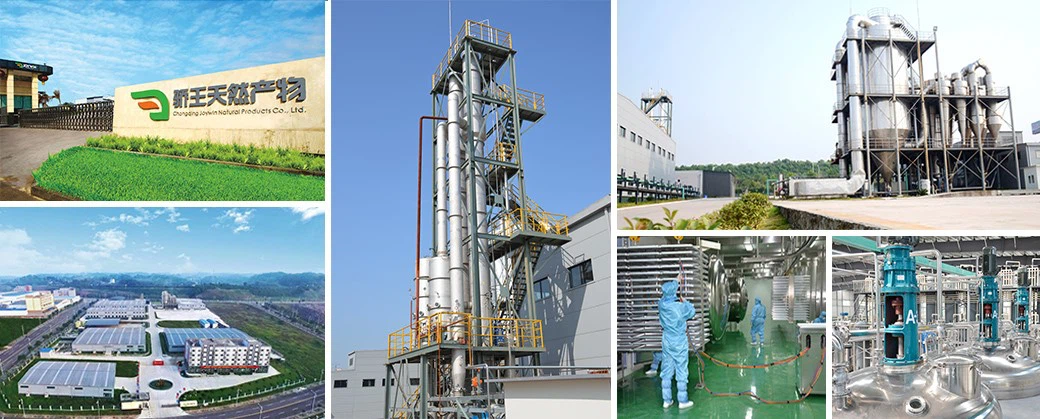
JOYWIN Manufacturing Facilities
JOYWIN founded in 2013 is an innovation-driven biotechnology company. we provide the manufacture of plant extracts, plant proteases, and customized products. We believe Good produce= Integrity+ Technology+Quality Control.
fAQ
Q1: What makes Dictyophora indusiata different from other medicinal mushrooms like Reishi or Shiitake?
A1: While all offer benefits, Dictyophora is distinct for its rarity, delicate structure, and unique nutritional profile. It is particularly prized for its high concentration of specific bioactive peptides and polysaccharides, and has a strong traditional reputation for supporting overall vitality and beauty from within, alongside immune health.
Q2: Can you provide the Certificate of Analysis (COA) and samples for pre-order qualification?
A2: Absolutely. We strongly encourage all B2B partners to qualify our ingredients. We can provide a representative COA immediately. Free samples (typically 50-100g) are available upon request; you only need to cover the express shipping cost.
Q3: What is the minimum order quantity (MOQ) for this product?
A3: Our standard MOQ for Bamboo Fungus Extract Powder is 10kg (one drum). However, for initial R&D projects or pilot runs, we can sometimes accommodate smaller trial orders. Please contact our sales team to discuss your specific needs.
Q4: Do you offer organic-certified Bamboo Fungus Extract?
A4: Yes, we can! As the world's largest manufacturer of organic inulin, we have deep expertise in organic supply chains and certification. While subject to availability and minimum volumes, we are well-positioned to source and process organic Dictyophora to meet your certification needs (e.g., USDA Organic, EU Organic). Please inquire for details.
Q5: Is Joywin a manufacturer or just a trading company for this product?
A5: Joywin is a vertically integrated manufacturer. Founded in 2013 as an innovation-driven biotechnology company, we specialize in the production of plant extracts, enzymes, and powders. Our expertise, built on being a world leader for Inulin and Bromelain, is directly applied to the development and manufacturing of specialty products like Bamboo Fungus Extract in our own facilities, ensuring quality control from raw material to finished powder.
Q6:Where & how can I place an order on Bamboo Fungus Extract Powder?
A:You can click the inquiry or send us an e-mail to contact@joywinworld.com
Hot Tags: bamboo fungus extract powder, manufacturers, suppliers, factory, wholesale, buy, price, bulk, high quality, for sale, free sample


