
Products Description
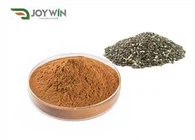
Chaga mushroom extract (Inonotus obliquus) isn't just another trending ingredient-it's a scientifically validated bioactive complex that's been used in traditional medicine for centuries and is now backed by modern clinical research. For B2B buyers developing premium supplements, functional foods, or cosmeceuticals, chaga represents a unique opportunity to offer consumers one of nature's most potent antioxidant sources.
Unlike typical mushrooms, chaga grows as a parasitic sclerotium on birch trees in cold climates, absorbing beneficial compounds from its host-particularly betulin, which converts into betulinic acid within the fungus. This unique relationship creates a phytochemical profile unlike any other mushroom extract on the market.
As a B2B ingredient supplier, we understand that you need more than marketing hype. You need consistent quality, comprehensive documentation, and a partner who understands the technical challenges of formulating with complex botanical extracts. This page provides the in-depth technical information you need to make informed sourcing decisions.
Origin & Sustainable Harvesting: Where Quality Begins
Geographic Sourcing Strategy
Chaga's bioactive profile is directly influenced by its growing environment. We source our chaga from pristine forests in northern regions where environmental conditions optimize compound development:
Primary Sourcing Regions:
* Siberia (Russia): Long winters and extreme temperature fluctuations produce chaga with exceptionally high polysaccharide and melanin content
* Northern China (Changbai Mountain region): Sustainable cultivation areas with strict environmental monitoring
* Northern Europe (Finland, Estonia): Wild-harvested from certified sustainable forestry operations
Why Geographic Origin Matters:
The host tree species significantly impacts chaga's phytochemical composition. Birch trees (Betula species) contain betulin in their bark, which chaga metabolizes into betulinic acid-one of its most valuable bioactive compounds. Chaga grown on birch in colder climates (below -20°C winters) develops higher concentrations of:
* Betulinic acid (0.5-2.5% in quality extracts)
* Polysaccharides (20-40%)
* Melanin complexes (up to 30%)
* Triterpenes including inotodiol and lanosterol
Sustainable Harvesting Protocols
Wild chaga takes 15-20 years to reach harvestable size, making sustainability critical for long-term supply chain stability. Our harvesting partners follow strict protocols:
Responsible Harvesting Standards:
* Only harvest from living birch trees (dead trees produce inferior chaga with lower bioactives)
* Leave at least 30% of the sclerotium intact to allow regeneration
* Minimum 5-year rotation before re-harvesting same tree
* GPS mapping of harvest locations to prevent over-exploitation
* Harvest only from trees with trunk diameter >25cm
* Seasonal timing (late fall to early spring) when bioactive concentration peaks
Traceability Documentation:
Every batch includes harvest location coordinates, harvest date, and sustainable forestry certification. This traceability is increasingly important for brands making sustainability claims and meeting EU Timber Regulation (EUTR) requirements.
Wild-Harvested vs. Cultivated: Understanding the Difference
Wild-Harvested Chaga (Our Primary Source):
✅ Higher betulinic acid content (absorbed from birch bark)
✅ More complex phytochemical profile
✅ Superior antioxidant activity (higher ORAC scores)
✅ Consumer perception as "authentic"
⚠️ Supply variability requires inventory management
⚠️ Higher cost per kilogram
Cultivated Chaga (Available upon request):
✅ Consistent year-round supply
✅ Controlled growing conditions reduce contamination risk
✅ More economical pricing
⚠️ Lower betulinic acid (not grown on birch)
⚠️ Different polysaccharide profile
⚠️ May require "cultivated" disclosure on labels
For most premium formulations, we recommend wild-harvested chaga for its superior bioactive profile and market positioning.

Phytochemical Composition: A Complex Bioactive Matrix
Chaga's therapeutic potential comes from its diverse array of bioactive compounds working synergistically. Understanding this composition helps you position your product effectively and develop appropriate health claims.
Primary Bioactive Compounds
1. Polysaccharides (20-40% in quality extracts)
The backbone of chaga's immune-modulating properties, particularly β-glucans:
* β-(1→3)-D-glucans: Primary immune-active polysaccharides
* β-(1→6)-D-glucans: Branching structures enhancing bioavailability
* Heteropolysaccharides: Complex sugars with protein components
* Molecular weight: Typically 10-500 kDa (optimal immune activity at 100-200 kDa)
These polysaccharides activate macrophages, enhance natural killer (NK) cell activity, and modulate cytokine production-making chaga ideal for immune support formulations.
2. Betulinic Acid & Triterpenes (0.5-3%)
Unique to birch-grown chaga, these compounds provide:
* Betulinic acid: 0.5-2.5% (primary triterpene)
* Inotodiol: 0.1-0.5%
* Lanosterol: 0.05-0.3%
* Ergosterol: 0.2-0.8% (vitamin D₂ precursor)
Betulinic acid has been extensively studied for its anti-inflammatory properties and cellular health support. Its presence distinguishes authentic wild-harvested chaga from cultivated alternatives.
3. Melanin Complex (Up to 30%)
Chaga's distinctive black exterior contains one of nature's highest concentrations of melanin-a complex polymer with:
* Exceptional antioxidant capacity
* UV-protective properties (valuable for cosmeceutical applications)
* Heavy metal chelation abilities
* Neuroprotective potential
The melanin content contributes significantly to chaga's extraordinarily high ORAC (Oxygen Radical Absorbance Capacity) score-often exceeding 50,000 μmol TE/g, making it one of the most potent natural antioxidants available.
4. Phenolic Compounds
* Polyphenols: 2-5%
* Flavonoids: 0.5-1.5%
* Phenolic acids: 0.3-1%
These compounds contribute to antioxidant activity and work synergistically with polysaccharides for enhanced bioactivity.
5. Additional Bioactive Components
* Minerals: Potassium, magnesium, zinc, iron, manganese
* SOD (Superoxide Dismutase): Enzyme with antioxidant properties
* Sterols: Including ergosterol and lanosterol
* Organic acids: Oxalic acid, vanillic acid, protocatechuic acid
Standardization Options
We offer multiple standardization options to match your formulation needs:
* Polysaccharide-standardized: 10%, 20%, 30%, 40%
* Beta-glucan specific: 15%, 20%, 25%
* Triterpene-standardized: 1%, 2%, 3% (as betulinic acid)
* Dual-standardized: Polysaccharides + triterpenes
* Full-spectrum: Non-standardized, whole extract maintaining natural ratios
Certificate of Analysis: Technical Specifications
Professional buyers need precise specifications for regulatory filings, quality assurance, and formulation development. Here are our standard parameters:
Physical & Chemical Specifications
|
Parameter |
Specification |
Test Method |
|
Appearance |
Fine brown to dark brown powder |
Visual inspection |
|
Odor |
Characteristic, mild |
Organoleptic |
|
Taste |
Slightly bitter |
Organoleptic |
|
Polysaccharides |
≥30% (customizable: 10-40%) |
UV-Spectrophotometry |
|
Beta-Glucans |
≥15% |
Enzymatic-HPLC method |
|
Triterpenes (as Betulinic Acid) |
≥1.0% (wild-harvested) |
HPLC-UV |
|
Moisture Content |
≤8.0% |
USP <731> Loss on Drying |
|
Ash Content |
≤8.0% |
USP <281> |
|
Particle Size |
95% pass 80 mesh |
USP <786> |
|
Bulk Density |
0.35-0.55 g/mL |
USP <616> |
|
Extract Ratio |
10:1, 20:1, 30:1 (customizable) |
Calculation-based |
|
Solubility |
Partially soluble in water |
Visual observation |
Microbiological Standards
|
Parameter |
Specification |
Test Method |
|
Total Plate Count |
≤10,000 cfu/g |
USP <2021> |
|
Yeast & Mold |
≤1,000 cfu/g |
USP <2021> |
|
Coliforms |
≤10 cfu/g |
USP <2022> |
|
E. coli |
Negative/g |
USP <2022> |
|
Salmonella |
Negative/25g |
USP <2022> |
|
Staphylococcus aureus |
Negative/g |
USP <2022> |
Heavy Metals & Contaminants
|
Parameter |
Specification |
Test Method |
|
Lead (Pb) |
≤2.0 ppm |
ICP-MS |
|
Arsenic (As) |
≤1.0 ppm |
ICP-MS |
|
Cadmium (Cd) |
≤0.5 ppm |
ICP-MS |
|
Mercury (Hg) |
≤0.1 ppm |
ICP-MS |
|
Total Heavy Metals |
≤10 ppm |
USP <231> |
|
Pesticide Residues |
Compliant with USP/EU standards |
GC-MS/LC-MS |
|
Aflatoxins (B1, B2, G1, G2) |
≤5 ppb total, ≤2 ppb B1 |
HPLC-FLD |
|
PAHs (Polycyclic Aromatic Hydrocarbons) |
Compliant with EU Reg. 835/2011 |
GC-MS |
Antioxidant Capacity (Optional Testing)
|
Parameter |
Typical Value |
Test Method |
|
ORAC Value |
40,000-60,000 μmol TE/g |
ORAC Assay |
|
Total Phenolics |
25-40 mg GAE/g |
Folin-Ciocalteu method |
|
DPPH Radical Scavenging |
IC₅₀ <50 μg/mL |
DPPH Assay |
Custom Testing Available: We can conduct additional testing including specific polysaccharide molecular weight distribution, individual triterpene profiling, or bioactivity assays upon request.
Manufacturing Process: From Raw Material to Premium Extract
Our Chaga mushroom extract process is designed to maximize bioactive compound yield while maintaining the integrity of heat-sensitive components. Understanding our process helps you appreciate the quality differences between suppliers.
Step-by-Step Extraction Protocol
Phase 1: Raw Material Preparation
Receiving & Inspection
* Visual inspection for authenticity (black exterior, orange interior characteristic of genuine chaga)
* Moisture content verification (should be <12% for storage stability)
* Preliminary screening for contamination
* Sample retention for batch traceability
Cleaning & Size Reduction
* Manual removal of bark fragments and debris
* Washing with purified water (no chemical cleaning agents)
* Air-drying if moisture exceeds specification
* Grinding to 2-5mm particles (optimal for extraction efficiency)
* Metal detection screening
* Magnetic separation to remove ferrous contaminants
Phase 2: Dual Extraction Process
Unlike single-extraction methods that capture only water-soluble or alcohol-soluble compounds, our dual extraction maximizes the full spectrum of bioactives:
Hot Water Extraction (First Stage)
* Purpose: Extract polysaccharides, β-glucans, and water-soluble compounds
Temperature: 90-100°C
* Duration: 2-4 hours (multiple extraction cycles)
* Solid-to-liquid ratio: 1:10 to 1:15 (optimized for yield)
* pH adjustment: Slightly alkaline (pH 8-9) enhances polysaccharide extraction
* Agitation: Continuous stirring to maximize surface contact
Alcohol Extraction (Second Stage)
* Purpose: Extract triterpenes (betulinic acid, inotodiol), sterols, and lipophilic compounds
* Solvent: 60-95% ethanol (food-grade)
* Temperature: 60-70°C
* Duration: 2-3 hours
* Method: Percolation or reflux extraction
*Solvent recovery: Vacuum distillation for ethanol reclamation (eco-friendly, cost-effective)
Phase 3: Combination & Concentration
Filtration
* Multi-stage filtration: 100 mesh → 200 mesh → 0.45μm membrane
* Removes insoluble fiber and particulates
* Clarification improves final powder appearance and solubility
Extract Combination
* Precise blending of water and alcohol extracts
* Ratio adjusted based on target standardization
* Homogenization ensures uniform distribution
Vacuum Concentration
* Low-temperature evaporation (≤60°C) under vacuum
* Preserves heat-sensitive compounds (particularly triterpenes and enzymes)
* Concentration to 1.2-1.3 Brix (optimal for spray drying)
* Continuous monitoring of temperature and pressure
Phase 4: Drying & Powder Formation
Spray Drying
* Inlet temperature: 160-180°C
* Outlet temperature: 80-95°C
* Atomization: High-pressure nozzle or centrifugal atomizer
* Drying time: 2-5 seconds (flash drying preserves bioactivity)
* Carrier addition (if required): Maltodextrin, dextrin, or rice flour for improved flowability
Alternative: Freeze Drying (Premium option)
* Lower temperature process preserves maximum enzyme activity
* Better retention of volatile compounds
* Superior powder reconstitution properties
* Higher cost (typically 30-40% premium)
* Recommended for ultra-premium formulations
Phase 5: Standardization & Quality Control
Blending for Standardization
* HPLC analysis of polysaccharide and triterpene content
* Calculated blending of batches to achieve target specification
* Homogenization in V-blender or ribbon blender
* Statistical sampling (minimum 10 samples per 500kg batch)
* Re-testing after blending to verify specification achievement
Final Processing
* Sieving to achieve target particle size (typically 80 mesh)
* Metal detection (final safety check)
* Packaging in clean room environment (Class 100,000 or better)
Phase 6: Quality Release
* Full COA testing (chemical, microbiological, heavy metals)
* Stability verification (accelerated testing for new specifications)
* Documentation review and approval by QA manager
* Batch release for shipment
* Retention sample storage (minimum 2 years at controlled conditions)
Process Advantages
Our dual-extraction methodology offers several advantages over competitors using single-extraction or simple hot-water methods:
✅ Complete phytochemical profile: Captures both water-soluble polysaccharides and alcohol-soluble triterpenes
✅ Higher bioactive yield: 15-25% better extraction efficiency than single-method extraction
✅ Standardization flexibility: Can adjust ratios to meet specific polysaccharide or triterpene targets
✅ Better bioavailability: Smaller particle size and improved solubility enhance absorption
✅ Consistent quality: Controlled parameters reduce batch-to-batch variation
Quality Assurance: Multi-Tiered Control System
In the B2B ingredient business, quality isn't just about meeting specifications-it's about consistency, traceability, and risk mitigation. Our QA system addresses the most common pain points we hear from formulators and brand owners.
Pain Point #1: "We've experienced significant batch variation from other suppliers"
Our Solution: Statistical Process Control (SPC)
* Raw material qualification: Only approved suppliers with ≥3 consecutive batches meeting specifications
* Incoming material testing: 100% testing of critical parameters (polysaccharides, moisture, microbiology)
* In-process monitoring: HPLC testing at extraction, concentration, and pre-drying stages
Control charts: Real-time tracking of key parameters with alert thresholds
* Batch homogenization: Large-scale blending (500-1000kg) with extensive sampling
* Specification windows: Tighter internal specs (e.g., 30-35% polysaccharides) than customer specs (≥30%) to ensure consistent over-delivery
Result: Coefficient of variation <5% for polysaccharide content across batches (industry average: 10-15%)
Pain Point #2: "Contamination issues have caused product recalls"
Our Solution: Comprehensive Contamination Prevention
Environmental Controls:
* HEPA-filtered production areas (Class 100,000 clean rooms for packaging)
* Positive pressure systems prevent external contamination
* Regular environmental monitoring (air, surfaces, water)
* Pest control program with monthly inspections
* Personnel hygiene protocols (gowning, hand washing, health monitoring)
Supplier Management:
* Annual audits of wild-harvesting operations
* Verification of sustainable forestry certifications
* Heavy metal testing of harvest regions (soil and water)
* Pesticide screening even for wild-harvested material (environmental drift detection)
* Radioactivity testing for materials from certain regions (post-Chernobyl precaution)
Testing Protocols:
* Mycotoxin screening (aflatoxins, ochratoxin A) on every batch
* PAH testing for materials exposed to forest fires
* Pesticide panel testing (>400 compounds) quarterly
* Heavy metals testing by ICP-MS (more sensitive than traditional methods)
* Microbial identification of any out-of-spec results
Result: Zero recalls in 10+ years of operation; contamination rejection rate <0.3%
Pain Point #3: "Documentation doesn't meet our regulatory requirements"
Our Solution: Comprehensive Documentation Package
Every order includes:
* Certificate of Analysis (COA): Full testing results with chromatograms
* Specification sheet: Detailed product specifications
* Allergen statement: Comprehensive allergen declaration (typically allergen-free)
* BSE/TSE declaration: Bovine/porcine-free certification
* GMO statement: Non-GMO declaration with testing verification
* Gluten-free statement: <20ppm gluten (tested)
* Country of origin certificate: For customs clearance
* Organic certificates (if applicable): USDA NOP, EU organic, JAS
* Kosher/Halal certificates: Available upon request
* Manufacturing flow chart: Process diagram for regulatory submissions
* Stability data: Accelerated and real-time studies available
* Safety data sheet (SDS): OSHA/GHS compliant
Regulatory Support Services:
* Assistance with NDI (New Dietary Ingredient) notifications (US)
* Novel Food application support (EU)
* Health claim substantiation literature packages
* Regulatory status letters for specific markets
* Connection to regulatory consultants in target markets
Certifications & Compliance
We maintain multiple third-party certifications that demonstrate our commitment to quality:
✅ ISO 22000: Food Safety Management System
✅ FSSC 22000: Food Safety System Certification
✅ GMP (Good Manufacturing Practices): NSF/ANSI 455-2 Dietary Supplements
✅ HACCP: Hazard Analysis Critical Control Points
✅ Organic Certifications: USDA NOP, EU Organic (available for select batches)
✅ Kosher: Orthodox Union or other certifying bodies
✅ Halal: Islamic Food and Nutrition Council of America (IFANCA)
✅ ISO 9001: Quality Management System
Audit Readiness: We welcome customer audits and host 15-25 customer/third-party audits annually. Our open-door policy demonstrates confidence in our systems and builds trust with quality-conscious buyers.
What Distinguishes Premium Chaga mushroom extract?
The chaga market has become saturated with suppliers offering seemingly similar products at vastly different prices. Understanding quality markers helps you make informed sourcing decisions.
Quality Indicators to Evaluate
1. Extraction Method Transparency
❌ Red flag: Suppliers who won't disclose extraction method or solvent type
✅ Quality indicator: Detailed process description, dual-extraction methodology, solvent residue testing
2. Standardization Specificity
❌ Red flag: Vague claims like "high potency" without specific percentages
✅ Quality indicator: Clear standardization (e.g., "30% polysaccharides, 1% triterpenes by HPLC")
3. Raw Material Source
❌ Red flag: "Chaga extract" without specifying wild-harvested vs. cultivated
✅ Quality indicator: Wild-harvested from birch, with geographic origin and sustainability certification
4. Testing Depth
❌ Red flag: COA with only basic parameters (appearance, moisture, ash)
✅ Quality indicator: Comprehensive testing including bioactive compounds, heavy metals, pesticides, microbiology
5. Particle Characteristics
❌ Red flag: Coarse, non-uniform powder with poor solubility
✅ Quality indicator: Fine, uniform powder (80-100 mesh) with consistent color
6. Pricing Realism
❌ Red flag: Prices significantly below market average (often indicates adulteration or low-quality raw material)
✅ Quality indicator: Pricing consistent with extraction method, standardization level, and certification requirements
Our Differentiation Strategy
1. Dual-Extraction as Standard
Many suppliers offer only hot-water extraction (cheaper, faster) which captures polysaccharides but misses triterpenes. Our dual-extraction ensures you get the full spectrum of bioactives that research studies have validated. [2]
2. Wild-Harvested Priority
While we can supply cultivated chaga for price-sensitive applications, we recommend wild-harvested for premium formulations due to superior betulinic acid content and consumer perception.
3. Flexible Standardization
Beyond standard 30% polysaccharide extracts, we offer:
* High-polysaccharide extracts: 40% for immune-focused formulations
* Triterpene-enriched extracts: 2-3% betulinic acid for anti-inflammatory applications
* Beta-glucan specific: 20-25% beta-glucans with molecular weight specification
* Full-spectrum extracts: Maintaining natural compound ratios for "whole food" positioning
4. Water-Soluble Options
Standard Chaga mushroom extract has limited water solubility (polysaccharides dissolve, but triterpenes don't). For beverage applications, we offer:
* Spray-dried with natural carriers: Improved dispersibility using organic maltodextrin or gum arabic
* Microencapsulated chaga: Enhanced stability and controlled release
* Nano-emulsion technology: For clear beverage applications (custom development)
5. Organic Certification Availability
While most chaga is wild-harvested (technically "wild-crafted" rather than "organic"), we can supply certified organic chaga from approved wild-harvesting operations that meet USDA NOP and EU organic standards for wild-crafted materials.
6. Custom Development Capabilities
Beyond standard extracts, we offer:
* Custom extract ratios (10:1, 20:1, 30:1, or specific ratios)
* Blended mushroom extracts (chaga + reishi + cordyceps, etc.)
* Fortified extracts (chaga + vitamin D, chaga + vitamin C)
* Application-specific formulations (beverage-grade, capsule-grade, cosmetic-grade)
Scientific Foundation: Research-Backed Benefits
Clinical and preclinical research on Chaga mushroom extract has expanded significantly in recent years, providing formulators with robust scientific support for product claims. Here's what the evidence shows:
Immune System Modulation
Chaga's polysaccharides, particularly β-glucans, have demonstrated significant immunomodulatory effects in multiple studies:
Mechanisms of Action:
* Macrophage activation: Enhanced phagocytic activity and cytokine production
* NK cell stimulation: Increased natural killer cell activity against abnormal cells
* Cytokine regulation: Modulation of IL-1β, IL-6, TNF-α, and interferon-γ
* Complement system activation: Enhanced immune surveillance
* T-lymphocyte proliferation: Support for adaptive immunity
Research Highlights:
* Study on mice showed chaga polysaccharides increased spleen and thymus indices (immune organ health markers)
* In vitro studies demonstrated dose-dependent macrophage activation
* Clinical observations suggest reduced frequency of seasonal immune challenges
Formulation Applications:
* Immune support supplements (daily maintenance)
* Seasonal wellness products
* Senior health formulations
* Post-illness recovery support
* Combination immune formulas with vitamin C, zinc, elderberry
Antioxidant Powerhouse
Chaga consistently ranks among the highest ORAC-value natural substances, with scores often exceeding 50,000 μmol TE/g-significantly higher than blueberries, acai, or other "superfoods." [7] [8]
Antioxidant Compounds:
* Melanin: Primary contributor to extraordinary antioxidant capacity
* Polyphenols: Scavenge free radicals through multiple mechanisms
* SOD (Superoxide Dismutase): Enzymatic antioxidant activity
* Triterpenes: Lipid peroxidation inhibition
Biological Significance:
* Neutralizes reactive oxygen species (ROS)
* Protects cellular components from oxidative damage
* Supports mitochondrial health
* May slow cellular aging processes
* Protects skin from UV-induced oxidative stress
Formulation Applications:
* Anti-aging supplements
* Skin health formulations (both oral and topical)
* Sports recovery products (reducing exercise-induced oxidative stress)
* Cognitive health supplements (neuroprotection)
* Cardiovascular support formulas
Healthy Inflammatory Response
Multiple studies indicate Chaga mushroom extract's ability to support balanced inflammatory pathways without suppressing necessary immune responses:
Anti-Inflammatory Mechanisms:
* NF-κB pathway modulation: Reduces excessive inflammatory signaling
* Cytokine balance: Decreases pro-inflammatory cytokines (IL-6, TNF-α) while maintaining immune function
* COX-2 regulation: Influences prostaglandin synthesis
* Betulinic acid effects: Triterpene-specific anti-inflammatory activity
Research Evidence:
* Animal studies showed reduced inflammatory markers in colitis models
* In vitro studies demonstrated inhibition of inflammatory mediators
* Traditional use for joint discomfort aligns with modern research findings
Formulation Applications:
* Joint health supplements
* Post-exercise recovery formulas
* Digestive health products
* Healthy aging supplements
* Combination formulas with curcumin, boswellia, or omega-3s
Metabolic Health Support
Emerging research suggests Chaga mushroom extract may support healthy glucose metabolism and metabolic function:
Observed Effects:
* Support for healthy blood sugar levels already in normal range
* Enhanced insulin sensitivity in animal models
* Lipid metabolism support
* Liver health protection
Formulation Applications:
* Metabolic health supplements
* Blood sugar support formulas (with chromium, berberine, cinnamon)
* Weight management products
* Liver support formulations
Cellular Health & Longevity
Perhaps the most exciting research area involves chaga's potential for supporting cellular health and longevity:
Mechanisms Under Investigation:
* DNA protection from oxidative damage
* Telomere length maintenance (preliminary research)
* Mitochondrial function optimization
* Cellular energy metabolism support
* Apoptosis regulation in abnormal cells
Research Status:
* Extensive in vitro studies showing cellular protective effects
* Animal studies demonstrating health-span extension
* Human clinical trials are limited but growing
* Traditional use spanning centuries supports safety profile
Formulation Applications:
* Longevity supplements
* Cellular health formulas
* NAD+ boosting combinations
* Mitochondrial support products
* Comprehensive anti-aging protocols
Skin Health & Cosmeceutical Applications
Chaga's high melanin content and antioxidant properties make it valuable for topical applications:
Skin Benefits:
* UV protection (melanin absorbs harmful radiation)
* Antioxidant protection against environmental stressors
* Support for skin elasticity and firmness
* Reduction in appearance of aging signs
* Soothing properties for sensitive skin
Formulation Applications:
* Anti-aging serums and creams
* Sun protection products (complementary to SPF)
* Skin brightening formulations
* Post-sun exposure recovery products
* Natural cosmetics with functional benefits
Application Scenarios: Real-World Success Stories
Understanding how other B2B customers have successfully formulated with Chaga mushroom extract can inspire your product development:
Case Study 1: Immune Defense Capsule (US Market)
Client Profile: Emerging supplement brand targeting health-conscious consumers 35-55 years old
Challenge: Differentiate in crowded immune support category dominated by vitamin C and zinc products; needed science-backed ingredient with consumer recognition
Our Solution:
* Supplied 30% polysaccharide Chaga mushroom extract, 400mg per serving
* Combined with our reishi extract (20% polysaccharides) and vitamin D3
* Provided comprehensive literature package with 15+ peer-reviewed studies
* Assisted with structure/function claim development: "Supports healthy immune function"
* Recommended synergistic ingredients: zinc, selenium, elderberry
Formulation Details:
* 2-capsule serving size
* Chaga mushroom extract 400mg (30% polysaccharides = 120mg active)
* Reishi extract 300mg
* Vitamin D3 2000 IU
* Zinc (as zinc citrate) 15mg
* Vegetarian capsules with no fillers
Results:
* Launched in 200 independent health food stores
* Featured in natural health magazine as "innovative immune formula"
* 35% repeat purchase rate within 6 months
* Expanded to Amazon with 4.6-star rating (500+ reviews)
* Brand developed 3 additional chaga-containing products based on success
Key Success Factors:
* Premium positioning ($29.99 for 60 capsules) justified by quality ingredients
* Education-focused marketing highlighting chaga's ORAC value
* Transparent sourcing story (wild-harvested, sustainably sourced)
* Third-party testing verification (published COAs on website)
Case Study 2: Functional Coffee Alternative (European Market)
Client Profile: Beverage startup creating coffee alternatives with functional benefits
Challenge: Develop rich, earthy beverage base with energy and focus benefits; needed water-dispersible chaga for instant drink mix format
Our Solution:
* Developed custom water-soluble Chaga mushroom extract (20% polysaccharides)
* Spray-dried with organic maltodextrin for improved dispersibility
* Particle size optimized for instant dissolution (<200 mesh)
* Conducted stability testing in beverage matrix (pH 5.5-6.5)
* Provided EU Novel Food guidance and documentation support
Formulation Details:
* Instant powder stick packs (5g per serving)
* Water-soluble Chaga mushroom extract 500mg
* Lion's mane extract 300mg (cognitive support)
* Cordyceps extract 200mg (energy support)
* Organic cacao powder (flavor and additional antioxidants)
* Coconut milk powder (creaminess)
* Monk fruit extract (natural sweetness)
Results:
* Successfully launched in UK, Germany, and Netherlands
* Distribution in 150+ specialty coffee shops and health stores
* Featured in wellness lifestyle publications
* Subscription model achieved 40% of sales within first year
* Product won "Best Functional Beverage" at European health food trade show
Key Success Factors:
* Taste optimization through multiple iterations (we provided samples for R&D)
* Convenient single-serve format appealing to busy professionals
* Clear positioning: "Coffee alternative with adaptogens"
* Sustainability messaging (wild-harvested, recyclable packaging)
* Educational content about each mushroom ingredient
Case Study 3: Premium Anti-Aging Serum (Asian Market)
Client Profile: Established cosmetics brand expanding into natural, functional skincare
Challenge: Develop premium anti-aging serum with novel natural ingredients; needed cosmetic-grade chaga with high melanin content for antioxidant and UV-protective properties
Our Solution:
* Supplied cosmetic-grade chaga extract (water-soluble, microbial specs for topical use)
* Higher melanin concentration (35-40%) through specialized extraction
* Particle size <5μm for smooth texture and skin penetration
* Provided skin compatibility testing data (patch test results)
* Assisted with INCI nomenclature and cosmetic regulatory compliance
Formulation Details:
* Serum format (30mL bottle)
* Chaga mushroom extract 2% (w/w)
* Hyaluronic acid (multiple molecular weights)
* Niacinamide 5%
* Peptide complex
* Vitamin E
* Natural preservative system
Results:
* Launched in premium department stores in Japan and South Korea
* Priced at $85-95 per bottle (luxury positioning)
* Featured in beauty magazines and influencer reviews
* Clinical study showed 23% improvement in skin elasticity after 8 weeks
* Expanded to full product line (cleanser, toner, moisturizer with chaga)
Key Success Factors:
* Clinical testing demonstrating measurable results
* Luxury packaging and branding
* Educational marketing about chaga's traditional use and modern science
* Melanin content as unique selling proposition (UV protection story)
* Cruelty-free, vegan formulation appealing to conscious consumers
Packaging & Logistics
We ensure product integrity throughout the supply chain with specialized handling and packaging solutions designed for sensitive botanical extracts.
* Primary Packaging: 1 kg double-lined aluminum bags with oxygen absorbers and desiccant packets
* Secondary Packaging: 20 kg per foil-lined carton or 25 kg food-grade fiber drums
* Storage Conditions: Recommended storage at ≤ 25°C with ≤ 60% relative humidity, protected from light
* Shelf Life: 24 months from production date when stored under recommended conditions
* Global Logistics: Temperature-controlled shipping options available for international destinations
* Regulatory Support: Comprehensive documentation packages including Certificate of Analysis, GMP Certificate, and Heavy Metal Testing Report

JOYWIN Manufacturing Facilities
JOYWIN founded in 2013 is an innovation-driven biotechnology company. we provide the manufacture of plant extracts, plant proteases, and customized products. We believe Good produce= Integrity+ Technology+Quality Control.

JOYWIN Exhibition Show
JOYWIN attend international exhibitions, including CPhI, FIC, API, Vitafoods, SupplesideWest.

FAQ
Q1: What is the difference between Chaga powder and your extract?
A: Chaga powder is simply dried, ground mushroom with variable active compound content. Our extract is standardized to guarantee specific levels of polysaccharides (30%-50%), beta-glucans (≥25%), and triterpenoids (2%-10%), providing consistent, research-backed potency and efficacy.
Q2: Why is dual-extraction important for Chaga?
A: Dual-extraction is crucial because Chaga contains both water-soluble compounds (polysaccharides, beta-glucans) and alcohol-soluble compounds (triterpenoids, sterols). Single-extraction methods miss important bioactive components, while our dual-extraction ensures comprehensive phytochemical coverage.
Q3: Can you customize the ratio of polysaccharides to triterpenoids?
A: Yes, we offer custom standardization to achieve specific ratios and concentrations that align with your product objectives and target health benefits.
Q4: What clinical dosage should we target in formulations?
A: Clinical studies typically use doses equivalent to 1-3 grams of extract daily. We provide technical guidance to help determine optimal dosing based on your specific extract concentration and intended applications.
Q5: Is wild-harvested Chaga superior to cultivated?
A: Wild-harvested Chaga from its natural birch tree host typically demonstrates higher concentrations of key bioactive compounds, particularly triterpenoids derived from the birch tree itself. Our sustainable harvesting practices ensure both quality and ecological responsibility.
Q6: What documentation do you provide?
A: We provide comprehensive documentation including Certificate of Analysis, GMP Certificate, Heavy Metal Testing Report, Allergen Statement, Origin Certificate, and Sustainable Harvesting Verification.
Q7:Where & how can I place an order?
A:You can click the inquiry on Chaga mushroom extract or send us an e-mail to contact@joywinworld.com.
Hot Tags: chaga mushroom extract, manufacturers, suppliers, factory, wholesale, buy, price, bulk, high quality, for sale, free sample