

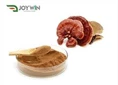

Product Introduction
Grifola frondosa - known in Japan as maitake (舞茸, literally "dancing mushroom") and in English as hen of the woods - is a large, fan-shaped polypore fungus that grows in clusters at the base of oak, elm, and maple trees across temperate forests of North America, Europe, and East Asia. It is both a prized culinary mushroom and one of the most extensively studied medicinal fungi in modern nutritional science.
What sets G. frondosa apart from other functional mushrooms is the specific architecture of its bioactive polysaccharides. The signature compound - beta-1,6-glucan with beta-1,3 branching points, commercially known as the D-fraction or MD-fraction - has been shown in peer-reviewed research to exert potent immunomodulatory, antitumoral, hypoglycemic, and adaptogenic effects through mechanisms that are now reasonably well characterized at the molecular level.
A comprehensive 2024 review published in Heliyon (PMC/NIH) confirmed that G. frondosa contains a rich array of bioactive phytochemicals - including beta-glucans, heteropolysaccharides, ergosterol, phenolic compounds, and unique proteoglycans - that collectively contribute to its broad therapeutic and nutraceutical profile. Carbohydrates and protein are the major constituents contributing to the dry weight of G. frondosa, with beta-glucans representing the primary bioactive fraction of commercial extracts.
For B2B buyers in the supplement, functional food, and clinical nutrition space, Grifola frondosa extract represents a high-value, scientifically credible ingredient with strong consumer recognition and growing demand across North America, Europe, and Japan. The challenge - as with all functional mushroom ingredients - lies in sourcing an extract with verified, standardized beta-glucan content from a manufacturer with the quality infrastructure to back it up.
That's exactly what this page is about.
Product Origin & Raw Material Sourcing
From Forest Floor to Finished Extract: Why Origin and Part Selection Define Quality
The quality of any mushroom extract begins with a single, non-negotiable decision: fruiting body or mycelium?
This distinction matters enormously for Grifola frondosa extract, and it's a topic the supplement industry has debated openly for years. Here's the science:
Fruiting Body vs. Mycelium - The Critical Difference:
|
Parameter |
Fruiting Body Extract |
Mycelium-on-Grain (MOG) |
|
Beta-glucan content |
High (naturally concentrated) |
Low (diluted by grain starch) |
|
Alpha-glucan (starch) |
Minimal |
High (from grain substrate) |
|
Bioactive D-fraction |
Present and concentrated |
Minimal or absent |
|
Traceability |
Clear botanical origin |
Mixed fungal/grain matrix |
|
Regulatory status |
Established in most markets |
Scrutinized in EU, Japan |
|
Consumer label appeal |
"Fruiting body" - clean label |
"Mycelium" - consumer skepticism |
Joywin's Grifola frondosa extract is produced exclusively from cultivated fruiting bodies - the actual mushroom, not the mycelial root system grown on grain substrate. This is not just a marketing preference; it is a scientific and regulatory imperative for producing an extract with meaningful, verified beta-glucan content.
Our Cultivation & Sourcing Protocol:
G. frondosa is cultivated under controlled indoor conditions on hardwood substrate - replicating the natural oak-forest environment that produces the highest beta-glucan density. Our cultivation partners operate under:
* Controlled temperature and humidity protocols optimized for G. frondosa fruiting body development
* Substrate composition control - hardwood-based, no grain contamination
* Harvest timing precision - fruiting bodies harvested at peak maturity for maximum polysaccharide accumulation
* No pesticides, heavy metal-free growing medium - verified by incoming raw material testing
* Botanical identity confirmation - macroscopic and microscopic examination of every incoming batch
Fresh harvested fruiting bodies are immediately processed or low-temperature dried to preserve bioactive integrity before extraction. The time between harvest and processing is tightly controlled - enzyme activity in fresh mushroom tissue begins degrading polysaccharide structures within hours of harvest.
Product Composition & Bioactive Chemistry
What's Actually in Grifola Frondosa Extract - and Why It Matters
Understanding the molecular composition of G. frondosa extract helps formulators make better sourcing, dosing, and claims decisions. This is not a simple ingredient.
Primary Bioactive Components:
|
Compound Class |
Key Compounds |
Primary Bioactivity |
|
Beta-glucans |
β-1,6-glucan (D-fraction), β-1,3/1,6-glucan |
Immunomodulation, antitumor, adaptogenic |
|
Heteropolysaccharides |
Grifolan (GF-1), X-fraction |
Immune activation, hypoglycemic |
|
Proteoglycans |
Protein-bound polysaccharide complexes |
Enhanced bioavailability of glucan fraction |
|
Ergosterol |
Provitamin D2 precursor |
Vitamin D synthesis, membrane integrity |
|
Phenolic compounds |
Caffeic acid, gallic acid derivatives |
Antioxidant, anti-inflammatory |
|
Triterpenes |
Grifolin, neogrifolin |
Antimicrobial, cytotoxic activity |
|
Lectins |
Maitake lectin |
Immune cell binding, hemagglutinin activity |
The D-Fraction - The Signature Compound:
The D-fraction is a specific protein-bound beta-1,6-glucan fraction first isolated and characterized by Dr. Hiroaki Nanba at Kobe Pharmaceutical University in the 1980s. It is the most studied and commercially recognized bioactive fraction of G. frondosa, and it is the compound referenced in the majority of clinical and preclinical research on maitake's immunomodulatory and antitumoral effects.
The MD-fraction is a further refined, higher-molecular-weight version of the D-fraction with enhanced oral bioavailability - developed specifically to address the challenge of beta-glucan absorption through the gastrointestinal tract. Research published in International Immunopharmacology demonstrated that MD-fraction enhances bone marrow colony formation and reduces chemotherapy-associated toxicity in vitro.
Why Beta-Glucan Percentage Is the Key Specification:
Not all beta-glucans are equal, and not all "polysaccharide" content in mushroom extracts represents true beta-glucan. Many low-quality extracts report high "polysaccharide" content that is actually alpha-glucan (starch) from grain substrate - a compound with no meaningful immunomodulatory activity.
Joywin reports beta-glucan content specifically (not total polysaccharides), verified by the Megazyme enzymatic method - the gold standard assay that distinguishes true beta-glucan from alpha-glucan starch. This distinction is increasingly required by sophisticated buyers and regulatory bodies in the EU and Japan.

Product Specifications & COA Parameters
Technical Data Sheet - Grifola Frondosa Extract
Standard grades: 10%, 20%, 30%, 40%, 50% beta-glucan (by Megazyme enzymatic method)
|
Parameter |
Specification |
Test Method |
|
Appearance |
Brown to dark brown fine powder |
Visual |
|
Odor |
Characteristic mushroom, earthy |
Organoleptic |
|
Beta-Glucan Content |
10% / 20% / 30% / 40% / 50% (per grade) |
Megazyme enzymatic assay |
|
Total Polysaccharides |
≥ stated beta-glucan + heteropolysaccharides |
UV-Vis spectrophotometry |
|
Protein Content |
5–15% (grade-dependent) |
Kjeldahl |
|
Moisture |
≤8% |
Karl Fischer |
|
Ash |
≤8% |
Gravimetric |
|
pH (5% solution) |
4.5–7.0 |
pH meter |
|
Particle Size (d90) |
≤250 μm |
Laser diffraction |
|
Heavy Metals (Pb) |
≤0.5 ppm |
ICP-MS |
|
Arsenic |
≤0.3 ppm |
ICP-MS |
|
Cadmium |
≤0.1 ppm |
ICP-MS |
|
Mercury |
≤0.1 ppm |
ICP-MS |
|
Total Plate Count |
≤10,000 CFU/g |
USP <61> |
|
Yeast & Mold |
≤1,000 CFU/g |
USP <62> |
|
E. coli |
Negative / 10g |
USP <62> |
|
Salmonella |
Negative / 25g |
USP <62> |
|
Staphylococcus aureus |
Negative / 10g |
USP <62> |
|
Pesticide Residues |
Compliant with EU MRL / USP <561> |
GC-MS / LC-MS |
|
Allergens |
None declared |
Declaration |
|
GMO Status |
Non-GMO |
PCR |
|
Plant Part Used |
Fruiting body only |
Declaration + microscopy |
|
Extraction Solvent |
Water (aqueous extraction) |
Declaration |
|
Botanical Identity |
Grifola frondosa confirmed |
Macroscopy + microscopy + HPLC fingerprint |
|
Shelf Life |
24 months from manufacture |
Stability study |
|
Storage |
Cool, dry, away from light; ≤25°C, RH ≤60% |
- |
Full COA, MSDS, allergen declaration, pesticide residue report, and botanical identity certificate available upon request. D-fraction and MD-fraction enriched grades available - contact our technical team for specifications.
Manufacturing Process
From Dried Fruiting Body to Standardized Extract Powder
Producing a consistently standardized Grifola frondosa extract requires more process control than most buyers appreciate. Here's how we do it - transparently.
① Raw Material Reception & Identity Verification Dried G. frondosa fruiting bodies arrive from contracted cultivation partners. Every incoming batch undergoes: botanical identity verification (macroscopic + microscopic examination), moisture content check, initial beta-glucan pre-screening, heavy metals pre-check, and pesticide residue pre-screen. Batches failing any incoming criterion are rejected outright.
② Size Reduction & Pre-Treatment Dried fruiting bodies are milled to a defined particle size to maximize extraction surface area. Cell wall disruption is critical for G. frondosa - the polysaccharides are bound within the fungal cell wall structure (chitin matrix) and require mechanical and thermal processing to achieve adequate extraction yields.
③ Hot Water Extraction The primary extraction method is controlled hot water extraction - the same fundamental approach validated in the research literature and used to produce the D-fraction and MD-fraction studied in clinical trials. Water temperature, contact time, and solid-to-liquid ratio are precisely controlled to maximize beta-glucan yield while minimizing degradation of high-molecular-weight polysaccharide structures.
For premium D-fraction enriched grades, an additional alcohol precipitation step is applied post-extraction to selectively concentrate the protein-bound beta-1,6-glucan fraction - replicating the isolation methodology described in the original D-fraction research.
④ Filtration & Clarification The raw extract undergoes multi-stage filtration to remove insoluble cell wall debris, chitin fragments, and particulate matter. Centrifugation and depth filtration are applied sequentially to achieve the clarity and microbiological profile required for food-grade extract production.
⑤ Concentration & Purification The clarified extract is concentrated under vacuum evaporation at controlled temperatures to preserve thermolabile bioactive compounds. For higher-grade standardized extracts, additional purification steps (ultrafiltration, column chromatography) are applied to achieve the target beta-glucan concentration.
⑥ Spray Drying The concentrated extract is spray-dried at controlled inlet/outlet temperatures to produce a uniform, free-flowing powder. Spray drying parameters are optimized for G. frondosa polysaccharides - which are more sensitive to thermal degradation than many small-molecule botanical extracts.
⑦ Standardization, QC Testing & Release Finished powder is tested for beta-glucan content (Megazyme method), full microbiological panel, heavy metals, and pesticide residues. Lots are blended to achieve target beta-glucan specification within ±5% tolerance. No lot is released without a signed QC release COA.
Quality Control & Certifications
A Quality Framework Built for the World's Most Demanding Markets
Grifola frondosa extract is sold into regulated dietary supplement markets in the US, EU, Japan, and South Korea - each with distinct documentation requirements. Joywin's QC system is designed to satisfy all of them simultaneously.
Certifications:
|
Certification |
Issuing Body |
Market Relevance |
|
cGMP (FDA 21 CFR Part 111) |
Third-party audit |
US dietary supplement compliance |
|
ISO 9001:2015 |
ISO |
Quality management |
|
ISO 22000:2018 |
ISO |
Food safety management |
|
FSSC 22000 |
Foundation FSSC |
Global retailer supply chain |
|
BRC Food Safety (Grade A) |
BRCGS |
EU/UK supply chain |
|
Kosher Certified |
Recognized Kosher authority |
Jewish dietary compliance |
|
Halal Certified |
Recognized Halal authority |
Muslim dietary compliance |
|
Non-GMO Verified |
PCR-confirmed |
Clean label markets |
|
Organic Certified (optional grade) |
NOP / EU 2018/848 |
Organic supplement market |
The Beta-Glucan Testing Problem - and How We Solve It:
One of the most persistent quality issues in the functional mushroom category is inflated polysaccharide claims. Many suppliers report total polysaccharide content (which includes alpha-glucan starch from grain substrate) as if it were beta-glucan - a technically misleading but commercially common practice.
Joywin uses the Megazyme Mixed Linkage Beta-Glucan Assay Kit - an enzymatic method that specifically measures true (1→3),(1→4)-β-D-glucan and (1→3),(1→6)-β-D-glucan content, subtracting alpha-glucan interference. This is the method recommended by AOAC International and increasingly required by EU regulatory authorities for functional mushroom ingredient substantiation.
Every production lot is tested by both our in-house QC laboratory and an accredited third-party laboratory before release.
Product Features & Competitive Advantages
What Separates Joywin's Grifola Frondosa Extract from the Crowd
The functional mushroom ingredient market has grown rapidly - and with that growth has come a proliferation of low-quality, poorly standardized products. Here's where the real differentiation lies:
Pain Point #1: "We've been burned by mushroom extracts with inflated polysaccharide claims."
This is the most common complaint among experienced mushroom supplement buyers. A product labeled "40% polysaccharides" may contain only 5–8% actual beta-glucan if the remainder is alpha-glucan starch from grain substrate.
→ Our solution: We report beta-glucan content specifically, verified by the Megazyme enzymatic method. Our COA clearly distinguishes beta-glucan from total polysaccharides. We provide the full test report, not just the summary number.
Pain Point #2: "We can't tell if the extract is from fruiting body or mycelium."
→ Our solution: Every lot comes with a botanical identity certificate confirming fruiting body origin - verified by macroscopic examination, microscopic analysis, and HPLC fingerprinting. We do not produce mycelium-on-grain products.
Pain Point #3: "The color and flavor vary between batches, causing formulation inconsistency."
→ Our solution: Standardized cultivation protocols + consistent extraction parameters = batch-to-batch color and flavor consistency within defined organoleptic specifications. We maintain retain samples from every lot for 36 months.
Pain Point #4: "Our EU or Japanese customers need documentation we can't get from our current supplier."
→ Our solution: Complete regulatory dossier as standard - COA, botanical identity certificate, Megazyme beta-glucan test report, full heavy metals panel, pesticide residue report (EU MRL compliant), microbiological report, allergen declaration, non-GMO declaration, and all certifications. Our documentation team is experienced with EU Novel Food, Japanese FOSHU, and FDA NDI requirements.
Additional Technical Advantages:
Water-soluble extract - excellent dispersibility in capsule, tablet, and beverage applications
Neutral extraction - no residual solvents; aqueous process only
D-fraction enriched grades available for clinical nutrition and premium supplement lines
Organic certified grade available for clean-label organic supplement market
Custom standardization available with minimum order commitment
Health Benefits & Scientific Evidence
The Research Behind Grifola Frondosa Extract
Grifola frondosa is among the most scientifically documented functional mushroom ingredients. The following evidence summary reflects the current state of peer-reviewed research - presented with the nuance that serious B2B buyers and their regulatory teams need.
Immunomodulation - The Core Mechanism
The immunomodulatory activity of G. frondosa beta-glucans is the best-established and most clinically relevant mechanism. Beta-glucans interact with pattern recognition receptors - particularly Dectin-1 and complement receptor 3 (CR3) - on the surface of macrophages, dendritic cells, and natural killer (NK) cells, triggering a cascade of innate immune activation.
Research published in Annals of Translational Medicine demonstrated that maitake extract (rich in beta-glucans) significantly stimulated phagocytic activity, enhanced cytokine production (IL-6, IL-12, IFN-γ), and modulated immune cell populations in controlled animal studies - with effects comparable to or exceeding those of other well-studied mushroom glucan preparations.
Antitumoral Activity - D-Fraction Research
The D-fraction and MD-fraction of G. frondosa have been the subject of extensive oncology-adjacent research. In vitro studies demonstrate that beta-1,6-glucan from maitake:
Enhances bone marrow colony formation and reduces doxorubicin toxicity
Induces hematopoietic stem cell proliferation
Inhibits tumor metastasis via NK cell activation and suppression of ICAM-1 expression in lung vascular endothelial cells
Activates macrophages, NK cells, T cells, and interleukin-1 production
A small non-controlled human study (Kodama et al., 2002) observed tumor regression or significant symptom improvement in approximately half of subjects using maitake extract - a preliminary finding that has driven continued research interest.
Glycemic Regulation
Multiple studies have documented hypoglycemic activity for G. frondosa extracts. A clinical observation study (Konno et al., 2001) reported a possible hypoglycemic effect in type 2 diabetic patients. Animal studies confirmed anti-diabetic effects via an alpha-glucan fraction from G. frondosa fruiting bodies in KK-Ay diabetic mice. This evidence base supports its inclusion in metabolic health and blood sugar management formulations.
Adaptogenic & Antioxidant Properties
The 2024 Heliyon comprehensive review confirmed that G. frondosa extracts exhibit significant antioxidant activity through phenolic compounds and ergosterol derivatives, and demonstrate adaptogenic properties - supporting stress resilience and homeostatic balance. Beta-glucans from maitake have also been shown to mitigate oxidative stress and inflammation in skin cells caused by environmental factors, opening cosmeceutical application pathways.
Evidence Summary:
|
Benefit Area |
Evidence Level |
Primary Mechanism |
|
Immune modulation |
Strong (preclinical + early clinical) |
Dectin-1 / CR3 receptor activation; macrophage, NK cell, T cell stimulation |
|
Antitumoral support |
Moderate (preclinical dominant, small clinical) |
D-fraction beta-glucan; NK cell activation; ICAM-1 suppression |
|
Glycemic regulation |
Moderate (animal + small clinical) |
Alpha-glucan fraction; insulin sensitization |
|
Antioxidant activity |
Moderate (in vitro + preclinical) |
Phenolic compounds, ergosterol derivatives |
|
Adaptogenic support |
Moderate (preclinical) |
Polysaccharide-mediated HPA axis modulation |
|
Skin health / cosmeceutical |
Emerging (in vitro) |
Beta-glucan antioxidant + anti-inflammatory activity |
Regulatory note: Health claim language for finished products must comply with applicable regulations in your target market. Joywin provides regulatory guidance documentation upon request.
Applications & Use Cases
Where Grifola Frondosa Extract Fits in Your Product Portfolio
The combination of strong consumer brand recognition, expanding clinical evidence, and versatile extract formats makes G. frondosa extract one of the most commercially attractive functional mushroom ingredients available to formulators today.
Dietary Supplements & Nutraceuticals
* Immune support capsules/tablets - standalone maitake extract or in multi-mushroom immune blends (with reishi, shiitake, turkey tail, lion's mane)
* Adaptogen formulas - combined with ashwagandha, rhodiola, or eleuthero for stress resilience products
* Oncology support / integrative health - adjunctive immune support for cancer care protocols (market-specific regulatory review required)
* Metabolic health supplements - blood sugar management formulas targeting type 2 diabetes support
* Women's health formulas - emerging evidence for PCOS-related hormonal and metabolic support
Functional Foods & Beverages
* Functional mushroom coffee/tea blends - the fastest-growing consumer format for medicinal mushroom ingredients in North America and Europe
* Protein bars and wellness snacks - immune-functional ingredient with clean label appeal
* RTD beverages - water-soluble extract grades suitable for beverage fortification
* Fermented foods - prebiotic-adjacent positioning with gut-immune axis messaging
Cosmeceuticals & Personal Care
* Skin care serums and creams - beta-glucan antioxidant and anti-inflammatory activity for anti-aging and barrier support formulations
* Scalp health products - emerging application based on immunomodulatory and antioxidant mechanisms
Clinical & Medical Nutrition
* Integrative oncology nutrition formulas - immune support in cancer care settings
* Immunocompromised patient nutrition - adjunctive immune support in clinical feeding protocols
* Geriatric nutrition - immune senescence support in elderly nutrition products
OEM / Private Label
Joywin supports full OEM development for G. frondosa extract products - from custom beta-glucan standardization to white-label packaging, stability testing, and regulatory documentation for your target market. Our R&D team has experience with multi-mushroom blend formulation and can assist with synergistic ingredient combinations.
Packaging & Logistics
Protecting Bioactive Integrity from Our Facility to Your Production Line
Grifola frondosa extract polysaccharides are sensitive to moisture, light, and oxidative degradation. Our packaging protocols are designed to maintain beta-glucan integrity and microbiological quality throughout the supply chain.
Standard Packaging Options:
|
Format |
Net Weight |
Inner Liner |
Best For |
|
Fiber drum |
25 kg |
Double PE + aluminum foil |
Standard bulk orders |
|
Kraft paper bag |
25 kg |
PE + aluminum foil inner |
Cost-efficient bulk |
|
Aluminum foil bag |
1 kg / 5 kg |
Vacuum-sealed, nitrogen-flushed |
Samples & small orders |
|
Custom packaging |
Per client spec |
Per spec |
OEM / private label |
Packaging Features:
Nitrogen-flushed inner packaging to prevent oxidative degradation of polysaccharides
Moisture-barrier aluminum foil inner liner - critical for hygroscopic mushroom extracts
Lot number, production date, expiry date, beta-glucan grade, and storage instructions on every unit
Tamper-evident sealing with batch-specific COA enclosed
Logistics:
Standard lead time: 2–4 weeks from order confirmation
Sample lead time: 3–5 business days (free samples up to 100g for qualified buyers, with full documentation)
MOQ: Flexible - contact us for current MOQ by beta-glucan grade
Shipping: FOB Qingdao standard; CIF available; air freight for samples and urgent orders
Incoterms: FOB, CIF, DAP, DDP (by arrangement)
Export markets: 50+ countries - US, Canada, EU, UK, Japan, South Korea, Australia, Middle East, Southeast Asia

JOYWIN Service
As customer focus has never been so important for today's enterprises, we believe that only a customer-focused company will win renewed loyalty and competitive advantage.
At JOYWIN, Our team of professionals is committed to providing superior and personalized service to meet all your needs.

FAQ
Q1: What is the difference between "polysaccharide content" and "beta-glucan content" on a mushroom extract COA?
This is one of the most important questions in the functional mushroom industry. "Total polysaccharides" includes both beta-glucans (the bioactive fraction) and alpha-glucans (starch - largely inert from an immunomodulatory standpoint). Many suppliers report total polysaccharides because it produces a higher, more impressive-looking number. A product showing "40% polysaccharides" may contain only 5–10% actual beta-glucan if it was produced from mycelium grown on grain substrate. Joywin reports beta-glucan content specifically, verified by the Megazyme enzymatic assay - the industry gold standard for distinguishing true beta-glucan from starch.
Q2: What is the D-fraction, and do you offer it?
The D-fraction is a specific protein-bound beta-1,6-glucan fraction isolated from G. frondosa fruiting bodies, first characterized by Dr. Hiroaki Nanba. It is the most studied bioactive fraction of maitake and the compound referenced in most clinical research on maitake's immunomodulatory and antitumoral effects. Yes, Joywin offers D-fraction enriched grades - contact our technical team for specifications and minimum order requirements.
Q3: Is your extract from fruiting body or mycelium?
Exclusively from fruiting bodies. We do not produce mycelium-on-grain (MOG) products. Every lot comes with a botanical identity certificate confirming fruiting body origin, verified by macroscopic examination, microscopic analysis, and HPLC fingerprinting.
Q4: How do I verify the beta-glucan content independently?
Request that we send a sample to an accredited laboratory of your choosing before placing a bulk order - we actively support this. The Megazyme Mixed Linkage Beta-Glucan Assay Kit (K-BGLU) is the recommended test method. We can also provide our third-party laboratory test reports for review before sampling.
Q5: Is Grifola frondosa extract approved as a Novel Food in the EU?
G. frondosa has a history of consumption as a food in Japan and has been used in dietary supplements in the EU for many years. However, specific extract grades (particularly high-potency D-fraction preparations) may require Novel Food authorization under EU Regulation 2015/2283 depending on the concentration and intended use. Joywin can provide regulatory guidance documentation and has experience supporting EU Novel Food dossier preparation for functional mushroom ingredients.
Q6: Can you provide an organic certified grade?
Yes. We offer an NOP (USDA) and EU organic certified grade of G. frondosa extract for the organic supplement market. Organic certification covers the entire chain from cultivation substrate to finished extract powder. Organic transaction certificates (OTC) are provided per shipment.
Q7: What is the recommended dosage for supplement formulations?
Typical dosing in published clinical research ranges from 0.5 mg to 100 mg of D-fraction equivalent per day, with whole extract dosing commonly ranging from 100 mg to 1,000 mg per day in commercial supplement products. Optimal dosing depends on the beta-glucan concentration of your extract grade, the target health benefit, and your target market's regulatory framework. Our technical team can assist with dosage guidance for your specific formulation.
Q8: Does Grifola frondosa extract interact with medications?
Based on available research, G. frondosa extract may have additive effects with immunosuppressant medications (due to immune-stimulating activity) and may enhance hypoglycemic effects of diabetes medications. These interactions are relevant for clinical nutrition applications and should be addressed in product labeling where applicable. Our regulatory documentation team can provide a standard drug interaction summary for your product dossier.
Q9: Where to buy?
For the Grifola frondosa extract price, just send email to contact@joywinworld.com, or submit your requirement in bottom form, we are of service at any time!
Hot Tags: grifola frondosa extract, manufacturers, suppliers, factory, wholesale, buy, price, bulk, high quality, for sale, free sample


