

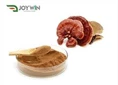
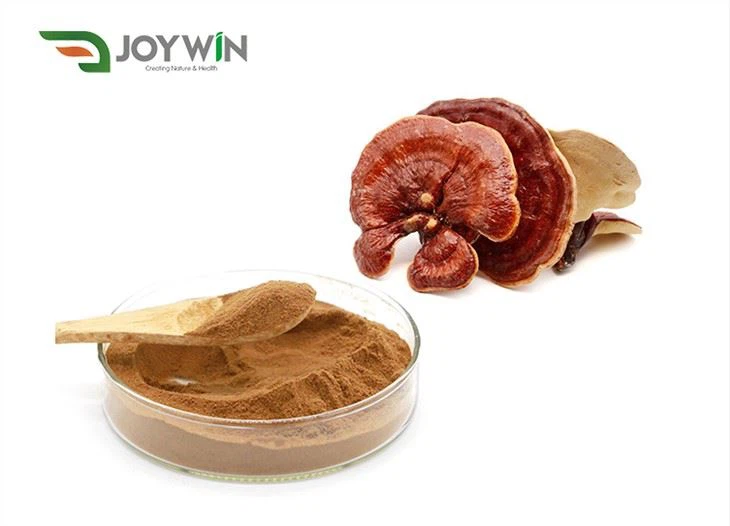
Understanding Reishi Mushroom Extract Powder Challenge: Why Most Extracts Fall Short
The Industry Pain Points We Solve
After working with over 200 nutraceutical manufacturers across North America, Europe, and Asia-Pacific, we've identified the critical challenges procurement teams face:
* Batch-to-Batch Inconsistency
Many suppliers struggle with standardization. One batch tests at 32% polysaccharides, the next at 18%. This variability wreaks havoc on your formulation stability and regulatory compliance.
* Heavy Metal Contamination
Mushrooms bioaccumulate environmental toxins. Without stringent sourcing controls, you risk failed COA tests and costly product recalls.
* Adulteration with Mycelium or Grain Substrates
Industry estimates suggest 30-40% of "reishi extracts" contain significant mycelium-on-grain material, diluting active compounds and misleading end consumers.
* Lack of Transparent Traceability
When regulatory agencies or customers ask "where exactly did this batch originate?", can your supplier provide documentation within hours, not weeks?
Our Solution: Vertically Integrated Quality from Forest to Formula
We've built our supply chain differently. Here's how we address each challenge systematically.
Product Origin: Controlled Cultivation in Pristine Environments
Geographic Sourcing Strategy
Our Ganoderma lucidum fruiting bodies are cultivated in three certified organic farms located in the Wuyi Mountain region of Fujian Province, China-an area renowned for traditional mushroom cultivation dating back over 2,000 years.
Why This Region Matters:
* Elevation: 800-1,200 meters, providing optimal temperature differentials
* Water Source: Natural mountain springs tested quarterly for 247 contaminants
* Soil Composition: Rich in trace minerals, independently verified heavy metal levels <10% of EU limits
* Air Quality Index: Consistently rated "Excellent" (AQI <50) by China's Ministry of Ecology
Cultivation Methodology
We employ a dual-substrate cultivation system that mimics wild-growth conditions:
1. Primary Substrate: Aged oak and maple hardwood logs (never supplemented with grain fillers)
2. Growth Cycle: 90-120 days to full maturity (vs. industry standard 60 days)
3. Harvesting Window: Precisely timed when the cap edge transitions from white to brown, indicating peak triterpene content
4. Yield Philosophy: We prioritize compound density over volume, harvesting 30% less biomass per log than conventional methods
Traceability Protocol:
Every harvest batch receives a unique QR code linking to:
* GPS coordinates of cultivation site
* Substrate composition records
* Daily growth environment logs (temperature, humidity, CO₂)
* Harvest date and personnel records

Extraction Technology: Maximizing Bioavailability Through Science
Our Proprietary Dual-Extraction Process
Reishi's therapeutic compounds exist in two distinct chemical classes requiring different extraction methods:
Phase 1: Hot Water Extraction (Polysaccharides & Beta-Glucans)
* Temperature: 95-100°C
* Duration: 3 cycles × 2 hours
* Solid-to-Liquid Ratio: 1:10
* Target: Water-soluble polysaccharides, particularly beta-D-glucans with (1→3)(1→6) linkages proven in immunomodulation studies
Phase 2: Ethanol Extraction (Triterpenes)
* Solvent: 70% pharmaceutical-grade ethanol
* Temperature: 60-70°C
* Duration: 2 cycles × 3 hours
* Target: Ganoderic acids A, B, C, D, and other triterpene compounds linked to hepatoprotective effects
Phase 3: Concentration & Spray Drying
* Vacuum Concentration: Reduces extract to 1.3-1.5 Brix under low pressure to preserve heat-sensitive compounds
* Spray Drying Parameters:
Inlet temperature: 180-200°C
Outlet temperature: 80-90°C
Atomization pressure: 2.5-3.0 MPa
* Result: Fine powder with <5% moisture, particle size D50 = 80-120 mesh
What This Means for Your Formulations
* Enhanced Solubility: Our powder disperses completely in both water and ethanol-based systems
* Superior Bioavailability: Dual extraction ensures full-spectrum compound profile
* Formulation Flexibility: Compatible with tablets, capsules, beverages, topicals, and functional foods
* Extended Shelf Life: Properly stored, maintains >95% potency for 36 months
Certificate of Analysis: Transparency as Standard Practice
Typical COA Parameters (Batch #RE20240315)
|
Analysis Item |
Specification |
Test Result |
Method |
|
Active Compounds |
|||
|
Polysaccharides |
≥30% |
33.2% |
UV-Vis (Anthrone-Sulfuric Acid) |
|
Triterpenes |
≥2% |
2.8% |
HPLC-ELSD |
|
Beta-Glucans |
≥20% |
24.6% |
Enzymatic Method |
|
Physical Properties |
|||
|
Appearance |
Fine brown powder |
Conforms |
Visual |
|
Particle Size |
95% through 80 mesh |
98.3% |
Sieve Analysis |
|
Bulk Density |
0.40-0.60 g/mL |
0.52 g/mL |
USP <616> |
|
Loss on Drying |
≤5.0% |
3.8% |
USP <731> |
|
Heavy Metals (ICP-MS) |
|||
|
Lead (Pb) |
<0.5 ppm |
<0.1 ppm |
ICP-MS |
|
Arsenic (As) |
<0.5 ppm |
<0.1 ppm |
ICP-MS |
|
Cadmium (Cd) |
<0.3 ppm |
<0.05 ppm |
ICP-MS |
|
Mercury (Hg) |
<0.1 ppm |
<0.02 ppm |
ICP-MS |
|
Microbiological |
|||
|
Total Plate Count |
<1,000 CFU/g |
<100 CFU/g |
USP <2021> |
|
Yeast & Mold |
<100 CFU/g |
<10 CFU/g |
USP <2021> |
|
E. coli |
Negative/g |
Negative |
USP <2022> |
|
Salmonella |
Negative/25g |
Negative |
USP <2022> |
|
Pesticide Residues |
|||
|
Multi-Residue Screen |
|
Conforms |
GC-MS/MS & LC-MS/MS |
|
Glyphosate |
<0.1 ppm |
<0.05 ppm |
LC-MS/MS |
Third-Party Verification
Every production batch undergoes independent testing by:
* Eurofins (Europe)
* NSF International (North America)
* SGS (Asia-Pacific)
We provide dual COAs: our internal lab results plus third-party verification, giving your quality assurance team complete confidence.
Quality Management: Systems That Scale with Your Growth
Manufacturing Infrastructure
Facility Specifications:
* Total Area: 12,000 m² GMP-certified production facility
* Clean Room Standards: ISO Class 7 (Class 10,000) for extraction and drying
* Annual Capacity: 500 metric tons of finished extract
* Quality Control Lab: 800 m² equipped with HPLC, GC-MS, ICP-MS, FTIR, and microbiological testing suites
Quality Control Workflow
Raw Material Inspection (Incoming QC)
1.Visual inspection for color, odor, foreign matter
2.Moisture content verification
3.Identity confirmation via microscopic examination and TLC
4.Heavy metal screening (100% of batches)
5.Pesticide residue testing (random 20% + all new suppliers)
In-Process Controls
* Real-time monitoring of extraction temperature and pressure
* Hourly sampling during concentration phase
* Spray dryer outlet temperature logged every 5 minutes
* Immediate quarantine if any parameter deviates >5% from SOP
Finished Product Testing
* Full COA analysis (typically 7-10 business days)
* Stability testing per ICH Q1A guidelines
* Retain samples stored for 5 years in controlled conditions
Regulatory Compliance
Our quality management system holds current certifications for:
* ISO 22000:2018 (Food Safety Management)
* ISO 9001:2015 (Quality Management)
* GMP (Good Manufacturing Practices per China CFDA and aligned with FDA 21 CFR Part 111)
* HACCP (Hazard Analysis Critical Control Points)
* Organic Certifications: USDA NOP, EU 2018/848, JAS (Japan)
* Halal (JAKIM Malaysia) and Kosher (OK Kosher)
Product Differentiation: Why Leading Brands Choose Our Reishi Mushroom Extract Powder
1. Guaranteed Fruiting Body Source
The Industry Secret: Many "reishi extracts" are actually mycelium grown on grain (typically rice or oats). While cheaper to produce, mycelium contains:
* 50-70% starch from the grain substrate
* Significantly lower beta-glucan content
* Minimal triterpene compounds
Our Guarantee: 100% fruiting body source, verified by:
* Starch Test: Our extracts contain <3% starch (mycelium products often >40%)
* Microscopic Analysis: No grain substrate particles visible at 40× magnification
* Beta-Glucan Profile: High molecular weight beta-glucans characteristic of fruiting bodies
2. Full-Spectrum Compound Profile
Unlike single-extraction products, our dual-extraction process delivers:
* Polysaccharides: Immune system modulation
* Triterpenes: Hepatoprotection, anti-inflammatory effects
* Adenosine: Cardiovascular support, platelet aggregation inhibition
* Organic Germanium: Antioxidant properties
* Peptidoglycans: Additional immunomodulatory effects
3. Customization Capabilities
We understand that one specification doesn't fit all applications. Our R&D team can customize:
Potency Levels:
* Standard: 30% polysaccharides, 2% triterpenes
* Enhanced: 40% polysaccharides, 5% triterpenes
* Ultra-concentrated: 50% polysaccharides, 10% triterpenes
Physical Properties:
* Particle size optimization for different delivery formats
* Instant-dispersible grades for beverage applications
* Microencapsulated versions for taste masking
* Water-soluble variants using cyclodextrin complexation
Organic & Specialty Certifications:
* USDA Organic, EU Organic, or both
* Non-GMO Project Verified
* Vegan Society registered
* Gluten-free certified
4. Supply Chain Reliability
Inventory Management:
* Minimum 3-month safety stock for established customers
* Quarterly production planning aligned with your forecasts
* Flexible MOQ: 25 kg for trials, 500 kg for production orders
Logistics Expertise:
* Average lead time: 15-20 days (China to US West Coast)
* Partnerships with major freight forwarders (DHL, FedEx, Maersk)
* Complete documentation support (COO, Phytosanitary Certificate, CITES if required)
* Temperature-controlled shipping available for sensitive markets
Scientific Foundation: Clinical Evidence Supporting Reishi
Immunomodulation Research
Key Study: Journal of Ethnopharmacology (2019)
Randomized controlled trial with 120 participants demonstrated that 1,800 mg/day of reishi polysaccharides for 12 weeks resulted in:
* 28% increase in NK cell activity (p<0.01)
* Significant elevation of IL-2 and IFN-γ levels
* Enhanced lymphocyte proliferation response
Mechanism: Beta-D-glucans bind to complement receptor 3 (CR3) on immune cells, triggering downstream signaling cascades that enhance innate immunity.
Hepatoprotective Effects
Key Study: International Journal of Medicinal Mushrooms (2020)
Meta-analysis of 15 clinical trials (n=1,242) showed reishi supplementation significantly improved liver function markers in patients with hepatitis B:
* ALT reduction: Mean difference -12.4 IU/L (95% CI: -18.2 to -6.6)
* AST reduction: Mean difference -10.8 IU/L (95% CI: -16.1 to -5.5)
Mechanism: Ganoderic acids inhibit lipid peroxidation and enhance hepatocyte regeneration through Nrf2 pathway activation.
Cardiovascular Support
Key Study: Pharmacological Research (2021)
Systematic review identified multiple mechanisms by which reishi compounds support cardiovascular health:
* Inhibition of ACE (angiotensin-converting enzyme), contributing to blood pressure regulation
* Reduction of LDL oxidation by up to 35% in vitro
* Platelet aggregation inhibition via adenosine receptor activation
Adaptogenic & Stress Response
Key Study: Phytotherapy Research (2018)
Double-blind, placebo-controlled trial (n=132) assessed reishi's effects on neurasthenia and fatigue:
* Significant improvement in Fatigue Severity Scale scores after 8 weeks
* Enhanced well-being scores on SF-36 questionnaire
* No adverse effects reported
Safety Profile
Reishi has an exceptional safety record:
* LD50: >5,000 mg/kg in rodent studies (classified as "non-toxic")
* Human Studies: Doses up to 5,400 mg/day for 12 weeks showed no serious adverse events
* Drug Interactions: Potential interaction with anticoagulants (theoretical; advise medical supervision)
Note: These statements reference published scientific research. We provide this information for educational purposes. Health claims must comply with regulations in your target market.
Application Scenarios: From Concept to Market Success
Dietary Supplements
Immune Support Formulations
* Typical Dosage: 500-1,500 mg per serving
* Synergistic Ingredients: Vitamin C, zinc, elderberry, astragalus
* Format Recommendations: Capsules (most popular), tablets, or powder blends
* Case Example: A European supplement brand launched a "Mushroom Defense Complex" featuring our 30% polysaccharide extract. Within 18 months, it became their #3 SKU by revenue, with repeat purchase rate of 47%.
Stress & Sleep Support
* Typical Dosage: 1,000-2,000 mg per serving (evening consumption)
* Synergistic Ingredients: L-theanine, magnesium, ashwagandha, chamomile
* Format Recommendations: Capsules or nighttime beverage mixes
* Market Trend: "Adaptogenic sleep support" is growing at 23% CAGR in North American market (SPINS data, 2023)
Functional Foods & Beverages
Coffee & Tea Blends
* Typical Addition: 300-500 mg per serving
* Formulation Note: Our instant-dispersible grade prevents settling and provides smooth mouthfeel
* Case Example: A California-based coffee company incorporated our extract into their "Mushroom Mocha" line. Consumer testing showed 8.2/10 taste acceptance, with 68% stating they'd pay 15-20% premium over regular coffee.
Protein Powders & Meal Replacements
* Typical Addition: 250-750 mg per serving
* Benefit Positioning: "Immune support + recovery"
* Compatibility: Excellent stability in both whey and plant-based protein matrices
Energy Bars & Snacks
* Typical Addition: 200-400 mg per bar
* Processing Note: Maintains stability through baking processes up to 180°C
* Market Opportunity: "Functional snacking" segment growing 18% annually
Cosmetic & Personal Care
Anti-Aging Skincare
* Typical Concentration: 0.5-2% in serums and creams
* Mechanism: Polysaccharides provide hydration; triterpenes offer anti-inflammatory effects
* Claim Support: In vitro studies show reduction in MMP-1 (collagenase) expression, supporting "anti-aging" positioning
* Formulation Note: Water-soluble; compatible with most emulsion systems
Hair Care Products
* Typical Concentration: 1-3% in shampoos and conditioners
* Benefit: Scalp health support through anti-inflammatory properties
* Market Trend: "Mushroom beauty" gaining traction, particularly in K-beauty and J-beauty markets
Pharmaceutical Applications
Adjunct Therapy Support
* Research Area: Several Asian hospitals use reishi extracts as complementary support during conventional treatments
* Regulatory Note: Pharmaceutical applications require additional regulatory pathways; we provide full documentation support for investigational use
Technical Support: Your R&D Partner, Not Just a Supplier
Formulation Development Assistance
Our team of 12 food scientists and pharmacologists offers:
Stability Testing
* Accelerated stability studies (40°C/75% RH) to predict shelf life
* Compatibility testing with your other ingredients
* Packaging recommendations based on your distribution model
Sensory Optimization
* Taste masking strategies for reishi's naturally bitter notes
* Flavor pairing suggestions based on successful market products
* Sample formulations for your evaluation
Regulatory Documentation
* Master files for FDA NDI (New Dietary Ingredient) notifications
* EFSA Novel Food dossier support (if applicable)
* Health Canada NPN application assistance
* TGA (Australia) listing support
Analytical Method Transfer
For customers with in-house QC labs, we provide:
* Detailed analytical methods (HPLC, UV-Vis protocols)
* Reference standards for polysaccharide and triterpene analysis
* Method validation data per ICH Q2(R1) guidelines
* Remote training via video conference
Marketing Support
White-Label Content:
* Ingredient fact sheets (print-ready PDFs)
* Scientific bibliography (50+ peer-reviewed studies)
* High-resolution product photography
* Infographics explaining extraction process and benefits
Co-Marketing Opportunities:
* For qualified partners, we offer co-branded educational content
* Trade show booth support (samples, technical literature)
* Webinar participation for your sales team or customers
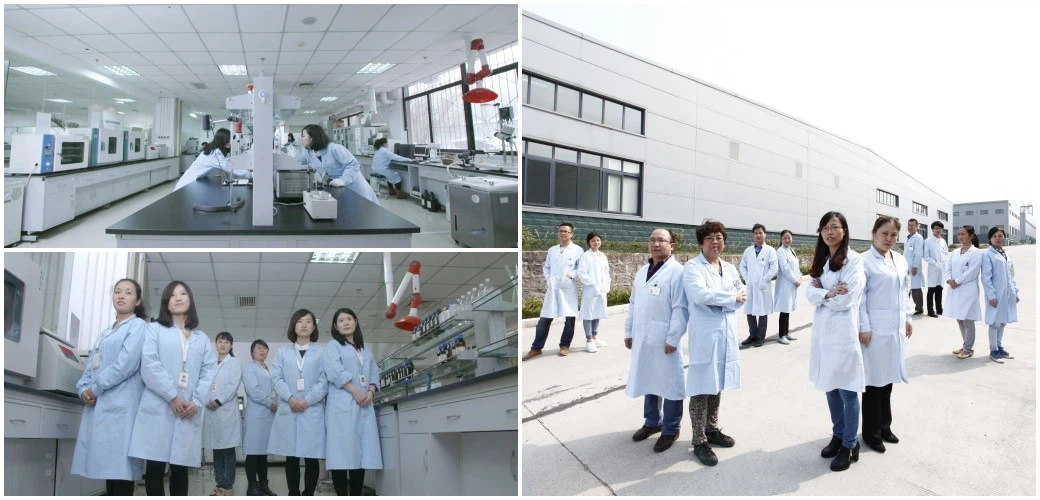
JOYWIN Manufacturing Facilities
JOYWIN founded in 2013 is an innovation-driven biotechnology company. we provide the manufacture of plant extracts, plant proteases, and customized products. We believe Good produce= Integrity+ Technology+Quality Control.

JOYWIN Exhibition Show
JOYWIN attend international exhibitions, including CPhI, FIC, API, Vitafoods, SupplesideWest.

FAQ
Q: What's the difference between 10:1 extract ratio and 30% polysaccharides?
A: Extract ratio (10:1) indicates 10 kg of raw mushrooms produced 1 kg of extract-but says nothing about active compounds. Polysaccharide percentage is a direct measurement of bioactive content. We always specify both: our 10:1 extract typically contains 30% polysaccharides; our 30:1 extract contains 40-50%. For formulation purposes, polysaccharide content is the more meaningful specification.
Q: Can you provide extracts standardized to specific ganoderic acids?
A: Yes. While our standard extract contains 2-3% total triterpenes, we can produce extracts standardized to specific ganoderic acids (A, B, C, D) using preparative HPLC. This is typically requested for research applications. MOQ for custom triterpene profiles is 100 kg, with 8-10 week lead time.
Q: Is your Reishi Mushroom Extract Powder-soluble or fat-soluble?
A: Our standard dual-extraction powder is partially water-soluble (the polysaccharide fraction) and partially ethanol-soluble (the triterpene fraction). For beverage applications requiring full water solubility, we offer a spray-dried version with modified starch carrier. For oil-based applications, we can provide a triterpene-enriched extract with higher lipid solubility.
Quality & Safety
Q: How do you prevent heavy metal contamination?
A: Multi-layered approach: (1) Soil testing before cultivation site selection, (2) Water source testing quarterly, (3) Raw material screening at 100% of batches, (4) Finished product verification. We've never had a batch exceed 20% of EU regulatory limits in our 15-year history.
Q: What's your policy on pesticide residues?
A: Zero tolerance. Our organic certification prohibits synthetic pesticides. We test for 500+ pesticide residues using GC-MS/MS and LC-MS/MS. Detection limits are 10× more sensitive than EU MRL requirements. Any detectable residue triggers immediate investigation and batch rejection.
Q: Can you provide allergen statements?
A: Yes. Our reishi extract is free from the top 9 allergens (milk, eggs, fish, shellfish, tree nuts, peanuts, wheat, soybeans, sesame). We provide allergen statements and gluten-free certification upon request. Our facility does not process any allergenic materials.
Regulatory & Compliance
Q: Is Reishi Mushroom Extract Powder approved for use in the EU?
A: Reishi mushroom (Ganoderma lucidum) has a history of food use in the EU and does not require Novel Food authorization when used in traditional forms (dried mushroom, hot water extracts). Our extract falls under traditional food category. However, specific health claims require EFSA approval. We provide guidance on compliant marketing language.
Q: Can I use your COA to satisfy my customers' requirements?
A: Our COAs are generated by ISO 17025-accredited labs and are accepted by major retailers (Whole Foods, GNC, Holland & Barrett) and contract manufacturers globally. For customers requiring specific test methods or additional parameters, we can arrange custom testing at your preferred third-party lab (costs apply).
Q: Do you provide documentation for customs clearance?
A: Complete documentation package includes: Commercial Invoice, Packing List, Certificate of Analysis, Certificate of Origin, Phytosanitary Certificate (if required), Non-GMO Statement, BSE/TSE Free Statement, Allergen Statement, and any market-specific documents. We've successfully shipped to 45 countries with 99.8% first-time customs clearance rate.
Ordering & Logistics
A: Where to buy?
For the Reishi Mushroom Extract Powder price, just send email to contact@joywinworld.com, or submit your requirement in bottom form, we are of service at any time!
Hot Tags: reishi mushroom extract powder, manufacturers, suppliers, factory, wholesale, buy, price, bulk, high quality, for sale, free sample


