What Is Dried Pineapple Powder? - More Than Just Dehydrated Fruit
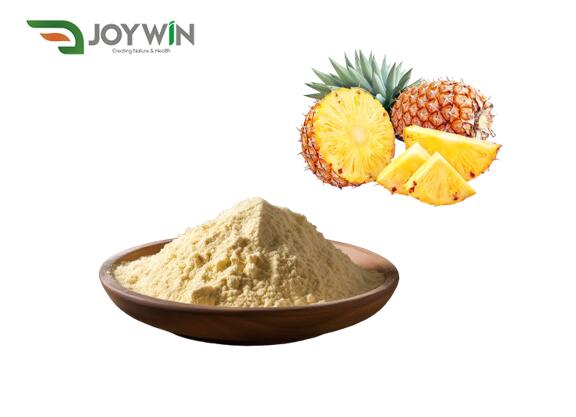
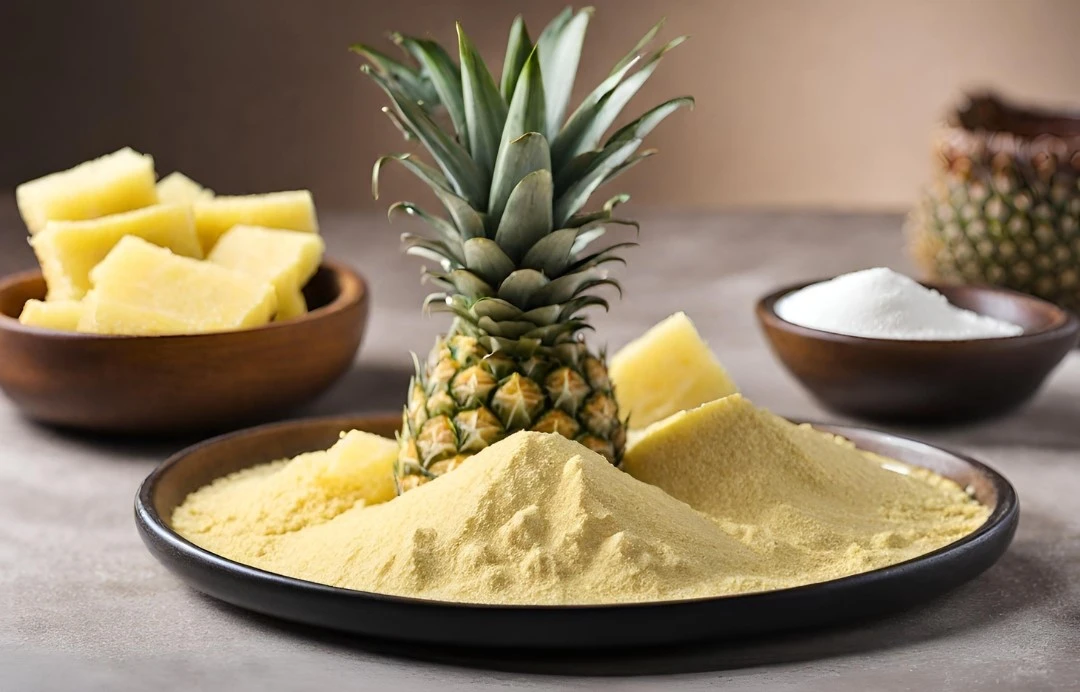
Dried pineapple powder is a concentrated, shelf-stable ingredient produced by removing the moisture from fresh pineapple (Ananas comosus) through controlled drying processes - most commonly spray drying, freeze drying, or drum drying - to yield a fine, free-flowing powder that retains the fruit's characteristic flavor, color, nutritional profile, and bioactive compounds.
But here's what distinguishes a premium ingredient-grade pineapple powder from a commodity product: the retention of bromelain activity.
Bromelain is a complex of proteolytic enzymes naturally present in pineapple - particularly concentrated in the stem and core - that is responsible for many of the fruit's documented health benefits, from digestive support to anti-inflammatory activity. The challenge is that bromelain is heat-sensitive: conventional high-temperature drying methods (drum drying, spray drying at high inlet temperatures) can significantly degrade enzyme activity. This is why drying method, temperature control, and processing speed are not just manufacturing details - they are the variables that determine whether your finished product delivers on its label claims.
For B2B buyers, the practical question is: what are you actually buying? A flavoring ingredient where bromelain activity is irrelevant, or a functional ingredient where enzyme retention matters? We produce both - and we're transparent about which is which.
Source & Origin - Fruit Quality Starts in the Field
Botanical Identity: Ananas comosus (L.) Merr.
Pineapple (Ananas comosus) is a tropical bromeliad native to South America, now cultivated commercially across Southeast Asia, Central America, West Africa, and parts of China. It is the only commercially significant fruit in the Bromeliaceae family and the sole natural source of bromelain at commercially viable concentrations.
Our Sourcing Strategy
Our dried pineapple powder is produced from fresh, ripe pineapples sourced from contracted growing regions in Hainan and Guangdong provinces, China - subtropical regions with the year-round warm temperatures, high humidity, and well-drained soils that pineapple cultivation requires. We also source seasonally from Thailand and the Philippines for specific grades requiring higher bromelain activity, as tropical growing conditions in these regions tend to produce fruit with elevated enzyme concentrations.
|
Sourcing Region |
Primary Variety |
Key Characteristic |
Best For |
|
Hainan, China |
Smooth Cayenne, Tainong |
High sugar content, consistent supply |
Food flavoring, beverage applications |
|
Guangdong, China |
MD2, Smooth Cayenne |
Balanced sweetness/acidity |
General food manufacturing |
|
Thailand |
Queen, Smooth Cayenne |
Higher bromelain activity |
Supplement-grade, enzyme applications |
|
Philippines |
MD2, Smooth Cayenne |
Excellent color, high Brix |
Premium food-grade applications |
Raw material selection criteria:
* Brix (sugar content): ≥12° for ripe fruit selection
* Visual inspection: uniform golden-yellow color, no mold, no mechanical damage
* Microbiological pre-screening: incoming lots tested before processing
* Pesticide residue screening: compliant with EU Reg. 396/2005 and US FDA tolerance levels
Every incoming lot is documented with farm origin, harvest date, and variety - providing the traceability that European and North American buyers increasingly require for their own supply chain compliance.
Nutritional Profile & Bioactive Constituents
Dried pineapple powder is nutritionally dense in ways that fresh pineapple is not, simply because the removal of water concentrates all the fruit's components. Here's what's in the powder:
Macronutrient Profile (Approximate, Spray-Dried, Per 100g)
|
Nutrient |
Typical Value |
Notes |
|
Energy |
380–400 kcal |
Concentrated vs. fresh fruit |
|
Total Carbohydrates |
88–92g |
Primarily natural fruit sugars |
|
Sugars (total) |
75–85g |
Fructose, glucose, sucrose |
|
Dietary Fiber |
3–6g |
Retained from fruit flesh |
|
Protein |
2–4g |
Includes bromelain enzyme fraction |
|
Fat |
<1g |
Negligible |
|
Moisture |
≤5% |
Critical for shelf stability |
|
Ash |
2–4g |
Mineral content |
Key Micronutrients (Per 100g Powder, Approximate)
|
Micronutrient |
Typical Value |
% Daily Value (US) |
|
Vitamin C (Ascorbic Acid) |
150–250mg |
167–278% |
|
Manganese |
15–25mg |
652–1087% |
|
Vitamin B1 (Thiamine) |
0.8–1.2mg |
67–100% |
|
Vitamin B6 |
0.8–1.2mg |
47–71% |
|
Folate |
50–80μg |
13–20% |
|
Potassium |
800–1200mg |
17–26% |
|
Magnesium |
80–120mg |
19–29% |
|
Copper |
0.8–1.2mg |
89–133% |
Note: Vitamin C content varies significantly by drying method. Freeze-dried powder retains substantially more Vitamin C than spray-dried. Specify your application requirement when ordering.
The Star Bioactive: Bromelain
Bromelain is not a single enzyme but a complex of cysteine proteases (primarily stem bromelain and fruit bromelain) along with phosphatases, glucosidases, and peroxidases. In supplement-grade dried pineapple powder, bromelain activity is expressed in GDU/g (Gelatin Digesting Units) or MCU/g (Milk Clotting Units).
|
Product Grade |
Drying Method |
Bromelain Activity |
Best Application |
|
Food-Grade Spray Dried |
Spray drying (optimized temp) |
50–200 GDU/g |
Flavoring, food manufacturing |
|
Supplement-Grade Spray Dried |
Low-temp spray drying |
200–500 GDU/g |
General supplement use |
|
Freeze-Dried (Premium) |
Freeze drying |
500–1200 GDU/g |
High-potency enzyme supplements |
|
Stem Extract Concentrate |
Aqueous extraction |
1200–2400 GDU/g |
Pharmaceutical-grade bromelain |
For customers requiring standardized bromelain activity, we offer freeze-dried grades with guaranteed minimum GDU/g values specified on the COA.
Additional Phytochemicals
* Phenolic compounds: Chlorogenic acid, ferulic acid, caffeic acid - contributing antioxidant activity
* Flavonoids: Quercetin, kaempferol glycosides - anti-inflammatory co-factors
* Organic acids: Citric acid, malic acid - responsible for characteristic tartness and natural pH buffering
* Carotenoids: Beta-carotene, lutein - contributing to the golden-yellow color and antioxidant profile
Product Specifications & COA Parameters
|
Parameter |
Specification |
|
Product Name |
Dried Pineapple Powder |
|
Botanical Source |
Ananas comosus (L.) Merr. |
|
Plant Part Used |
Fruit (flesh) |
|
Processing Method |
Spray-dried (freeze-dried available) |
|
Appearance |
Light yellow to golden-yellow fine powder |
|
Odor & Taste |
Characteristic pineapple; sweet-tart, no off-notes |
|
Moisture Content |
≤ 5.0% |
|
Total Ash |
≤ 5.0% |
|
Brix (10% solution) |
≥ 50° |
|
pH (10% solution) |
3.5–4.5 |
|
Vitamin C |
≥ 150 mg/100g (spray-dried); ≥ 300 mg/100g (freeze-dried) |
|
Bromelain Activity |
≥ 100 GDU/g (food-grade); ≥ 500 GDU/g (supplement-grade FD) |
|
Particle Size (D90) |
≤ 200 μm (80 mesh) |
|
Bulk Density |
0.4–0.6 g/mL |
|
Water Activity (Aw) |
≤ 0.40 |
|
Heavy Metals (Total) |
≤ 10 ppm |
|
Lead (Pb) |
≤ 0.5 ppm |
|
Arsenic (As) |
≤ 0.5 ppm |
|
Mercury (Hg) |
≤ 0.1 ppm |
|
Cadmium (Cd) |
≤ 0.1 ppm |
|
Pesticide Residues |
Compliant with EU Reg. 396/2005 |
|
Microbial: Total Plate Count |
≤ 10,000 CFU/g |
|
Yeast & Mold |
≤ 500 CFU/g |
|
E. coli |
Negative |
|
Salmonella |
Negative |
|
Staphylococcus aureus |
Negative |
|
Sulfur Dioxide (SO₂) |
≤ 10 ppm (non-sulfited grade standard) |
|
Added Sugar |
None |
|
Artificial Colors / Flavors |
None |
|
Carrier / Excipients |
None (pure fruit powder) or Maltodextrin (specify) |
|
Shelf Life |
18–24 months from manufacturing date |
|
Storage |
Cool (≤25°C), dry, away from light; sealed container |
Available variants:
* Spray-dried, pure (no carrier) - highest flavor intensity
* Spray-dried with maltodextrin carrier - improved flowability, lower hygroscopicity
* Freeze-dried - maximum nutrient and enzyme retention, premium grade
* Organic-certified - available upon request
Manufacturing Process - Where Quality Is Built
The difference between a pineapple powder that performs in your formulation and one that causes headaches - clumping, off-flavors, color degradation, failed QC - is almost entirely a manufacturing story. Here's ours in detail:
Step 1 - Fruit Sourcing & Incoming Inspection Fresh pineapples are received from contracted farms. Every incoming lot undergoes: visual grading (color, ripeness, absence of mold or mechanical damage), Brix measurement (minimum 12° for acceptance), and microbiological pre-screening. Substandard fruit is rejected - this is non-negotiable because starting material quality sets the ceiling for finished product quality.
Step 2 - Washing & Sanitization Whole pineapples are washed in food-grade sanitizing solution (chlorine-based or ozone-based, per customer specification) to reduce surface microbial load. This step is critical for achieving the microbiological specifications required by supplement and food manufacturers.
Step 3 - Peeling, Coring & Slicing The fruit is mechanically peeled, cored, and sliced to uniform thickness. The core - which contains the highest bromelain concentration - is retained for supplement-grade production and processed separately or blended with flesh material depending on the target bromelain activity specification.
Step 4 - Juice Extraction / Pulp Preparation For spray-dried grades, the pineapple is processed into a homogeneous slurry or juice. For freeze-dried grades, sliced fruit is used directly. The preparation method at this stage significantly influences the final powder's flavor profile, color, and particle morphology.
Step 5 - Enzyme Inactivation (Food-Grade) or Preservation (Supplement-Grade) This is a critical decision point:
* For food-grade applications where bromelain activity is not required, a brief blanching step (70–80°C for 30–60 seconds) inactivates bromelain and other enzymes, preventing browning and off-flavor development during storage
* For supplement-grade applications where bromelain activity must be preserved, blanching is omitted and processing is conducted at temperatures below 45°C throughout - requiring faster processing and more careful microbial control
Step 6 - Concentration (Spray-Dried Grade) The pineapple slurry is concentrated under vacuum at low temperature to reduce water content before spray drying, improving spray-drying efficiency and reducing thermal exposure of heat-sensitive compounds.
Step 7 - Drying
Spray Drying: The concentrated slurry is atomized through a rotary atomizer or two-fluid nozzle into a drying chamber with controlled inlet air temperature (typically 150–180°C for food-grade; 130–150°C for supplement-grade). The droplets dry almost instantaneously - the actual product temperature during spray drying is significantly lower than the inlet air temperature (typically 60–80°C), which is why spray drying can preserve heat-sensitive compounds better than its inlet temperatures suggest.
Freeze Drying (Premium Grade): The pineapple slurry or slices are frozen to approximately -40°C, then subjected to vacuum sublimation - ice converts directly to vapor without passing through a liquid phase. This process operates at temperatures below 30°C throughout, providing maximum retention of Vitamin C, bromelain activity, flavor volatiles, and color. The trade-off is cost: freeze drying is 4–8× more expensive than spray drying, which is why it is reserved for premium supplement and specialty food applications.
Step 8 - Milling & Sieving Dried material is milled to target particle size and sieved to remove oversized particles. Particle size affects dissolution rate, texture in finished products, and flowability in powder blends.
Step 9 - Blending, Final QC & Packaging Batch blending ensures lot homogeneity. Final QC testing is conducted against the full COA parameter list. Packaging is completed under controlled humidity conditions to prevent moisture uptake by the hygroscopic powder.
Quality Control - The Systems That Protect Your Production
Fruit powders present specific QC challenges that differ from synthetic ingredients or botanical extracts: natural variability in raw material, microbiological risk from fresh produce, color and flavor consistency across seasons, and hygroscopicity in storage. Our QC system is designed around these specific risks.
Facility Certifications:
✅ cGMP - Current Good Manufacturing Practice
✅ ISO 9001:2015 - Quality Management System
✅ ISO 22000 - Food Safety Management System
✅ FSSC 22000 - Food Safety System Certification
✅ BRC - British Retail Consortium Global Standard
✅ HACCP - Hazard Analysis Critical Control Points
✅ Kosher Certified
✅ HALAL Certified
✅ Organic Certified (for organic grade)
✅ ISO 14001 - Environmental Management System
On-Site Testing Capabilities:
* HPLC - Vitamin C quantification, phenolic profile
* Spectrophotometric Enzyme Assay - Bromelain activity (GDU/g)
* Refractometer - Brix measurement
* pH Meter - Acidity verification
* Water Activity Meter - Aw measurement (critical for shelf stability)
* Colorimeter - L*a*b* color measurement for batch consistency
* ICP-MS - Heavy metals
* GC-MS/MS - Pesticide residues, SO₂
* Karl Fischer Titrator - Moisture content
* Microbiological Testing Suite - Full panel per ISO methods
Color consistency deserves special mention: pineapple powder color varies naturally with fruit ripeness, variety, and drying conditions. We use colorimetric specification (L*a*b* values) on every batch to ensure the golden-yellow color your customers expect is consistent across orders - a detail that matters enormously for food manufacturers and beverage brands managing visual product consistency.
The Science Behind Pineapple Powder - Evidence Worth Citing
1. Bromelain: The Enzyme That Sets Pineapple Apart
Bromelain is the reason pineapple powder commands premium positioning over generic fruit powders. A comprehensive review published in PMC summarizes the documented therapeutic potential:
* Protein digestion: Bromelain cleaves peptide bonds in dietary proteins, enhancing protein digestion and absorption - particularly relevant for high-protein supplement formulations
* Anti-inflammatory activity: Bromelain inhibits pro-inflammatory prostaglandins and reduces expression of TNF-α and IL-1β - mechanisms validated across multiple in vitro and animal models
* Fibrinolytic activity: Bromelain degrades fibrin, the protein scaffold of blood clots, suggesting applications in cardiovascular health formulations
* Antiedematous effects: Clinical evidence supports bromelain's ability to reduce post-surgical and post-traumatic swelling
A clinical study cited in PMC found that bromelain supplementation produced substantial or total decrease in swelling in arthritis patients, with anti-inflammatory effects comparable to NSAIDs in some models - without the gastrointestinal side effects associated with pharmaceutical anti-inflammatories.
2. Digestive Health - The Mechanism Explained
Bromelain's proteolytic activity is pH-stable across a broad range (pH 4.0–8.0), meaning it remains active throughout the digestive tract - from the acidic stomach environment to the more alkaline small intestine. This broad pH stability is what makes bromelain-containing pineapple powder genuinely useful as a digestive support ingredient, not just theoretically interesting.
Research published in PMC confirms that bromelain supports multiple aspects of digestion:
* Enhances breakdown of dietary proteins into absorbable peptides and amino acids
* May improve nutrient absorption by reducing intestinal inflammation
* Demonstrates prebiotic-like effects on gut microbiota composition in preliminary research
3. Anti-Inflammatory & Immune Support
Multiple PMC-published studies document bromelain's anti-inflammatory mechanisms:
* Inhibition of NF-κB signaling - the master regulator of inflammatory gene expression
* Reduction of INF-γ and TNF-α in inflammatory bowel disease models
* Modulation of T-cell and macrophage activity - suggesting immunomodulatory as well as anti-inflammatory properties
* Demonstrated efficacy in reducing inflammation associated with sinusitis, sports injuries, and post-surgical recovery in clinical settings
4. Antioxidant Activity
Pineapple powder's antioxidant profile extends beyond Vitamin C. The combination of ascorbic acid, phenolic compounds, flavonoids, and manganese (a cofactor for superoxide dismutase, the body's primary intracellular antioxidant enzyme) creates a multi-mechanism antioxidant matrix that performs across different oxidative stress pathways.
Manganese deserves particular attention: pineapple is one of the richest dietary sources of this trace mineral, and dried pineapple powder concentrates it significantly. Manganese is essential for the activity of manganese superoxide dismutase (MnSOD) - the primary mitochondrial antioxidant enzyme - making pineapple powder a genuinely functional ingredient for cellular protection formulations.
5. Vitamin C Content - Natural vs. Synthetic
For formulators working on Vitamin C-positioned products, natural-source Vitamin C from fruit powders carries consumer appeal that synthetic ascorbic acid cannot replicate. While the Vitamin C content of pineapple powder (150–300mg/100g depending on drying method) is modest compared to acerola cherry or camu camu, it contributes meaningfully to a whole-food Vitamin C blend and provides the marketing narrative of "natural Vitamin C from real pineapple" that resonates strongly with clean-label consumers.
Application Scenarios - Where Dried Pineapple Powder Performs
The versatility of dried pineapple powder across food manufacturing, supplements, and cosmetics is one of its most commercially attractive properties. Here's where our customers are using it:
|
Application Category |
Product Format |
Use Level |
Key Benefit / Function |
|
Functional Beverages |
Instant drink mixes, RTD |
5–20% |
Flavor, Vitamin C, bromelain |
|
Protein Powders |
Blended powder |
2–10% |
Flavor masking, digestive enzyme |
|
Digestive Health Supplements |
Capsules, chewables |
500mg–2g/serving |
Bromelain enzyme activity |
|
Anti-Inflammatory Formulas |
Capsules, sachets |
500mg–2g/serving |
Bromelain, anti-inflammatory |
|
Sports Recovery Products |
Powder blends, capsules |
1–3g/serving |
Anti-inflammatory, enzyme support |
|
Meal Replacement Shakes |
Powder blend |
5–15% |
Flavor, nutrition, digestive support |
|
Fruit & Vegetable Blends |
Powder blend |
5–20% |
Color, flavor, nutritional contribution |
|
Gummy Supplements |
Gummy matrix |
2–8% |
Flavor, color, Vitamin C |
|
Baked Goods & Confectionery |
Ingredient |
2–10% |
Flavor, color, natural sweetness |
|
Baby & Toddler Foods |
Puree powder, porridge |
5–15% |
Nutrition, natural flavor |
|
Cosmetics / Skincare |
Exfoliating masks, serums |
0.5–3% |
Bromelain exfoliation, brightening |
|
Pet Nutrition |
Functional pet treats |
2–8% |
Digestive enzyme, palatability |
Formulation Synergies Our Customers Use:
Pineapple Powder + Papaya Powder (Papain) + Ginger Extract → Comprehensive digestive enzyme formula with multi-source proteolytic activity
Pineapple Powder + Turmeric + Black Pepper Extract → Anti-inflammatory wellness blend combining bromelain with curcumin and piperine for synergistic NF-κB inhibition
Pineapple Powder + Collagen Peptides + Vitamin C → Beauty-from-within formula: bromelain supports collagen synthesis, Vitamin C is a cofactor, collagen provides the structural protein
Pineapple Powder + Mango Powder + Coconut Water Powder → Tropical functional beverage blend with natural electrolytes and digestive support
Pineapple Powder + Whey Protein → Protein powder with built-in digestive enzyme - a practical solution to the bloating complaints common with high-protein supplements
A Note on Flavor Masking
One underappreciated application of pineapple powder in supplement formulations is flavor masking. The natural sweetness and tropical acidity of pineapple powder is remarkably effective at masking the bitter, earthy, or metallic off-notes common in botanical extracts, amino acids, and mineral supplements. Several of our customers use pineapple powder at 3–8% specifically for this purpose in otherwise difficult-to-flavor formulations.
Packaging & Logistics
Standard Packaging Options:
|
Pack Size |
Packaging Type |
Best For |
|
100g–500g |
Double-sealed aluminum foil bag |
Samples / R&D evaluation |
|
5 kg |
Aluminum foil bag, nitrogen-flushed |
Pilot production runs |
|
25 kg |
Kraft paper bag with PE inner liner |
Standard commercial orders |
|
Custom |
Private label, specific sizes, nitrogen-flushed |
OEM / brand customers |
Critical packaging note: Dried pineapple powder is highly hygroscopic - it absorbs moisture from the air rapidly, leading to clumping, color darkening, and accelerated Maillard browning reactions. All commercial quantities are packaged under low-humidity conditions with nitrogen flushing to minimize headspace oxygen and moisture. This is not optional for a product with an 18–24 month shelf life claim - it is a manufacturing necessity that not all suppliers execute correctly.
Shipping & Lead Times:
* Samples (100–500g): Dispatched within 2–3 business days via DHL / FedEx / UPS
* Commercial orders (25–500 kg): 7–14 business days production lead time
* Large volume orders (>500 kg): 14–21 business days; sea freight recommended
* Export markets served: USA, EU (Germany, France, Netherlands, UK, Italy), Canada, Australia, Japan, South Korea, Southeast Asia
Why Source Dried Pineapple Powder from Joywin Natural?
Fruit powders seem simple to source - until they're not. Here are the real problems buyers encounter, and how we address them:
"The color was inconsistent between batches - our product photos didn't match the actual product." "The powder clumped into a solid block within two weeks of opening. We had to reject the batch." "We specified non-sulfited, but SO₂ came back at 180 ppm on our incoming test." "Bromelain activity was undetectable - the supplier had used a high-temperature process that destroyed the enzyme." "We couldn't get pesticide compliance documentation for our EU market submission."
These are the conversations that happen after a bad sourcing decision. Our systems are built to prevent them:
|
Common Supplier Failure |
Joywin's Response |
|
Color inconsistency between batches |
Colorimetric specification (L*a*b*) on every COA |
|
Clumping / moisture uptake |
Water activity (Aw) tested per batch; nitrogen-flushed packaging |
|
Undisclosed sulfite addition |
SO₂ tested per batch; non-sulfited grade guaranteed |
|
No bromelain activity retention |
Drying method specified and locked; GDU/g on supplement-grade COA |
|
Missing EU pesticide compliance |
EU Reg. 396/2005 panel as standard documentation |
|
Seasonal flavor inconsistency |
Sensory panel evaluation on every batch; Brix specification enforced |
|
High MOQ blocking R&D trials |
100g samples available; 5 kg pilot run minimum |
|
No nutrition data for label development |
Full nutrition panel provided as standard |
JOYWIN Service
As customer focus has never been so important for today's enterprises, we believe that only a customer-focused company will win renewed loyalty and competitive advantage.
At JOYWIN, Our team of professionals is committed to providing superior and personalized service to meet all your needs.

JOYWIN Manufacturing Facilities
JOYWIN founded in 2013 is an innovation-driven biotechnology company. we provide the manufacture of plant extracts, plant proteases, and customized products. We believe Good produce= Integrity+ Technology+Quality Control.

FAQ
Q1: What is the difference between spray-dried and freeze-dried pineapple powder? The core difference is heat exposure during drying - and that determines nutrient and enzyme retention. Spray drying exposes the product to elevated temperatures (even though briefly), resulting in some loss of heat-sensitive Vitamin C and bromelain activity. Freeze drying operates below 30°C throughout, preserving virtually all Vitamin C, bromelain activity, flavor volatiles, and color. Freeze-dried pineapple powder is 4–6× more expensive than spray-dried but delivers significantly superior nutritional and functional performance. For flavoring and food manufacturing applications, spray-dried is typically sufficient. For supplement applications where bromelain activity is a label claim, freeze-dried is the appropriate choice.
Q2: Does your pineapple powder contain added sugar or maltodextrin? Our pure grade contains no added sugar and no carrier. We also offer a maltodextrin-carrier grade (typically 10–20% maltodextrin by weight) that improves flowability and reduces hygroscopicity - useful for high-speed powder blending operations. The carrier type is always specified on the COA and product specification sheet. We never substitute carriers without buyer approval.
Q3: Is dried pineapple powder suitable for clean-label formulations? Yes - our pure grade is a single-ingredient product: 100% dried pineapple, nothing added. It is non-GMO, vegan, gluten-free, free from artificial colors, flavors, and preservatives, and non-sulfited. This profile satisfies the clean-label requirements of virtually all major retail and private-label supplement brands in the US and EU markets.
Q4: How much bromelain activity does your supplement-grade powder contain? Our freeze-dried supplement-grade powder is standardized to a minimum of 500 GDU/g (Gelatin Digesting Units per gram). Higher activity grades (up to 1200 GDU/g) are available from our stem-inclusive freeze-dried product. Bromelain activity is tested on every batch using the validated gelatin digestion assay and reported on the COA.
Q5: Can pineapple powder be used in cosmetic formulations? Yes - bromelain's proteolytic activity makes pineapple powder a functional ingredient in enzymatic exfoliating skincare products. At concentrations of 0.5–3% in masks, cleansers, and serums, bromelain gently dissolves the protein bonds holding dead skin cells together, providing chemical exfoliation without the abrasion of physical scrubs. This application is growing rapidly in the clean beauty segment. Formulators should note that bromelain activity is pH-dependent (optimal at pH 6.0–7.0 for skin applications) and should be evaluated in the context of the full formulation.
Q6: What is the allergen status of pineapple powder? Pineapple is not classified as a major food allergen under US FDA regulations (21 CFR 101.4) or EU Food Information Regulation (EU 1169/2011). However, pineapple allergy does occur, particularly in individuals with latex-fruit syndrome (cross-reactivity between latex and certain tropical fruits including pineapple, banana, and avocado). Appropriate allergen advisory language should be considered for consumer-facing products. Our full allergen statement is provided with every order.
Q7: How should I store dried pineapple powder to prevent clumping? Store in a sealed container in a cool (≤25°C), dry environment with relative humidity below 60%. Once opened, reseal immediately after use. If clumping occurs due to moisture exposure, the powder can often be broken up and re-sieved - the quality is not necessarily compromised, but the clumping indicates moisture uptake that will accelerate degradation over time. For high-volume production environments, we recommend storing in a climate-controlled warehouse and using the full bag within 30 days of opening.
Q8:Where & how can I place an order?
A:You can click the inquiry on Dried pineapple powder or send us an e-mail to contact@joywinworld.com.
Hot Tags: dried pineapple powder, manufacturers, suppliers, factory, wholesale, buy, price, bulk, high quality, for sale, free sample, Spray Dried Blueberry Powder, Fruit Powder, Mulberry Fruit Juice Powder, Sambucus Elderberry Powder, Spray Dried Lychee Powder, Black Chokeberry Fruit Powder