

Pneumonitis - inflammation of lung tissue that goes beyond the classical definition of infectious pneumonia - represents one of the most diagnostically complex and therapeutically challenging conditions in modern respiratory medicine. Whether triggered by autoimmune reactions, drug toxicity, radiation exposure, environmental irritants, or hypersensitivity responses, pneumonitis involves a cascade of inflammatory processes that can progressively damage delicate lung tissue, impair gas exchange, and in severe cases, lead to irreversible pulmonary fibrosis.
Current treatment options are limited. Corticosteroids remain the primary therapeutic tool, but they carry significant long-term side effects and do not address the underlying inflammatory mechanisms with precision. The medical community is actively searching for safer, more targeted interventions - and increasingly, the search is turning toward natural bioactive compounds with well-characterized anti-inflammatory properties.
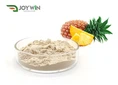
Enter bromelain - a complex of proteolytic (protein-digesting) enzymes extracted from the pineapple plant (Ananas comosus). What began as a traditional remedy for digestive complaints has emerged, through decades of rigorous scientific investigation, as one of the most pharmacologically versatile natural compounds known. Its anti-inflammatory, immunomodulatory, mucolytic, and fibrinolytic properties make it a compelling candidate for respiratory conditions - and the emerging research on its potential role in pneumonitis treatment is genuinely exciting.
This comprehensive article explores the science behind Bromelain Powder and its potential as a breakthrough in pneumonitis treatment. We examine the mechanisms of pneumonitis, the multi-target pharmacology of bromelain, the preclinical and clinical evidence for its respiratory benefits, its safety profile, and what the future may hold for this remarkable enzyme in pulmonary medicine. Whether you are a healthcare professional, a researcher, a supplement formulator, or a patient seeking to understand the options available, this is the most thorough resource on this emerging topic available today.
Part 1: Understanding Pneumonitis - The Condition Bromelain Powder May Help Address
1.1 What Is Pneumonitis?
Pneumonitis is a broad term describing non-infectious inflammation of lung parenchyma - the functional tissue of the lung responsible for gas exchange. Unlike pneumonia, which is caused by infectious pathogens (bacteria, viruses, fungi), pneumonitis refers to inflammatory lung injury driven by non-infectious triggers.
The condition encompasses several distinct clinical entities:
* Hypersensitivity pneumonitis (HP) - also called extrinsic allergic alveolitis; triggered by repeated inhalation of organic antigens (mold spores, bird proteins, chemical dusts)
* Drug-induced pneumonitis - caused by medications including chemotherapy agents (bleomycin, methotrexate), immune checkpoint inhibitors, amiodarone, and nitrofurantoin
* Radiation pneumonitis - a complication of thoracic radiation therapy for lung, breast, or esophageal cancer
* Autoimmune pneumonitis - associated with connective tissue diseases (rheumatoid arthritis, systemic lupus erythematosus, dermatomyositis)
* Cryptogenic organizing pneumonia (COP) - idiopathic inflammatory lung disease
1.2 The Pathophysiology of Pneumonitis
Understanding how pneumonitis develops at the cellular and molecular level is essential for appreciating why bromelain's specific mechanisms are so relevant.
The inflammatory cascade in pneumonitis involves:
Phase 1 - Trigger and Innate Immune Activation An inciting trigger (antigen, drug metabolite, radiation damage, autoantibody) activates innate immune cells - particularly alveolar macrophages and dendritic cells - in the lung parenchyma. These cells release pro-inflammatory cytokines including TNF-α, IL-1β, IL-6, and IL-8, initiating the inflammatory cascade.
Phase 2 - Adaptive Immune Response In hypersensitivity and autoimmune forms, T-lymphocytes - particularly CD4+ T helper cells - are recruited and activated. In hypersensitivity pneumonitis, a Th1/Th17-predominant response drives granuloma formation and tissue damage.
Phase 3 - Inflammatory Cell Infiltration Neutrophils, eosinophils, lymphocytes, and monocytes infiltrate the alveolar spaces and interstitium, releasing proteases, reactive oxygen species (ROS), and additional inflammatory mediators that damage alveolar epithelial cells and capillary endothelium.
Phase 4 - Fibrotic Remodeling If inflammation persists or is inadequately treated, activated fibroblasts deposit excessive collagen in the lung parenchyma, leading to pulmonary fibrosis - irreversible scarring that permanently impairs lung function.
1.3 The Limitations of Current Treatment
The cornerstone of pneumonitis treatment is corticosteroid therapy (typically prednisone at 0.5–1 mg/kg/day). While effective at suppressing acute inflammation, corticosteroids:
* Do not specifically target the underlying immune mechanisms
* Carry significant long-term side effects (osteoporosis, diabetes, immunosuppression, adrenal suppression)
* May not prevent progression to fibrosis in chronic cases
* Are often poorly tolerated in elderly patients and those with comorbidities
For drug-induced and radiation pneumonitis, the primary intervention is removal of the causative agent - but this is not always possible (e.g., when the causative drug is essential for cancer treatment). This therapeutic gap has driven intense interest in complementary and adjunctive approaches - including natural anti-inflammatory compounds like bromelain.
Part 2: What Is Bromelain? The Science Behind the Enzyme
2.1 Bromelain Defined
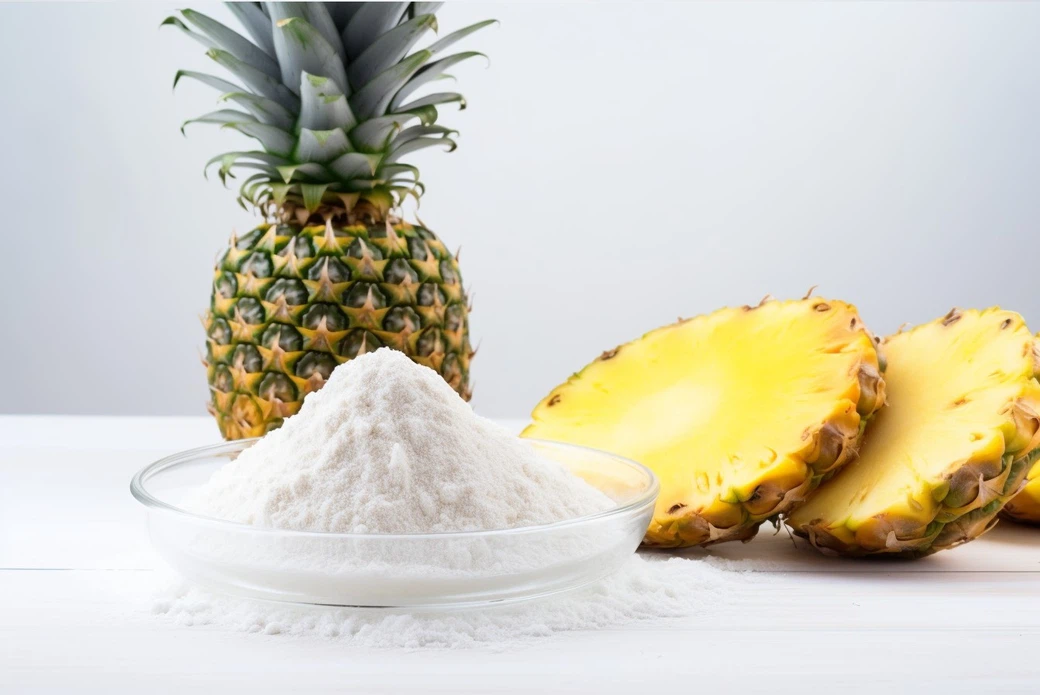
Bromelain is not a single enzyme but a complex mixture of proteolytic enzymes (primarily cysteine proteases) extracted from the stem and fruit of the pineapple plant (Ananas comosus). Commercial Bromelain Powder is primarily derived from pineapple stem, which contains higher enzyme concentrations than the fruit.
The enzymatic activity of bromelain is measured in GDU (Gelatin Digesting Units) or MCU (Milk Clotting Units):
* Standard supplement-grade bromelain: 500–2,400 GDU/g
* Pharmaceutical-grade bromelain: 2,400+ GDU/g
Beyond its proteolytic activity, bromelain contains several non-proteolytic components - including phosphatase, glucosidase, peroxidase, and cell-binding lectin - that contribute to its broad pharmacological profile.
2.2 Historical and Traditional Use
Bromelain has been used medicinally in Central and South America for centuries, where indigenous populations used pineapple preparations for wound healing, digestive complaints, and inflammatory conditions. Modern scientific investigation of bromelain began in the 1950s, and today it is one of the most extensively studied natural enzyme complexes in pharmacological research.
2.3 Bromelain's Unique Pharmacological Profile
What distinguishes bromelain from most natural anti-inflammatory compounds is the breadth and specificity of its pharmacological actions:
* Proteolytic activity: Digests proteins involved in inflammatory processes, including fibrin, immune complexes, and cell surface receptors
* Anti-inflammatory: Modulates multiple inflammatory signaling pathways simultaneously
* Immunomodulatory: Selectively modulates T-cell and macrophage activity
* Mucolytic: Breaks down mucus glycoproteins, reducing mucus viscosity
* Fibrinolytic: Degrades fibrin clots and prevents excessive fibrin deposition
* Anti-edematous: Reduces tissue swelling by degrading bradykinin and other edema-promoting mediators
* Antioxidant: Reduces oxidative stress markers in inflamed tissues
* Pro-apoptotic: Selectively induces apoptosis in activated immune cells
This multi-target pharmacology is precisely what makes bromelain so relevant to complex inflammatory conditions like pneumonitis, where multiple pathways drive disease progression simultaneously.
Part 3: The Mechanisms by Which Bromelain Powder May Treat Pneumonitis
This is the scientific heart of the article. Here is a detailed, mechanism-by-mechanism analysis of how bromelain's pharmacological properties map onto the pathophysiology of pneumonitis:
3.1 Cytokine Modulation - Targeting the Inflammatory Cascade at Its Source
The inflammatory cytokine storm is the central driver of tissue damage in pneumonitis. Bromelain has demonstrated remarkable ability to modulate cytokine production at multiple levels.
A comprehensive review published in Nutrients (MDPI, 2024) on the therapeutic potential of bromelain confirmed that bromelain helps maintain a balanced cytokine profile by modulating the production of both pro-inflammatory and anti-inflammatory cytokines. Specifically, bromelain:
* Reduces TNF-α production - a master pro-inflammatory cytokine central to pneumonitis pathogenesis
* Suppresses IL-1β and IL-6 - key mediators of acute lung inflammation and fever
* Reduces IL-8 (CXCL8) - a potent neutrophil chemoattractant that drives neutrophilic lung infiltration
* Modulates IL-4 and IL-13 - Th2 cytokines involved in eosinophilic pneumonitis and allergic lung disease
* Preserves IL-10 production - an anti-inflammatory cytokine that helps resolve inflammation
This balanced cytokine modulation - reducing harmful pro-inflammatory signals while preserving regulatory anti-inflammatory responses - is precisely the therapeutic profile needed for pneumonitis, where excessive inflammation must be controlled without completely suppressing the immune response.
3.2 NF-κB Pathway Inhibition - Blocking the Master Inflammatory Switch
Nuclear factor kappa B (NF-κB) is the master transcription factor that controls the expression of hundreds of pro-inflammatory genes - including cytokines, chemokines, adhesion molecules, and inflammatory enzymes (COX-2, iNOS). NF-κB is constitutively activated in pneumonitis and drives the sustained inflammatory response that leads to tissue damage.
Bromelain has been shown to inhibit NF-κB activation through multiple mechanisms, including:
* Degradation of IκB kinase (IKK) - the enzyme that activates NF-κB
* Reduction of NF-κB nuclear translocation
* Decreased expression of NF-κB target genes
By targeting NF-κB, bromelain effectively turns down the volume on the entire inflammatory gene expression program - a more comprehensive approach than drugs that target individual cytokines. ,
3.3 Mucolytic Action - Clearing the Airways
One of bromelain's most clinically relevant properties for respiratory conditions is its mucolytic activity - its ability to break down the glycoprotein structure of mucus, reducing its viscosity and improving mucociliary clearance.
A review published in ScienceDirect Topics on bromelain's clinical applications specifically noted that bromelain is a useful adjunctive therapy for bronchitis and pneumonia owing to its fibrinolytic, anti-inflammatory, and mucolytic actions.
In pneumonitis, inflammatory exudates and mucus accumulation in the airways impair gas exchange and create a favorable environment for secondary infections. Bromelain's mucolytic activity:
* Degrades mucus glycoproteins, reducing viscosity
* Improves mucociliary transport of secretions
* Facilitates expectoration of inflammatory exudates
* Reduces the risk of secondary bacterial infection
This mucolytic mechanism complements bromelain's anti-inflammatory effects, addressing both the cause (inflammation) and consequence (mucus accumulation) of pneumonitis simultaneously.
3.4 Fibrinolytic Activity - Preventing Fibrotic Progression
One of the most serious complications of pneumonitis is progression to pulmonary fibrosis - the irreversible deposition of fibrous connective tissue in the lung parenchyma. Fibrin deposition in the alveolar spaces is an early step in this fibrotic cascade.
Bromelain's fibrinolytic activity - its ability to degrade fibrin and prevent excessive fibrin deposition - may be particularly important in preventing the transition from acute pneumonitis to chronic fibrotic lung disease. By degrading fibrin in the alveolar spaces, bromelain may:
* Prevent the formation of fibrin scaffolds that guide fibroblast invasion
* Reduce the activation of TGF-β (transforming growth factor beta) - the primary driver of pulmonary fibrosis
* Improve alveolar patency and gas exchange during the acute phase
* Reduce the risk of organizing pneumonia - a fibrotic complication of unresolved pneumonitis
3.5 T-Cell Modulation - Addressing the Adaptive Immune Component
In hypersensitivity and autoimmune pneumonitis, dysregulated T-lymphocyte activity is a central pathological mechanism. Bromelain has demonstrated unique immunomodulatory effects on T-cell populations:
A landmark review published in PMC on the potential role of bromelain in clinical and therapeutic applications documented that bromelain selectively modulates T-cell activity, including:
* Removal of CD44 and CD25 surface molecules from T-cell surfaces - reducing T-cell activation and proliferation
* Modulation of the CD4+/CD8+ T-cell ratio
* Reduction of Th2-mediated immune responses (relevant to hypersensitivity pneumonitis)
* Enhancement of regulatory T-cell (Treg) activity - promoting immune tolerance
These T-cell modulatory effects are particularly relevant for hypersensitivity pneumonitis and autoimmune-associated pneumonitis, where aberrant T-cell responses drive disease progression.
3.6 Neutrophil Regulation - Controlling the Cellular Damage Response
Neutrophil infiltration into the lung parenchyma is a major source of tissue damage in acute pneumonitis. Activated neutrophils release proteases (elastase, MMP-8, MMP-9), reactive oxygen species, and neutrophil extracellular traps (NETs) that damage alveolar epithelial cells and capillary endothelium.
Bromelain has been shown to:
* Reduce neutrophil migration into inflamed tissues by degrading ICAM-1 and other adhesion molecules
* Modulate neutrophil activation state
* Reduce NET formation
* Decrease neutrophil-derived ROS production
3.7 Antioxidant Defense - Protecting Lung Tissue From Oxidative Damage
Oxidative stress - driven by reactive oxygen species from activated immune cells - is a major mechanism of alveolar epithelial cell damage in pneumonitis. Bromelain has demonstrated significant antioxidant activity in lung tissue:
* Reduces lipid peroxidation in lung membranes
* Upregulates endogenous antioxidant enzymes (SOD, catalase, GPx)
* Reduces oxidative DNA damage in lung cells
* Scavenges reactive oxygen species directly
Part 4: The Research Evidence - Bromelain Powder in Respiratory and Lung Conditions
4.1 Bromelain in Allergic Airway Disease and Asthma
The most direct preclinical evidence for bromelain's lung anti-inflammatory effects comes from studies in allergic airway disease models - conditions that share key pathological features with hypersensitivity pneumonitis.
A landmark study published in PMC (Clinical Immunology, 2008) investigated the effect of bromelain treatment in an ovalbumin (OVA)-induced murine model of allergic airway disease (AAD). The findings were striking:
* Bromelain treatment significantly reduced airway eosinophilia - the accumulation of eosinophils in the airways that drives allergic lung inflammation
* Reduced CD25+ T-cell populations in the lungs - indicating suppression of activated T-cell-mediated inflammation
* Decreased Th2 cytokine production (IL-4, IL-13) - the cytokines driving allergic airway inflammation
* Reduced airway hyperresponsiveness - a key functional measure of airway inflammation
* Decreased mucus production in the airways
These findings are directly relevant to hypersensitivity pneumonitis, which shares the Th2/eosinophilic inflammatory profile of allergic airway disease.
4.2 Bromelain in Acute Asthma Models
The PMC review on bromelain's clinical and therapeutic potential documented that in a murine model of acute asthma, bromelain:
* Decreased airway reactivity and sensitivity to irritants
* Decreased markers of lung inflammation including eosinophil counts, IL-4, IL-5, and IL-13
* Reduced mucus hypersecretion
* Improved lung function parameters
The authors concluded that bromelain's effects on lung inflammation were mediated through its ability to modulate dendritic cell function, T-cell activation, and cytokine production - mechanisms directly relevant to pneumonitis pathogenesis.
4.3 Bromelain as Adjunctive Therapy for Bronchitis and Pneumonia
The ScienceDirect overview of bromelain's clinical applications specifically highlighted its role as an adjunctive therapy for bronchitis and pneumonia, citing its combined fibrinolytic, anti-inflammatory, and mucolytic actions as well as its enhancement of antibiotic penetration into infected tissues.
The ability of bromelain to enhance antibiotic tissue penetration is particularly noteworthy - by degrading fibrin and inflammatory exudates that can form physical barriers to drug diffusion, bromelain may improve the efficacy of antimicrobial therapy in infectious lung conditions and reduce the risk of secondary infection in pneumonitis patients.
4.4 Bromelain and COVID-19-Associated Pneumonitis
The COVID-19 pandemic brought renewed scientific interest in bromelain's potential for respiratory conditions. COVID-19-associated pneumonitis - characterized by a cytokine storm, neutrophilic lung infiltration, fibrin deposition, and progressive hypoxemia - represents a clinical scenario where bromelain's multi-target anti-inflammatory profile is highly relevant.
Multiple research groups proposed and investigated bromelain as a potential therapeutic agent for COVID-19 pneumonitis, based on its:
* Cytokine storm modulation (reducing TNF-α, IL-6, IL-1β)
* Fibrinolytic activity (addressing the coagulopathy and fibrin deposition characteristic of severe COVID-19)
* Mucolytic effects (improving airway clearance)
* Potential antiviral properties (protease-mediated disruption of viral spike protein processing)
The Nutrients (MDPI, 2024) review on bromelain's therapeutic potential specifically addressed these mechanisms in the context of viral respiratory infections, noting bromelain's ability to modulate the cytokine profile that drives severe pneumonitis in viral infections.
4.5 Bromelain and Immune Checkpoint Inhibitor-Induced Pneumonitis
Immune checkpoint inhibitor (ICI) pneumonitis - a serious and increasingly common adverse effect of cancer immunotherapy with drugs like pembrolizumab, nivolumab, and atezolizumab - represents one of the most clinically urgent unmet needs in oncology. ICI pneumonitis is driven by dysregulated T-cell activation and cytokine release - precisely the mechanisms that bromelain's immunomodulatory properties target.
While direct clinical studies of bromelain in ICI pneumonitis are not yet available, the mechanistic rationale is compelling:
* Bromelain's T-cell modulation (CD44, CD25 removal) could reduce the excessive T-cell activation driving ICI pneumonitis
* Its NF-κB inhibition could suppress the cytokine cascade
* Its fibrinolytic activity could prevent fibrotic progression
* Its safety profile makes it a potentially viable adjunct to corticosteroid therapy
This represents a significant opportunity for future clinical investigation.
Part 5: Bromelain Powder - Product Specifications and Quality Standards
For healthcare professionals, researchers, and supplement formulators interested in bromelain's therapeutic applications, understanding product quality parameters is essential.
5.1 Standard Specifications for Pharmaceutical/Nutraceutical-Grade Bromelain Powder
|
Parameter |
Specification |
|
Appearance |
Off-white to light tan powder |
|
Enzymatic Activity |
500–2,400+ GDU/g (or 100–500 MCU/mg) |
|
Protein Content |
≥80% (dry weight basis) |
|
Moisture |
≤6% |
|
pH (1% solution) |
4.5–7.0 |
|
Heavy Metals |
Within USP/EP limits |
|
Microbial Limits |
Compliant with USP/EP standards |
|
Allergen Status |
Pineapple-derived; declare for allergen labeling |
5.2 Enzymatic Activity - The Critical Quality Parameter
Unlike most botanical extracts where bioactive content is measured in milligrams, bromelain's therapeutic potency is measured by its enzymatic activity. This is the single most important quality parameter:
* GDU (Gelatin Digesting Units): Measures the ability to digest gelatin protein; most commonly used in North America
* MCU (Milk Clotting Units): Measures the ability to clot milk protein; used in some European markets
* FIP units: European Pharmacopoeia standard
For therapeutic applications in respiratory conditions, higher-activity bromelain (1,200–2,400 GDU/g) is preferred to ensure sufficient proteolytic and anti-inflammatory activity at practical dose volumes.
5.3 Source: Stem vs. Fruit Bromelain
* Stem bromelain (the primary commercial source): Higher enzymatic activity; more consistent composition; better suited for therapeutic applications
* Fruit bromelain: Lower enzymatic activity; different enzyme composition; more commonly used in food applications
For pneumonitis and respiratory applications, stem bromelain with verified high enzymatic activity is the appropriate choice.
5.4 Stability Considerations
Bromelain is a protein enzyme and therefore sensitive to:
* Heat: Significant activity loss above 60°C; store away from heat
* pH extremes: Most stable at pH 5–8; avoid highly acidic or alkaline formulations
* Proteolytic degradation: Should not be co-formulated with other proteases without stability testing
* Moisture: Store in cool, dry conditions; use moisture-barrier packaging
5.5 Quality Certifications
For pharmaceutical and nutraceutical applications, look for:
✅ cGMP (Current Good Manufacturing Practice)
✅ ISO 22000 / FSSC 22000 (Food Safety Management)
✅ USP/EP compliant testing
✅ Kosher and Halal certification
✅ Third-party enzymatic activity verification
✅ Heavy metal and pesticide testing
Part 6: Dosage, Safety, and Clinical Considerations
6.1 Evidence-Based Dosage for Respiratory Applications
Based on the available clinical and preclinical literature, the following dosage ranges have been used in bromelain research relevant to respiratory and inflammatory conditions:
|
Application |
Dose Range |
Administration |
|
General anti-inflammatory |
200–400 mg/day (500–1,000 GDU) |
Oral, between meals |
|
Respiratory / mucolytic |
400–800 mg/day (1,000–2,000 GDU) |
Oral, divided doses |
|
Adjunctive pneumonitis support |
500–1,000 mg/day |
Oral, under medical supervision |
|
Acute inflammatory conditions |
500–2,000 mg/day |
Short-term; medical supervision |
Critical note: For pneumonitis specifically, bromelain powder should be considered as a complementary or adjunctive approach under medical supervision - not as a replacement for established medical treatment including corticosteroids and removal of causative agents. ,
6.2 Timing and Administration
* Take between meals for systemic anti-inflammatory effects - when taken with food, bromelain's proteolytic activity is directed toward food digestion rather than systemic absorption
* Take with meals if the primary goal is digestive support
* Oral bromelain is absorbed intact through the intestinal mucosa and reaches systemic circulation - a well-documented phenomenon that underlies its systemic anti-inflammatory effects
6.3 Safety Profile
Bromelain has an excellent safety profile with decades of clinical use. The most commonly reported side effects are mild and include:
* Gastrointestinal effects: Nausea, diarrhea, or stomach discomfort (most common at high doses)
* Allergic reactions: Rare; most likely in individuals with pineapple allergy or latex-fruit syndrome
* Increased menstrual flow: Reported in some women at high doses
Serious adverse events are rare at standard therapeutic doses.
6.4 Drug Interactions - Critical Safety Considerations
Bromelain has clinically significant interactions that must be carefully managed, particularly in pneumonitis patients who are often on multiple medications:
|
Drug Class |
Interaction |
Clinical Significance |
|
Anticoagulants (warfarin, heparin) |
Additive anticoagulant effect via fibrinolysis |
Significant bleeding risk - monitor INR closely |
|
Antiplatelet drugs (aspirin, clopidogrel) |
Synergistic platelet inhibition |
Increased bleeding risk |
|
Antibiotics (amoxicillin, tetracycline) |
Bromelain increases antibiotic tissue levels |
May enhance efficacy; monitor for toxicity |
|
Corticosteroids |
May potentiate anti-inflammatory effects |
Potential for dose reduction of steroids |
|
Chemotherapy agents |
Complex interactions; may affect drug metabolism |
Consult oncologist before use |
|
NSAIDs |
Additive anti-inflammatory and antiplatelet effects |
Increased bleeding risk |
6.5 Contraindications
* Pineapple allergy: Contraindicated due to cross-reactivity
* Bleeding disorders: Contraindicated due to fibrinolytic and antiplatelet effects
* Pre-surgical patients: Discontinue at least 2 weeks before surgery
* Pregnancy: Insufficient safety data; avoid use
* Severe kidney or liver disease: Use with caution; consult physician
Part 7: Bromelain Powder in Supplement Formulations - For B2B Buyers
For dietary supplement manufacturers and pharmaceutical companies interested in bromelain's respiratory health applications, here is a practical formulation overview:
7.1 Best-Fit Product Categories for Respiratory Health
* Respiratory health supplements - standalone or in combination with NAC, quercetin, and vitamin D
* Immune support formulas - pairs synergistically with vitamin C, zinc, elderberry, and andrographis
* Anti-inflammatory enzyme blends - combines with serrapeptase, papain, and trypsin for comprehensive proteolytic anti-inflammatory activity
* Mucolytic and airway support products - pairs with N-acetyl cysteine (NAC), guaifenesin, and thyme extract
* Post-COVID recovery formulas - addresses residual lung inflammation and fatigue
* Oncology support supplements - adjunctive support for cancer patients experiencing treatment-related pneumonitis
7.2 Synergistic Ingredient Combinations for Pneumonitis Support
|
Ingredient |
Complementary Mechanism |
Synergy With Bromelain |
|
N-Acetyl Cysteine (NAC) |
Mucolytic; antioxidant; glutathione precursor |
Complementary mucolytic + antioxidant |
|
Quercetin |
NF-κB inhibition; mast cell stabilization |
Synergistic anti-inflammatory |
|
Vitamin D3 |
Immune regulation; anti-fibrotic |
Addresses vitamin D deficiency common in pneumonitis |
|
Curcumin |
NF-κB inhibition; anti-fibrotic |
Complementary multi-pathway anti-inflammatory |
|
Serrapeptase |
Fibrinolytic; anti-inflammatory |
Complementary proteolytic activity |
|
Omega-3 fatty acids |
Resolvin/protectin production; anti-inflammatory |
Resolution of inflammation |
|
Zinc |
Immune regulation; antioxidant |
Supports immune modulation |
7.3 Formulation Considerations
* Enteric coating: Highly recommended for therapeutic applications to protect bromelain from gastric acid degradation and ensure intestinal absorption for systemic effects
* Capsules vs. tablets: Capsules preferred to avoid compression-related activity loss
* Activity standardization: Always specify GDU/g activity on label and COA
* Storage conditions: Cool, dry storage (below 25°C); moisture-barrier packaging essential
* Compatibility testing: Bromelain can degrade other protein-based ingredients in combination formulas; stability testing is essential
Part 8: The Future of Bromelain Powder in Pneumonitis Treatment - Research Directions
8.1 Current Research Gaps
Despite the compelling mechanistic and preclinical evidence, several important research gaps remain:
* Dedicated clinical trials in pneumonitis: Most human clinical evidence for bromelain's respiratory benefits is indirect (from asthma, bronchitis, and sinusitis studies); dedicated RCTs in hypersensitivity pneumonitis, drug-induced pneumonitis, and radiation pneumonitis are needed
* Optimal dosing for pneumonitis: The therapeutic dose range for pneumonitis specifically has not been established in human trials
* Combination therapy protocols: The optimal combination of bromelain with corticosteroids or other anti-inflammatory agents needs investigation
* Bioavailability optimization: Improved delivery systems (nanoparticles, liposomal encapsulation) may enhance bromelain's lung-specific delivery
8.2 Promising Research Directions
Several research directions hold particular promise:
Inhaled bromelain delivery: Direct delivery of bromelain to the lung via nebulization or dry powder inhalation could achieve higher local concentrations with lower systemic doses - potentially reducing side effects while maximizing therapeutic efficacy at the site of inflammation.
Bromelain in ICI pneumonitis: Given the urgent clinical need and compelling mechanistic rationale, clinical trials of bromelain as an adjunct to corticosteroid therapy in immune checkpoint inhibitor-induced pneumonitis represent a high-priority research opportunity.
Bromelain and pulmonary fibrosis prevention: Bromelain's fibrinolytic and TGF-β modulating properties make it a candidate for preventing the progression of acute pneumonitis to chronic fibrotic lung disease - a devastating and currently untreatable condition.
Combination with conventional therapy: Studies examining whether bromelain supplementation allows for lower corticosteroid doses (steroid-sparing effect) while maintaining equivalent anti-inflammatory efficacy would have significant clinical implications.
8.3 The Regulatory Pathway
For bromelain to achieve recognition as a therapeutic agent for pneumonitis, the regulatory pathway involves:
* Phase I/II clinical trials establishing safety and preliminary efficacy
* Phase III RCTs demonstrating significant clinical benefit vs. standard of care
* Regulatory submission to FDA (as a drug or biological product) or EMA
In the interim, bromelain's status as a dietary supplement (GRAS in the US; approved food supplement in the EU) allows it to be used as a complementary approach under medical supervision, with appropriate disclosure of the current state of evidence.
Part 9: Frequently Asked Questions About Bromelain Powder and Pneumonitis
Q: Can bromelain replace corticosteroids in pneumonitis treatment? No - at this stage of the evidence, bromelain cannot replace corticosteroids as the primary treatment for pneumonitis. The current evidence supports its potential as a complementary or adjunctive approach that may enhance the anti-inflammatory effects of standard therapy, potentially allowing for lower steroid doses. Always consult a pulmonologist or respiratory specialist for pneumonitis treatment.
Q: How does bromelain differ from other anti-inflammatory supplements for lung health? Bromelain's unique advantage is its multi-target pharmacology - simultaneously addressing cytokine production, NF-κB signaling, T-cell activation, neutrophil infiltration, mucus viscosity, fibrin deposition, and oxidative stress. Most anti-inflammatory supplements target only one or two of these pathways. This multi-mechanism approach is particularly valuable for complex conditions like pneumonitis where multiple pathways drive disease progression simultaneously.
Q: Is bromelain safe to take alongside cancer immunotherapy? This requires careful medical supervision. Bromelain's immunomodulatory effects could theoretically interact with immune checkpoint inhibitors, and its anticoagulant properties require monitoring in cancer patients who may already be at bleeding risk. Always consult an oncologist before using bromelain alongside cancer treatment.
Q: What is the best form of bromelain for respiratory health? For systemic anti-inflammatory effects relevant to pneumonitis, enteric-coated bromelain capsules (500–1,000 mg, 1,200–2,400 GDU/g activity) taken between meals are the most appropriate form. Enteric coating protects the enzyme from gastric acid degradation and ensures intestinal absorption for systemic distribution.
Q: How long does it take for bromelain to show anti-inflammatory effects? Acute anti-inflammatory effects can be measured within 24–48 hours of supplementation. For chronic inflammatory conditions like pneumonitis, sustained supplementation over 4–12 weeks is likely needed to produce meaningful clinical improvements.
Conclusion: Bromelain Powder - A Scientifically Compelling Candidate for Pneumonitis Management
The evidence reviewed in this article builds a compelling scientific case for bromelain as a potential breakthrough in pneumonitis treatment. Its multi-target pharmacology - encompassing cytokine modulation, NF-κB inhibition, T-cell regulation, mucolytic activity, fibrinolysis, neutrophil regulation, and antioxidant defense - maps precisely onto the complex, multi-pathway pathophysiology of pneumonitis in a way that few natural compounds can match.
The preclinical evidence from allergic airway disease and asthma models is robust and mechanistically coherent. The clinical evidence from bronchitis, sinusitis, and surgical inflammation studies demonstrates that bromelain's anti-inflammatory effects translate from animal models to human subjects. The emerging research on COVID-19 pneumonitis and the compelling mechanistic rationale for ICI pneumonitis point toward exciting clinical research opportunities.
What is needed now is the next step: dedicated, well-designed clinical trials in pneumonitis patients. The mechanistic foundation is solid. The safety profile is well-established. The unmet clinical need is urgent. Bromelain may not yet be a proven treatment for pneumonitis - but the science strongly suggests it deserves to be investigated as one.
For supplement formulators, healthcare professionals, and researchers, bromelain represents one of the most pharmacologically sophisticated natural ingredients available - a proteolytic enzyme complex with genuine multi-target anti-inflammatory activity that is only beginning to be fully appreciated.
JOYWIN founded in 2013 is an innovation-driven biotechnology company. The JOYWIN Bromelain factory located in Thailand makes use of local abundant resources to provide customers with various specifications of bromelain products. From 200GDU/g to 2400GDU/g. Holding bromelain workshops, plant protease workshops, and warehouses also own cutting-edge facilities and strict quality control systems. As one of four global bromelain manufacturers, we are FSSC22000, ISO9001, ISO14001, ISO22000, BRC, and Cgmp-certified factory. If you want to know more about Bromelain Powder or are interested in purchasing it, you can email at contact@joywinworld.com. We will reply to you as soon as possible after we see the message.