

The journey of pregnancy is one of life's most profound experiences, filled with anticipation, joy, and careful consideration about every choice that might affect your developing baby. Among the many questions expectant mothers face is whether specific supplements are safe and beneficial during this critical period. Coenzyme Q10 powder(CoQ10), a vital nutrient with important roles in energy production and cellular protection, has become a particular point of interest for health-conscious women. As you navigate countless sources of advice-from well-meaning family members to online forums and healthcare providers-it's essential to have clear, evidence-based information to guide your decisions.
This comprehensive guide explores the science behind CoQ10, its potential role in pregnancy, safety considerations, and practical recommendations. We'll examine what current research suggests about supplementation during pregnancy, discuss appropriate dosages, and provide guidance on making informed choices for you and your baby's health. While we present the latest scientific understanding, we emphasize that this information should complement, not replace, personalized advice from your healthcare provider, who understands your unique health profile and needs.
Understanding Coenzyme Q10 powder: What Is It and How Does It Work?
The Basics of Coenzyme Q10
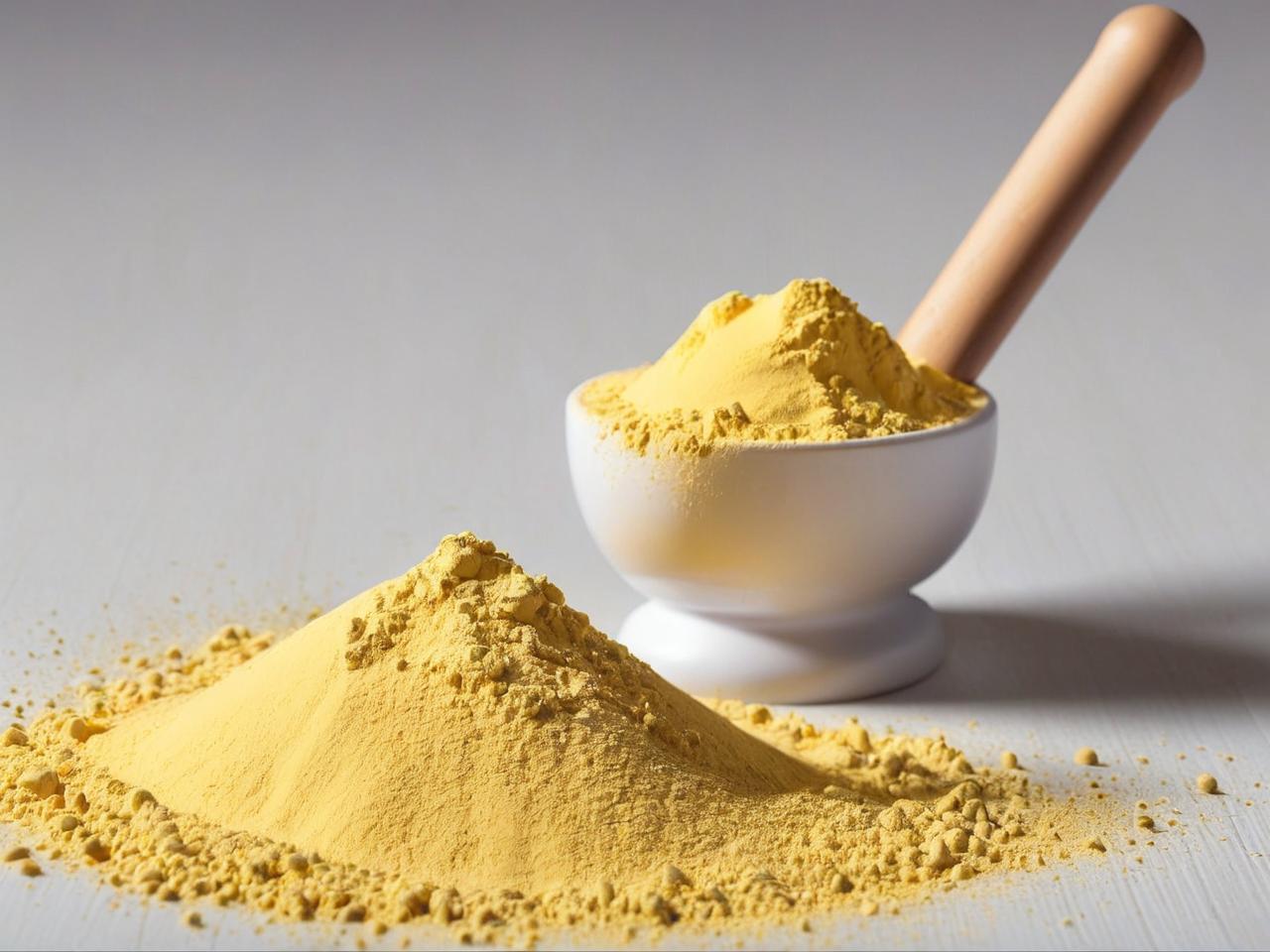
Coenzyme Q10, also known as ubiquinone or ubiquinol (its reduced form), is a vitamin-like substance naturally produced by the human body and found in every cell. Its name "ubiquinone" derives from its ubiquitous presence in living organisms and its chemical structure (a quinone). This essential compound plays two crucial roles in human physiology. First, it serves as a key component of the mitochondrial electron transport chain, facilitating the production of adenosine triphosphate (ATP), the primary energy currency of cells. Organs with high energy demands, such as the heart, liver, and kidneys, contain particularly high concentrations of CoQ10. Second, CoQ10 functions as a potent antioxidant, protecting cell membranes, lipoproteins, and DNA from oxidative damage caused by free radicals. This dual functionality makes CoQ10 vital for cellular energy metabolism and protection against oxidative stress, both of which are especially important during the physiological changes of pregnancy.
Natural Sources of CoQ10
While your body produces CoQ10 naturally, production can decline with age, certain medical conditions, or the use of specific medications like statins. Dietary sources can help maintain optimal levels. Foods particularly rich in CoQ10 include:
* Organ meats (heart, liver, kidney)
* Fatty fish (salmon, trout, mackerel, sardines)
* Meat (especially beef, pork, and chicken)
* Vegetables (spinach, broccoli, cauliflower)
* Legumes (soybeans, lentils)
* Nuts and seeds (sesame seeds, pistachios)
* Fruits (oranges, strawberries)
The CoQ10 content in these foods can vary significantly based on factors like animal diet, food preparation methods, and storage conditions. For instance, frying can reduce CoQ10 content by 14-32%, while boiling has a lesser effect. It's worth noting that dietary intake typically provides 3-6 mg daily, while supplement doses generally range from 30-300 mg per day, making supplementation a more concentrated approach to increasing CoQ10 levels.
CoQ10's Role in Human Health
Beyond its fundamental cellular functions, research has identified several potential health benefits of CoQ10 supplementation:
* Cardiovascular health: Supporting heart function and blood pressure regulation
* Migraine prevention: Reducing the frequency of migraine headaches
* Exercise performance: Potentially enhancing physical performance and reducing fatigue
* Fertility support: Improving sperm motility and possibly egg quality
* Neurodegenerative conditions: Slowing progression in disorders like Parkinson's disease
Given these diverse roles, it's understandable why pregnant women might consider CoQ10 supplementation, particularly since pregnancy places additional metabolic and oxidative stress on the body.
The Physiology of Pregnancy: Why Nutrient Needs Change
Metabolic Changes During Pregnancy
Pregnancy represents a period of profound physiological adaptation. The maternal body undergoes significant changes to support fetal growth and development while maintaining maternal health. Metabolic rate increases by approximately 15-20% during pregnancy, with energy requirements rising by about 300-500 calories daily in the later stages. This heightened metabolism leads to increased production of reactive oxygen species (free radicals), creating greater oxidative stress on maternal tissues. Simultaneously, blood volume expands by 30-50%, cardiac output increases, and hormonal levels shift dramatically. These changes place unique demands on cellular energy production systems-precisely where CoQ10 plays its essential role.
Increased Nutritional Demands
Pregnancy increases requirements for virtually all nutrients, not just calories. For example:
* Iron needs nearly double to support expanded blood volume and fetal development
* Folate requirements increase by 50% to prevent neural tube defects
* Calcium absorption becomes more efficient to meet fetal skeletal development needs
* Protein needs increase by approximately 25 grams daily in later pregnancy
These enhanced nutritional demands extend to micronutrients that support mitochondrial function and antioxidant defenses, creating a theoretical basis for considering CoQ10 supplementation during pregnancy.
The Placenta: A Metabolic Powerhouse
The placenta deserves special attention when discussing pregnancy nutrition. This remarkable organ, which develops entirely during pregnancy, acts as the interface between mother and fetus, facilitating nutrient transfer, waste removal, and hormone production. The placenta has exceptionally high metabolic activity, consuming oxygen and nutrients at a rapid rate to fulfill its functions. This intense metabolic activity generates substantial oxidative stress, making placental tissues particularly vulnerable to oxidative damage. Some researchers have hypothesized that CoQ10's antioxidant properties and support of mitochondrial function might benefit placental health, though more research is needed to confirm this potential benefit.
Coenzyme Q10 powder and Pregnancy: What Does the Research Say?
CoQ10 Levels During Normal Pregnancy
Research indicates that CoQ10 levels fluctuate during normal pregnancy. A 2018 study published in the Journal of Clinical Medicine found that plasma CoQ10 levels gradually decrease as pregnancy progresses, reaching their lowest point in the third trimester. This decline occurs despite stable dietary intake, suggesting that physiological changes of pregnancy may increase CoQ10 utilization or decrease its synthesis. Interestingly, the same study found that newborns had CoQ10 concentrations approximately twice as high as maternal levels, indicating active transfer across the placenta and potentially highlighting the nutrient's importance for fetal development.
Potential Benefits of CoQ10 Supplementation in Pregnancy
While research is still evolving, several studies have explored potential benefits of CoQ10 supplementation during pregnancy:
1.Pre-eclampsia prevention: Pre-eclampsia, characterized by high blood pressure and organ damage after 20 weeks of pregnancy, involves significant oxidative stress and endothelial dysfunction. A 2021 meta-analysis in the American Journal of Clinical Nutrition examined three randomized controlled trials involving 251 women at risk for pre-eclampsia. The analysis found that CoQ10 supplementation (200-300 mg/day) was associated with a 48% reduction in pre-eclampsia risk compared to placebo. While promising, the authors noted that larger studies are needed to confirm these findings and establish optimal dosing.
2.Fertility and reproductive outcomes: CoQ10 has gained attention in reproductive medicine for its potential to improve egg and sperm quality. A 2020 systematic review in Reproductive Biology and Endocrinology examined eight studies involving women undergoing fertility treatments. The review concluded that CoQ10 supplementation might improve ovarian response, egg quality, and embryo quality, particularly in women with diminished ovarian reserve. While this research primarily involves women attempting conception rather than already pregnant women, it highlights CoQ10's role in reproductive cellular health.
3.Gestational diabetes: Some preliminary evidence suggests CoQ10 might benefit women with gestational diabetes. A small 2017 randomized controlled trial published in Diabetic Medicine found that women with gestational diabetes who took 100 mg of CoQ10 twice daily had improved markers of insulin resistance and inflammatory status compared to those taking placebo.
4.Fetal development: Animal studies suggest CoQ10 plays important roles in embryonic development. Research in rats has shown that CoQ10 deficiency during pregnancy leads to growth restriction and developmental abnormalities. While human studies are limited, these findings suggest adequate CoQ10 levels might support optimal fetal development.
Safety Studies on CoQ10 During Pregnancy
Safety is paramount when considering any supplement during pregnancy. Several studies have specifically examined the safety profile of CoQ10 in pregnant women:
* A 2014 study published in Maternal & Child Nutrition followed 102 pregnant women who took 200 mg of CoQ10 daily from 20 weeks of pregnancy until delivery. Researchers found no significant differences in rates of preterm birth, birth weight, or congenital abnormalities compared to the placebo group. Maternal side effects were minimal and similar between groups.
* A larger 2018 randomized controlled trial involving 228 pregnant women at risk for pre-eclampsia evaluated 200 mg CoQ10 twice daily versus placebo. The study reported no serious adverse effects attributable to CoQ10 supplementation for either mothers or infants.
* A comprehensive 2020 review of supplement safety during pregnancy, published in Drug Safety, classified CoQ10 as "likely compatible with pregnancy" based on available human data, noting no evidence of teratogenicity (birth defect-causing potential).
While these studies are reassuring, it's important to note that most research has involved women in their second or third trimesters. Less data exists on first-trimester use, when organogenesis (organ formation) occurs and the fetus is most vulnerable to potential teratogens.
Considerations for CoQ10 Supplementation During Pregnancy
When Might CoQ10 Supplementation Be Considered?
Based on current evidence, some healthcare providers might consider CoQ10 supplementation in specific pregnancy situations:
1.Women at high risk for pre-eclampsia: Those with a history of pre-eclampsia in previous pregnancies, chronic hypertension, kidney disease, autoimmune disorders, or diabetes might potentially benefit from CoQ10's antioxidant effects.
2.Women with mitochondrial disorders: While rare, these conditions impair cellular energy production and might warrant specialized nutritional support including CoQ10 under close medical supervision.
3.Women with specific fertility concerns: Those who used CoQ10 during fertility treatments might discuss continuation with their obstetrician, though the rationale changes once pregnancy is established.
4.Women with dietary restrictions or deficiencies: Vegetarians, vegans, and those with limited diets might have lower CoQ10 intake, though the clinical significance of this during pregnancy is unclear.
Recommended Dosages and Forms
Research studies on Coenzyme Q10 powder in pregnancy have used varying doses, typically ranging from 100-600 mg daily, with 200-300 mg being most common. The appropriate dose for an individual depends on multiple factors, including:
* The specific health concern being addressed
* Maternal age and nutritional status
* Stage of pregnancy
* Product formulation and bioavailability
CoQ10 supplements come in two primary forms:
1.Ubiquinone: The oxidized form, most commonly available and less expensive
2.Ubiquinol: The reduced, antioxidant form that some claim has better absorption, particularly in older individuals or those with absorption issues
Both forms have been used in pregnancy research with reported benefits. Since CoQ10 is fat-soluble, taking it with a meal containing some fat can enhance absorption by 2-3 times compared to taking it on an empty stomach.
Potential Side Effects and Interactions
Coenzyme Q10 powder is generally well-tolerated, but some individuals may experience:
* Mild gastrointestinal discomfort (nausea, heartburn, or diarrhea)
* Headache or dizziness
* Insomnia (if taken too close to bedtime)
* Skin rash (rare)
CoQ10 may interact with certain medications:
* Blood thinners like warfarin: CoQ10 might reduce their effectiveness
* Blood pressure medications: CoQ10 might enhance their effect, potentially causing blood pressure to drop too low
* Chemotherapy medications: Theoretical concerns exist about antioxidant interference, though evidence is mixed
These potential interactions underscore the importance of discussing CoQ10 supplementation with your healthcare provider, who can consider your complete medication regimen.
Professional Guidelines and Expert Recommendations
Official Health Organization Positions
Major health organizations have not issued specific guidelines on CoQ10 use during pregnancy, reflecting the need for more extensive research. However, their general approaches to pregnancy supplementation provide context:
* The American College of Obstetricians and Gynecologists (ACOG) recommends prenatal vitamins containing folic acid, iron, calcium, vitamin D, and other essential nutrients but does not specifically address CoQ10.
* The World Health Organization (WHO) focuses its pregnancy supplementation recommendations on evidence-based interventions like iron-folic acid supplements for all pregnant women, calcium for pre-eclampsia prevention in high-risk populations, and multiple micronutrients in undernourished populations.
* The U.K. Royal College of Obstetricians and Gynaecologists similarly emphasizes established supplements like folic acid and vitamin D without specific mention of CoQ10.
The absence of official recommendations for CoQ10 doesn't necessarily indicate harm but reflects the standard medical approach of requiring substantial evidence before endorsing supplements beyond those with long-established benefits.
Expert Opinions and Clinical Practice
In the absence of formal guidelines, expert opinions vary regarding Coenzyme Q10 powder during pregnancy. Some reproductive endocrinologists and integrative medicine practitioners recommend CoQ10 for specific pregnancy-related concerns, particularly in high-risk situations. Conversely, many conventional obstetricians take a more conservative approach, recommending only supplements with long-established safety profiles unless specific indications exist.
Dr. Sarah Johnson, a maternal-fetal medicine specialist, explains: "When considering any supplement during pregnancy, I weigh potential benefits against unknown risks. For CoQ10, we have some promising preliminary data, particularly for pre-eclampsia prevention in high-risk women, but not enough to recommend it routinely. I might consider it in specific cases after detailed discussion with the patient about what we know and what we don't."
This balanced perspective highlights the individualized decision-making required when considering CoQ10 or any supplement during pregnancy.
Natural Alternatives and Dietary Approaches
Optimizing CoQ10 Levels Through Diet
For women interested in supporting their CoQ10 levels through natural means, dietary approaches offer a conservative alternative to supplementation. The following table compares dietary sources of CoQ10:
|
Food Source |
Approximate CoQ10 Content (mg per 100g) |
Serving Size to Provide 30mg CoQ10 |
Pregnancy Considerations |
|
Beef heart |
11.3 mg |
265g (9.3 oz) |
Excellent source, but limit due to cholesterol content |
|
Sardines |
6.4 mg |
470g (16.6 oz) |
Excellent source of omega-3s; watch mercury content |
|
Beef |
3.1 mg |
970g (34.2 oz) |
Practical as part of balanced diet |
|
Chicken |
1.4 mg |
2.14kg (75 oz) |
Lean protein source |
|
Broccoli |
0.6-0.86 mg |
3.5-5kg (123-176 oz) |
Rich in folate, fiber; extremely safe |
|
Cauliflower |
0.4-0.6 mg |
5-7.5kg (176-265 oz) |
Good source of vitamin C |
|
Strawberries |
0.1 mg |
30kg (66 lbs) |
Rich in vitamin C, fiber |
|
Eggs |
0.1 mg |
30 eggs |
Excellent protein; concerns about raw consumption |
As evident from the table, obtaining therapeutic doses of CoQ10 (like the 200-300 mg used in studies) solely through diet would be challenging and require consuming impractical quantities of specific foods. However, incorporating CoQ10-rich foods as part of a balanced pregnancy diet can contribute to overall nutritional status.
Supporting Mitochondrial Health Holistically
Beyond specific CoQ10 intake, several lifestyle and dietary factors support mitochondrial function and reduce oxidative stress during pregnancy:
1.Balanced nutrition: Emphasize colorful fruits and vegetables (rich in various antioxidants), lean proteins, whole grains, and healthy fats.
2.Regular, moderate exercise: Activities like walking, swimming, and prenatal yoga can enhance mitochondrial biogenesis (creation of new mitochondria) and improve antioxidant defenses.
3.Adequate sleep: Quality sleep supports cellular repair processes and reduces oxidative stress.
4.Stress management: Chronic stress increases cortisol and oxidative damage, so practices like meditation, deep breathing, and mindfulness can be beneficial.
5.Avoiding toxins: Minimize exposure to cigarette smoke, alcohol, environmental pollutants, and unnecessary chemicals that increase oxidative burden.
Decision-Making Framework: Should You Take CoQ10 During Pregnancy?
Questions to Discuss With Your Healthcare Provider
If you're considering CoQ10 supplementation during pregnancy, here are key questions to explore with your healthcare provider:
1.What is my individual risk profile for conditions that CoQ10 might address (like pre-eclampsia)?
2.Are there any aspects of my health history or current medications that would make CoQ10 supplementation inadvisable?
3.Based on the current evidence, what potential benefits might I reasonably expect?
4.What dosage and product quality should I consider if we decide to proceed?
5.How will we monitor for both benefits and potential side effects?
6.Are there alternative approaches that might achieve similar goals with more established safety profiles?
Factors to Consider in Your Decision
When weighing whether CoQ10 supplementation is right for your pregnancy, consider:
1.Your health status: Existing conditions, previous pregnancy complications, nutritional status, and medication use
2.Stage of pregnancy: First-trimester considerations differ from second- or third-trimester decisions
3.Quality of evidence: Acknowledge both promising research findings and current limitations
4.Product quality: Supplement quality varies significantly between brands
5.Cost considerations: High-quality CoQ10 supplements can be expensive, especially at higher doses
6.Personal comfort level: Your own risk tolerance and preferences regarding supplement use during pregnancy
A Stepwise Approach
Consider this stepwise approach to making an informed decision:
1.Start with foundational prenatal care: Ensure you're taking a high-quality prenatal vitamin, eating a balanced diet, and following established pregnancy health guidelines.
2.Discuss with your healthcare provider: Have an open conversation about CoQ10, sharing your reasons for interest and listening to their professional perspective.
3.Consider your individual risk factors: If you have specific risk factors that CoQ10 might address, this might tip the balance toward trying supplementation.
4.Choose quality if proceeding: If you and your provider decide supplementation is appropriate, select a high-quality product from a reputable manufacturer. Joywin Natural, while specializing in inulin and bromelain, exemplifies the commitment to quality control, certifications, and scientific approach that supplement manufacturers should uphold.
5.Monitor and reassess: Pay attention to how you feel, report any concerns to your provider, and be open to adjusting your approach based on new information or changing health status.
Conclusion: Balancing Hope and Caution
The question of whether to take Coenzyme Q10 powder during pregnancy embodies the broader challenge of navigating supplement decisions during this special time. Current evidence suggests potential benefits, particularly for women at risk of pre-eclampsia, with a reassuring safety profile in the second and third trimesters. However, the research foundation remains limited compared to established pregnancy supplements like folic acid.
As with many pregnancy decisions, the answer is highly individual. Some women, particularly those with specific risk factors, might reasonably choose CoQ10 supplementation after consulting with their healthcare provider. Others might prefer a more conservative approach, focusing on dietary sources and lifestyle factors that support mitochondrial health and reduce oxidative stress.
Regardless of your decision about CoQ10 specifically, the process of researching, consulting with professionals, and making intentional choices exemplifies the care and commitment you're bringing to your pregnancy journey. By staying informed, working collaboratively with your healthcare team, and listening to your body, you're creating the best possible foundation for both your health and your baby's development.
Remember that supplements are just one piece of the pregnancy health puzzle. Adequate prenatal care, balanced nutrition, appropriate exercise, stress management, and strong support systems all contribute significantly to positive pregnancy outcomes. Whatever you decide regarding CoQ10, approach your pregnancy holistically, celebrating this remarkable time of growth and transformation.
JOYWIN founded in 2013 is an innovation-driven biotechnology company. We provide the manufacture of plant extracts, plant proteases, and customized products. If you want to know more about Coenzyme Q10 Powder or are interested in purchasing it, you can email at contact@joywinworld.com. We will reply as soon as possible after we see the message.