

In the evolving landscape of dietary supplements, informed consumers and innovative brands are increasingly looking beyond single-ingredient products. The focus has shifted toward synergistic formulations-combinations of nutrients that work together to produce a more significant effect than the sum of their parts. One of the most compelling and scientifically supported pairings to emerge is quercetin powder and zinc.
This combination has garnered significant attention, particularly for its role in supporting a healthy immune response. For manufacturers and brands aiming to create next-generation supplements, understanding the science, safety, and formulation considerations behind this duo is essential.
As an innovation-driven biotechnology company with over a decade of expertise in manufacturing premium plant extracts and specialized ingredients, Joywin Natural understands the critical importance of ingredient synergy, purity, and clinical substantiation. This guide will delve deep into the question, "Can I take quercetin and zinc together?" from a formulator's and manufacturer's perspective, providing the evidence-based insights needed to develop effective, safe, and compliant products.
Part 1: Understanding the Individual Ingredients
1.1 Quercetin powder : The Versatile Flavonoid
Quercetin is a naturally occurring polyphenolic compound belonging to the flavonoid family. It is a plant pigment found in foods like onions, apples, berries, capers, and red leaf lettuce, and is renowned for its potent antioxidant properties.
Primary Mechanisms of Action:
* Potent Antioxidant: Quercetin effectively scavenges free radicals and chelates metal ions, protecting cells from oxidative stress.
* Cellular Function Support: It supports healthy cellular function and communication.
* Enzyme Interaction: It interacts with various enzyme systems in the body, contributing to its wide range of potential supportive benefits.
* Bioavailability Challenge: A key consideration for formulators is that standard quercetin has relatively low oral bioavailability. This has led to the development of advanced forms like quercetin phytosome (bound to phospholipids) or enzymatically modified quercetin, which offer significantly enhanced absorption and efficacy in finished products.
1.2 Zinc: The Essential Mineral
Zinc is a crucial trace mineral involved in over 300 enzymatic reactions in the human body. It is vital for DNA synthesis, protein synthesis, cell division, and normal growth and development.
Primary Mechanisms of Action:
* Immune System Support: Zinc is essential for the normal development and function of many immune cells.
* Antioxidant Role: It is a structural component of the antioxidant enzyme superoxide dismutase (SOD).
* Cellular Health: It plays a fundamental role in cellular metabolism, repair, and integrity.
* Formulation Note: Common forms used in supplements include zinc gluconate, zinc citrate, zinc picolinate, and zinc bisglycinate, each with different bioavailability profiles that formulators must consider.
Part 2: The Science of Synergy: Why Quercetin powder and Zinc Work Better Together
The combination of quercetin and zinc is more than just adding two beneficial ingredients into one capsule. It represents a functional synergy where one ingredient enhances the mechanism of the other.
2.1 The Zinc Ionophore Hypothesis
The most significant scientific rationale for this pairing centers on quercetin's proposed role as a zinc ionophore.
* What is an Ionophore? An ionophore is a compound that can transport ions (like zinc) across lipid-based cell membranes, which are typically impermeable to these charged particles.
* The Synergistic Mechanism: Research, including studies cited in publications like the Journal of Agricultural and Food Chemistry, suggests that quercetin may facilitate the transport of extracellular zinc into the cell's interior. Once inside the cell, zinc can exert its supportive effects on cellular function and immune response more effectively. This means quercetin could potentially enhance the intracellular bioavailability and efficacy of supplemental zinc.
2.2 Complementary Antioxidant and Cellular Support
Beyond the ionophore effect, quercetin and zinc work in complementary pathways:
1.Multi-Target Antioxidant Defense: Quercetin directly neutralizes free radicals, while zinc is a cofactor for the endogenous antioxidant enzyme SOD. Together, they support the body's antioxidant network at multiple levels.
2.Supporting Barrier Function: Both nutrients play roles in supporting the health and integrity of mucosal barriers, which are a first line of defense.
3.Modulating Healthy Inflammatory Response: Both compounds are noted in scientific literature for their role in supporting a healthy, balanced inflammatory response, though via different biochemical pathways.
For Manufacturers: This synergy is a powerful value proposition. It allows for the creation of formulas where the total effect is greater than what could be achieved with either ingredient alone, enabling stronger scientific claims and more compelling consumer messaging.
Part 3: Safety, Dosage, and Formulation Considerations for Manufacturers
3.1 Safety Profile and Potential Interactions
The combination of quercetin and zinc is generally considered safe when used appropriately in dietary supplement formulations. However, professional due diligence is required:
* Generally Recognized as Safe (GRAS): Both quercetin (as a dietary ingredient) and zinc are recognized as safe for use in foods and supplements within established limits.
* Zinc Upper Limit: The Tolerable Upper Intake Level (UL) for zinc in adults is 40 mg per day from all sources. Formulations must be designed to stay safely below this threshold, accounting for dietary intake.
* Potential Interactions: High-dose quercetin may interact with certain medications, such as blood thinners (e.g., warfarin) and some antibiotics (e.g., quinolones). It is the responsibility of the brand to provide appropriate cautions on the label.
* Zinc Absorption: High-dose zinc can interfere with the absorption of copper. For long-term use formulations, consider including a small amount of copper (e.g., 1-2 mg) to maintain balance.
3.2 Clinical Dosing Ranges and Formulation Strategy
Effective formulation is based on clinical research and adherence to regulatory guidelines.
* Typical Clinical Doses:
- Quercetin: Studies often use doses ranging from 500 mg to 1000 mg per day, frequently split into two doses. The use of bioenhanced forms (e.g., phytosome) may allow for lower, more effective doses.
- Zinc: Common supplemental doses range from 15 mg to 30 mg per day of elemental zinc. The specific zinc compound used (e.g., gluconate, picolinate) determines the amount needed to deliver the target elemental dose.
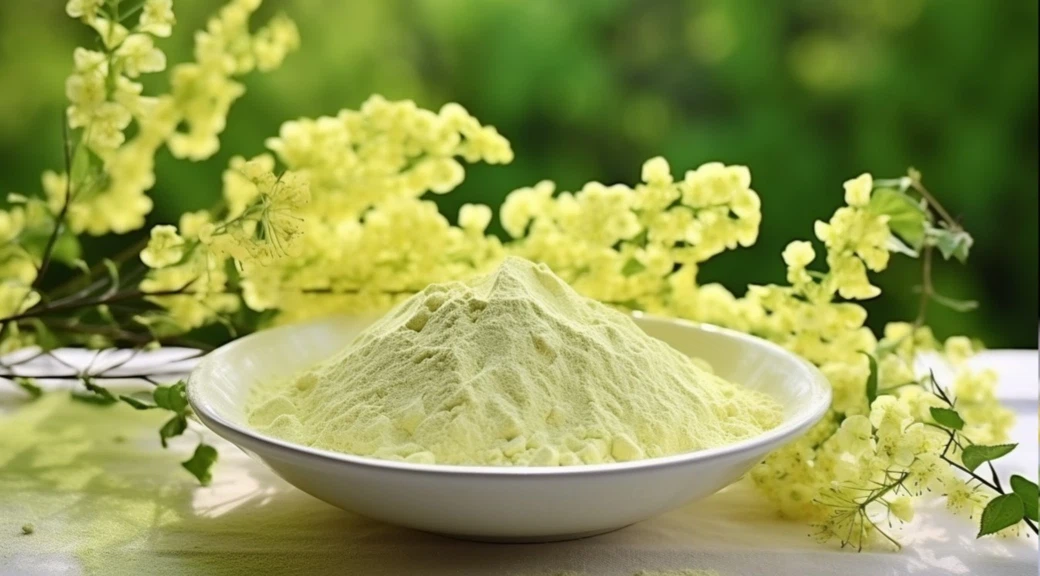
* Joywin's Guidance on Sourcing Quercetin Powder: The efficacy of your final product starts with the raw material. When sourcing quercetin powder, insist on:
- High Purity (Typically 95%-98%): Verified by HPLC testing.
- Heavy Metal Testing: Full panel analysis to ensure levels are below Prop 65 and other global safety thresholds.
- Residual Solvent Analysis: Confirming the extraction process is clean and safe.
- Full Transparency: A comprehensive Certificate of Analysis (CoA) from a reputable supplier like Joywin Natural, backed by cGMP, ISO9001, and FSSC22000 certifications, ensures you are building your brand on a foundation of quality and safety.
3.3 Advanced Formulation Tips
1.Enhance Absorption: Pair standard quercetin with a bioavailability enhancer like piperine (from black pepper extract) or use a pre-formulated bioavailable quercetin complex.
2.Create a Comprehensive Matrix: Consider a "immune support matrix" by adding:
* Vitamin C: Supports immune cell function and regenerates oxidized quercetin, amplifying its antioxidant effect.
* Vitamin D: A critical immune-modulator that works synergistically with zinc.
* Elderberry Extract: Provides additional flavonoid support.
3.Delivery Format: This combination is well-suited for capsules, tablets, and powdered drink mixes. Ensure stability testing is conducted for the chosen format.
Part 4: Addressing Key Questions (FAQ Section)
Q1: Is there strong clinical evidence for the quercetin-zinc combination?
A: While both ingredients have substantial individual clinical support, research on the specific combination is growing but still developing. The synergy is based on well-understood biochemical mechanisms (the ionophore effect). Several recent clinical trials have investigated the combination for seasonal immune support, with promising results. Manufacturers should base claims on the substantial body of evidence for each ingredient and the mechanistic plausibility of their synergy, always in compliance with FDA and FTC guidance on structure/function claims.
Q2: What is the optimal ratio of quercetin to zinc in a formula?
A: There is no single, universally defined "optimal" ratio. Effective formulas in the market and research often use a quercetin-to-zinc ratio ranging from approximately 15:1 to 30:1 by weight (e.g., 500 mg quercetin to 15-30 mg zinc). The key is to use clinically relevant doses of both ingredients within safe upper limits.
Q3: Are there any specific stability or compatibility issues when formulating with quercetin and zinc?
A: Quercetin is generally stable but can be sensitive to prolonged exposure to light and high humidity. Zinc compounds are typically stable. The main consideration is ensuring homogeneous mixing in the powder blend. Working with a supplier that provides consistent particle size and flow characteristics is crucial. Finished product stability studies (for shelf life, potency, and disintegration) are non-negotiable.
Q4: Why should a manufacturer source ingredients from Joywin Natural?
A: Joywin Natural is not just a trader; we are a certified manufacturer with deep technical expertise. For plant extracts like quercetin, we control the process from source material to finished powder. Our commitment to Integrity + Technology + Quality Control ensures you receive:
* Vertically Integrated Quality: Direct control over cultivation (where applicable), extraction, and purification.
* Unmatched Documentation: Full traceability and batch-specific CoAs that meet stringent international standards.
* Formulation Support: Technical expertise to help you select the right ingredient specification for your product vision.
Conclusion: Formulating the Future with Confidence
The answer to "Can I take quercetin and zinc together?" from a formulation standpoint is a resounding yes-this combination represents a rational, synergistic, and scientifically grounded approach to dietary supplement design.
For forward-thinking brands, this pairing offers a significant opportunity to develop products that meet the sophisticated demands of today's consumers, who seek effective, multi-targeted solutions backed by science.
The success of such a product hinges on two pillars: unwavering ingredient quality and intelligent formulation. By starting with premium, reliably sourced quercetin and zinc, and combining them with bioenhancers and complementary nutrients, manufacturers can create best-in-class supplements that deliver tangible value.
At Joywin , our expertise extends beyond supplying isolated ingredients. We understand the science of synergy because we invest in the research and technology that make it possible. From our world-leading inulin and bromelain production to our growing portfolio of high-potency plant extracts, we are committed to being your partner in creating the next generation of effective dietary supplements. Contact us today to discuss sourcing high-purity Quercetin powder and learn how our technical expertise can support your product development journey. If you want to know more about it or are interested in purchasing it, you can send an email to contact@joywinworld.com. We will reply to you as soon as possible after we see the message.