


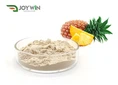


Are you looking for an answer to the question "Can I take Papaya Papain Enzyme with antibiotic?" If so, then you're in luck! In this blog post, we'll explore what papain is and how it interacts with antibiotics. We'll also discuss potential safety concerns if taking these two medications together. Taking both of these medicines at the same time can be beneficial in several ways but it's important to understand that they could come with a few associated risks as well. By understanding all of your options and talking to your doctor before making any decisions, you can ensure that any medication regimen will continue to provide maximum health benefits while minimizing side effects or adverse reactions.
What is papain and how does it interact with antibiotics
Papain is a natural enzyme derived from papaya, and has been utilized for centuries for its powerful digestive properties. Recently, scientists have uncovered another remarkable potential of papain - as an antibiotic enhancer. In studies, it was found that by combining papain and antibiotics, the effectiveness of the antibiotics was greatly increased. Papain works by breaking down proteins on the cell wall of bacteria, making it easier for the antibiotics to penetrate and destroy the bacteria. This discovery could prove to be invaluable in the fight against antibiotic-resistant bacteria, and offers a promising new approach to treating infections. With further research and development, the naturally-derived papain may just prove to be a key player in the world of medicine.
Side effects of taking papain with antibiotics
Papaya Papain Enzyme is a naturally occurring enzyme found in papayas and is used as a digestive aid. However, like any other supplement, there are potential side effects. When taken with antibiotics, papain can interfere with their effectiveness and reduce their ability to fight off infections. This phenomenon is known as antagonistic interaction, which is when one substance works against the other. Taking papain with antibiotics can also cause gastrointestinal problems like stomach cramps and diarrhea. Therefore, if you're on antibiotics, it's best to avoid taking papain supplements or to speak with your doctor before doing so. It's always essential to understand the potential side effects and interactions of any supplement before adding it to your routine.

Overview of different types of antibiotics and their interactions with papain
Antibiotics have revolutionized the field of medicine, offering an effective and quick solution to bacterial infections. However, not all antibiotics are equally effective against all types of bacteria, and some may even interact with other substances in the body. Papain, for instance, is a proteolytic enzyme found in papaya that has been shown to have antibacterial properties. While some studies suggest that certain antibiotics may enhance the activity of papain against bacteria, others caution that certain types of antibiotics may interfere with its enzymatic activity. Therefore, it is essential to carefully consider the type of antibiotic prescribed in conjunction with papain-based treatments to ensure optimal outcomes.
How to take papain safely when on antibiotics
Papain, a natural enzyme found in the latex of papaya, has been used for centuries for its beneficial properties. While taking antibiotics, it's possible to still take papain supplements safely by following a few guidelines. First, always consult with your healthcare provider before starting any new supplement, especially while on antibiotics. It's important to properly time when you take your antibiotics and papain supplements to ensure they don't interfere with each other's effectiveness. Additionally, make sure to purchase a high-quality, reputable brand of papain supplement and follow the recommended dosage. By taking these precautions, you can safely incorporate papain into your wellness routine while effectively treating your infection with antibiotics.
Essential tips to consider before taking papain while on antibiotics
Papaya Papain Enzyme is an enzyme that is extracted from papaya fruit and is popularly used as a dietary supplement, digestive aid, and as a natural remedy for inflammation. However, if you are currently taking antibiotics, there are some essential tips that you need to consider before incorporating papain into your daily routine. Firstly, it is important to consult your healthcare provider before taking any supplements, including papain. Additionally, you should be aware of the possible side effects, drug interactions and contraindications of papain when used in combination with antibiotics. It is also advisable to take papain after your antibiotic dosages, as taking them simultaneously may affect the absorption and efficacy of both medications. Following these tips will help you to enjoy the benefits of papain, while also supporting your overall health regimen.
Benefits of combining papain and antibiotic treatments for specific conditions
Recent research has suggested that combining papain and antibiotic treatments can have significant benefits for certain health conditions. Papain, a naturally occurring enzyme found in papaya fruit, has been shown to have anti-inflammatory and immune-boosting properties, which can aid in the healing process. When used in combination with antibiotics, papain can help increase the effectiveness of the medication, reducing the overall duration of treatment required. This combination treatment has been particularly effective in treating conditions such as skin infections, chronic wounds, and even sinusitis. By harnessing the power of papain alongside traditional antibiotic treatments, patients may be able to experience faster healing times and a more complete recovery.
In summary, papain can be safely taken with antibiotics when prescribed by a doctor and when taken as recommended. It has been found to interact with some types of antibiotics, particularly penicillin-based drugs and fluoroquinolones, and should be avoided if taking these medications. However, there are other classes of antibiotics that do not interact negatively with papain, such as tetracycline and macrolides, which provide potential benefits to the patient when used in combination. When taking both papain and an antibiotic together, it is important to closely follow the instructions provided by your doctor. Additionally, monitor for any side effects from either medication to ensure a safe course of treatment. Ultimately, understanding how papain interacts with different types of antibiotics can help you make an informed decision about whether this combined therapy is right for you.
JOYWIN founded in 2013 is an innovation-driven biotechnology company. We provide the manufacture of plant extracts, plant proteases, and customized products. If you want to know more about Papaya Papain Enzyme or are interested in purchasing it, you can send an email to contact@joywinworld.com. We will reply to you as soon as possible after we see the message.