

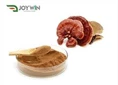
In the demanding world of dietary supplements, Chaga extract powder has emerged as a sought-after ingredient among formulation scientists and product developers. This unique fungal extract, derived from the conk mushroom Inonotus obliquus, possesses a complex biochemical profile that supports detoxification pathways and immune function through multiple mechanisms.
For industry professionals seeking ingredients with scientific substantiation and supply chain transparency, Chaga extract represents a promising opportunity to meet consumer demand for evidence-based botanical supplements with ancestral validation.
The Botanical Profile of Chaga Mushroom
Chaga ( Inonotus obliquus) is a sterile conk or canker that predominantly grows on birch trees in the cold climates of the Northern Hemisphere, particularly in regions between 45° and 50° north latitude . This unique fungus appears as a black, charred-looking mass against the white bark of birch trees, with an interior that reveals a rusty brown, cork-like tissue.
Unlike many medicinal mushrooms that produce visible fruiting bodies, Chaga is a sclerotium-a mass of compacted mycelium that contains its stored nutrients. The growth cycle of Chaga spans 10-15 years, yet it achieves a surprisingly low yield, with only one mushroom typically found per every 20,000 birch trees , contributing to its status as a scarce and valuable natural resource.
The historical applications of Chaga span diverse cultures and geographies. Russian folk medicine records its use as early as the 16th century for addressing various health concerns , while traditional Siberian healers valued it for supporting overall vitality. Notably, during the 1950s, Chaga gained recognition at the Moscow Medical Academy for its potential health applications , marking an important transition from traditional use to scientific investigation.
Bioactive Components in Chaga Extract Powder
The substantial health interest in Chaga extract stems from its remarkably diverse composition of bioactive compounds, which work synergistically to produce its beneficial effects. Understanding these components is crucial for B2B decision-makers evaluating ingredient specifications and standardization parameters.
* Polysaccharides (25%-60%): These complex carbohydrate molecules, particularly beta-(1,3)-(1,6)-D-glucans, serve as primary bioactive components in Chaga extract. These polysaccharides demonstrate exceptional water solubility, reaching concentrations as high as 55.6 mg/g in quality extracts , which enhances their bioavailability in the human body. The polysaccharide profile varies significantly based on extraction methodology, with low-temperature water extraction optimally preserving these delicate macromolecules.
* Triterpenoids: Chaga contains an impressive array of triterpenoid compounds, primarily in the form of lanostane-type triterpenoids such as inotodiol, trametenolic acid, and various derivatives of lanosterol . These compounds, which bear structural similarities to the triterpenes found in reishi mushroom ( Ganoderma lucidum), contribute to Chaga's adaptogenic properties. The concentration of triterpenoids depends heavily on the extraction method, with hydroalcoholic solutions typically yielding higher concentrations than pure water extraction.
* Polyphenols: Chaga contains a rich diversity of phenolic compounds that contribute significantly to its antioxidant capacity. These include melanin complexes-which give Chaga its characteristic dark coloration-along with flavonoids and other phenolic acids such as vanillic acid, syringic acid, and γ-hydroxybenzoic acid . The concentration of these polyphenolic compounds varies between extraction methods, with some standardized extracts specifically guaranteeing a minimum 10% polyphenol content .
* Enzymes and Sterols: Beyond its primary active components, Chaga contains notable levels of superoxide dismutase (SOD), with research indicating its SOD content may be up to 55 times higher than that of reishi mushroom . Additionally, Chaga provides various sterols including ergosterol (a precursor to vitamin D2) and its peroxide derivatives, along with a spectrum of essential minerals absorbed from its birch host tree.

Mechanism of Action: How Chaga Extract Supports Detoxification
The detoxification properties of Chaga extract operate through several interconnected physiological pathways, each supported by scientific investigation into its mechanism of action.
● Cellular Protection Against Oxidative Stress
A foundational study published in BioFactors demonstrated that Chaga mushroom extract provides over 40% reduction in DNA fragmentation in human lymphocytes when challenged with hydrogen peroxide-induced oxidative stress . This cellular protection stems from Chaga's diverse array of antioxidant compounds, which work at different cellular levels to neutralize free radicals and reduce oxidative damage to lipids, proteins, and DNA.
The exceptional oxygen radical absorbance capacity (ORAC) values observed in Chaga extracts correlate with their high polyphenol content, particularly the melanin complexes that give Chaga its characteristic dark pigmentation. These compounds work synergistically with endogenous antioxidant systems in the body, including glutathione peroxidase and catalase, to maintain redox homeostasis under conditions of oxidative challenge.
● Hepatic Detoxification Support
Emerging research indicates that Chaga extract powder modulates phase I and phase II detoxification pathways in the liver, potentially optimizing the body's ability to neutralize and eliminate xenobiotics. The triterpenoid components, particularly trametenolic acid, appear to support hepatic function by modulating the activity of cytochrome P450 enzymes while simultaneously enhancing conjugation reactions that facilitate toxin excretion.
This hepatic support mechanism may explain the traditional use of Chaga in supporting overall vitality, as efficient detoxification pathways are fundamental to cellular health and systemic functioning. The polysaccharide fractions additionally provide hepatoprotective benefits, as demonstrated in various models of liver stress.
Immune-Mediated Clearance
The beta-glucans in Chaga extract interact with immune cells throughout the body, including macrophages and dendritic cells, enhancing their capacity to identify and eliminate cellular debris and potential toxins . This immune-mediated clearance represents an important dimension of the body's detoxification capacity, extending beyond the hepatic focus of most detox formulations.
Research published in 2022 demonstrated that Chaga polysaccharides exert a bidirectional regulatory effect on macrophage polarization, potentially enhancing immune vigilance while modulating excessive inflammatory responses . This immunomodulatory activity supports the body's natural surveillance and clearance mechanisms without provoking the undesirable inflammatory cascades associated with many immune-stimulating ingredients.
Scientific Evidence: Clinical and Preclinical Studies
The traditional use of Chaga finds support in a growing body of scientific research investigating its physiological effects. While human clinical trials remain limited, numerous cell culture and animal studies provide mechanistic insights into Chaga's potential health applications.
* Oxidative Stress Protection: The 2004 study in BioFactors represented a landmark investigation into Chaga's cellular protective properties . Researchers exposed human lymphocytes to hydrogen peroxide, a potent inducer of oxidative DNA damage, then assessed DNA fragmentation using the comet assay. The group pretreated with Chaga mushroom extract showed over 40% reduction in DNA fragmentation compared to the positive control, demonstrating significant cellular protection against oxidative insult . This research provides a scientific basis for Chaga's traditional use as a protective botanical and its inclusion in antioxidant formulations.
* Immune Modulation: A 2022 study investigated the effects of Chaga polysaccharides on macrophage polarization, revealing a sophisticated bidirectional regulatory function . Researchers found that Chaga polysaccharides enhanced inflammatory markers including NO, TNF-α, and IL-1β in resting macrophages , suggesting immune activation potential under basal conditions. Conversely, in lipopolysaccharide-stimulated macrophages (modeling an excessive immune activation state), the same polysaccharides significantly reduced these pro-inflammatory mediators while increasing M2 macrophage markers associated with resolution and repair .
* Additional Mechanistic Research: While this article focuses primarily on detoxification, the scientific literature contains numerous additional studies exploring other aspects of Chaga's biological activity. It is important to note that while preliminary research is promising, comprehensive human trials remain needed to fully validate these potential benefits.
Quality Considerations for Chaga Extract Powder
The biochemical complexity of Chaga presents both opportunities and challenges for supplement manufacturers. Several critical factors determine the efficacy, safety, and ultimate performance of Chaga extract in finished products.
● Raw Material Sourcing and Authenticity
The geographical origin and host tree specificity significantly influence Chaga's phytochemical profile. Wild-harvested Chaga from birch trees in cold-region forests typically demonstrates higher triterpenoid content compared to cultivated varieties or samples from warmer climates. The practice of sustainable harvesting-leaving the core mycelium intact to permit regrowth-has gained importance as demand increases for this slow-growing fungal resource.
● Extraction Methodology and Standardization
The extraction process profoundly impacts the bioactive profile of the final Chaga extract. Water extraction at controlled temperatures optimally preserves the polysaccharide fractions, while hydroalcoholic extraction more efficiently captures triterpenoids. Advanced extraction technologies including ultrasonic-assisted extraction and supercritical CO₂ extraction offer improved efficiency and selectivity for specific compound classes.
Standardization represents a critical quality parameter for B2B transactions. Commercial Chaga extracts vary significantly in their standardization claims, with common specifications including:
* Polysaccharide content (typically 20%-50% for extract powders)
* Polyphenol content (often 10% or higher for specialized extracts)
* Beta-glucan content (sometimes specified separately from total polysaccharides)
* Triterpenoid content (less commonly standardized but important for certain applications)
● Analytical Documentation and Verification
Comprehensive analytical documentation should accompany each batch of Chaga extract powder, including:
* Certificate of Analysis (COA) verifying identity, potency, and standardization claims
* Heavy metal testing results, particularly for wild-harvested materials
* Microbiological testing confirming absence of pathogens
* Pesticide residue analysis meeting regulatory limits
* Solvent residue documentation where applicable
Third-party verification of these analytical claims provides an additional layer of quality assurance for discerning manufacturers. The implementation of current Good Manufacturing Practices (cGMP) throughout the production process, from raw material collection through extraction and packaging, represents an essential foundation for quality assurance.
Applications in Product Formulation
Chaga extract powder's diverse health applications and favorable sensory profile enable incorporation across multiple product categories:
● Dietary Supplements
* Capsules and Tablets: Chaga extract can be direct-filled into capsules or compressed into tablets, often combined with complementary ingredients like other medicinal mushrooms or antioxidant blends.
* Powdered Formulations: The slightly bitter, earthy flavor profile of Chaga makes it suitable for inclusion in functional powder mixes, particularly when balanced with complementary flavors like cocoa, cinnamon, or berry extracts.
● Functional Foods and Beverages
* Instant Mixes and Health Drinks: The traditional preparation of Chaga as a tea facilitates its incorporation into modern instant beverage formats and functional drink mixes.
* Functional Food Applications: Chaga extract can be incorporated into various food products, including nutrition bars, functional confectionery, and savory snacks, though its distinctive flavor and color require careful formulation consideration.
● Cosmeceutical Applications
The antioxidant and skin-supporting properties of Chaga have prompted its inclusion in various cosmetic and cosmeceutical formulations, including:
* Anti-aging serums and creams leveraging its antioxidant protection
* Cleansing and detoxifying masks utilizing its polyphenol content
* After-sun products capitalizing on its soothing properties
Regulatory and Sustainability Considerations
The regulatory status of Chaga varies across markets, requiring careful attention from brands expanding into international distribution:
* United States: Chaga extract powder qualifies as a dietary ingredient under DSHEA, though specific structure-function claims require substantiation. All claims must be truthful, not misleading, and adequately substantiated.
* European Union: Chaga falls under novel food regulations in some EU member states, requiring appropriate authorization before market entry. The EFSA has not yet issued authorized health claims specific to Chaga.
* Other Markets: Regulatory frameworks in Asia, Australia, and Canada each present distinct requirements for Chaga-containing supplements, often requiring pre-market notification or approval.
● Sustainability and Ethical Sourcing
The growing popularity of Chaga has raised legitimate concerns about overharvesting and ecological impact . Responsible sourcing practices include:
* Sustainable wildcrafting protocols that preserve the mycelium for regeneration
* Cultivation initiatives to reduce pressure on wild populations
* Transparent supply chains that verify legal and sustainable harvesting
* Organic certification where applicable to ensure purity
Industry leaders increasingly recognize that long-term commercial viability depends on implementing and verifying sustainable sourcing practices that protect both the botanical resource and the ecosystem it inhabits.
Joywin Natural: Your Trusted Partner for Chaga Extract Powder
At Joywin Natural, we recognize that ingredient quality forms the foundation of product efficacy and brand reputation. Our approach to Chaga extract integrates scientific rigor with supply chain excellence to deliver a superior ingredient solution for discerning supplement brands. If you want to know more about Chaga Extract Powder or are interested in purchasing it, you can send an email to contact@joywinworld.com. We will reply to you as soon as possible after we see the message.