

The journey to conception is one of the most profound - and sometimes most challenging - experiences a person can face. For the millions of couples worldwide navigating fertility challenges, the search for safe, evidence-based natural support has never been more urgent or more personal.
Among the growing arsenal of fertility-supportive nutrients, coenzyme Q10 powder has emerged as one of the most scientifically credible, clinically studied, and widely recommended ingredients in the preconception and reproductive health space. Fertility clinics, reproductive endocrinologists, and naturopathic practitioners are increasingly recommending CoQ10 to patients - not as a miracle cure, but as a well-supported nutritional strategy that addresses some of the most fundamental biological barriers to conception.
So what exactly is the connection between coenzyme Q10 and fertility? How does it work at the cellular level? What does the clinical research actually show for both men and women? And how should supplement brands formulate and position CoQ10 powder for the rapidly growing fertility supplement market?
This comprehensive, evidence-based guide answers all of these questions - and more. Let's start with the biology.
1. The Biological Foundation: Why CoQ10 Matters for Reproduction
1.1 What Is Coenzyme Q10 ?
Coenzyme Q10 (CoQ10, ubiquinone) is a fat-soluble, vitamin-like compound found in virtually every cell of the human body. It plays two indispensable biological roles:
* Mitochondrial energy production: CoQ10 is an essential component of the electron transport chain - the cellular machinery that converts nutrients into ATP (adenosine triphosphate), the body's primary energy currency
* Antioxidant defense: CoQ10 is one of the body's most important endogenous antioxidants, protecting cell membranes, mitochondrial DNA, and lipoproteins from oxidative damage
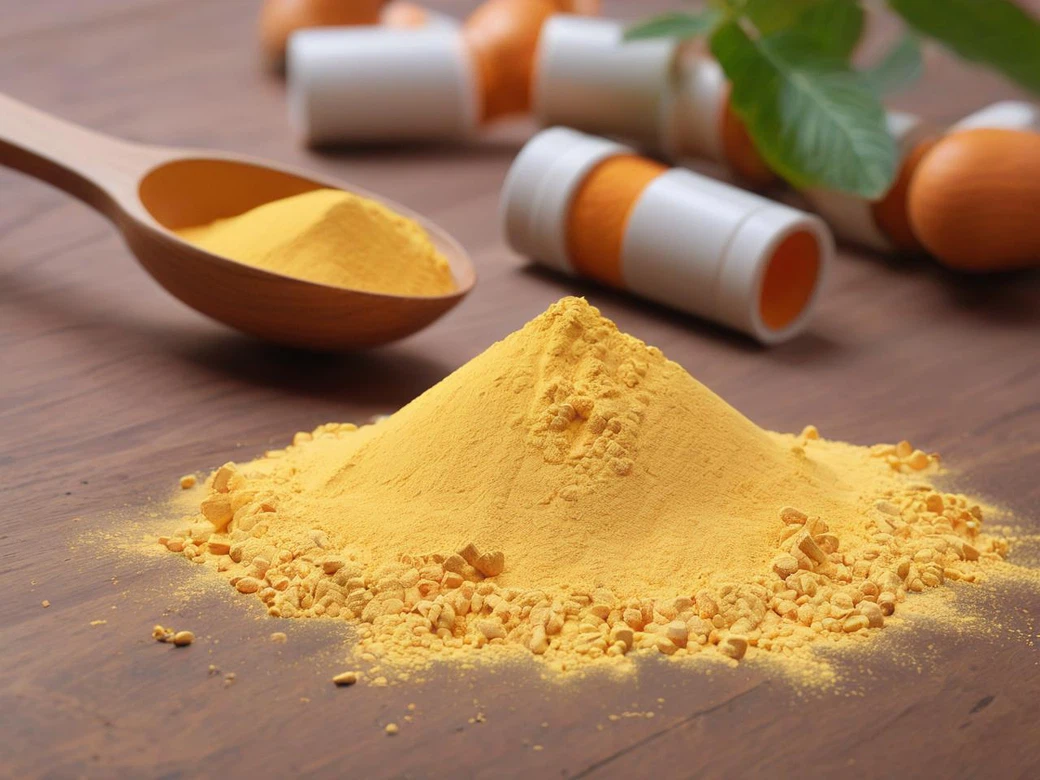
Coenzyme Q10 powder - the concentrated, standardized supplement form - delivers these benefits in a stable, bioavailable format suitable for capsules, tablets, softgels, and functional food applications.
1.2 The Age-Related Decline Problem
Here is the fundamental challenge that makes CoQ10 supplementation so relevant to fertility: the body's natural CoQ10 production peaks in the mid-20s and declines progressively with age. By the time many people are actively trying to conceive - often in their 30s and 40s - their CoQ10 levels may be significantly below the levels needed for optimal reproductive function. (Utah Fertility Center)
This age-related CoQ10 decline is particularly problematic for reproduction because:
* Eggs (oocytes) are among the most mitochondria-rich cells in the human body - each mature egg contains approximately 100,000–200,000 mitochondria, far more than any other cell type
* Sperm cells are extraordinarily energy-dependent - sperm motility (the ability to swim toward an egg) is entirely powered by mitochondrial ATP production
* Both egg and sperm are highly vulnerable to oxidative damage - which accumulates with age and CoQ10 decline
The result: as CoQ10 levels fall with age, both egg quality and sperm quality tend to decline - contributing to the well-documented age-related decrease in fertility. Supplementing with coenzyme Q10 powder is a direct, logical strategy to address this fundamental biological challenge. (Aspire Fertility)
1.3 The Mitochondria-Fertility Connection
To understand why CoQ10 is so central to fertility, it's essential to understand the mitochondria-fertility connection - one of the most important and rapidly evolving areas of reproductive medicine.
Mitochondria are the cellular powerhouses that produce ATP. In reproductive biology:
For eggs:
* Mitochondrial function determines whether an egg has sufficient energy to complete meiosis (cell division), be fertilized, and support early embryo development
* Poor mitochondrial function → insufficient ATP → chromosomal errors during cell division → aneuploidy (abnormal chromosome number) → failed fertilization, failed implantation, or miscarriage
* CoQ10 is the critical electron carrier that enables mitochondrial ATP production - without adequate CoQ10, mitochondria cannot function optimally
For sperm:
* Sperm motility is entirely powered by mitochondrial ATP - sperm with poor mitochondrial function simply cannot swim effectively
* Oxidative damage to sperm mitochondria and DNA is a leading cause of male factor infertility
* CoQ10's dual role as mitochondrial fuel and antioxidant directly addresses both energy and oxidative stress dimensions of sperm quality (PMC, CoQ10 and Male Infertility Systematic Review)
2. CoQ10 and Female Fertility: The Egg Quality Revolution
2.1 The Egg Quality Crisis
Egg quality - not egg quantity - is now recognized as the primary determinant of female fertility, particularly in women over 35. Poor egg quality leads to:
* Failed fertilization
* Poor embryo development
* Failed implantation
* Early miscarriage
* IVF cycle failure
And the primary driver of poor egg quality? Mitochondrial dysfunction and oxidative stress - precisely the two biological problems that coenzyme Q10 powder is designed to address. (Utah Fertility Center)
2.2 The Landmark Animal Research: Proof of Concept
The scientific foundation for CoQ10's role in female fertility was dramatically strengthened by a landmark study from the University of Toronto, published in Aging Cell. Researchers supplemented aging female mice - whose egg quality had declined significantly with age - with CoQ10 and observed remarkable results:
* Reversal of age-related egg quality decline - CoQ10-supplemented older mice produced eggs comparable in quality to young mice
* Improved fertilization rates - CoQ10-treated eggs fertilized more successfully
* Reduced aneuploidy - chromosomal errors (the primary cause of miscarriage and IVF failure) were significantly reduced
* Restored mitochondrial function - CoQ10 supplementation directly improved mitochondrial energy production in aging eggs
The researchers concluded that CoQ10 supplementation can reverse the age-related decline in oocyte quality - a finding that sent ripples through the reproductive medicine community and catalyzed significant interest in CoQ10 as a preconception supplement for older women. (Aspire Fertility, citing Aging Cell research)
2.3 Human Clinical Evidence: IVF and Assisted Reproduction
The animal research findings have been followed by a growing body of human clinical evidence, particularly in the context of IVF (in vitro fertilization) - where egg quality can be directly measured and outcomes precisely tracked.
Key clinical findings:
Improved ovarian response: A randomized controlled trial published in the Journal of Urology and cited by the Utah Fertility Center found that women undergoing IVF who supplemented with CoQ10 prior to their cycle demonstrated significantly improved ovarian response - producing more mature, high-quality eggs than the control group. (Utah Fertility Center)
Better embryo quality: Multiple IVF studies have demonstrated that CoQ10 supplementation is associated with higher-quality embryos - embryos that develop more normally, reach the blastocyst stage more reliably, and have better implantation potential.
Reduced aneuploidy rates: Perhaps most significantly, CoQ10 supplementation has been associated with reduced rates of chromosomal abnormalities in eggs and embryos - addressing one of the most common and devastating causes of IVF failure and miscarriage, particularly in women over 35.
Improved pregnancy rates: Some clinical studies have reported improved clinical pregnancy rates in CoQ10-supplemented IVF patients compared to controls - though larger randomized trials are needed to fully establish this outcome. (Aspire Fertility)
2.4 Diminished Ovarian Reserve (DOR)
One of the most challenging fertility diagnoses is diminished ovarian reserve (DOR) - a condition where a woman has fewer remaining eggs than expected for her age, often accompanied by poor egg quality. CoQ10 supplementation has shown particular promise for women with DOR:
* Improved mitochondrial function in remaining eggs may partially compensate for reduced egg numbers
* Enhanced antioxidant protection may slow further oxidative damage to the ovarian reserve
* Some fertility specialists now routinely recommend CoQ10 as part of the preconception protocol for DOR patients, particularly those preparing for IVF (Utah Fertility Center)
2.5 Polycystic Ovary Syndrome (PCOS) and CoQ10
PCOS - the most common hormonal disorder in women of reproductive age, affecting approximately 10–15% of women globally - is a leading cause of female infertility. Emerging research suggests CoQ10 may offer specific benefits for women with PCOS:
* Insulin sensitivity improvement: PCOS is strongly associated with insulin resistance; CoQ10 has demonstrated insulin-sensitizing effects in clinical studies
* Reduction of oxidative stress: Women with PCOS have elevated oxidative stress markers; CoQ10's antioxidant activity directly addresses this
* Hormonal modulation: Some research suggests CoQ10 may help normalize androgen levels in PCOS - reducing testosterone excess that disrupts ovulation
* Improved ovulation rates: By addressing the metabolic and oxidative drivers of PCOS, CoQ10 may support more regular ovulation (Aspire Fertility) (Utah Fertility Center)
3. CoQ10 and Male Fertility: Transforming Sperm Quality
3.1 The Male Factor Infertility Problem
Male factor infertility contributes to approximately 40–50% of all infertility cases - a statistic that is frequently underappreciated in the fertility supplement market, which has historically focused predominantly on women. For supplement brands, this represents a significant and underserved opportunity.
The three primary parameters of sperm quality are:
* Motility - the ability of sperm to swim effectively toward an egg
* Morphology - the normal shape and structure of sperm
* Count - the total number of sperm per ejaculate
All three parameters are significantly influenced by mitochondrial function and oxidative stress - the two biological domains where coenzyme Q10 powder has its most powerful effects. (PMC, CoQ10 Male Infertility Systematic Review)
3.2 The Systematic Review Evidence: Comprehensive and Consistent
A comprehensive systematic review published in PMC (NCBI) - one of the most authoritative analyses of CoQ10 and male infertility - examined all available studies on CoQ10 supplementation and semen parameters. The findings were remarkably consistent:
"All studies report a beneficial effect of CoQ10 supplementation on semen parameters." (PMC, CoQ10 and Male Infertility Systematic Review)
This is an unusually strong statement in the context of nutritional supplement research, where findings are often mixed. The consistency across multiple independent studies using different populations, different CoQ10 doses, and different study designs lends significant credibility to CoQ10's role in male fertility support.
3.3 The 2025 PubMed Meta-Analysis: Definitive Evidence
A landmark meta-analysis published on PubMed in 2025 - one of the most rigorous and up-to-date analyses of CoQ10 and male fertility - synthesized data from multiple randomized controlled trials and reached the following conclusions:
"CoQ10 supplementation increases total sperm count, total and progressive sperm motility, and the proportion of normally formed sperm." (PubMed, 2025)
This meta-analysis is particularly significant because:
* It is based on randomized controlled trials - the gold standard of clinical evidence
* It demonstrates improvements across all three key sperm parameters simultaneously
* It was published in 2025, reflecting the most current available evidence
* The effect sizes were clinically meaningful - not just statistically significant
3.4 Mechanisms: How CoQ10 Powder Improves Sperm Quality
The mechanisms by which coenzyme Q10 powder improves sperm quality are well-characterized:
Mitochondrial energy for motility: Sperm motility is powered entirely by mitochondrial ATP production. The mitochondria in sperm are concentrated in the midpiece - the engine room of the sperm cell. CoQ10 is the essential electron carrier in the mitochondrial electron transport chain. Higher CoQ10 levels → more efficient ATP production → more vigorous, sustained sperm motility.
Antioxidant protection of sperm DNA: The male reproductive tract is a high-oxidative-stress environment. Reactive oxygen species (ROS) attack sperm membranes, mitochondrial DNA, and nuclear DNA - causing fragmentation and structural damage that impairs fertilization and embryo development. CoQ10's potent antioxidant activity neutralizes ROS before they can damage sperm components.
Protection of sperm morphology: Oxidative damage to sperm during development in the testes and epididymis contributes to abnormal sperm shapes (poor morphology). CoQ10's antioxidant protection during sperm maturation helps preserve normal morphological development.
Seminal plasma CoQ10 levels: Research has demonstrated that CoQ10 concentrations in seminal plasma directly correlate with sperm motility and count - men with higher seminal CoQ10 levels consistently demonstrate better sperm parameters. Oral CoQ10 supplementation increases seminal plasma CoQ10 levels, directly supporting sperm quality. (PubMed, 2025)
3.5 Sperm DNA Fragmentation: A Critical Fertility Parameter
Sperm DNA fragmentation - damage to the genetic material carried by sperm - is increasingly recognized as a critical fertility parameter that standard semen analysis often misses. High DNA fragmentation rates are associated with:
* Failed fertilization
* Poor embryo development
* Increased miscarriage risk
* IVF and ICSI failure
CoQ10's antioxidant protection of sperm DNA has been shown to reduce DNA fragmentation indices - a particularly important benefit for couples with recurrent pregnancy loss or repeated IVF failure. (Aspire Fertility)
4. CoQ10 for Both Partners: The Couples' Fertility Protocol
One of the most compelling aspects of coenzyme Q10 powder in the fertility context is that it is equally relevant for both partners - making it the rare supplement ingredient that can anchor a "couples' fertility" product concept.
The Synergistic Case for Both Partners Taking CoQ10
|
Parameter |
Female Benefits |
Male Benefits |
|
Mitochondrial energy |
Egg ATP production for meiosis |
Sperm motility power |
|
Antioxidant protection |
Egg membrane and DNA protection |
Sperm DNA integrity |
|
Age-related decline |
Reversal of oocyte aging effects |
Sperm quality preservation |
|
IVF outcomes |
Improved ovarian response, embryo quality |
Better fertilization rates |
|
Oxidative stress |
Reduced follicular fluid oxidative damage |
Reduced seminal ROS |
|
Hormonal support |
PCOS insulin sensitivity |
Testosterone pathway support |
When both partners supplement with CoQ10 in the preconception period, the combined effect addresses fertility challenges from both sides simultaneously - maximizing the probability of successful conception.
Recommended Preconception Timeline
Based on the biology of egg and sperm development, the optimal timing for CoQ10 supplementation is:
* For women: Begin supplementation 3–6 months before attempting conception or IVF cycle start. Egg maturation (folliculogenesis) takes approximately 90 days - CoQ10 needs to be present during this entire maturation process to exert its protective effects on mitochondrial function.
* For men: Begin supplementation 3 months before attempting conception. Sperm production (spermatogenesis) takes approximately 74 days - CoQ10 supplementation needs to cover at least one complete spermatogenesis cycle to meaningfully improve sperm parameters. (Aspire Fertility) (Utah Fertility Center)
5. CoQ10 Dosage for Fertility: What the Research Recommends
Evidence-Based Dosage Ranges
|
Application |
Recommended Daily Dose |
Evidence Source |
|
Female fertility / egg quality |
200–600 mg |
Clinical trials, fertility specialist consensus |
|
IVF preparation (women) |
400–600 mg |
IVF clinical studies |
|
Diminished ovarian reserve |
600 mg |
Specialist protocols |
|
Male fertility / sperm quality |
200–300 mg |
Systematic review, RCT data |
|
General preconception wellness |
100–200 mg |
General supplement guidance |
|
PCOS support |
200–400 mg |
Emerging clinical evidence |
Important dosage considerations:
* Fat co-administration is essential: CoQ10 is fat-soluble and must be taken with a fat-containing meal for optimal absorption. Formulations that include lipid carriers (MCT oil, phospholipids) significantly improve bioavailability. (PubMed)
* Formulation quality matters: As discussed in our CoQ10 vs. Ubiquinol guide, enhanced delivery systems (softgels with oil suspension, microencapsulated powder, liposomal CoQ10) dramatically improve the bioavailability of coenzyme Q10 - potentially doubling or tripling plasma CoQ10 levels compared to standard powder capsules.
* Consistency is key: CoQ10 is not a "take it once and see results" supplement. Consistent daily supplementation over 3–6 months is required to meaningfully improve egg and sperm quality. (PMC Systematic Review)
Ubiquinone vs. Ubiquinol for Fertility
Both forms of CoQ10 have been used in fertility research:
* Ubiquinone (standard coenzyme Q10 ): Used in the majority of fertility clinical trials; well-established efficacy; cost-effective for the higher doses required in fertility protocols
* Ubiquinol (reduced form): May offer absorption advantages in women over 40 and men with significantly compromised sperm quality; premium positioning
For most fertility applications - particularly in women and men under 40 - coenzyme Q10 (ubiquinone) in an enhanced delivery formulation provides excellent efficacy at a cost that supports the consistent, high-dose, long-term supplementation that fertility protocols require. (Utah Fertility Center)
6. CoQ10 and Pregnancy: Beyond Conception
CoQ10's relevance doesn't end at conception. Emerging research suggests important roles during early pregnancy:
6.1 Preeclampsia Prevention
Preeclampsia - a dangerous pregnancy complication characterized by high blood pressure and organ damage - affects approximately 5–8% of pregnancies globally and is a leading cause of maternal and fetal mortality. Oxidative stress and endothelial dysfunction are central to its pathophysiology.
A randomized controlled trial published in the American Journal of Obstetrics and Gynecology found that CoQ10 supplementation during pregnancy significantly reduced the risk of preeclampsia in high-risk women - a finding with profound clinical implications. (Aspire Fertility)
6.2 Embryo Energy Support
The first few days after fertilization - when the embryo is dividing rapidly and traveling toward the uterus for implantation - are entirely dependent on maternal mitochondrial energy reserves in the egg. CoQ10 supplementation before conception helps ensure these energy reserves are maximized, supporting the critical early stages of embryo development. (PMC)
6.3 Miscarriage Risk Reduction
Given CoQ10's role in reducing chromosomal abnormalities (aneuploidy) in eggs - the primary cause of early miscarriage - preconception CoQ10 supplementation may contribute to reduced miscarriage risk, particularly in women over 35 where aneuploidy rates are highest. While direct clinical evidence for this specific outcome is still emerging, the mechanistic rationale is compelling. (Utah Fertility Center)
7. The Fertility Supplement Market: CoQ10 Powder's Strategic Position
7.1 Market Context and Opportunity
The global fertility supplement market is experiencing exceptional growth, driven by:
* Rising average age of first-time parents (delaying conception increases CoQ10 relevance)
* Growing awareness of male factor infertility as an equal contributor to conception challenges
* Increasing IVF utilization globally - and the associated demand for evidence-based preconception support
* Expanding consumer comfort with science-backed nutritional supplementation for reproductive health
* Post-pandemic focus on holistic health and proactive wellness planning
For supplement brands, coenzyme Q10 powder is uniquely positioned as a fertility ingredient because it has:
✅ Strong clinical evidence base (systematic reviews, RCTs, meta-analyses)
✅ Endorsement from fertility specialists and reproductive endocrinologists
✅ Relevance for both male and female fertility
✅ Application across multiple fertility challenges (age-related decline, PCOS, DOR, male factor)
✅ Safety profile suitable for preconception use
✅ Consumer recognition and growing brand awareness
7.2 High-Opportunity Product Concepts
|
Product Concept |
Target Consumer |
Key Co-Ingredients |
|
Female Fertility Daily Capsules |
Women TTC, IVF preparation |
CoQ10, Folate, Vitamin D3, Inositol |
|
Male Fertility Support Formula |
Men TTC, sperm quality focus |
CoQ10, Zinc, Selenium, L-carnitine, Lycopene |
|
Couples' Preconception Bundle |
Both partners TTC |
His & Hers CoQ10-based formulas |
|
IVF Preparation Protocol |
Women undergoing IVF |
CoQ10 (high dose), DHEA, Vitamin E, Omega-3 |
|
PCOS Fertility Blend |
Women with PCOS |
CoQ10, Inositol, Chromium, Berberine |
|
Advanced Age Fertility (35+) |
Women 35+ TTC |
CoQ10 (600mg), NAC, Resveratrol, Folate |
|
Sperm DNA Integrity Formula |
Men with high DNA fragmentation |
CoQ10, Vitamin C, Vitamin E, Zinc, Selenium |
|
Preconception Wellness Gummies |
General preconception market |
CoQ10, Folate, Vitamin D, Omega-3 |
7.3 Synergistic Ingredient Pairings for Fertility Formulations
CoQ10's fertility benefits are amplified by several well-researched co-ingredients:
For female fertility:
* Folate/Methylfolate - essential for DNA synthesis and neural tube development
* Vitamin D3 - critical for hormonal balance, implantation, and immune tolerance of pregnancy
* Inositol (Myo + D-Chiro) - particularly for PCOS; improves insulin sensitivity and ovulation
* N-Acetyl Cysteine (NAC) - antioxidant precursor to glutathione; complements CoQ10's oxidative protection
* Resveratrol - activates SIRT1 pathway; synergistic with CoQ10 for mitochondrial biogenesis
* DHEA - adrenal hormone precursor; used in DOR protocols alongside CoQ10
For male fertility:
* Zinc - essential for testosterone synthesis and sperm development
* Selenium - critical for sperm tail structure and antioxidant defense
* L-carnitine - transports fatty acids into mitochondria; synergistic with CoQ10 for sperm energy
* Lycopene - potent antioxidant with specific affinity for testicular tissue
* Vitamin C and E - classic antioxidant combination for sperm DNA protection
* Ashwagandha - adaptogen with clinical evidence for improving sperm quality and testosterone
8. Sourcing Premium Coenzyme Q10 Powder for Fertility Formulations
For supplement brands developing fertility products, the quality of coenzyme Q10 is paramount - both for product efficacy and regulatory compliance.
Quality Specifications for Fertility-Grade CoQ10 Powder
Purity: Pharmaceutical-grade coenzyme Q10 should be ≥98% pure ubiquinone (HPLC verified) for fertility applications - the highest purity grade ensures maximum potency and minimal impurities.
Particle size: Micronized CoQ10 (average particle size <10 μm) significantly improves dissolution and absorption - critical for achieving the plasma CoQ10 levels needed for fertility benefits.
Crystal form: CoQ10 exists in multiple crystal polymorphs; Form II crystals have demonstrated superior bioavailability compared to Form I - specify crystal form with your supplier.
Batch consistency: Fertility protocols require consistent daily dosing over 3–6 months - batch-to-batch CoQ10 content consistency is essential.
Essential Certifications for Fertility Product Ingredients
|
Certification |
Significance for Fertility Products |
|
cGMP (FDA-aligned) |
Manufacturing quality assurance |
|
ISO 9001 / ISO 22000 |
Quality and food safety management |
|
USP/EP Grade |
Pharmaceutical purity standard |
|
Kosher & Halal |
Broad consumer accessibility |
|
Non-GMO Verified |
Clean-label consumer preference |
|
Heavy metals testing |
Safety for preconception use |
|
Residual solvent testing |
Safety for preconception use |
Why Preconception Safety Standards Matter
Fertility supplements are taken by individuals who are actively trying to conceive - meaning any contaminants (heavy metals, pesticides, microbial pathogens) could potentially affect not just the supplement user but also a developing embryo or fetus. This makes third-party testing and supply chain transparency even more critical for CoQ10 powder sourced for fertility applications than for general wellness products. (Aspire Fertility)
9. Safety Profile of CoQ10 Powder for Fertility Use
General Safety
Coenzyme Q10 has an excellent safety profile supported by decades of clinical use across multiple populations. It is well-tolerated at doses up to 1,200 mg/day in clinical trials, with only mild gastrointestinal effects at higher doses. (PMC Systematic Review)
For fertility applications specifically:
* Preconception use: CoQ10 is considered safe for use while trying to conceive
* Early pregnancy: Some fertility specialists continue CoQ10 through the first trimester; however, formal safety data for pregnancy use is limited - consult healthcare provider
* No teratogenicity reported: No evidence of harm to developing embryos in animal studies at therapeutic doses
Important Precautions
* Warfarin interaction: CoQ10 may reduce warfarin's anticoagulant effect - medical supervision required
* Blood pressure medications: Additive blood pressure-lowering effects possible
Chemotherapy: Consult oncologist if undergoing cancer treatment
* Thyroid medications: Some interactions reported - monitor thyroid function (PubMed)
10. Frequently Asked Questions: CoQ10 and Fertility
Q: How much CoQ10 should I take to improve egg quality? Most fertility specialists recommend 400–600 mg daily for women seeking to improve egg quality, particularly those over 35 or preparing for IVF. Begin supplementation at least 3 months before your target conception date or IVF cycle start. (Utah Fertility Center)
Q: Can CoQ10 help me get pregnant faster? CoQ10 does not directly accelerate conception, but by improving egg quality, sperm quality, and mitochondrial function - the biological foundations of successful fertilization and embryo development - it creates more favorable conditions for conception. Clinical evidence supports improved IVF outcomes and sperm parameters with CoQ10 supplementation. (PubMed, 2025)
Q: Is CoQ10 safe to take with prenatal vitamins? Yes. CoQ10 is compatible with standard prenatal vitamins and is frequently recommended alongside them by fertility specialists. In fact, several co-ingredients in prenatal vitamins (Vitamin E, Vitamin C) are synergistic with CoQ10. (Aspire Fertility)
Q: Does CoQ10 help with recurrent miscarriage? While direct clinical evidence specifically for recurrent miscarriage is still emerging, CoQ10's role in reducing chromosomal abnormalities (aneuploidy) in eggs - the primary cause of early miscarriage - provides a strong mechanistic rationale for its use in women with recurrent pregnancy loss. Discuss with your reproductive specialist. (PMC)
Q: Should men take CoQ10 for fertility? Absolutely. The systematic review and 2025 meta-analysis evidence is clear: CoQ10 supplementation consistently improves sperm count, motility, and morphology in men with fertility challenges. Men should begin supplementation 3 months before attempting conception. (PubMed, 2025)
Q: Is ubiquinol better than CoQ10 powder for fertility? For most individuals under 40, well-formulated coenzyme Q10 (ubiquinone) in a lipid-based delivery system provides excellent fertility support at a cost that enables the consistent, higher-dose supplementation that fertility protocols require. Ubiquinol may offer an advantage for women over 40 or those with significantly impaired CoQ10 conversion. (Utah Fertility Center)
Conclusion: Coenzyme Q10 Powder - A Cornerstone of Modern Fertility Support
The connection between coenzyme Q10 and fertility is no longer speculative - it is grounded in a robust, growing body of peer-reviewed evidence that spans systematic reviews, randomized controlled trials, meta-analyses, and mechanistic research at the cellular level.
For women, coenzyme Q10 addresses the fundamental biological challenge of age-related egg quality decline - by restoring mitochondrial energy production in aging oocytes, reducing chromosomal abnormalities, improving IVF outcomes, and supporting the metabolic health of women with PCOS.
For men, CoQ10 delivers consistently demonstrated improvements across all three key sperm parameters - motility, morphology, and count - through its dual role as mitochondrial fuel and antioxidant protector of sperm DNA.
For couples, CoQ10 is the rare fertility ingredient that addresses both partners' reproductive health simultaneously - making it the ideal anchor ingredient for couples' preconception formulations.
And for supplement brands, coenzyme Q10 represents one of the most strategically compelling fertility ingredients available: clinically validated, specialist-endorsed, consumer-recognized, versatile in formulation, and positioned at the intersection of two of the fastest-growing supplement categories - fertility support and healthy aging.
The conception-boosting connection is unveiled. The science is clear. The opportunity is now.
JOYWIN founded in 2013 is an innovation-driven biotechnology company. We provide the manufacture of plant extracts, plant proteases, and customized products. If you want to know more about Coenzyme Q10 Powder or are interested in purchasing it, you can email at contact@joywinworld.com. We will reply as soon as possible after we see the message.