




The pursuit of a balanced, healthful diet is no longer the niche preoccupation of a select few. Today, the health-conscious movement is driving widespread changes in consumer behavior, with an emphasis on products that are not just healthy, but sustainable and aligned with personal values. Within this transition, pure pea protein powder has risen as a key player in the alternative protein scene. In this exploration, we unveil the driving forces behind this consumer surge and provide manufacturers and businesses with a roadmap to capitalize on this pea protein peak.
Understanding the Pea Protein Phenomenon
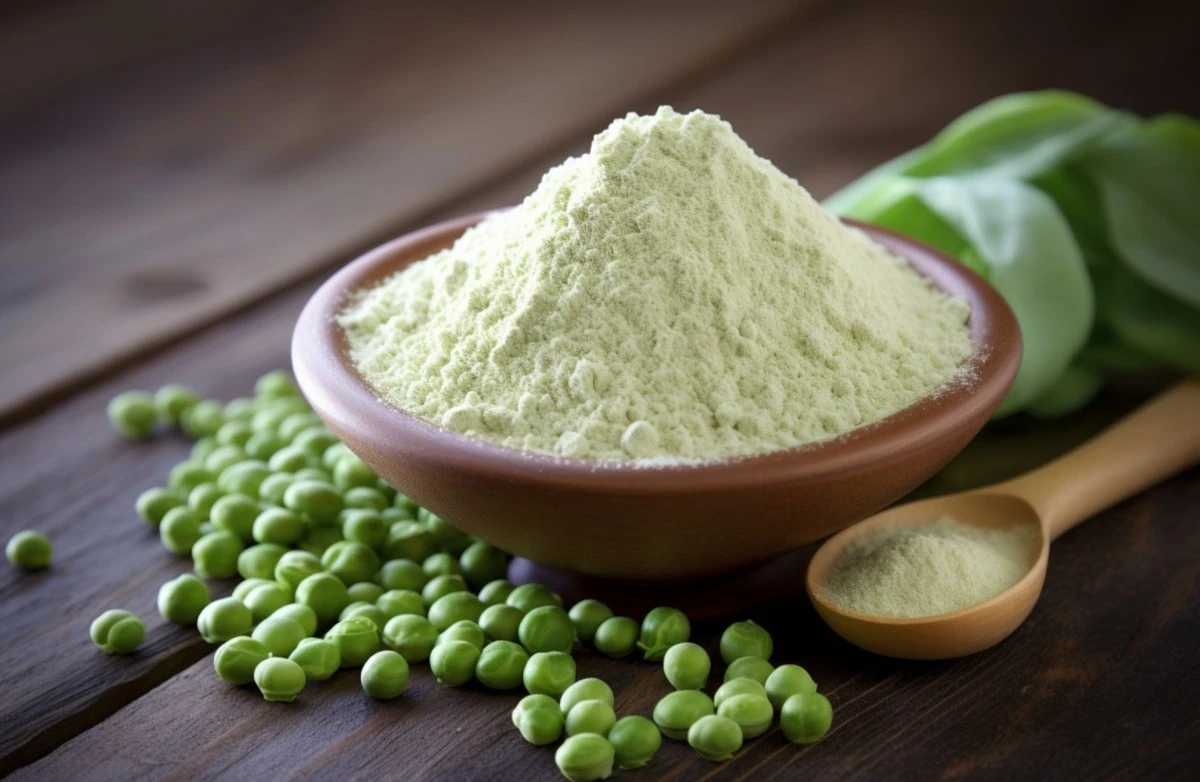
Pea protein, once a sleeper ingredient in the supplement industry, has emerged as a central figure in the plant-based protein wave. A derived product from yellow split peas, it boasts a high concentration of essential amino acids and is a rich source of iron, a key nutrient often lacking in vegetarian and vegan diets. But its appeal goes beyond its nutritional profile. Unlike soy or whey, pea protein is hypoallergenic, free from common allergens, and non-GMO, which dovetails with the rising demand for 'clean' and allergen-free foods.
The Health Enthusiast's Ally
Among the most vocal proponents of pea protein are those dedicated to fitness and wellness. The product's muscle-building qualities are widely recognized, making it a staple in the diets of athletes and gym-goers seeking meat-free muscle fuel. Similarly, its cholesterol-lowering effects are revered by the heart-healthy crowd. As health becomes a holistic pursuit, pea protein's ability to aid in weight management and support an active lifestyle gives it a broad fan base.
The Shift Toward Sustainability
In parallel, consumers are making ethical and sustainable choices a priority. Pea protein ticks the eco-friendly box, with peas requiring less water and being less taxing on the soil than many other protein sources. The social responsibility of a product is becoming an influential factor in purchasing decisions, particularly among younger demographics, and pea protein is well-placed to appeal to this sensibility.
Navigating the Market Landscape
To successfully ride the pure pea protein powder wave, brands must be attuned to consumer preferences and market dynamics. Market research, trend analysis, and an understanding of the competitive landscape are crucial in positioning a product effectively.
Analyzing Consumer Behavior
A detailed examination of consumer behavior reveals that more shoppers are reading product labels, researching brands, and prioritizing health over economy. In the era of 'Dr. Google,' education and transparency in labeling are non-negotiable. The growth of e-commerce for grocery shopping is yet another behavioral shift, giving a leg up to savvy brands that are quick to adapt their online presence and consumer outreach strategies.
Crafting Differentiation
With the rapid proliferation of pea protein products, differentiation is paramount. Brands that can offer innovative flavors, functional formulations, and versatile uses will stand out. The clean-label movement also underscores the importance of natural, recognizable ingredients. Additionally, certifications such as organic and non-GMO serve to reassure consumers who are increasingly scrutinizing product origins.
The Competitive Edge
Keeping an eye on the competition is essential. While established players may have the advantage of larger marketing budgets, smaller, niche brands can excel with targeted campaigns and by being the first to market with new trends. Collaborations with popular health influencers and sustained engagement on social media offer cost-effective ways to build brand recognition and loyalty.
The Production Puzzle: Scaling with Quality Intact
The growth in demand for pure pea protein powder products presents a dual challenge to manufacturers: scaling up production to meet market needs while maintaining the quality and integrity that have endeared the product to consumers.
Scaling Recipes and Operations
With the right equipment, pea protein can be formulated into a multitude of products, from powders and bars to beverages and baked goods. Scaling recipes involves not only the use of larger-scale equipment but also fine-tuning processes to ensure consistency across batches. Keeping a finger on the pulse of culinary trends can provide insight into which product categories are likely to see increased demand.
Quality Assurance and Compliance
Consumers expect that the purity and nutritional content stated on a product's label are accurate and consistent. Manufacturers need to invest in rigorous quality control measures and compliance with food safety regulations. Regular testing for contaminants and ensuring that the processing environment is allergen-free are essential steps to maintain consumer trust.
Pea Protein in the Age of Omnichannel Marketing
Effective marketing in the age of pea protein means meeting consumers where they are, in both the digital and physical realms. An omnichannel approach, where online and offline experiences are integrated, can create a seamless brand narrative and enhance consumer engagement.
Cultivating Online Presence
A robust online presence, complete with an informative website, engaging social media content, and visibility on retail platforms, is essential. Educating consumers about the benefits of pea protein, sharing recipes and usage tips, and leveraging user-generated content can contribute to a brand's online authority and trustworthiness.
Building a Physical Presence
While e-commerce sales are burgeoning, brick-and-mortar retail is far from irrelevant. Pop-up stores, in-store tastings, and strategic partnerships with retailers can raise a brand's profile and help it connect with consumers at different touchpoints. Eye-catching packaging and prominent shelf placement also play a role in driving sales in traditional retail settings.
Delivering on Brand Promises: Quality, Value, and Ethics
Sustainability and ethical business practices have become more than just buzzwords; they are key factors in building a brand's reputation and securing consumer loyalty. Transparency in sourcing, manufacturing, and corporate values is expected and rewarded.
The Transparency Imperative
Consumers are increasingly interested in a brand's story: where its raw materials come from, how products are made, and what the company stands for. Sharing this information openly can cultivate a deeper connection with consumers and differentiate a brand in a crowded market.
The Ethical Dimension
Ethical considerations extend to fair labor practices, minimization of waste, and community involvement. Brands that support farmers through fair trade agreements or contribute to community development initiatives can leverage these stories to resonate with consumers who value social impact.
Continuous Innovation
The landscape of health and wellness is ever-evolving, and the brands that succeed in the long term will be those that remain agile and forward-thinking. Investing in research and development, exploring new applications for pea protein, and keeping an open dialogue with consumers are strategies that can help brands stay ahead of the curve.
Future-Proofing the Pea Protein Portfolio
As the plant-based movement continues to gain momentum, the growth of pure pea protein powder products is likely to follow suit. Forecasting future trends and anticipating consumer needs can enable brands to future-proof their product offerings and maintain a competitive edge.
Bridging the Taste Divide
While health is a driver, taste remains the ultimate arbiter of consumer choice. Innovations that bridge the taste divide, creating products that are not just nutritious but also delicious, are positioned for success in the market.
The Convenience Factor
The modern consumer is busier than ever, and convenience is a significant purchase motivator. Ready-to-drink shakes, single-serve sachets, and grab-and-go snacks address this need and should be a focus in product development.
The Global Reach
The appeal of plant-based diets is not confined to Western markets. Emerging economies with large vegetarian populations and a growing middle class present untapped opportunities for brands. Adapting products to local tastes and preferences, and ensuring cost-accessibility, are keys to unlocking these markets.
In closing, the ascent of pea protein is not merely a passing fad; it is a reflection of a more profound shift in consumer preferences towards holistic wellness and ethical consumption. By understanding and aligning with these values, businesses can tap into a robust and growing market. With a blend of quality, innovation, and a cogent brand strategy, the future of pea protein products is ripe with potential.
JOYWIN founded in 2013 is an innovation-driven biotechnology company. We provide the manufacture of plant extracts, plant proteases, and customized products. If you want to know more about pure pea protein powder or are interested in purchasing it, you can email at contact@joywinworld.com. We will reply as soon as possible after we see the message.