

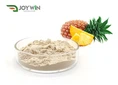
For millions of people worldwide, seasonal changes bring not just blooming flowers but also the familiar, frustrating symptoms of allergic rhinitis: sneezing, congestion, and itchy, watery eyes. While conventional antihistamines and corticosteroids offer relief, the search for natural, supportive options is a major market trend. Enter bromelain powder, a complex of proteolytic enzymes derived from the pineapple plant (Ananas comosus), which is gaining significant attention for its potential role in modulating the body's inflammatory and immune responses.
For ingredient suppliers and supplement formulators, understanding the science behind bromelain is crucial. This article delves into the evidence, exploring whether bromelain can truly support allergy management. We will examine the mechanisms of action from preclinical studies, review findings from human clinical trials, and provide practical insights into sourcing, formulation, and safety to help you make informed decisions and develop effective products.
Understanding Bromelain powder : More Than Just a Pineapple Enzyme
Bromelain is a natural mixture of protein-digesting enzymes (proteases) and other compounds extracted primarily from the stem and fruit of the pineapple plant. Its historical use in traditional medicine has been validated by modern science, revealing a broad profile of activity. Key properties relevant to immune and inflammatory conditions include:
* Proteolytic Activity: The core function of breaking down proteins.
*Anti-Inflammatory Effects: Reduces key inflammatory mediators like prostaglandin E2 (PGE2) and cyclooxygenase-2 (COX-2).
* Immunomodulatory Action: Influences various immune cells, including T-cells and macrophages, helping to balance the immune response.
*Fibrinolytic Activity: Helps break down fibrin, a protein involved in blood clotting and inflammatory swelling.
A critical distinction exists between stem bromelain (EC 3.4.22.32) and fruit bromelain (EC 3.4.22.33), which differ in their enzymatic profiles and optimal activity. For therapeutic applications, stem bromelain is generally the focus due to its higher protease concentration and more consistent activity in commercial preparations.
The Science of Allergies and How bromelain powder May Intervene
To assess bromelain's potential, we must first understand the allergic cascade. An allergy is essentially an overactive immune response to a harmless substance (an allergen like pollen or dust mites). This process involves two key phases:
1.Sensitization: Upon first exposure, the allergen is processed by immune cells called dendritic cells. These cells activate other immune cells (T-helper 2 cells, or Th2), which in turn stimulate B-cells to produce allergen-specific Immunoglobulin E (IgE) antibodies. These IgE antibodies attach to mast cells, priming them for future encounters.
2.Allergic Reaction: Upon re-exposure, the allergen binds to the IgE on mast cells, triggering them to explosively release inflammatory chemicals like histamine, leukotrienes, and cytokines. This release causes the classic allergy symptoms: swelling, mucus production, itching, and redness.
Bromelain appears to intervene at multiple points in this process, not by blocking a single receptor like an antihistamine, but by modulating the underlying immune and inflammatory pathways.

Evaluating the Evidence: From Mice to Humans
Promising Preclinical (Animal) Evidence
Animal studies provide strong mechanistic insight. A pivotal 2013 study published in a National Institutes of Health (NIH) journal demonstrated that bromelain powder administered during the sensitization phase in a mouse model of allergic airway disease led to significant reductions in several critical markers:
* Reduced Allergic Sensitization: Lower levels of allergen-specific IgE.
* Decreased Airway Inflammation: Fewer eosinophils (white blood cells central to allergic inflammation) and lymphocytes in lung fluid.
* Modulation of Immune Cells: Reduced activity and migration of dendritic cells, the initiators of the allergic response, by affecting their surface receptor CD44.
This study is foundational because it suggests bromelain may help prevent the excessive immune activation that leads to full-blown allergic symptoms, rather than just treating symptoms after they occur.
Clinical (Human) Trial Data
Translating animal findings to humans requires clinical trials. A 2023 systematic review in Clinical Nutrition ESPEN analyzed seven randomized controlled trials on bromelain supplementation and inflammatory markers. Its conclusions are nuanced but important:
* Positive Effects Observed: Supplementation with bromelain, both alone and in combination with other compounds, led to reductions in specific pro-inflammatory markers like IL-6, IL-5, IL-12, COX-2, and PGE-2 in various study populations.
* Inconsistency and Need for Standardization: The review noted that effects were "punctual and isolated," with inconsistency due to differences in study populations, doses (ranging from 200 to 1200 mg/day), treatment duration, and the specific inflammatory conditions studied. The authors called for more standardized research.
* Specific Clinical Contexts: Other clinical research supports bromelain's anti-inflammatory use in related areas. It is recognized as a supportive therapy for sinusitis (sinus inflammation, often related to allergies) to help reduce swelling and mucous viscosity, and for managing pain and stiffness in osteoarthritis.
The table below summarizes how bromelain's multi-targeted, natural approach compares to conventional allergy medications.
Table: Bromelain vs. Conventional Allergy Treatments
|
Aspect |
Conventional Antihistamines/ Steroids |
Bromelain (Dietary Supplement) |
|
Primary Mechanism |
Block histamine receptors (antihistamines) or broadly suppress inflammation/immune response (steroids). |
Multi-targeted modulation of immune cells (T-cells, dendritic cells) and reduction of multiple inflammatory mediators (PGE2, cytokines). |
|
Primary Use Case |
Fast-acting relief of acute allergy symptoms (sneezing, itching). |
Potential support for underlying inflammatory processes and immune balance; may be used preventatively or for supportive care. |
|
Typical Onset of Action |
Minutes to hours for symptom relief. |
Effects on inflammatory pathways may take days to weeks of consistent use. |
|
Key Considerations |
Can cause drowsiness (1st-gen antihistamines); long-term steroid use has significant side effects. |
Very well-tolerated; main side effects are mild digestive upset. |
Formulation and Sourcing Insights for the Supplement Industry
For formulators, the efficacy of a bromelain ingredient hinges on quality, sourcing, and smart formulation.
* Standardization is Key: Potency should be standardized and measured in Gelatin Digesting Units (GDU) or Milk Clotting Units (MCU). These measures of proteolytic activity are more meaningful than weight alone. Clinical studies often use doses from 200 mg to 1000 mg daily of standardized extract.
* Source and Type: Specify stem bromelain powder for systemic, therapeutic applications due to its higher and more consistent protease content. Ensure your supplier provides full transparency on the source plant part and standardization method.
* Enhancing Stability and Absorption: Bromelain is sensitive to heat and gastric acid. Formulations using enteric coating can protect the enzymes from stomach acid, ensuring they are released and absorbed in the intestines. Emerging research is also exploring bromelain's combination with nanoparticles for enhanced delivery and stability.
* Synergistic Combinations: Formulating bromelain with other natural bioactives can create more comprehensive products:
Quercetin: A flavonoid that stabilizes mast cells, preventing histamine release.
Vitamin C: A natural antihistamine and antioxidant.
N-Acetyl Cysteine (NAC): Thins mucous and supports antioxidant defenses.
Other Enzymes: Like papain, for broader proteolytic support.
Safety, Side Effects, and Contraindications
Bromelain has an excellent safety profile with a long history of use. However, responsible formulation and labeling require clear communication of safety information:
* Common Side Effects: Are typically mild and gastrointestinal, such as nausea, diarrhea, or stomach discomfort, especially at higher doses.
* Allergies: Individuals with allergies to pineapple, latex, birch pollen, or other plants may be sensitive to bromelain. A clear allergen warning is essential.
* Drug Interactions:
Anticoagulants/Antiplatelets: Bromelain may have mild blood-thinning effects. Concomitant use with drugs like warfarin, aspirin, or clopidogrel should be medically supervised.
Antibiotics: Bromelain may increase the absorption of certain antibiotics like amoxicillin and tetracycline.
Surgery: Discontinuation at least two weeks before elective surgery is recommended due to the potential bleeding risk.
Pregnancy & Lactation: Due to limited safety data, use during pregnancy or breastfeeding is not typically recommended unless under medical guidance.
Conclusion and Strategic Outlook
So, does bromelain powder help with allergies? The scientific evidence, while promising, paints a picture of a supportive player rather than a standalone cure.
* The Potential: Strong preclinical data shows bromelain can modulate the immune system's allergic response at a foundational level by reducing sensitization and the production of key inflammatory drivers. Human clinical data confirms its general anti-inflammatory effects, though allergy-specific trials are needed for stronger conclusions.
* The Reality: Bromelain is not a fast-acting histamine-blocker. It is best positioned as a natural supplement for long-term immune and inflammatory balance. It may help reduce the severity and frequency of allergic reactions and is particularly relevant for supporting conditions like sinusitis.
* Opportunity for Formulators: The market for natural allergy support is robust and growing. By formulating with high-quality, standardized stem bromelain, in enteric-coated capsules or in synergistic blends with quercetin and vitamin C, you can offer consumers a science-backed, natural option for comprehensive respiratory and immune health.
For B2B ingredient buyers, partnering with a supplier that guarantees purity, standardized activity (GDU/MCU), and provides full technical documentation is non-negotiable. As research continues to evolve, bromelain's role in the natural health arsenal for immune resilience looks set to expand, representing a significant opportunity for innovative supplement brands.
JOYWIN founded in 2013 is an innovation-driven biotechnology company. The JOYWIN Bromelain factory located in Thailand makes use of local abundant resources to provide customers with various specifications of bromelain products. From 200GDU/g to 2400GDU/g. Holding bromelain workshops, plant protease workshops, and warehouses also own cutting-edge facilities and strict quality control systems. As one of four bromelain manufacturers in the world, we are FSSC22000, ISO9001, ISO14001, ISO22000, BRC, and Cgmp-certified factory. If you want to know more about Bromelain Powder or are interested in purchasing it, you can send an email to contact@joywinworld.com. We will reply to you as soon as possible after we see the message.