

Every 30 seconds, someone in the United States is diagnosed with arthritis. Osteoarthritis - the most common form - affects an estimated 528 million people worldwide (WHO, 2023), making it one of the leading causes of pain, disability, and reduced quality of life globally. For decades, the standard treatment has relied heavily on nonsteroidal anti-inflammatory drugs (NSAIDs) like ibuprofen and naproxen. Effective as they are, these medications carry well-documented risks: gastrointestinal bleeding, kidney damage, cardiovascular events, and long-term organ toxicity with chronic use.
This is precisely why the search for safer, evidence-backed natural alternatives has intensified - and why bromelain powder has attracted serious scientific attention.
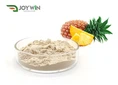
Bromelain is a complex mixture of proteolytic (protein-digesting) enzymes extracted from the stem and fruit of the pineapple plant (Ananas comosus). It has been used in traditional folk medicine across Central and South America for centuries, and since the 1950s has been the subject of hundreds of peer-reviewed studies investigating its anti-inflammatory, analgesic, immunomodulatory, and tissue-repair properties.
But does the science actually support bromelain's use for osteoarthritis? The answer - drawn from clinical trials, mechanistic research, and systematic reviews - is nuanced, promising, and increasingly well-supported. This comprehensive guide covers everything you need to know: the biochemistry, the clinical evidence, the dosage protocols, the safety profile, and how to choose a high-quality bromelain supplement.
Part 1: What Is Bromelain? The Biochemistry Behind the Benefit
From Pineapple Stem to Supplement Powder
Bromelain is not a single enzyme but a complex mixture of cysteine endopeptidases (proteases), along with peroxidases, phosphatases, ribonucleases, protease inhibitors, carbohydrates, cellulases, and glycoproteins - all derived from the pineapple plant.
The stem of the pineapple contains higher concentrations of bromelain than the fruit, which is why commercial bromelain powder is typically extracted from pineapple stems - the agricultural byproduct remaining after fruit processing. This makes bromelain production both economically efficient and environmentally sustainable.
Bromelain is classified as a cysteine proteinase based on the cysteine thiol group in its active site. Key biochemical properties include:
* pH stability: Active between pH 7 and 10; irreversibly inactivated above pH 10
* Thermal stability: Maintains enzymatic activity up to approximately 65°C; activity declines significantly above this temperature
* Storage stability: Remains stable for extended periods when stored at −20°C; commercial powder formulations maintain potency at room temperature in sealed packaging
How Bromelain Is Measured: The GDU/FIP Unit System
Unlike most supplements measured in milligrams alone, bromelain's potency is expressed in enzyme activity units:
* GDU (Gelatin Digesting Units): The most common unit in North American supplement labeling
* FIP (Fédération Internationale Pharmaceutique) units: Used in European pharmaceutical standards
* MCU (Milk Clotting Units): An older measurement system still seen on some labels
Conversion reference: 1 GDU ≈ 1.5 MCU ≈ approximately 6.67 FIP units
A typical commercial bromelain supplement contains 500 mg at 2,400 GDU/g, meaning each 500 mg dose delivers 1,200 GDU of enzymatic activity. Understanding this distinction is critical for comparing products and interpreting clinical study dosages.
Part 2: Osteoarthritis - Understanding the Disease Bromelain Targets
What Happens in an Osteoarthritic Joint
Osteoarthritis (OA) is a degenerative joint disease characterized by the progressive breakdown of articular cartilage - the smooth, protective tissue that cushions the ends of bones within joints. As cartilage deteriorates, bones begin to rub against each other, causing:
* Chronic joint pain (particularly with movement)
* Morning stiffness lasting less than 30 minutes
* Reduced range of motion
* Joint swelling and tenderness
* Bone spurs (osteophytes) at joint margins
* Crepitus (grinding or cracking sounds during movement)
The most commonly affected joints are the knees, hips, hands, and spine. The knee is by far the most studied joint in bromelain research, and most clinical trials have focused on knee osteoarthritis.
The Inflammatory Component of OA
While osteoarthritis was historically classified as a "wear and tear" disease (implying purely mechanical degeneration), modern research has fundamentally revised this understanding. Osteoarthritis is now recognized as having a significant inflammatory component - and this is precisely where bromelain's mechanisms become clinically relevant.
In OA joints, synovial cells and chondrocytes (cartilage cells) produce pro-inflammatory cytokines - particularly TNF-α (tumor necrosis factor-alpha), IL-1β (interleukin-1 beta), and IL-6 (interleukin-6) - that drive cartilage degradation, synovial inflammation, and pain sensitization.
Targeting these inflammatory mediators is the central strategy of most OA treatments - from NSAIDs to biologic drugs. And it is precisely these pathways that bromelain has been shown to modulate.

Part 3: How Does Bromelain Work Against Osteoarthritis? The Mechanisms
This is where the science becomes genuinely compelling. Bromelain doesn't work through a single mechanism - it operates through multiple converging anti-inflammatory and analgesic pathways that collectively address the key drivers of OA symptoms.
Mechanism 1: NF-κB Signaling Inhibition
Nuclear factor kappa B (NF-κB) is arguably the most important transcription factor in inflammatory disease. When activated, NF-κB drives the production of dozens of pro-inflammatory mediators - including TNF-α, IL-1β, IL-6, COX-2, and matrix metalloproteinases (MMPs) that degrade cartilage.
A 2026 comprehensive review published in Frontiers in Nutrition (Frontiers Media) confirmed that bromelain inhibits NF-κB signaling through suppression of IκBα degradation - preventing the release of NF-κB from its inhibitory complex and thereby blocking the entire downstream inflammatory cascade.
This mechanism is remarkably similar to how some pharmaceutical anti-inflammatory drugs work - but bromelain achieves it through a natural enzymatic pathway with a significantly safer side effect profile.
Mechanism 2: MAPK Pathway Downregulation
The mitogen-activated protein kinase (MAPK) signaling pathways - specifically ERK, JNK, and p38 - are critical mediators of inflammatory gene expression and pain sensitization in OA joints. The 2026 Frontiers in Nutrition review confirmed that bromelain downregulates all three MAPK pathways, reducing the production of pro-inflammatory cytokines and prostaglandins that drive OA pain and joint destruction.
Mechanism 3: Nrf2 Antioxidant Activation
Oxidative stress - the accumulation of reactive oxygen species (ROS) in joint tissues - plays a significant role in cartilage degradation and OA progression. Bromelain activates the Nrf2 (nuclear factor erythroid 2-related factor 2) signaling pathway, which upregulates the body's endogenous antioxidant defense enzymes including superoxide dismutase (SOD), catalase, and glutathione peroxidase.
This antioxidant mechanism complements bromelain's direct anti-inflammatory effects, providing a dual-action approach to joint protection.
Mechanism 4: Prostaglandin & Bradykinin Modulation
Bromelain has been shown to reduce the production of prostaglandin E2 (PGE2) - a key mediator of pain and inflammation - and to modulate bradykinin, a peptide that sensitizes pain receptors in inflamed tissues.
This prostaglandin-modulating effect is mechanistically similar to how NSAIDs work (though via a different pathway), which helps explain why bromelain has demonstrated analgesic effects comparable to some pharmaceutical pain relievers in clinical studies.
Mechanism 5: Fibrinolytic & Anti-Edema Activity
Bromelain exhibits significant fibrinolytic activity - the ability to break down fibrin, a protein involved in blood clotting and tissue swelling. In OA joints, fibrin deposition in synovial tissue contributes to joint stiffness and impaired circulation. Bromelain's fibrinolytic action helps reduce joint swelling, improve local circulation, and decrease the viscosity of synovial fluid.
A 2024 comprehensive review published in Nutrients (Albert Einstein College of Medicine, New York) confirmed that "bromelain is widely administered for its well-recognized properties, such as its anti-inflammatory, antithrombotic and fibrinolytic effects."
Part 4: The Clinical Evidence - What Do the Studies Show?
Overview of Clinical Research on Bromelain for OA
The clinical evidence base for bromelain in osteoarthritis has been building since the 1960s. A landmark systematic review published in Evidence-Based Complementary and Alternative Medicine (Brien, Lewith, Walker et al., University of Southampton & University of Reading, 2004) reviewed all available clinical trials on bromelain for osteoarthritis and concluded:
"All previous trials, which have been uncontrolled or comparative studies, indicate its potential use for the treatment of osteoarthritis."
Here is a structured review of the key clinical studies:
Study 1: Phlogenzym (PHL) Comparative Trials - Bromelain vs. Diclofenac
The most clinically significant evidence for bromelain in OA comes from studies using Phlogenzym (PHL) - a proprietary enzyme combination containing bromelain, trypsin, and rutin. Two key comparative trials assessed PHL at a daily dose equivalent to 540 mg bromelain per day:
Study A (Tilscher et al.): Compared PHL to diclofenac (a commonly prescribed NSAID) in patients with painful OA of the knee. Results showed that PHL produced comparable reductions in pain and functional improvement to diclofenac, with a significantly better tolerability profile.
Study B (Klein & Kullich, 2000): A double-blind study comparing oral enzyme therapy (containing bromelain) to diclofenac for painful knee OA. Both groups showed significant improvement in pain scores, stiffness, and physical function. The enzyme group showed equivalent efficacy to diclofenac with fewer gastrointestinal side effects.
These findings are clinically significant: demonstrating that bromelain-containing enzyme therapy can match the efficacy of a pharmaceutical NSAID while offering a safer tolerability profile is a compelling argument for its use in OA management.
Study 2: Randomized Placebo-Controlled Pilot Study (Brien et al., 2006)
Published in QJM: An International Journal of Medicine (Oxford University Press), this randomized placebo-controlled pilot study specifically evaluated bromelain as an adjunctive treatment for moderate-to-severe knee OA.
Key findings:
Participants receiving bromelain showed significant improvements in pain, stiffness, and physical function compared to placebo
The study used 800 mg bromelain per day for 12 weeks
No serious adverse events were reported
The authors concluded that bromelain "may be a safe and effective treatment for otherwise healthy patients with moderate-to-severe knee OA"
This study is particularly important because it used a rigorous randomized, placebo-controlled design - the gold standard in clinical research.
Study 3: Open Study on Acute Knee Pain (Walker et al., 2002)
Published in Phytomedicine, this open study found that bromelain reduced mild acute knee pain and improved well-being in a dose-dependent fashion in otherwise healthy adults. Higher doses produced greater pain relief, supporting the importance of adequate dosing for therapeutic effect.
Study 4: 2024 Comprehensive Review - Albert Einstein College of Medicine
A 2024 comprehensive review published in Nutrients by researchers from Albert Einstein College of Medicine (New York) and Federico II University (Naples) reviewed the full spectrum of bromelain's clinical applications. On musculoskeletal applications, the review confirmed:
Bromelain demonstrates anti-inflammatory and analgesic properties relevant to OA management
Clinical trials have shown benefits in pain reduction, stiffness improvement, and functional enhancement
Bromelain's multi-mechanism action makes it particularly suitable for the complex inflammatory environment of OA joints
The safety profile is favorable compared to pharmaceutical alternatives
Study 5: 2026 Frontiers in Nutrition Comprehensive Review
The most recent comprehensive review of bromelain, published in Frontiers in Nutrition (2026), synthesized evidence from PubMed, ScienceDirect, Scopus, Cochrane Library, EMBASE, and Web of Science. On osteoarthritis and musculoskeletal inflammation, the review confirmed that bromelain's inhibition of NF-κB, MAPK pathways, and pro-inflammatory cytokines (TNF-α, IL-6) provides a mechanistically sound basis for its anti-OA effects.
The review also highlighted bromelain's antinociceptive (pain-blocking) effects - mediated through modulation of pain signaling pathways - as particularly relevant for OA patients seeking non-opioid pain management options.
Part 5: Bromelain vs. NSAIDs - A Balanced Comparison
One of the most important clinical questions for OA patients and healthcare providers is how bromelain compares to conventional NSAIDs. Here is an evidence-based comparison:
|
Parameter |
NSAIDs (e.g., Ibuprofen, Diclofenac) |
|
|
Pain reduction |
Comparable in comparative trials |
Well-established |
|
Stiffness improvement |
Demonstrated in multiple studies |
Well-established |
|
Anti-inflammatory mechanism |
Multi-pathway (NF-κB, MAPK, prostaglandins) |
Primarily COX-1/COX-2 inhibition |
|
GI side effects |
Minimal; well-tolerated |
Common (bleeding, ulcers) |
|
Cardiovascular risk |
No established risk |
Increased risk with chronic use |
|
Kidney function |
No established impairment |
Risk of nephrotoxicity with chronic use |
|
Drug interactions |
Some (blood thinners, antibiotics) |
Many |
|
Onset of action |
Gradual (days to weeks) |
Rapid (hours) |
|
Long-term safety |
Favorable profile |
Concerns with chronic use |
|
Cost |
Generally lower |
Variable |
|
Availability |
OTC supplement |
OTC and prescription |
The key takeaway: bromelain is not a replacement for NSAIDs in acute pain management, but as a longer-term, adjunctive, or alternative approach for chronic OA management, it offers a compelling safety-efficacy trade-off.
Part 6: Dosage - How Much Bromelain Powder for Osteoarthritis?
Dosage is one of the most critical - and most frequently misunderstood - aspects of bromelain supplementation. The Brien et al. systematic review specifically highlighted the need for "trials to establish the efficacy and optimum dosage for bromelain" in OA.
Based on the totality of clinical evidence, here are the evidence-based dosage recommendations:
Standard Dosage Framework
|
Application |
Daily Dose |
Enzyme Activity |
Duration |
|
General anti-inflammatory support |
200–400 mg/day |
800–1,600 GDU/day |
4–8 weeks |
|
Mild OA pain management |
400–500 mg/day |
1,600–2,000 GDU/day |
8–12 weeks |
|
Moderate-to-severe OA |
500–1,000 mg/day |
2,000–4,000 GDU/day |
12+ weeks |
|
Acute joint inflammation |
500–2,000 mg/day |
2,000–8,000 GDU/day |
1–2 weeks |
|
Adjunctive therapy (with other treatments) |
540 mg/day |
~2,160 GDU/day |
Per clinical protocol |
The most commonly studied therapeutic dose for OA is 540–800 mg bromelain per day, typically divided into 2–3 doses.
⏰ Timing: The Critical Empty-Stomach Rule
This is perhaps the single most important practical point about bromelain supplementation:
For anti-inflammatory and systemic effects (including OA), bromelain must be taken on an EMPTY STOMACH - at least 30–45 minutes before meals or 2 hours after eating.
Here's why: When taken with food, bromelain's proteolytic activity is directed toward digesting dietary proteins - a useful digestive function, but not the systemic anti-inflammatory effect you're seeking for OA. When taken on an empty stomach, bromelain is absorbed intact through the intestinal wall into the bloodstream, where it exerts its systemic anti-inflammatory, fibrinolytic, and analgesic effects.
Multiple studies have confirmed that bromelain is absorbed intact from the gastrointestinal tract and reaches target tissues in biologically active form - a property that distinguishes it from many other enzyme supplements.
Recommended daily protocol for OA:
* Dose 1: 200–400 mg, 30–45 minutes before breakfast
* Dose 2: 200–400 mg, 30–45 minutes before dinner
* Maintain consistent daily dosing for a minimum of 8–12 weeks to assess full therapeutic effect
Part 7: Beyond Osteoarthritis - Bromelain's Broader Therapeutic Applications
While osteoarthritis is the focus of this guide, understanding bromelain's full therapeutic profile helps explain why it works so effectively for joint health - and reveals additional benefits relevant to OA patients:
Post-Exercise Muscle Recovery
A study published in Clinical Journal of Sport Medicine compared bromelain to ibuprofen for delayed onset muscle soreness (DOMS) management. Bromelain demonstrated comparable efficacy to ibuprofen for reducing exercise-induced muscle pain and swelling - a finding directly relevant to OA patients who engage in therapeutic exercise programs.
Wound Healing & Surgical Recovery
Bromelain's fibrinolytic and anti-edema properties make it valuable for post-surgical recovery. Multiple studies have demonstrated reduced swelling, bruising, and pain following dental and orthopedic procedures in patients taking bromelain.
For OA patients who undergo joint replacement surgery, bromelain supplementation in the post-operative period may support faster recovery - though this should always be discussed with the treating surgeon due to potential effects on bleeding.
Respiratory & Immune Support
Bromelain's immunomodulatory effects - including modulation of T-cell and macrophage activity - support immune function and have shown benefits in sinusitis, respiratory infections, and inflammatory bowel conditions.
Emerging Neuroprotective Potential
The 2026 Frontiers in Nutrition review highlights emerging evidence for bromelain's potential in neurodegenerative diseases - mediated through its Nrf2 activation and NF-κB inhibition pathways, which are also implicated in neuroinflammation. While human clinical evidence in this area is still limited, it represents a promising frontier for bromelain research.
Part 8: Safety Profile, Side Effects & Contraindications
Overall Safety Assessment
Bromelain has an excellent safety record accumulated over decades of clinical use and research. The 2016 review published in Biomedical Reports (PMC/NIH) confirmed that bromelain has "gained universal acceptability as a phytotherapeutic agent due to its history of safe use and lack of side effects."
The 2024 Nutrients review from Albert Einstein College of Medicine similarly confirmed bromelain's favorable tolerability profile across multiple clinical applications.
Common Side Effects (Generally Mild)
At recommended doses, bromelain is well-tolerated by most people. Reported side effects are typically mild and dose-dependent:
Gastrointestinal effects: Nausea, diarrhea, or stomach discomfort (most common, usually transient)
Increased heart rate: Reported at very high doses
Menstrual changes: Some women report heavier menstrual flow due to fibrinolytic activity
Allergic reactions: Rare but possible, particularly in individuals with pineapple allergy
Drug Interactions - Critical Awareness
Bromelain has several clinically significant drug interactions that must be considered:
|
Drug/Substance |
Interaction |
Clinical Significance |
|
Blood thinners (warfarin, aspirin, clopidogrel) |
Bromelain's fibrinolytic activity may enhance anticoagulant effects |
High - monitor closely; consult physician |
|
Antibiotics (amoxicillin, tetracycline) |
Bromelain increases antibiotic absorption and blood levels |
Moderate - may require dose adjustment |
|
NSAIDs |
Additive anti-inflammatory effects |
Generally beneficial but monitor for excessive bleeding |
|
Sedatives/anxiolytics |
May increase sedative effects |
Low-moderate - use caution |
|
Chemotherapy agents |
May enhance some agents' effects |
Consult oncologist before use |
Contraindications
Bromelain should be avoided or used only under medical supervision in:
* Pineapple allergy (risk of cross-reactivity)
* Latex allergy (potential cross-reactivity)
* Bleeding disorders or before surgery (discontinue at least 2 weeks pre-operatively)
* Pregnancy (insufficient safety data; potential uterine-stimulating effects)
* Breastfeeding (insufficient safety data)
* Active peptic ulcer (may worsen gastric irritation)
Part 9: Practical Guide - How to Use Bromelain Powder for Osteoarthritis
Forms of Bromelain Available
Bromelain powder is available in several supplement formats, each with specific advantages:
* Loose powder: Most flexible for dosing; can be mixed into water, juice, or smoothies; preferred by formulators
* Capsules/tablets: Most convenient for consumers; ensures consistent dosing
* Enteric-coated tablets: Designed to survive stomach acid; may improve systemic absorption
* Combination formulas: Often combined with trypsin, rutin (Phlogenzym-type), quercetin, or turmeric for enhanced anti-inflammatory synergy
Synergistic Combinations for OA
Clinical and mechanistic evidence supports combining bromelain with:
* Trypsin + Rutin (Phlogenzym formula): The most clinically studied combination for OA; demonstrated NSAID-comparable efficacy
* Curcumin/Turmeric: Complementary NF-κB inhibition; additive anti-inflammatory effects
* Quercetin: Synergistic anti-inflammatory and antioxidant activity
* Boswellia serrata: Complementary 5-LOX inhibition for comprehensive joint inflammation management
* Glucosamine + Chondroitin: Structural joint support combined with bromelain's anti-inflammatory action
A Sample 12-Week OA Management Protocol
Based on clinical study protocols and expert recommendations:
Weeks 1–2 (Loading phase):
* 500 mg bromelain -(2,400 GDU/g standardization) twice daily
* Taken on empty stomach, 30–45 minutes before breakfast and dinner
* Monitor for any GI sensitivity; reduce dose if needed
Weeks 3–12 (Maintenance phase):
* 400–500 mg bromelain -twice daily
* Maintain consistent empty-stomach timing
* Assess pain, stiffness, and function at weeks 4, 8, and 12
Ongoing:
* Reassess with healthcare provider after 12 weeks
* Consider cycling (8–12 weeks on, 2–4 weeks off) for long-term use
* Combine with appropriate exercise, weight management, and dietary anti-inflammatory strategies
Part 10: How to Choose High-Quality Bromelain Powder
Not all bromelain -products deliver equal results. For supplement manufacturers, formulators, and informed consumers, here are the critical quality markers:
Quality Checklist for Bromelain Powder
|
Quality Indicator |
What to Look For |
Why It Matters |
|
Enzyme activity |
Minimum 2,400 GDU/g (or equivalent FIP/MCU) |
Determines actual therapeutic potency |
|
Purity |
≥ 98% pure bromelain |
Eliminates fillers and adulterants |
|
Source material |
Ananas comosus stem (preferred) |
Stem contains higher bromelain concentration |
|
Heavy metal testing |
Pb, As, Hg, Cd - third-party verified |
Safety requirement |
|
Microbial testing |
Total plate count, yeast/mold, pathogens |
Microbiological safety |
|
Protein content |
Declared on COA |
Confirms enzyme concentration |
|
pH stability testing |
Activity confirmed at pH 7–10 |
Ensures functional enzyme |
|
cGMP Certification |
Mandatory for supplement-grade |
Manufacturing quality standard |
|
Third-party COA |
Independent lab verification |
Confirms purity, identity, potency |
|
Kosher / Halal Certification |
As required by target market |
Global market access |
|
Allergen declaration |
Pineapple allergen clearly labeled |
Consumer safety requirement |
At Joywin Natural, we supply pharmaceutical and nutraceutical-grade bromelain standardized to consistent enzyme activity levels, meeting the highest international quality standards. Our manufacturing processes are certified under cGMP, FSSC 22000, ISO 9001, ISO 14001, ISO 22000, Kosher, and Halal frameworks - ensuring that every batch of bromelain delivers the purity, potency, and regulatory compliance demanded by global supplement and functional food markets.
Founded in 2013, Joywin Natural brings deep expertise in enzyme-based ingredients, botanical extracts, and functional food ingredients, with a commitment to quality that spans from raw material sourcing to final product delivery worldwide.
Frequently Asked Questions
Q: How long does it take for bromelain to work for osteoarthritis? Most clinical studies report measurable improvements in pain and stiffness within 4–8 weeks of consistent daily supplementation at therapeutic doses. The Brien et al. randomized controlled trial used a 12-week protocol to assess full therapeutic benefit. Unlike NSAIDs that provide rapid (hours) pain relief, bromelain's benefits accumulate gradually through its multi-mechanism anti-inflammatory action.
Q: Can I take bromelain with food? For digestive enzyme benefits, yes - take with meals. But for anti-inflammatory and OA benefits, bromelain must be taken on an empty stomach (30–45 minutes before meals or 2 hours after eating) to ensure systemic absorption rather than digestive activity.
Q: Is bromelain safe to take every day long-term? Clinical studies have used bromelain daily for up to 12 weeks with a favorable safety profile. Long-term safety data beyond 3 months is more limited. Periodic supplementation cycles (8–12 weeks on, 2–4 weeks off) are a prudent approach for long-term OA management. Always consult a healthcare provider for chronic use.
Q: Can bromelain replace my NSAID medication? Do not discontinue prescribed medications without consulting your physician. Bromelain may serve as a complementary or adjunctive approach alongside conventional OA treatment, or as an alternative for patients who cannot tolerate NSAIDs. The comparative clinical trials suggest equivalent efficacy to diclofenac at therapeutic doses, but individual responses vary.
Q: What is the difference between bromelain from fruit vs. stem? The stem of the pineapple contains higher concentrations of bromelain than the fruit. Commercial bromelain powder is typically extracted from pineapple stems, which are the agricultural byproduct of fruit processing. Stem bromelain is generally preferred for therapeutic applications due to its higher enzyme activity per gram.
Q: Can I eat pineapple instead of taking bromelain ? Fresh pineapple contains bromelain, but the amounts are far too small to achieve the therapeutic doses used in clinical studies (400–1,000 mg/day). You would need to consume several kilograms of pineapple daily to approximate supplement doses - which is neither practical nor desirable. Standardized bromelain is the only practical way to achieve therapeutic dosing.
Summary: The Evidence Verdict on Bromelain for Osteoarthritis
Here's the bottom line, drawn from the totality of clinical and mechanistic evidence:
|
Evidence Domain |
Finding |
Strength of Evidence |
|
Anti-inflammatory mechanisms |
NF-κB, MAPK, prostaglandin inhibition confirmed |
Strong (mechanistic) |
|
Pain reduction in OA |
Demonstrated in multiple clinical studies |
Moderate-strong |
|
Stiffness improvement |
Demonstrated in multiple clinical studies |
Moderate |
|
Comparison to NSAIDs |
Comparable efficacy in comparative trials |
Moderate |
|
Safety profile |
Favorable; well-tolerated at recommended doses |
Strong |
|
Optimal dosage |
400–800 mg/day on empty stomach |
Moderate |
|
Long-term efficacy |
Promising; larger RCTs needed |
Emerging |
Conclusion: Bromelain Powder Is a Scientifically Credible, Clinically Supported Option for OA Management
The answer to "Does bromelain help with osteoarthritis?" is a well-supported yes - with important nuances about dosage, timing, and realistic expectations.
Bromelain's multi-mechanism anti-inflammatory action - targeting NF-κB, MAPK pathways, prostaglandins, and fibrin simultaneously - addresses the complex inflammatory biology of OA in a way that few single-molecule pharmaceuticals can match. Clinical trials have demonstrated pain reduction, stiffness improvement, and functional enhancement comparable to diclofenac, with a significantly safer tolerability profile.
For the estimated 528 million people worldwide living with osteoarthritis - many of whom are seeking safer long-term management options than chronic NSAID use - bromelain -represents one of the most evidence-backed natural alternatives available.
For supplement brands and formulators building joint health products, the foundation starts with sourcing. Joywin Natural supplies premium-grade bromelain - standardized, certified, and rigorously tested - to meet the demands of the world's most discerning markets.
JOYWIN founded in 2013 is an innovation-driven biotechnology company. We provide the manufacture of plant extracts, plant proteases, and customized products. If you want to know more about Bromelain Powder or are interested in purchasing it, you can send an email to contact@joywinworld.com. We will reply to you as soon as possible after we see the message.