

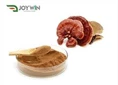

In our fast-paced, information-saturated world, the quest for enhanced cognitive function and reliable memory support has never been more intense. From students cramming for exams to professionals navigating complex projects and older adults seeking to preserve mental acuity, the desire for a cognitive edge is universal. This has led to the explosive growth of the nootropics market-substances that can improve mental performance. While synthetic options abound, there is a powerful and growing trend toward natural, time-tested solutions.
Among these, one peculiar-looking mushroom has captured the global spotlight: Lion's Mane (Hericium erinaceus). With its long, cascading, white spines resembling a lion's mane, this fungus has been revered for centuries in Traditional Chinese and Japanese medicine. Today, modern science is turning its gaze to this natural wonder, with a central question in mind: Can Pure Lion's Mane powder genuinely improve memory?
As a trusted leader in the natural products industry, specializing in premium ingredients like inulin and bromelain, we at Joywin Natural understand the critical importance of evidence-based inquiry, rigorous quality control, and supply chain integrity. In this comprehensive exploration, we will dissect the scientific evidence, explain the biological mechanisms, discuss practical usage, and separate the compelling facts from the hopeful fiction surrounding Pure Lion's Mane powder and memory.
Part 1: Understanding Lion's Mane - More Than Just a Mushroom
1.1 Historical and Cultural Context
Long before it appeared in modern supplement capsules, Lion's Mane held a place of honor in Asian medicinal traditions. Historical texts document its use for supporting digestive health and overall vitality. Monks in ancient times were said to consume tea made from the mushroom to enhance their focus during long hours of meditation. This historical precedence provides a fascinating backdrop for contemporary research, suggesting that its cognitive benefits, while newly studied in Western science, have been anecdotally recognized for generations.
1.2 From Fungus to Functional Powder: The Manufacturing Journey
The journey from a wild-growing fungus to a standardized, potent supplement powder is a testament to modern agricultural and manufacturing science. Today, most high-quality Lion's Mane for supplements is cultivated under controlled conditions on sterile substrates like hardwood sawdust. This ensures purity, consistency, and minimizes environmental contaminants.
The key to its activity lies in its unique bioactive compounds:
* Hericenones & Erinacines: These are the star players, fat-soluble compounds that are critical for Lion's Mane's neuro-regenerative effects. They are primarily found in the fruiting body.
* Beta-Glucans: While abundant in many mushrooms, Lion's Mane contains specific polysaccharides that contribute to its immune-modulating and antioxidant properties.
At Joywin Natural, our expertise as a leading manufacturer of natural extracts like bromelain and inulin gives us a deep appreciation for this process. We understand that the extraction method-whether hot water, alcohol, or dual-extraction-profoundly influences the final profile of the powder, determining which beneficial compounds are present and bioavailable.
Part 2: The Science of Memory and How Lion's Mane May Intervene
To understand if Lion's Mane works, we must first understand how memory works-and how it can falter.
2.1 How Memory is Formed and Stored
Memory is not stored in a single "filing cabinet" in the brain. It is a dynamic, electrochemical process involving:
1.Encoding: Perceiving and processing information.
2.Consolidation: Stabilizing the memory trace, often during sleep.
3.Retrieval: Accessing the stored information when needed.
This process hinges on the health and communication of neurons (brain cells). When neurons communicate across synapses, they strengthen pathways-a process called long-term potentiation (LTP), which is considered a fundamental cellular mechanism for learning and memory.
2.2 The Role of Nerve Growth Factor (NGF)
Here is where Lion's Mane enters the scientific story with a compelling mechanism. Nerve Growth Factor (NGF) is a protein essential for the growth, maintenance, and survival of neurons, particularly cholinergic neurons which are vital for memory and cognition. Low levels of NGF are associated with cognitive decline and neurological disorders.
The groundbreaking discovery is this: The compounds hericenones (from the fruiting body) and erinacines (from the mycelium) have been shown in laboratory studies to cross the blood-brain barrier and stimulate the synthesis of NGF. In simpler terms, Lion's Mane provides the biochemical "fertilizer" that encourages brain cells to grow, connect, and thrive. This neurotrophic action is the central hypothesis for its memory-enhancing potential.

Part 3: Reviewing the Evidence: What Does the Research Say?
Let's move from theory to data. What do controlled human and animal studies actually tell us?
3.1 Promising Human Clinical Trials
Several key human studies form the cornerstone of the evidence:
* Mild Cognitive Impairment Study (2009): A landmark double-blind, placebo-controlled trial published in Phytotherapy Research involved Japanese men and women aged 50 to 80 diagnosed with mild cognitive impairment. Over 16 weeks, the group taking Lion's Mane mushroom tablets showed significantly increased scores on cognitive function scales compared to the placebo group. Notably, these scores decreased once supplementation stopped, suggesting an ongoing effect.
* Sleep Quality and Mood (2019): A more recent study indicated that Lion's Mane supplementation reduced irritation and anxiety and led to improvements in sleep quality-a critical factor for memory consolidation. While not a direct memory test, better sleep and mood create an optimal environment for cognitive function.
3.2 Insights from Animal and Laboratory Models
Animal studies, while not directly translatable to humans, allow for deeper mechanistic insights:
* Mouse Models of Memory Impairment: Research in mice with induced memory deficits (e.g., through scopolamine or Alzheimer's-like pathology) has consistently shown that Lion's Mane extract can reverse or prevent spatial and recognition memory deficits. These studies often link the improvement directly to increased NGF levels and the regeneration of neuronal networks in the hippocampus, the brain's memory center.
* Neurogenesis: Excitingly, some research suggests Lion's Mane may promote neurogenesis-the creation of new neurons-in the hippocampus, a process once thought impossible in adults.
3.3 Limitations and the Need for Further Research
It is crucial to maintain scientific objectivity. The current body of evidence, while promising, has limitations:
* Most human trials have been relatively small in scale.
* Long-term effects (over many years) are not yet documented.
* Optimal dosing for different populations (young vs. elderly) is still being refined.
* More large-scale, multi-center human trials are needed to solidify its status as a mainstream cognitive support agent.
Part 4: Beyond Memory: The Holistic Benefits of Lion's Mane
The potential of Lion's Mane extends beyond the hippocampus, offering a holistic profile that aligns with the interconnected nature of human health.
* Nervous System Support: Its NGF-promoting activity is relevant for peripheral nerve health, with research exploring its use for nerve regeneration and relief from neuropathic pain.
* Mood and Emotional Well-being: Emerging research points to potential anti-anxiety and anti-depressant-like effects in animal models, possibly linked to its action on brain-derived neurotrophic factor (BDNF) and neurogenesis.
* Gut-Brain Axis Modulation: The mushroom shows prebiotic-like properties, potentially fostering a healthy gut microbiome. Given the powerful gut-brain connection, this may be an indirect yet significant pathway through which it supports cognitive and emotional health.
Part 5: Sourcing and Using Pure Lion's Mane Powder Wisely
For those interested in trying Lion's Mane, informed selection and use are paramount.
5.1 Choosing a High-Quality Supplement
Not all pure Lion's Mane powders are created equal. Here is what to look for, informed by a manufacturer's perspective on quality:
1.Source & Purity: Look for products made from 100% fruiting body or full-spectrum extract (including mycelium grown on grain). Avoid products that are mainly starch-filled mycelium grown on grain.
2.Extraction Method: Dual-extraction (using both water and alcohol) ensures a broad spectrum of beneficial compounds, including both water-soluble beta-glucans and alcohol-soluble hericenones/erinacines.
3.Standardization & Testing: Reputable suppliers provide Certificates of Analysis (CoA) from third-party labs. This verifies potency, checks for heavy metals, pesticides, and microbial contamination, and ensures you get what the label promises.
4.Transparency & Certifications: Trustworthy manufacturers are open about their sourcing and hold relevant certifications (like cGMP, ISO, or organic). This is a core part of Joywin's philosophy for our inulin and bromelain products, and it applies equally to any high-integrity ingredient.
5.2 Dosage, Safety, and Side Effects
* Typical Dosage: Most human studies have used doses ranging from 1,000 mg to 3,000 mg per day of extract, often divided into two or three doses. Always start with the lower end of the recommended dosage on the product label.
* Safety Profile: Lion's Mane is generally considered very safe for long-term consumption, as evidenced by its history as a food.
* Potential Side Effects: A small percentage of users may experience mild digestive discomfort. Those with mushroom allergies should avoid it.
* Drug Interactions: There are no well-documented major drug interactions, but as with any supplement, consultation with a healthcare professional is advised, especially for those on medication or with pre-existing conditions.
Conclusion: A Fungus with Formidable Potential
So, does pure Lion's Mane powder improve memory? The accumulated evidence from historical use, mechanistic biology, and modern clinical trials points to a confident and nuanced "yes, it shows significant promise."
It is not a magical "limitless" pill from science fiction. Rather, Lion's Mane appears to be a neurotrophic supporter, a natural gardener for the brain's neural landscape. By potentially enhancing Nerve Growth Factor, promoting neuronal health, and offering complementary benefits for mood and the gut-brain axis, it provides foundational support for the complex process of memory formation and recall.
The key to experiencing potential benefits lies in managing expectations, committing to consistent use (effects are typically noticed after several weeks), and, most critically, selecting a high-quality product from a transparent and trustworthy supplier.
At Joywin Natural, while Lion's Mane is not currently part of our core product line of world-leading inulin and bromelain, our dedication to integrity, technology, and quality control shapes our view of the entire natural products industry. We believe that the future of cognitive wellness, like all health, will be built on a foundation of rigorous science, unparalleled quality standards, and ingredients that honor the wisdom of nature while meeting the scrutiny of modern evidence. If you want to know more about Pure Lion's Mane powder or are interested in purchasing it, you can send an email to contact@joywinworld.com. We will reply to you as soon as possible after we see the message.