


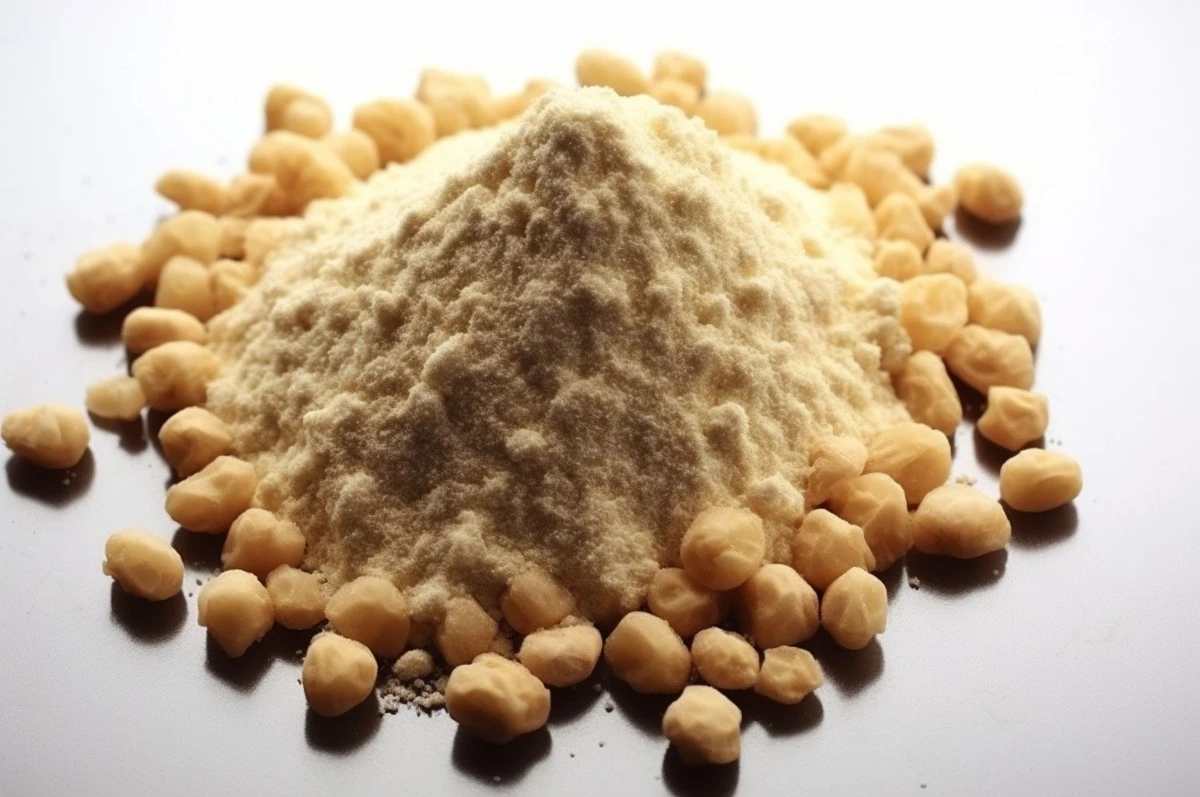
For over a thousand years, Japanese monks and warriors consumed natto - a traditional fermented soybean dish - as a staple of their diet. What they couldn't have known was that buried within this pungent, sticky food was one of nature's most powerful enzymatic compounds: the nattokinase enzyme.
Today, nattokinase has moved from the breakfast tables of rural Japan to the cutting edge of cardiovascular and inflammation research. Scientists, cardiologists, and integrative medicine practitioners are increasingly interested in this remarkable enzyme - not just for its well-known fibrinolytic (clot-dissolving) properties, but for its emerging role as a natural anti-inflammatory agent.
So does nattokinase actually reduce inflammation? The answer, backed by a growing body of peer-reviewed research, is a compelling yes - with important nuances worth understanding. In this comprehensive guide, we'll unpack the science behind nattokinase's anti-inflammatory mechanisms, review the clinical evidence, explore its broader health benefits, and give you everything you need to make an informed decision about daily supplementation.
What Is the Nattokinase Enzyme?
Nattokinase is a serine protease enzyme - a type of protein-cleaving enzyme - produced during the fermentation of soybeans by the bacterium Bacillus subtilis var. natto. It was first discovered in 1980 by Japanese researcher Dr. Hiroyuki Sumi at the University of Chicago, who noticed that natto could dissolve blood clots far more effectively than other foods he was testing.
The enzyme belongs to the subtilisin family of proteases and has a molecular weight of approximately 27.7 kDa. Its most celebrated property is its ability to directly degrade fibrin - the protein scaffold of blood clots - making it one of the most potent natural thrombolytic (clot-dissolving) agents ever identified.
But fibrinolysis is just the beginning of the nattokinase story.
How Is Nattokinase Measured?
The activity of nattokinase is measured in FU (Fibrinolytic Units) - a standardized measure of how much fibrin the enzyme can dissolve in a given time. Commercial nattokinase supplements typically range from 1,000 FU to 20,000 FU per serving, with 2,000 FU being the most commonly studied dose in clinical trials.
When sourcing nattokinase as a raw ingredient, activity standardization is critical - a product labeled by weight alone (milligrams) without FU activity data is providing incomplete quality information.
The Inflammation Connection: How Does Nattokinase Reduce Inflammation?
Inflammation is the body's natural defense response - essential for healing, but chronically destructive when it persists without resolution. Chronic low-grade inflammation underpins virtually every major modern disease: cardiovascular disease, type 2 diabetes, Alzheimer's disease, metabolic syndrome, and autoimmune conditions.
The nattokinase enzyme addresses inflammation through multiple complementary mechanisms - which is precisely what makes it so scientifically interesting.
Mechanism 1: Fibrin Degradation and Inflammatory Resolution
Fibrin isn't just a clotting protein - it's also a key structural component of the inflammatory matrix. When tissues are inflamed, fibrin accumulates in the extracellular space, trapping inflammatory cells and cytokines and perpetuating the inflammatory cycle.
By degrading fibrin directly, nattokinase helps physically dismantle the scaffolding of chronic inflammation, allowing the body's natural resolution pathways to operate more effectively. This mechanism is particularly relevant in conditions like atherosclerosis, where fibrin-rich plaques drive ongoing vascular inflammation.
A landmark review published in PubMed Central (PMC) confirms that nattokinase possesses "a variety of favourable cardiovascular effects" including direct fibrinolytic activity that reduces the inflammatory burden on blood vessel walls.
Mechanism 2: Suppression of Pro-Inflammatory Cytokines
Beyond fibrin degradation, nattokinase has demonstrated direct cytokine-modulating activity in multiple studies. Pro-inflammatory cytokines - including TNF-α (tumor necrosis factor-alpha), IL-6 (interleukin-6), and IL-1β (interleukin-1 beta) - are the molecular messengers that drive systemic inflammation.
Research published in ScienceDirect (Food Bioscience, 2024) found that nattokinase "has shown excellent anti-thrombus, thrombolytic, and anti-inflammation activities" and that its anti-inflammatory effects operate through suppression of key inflammatory signaling pathways, including the NF-κB pathway - the master regulator of inflammatory gene expression.
This is a significant finding. The NF-κB pathway controls the production of dozens of pro-inflammatory molecules. An enzyme that can modulate this pathway has broad anti-inflammatory potential across multiple organ systems.
Mechanism 3: Blood Pressure Reduction and Vascular Inflammation
Hypertension (high blood pressure) is both a cause and consequence of vascular inflammation. Elevated blood pressure creates mechanical stress on arterial walls, triggering endothelial inflammation, oxidative stress, and accelerated atherosclerosis.
A 2024 meta-analysis published in PMC analyzed multiple randomized controlled trials and found that nattokinase supplementation significantly reduced both systolic and diastolic blood pressure - with systolic blood pressure decreasing by a mean of 3.45 mmHg (95% CI: −4.37 to −2.18, p < 0.00001).
By lowering blood pressure, nattokinase reduces the hemodynamic stress that drives vascular inflammation - creating a virtuous cycle of cardiovascular protection.
Mechanism 4: Lipid Profile Improvement and Atherosclerotic Plaque Reduction
Dyslipidemia - abnormal blood lipid levels - is a major driver of atherosclerotic inflammation. Oxidized LDL cholesterol triggers macrophage activation and foam cell formation, the hallmark of arterial plaque development.
A 2025 research review published in PMC (PubMed Central) on nattokinase and blood lipid reduction reported that "large-scale clinical trials have confirmed that nattokinase significantly improves the lipid profile and reduces the atherosclerotic plaque area and intima-media thickness" - two direct markers of vascular inflammation.
This lipid-modulating effect adds another dimension to nattokinase's anti-inflammatory profile, suggesting it works upstream to reduce the inflammatory triggers associated with cardiovascular disease.
Mechanism 5: Degradation of Amyloid Fibrils
One of the most exciting emerging areas of nattokinase research involves its ability to degrade amyloid fibrils - abnormal protein aggregates associated with neurodegenerative diseases like Alzheimer's and Parkinson's. Amyloid accumulation triggers neuroinflammation, a key driver of cognitive decline.
The ScienceDirect review (2024) notes that nattokinase's proteolytic activity extends to amyloid fibril degradation, suggesting potential neuroprotective and anti-neuroinflammatory applications. While this research is still in early stages, it opens a fascinating frontier for nattokinase beyond cardiovascular health.
Comprehensive Health Benefits of the Nattokinase Enzyme
The anti-inflammatory mechanisms described above translate into a broad spectrum of clinically relevant health benefits. Here's a structured overview of what the evidence currently supports:
1. Cardiovascular Protection
Cardiovascular disease remains the world's leading cause of death, and nattokinase's cardiovascular benefits are the most extensively studied of all its properties.
WebMD summarizes the cardiovascular evidence: nattokinase may help prevent and treat heart disease, reduce blood clots, lower blood pressure, and decrease atherosclerosis.
The PMC review confirms that nattokinase directly degrades fibrin in blood clots, activates endogenous plasminogen activators (tPA and uPA), and inhibits plasminogen activator inhibitor-1 (PAI-1) - a protein that normally suppresses the body's clot-dissolving system. This multi-pathway approach to cardiovascular protection is unmatched by most single-mechanism pharmaceutical agents.
2. Blood Clot Prevention and Thrombolysis
This is nattokinase's most celebrated and best-documented benefit. Unlike pharmaceutical thrombolytics (clot-dissolving drugs), which carry significant bleeding risks and must be administered intravenously in clinical settings, nattokinase is orally bioavailable and has a strong safety profile at standard supplement doses.
The Biogena clinical review notes that nattokinase has been confirmed safe in toxicological studies and that its thrombolytic activity has been demonstrated in both in vitro and in vivo models.
For individuals at elevated risk of deep vein thrombosis (DVT), pulmonary embolism, or stroke - including frequent long-haul travelers, post-surgical patients (under medical guidance), and those with metabolic syndrome - nattokinase enzyme supplementation represents a compelling natural option.
3. Blood Pressure Management
As discussed in the inflammation mechanisms section, nattokinase has demonstrated consistent blood pressure-lowering effects across multiple clinical trials.
The 2024 PMC meta-analysis found statistically significant reductions in both systolic and diastolic blood pressure, with effects observed at doses as low as 2,000 FU/day. This makes nattokinase one of the few natural supplements with robust meta-analytic evidence for blood pressure reduction.
The mechanism appears to involve inhibition of angiotensin-converting enzyme (ACE) - the same target as a major class of blood pressure medications (ACE inhibitors) - as well as direct vasodilatory effects through improved endothelial function.
4. Cognitive Health and Neuroprotection
The link between cardiovascular health and brain health is well-established - what's good for the heart is generally good for the brain. Nattokinase's ability to improve cerebral blood flow, reduce microclot formation, and potentially degrade amyloid fibrils positions it as a promising neuroprotective agent.
The ScienceDirect functional food review (2024) highlights nattokinase's potential to "delay aging and provide therapeutic effects on aging-related diseases" - a category that prominently includes neurodegenerative conditions.
While large-scale human clinical trials specifically targeting cognitive outcomes are still needed, the mechanistic rationale for nattokinase's neuroprotective potential is scientifically sound.
5. Metabolic Health and Dyslipidemia
A clinical trial registered on CenterWatch (NCT06183307) is specifically evaluating the "effects of nattokinase on inflammation and cardiovascular risk markers in patients with dyslipidemia" - reflecting the growing clinical interest in nattokinase as a metabolic health intervention.
Preliminary data from this and related studies suggest that nattokinase may help normalize lipid profiles, reduce oxidative stress markers, and improve metabolic parameters in individuals with dyslipidemia - a condition characterized by chronic low-grade inflammation.
6. Potential Antiviral Properties
An emerging area of nattokinase research involves its potential antiviral activity. Several studies have investigated whether nattokinase can degrade spike proteins and other viral structural proteins, with particular interest following the COVID-19 pandemic.
The ScienceDirect review (2024) notes that nattokinase has demonstrated activity against certain viral proteins in laboratory settings, though clinical evidence in humans remains limited and this area requires further rigorous investigation.
Clinical Evidence Summary: What the Research Actually Shows
Here's a concise overview of the key clinical evidence supporting nattokinase's anti-inflammatory and health benefits:
|
Study Type |
Finding |
Source |
|
Meta-analysis (2024) |
Significant reduction in systolic BP (−3.45 mmHg) and diastolic BP |
PMC |
|
Systematic review (2025) |
Improved lipid profile; reduced atherosclerotic plaque area |
PMC |
|
Functional food review (2024) |
Anti-inflammatory via NF-κB suppression; amyloid degradation |
ScienceDirect |
|
PMC cardiovascular review |
Multi-pathway fibrinolytic and anti-inflammatory activity |
PMC |
|
Clinical trial (ongoing) |
Evaluating NK on inflammation markers in dyslipidemia patients |
CenterWatch |
|
Toxicological study (2016) |
Safe at standard doses; well-tolerated |
Biogena |
The overall picture is one of consistent, multi-mechanism benefit across cardiovascular, inflammatory, and metabolic health domains - with an excellent safety profile at recommended doses.
Nattokinase Enzyme Dosage: How Much Should You Take?
Dosage is one of the most important - and most frequently misunderstood - aspects of nattokinase supplementation. Because nattokinase is an enzyme, its potency is determined by activity (FU), not just weight (mg).
Recommended Daily Dosage
WebMD states that studies suggest nattokinase's health benefits come with an oral dose of 100–200 mg/day, which typically corresponds to approximately 2,000 FU/day in standardized supplement formulations.
|
Health Goal |
Suggested Daily Dose |
FU Activity |
|
General cardiovascular support |
100–200 mg |
2,000 FU |
|
Blood pressure management |
100–200 mg |
2,000 FU |
|
Anti-inflammatory support |
100–300 mg |
2,000–4,000 FU |
|
Thrombosis prevention (medical supervision) |
200–400 mg |
4,000–8,000 FU |
|
Cognitive health support |
100–200 mg |
2,000 FU |
⚠️ Important: Always verify the FU activity of your nattokinase supplement. A product listing only milligrams without FU activity data cannot be accurately dosed. Higher FU activity means smaller physical doses are needed.
Timing Recommendations
* Between meals - Most practitioners recommend taking nattokinase on an empty stomach, at least 30 minutes before or 2 hours after eating. This maximizes systemic absorption and fibrinolytic activity.
* Avoid taking with vitamin K-rich foods - Nattokinase from natto is naturally associated with vitamin K2, but isolated nattokinase supplements are typically vitamin K-free. Check your supplement label.
* Consistency is key - Benefits accumulate over weeks of regular use. Most clinical studies showing meaningful effects used supplementation periods of 4–12 weeks.
Potential Side Effects and Safety Considerations
Nattokinase has an excellent safety profile when used at recommended doses, but there are important considerations every user should understand.
Common Side Effects
At standard doses (2,000–4,000 FU/day), nattokinase is generally very well tolerated. Reported side effects are uncommon but may include:
* Mild gastrointestinal discomfort (nausea, bloating) - particularly when first starting
* Headache in sensitive individuals
* Mild hypotension (low blood pressure) at higher doses
Biogena's clinical review confirms that nattokinase "used on its own is considered safe" and that toxicological studies have validated its safety at standard supplemental doses.
Drug Interactions - Critical Warnings
The most important safety consideration with nattokinase is its interaction with anticoagulant and antiplatelet medications:
* Warfarin (Coumadin) - Nattokinase may potentiate the blood-thinning effects of warfarin, increasing bleeding risk.
* Aspirin and NSAIDs - Combining nattokinase with these agents may increase antiplatelet effects.
* Blood pressure medications - Nattokinase's ACE-inhibitory effects may compound the action of antihypertensive drugs, potentially causing excessive blood pressure reduction.
* Heparin and other anticoagulants - Concurrent use is contraindicated without medical supervision.
WebMD explicitly warns: "Nattokinase might lower blood pressure. Taking nattokinase along with medications that lower blood pressure might cause blood pressure to go too low."
Who Should Avoid Nattokinase?
Certain populations should avoid nattokinase supplementation or use it only under direct medical supervision:
* People on blood-thinning medications (warfarin, heparin, clopidogrel)
* Individuals with bleeding disorders (hemophilia, von Willebrand disease)
* Pre-surgical patients - Discontinue at least 2 weeks before any surgical procedure
* Pregnant and breastfeeding women - Insufficient safety data
* People with recent history of stroke, hemorrhage, or surgery
* Individuals with severe hypotension
Nattokinase vs. Other Enzyme Supplements: How Does It Compare?
Nattokinase is often compared to other proteolytic and fibrinolytic enzyme supplements. Here's how it stacks up against the most commonly used alternatives:
|
Enzyme |
Source |
Primary Mechanism |
Key Strength |
Limitation |
|
Nattokinase |
Fermented soy (B. subtilis) |
Fibrinolysis, NF-κB suppression |
Multi-pathway CV + anti-inflammatory |
Drug interactions with anticoagulants |
|
Serrapeptase |
Silkworm bacteria |
Anti-inflammatory, fibrinolytic |
Scar tissue, sinus health |
Less CV-specific evidence |
|
Bromelain |
Pineapple |
Proteolysis, anti-inflammatory |
Post-surgical swelling, digestion |
Shorter duration of action |
|
Lumbrokinase |
Earthworm |
Fibrinolysis |
Potent thrombolytic |
Less widely available |
|
Papain |
Papaya |
Proteolysis, anti-inflammatory |
Digestive support, wound healing |
Less fibrinolytic activity |
Nattokinase stands out for its combination of fibrinolytic potency, anti-inflammatory breadth, and oral bioavailability - making it arguably the most versatile cardiovascular enzyme supplement currently available.
Nattokinase and Inflammation: Real-World Applications
Understanding the science is one thing - but how does nattokinase's anti-inflammatory activity translate into real-world health improvements? Here are the most clinically relevant applications:
Atherosclerosis and Arterial Inflammation
Atherosclerosis is fundamentally an inflammatory disease. Nattokinase addresses it on multiple fronts: reducing fibrin accumulation in plaques, lowering LDL cholesterol oxidation, suppressing endothelial inflammation via NF-κB inhibition, and physically reducing plaque area as confirmed in clinical trials.
Deep Vein Thrombosis (DVT) Prevention
For individuals at elevated DVT risk - including long-haul travelers, post-surgical patients, and those with prolonged immobility - nattokinase's fibrinolytic and anti-inflammatory properties offer meaningful protection. A 2015 study found that nattokinase supplementation significantly reduced DVT incidence in high-risk air travelers.
Metabolic Syndrome
Metabolic syndrome - characterized by abdominal obesity, insulin resistance, dyslipidemia, and hypertension - is a state of chronic systemic inflammation. Nattokinase's ability to simultaneously address blood pressure, lipid profiles, and inflammatory markers makes it a compelling adjunct therapy for metabolic syndrome management.
Post-COVID Inflammation and Long COVID
One of the most discussed emerging applications of nattokinase involves post-COVID inflammatory syndromes and "Long COVID." Researchers have hypothesized that persistent microclot formation and spike protein-related inflammation may contribute to Long COVID symptoms. Nattokinase's fibrinolytic and potential spike protein-degrading properties have attracted significant scientific attention in this context.
While definitive clinical evidence is still emerging, several integrative medicine practitioners have incorporated nattokinase into Long COVID management protocols, and formal clinical trials are underway.
How to Choose a High-Quality Nattokinase Enzyme Supplement
The quality of nattokinase supplements varies enormously across the market. Here's a practical framework for evaluating quality - whether you're a consumer or a B2B supplement formulator:
✅ Quality Checklist for Nattokinase Enzyme
1. Standardized FU Activity Always choose nattokinase products with clearly stated FU (Fibrinolytic Unit) activity per serving. This is the only meaningful measure of potency. Reputable suppliers provide batch-specific Certificate of Analysis (CoA) documents confirming FU activity.
2. Vitamin K2-Free Formulation Traditional natto contains high levels of vitamin K2 (MK-7), which can interfere with warfarin therapy. Quality nattokinase supplements should be processed to remove vitamin K2, making them suitable for a broader population. Always verify this on the product label or CoA.
3. Third-Party Testing and Certifications Look for suppliers holding internationally recognized quality certifications:
cGMP (Current Good Manufacturing Practice)
FSSC 22000 or ISO 22000 (food safety management systems)
ISO 9001 (quality management)
Kosher and Halal certification
BRC (British Retail Consortium) food safety standard
4. Non-GMO and Allergen Transparency Since nattokinase is derived from fermented soybeans, soy allergen status must be clearly disclosed. Many high-quality suppliers offer non-GMO certified nattokinase produced from non-GMO soybeans.
5. Heavy Metal and Microbial Testing Fermentation-derived ingredients can be susceptible to contamination. Ensure your supplier provides CoA documentation covering heavy metals (lead, arsenic, mercury, cadmium) and microbial safety parameters.
6. Stability Data Enzymes are sensitive to heat, moisture, and improper storage. Quality nattokinase powder should come with stability data demonstrating maintained FU activity throughout the stated shelf life under recommended storage conditions.
Nattokinase in Supplement Formulation: Industry Insights
For supplement brands, nutraceutical manufacturers, and private-label formulators, nattokinase is a high-value ingredient with strong and growing consumer demand. Here's a snapshot of its formulation landscape:
Popular Product Formats
|
Product Type |
Nattokinase Role |
Typical FU Dose |
|
Cardiovascular health capsules |
Primary fibrinolytic agent |
2,000–4,000 FU |
|
Enzyme blend supplements |
Fibrinolytic component |
1,000–2,000 FU |
|
Blood pressure support formulas |
ACE-inhibitory + vasodilatory |
2,000 FU |
|
Anti-aging supplements |
Amyloid degradation, longevity |
2,000–4,000 FU |
|
Post-COVID recovery protocols |
Fibrinolytic, anti-inflammatory |
2,000–4,000 FU |
|
Cognitive health formulas |
Cerebrovascular support |
2,000 FU |
The global nattokinase market is experiencing robust growth, driven by rising consumer awareness of cardiovascular health, the aging global population, and increasing interest in natural alternatives to pharmaceutical anticoagulants. The enzyme supplement market as a whole is projected to exceed $2 billion by 2030, with nattokinase among the fastest-growing individual enzyme ingredients.
Frequently Asked Questions About Nattokinase and Inflammation
Q: How long does it take for nattokinase to reduce inflammation? Most clinical studies showing measurable anti-inflammatory effects used supplementation periods of 4–12 weeks. Some individuals report subjective improvements in energy and cardiovascular symptoms within 2–4 weeks, but meaningful biomarker changes typically require consistent use over at least one month.
Q: Can nattokinase replace aspirin for cardiovascular protection? Nattokinase should not be used as a direct replacement for prescribed cardiovascular medications without medical guidance. However, for individuals seeking natural cardiovascular support who are not on anticoagulant therapy, nattokinase represents a well-evidenced option. Always consult your healthcare provider.
Q: Is nattokinase safe to take every day? At standard doses of 2,000 FU/day, daily nattokinase supplementation appears safe for most healthy adults based on available toxicological and clinical data. Long-term safety data beyond 12 months is limited, so periodic review with a healthcare provider is advisable.
Q: Does nattokinase contain vitamin K? Traditional natto is rich in vitamin K2, but most commercial nattokinase supplements are specifically processed to remove vitamin K2. Always verify the vitamin K status of your specific product, particularly if you are on warfarin therapy.
Q: Can nattokinase help with post-COVID symptoms? Emerging research suggests nattokinase may help address some mechanisms associated with Long COVID, including microclot formation and spike protein-related inflammation. However, clinical evidence is still developing and nattokinase should not be considered a proven treatment for COVID-19 or Long COVID.
Conclusion: Nattokinase Enzyme - A Multi-Dimensional Anti-Inflammatory Powerhouse
The answer to our central question - does nattokinase reduce inflammation? - is a well-supported yes, operating through multiple complementary mechanisms that set it apart from most single-pathway anti-inflammatory supplements.
Through fibrin degradation, NF-κB pathway suppression, blood pressure reduction, lipid profile improvement, and potential amyloid fibril degradation, the nattokinase addresses inflammation at its roots - not just its symptoms. , The clinical evidence, while still growing, is consistent and increasingly robust, with meta-analyses confirming significant cardiovascular benefits and ongoing clinical trials expanding our understanding of its full therapeutic potential.
For most healthy adults, daily nattokinase supplementation at 2,000 FU/day represents a safe, evidence-backed strategy for cardiovascular protection, inflammation management, and healthy aging. The critical caveats - drug interactions with anticoagulants and contraindications in certain populations - are well-defined and manageable with appropriate medical guidance.
As with all dietary supplement ingredients, quality is paramount. Choosing a nattokinase enzyme powder from a supplier with rigorous quality certifications, standardized FU activity documentation, and transparent sourcing is the foundation of both product efficacy and consumer safety.
JOYWIN founded in 2013 is an innovation-driven biotechnology company. We provide the manufacture of plant extracts, plant proteases, and customized products. If you want to know more about Nattokinase Enzyme or are interested in purchasing it, you can send an email to contact@joywinworld.com. We will reply to you as soon as possible after we see the message.