

In the modern wellness landscape, the pursuit of a brighter, whiter smile has moved beyond harsh chemicals and into the realm of natural, food-derived ingredients. From charcoal toothpastes to coconut oil pulling, consumers are actively seeking gentler alternatives to traditional peroxides. Among these, one ingredient stands out for its unique mechanism and scientific backing: papain Powder.
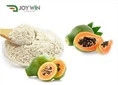
Derived from the fruit and leaves of the Carica papaya (pawpaw) plant, papain is a proteolytic enzyme-a biological catalyst that breaks down proteins. For decades, it has been used as a meat tenderizer and a digestive aid. But in recent years, it has become a star ingredient in the oral care industry, featured in premium natural toothpastes and whitening powders.
But the crucial question remains: Does papain actually whiten teeth? Or is it just another marketing buzzword?
As a supplier of high-quality papain and other plant proteases (like our sister product, bromelain), Joywin Natural is committed to transparency and scientific rigor. This in-depth guide will explore the biochemical mechanisms, review the clinical evidence, and separate fact from fiction regarding papain's role in dental whitening and oral health.
Section 1: Understanding Papain – More Than Just a Meat Tenderizer
To evaluate its whitening potential, we must first understand what papain is and how it functions at a molecular level.
What is Papain?
Papain is a cysteine protease enzyme found naturally in the leaves, latex, roots, and fruit of the papaya plant. Its primary biological function in the plant is defense against herbivores and pathogens. For industrial and therapeutic use, it is harvested from the latex of unripe papaya fruit and processed into a stable, concentrated papain Powder .
The Mechanism: Proteolysis
The key to papain's action lies in its ability to hydrolyze (break down) proteins. It cleaves peptide bonds, the chemical links that hold amino acids together in a protein chain. This is why it's so effective as a meat tenderizer-it breaks down tough muscle fibers (proteins) into smaller, softer pieces.
How This Relates to Teeth:
This is the critical connection. The surface of our teeth, while made of hard mineral (hydroxyapatite), is constantly being coated by a thin, acellular organic film called the acquired pellicle. This pellicle is composed primarily of proteins and glycoproteins derived from saliva .
Stains on teeth-whether from coffee, tea, red wine, or tobacco-are not actually "painting" the enamel directly. Instead, chromogens (color-producing compounds) bind to this protein-rich pellicle. Over time, these compounds become trapped, leading to the discoloration we see .
Papain works by digesting this proteinaceous pellicle. By breaking down the structure that holds the stains, it effectively lifts away the discoloration, revealing the cleaner, natural enamel underneath.
Section 2: The Whitening Mechanism – Chemical vs. Enzymatic Whitening
It is vital to distinguish between how papain whitens and how traditional whiteners work. This is the core of the scientific debate.
Traditional Whitening: Oxidation
Most over-the-counter and professional whitening products rely on peroxides (carbamide peroxide or hydrogen peroxide).
* Mechanism: These chemicals undergo oxidation. They penetrate the enamel and dentin, breaking down large, colored molecules (chromogens) into smaller, less colored molecules.
* Result: This is a true chemical change of the stain molecule itself. It can whiten teeth several shades and is effective on deep, intrinsic stains.
* Downside: Oxidation can cause tooth sensitivity and gum irritation because it affects living tissues and can temporarily demineralize enamel .
Enzymatic Whitening: Proteolysis
Papain falls into the category of enzymatic cleaners.
* Mechanism: Papain targets the pellicle (the protein film), not the stain molecules themselves. It removes the "sticky" layer that traps stains.
* Result: This reveals the natural whiteness of the enamel by removing surface debris and pellicle-bound stains. It is highly effective for extrinsic stains (stains on the surface).
* Advantage: Because it does not penetrate the enamel or alter the chemical structure of the tooth, it is exceptionally gentle. It rarely causes sensitivity and is considered safe for daily use .
The Verdict on Whitening
So, does papain whiten teeth? Yes, it effectively removes surface stains and restores the tooth's natural color by cleaning the pellicle. However, it does not bleach the tooth structure itself. For those with deep, intrinsic staining (e.g., from tetracycline or fluorosis), papain will lighten the tooth by cleaning it, but it may not produce the same dramatic shade change as peroxides.

Section 3: Clinical and Scientific Evidence
While the mechanism is clear, what does the published research say about papain's efficacy?
The Papain-Bromelain Combination
Much of the modern clinical research focuses on a patented combination of papain and bromelain (another proteolytic enzyme we manufacture at Joywin), often formulated in a gel for professional dental use. This combination is marketed under names like Papacarie® for caries removal, but the same enzymatic action applies to stain removal.
A significant study published in the Journal of Clinical and Experimental Dentistry investigated a toothpaste containing papain and bromelain. The results showed that the enzymatic toothpaste was effective in removing dental plaque and significantly reducing extrinsic stains compared to a placebo, with effects comparable to some conventional whitening toothpastes .
Stain Removal Efficacy
A 2021 study in the Journal of International Society of Preventive & Community Dentistry compared a commercially available enzymatic toothpaste containing papain to a standard fluoride toothpaste. The study concluded that the papain-containing toothpaste demonstrated superior efficacy in the removal of extrinsic stains over a 4-week period, highlighting its role in maintaining esthetic oral hygiene .
Mechanism Confirmation
Research published in Brazilian Dental Journal confirmed the mechanism, stating that papain's ability to break down the organic components of the pellicle and plaque matrix makes it an ideal agent for gentle, chemical-free cleaning. It does not harm the enamel structure, preserving the integrity of the tooth surface .
Conclusion from Science:
The evidence supports that papain Powder is an effective agent for extrinsic stain removal. It is not a bleaching agent, but a superior cleaner. For many consumers, the difference between a clean tooth and a truly clean tooth is the visible whitening they seek.
Section 4: Papain in Oral Care Formulations
For formulators and manufacturers, understanding how to use papain effectively is key to creating a successful product.
Common Product Types
1.Whitening Toothpastes: The most common application. Papain is incorporated at specific concentrations to gently polish and clean with each brushing.
2. Whitening Powders: Concentrated powders that are mixed with water to form a paste.
3. Professional Dental Gels: Used by dentists for in-office stain removal before procedures or as part of a hygiene visit.
4.Mouthwashes: Less common, but some formulations include enzymes for ongoing plaque control.
Synergistic Ingredients
Papain is often combined with other ingredients to enhance its effect:
* Bromelain: Another protease that works synergistically with papain, offering a broader spectrum of protein breakdown.
* Sodium Bicarbonate (Baking Soda): A mild abrasive that provides mechanical polishing power, complementing the enzymatic action.
* Xylitol: A natural sweetener that also inhibits bacterial growth, adding an anti-cavity benefit.
* Citric Acid (from citrus oils): Can help adjust pH and provide a fresh sensation, though concentrations must be managed to prevent enamel erosion.
Stability Considerations
Enzymes are sensitive to heat, pH, and certain chemical environments. When formulating with papain Powder, it is crucial to:
* Ensure the final product's pH is within the enzyme's active range (typically slightly acidic to neutral for papain).
* Avoid ingredients that denature proteins, such as high concentrations of alcohol or certain surfactants.
* Use proper manufacturing processes to avoid excessive heat.
Section 5: Safety, Side Effects, and Suitability
As a responsible supplier, we must address safety. Papain is generally recognized as safe (GRAS) for its intended uses, but there are considerations.
Is Papain Safe for Teeth?
Yes. Unlike abrasive whiteners that can scratch enamel or peroxides that can cause sensitivity, papain is non-toxic to oral tissues and does not damage enamel. It is so gentle that it is used in products for children and individuals with sensitive teeth .
Allergies
The primary safety concern with papain is allergy.
* Latex Allergy: Individuals with a latex allergy may also be allergic to papain, a phenomenon known as latex-fruit syndrome. Papaya contains chitinases that are structurally similar to latex proteins .
* Pineapple Allergy: Similarly, those allergic to bromelain (from pineapple) may cross-react with papain.
* Symptoms: Allergic reactions can range from mild oral itching to, in rare cases, more severe systemic reactions. It is always recommended to test a small amount of a new product or consult an allergist if there is a known fruit/latex allergy.
Ingestion Safety
While toothpaste is not meant to be swallowed, small amounts ingested during brushing are harmless for most people. However, concentrated papain intended for supplement use should not be ingested in large quantities without guidance, as it is a potent proteolytic enzyme.
Section 6: Practical Guide – How to Use Papain for Whitening
For consumers who want to harness the power of papain, here is a practical guide.
Using a Papain Toothpaste or Powder
1.Brushing: Use a pea-sized amount of papain toothpaste, or dip a wet toothbrush into a small amount of papain Powder (if using pure powder).
2.Technique: Brush gently for 2 minutes, ensuring the paste/powder contacts all tooth surfaces. The enzyme needs time to work, so a thorough brush is essential.
3.Rinsing: Spit out the residue and rinse thoroughly with water.
The "Papain Paste" Method for Stubborn Stains
For targeted stain removal, some users create a simple paste:
* Mix a small amount of papain with a few drops of water or coconut oil to form a paste.
* Apply the paste directly to stained areas using a finger or a soft toothbrush.
* Leave on for 1-2 minutes.
* Brush gently and rinse thoroughly.
* Frequency: Limit this to 1-2 times per week to avoid over-exposure.
Combining with Other Natural Methods
For optimal results, papain can be part of a holistic oral hygiene routine:
* Oil Pulling: Swishing coconut oil can help loosen debris before brushing with papain toothpaste.
* Strawberries: Strawberries contain malic acid, another natural whitener. A mashed strawberry mixed with papain can create a powerful, natural whitening mask (use sparingly due to fruit acids).
Section 7: Papain vs. Other Natural Whiteners
How does papain stack up against other popular natural whitening trends?
|
Ingredient |
Mechanism |
Efficacy on Stains |
Safety |
Best For |
|
Papain Powder |
Enzymatic (breaks down protein pellicle) |
High (extrinsic) |
Very safe; gentle |
Daily stain prevention & removal |
|
Baking Soda |
Mild abrasive (mechanical) |
Moderate |
Safe, but can be abrasive over time |
Surface stain scrubbing |
|
Activated Charcoal |
Adsorption (binds to particles) |
Moderate |
Can be abrasive; messy |
Absorbing surface impurities |
|
Hydrogen Peroxide |
Oxidation (chemical bleaching) |
High (intrinsic & extrinsic) |
Can cause sensitivity |
Deep whitening treatments |
|
Coconut Oil |
Mechanical/oil dissolution |
Low |
Very safe |
Plaque reduction, gum health |
|
Strawberries (Malic Acid) |
Mild acid dissolution |
Low-Moderate |
Acid can erode enamel if overused |
Occasional brightening mask |
Section 8: Sourcing High-Quality Papain Powder for Manufacturing
For our B2B clients, the quality of papain is paramount. Not all papain is created equal.
Key Quality Indicators
1.Enzymatic Activity (USP Units/mg): This is the most critical specification. Activity is measured in USP units/mg or TU (Tyrosine Units). Higher activity means a more potent enzyme, requiring less raw material to achieve the desired effect. Joywin Natural supplies papain with verified, consistent activity levels.
2.Purity: The powder should be free from contaminants, heavy metals, and microbial growth.
3.Solubility: Depending on the formulation (toothpaste vs. powder), solubility characteristics may be important.
4.Source: Papain sourced from regions with high-quality agricultural standards (like certain parts of Asia and Africa) is preferable.
Certifications Matter
Just as with our inulin and bromelain, Joywin Natural ensures our papain is produced under strict quality controls, adhering to cGMP, ISO, and other international standards. This guarantees batch-to-batch consistency and safety for your formulations.
Section 9: Frequently Asked Questions
Q: Can I use pure papain powder directly on my teeth every day?
A: While generally safe, pure papain is concentrated. For daily use, it's better to use a formulated toothpaste. Pure powder can be used as a 1-2 times per week treatment.
Q: Will papain remove deep, yellow stains from smoking?
A: Papain is excellent for removing the brown, surface stains caused by tar and smoke. However, if smoking has caused deeper, intrinsic yellowing of the dentin, papain will lighten the tooth by cleaning the surface, but a bleaching agent may be needed for significant color change.
Q: Is papain safe for dental work like veneers or crowns?
A: Yes, papain is gentle and will not damage porcelain or composite restorations. However, it will not whiten them either. It cleans them, but the material itself will not change color.
Q: Does papain replace the need for fluoride?
A: No. Papain is for cleaning and stain removal. Fluoride is for remineralization and cavity prevention. The best toothpastes combine gentle enzymatic cleaning with fluoride for comprehensive oral health.
Q: I have canker sores. Will papain irritate them?
A: As a proteolytic enzyme, it could potentially irritate an open sore. It is best to avoid applying concentrated papain directly to canker sores and stick to gentle brushing with a formulated toothpaste.
Conclusion: The Verdict on Papain for Teeth Whitening
So, does papain whiten teeth? The evidence-based answer is a definitive yes, for the right type of stains.
Papain is not a bleach. It does not alter the fundamental color of your tooth structure. Instead, it is a highly effective, scientifically-proven enzymatic cleaner that targets the protein-rich pellicle where extrinsic stains reside. By gently and safely digesting this layer, it lifts away discoloration from coffee, tea, wine, and tobacco, revealing the bright, natural enamel underneath.
For consumers seeking a gentle, non-sensitive, and natural approach to a brighter smile, papain is an exceptional choice. For formulators, it represents an opportunity to create premium oral care products that deliver on the promise of efficacy without harsh side effects.
At Joywin Natural, we are proud to supply high-purity papain Powder to the global nutraceutical and cosmetic industries, backed by the same commitment to quality, integrity, and innovation that defines our leadership in inulin and bromelain. Contact us to learn how our papain can elevate your next oral care formulation. If you want to know more about it or are interested in purchasing it, you can send an email to contact@joywinworld.com. We will reply to you as soon as possible after we see the message.