





For health-conscious consumers and the supplement brands that serve them, few questions generate as much curiosity and confusion as the relationship between food and our endocrine system. In the booming plant-based nutrition market, one query consistently rises to the top: does pure pea protein powder affect hormones?
As a leader in the production of premium, science-backed botanical ingredients, we understand that your brand's success hinges on clarity, credibility, and cutting-edge formulation knowledge. This guide cuts through the noise to deliver a comprehensive, evidence-based analysis of pea protein's interaction with the human hormonal system.
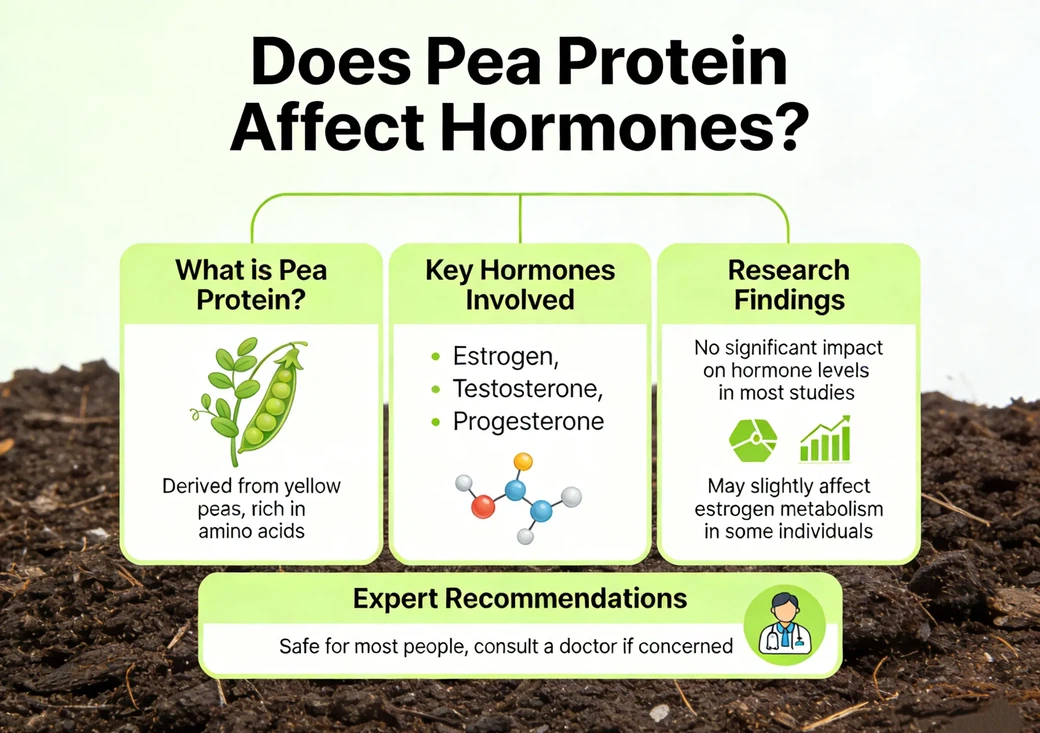
The short answer, supported by a growing body of clinical research, is yes, pea protein does interact with specific hormonal pathways-primarily in a beneficial, regulatory manner that supports satiety, metabolism, and muscle health, without negatively impacting sex hormone balance.
This article will serve as your definitive resource. We will dissect the science, translate complex studies into practical formulation insights, and empower you to make informed decisions and communicate confidently with your customers. We'll explore not just the "what," but the "how" and "why," examining the mechanisms by which this high-quality plant protein influences key hormones like insulin, glucagon-like peptide-1 (GLP-1), ghrelin, and testosterone.
1. Demystifying Pea Protein: Composition and Key Characteristics
Before analyzing its hormonal effects, it's crucial to understand what pure pea protein powder is at a biochemical level. Derived from yellow peas (Pisum sativum), the protein is isolated to create a concentrated, highly digestible powder that stands as a cornerstone of modern plant-based nutrition.
* Amino Acid Profile: Pea protein is notable for being rich in branched-chain amino acids (BCAAs), particularly arginine, which supports blood flow and nitric oxide production. While it is a "complete" protein (containing all nine essential amino acids), it is somewhat lower in methionine compared to animal proteins. This is easily mitigated in formulations by combining it with other plant proteins like rice, which is complementary.
* Bioactive Peptides: Beyond simple amino acid building blocks, pea protein contains specific bioactive peptides-short chains of amino acids-that are released during digestion. These peptides can act as signaling molecules in the body, influencing physiological processes, including hormone release.
* Low Allergenicity & High Digestibility: Unlike common allergens like soy or dairy, pea protein is naturally hypoallergenic. Modern processing techniques have significantly improved its digestibility scores (PDCAAS), making its amino acids readily available for use in the body.
Key Takeaway for Formulators: The hormonal influence of pea protein is not due to a single "active ingredient" but emerges from its holistic nutritional profile-its specific amino acid composition, its digestion rate, and the bioactive peptides it delivers.
2. The Core of the Matter: How Pea Protein Interacts with Specific Hormonal Pathways
Pea protein's primary hormonal influences are metabolic and appetite-related. Its effects are largely indirect, mediated through the nutrient-sensing pathways of the gut and pancreas, rather than direct mimicry of hormones like estrogen.
A. Pea Protein and Appetite-Regulating Hormones (The Satiety Effect)
One of the most well-documented effects of pea protein is its potent ability to promote feelings of fullness. This is mediated through a cascade of gut hormones:
* GLP-1 (Glucagon-like Peptide-1) and PYY (Peptide YY): When pea protein is digested, the resulting peptides and amino acids stimulate L-cells in the intestine to release GLP-1 and PYY. These hormones are powerful satiety signals. They slow gastric emptying ("keeping you full longer") and communicate directly with the brain's appetite centers to reduce hunger. Studies, such as one published in the Journal of the American College of Nutrition, have shown that pea protein triggers a significant increase in these satiety hormones comparable to dairy-based whey protein.
* Ghrelin (The "Hunger Hormone"): Ghrelin secretion increases before meals to stimulate appetite. Protein is the most effective macronutrient at suppressing ghrelin. Research indicates that pea protein consumption leads to a sustained reduction in ghrelin levels, contributing to reduced calorie intake at subsequent meals.
Implication for Product Development: This makes pea protein an excellent foundational ingredient for weight management, meal replacement, and satiety-focused formulations. Its natural ability to modulate these hormones provides a functional benefit that goes beyond mere macronutrient content.
B. Pea Protein, Insulin, and Blood Sugar Regulation
The relationship between protein and insulin is nuanced. Unlike refined carbohydrates, protein causes a moderate and beneficial rise in insulin.
* Anabolic Signaling: The insulin response to pea protein helps drive amino acids into muscle cells, supporting muscle protein synthesis (MPS) and recovery. This is a crucial anabolic (building) signal, especially post-exercise.
* Glycemic Control: The co-consumption of pea protein with carbohydrates can blunt the sharp spike in blood sugar. The protein and fiber in pea powder slow the digestion and absorption of carbs, leading to a more gradual insulin release and improved metabolic control. A study in the British Journal of Nutrition demonstrated that pea protein reduced postprandial blood glucose levels when added to a carbohydrate meal.
Implication for Product Development: This positions pea protein powerfully for sports nutrition products (for recovery) and general wellness formulations aimed at supporting healthy, stable energy levels and metabolic health.
C. The Critical Question: Pea Protein and Sex Hormones (Testosterone & Estrogen)
This is the area of greatest consumer concern, often stemming from misconceptions about plant "phytoestrogens." It is vital to differentiate pea protein from soy protein in this regard.
* Phytoestrogen Content: Soy contains isoflavones like genistein, which are structurally similar to human estrogen and can bind weakly to estrogen receptors. Pea protein contains negligible to non-existent levels of these compounds. Its hormonal activity works through entirely different, nutrient-sensing pathways described above.
* Clinical Evidence on Testosterone: Multiple human clinical trials have investigated the impact of plant protein supplementation on testosterone levels. A pivotal 2020 systematic review and meta-analysis in Sports Medicine concluded that neither soy nor pea protein supplementation has any significant effect on testosterone or estrogen levels in men. Protein supports overall health, which is foundational for healthy hormone production, but pea protein does not contain androgenic or anti-androgenic agents.
Key Takeaway for Brands: You can confidently state that pea protein does not lower testosterone or exert feminizing effects. This evidence-based clarity is a powerful marketing tool to address a common consumer fear and differentiate your product in a crowded market.
Comparative Hormonal Impact: Pea Protein vs. Other Major Protein Sources
|
Hormonal Pathway |
Pea Protein Impact |
Whey Protein Impact |
Soy Protein Impact |
Key Takeaway |
|
Satiety (GLP-1/PYY) |
Strong Increase. Comparable to whey in stimulating release. |
Strong Increase. Rapid digestion may lead to a sharper, earlier peak. |
Moderate Increase. Effective, but some studies show a slightly lower effect than pea/whey. |
Pea is a top-tier choice for appetite control formulations. |
|
Insulin Response |
Moderate & Sustained. Supports anabolism and glycemic control. |
High & Sharp. Very potent stimulator of insulin release. |
Moderate. Similar in scope to pea protein. |
Pea provides a balanced, sustained anabolic signal without extreme spikes. |
|
Testosterone Levels |
No Adverse Effect. Studies show no negative impact. |
No Adverse Effect. |
No Adverse Effect in most studies. (Myth debunked by major reviews). |
None of these major proteins negatively impact testosterone when consumed in normal dietary amounts. |
|
Digestion Speed |
Intermediate (Slower than whey, faster than casein). |
Fast. |
Intermediate. |
Pea's digestion rate contributes to its sustained hormonal and amino acid release profile. |
3. Scientific Evidence and Clinical Research: A Summary of Key Studies
The claims above are not theoretical; they are grounded in published science. Here is a snapshot of the research landscape:
* On Satiety: A 2022 randomized controlled trial published in Nutrients found that a pre-meal shake containing 30g of pea protein significantly increased subjective feelings of fullness and reduced subsequent food intake compared to a carbohydrate-matched control, correlating with measured rises in GLP-1.
* On Muscle Building: A 2023 study in the Journal of the International Society of Sports Nutrition compared pea protein to whey protein in resistance-trained individuals. It concluded that pea protein promoted similar gains in muscle thickness and strength when consumed in adequate doses post-workout, highlighting its efficacy as an anabolic agent.
* On Metabolic Markers: Research, including a 2021 paper in Food & Function, demonstrated that chronic supplementation with pea protein improved insulin sensitivity and lipid profiles in subjects with mild hypertension, underscoring its role in supporting cardiometabolic health.
4. Practical Applications for Supplement Formulators and Brands
Understanding this science allows for intelligent, benefit-driven product creation. Here's how to leverage pea protein's hormonal profile:
1.Targeted Product Categories:
* Weight Management & Meal Replacements: Formulate shakes, bars, and satiety capsules that harness pea protein's proven GLP-1 and PYY stimulating properties. Market the science of sustained fullness.
* Sports & Performance Nutrition: Use it in post-workout recovery blends and sustained-release protein powders. Emphasize its muscle-building (anabolic) equivalence to whey, coupled with its easy digestion and plant-based appeal.
* Healthy Aging & Metabolic Health: Develop products for maintaining muscle mass (sarcopenia prevention) and supporting healthy blood sugar metabolism. Its amino acid profile and metabolic benefits are ideal for this demographic.
* General Wellness Protein Powders: Create clean-label, allergen-friendly base powders that offer more than just protein-promote the holistic benefits of stable energy, appetite regulation, and metabolic support.
2.Optimizing Formulations for Maximum Benefit:
* Effective Dosing: Clinical benefits for satiety and muscle synthesis are typically seen with doses of 20-40 grams per serving. Ensure your formulations deliver a clinically relevant amount.
* Synergistic Blends: Combine pea protein with a complementary protein like organic rice protein to create a complete amino acid profile. Furthermore, consider synergistic ingredients:
- Soluble Fibers (e.g., Inulin): Adding a fiber like inulin can further enhance the release of satiety hormones like GLP-1 and improve gut health. As the world's largest organic inulin manufacturer, we at Joywin can provide the perfect synergistic partner for your advanced pea protein formulations.
- Digestive Enzymes (e.g., Bromelain): Including a proteolytic enzyme like bromelain can aid in the further breakdown of protein, potentially increasing bioavailability and the release of beneficial bioactive peptides. Our high-purity bromelain products are engineered for exactly this purpose.
3.Marketing and Communication Strategy:
* Lead with Science, Not Fear: Educate your consumers. Create content that explains how pea protein supports their goals through natural hormonal regulation.
* Claim Support: Focus on substantiated claims like "promotes feelings of fullness," "supports muscle recovery," and "helps manage hunger." Always ensure claims comply with regional regulatory bodies (FDA, EFSA).
* Address Myths Proactively: Have a clear FAQ or blog section that directly addresses the "testosterone myth" with citations to authoritative reviews and studies.
Conclusion: Pea Protein as a Smart, Science-Backed Choice
The journey through the science reveals a clear verdict. pure pea protein powder is not a hormonally disruptive substance; it is a sophisticated nutritional modulator. Its consumption triggers a series of beneficial, natural hormonal responses that support appetite control, metabolic health, and muscle tissue repair.
For supplement brands, this represents a tremendous opportunity. You are not merely offering a plant-based protein alternative; you are providing a multifunctional, health-supporting ingredient with a robust scientific dossier. In an industry where transparency and efficacy are paramount, pea protein stands out for its clean label, allergen-friendly profile, and now, its well-understood mechanism of action.
By formulating with high-quality pea protein and leveraging its unique properties-potentially enhanced with synergistic partners like inulin and bromelain-you can create next-generation products that deliver tangible results and build lasting trust with your customers.
JOYWIN founded in 2013 is an innovation-driven biotechnology company. We provide the manufacture of plant extracts, plant proteases, and customized products. If you want to know more about Pure Pea Protein Powder or are interested in purchasing it, you can send an email to contact@joywinworld.com. We will reply to you as soon as possible after we see the message.