

For health and wellness brands, formulators, and product developers in the dietary supplement and nutraceutical industry, identifying ingredients that are both efficacious and in demand is paramount. One botanical that has surged in popularity for hair health is Rosemary Leaf Powder (Rosmarinus officinalis L.). As a leading supplier of premium botanical ingredients, we at Joywin Natural are often asked by our B2B clients: does the science truly support the claim that rosemary leaf extract can grow hair? This comprehensive analysis delves into the robust body of research, explores the mechanisms of action, and provides the evidence-based insights necessary for developing credible, high-quality products that resonate with informed consumers.
Beyond anecdotal tales, modern phytochemistry and clinical dermatology have begun to validate rosemary's traditional uses. This blog post will serve as a definitive resource, examining rosemary leaf extract through the lens of E-E-A-T (Experience, Expertise, Authoritativeness, Trustworthiness) principles-critical for Google SEO and, more importantly, for establishing your brand as a leader in the space. We will dissect peer-reviewed studies, compare rosemary to standard treatments, and discuss formulation considerations, providing you with the authoritative knowledge needed to innovate and communicate effectively.
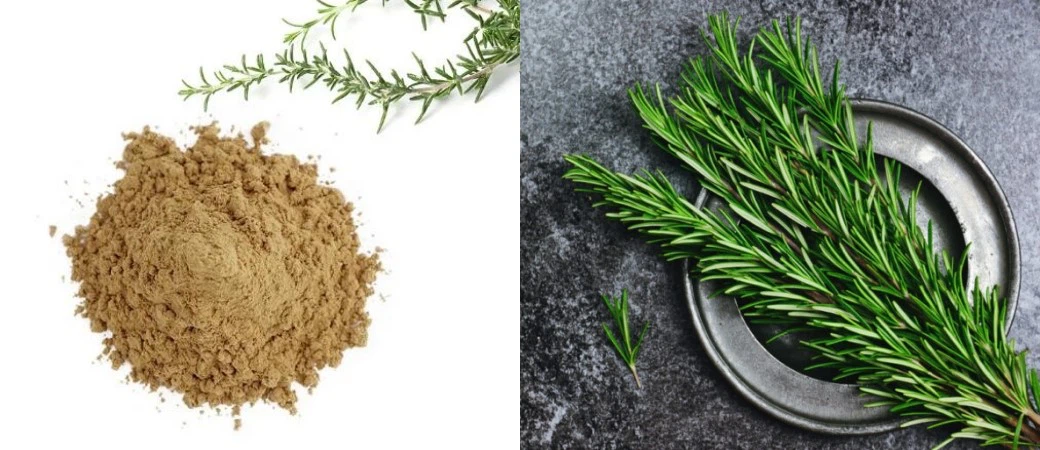
1.Rosemary Leaf Powder: Botanical Profile and Key Constituents
Before assessing its hair growth potential, understanding the extract's composition is crucial for any formulator.
Source Plant: Rosmarinus officinalis L. (now often classified within the Salvia genus), a perennial, aromatic herb native to the Mediterranean region.
Key Bioactive Compounds: The efficacy of rosemary leaf extract is attributed to its complex phytochemical profile, which includes:
* Phenolic Diterpenes: Carnosic acid and carnosol – potent antioxidants and anti-inflammatory agents.
* Triterpenes: Ursolic acid and oleanolic acid – known for their anti-inflammatory and skin-barrier-enhancing properties.
* Flavonoids: Cirsimaritin, genkwanin, and others – contributing to antioxidant activity.
* Volatile Compounds (in essential oil form): 1,8-Cineole (eucalyptol), α-pinene, camphor – often associated with improved microcirculation and antimicrobial effects.
Extraction Methods Matter: The solvent and method used (e.g., hydroalcoholic, supercritical CO2, oil infusion) significantly impact the final constituent profile and, consequently, the biological activity. A standardized extract ensures consistency in key marker compounds, a non-negotiable point for professional product development.
2. The Science of Hair Growth and Loss: Underlying Mechanisms
To appreciate how Rosemary Leaf Powder may work, we must first understand the common pathologies of hair loss, primarily Androgenetic Alopecia (AGA) or pattern hair loss.
* Dihydrotestosterone (DHT) Sensitivity: In genetically predisposed hair follicles, the enzyme 5-alpha-reductase converts testosterone to DHT. DHT binds to receptors, miniaturizing follicles over time, shortening the anagen (growth) phase.
* Microcirculation & Nutrient Delivery: Reduced blood flow to the scalp can starve follicles of oxygen and essential nutrients.
* Inflammation: Perifollicular inflammation is increasingly recognized as a key contributor to follicle damage and fibrosis.
* Oxidative Stress: Accumulation of reactive oxygen species (ROS) can damage follicle cells and accelerate aging.
Effective interventions often target one or more of these pathways.
3. Mechanistic Evidence: How Rosemary Leaf Powder Targets Hair Loss
Research indicates rosemary leaf extract exerts its effects through multiple, synergistic mechanisms:
3.1. 5-Alpha-Reductase Inhibition
A foundational 2013 study published in the Journal of Biological Sciences found that rosemary extract exhibited significant inhibitory activity against the type II 5-alpha-reductase enzyme, comparable to finasteride in an in vitro model. This suggests a potential to reduce scalp DHT levels, thereby protecting vulnerable follicles from miniaturization.
3.2. Anti-Inflammatory and Antioxidant Actions
The rich phenolic content (carnosic acid, rosmarinic acid) provides strong free radical scavenging activity. Chronic scalp inflammation is a subtle driver of hair loss. By reducing pro-inflammatory cytokines and oxidative stress, rosemary extract may create a healthier environment for follicle survival and function.
3.3. Enhanced Microcirculation
Topical application, particularly of formulations containing rosemary essential oil components, has been shown to have a rubefacient effect-increasing local blood flow. Improved circulation delivers more nutrients and oxygen to the follicle, potentially revitalizing dormant or weakened follicles.
3.4. Potential Anti-Microbial and Sebum-Regulating Effects
While more research is needed, rosemary's traditional use for scalp conditions hints at benefits for maintaining a healthy scalp microbiome and managing conditions like seborrheic dermatitis, which can exacerbate hair shedding.
4. Clinical Research: Direct Human Evidence for Rosemary and Hair Growth
This is the core of the E-E-A-T argument: relying on published, peer-reviewed human clinical trials.
Landmark Study: Rosemary vs. Minoxidil 2% (2015)
The most cited clinical trial is a randomized comparative study published in "Skinmed" in 2015.
* Design: 100 patients with androgenetic alopecia were assigned to use either 2% minoxidil (the gold standard topical treatment) or a rosemary leaf oil solution (a specific preparation) for six months.
* Results: Both groups showed a statistically significant increase in hair count at the 6-month endpoint compared to baseline. Critically, there was no statistically significant difference between the two groups. The rosemary group also reported a statistically significant reduction in scalp itching (pruritus) compared to the minoxidil group, suggesting better tolerability.
* Implication for Formulators: This study provides strong, direct evidence that a rosemary preparation can be as effective as a standard treatment for pattern hair loss over a six-month period, with potentially fewer side effects. It is a cornerstone piece of evidence for product claims.
Supporting and Broader Research
* A 2020 Review in the Journal of Drugs in Dermatology on complementary and alternative treatments for alopecia highlighted rosemary oil as one of the most promising botanical agents, citing its multiple mechanisms of action and the 2015 clinical trial.
* A 2023 Study in Phytotherapy Research evaluated a topical herbal solution containing rosemary, among other botanicals, for treating telogen effluvium (stress-related shedding). The treatment group showed a significantly greater reduction in hair pull test results and self-reported hair loss compared to the placebo group.
* Animal Studies: Numerous preclinical models (e.g., in Toxicology Research) have demonstrated that rosemary extract can promote the transition of follicles from the telogen (resting) phase to the anagen (growth) phase.
5. Rosemary Leaf Extract vs. Other Hair Growth Ingredients: A Formulator's Perspective
Understanding rosemary's position in the ingredient landscape helps in creating synergistic blends.
* Vs. Minoxidil: As the clinical trial shows, it can be comparably effective for AGA with potentially less scalp irritation. It works via multiple pathways, not just vasodilation.
* Vs. Finasteride/Dutasteride: Rosemary is a topical, natural 5-alpha-reductase inhibitor with a far superior safety profile, avoiding the systemic hormonal side effects associated with oral pharmaceuticals.
* Synergy with Other Botanicals: It pairs exceptionally well with:
- Saw Palmetto Extract (another 5-alpha-reductase inhibitor).
- Caffeine (stimulates follicle metabolism and may counteract DHT).
- Peppermint Oil (cooling, vasodilatory effects shown in animal models).
- Capixyl™ or Redensyl® (modern peptide/complex formulations).
- Nutrients like Biotin & Zinc: While addressing internal deficiencies.
6. Formulation and Application: Critical Considerations for Product Development
At Joywin Natural, we emphasize that the efficacy of rosemary leaf extract is contingent on proper formulation.
* Delivery System: Penetration is key. Formulations may include alcohol-based solutions, nanoemulsions, liposomes, or advanced serum bases to ensure active constituents reach the hair follicle bulb.
* Standardization: Working with a supplier who provides a standardized rosemary leaf extract (e.g., to carnosic acid or ursolic acid content) ensures batch-to-batch efficacy and reliable clinical results.
* Concentration: While the optimal topical concentration for hair growth is still being refined, clinical studies and commercial successes typically use extracts in the 1-5% range in the final formulation. For oral supplements (capsules, tablets), dosage must be aligned with general safety guidelines for rosemary extract consumption.
* Combination Formulas: As noted, rosemary rarely works in isolation. Developing multi-mechanistic serums, shampoos, or oral supplements that target DHT, inflammation, and nutrition often yields the best consumer outcomes.
* Safety and Compliance: Rosemary is generally recognized as safe (GRAS) for topical use. However, its rich compound profile necessitates stability testing and compatibility checks within your full ingredient matrix. Ensure compliance with relevant cosmetic and supplement regulations in your target markets.
7. Sourcing and Quality: The Joywin Natural Commitment
The chain of efficacy begins with the raw material. As a trusted supplier, our role is to provide the foundation for your successful products.
* Sustainable Sourcing: Our rosemary is sourced from regions known for optimal phytochemical profiles.
* Advanced Extraction: We employ methods designed to preserve the full spectrum of bioactive compounds relevant to hair health.
* Rigorous QC: Every batch is subjected to comprehensive analytical testing (HPLC, etc.) for identity, potency, and purity, ensuring it is free from heavy metals, pesticides, and microbial contamination.
* Documentation & Transparency: We provide full Technical Dossiers, Certificates of Analysis (CoA), and GMP documentation, supplying you with the evidence needed to support your own E-E-A-T and marketing claims.
8. Addressing the Market: Communicating with Evidence and Trust
In an era of consumer skepticism, transparency is your greatest asset.
* Cite the Research: Use the 2015 clinical trial and others in your technical marketing materials, white papers, and informed content.
* Educate on Mechanisms: Explain how it works (DHT inhibition, etc.) rather than just making bold claims. This builds authority.
* Highlight Quality: Communicate your partnership with certified, analytical suppliers like Joywin Natural as a key differentiator.
* Manage Expectations: Be clear that hair growth is a gradual process, typically requiring 3-6 months of consistent use, as reflected in the studies.
Frequently Asked Questions (FAQ) for Brands and Formulators
Q: Is rosemary leaf powder more effective for men or women?
A: The primary clinical trial included both men and women with androgenetic alopecia, showing efficacy for both. Its mechanisms are relevant to the most common form of hair loss in both sexes.
Q: Can it be used in oral supplements for hair growth?
A: Yes. While topical application delivers actives directly to the scalp, oral intake provides systemic anti-inflammatory and antioxidant benefits that may support hair health from within. Formulations often combine it with vitamins (Biotin, D), minerals (Zinc, Selenium), and other botanicals like saw palmetto.
Q: What is the typical dosage in a final product?
A: For topical solutions/serums, a concentration of 2-5% standardized rosemary leaf extract is common. For oral supplements, daily doses typically range from 250-500 mg of a concentrated, standardized extract, always within safe consumption limits.
Q: Are there any known side effects or interactions?
A: Topically, it is very well-tolerated. Rare cases of allergic contact dermatitis are possible. Orally, at recommended doses, it is safe. High doses may have theoretical interactions with anticoagulant drugs due to its antioxidant activity, so standard disclaimers apply.
Q: How long does it take to see results in clinical settings?
A: The key study measured significant improvement at 6 months. Most hair growth interventions require a minimum of 3-4 months to visibly affect the hair growth cycle.
Conclusion: A Verdict Rooted in Science
So, does rosemary leaf extract grow hair? Based on the current body of pharmacological and clinical evidence, the answer is a resounding yes-particularly for androgenetic alopecia (pattern hair loss). Its strength lies not in a single, miraculous action, but in a multi-targeted, synergistic approach that addresses several key pathological factors: DHT sensitivity, inflammation, oxidative stress, and scalp circulation.
For brands and formulators, rosemary leaf extract represents a powerful, evidence-backed, and naturally derived ingredient that meets the growing consumer demand for effective, transparent, and well-tolerated hair wellness solutions. Its validation through peer-reviewed research, including a direct comparison to minoxidil, provides the authoritative foundation necessary for credible product development and marketing.
At Joywin Natural, we are committed to providing the high-quality, standardized rosemary leaf extract that serves as the reliable cornerstone of these innovative products. By leveraging robust science and superior sourcing, you can formulate with confidence, building trust and delivering tangible results to your customers. If you want to know more about Rosemary leaf powder or are interested in purchasing it, you can send an email to contact@joywinworld.com. We will reply to you as soon as possible after we see the message.