

Inflammation is the body's natural defense mechanism against injury and infection, but when it becomes chronic or excessive, it can contribute to numerous health problems ranging from arthritis to skin conditions. In the search for natural anti-inflammatory solutions, papain-a proteolytic enzyme derived from papaya (Carica papaya L.)-has emerged as a promising therapeutic agent with scientifically validated anti-inflammatory properties.
This comprehensive guide explores the fascinating mechanisms by which papain reduces inflammation, examining the molecular pathways, clinical evidence, and practical applications of papain powder. Whether you're a health professional, supplement formulator, or someone seeking natural inflammation management strategies, understanding how papain works at the cellular level provides valuable insights into this powerful enzyme's therapeutic potential.
What is Papain?
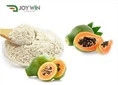
Papain is a cysteine protease enzyme extracted from the latex of unripe papaya fruit (Carica papaya L.). This proteolytic enzyme has been used for centuries in traditional medicine and has gained significant attention in modern pharmaceutical and nutraceutical applications due to its diverse biological activities.
Chemical Structure and Classification
Enzyme Classification:
- Type: Cysteine protease (also called thiol protease)
- EC Number: 3.4.22.2
- Molecular Weight: Approximately 23,000 Daltons
- Active Site: Contains a cysteine residue essential for catalytic activity
- pH Optimum: 6.0-7.0 (functions across a wide pH range)
Structural Characteristics:
Papain consists of a single polypeptide chain of 212 amino acids, folded into two distinct domains with a deep cleft between them. The active site contains a catalytic triad consisting of cysteine-25, histidine-159, and asparagine-175, which work together to break down protein molecules.
Natural Sources and Extraction
Primary Source:
The richest source of papain is the latex (milky fluid) obtained from:
- Unripe papaya fruit
- Papaya leaves
- Papaya stems
Extraction Process:
1. Latex is collected by making shallow incisions in unripe papaya fruit
2. The latex is collected and allowed to dry
3. The dried latex is purified through various methods
4. The enzyme is concentrated and standardized
5. Final product is processed into papain
Commercial Production:
Modern papain powder production involves:
- Controlled harvesting techniques
- Standardized extraction methods
- Purification to remove contaminants
- Spray-drying or freeze-drying to create stable powder
- Quality testing for enzyme activity and purity
Proteolytic Activity
The defining characteristic of papain is its ability to break down proteins into smaller peptides and amino acids. Research investigating the proteolytic function of enzymes used in various formulations has demonstrated papain's powerful protein-degrading capabilities.
Mechanism of Protein Breakdown:
- Papain cleaves peptide bonds in proteins
- It shows broad substrate specificity
- Can hydrolyze proteins, peptides, and amino acid esters
- Works on both native and denatured proteins
- Functions effectively across a wide range of conditions
This proteolytic activity is central to papain's anti-inflammatory effects, as we'll explore in detail throughout this article.
Understanding Inflammation: The Body's Double-Edged Sword
Before diving into papain's anti-inflammatory mechanisms, it's essential to understand inflammation itself.
Acute vs. Chronic Inflammation
Acute Inflammation:
- Short-term response to injury or infection
- Characterized by redness, heat, swelling, pain, and loss of function
- Protective and necessary for healing
- Resolves once the threat is eliminated
- Mediated by immune cells and inflammatory mediators
Chronic Inflammation:
- Persistent, long-term inflammation
- Can last months to years
- Often occurs without obvious injury or infection
- Contributes to numerous diseases
- Associated with tissue damage and dysfunction
Key Players in Inflammation
Inflammatory Cells:
- Neutrophils: First responders to injury
- Macrophages: Phagocytic cells that clear debris
- Mast cells: Release histamine and other mediators
- T cells and B cells: Adaptive immune responses
Inflammatory Mediators:
- Cytokines: Signaling proteins (IL-1, IL-6, TNF-α)
- Chemokines:Attract immune cells to inflammation sites
- Prostaglandins: Lipid compounds that promote inflammation
- Leukotrienes: Contribute to inflammatory responses
- Histamine: Causes vasodilation and increased permeability
Signaling Pathways:
- NF-κB pathway: Master regulator of inflammation
- MAPK pathways: Mitogen-activated protein kinases
- STAT pathways: Signal transducer and activator of transcription
- COX pathways: Cyclooxygenase enzymes
Understanding these components helps us appreciate how papain intervenes at multiple levels to reduce inflammation.

How Papain Reduces Inflammation: The Molecular Mechanisms
Papain's anti-inflammatory effects operate through multiple, interconnected mechanisms at the molecular and cellular levels. Recent research has significantly advanced our understanding of these pathways.
1. Inhibition of MAPK Signaling Pathways
One of the most significant discoveries in papain research involves its effects on mitogen-activated protein kinase (MAPK) pathways, which are crucial regulators of inflammatory responses.
The MAPK Family:
The MAPK family includes several key signaling molecules:
- ERK (Extracellular signal-regulated kinase):** Involved in cell proliferation and inflammation
- JNK (c-Jun N-terminal kinase):** Activated by stress and inflammatory signals
- p38 MAPK: Critical for producing inflammatory cytokines
Papain's Inhibitory Effects:
Research has demonstrated that papain suppresses atopic skin inflammation through anti-inflammatory and anti-oxidative mechanisms, with findings elucidating that the anti-inflammatory mechanisms involve the inhibition of the MAPKs and STAT signaling pathways.
Specifically, papain:
- Reduces phosphorylation of ERK, JNK, and p38 MAPK
- Prevents activation of downstream inflammatory genes
- Blocks the production of inflammatory mediators
- Interrupts the inflammatory cascade at an early stage
This inhibition is particularly significant because MAPK pathways are upstream regulators of numerous inflammatory processes, meaning that blocking them has widespread anti-inflammatory effects.
2. Suppression of STAT Signaling Pathways
Signal transducer and activator of transcription (STAT) proteins are another critical target of papain's anti-inflammatory action.
STAT Pathway Functions:
- STAT1: Activated by interferons, promotes inflammatory responses
-STAT3:Regulates cell survival and inflammatory gene expression
- STAT5: Involved in immune cell development and function
- STAT6: Critical for allergic inflammation and Th2 responses
Papain's Mechanism:
Studies have shown that papain's anti-inflammatory mechanisms involve the inhibition of both MAPK and STAT signaling pathways.
By suppressing STAT activation, papain:
- Reduces transcription of inflammatory genes
- Decreases production of inflammatory cytokines
- Modulates immune cell differentiation
- Prevents excessive inflammatory responses
3. Reduction of Pro-Inflammatory Cytokines
Cytokines are signaling molecules that orchestrate inflammatory responses. Papain significantly reduces the production and activity of key pro-inflammatory cytokines.
Key Cytokines Affected by Papain:
Tumor Necrosis Factor-alpha (TNF-α):
- Major pro-inflammatory cytokine
- Promotes systemic inflammation
- Papain reduces TNF-α production and release
- Decreases TNF-α-mediated inflammatory signaling
Interleukin-1 beta (IL-1β):
- Potent inflammatory mediator
- Induces fever and acute phase responses
- Papain suppresses IL-1β expression
- Reduces IL-1β-driven inflammation
Interleukin-6 (IL-6):
- Pleiotropic cytokine with pro-inflammatory effects
- Involved in acute and chronic inflammation
- Papain decreases IL-6 production
- Modulates IL-6 signaling pathways
Interleukin-8 (IL-8):
- Chemokine that attracts neutrophils
- Promotes inflammatory cell infiltration
- Papain reduces IL-8 levels
- Decreases immune cell recruitment to inflammation sites
Previous studies have demonstrated that papain alleviates atopic skin inflammation through multiple anti-inflammatory mechanisms, including cytokine reduction.
4. Modulation of NF-κB Pathway
Nuclear factor kappa B (NF-κB) is often called the "master regulator" of inflammation. It controls the expression of hundreds of genes involved in inflammatory responses.
NF-κB Pathway Overview:
- In resting cells, NF-κB is sequestered in the cytoplasm by inhibitory proteins (IκB)
- Upon activation, IκB is degraded
- NF-κB translocates to the nucleus
- Activates transcription of inflammatory genes
Papain's Inhibitory Effects:
While not all mechanisms are fully elucidated, evidence suggests papain:
- Prevents degradation of IκB proteins
- Reduces NF-κB nuclear translocation
- Decreases NF-κB DNA binding activity
- Suppresses NF-κB-dependent gene expression
By inhibiting NF-κB, papain effectively reduces the expression of numerous inflammatory mediators, including cytokines, chemokines, adhesion molecules, and inflammatory enzymes.
5. Anti-Oxidative Mechanisms
Oxidative stress and inflammation are intimately connected, with reactive oxygen species (ROS) promoting inflammatory responses and inflammation generating more ROS-creating a vicious cycle.
Oxidative Stress in Inflammation:
- ROS activate inflammatory signaling pathways
- Oxidative damage triggers inflammatory responses
- Inflammation produces more ROS
- Creates a self-perpetuating cycle
Papain's Anti-Oxidative Properties:
Research has shown that papain suppresses inflammation through both anti-inflammatory and anti-oxidative mechanisms.
Papain's anti-oxidative effects include:
- Direct scavenging of free radicals
- Enhancement of endogenous antioxidant systems
- Reduction of oxidative stress markers
- Protection of cellular components from oxidative damage
- Breaking the oxidative stress-inflammation cycle
Recent studies have demonstrated significant anti-inflammatory and anti-oxidant activity of papain-containing formulations, with results showing 93% anti-inflammatory activity and 20% anti-oxidant activity in experimental models.
6. Proteolytic Degradation of Inflammatory Mediators
Papain's proteolytic activity directly contributes to its anti-inflammatory effects by breaking down inflammatory proteins and mediators.
Protein Degradation Mechanisms:
- Cleaves inflammatory proteins into inactive fragments
- Degrades damaged or misfolded proteins
- Removes inflammatory debris from tissues
- Facilitates clearance of inflammatory mediators
Specific Targets:
- Damaged extracellular matrix proteins
- Inflammatory protein aggregates
- Fibrin deposits in inflamed tissues
- Necrotic tissue components
This proteolytic activity is particularly important in wound healing and tissue repair, where removing damaged proteins and debris is essential for resolution of inflammation.
7. Modulation of Immune Cell Activity
Papain influences the behavior and function of various immune cells involved in inflammatory responses.
Effects on Different Immune Cells:
Macrophages:
- Reduces pro-inflammatory M1 macrophage polarization
- May promote anti-inflammatory M2 macrophage phenotype
- Decreases macrophage production of inflammatory mediators
- Modulates phagocytic activity
Neutrophils:
- Reduces neutrophil infiltration into inflamed tissues
- Decreases neutrophil activation
- Modulates neutrophil extracellular trap (NET) formation
- Reduces neutrophil-mediated tissue damage
Mast Cells:
- Modulates mast cell degranulation
- Reduces histamine release
- Affects mast cell-mediated allergic responses
- Decreases mast cell contribution to inflammation
T Cells:
- Influences T cell activation and proliferation
- May modulate Th1/Th2 balance
- Affects T cell cytokine production
- Influences adaptive immune responses
Research has demonstrated immunostimulatory potential of papain formulations, indicating its complex effects on immune system modulation.
8. Effects on Inflammatory Enzyme Systems
Papain influences several enzyme systems involved in generating inflammatory mediators.
Cyclooxygenase (COX) Enzymes:
While direct COX inhibition by papain is less documented than with NSAIDs, papain may:
- Indirectly reduce COX-2 expression through upstream pathway inhibition
- Decrease prostaglandin production
- Modulate arachidonic acid metabolism
Lipoxygenase (LOX) Enzymes:
- May influence leukotriene synthesis
- Affects inflammatory lipid mediator production
- Modulates inflammatory lipid signaling
Matrix Metalloproteinases (MMPs):
- Influences MMP expression and activity
- Affects tissue remodeling during inflammation
- Modulates extracellular matrix degradation
Clinical Evidence: Papain's Anti-Inflammatory Effects in Practice
The molecular mechanisms described above translate into real-world therapeutic benefits, as demonstrated by clinical research and practical applications.
Skin Inflammation and Atopic Dermatitis
One of the most well-studied applications of papain is in treating skin inflammation, particularly atopic dermatitis.
Research Findings:
Studies have demonstrated that papain alleviates atopic skin inflammation through its anti-inflammatory mechanisms, with the anti-inflammatory and skin barrier function recovery effects being well-documented.
Mechanisms in Skin Inflammation:
- Reduces inflammatory cytokine production in skin
- Decreases immune cell infiltration
- Modulates inflammatory signaling in keratinocytes
- Provides anti-oxidative protection to skin cells
- Supports skin barrier function recovery
Clinical Applications:
- Topical papain formulations for eczema
- Treatment of inflammatory skin conditions
- Support for skin barrier repair
- Management of allergic skin reactions
Wound Healing and Tissue Repair
Papain has long been used in wound care, where its anti-inflammatory properties complement its proteolytic debridement effects.
Wound Healing Benefits:
Research has shown that papain may help heal wounds through multiple mechanisms, including anti-inflammatory action.
Rats treated with papain-based wound cleanser showed progressive wound healing based on wound reduction rates and histological analysis, demonstrating the enzyme's effectiveness in promoting tissue repair.
Mechanisms in Wound Healing:
- Removes necrotic tissue and inflammatory debris
- Reduces excessive inflammation that impairs healing
- Promotes granulation tissue formation
- Supports angiogenesis (new blood vessel formation)
- Facilitates tissue remodeling
Papain's bactericidal, bacteriostatic, and anti-inflammatory action on wounds, combined with its promotion of debridement (removal of necrotic tissue), makes it particularly effective in wound care applications. [8]
Clinical Applications:
- Chronic wound management
- Burn treatment
- Surgical wound care
- Ulcer treatment
- Debridement of necrotic tissue
Pain and Inflammation Management
Papain's anti-inflammatory properties extend to pain management, as inflammation and pain are closely linked.
Pain Reduction Mechanisms:
Papain may reduce pain and inflammation through its various anti-inflammatory pathways, making it useful for managing inflammatory pain conditions. [6]
Applications:
- Musculoskeletal pain
- Post-surgical inflammation and pain
- Sports injuries
- Arthritis-related discomfort
- Soft tissue inflammation
Digestive System Applications
While papain is best known for its digestive enzyme properties, its anti-inflammatory effects also benefit the gastrointestinal system.
Digestive Benefits:
Papain may aid digestion while also reducing inflammation in the digestive tract. [6]
Mechanisms:
- Reduces inflammatory responses in the gut
- Supports intestinal barrier function
- Modulates gut immune responses
- Assists in protein digestion, reducing inflammatory burden
Throat and Respiratory Applications
Papain has been traditionally used for throat discomfort, where its anti-inflammatory properties may provide relief.
Respiratory Applications:
Papain may help ease a sore throat, likely through its anti-inflammatory mechanisms. [6]
Mechanisms:
- Reduces throat inflammation
- Decreases inflammatory mediators in respiratory tissues
- Provides proteolytic action on inflammatory exudates
- Supports mucosal healing
Papain Powder: Formulation, Dosage, and Applications
Understanding how to properly use papain is essential for maximizing its anti-inflammatory benefits while ensuring safety.
Standardization and Quality
Enzyme Activity Measurement:
Papain powder is standardized based on its proteolytic activity, typically measured in:
- Papain Units (PU): Measure of enzymatic activity
- USP Units: United States Pharmacopeia standard
- FIP Units: International Pharmaceutical Federation standard
Common standardizations:
- 6,000 USP units per mg
- 30,000 USP units per mg
- 100,000 USP units per gram
Quality Considerations:
High-quality papain should have:
- Consistent enzyme activity
- High purity (minimal contaminants)
- Proper stabilization
- Appropriate moisture content
- Verified identity and potency
Dosage Guidelines
General Supplementation:
It is possibly safe when taken as medicine in doses up to 1,200 mg daily for up to 9 weeks, though taking very large amounts of papain is possibly unsafe. [9]
Typical Dosage Ranges:
For Anti-Inflammatory Effects:
- Low dose: 100-300 mg per day
- Moderate dose: 300-600 mg per day
- Higher dose: 600-1,200 mg per day (under professional guidance)
For Digestive Support:
- 500-1,000 mg with meals
- Typically 1-3 times daily
For Topical Applications:
- Concentration varies by formulation
- Typically 0.1-10% in topical preparations
- Higher concentrations for wound debridement
Timing Considerations:
- For digestion: Take with meals
- For systemic anti-inflammatory effects: Between meals on empty stomach
- For wound care: Apply as directed by healthcare provider
Safety Profile
Papain is likely safe when taken by mouth in amounts commonly found in foods, and possibly safe when taken by mouth in medicinal amounts and when applied to the skin. General Safety:
- Well-tolerated by most people at recommended doses
- Long history of use in traditional medicine
- Generally recognized as safe (GRAS) for food use
- Extensive safety data available
Potential Side Effects:
Common (Usually Mild):
- Digestive upset
- Nausea
- Diarrhea (at high doses)
- Allergic reactions in sensitive individuals
Rare but Serious:
- Severe allergic reactions (in latex-allergic individuals)
- Esophageal perforation (with very high doses)
- Bleeding (due to anticoagulant effects)
Contraindications and Precautions:
Avoid or Use with Caution If:
- **Latex allergy:** Cross-reactivity is possible
- **Bleeding disorders:** Papain may increase bleeding risk
- **Upcoming surgery:** Discontinue 2 weeks before surgery
- **Pregnancy and breastfeeding:** Insufficient safety data for high doses
- **Taking blood thinners:** May enhance anticoagulant effects
Drug Interactions:
- **Anticoagulants/Antiplatelets:** May increase bleeding risk
- **Diabetes medications:** May affect blood sugar
- **Antibiotics:** May interfere with certain antibiotics
Application Methods
Oral Supplementation:
- Capsules or tablets
- Powder mixed in water or juice
- Chewable tablets for throat support
- Enteric-coated formulations for systemic effects
Topical Applications:
- Creams and ointments for skin inflammation
- Wound care gels
- Cosmetic formulations
- Enzymatic debridement preparations
Combination Formulations:
Papain is often combined with:
- **Bromelain:** Another proteolytic enzyme with anti-inflammatory effects
- **Other digestive enzymes:** For comprehensive digestive support
- **Antioxidants:** For enhanced anti-inflammatory effects
- **Probiotics:** For gut health support
Quality Considerations for Papain Powder
When sourcing papain for personal use or commercial applications, quality assurance is paramount.
Source and Extraction
Papaya Source:
- Geographic origin affects quality
- Organic vs. conventional cultivation
- Harvesting methods and timing
- Latex collection procedures
Extraction and Purification:
- Extraction method affects enzyme activity
- Purification removes contaminants
- Processing conditions preserve enzyme function
- Stabilization prevents degradation
Testing and Certification
Essential Testing:
Enzyme Activity:
- Standardized activity assays
- Consistency across batches
- Stability testing over time
Purity Testing:
- Heavy metal screening (lead, arsenic, cadmium, mercury)
- Microbial testing (total plate count, E. coli, Salmonella, yeast/mold)
- Pesticide residue analysis
- Allergen testing
Identity Verification:
- Protein analysis
- Enzymatic characterization
- Spectroscopic methods
Important Certifications:
- Organic certifications: USDA NOP, EU Organic, JAS
- Food safety certifications: FSSC 22000, ISO 22000, BRC
- Quality management: ISO 9001, cGMP
- Religious certifications: Kosher, Halal
- Non-GMO verification
Companies like Joywin Natural, which maintain comprehensive certifications including NOP/JAS, BRC, FSSC, cGMP, Kosher, HALAL, ISO9001, ISO14001, and ISO22000, demonstrate commitment to quality, safety, and regulatory compliance in their papain powder products.
Storage and Stability
Optimal Storage Conditions:
- Cool, dry environment (below 25°C/77°F)
- Protected from moisture and humidity
- Airtight containers
- Protected from direct light
- Refrigeration may extend shelf life
Stability Factors:
- Temperature affects enzyme activity
- Moisture can cause degradation
- pH influences stability
- Proper packaging preserves potency
Shelf Life:
- Properly stored papain : 24-36 months
- Activity may decrease over time
- Check expiration dates
- Verify activity if stored long-term
Comparing Papain to Other Anti-Inflammatory Agents
Understanding how papain compares to other anti-inflammatory approaches provides context for its use.
Papain vs. NSAIDs
Non-Steroidal Anti-Inflammatory Drugs (NSAIDs):
- **Mechanism:** Primarily COX enzyme inhibition
- **Onset:** Rapid (hours)
- **Potency:** High for acute inflammation
- **Side effects:** Gastrointestinal issues, cardiovascular risks, kidney effects
- **Duration:** Short-term use preferred
Papain:
- **Mechanism:** Multiple pathways (MAPK, STAT, cytokines, antioxidant)
- **Onset:** Gradual (days to weeks for systemic effects)
- **Potency:** Moderate, more suited for chronic inflammation
- **Side effects:** Generally milder, fewer systemic effects
- **Duration:** Suitable for longer-term use
Papain vs. Corticosteroids
Corticosteroids:
- **Mechanism:** Broad immune suppression
- **Potency:** Very high
- **Side effects:** Significant with long-term use (bone loss, immune suppression, metabolic effects)
- **Applications:** Severe inflammation, autoimmune conditions
Papain:
- **Mechanism:** Targeted anti-inflammatory pathways
- **Potency:** Moderate
- **Side effects:** Minimal with appropriate use
- **Applications:** Mild to moderate inflammation, supportive therapy
Papain vs. Other Proteolytic Enzymes
Bromelain (from pineapple):
- Similar proteolytic and anti-inflammatory mechanisms
- Often combined with papain for synergistic effects
- Comparable safety profile
- May have slightly different tissue specificity
Serrapeptase (from silkworm):
- Stronger proteolytic activity
- Effective for fibrin breakdown
- May have more potent anti-inflammatory effects
- Different origin and production
Nattokinase (from fermented soybeans):
- Primarily fibrinolytic (breaks down blood clots)
- Cardiovascular focus
- Different mechanism than papain
Papain's Advantages:
- Long history of safe use
- Multiple mechanisms of action
- Versatile applications
- Cost-effective production
- Well-researched
Practical Applications of Papain Powder
The anti-inflammatory properties of papain powder make it valuable across numerous applications.
Dietary Supplements
Anti-Inflammatory Formulations:
- Standalone papain supplements
- Multi-enzyme complexes
- Joint health formulations
- Sports recovery products
Digestive Health Products:
- Digestive enzyme blends
- Gut health supplements
- Protein digestion support
- Bloating and gas relief
Systemic Enzyme Therapy:
- Taken between meals for systemic effects
- Supports overall inflammatory balance
- Promotes tissue repair and recovery
Functional Foods and Beverages
Protein Supplements:
- Added to protein powders for better digestion
- Reduces inflammatory response to protein intake
- Enhances protein utilization
Recovery Beverages:
- Post-workout formulations
- Anti-inflammatory sports drinks
- Muscle recovery support
Topical and Cosmetic Applications
Skin Care Products:
- Anti-inflammatory creams and serums
- Exfoliating treatments
- Acne and blemish treatments
- Anti-aging formulations
Wound Care:
- Enzymatic debridement gels
- Burn treatments
- Ulcer care products
- Post-surgical wound management
Clinical and Medical Applications
Wound Management:
- Hospital and clinical wound care
- Chronic wound treatment
- Burn units
- Surgical applications
Physical Therapy:
- Sports injury treatment
- Post-surgical rehabilitation
- Soft tissue injury management
- Inflammation reduction protocols
Veterinary Applications
Pet Health:
- Digestive supplements for dogs and cats
- Wound care for animals
- Anti-inflammatory support
- Joint health products
Maximizing Papain's Anti-Inflammatory Benefits
To optimize the anti-inflammatory effects of papain powder, consider these evidence-based strategies.
Optimal Usage Strategies
For Systemic Anti-Inflammatory Effects:
- Take on an empty stomach (between meals)
- Allows enzyme to enter systemic circulation
- Timing: 1-2 hours before or after meals
- Consistency is key-daily use for best results
For Digestive Support:
- Take with meals
- Supports protein digestion
- Reduces inflammatory burden from food
- May reduce food-related inflammation
Gradual Introduction:
- Start with lower doses
- Gradually increase over 1-2 weeks
- Monitor response and adjust
- Allows body to adapt
Synergistic Combinations
With Other Proteolytic Enzymes:
- Bromelain: Complementary anti-inflammatory effects
- Serrapeptase: Enhanced fibrinolytic activity
- Trypsin/Chymotrypsin: Broader protein specificity
With Antioxidants:
- Vitamin C: Enhances antioxidant effects
- Vitamin E: Synergistic antioxidant protection
- Quercetin: Anti-inflammatory flavonoid
- Curcumin: Multiple anti-inflammatory pathways
With Anti-Inflammatory Herbs:
- Ginger: COX-2 inhibition
- Boswellia: LOX inhibition
- Green tea extract: Polyphenol antioxidants
- Omega-3 fatty acids: Anti-inflammatory lipids
Lifestyle Factors
Diet:
- Anti-inflammatory diet enhances effects
- Reduce processed foods and sugar
- Increase fruits, vegetables, and omega-3s
- Stay hydrated
Exercise:
- Moderate exercise reduces inflammation
- Supports enzyme circulation
- Enhances overall anti-inflammatory status
- Avoid overtraining
Stress Management:
- Chronic stress promotes inflammation
- Stress reduction enhances papain's effects
- Meditation, yoga, adequate sleep
- Mind-body practices
Sleep:
- Quality sleep reduces inflammation
- Supports immune function
- Enhances recovery and repair
- Aim for 7-9 hours nightly
The Future of Papain Research
Research into papain's anti-inflammatory mechanisms continues to evolve, with exciting developments on the horizon.
Emerging Research Areas
Nanotechnology Applications:
Recent research has explored chitosan/reduced graphene oxide/papain nanocomposite formulations, with results indicating proper porosity, swelling and degradation properties, achieving 93% anti-inflammatory activity and 20% anti-oxidant activity.
Advanced Delivery Systems:
- Nanoparticle encapsulation for enhanced bioavailability
- Targeted delivery to inflammation sites
- Sustained-release formulations
- Transdermal delivery systems
Novel Therapeutic Applications:
- Autoimmune disease management
- Neurodegenerative disease support
- Metabolic syndrome treatment
- Cancer supportive care
Mechanism Elucidation:
- Deeper understanding of molecular targets
- Identification of new anti-inflammatory pathways
- Personalized medicine applications
- Biomarker development
Clinical Trial Developments
Areas of Investigation:
- Standardized clinical protocols
- Dose-response relationships
- Long-term safety studies
- Comparative effectiveness research
- Combination therapy trials
Disease-Specific Studies:
- Arthritis and joint disorders
- Inflammatory bowel disease
- Skin conditions
- Cardiovascular inflammation
- Respiratory conditions
Sourcing Quality Papain Powder
When selecting papain powder for personal use or commercial applications, choosing the right supplier is crucial.
Supplier Selection Criteria
Quality Assurance:
- Comprehensive testing protocols
- Batch-to-batch consistency
- Transparent documentation
- Third-party verification
Certifications:
Look for suppliers with:
- Organic certifications (NOP/JAS)
- Food safety certifications (FSSC 22000, BRC, ISO 22000)
- Quality management (ISO 9001, cGMP)
- Religious certifications (Kosher, Halal)
- Environmental management (ISO 14001)
Technical Support:
- Knowledgeable staff
- Application guidance
- Formulation assistance
- Regulatory support
Supply Chain Reliability:
- Consistent availability
- Reliable delivery
- Proper storage and handling
- Traceability systems
Transparency:
- Clear product specifications
- Certificates of analysis (COA)
- Processing information
- Origin documentation
Red Flags to Avoid
- Unusually low prices
- Lack of documentation
- No testing verification
- Poor communication
- Inconsistent quality
- No certifications
Working with Reputable Suppliers
Companies like Joywin Natural exemplify the standards to look for in a papain powder supplier. With certifications including NOP/JAS, BRC, FSSC, cGMP, Kosher, HALAL, ISO9001, ISO14001, and ISO22000, such suppliers demonstrate:
- Commitment to quality and safety
- Compliance with international standards
- Proper manufacturing practices
- Environmental responsibility
- Ability to serve global markets
- Technical expertise and support
Conclusion: Papain's Multi-Faceted Anti-Inflammatory Power
Papain powder reduces inflammation through a sophisticated, multi-targeted approach that operates at the molecular, cellular, and tissue levels. Unlike single-mechanism anti-inflammatory drugs, papain's proteolytic enzyme activity enables it to modulate multiple inflammatory pathways simultaneously, creating a comprehensive anti-inflammatory effect.
Key Mechanisms Summarized:
1. MAPK Pathway Inhibition: Suppresses ERK, JNK, and p38 MAPK signaling, reducing inflammatory gene activation
2. STAT Pathway Suppression: Blocks STAT-mediated inflammatory responses
3. Cytokine Reduction: Decreases TNF-α, IL-1β, IL-6, and other pro-inflammatory cytokines
4. NF-κB Modulation: Inhibits the master regulator of inflammation
5. Anti-Oxidative Effects: Breaks the oxidative stress-inflammation cycle
6. Proteolytic Activity: Degrades inflammatory proteins and debris
7. Immune Cell Modulation: Influences macrophage, neutrophil, and T cell function
8. Enzyme System Effects: Modulates inflammatory enzyme systems
Clinical Applications:
The research demonstrates papain's effectiveness in:
- Skin inflammation and atopic dermatitis
- Wound healing and tissue repair
- Pain and inflammation management
- Digestive system support
- Throat and respiratory conditions
Safety and Efficacy:
With proper dosing (up to 1,200 mg daily for up to 9 weeks), papain offers a generally safe and well-tolerated approach to inflammation management, particularly suitable for chronic inflammatory conditions where long-term use is beneficial.
The Future:
As research continues to unveil papain's mechanisms and applications, this ancient remedy is finding new relevance in modern medicine. Advanced delivery systems, including nanoparticle formulations achieving 93% anti-inflammatory activity, promise even greater therapeutic potential.
For consumers seeking natural anti-inflammatory solutions, healthcare practitioners looking for complementary therapies, or manufacturers developing innovative products, papain represents a scientifically validated, multi-functional ingredient with proven anti-inflammatory properties.
When sourcing papain powder, prioritize quality, purity, and proper certification. Look for suppliers like Joywin Natural that demonstrate commitment to excellence through comprehensive certifications, rigorous testing, and dedication to providing premium dietary supplement ingredients. With the right product and proper usage, papain can be a powerful tool in managing inflammation and supporting overall health and wellness.
The convergence of traditional wisdom and modern science has revealed papain as more than just a digestive enzyme-it's a sophisticated anti-inflammatory agent with multiple mechanisms of action, offering a natural approach to one of medicine's most fundamental challenges: controlling inflammation while supporting healing and health.
JOYWIN founded in 2013 is an innovation-driven biotechnology company. We provide the manufacture of plant extracts, plant proteases, and customized products. If you want to know more about Papain Powder or are interested in purchasing it, you can send an email to contact@joywinworld.com. We will reply to you as soon as possible after we see the message.