

The global bromelain powder market is projected to reach $1.2 billion by 2030, growing at a CAGR of 7.1% from 2023, with the dietary supplements segment accounting for approximately 45% of this market share. This significant growth trajectory reflects increasing consumer demand for natural anti-inflammatory solutions and underscores the importance for B2B decision-makers to understand both the scientific and commercial aspects of bromelain.
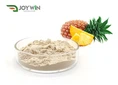
Bromelain, a complex mixture of proteolytic enzymes derived primarily from pineapple stems (Ananas comosus), has established itself as a scientifically-supported natural approach to inflammation management. For brands and manufacturers in the dietary supplement space, understanding the precise bromelain dosage for inflammation, the quality parameters that ensure efficacy, and the regulatory landscape governing its use is crucial for product development success.
This comprehensive review examines bromelain from a B2B perspective, providing technical insights into clinical dosing, standardization methods, formulation considerations, and sourcing strategies that ensure consistent quality and efficacy in finished products.
Understanding Bromelain: Sources, Composition, and Mechanism of Action
Biochemical Composition and Sources
Bromelain powder represents a complex suite of at least eight proteinases and several non-proteolytic enzymes including phosphatases, glucosidases, peroxidases, and cellulases. The complete composition varies depending on the extraction source, with stem bromelain (EC 3.4.22.32) constituting the majority of commercial preparations, while fruit bromelain (EC 3.4.22.33) represents a smaller component.
Commercial bromelain is typically extracted from the waste stems of pineapple processing, providing an economical and sustainable source of this valuable enzyme complex. The extraction method significantly influences the final enzyme activity, with modern techniques employing ultrafiltration, lyophilization, and other purification methods to achieve standardized activity levels.
Mechanism of Action in Inflammation
The anti-inflammatory properties of bromelain are attributed to multiple mechanisms that operate synergistically:
* Proteolytic Activity: Bromelain hydrolyzes various inflammatory mediators and surface molecules that participate in leukocyte migration and activation.
* Fibrinolytic Effects: By reducing plasma fibrinogen levels and breaking down fibrin, bromelain improves tissue perfusion and reduces swelling.
* Cytokine Modulation: Multiple studies demonstrate bromelain's ability to reduce pro-inflammatory cytokines including TNF-α, IL-1β, and IL-6 while potentially increasing anti-inflammatory cytokines.
* Immune Cell Signaling: Bromelain affects T-cell signaling and activation, potentially modulating immune responses in inflammatory conditions.
This multi-targeted mechanism distinguishes bromelain from single-pathway anti-inflammatories and contributes to its broad application across various inflammatory conditions.
Clinical Evidence: Bromelain Dosage for Specific Inflammatory Conditions
Osteoarthritis and Joint Inflammation
Clinical research on bromelain for osteoarthritis demonstrates significant efficacy with doses typically ranging from 500-1000 mg daily of standardized bromelain. A 2006 randomized controlled trial published in Phytomedicine found that bromelain supplementation (800-1000 mg/day) produced similar improvements in pain and stiffness to diclofenac in patients with knee osteoarthritis.
The optimal bromelain dosage for joint inflammation appears to be in the range of 500-2000 GDU (gelatin digesting units) per day, typically divided into 2-3 doses. For B2B partners developing joint health formulas, this translates to formulations providing 250-500 mg of high-activity bromelain powder (2000-2400 GDU/g) per serving, with 1-2 servings daily.
Sports Recovery and Exercise-Induced Inflammation
For exercise-induced muscle damage and inflammation, studies employing bromelain supplementation have utilized doses ranging from 300-1000 mg daily. A 2021 systematic review of proteolytic enzymes for exercise recovery concluded that bromelain demonstrated significant potential for reducing delayed onset muscle soreness (DOMS) and accelerating recovery when administered at 500-750 mg/day in divided doses.
The timing of administration appears crucial for sports nutrition applications, with evidence suggesting initiating bromelain supplementation 24-48 hours before intense exercise and continuing for 72-96 hours post-exercise yields optimal results.
Surgical Recovery and Trauma-Related Inflammation
In surgical contexts, particularly following dental, orthopedic, and cosmetic procedures, bromelain for inflammation and swelling has been extensively studied. A meta-analysis of randomized controlled trials concluded that bromelain supplementation significantly reduced edema, pain, and healing time across various surgical models.
The typical bromelain dosage in surgical applications ranges from 750-3000 mg/day, initiated 24-48 hours pre-operatively and continued for 3-7 days post-operatively. The substantial dosing in these applications reflects the acute inflammatory challenge presented by surgical trauma.
Sinusitis and Respiratory Inflammation
For inflammatory respiratory conditions such as sinusitis, clinical evidence supports bromelain supplementation at doses of 400-1000 mg/day. A systematic review published in Evidence-Based Complementary and Alternative Medicine found that bromelain demonstrated significant improvement in symptoms of chronic rhinosinusitis when used as an adjunct to conventional therapy.
The mucolytic properties of bromelain, combined with its anti-inflammatory effects, contribute to its efficacy in respiratory applications, with optimal dosing typically achieved through divided administration 2-3 times daily.

Standardization and Potency Measurement: Critical Considerations for B2B Sourcing
Understanding Bromelain Activity Units
The biological activity of bromelain powder is quantified using several measurement systems, creating potential confusion in specification and sourcing:
* GDU (Gelatin Digesting Units): Measures the ability to digest gelatin; most common in dietary supplements (typically 1800-2400 GDU/g for high-quality material)
* MCU (Milk Clotting Units): Based on milk clotting activity; commonly used in food applications
* FIP (Federation International Pharmaceutique): International pharmaceutical standard
* CDU (Casein Digesting Units): Less common measurement based on casein digestion
For B2B partners, understanding these units and their interconversion is essential for accurate specification and comparison of bromelain from different suppliers. Reputable suppliers provide comprehensive Technical Data Sheets (TDS) with multiple activity measurements and conversion factors.
Standardization for Consistent Efficacy
The variable composition of natural bromelain necessitates rigorous standardization to ensure consistent biological activity and clinical efficacy. High-quality bromelain raw material should be standardized to specific proteolytic activity, typically expressed as GDU/g.
For anti-inflammatory applications, clinical evidence suggests that material standardized to 2000-2400 GDU/g provides optimal efficacy. Lower-activity material may require proportionally higher dosing, creating formulation challenges related to capsule size, tablet weight, or flavor masking in powder formulations.
Formulation Considerations for Bromelain-Containing Products
Bioavailability Enhancement Strategies
Despite its relatively favorable absorption profile compared to other proteolytic enzymes, bromelain powder presents formulation challenges related to stability and bioavailability. Several strategies can enhance the performance of bromelain in finished products:
1. Enteric Coating: Protects bromelain from gastric inactivation and ensures delivery to the intestinal absorption sites.
2. Combination with Absorption Enhancers: Bioavailability may be improved through combination with compounds like piperine, though compatibility must be verified.
3. Controlled-Release Formulations: Modified-release technologies can extend the anti-inflammatory activity and reduce dosing frequency.
Compatibility with Other Ingredients
Bromelain demonstrates excellent compatibility with many nutraceutical ingredients, creating opportunities for synergistic formulations:
* Combination with Other Proteolytic Enzymes: Serratiopeptidase, papain, and other proteases may complement bromelain's anti-inflammatory effects
* Partnership with Flavonoids: Quercetin, curcumin, and other flavonoids may enhance stability and efficacy
* Integration with Traditional Joint Health Ingredients: Glucosamine, chondroitin, and MSM combinations are well-supported
For comprehensive formulation support and compatibility data for bromelain, technical partners like Joywin Natural provide extensive application guidance.
Quality Assurance and B2B Sourcing Considerations
Documentation and Testing Requirements
* Responsible sourcing of bromelain powder for dietary supplement applications requires comprehensive documentation and verification:
* Certificate of Analysis (COA): Each batch should include verification of potency (GDU/g), heavy metals, microbiological purity, and other key specifications
* Technical Data Sheet (TDS): Comprehensive data on functional properties, solubility, and formulation characteristics
* Material Safety Data Sheet (MSDS): Safe handling and storage information
* Stability Data: Accelerated and real-time stability studies supporting recommended shelf life and storage conditions
* Allergen Statements: Confirmation of absence of major food allergens
Regulatory Compliance and Certification
The regulatory landscape for bromelain varies by market, with key considerations including:
* FDA cGMP Compliance: Adherence to 21 CFR Part 111 for dietary ingredient manufacturing
* USP Verification: Optional but valuable verification against United States Pharmacopeia standards
* European Food Safety Authority (EFSA): Compliance with health claim regulations and novel food requirements where applicable
* Third-Party Certification: NSF, Informed-Choice, or similar certifications for specific market segments
B2B partners should prioritize suppliers with robust quality management systems including HACCP, cGMP compliance, and comprehensive documentation practices.
Addressing Industry Challenges in Bromelain Sourcing
Variability in Raw Material Quality
The natural variation in pineapple stem composition and extraction efficiency creates significant challenges in bromelain consistency. Sophisticated suppliers address this through:
1. Raw Material Sourcing Controls: Strategic partnerships with pineapple processors for consistent stem quality
2. Standardized Extraction Protocols: Controlled extraction parameters to minimize batch-to-batch variation
3. Blending Strategies: Strategic blending of multiple batches to achieve target specifications
4. Advanced Purification Technologies: Ultrafiltration and chromatography techniques to remove inactive components
Adulteration and Authenticity Concerns
The premium positioning of high-activity bromelain creates economic incentive for adulteration through:
* Dilution with lower-activity material
* Addition of synthetic proteases to artificially inflate activity measurements
* Substitution with less expensive enzyme sources
Sophisticated analytical methods including activity profiling, electrophoresis, and mass spectrometry can verify authenticity and detect common adulterants.
Future Directions and Market Opportunities
Emerging Research and Application Areas
Beyond established anti-inflammatory applications, emerging research areas for bromelain powder include:
1. Immune Support Formulations: Emerging evidence for immunomodulatory effects at specific dosages
2. Digestive Health Applications: Proteolytic support for protein digestion alongside anti-inflammatory benefits
3. Topical Applications: Advanced delivery systems for localized inflammatory response
4. Veterinary Health Applications: Growing companion animal market for natural anti-inflammatories
Innovation in Delivery Formats
The expanding applications for bromelain are driving innovation in delivery formats including:
* Stable Powder Formulations for functional foods and beverages
* Fast-Dissolving Tablets and oral strips for convenience
* Advanced Encapsulation Technologies for targeted release
* Topical Gels and Creams for localized application
Conclusion: Strategic Implementation of Bromelain in Anti-Inflammatory Formulations
The scientific evidence supporting bromelain for inflammation management continues to expand, with optimal dosing now well-established for specific applications ranging from joint health (500-1000 mg/day) to surgical recovery (750-3000 mg/day). The efficacy of bromelain in these applications depends critically on quality parameters including standardization to specific activity levels (typically 2000-2400 GDU/g for premium material), appropriate formulation strategies to ensure stability and bioavailability, and rigorous quality control throughout the supply chain.
For B2B decision-makers, successful implementation of bromelain in anti-inflammatory products requires:
1. Evidence-Based Dosage Selection: Aligning product dosing with clinical research for specific health claims
2. Strategic Supplier Partnerships: Collaborating with suppliers demonstrating technical expertise and robust quality systems
3. Advanced Formulation Approaches: Implementing delivery technologies that optimize bioavailability and stability
4. Comprehensive Documentation: Maintaining thorough quality documentation to support regulatory compliance and marketing claims
The growing consumer preference for natural anti-inflammatory solutions, combined with strong scientific support for efficacy, positions bromelain as a valuable component of modern dietary supplement portfolios targeting inflammation management.
Partner with Joywin Natural for Premium Bromelain Powder
At Joywin Natural, we specialize in providing high-quality, standardized bromelain that meets the most demanding specifications for dietary supplement applications. Our vertically integrated supply chain ensures consistent quality, while our technical expertise supports optimal formulation and integration into your finished products.
Our bromelain offerings include:
* Multiple activity levels (1200-2400 GDU/g) to suit various formulation needs
* Comprehensive documentation including COA, TDS, and stability data
* cGMP compliant manufacturing with HACCP-based quality systems
* Custom particle size options and specialized delivery formats
* Regulatory support for global market access
JOYWIN founded in 2013 is an innovation-driven biotechnology company. The JOYWIN Bromelain factory located in Thailand makes use of local abundant resources to provide customers with various specifications of bromelain products. From 200GDU/g to 2400GDU/g. Holding bromelain workshops, plant protease workshops, and warehouses also own cutting-edge facilities and strict quality control systems. As one of four bromelain manufacturers in the world, we are FSSC22000, ISO9001, ISO14001, ISO22000, BRC, and Cgmp-certified factory. If you want to know more about Bromelain Powder or are interested in purchasing it, you can send an email to contact@joywinworld.com. We will reply to you as soon as possible after we see the message.