

The global food industry is undergoing a quiet revolution - one driven not by exotic superfoods or cutting-edge biotechnology, but by something far more fundamental: salt reduction. Consumers worldwide are waking up to the health risks of excessive sodium intake, and food manufacturers, seasoning brands, and dietary supplement companies are racing to meet the demand for low-sodium seasoning salt products that deliver full flavor without the cardiovascular consequences.
According to recent market research, the global low sodium salt market was valued at USD 1.25 billion in 2025 and is projected to reach USD 2.14 billion by 2036, growing at a steady CAGR of 5.0%. The low sodium sea salt segment alone was estimated at USD 132.9 million in 2025, with a projected CAGR of 7.2% through 2035. Meanwhile, the broader sodium reduction agents market - which encompasses all functional ingredients used to reduce sodium in food - was valued at USD 3.43 billion in 2025 and is expected to grow further in the years ahead.
For ingredient suppliers, contract manufacturers, seasoning brands, and food formulators, this represents a massive and growing commercial opportunity. But capitalizing on it requires more than just recognizing the trend - it requires knowing how to source the right ingredients, from the right suppliers, with the right certifications, at the right price.
This guide is written specifically for procurement professionals, product developers, and business owners who want a practical, authoritative roadmap for sourcing low-sodium seasoning salt ingredients at scale. Whether you're building a new product line or optimizing an existing formulation, this is the resource you need.
Part 1: Understanding Low-Sodium Seasoning Salt - What It Is and Why It Matters
What Is Low-Sodium Seasoning Salt?
Low-sodium seasoning salt is a category of flavoring blends designed to replicate or enhance the savory, umami-rich taste profile of traditional table salt (sodium chloride, NaCl) while significantly reducing the total sodium content. These products are used across a wide range of applications:
* Retail consumer seasoning blends (e.g., garlic salt alternatives, herb-infused low-sodium blends)
* Food service and restaurant seasoning mixes
* Processed food manufacturing (snacks, soups, sauces, meats)
* Dietary supplement and functional food products
* Clinical nutrition and medical diet formulations
The term "low-sodium" is regulated in many markets. In the United States, the FDA defines a "low sodium" claim as containing 140 mg or less of sodium per serving. In the European Union, similar thresholds apply under Regulation (EC) No 1924/2006. Understanding these regulatory definitions is the first step in sourcing the right ingredients.
Why Is Sodium Reduction So Important?
The science is unambiguous: excessive sodium intake is directly linked to hypertension (high blood pressure), which is a leading risk factor for stroke, heart failure, and kidney disease. The American Heart Association (AHA) recommends no more than 2,300 mg of sodium per day for most adults, with an ideal target of 1,500 mg for those with elevated cardiovascular risk.
Research published in Hypertension, the journal of the American Heart Association, has documented that replacing sodium chloride with potassium-enriched salt substitutes measurably lowers blood pressure - a finding that has driven enormous interest in potassium chloride and other sodium-replacement ingredients among food manufacturers and health-conscious consumers alike.
The Cleveland Clinic further notes that cutting down on sodium in the diet can lower blood pressure and reduce the risk of stroke, heart failure, and other serious health conditions - reinforcing why consumers are actively seeking low-sodium alternatives and why the market continues to expand.

Part 2: The Core Ingredients in Low-Sodium Seasoning Salt Formulations
To source effectively, you must first understand what goes into a high-quality low-sodium seasoning salt blend. These formulations typically combine several functional ingredient categories:
1. Potassium Chloride (KCl) - The Primary Sodium Replacement
Potassium chloride is the most widely used sodium chloride substitute in the food industry. It delivers a salty taste while providing potassium - a mineral that actively helps counteract the blood-pressure-raising effects of sodium. Studies have confirmed that potassium-enriched salt substitutes can lower blood pressure, making KCl not just a flavor ingredient but a functional health ingredient.
Sourcing considerations:
* Food-grade vs. pharmaceutical-grade purity (99%+ preferred for food applications)
* Particle size and flow characteristics (important for blending uniformity)
* Bitterness masking - pure KCl has a slight bitter aftertaste; look for suppliers offering taste-masked or coated grades
* Certifications: Kosher, Halal, Non-GMO, food-grade GMP compliance
Key challenge: KCl can impart a metallic or bitter note at high concentrations. Effective low-sodium formulations typically replace only 25–50% of NaCl with KCl, supplementing with other flavor-enhancing ingredients to compensate.
2. Herbs and Spice Extracts - Natural Flavor Amplifiers
Dried and powdered herbs and spices are essential components of low-sodium seasoning salt blends. They contribute complex flavor profiles that compensate for reduced saltiness, making the overall product more satisfying to consumers. Common ingredients include:
* Garlic powder and onion powder - foundational savory notes
* Paprika and chili extracts - warmth and color
* Celery seed powder - natural sodium content (celery is a naturally sodium-containing vegetable) plus distinctive flavor
* Black pepper extract - piperine content adds bite and bioavailability-enhancing properties
* Turmeric powder - color, mild flavor, and anti-inflammatory positioning
* Rosemary extract - flavor plus natural antioxidant properties (useful for shelf-life extension)
When sourcing herb and spice ingredients, prioritize suppliers who can provide Certificate of Analysis (CoA), heavy metal testing results, pesticide residue reports, and microbial safety data.
3. Umami Enhancers - The Secret to Salt Perception
One of the most powerful tools in low-sodium formulation is the strategic use of umami-enhancing ingredients. Umami (the "fifth taste") creates a savory depth that tricks the palate into perceiving more saltiness than is actually present. Key umami ingredients include:
* Yeast extract - rich in naturally occurring glutamates; available in powder and paste forms
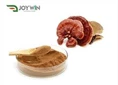
* Mushroom powder (especially shiitake and porcini) - high in guanylates and glutamates
* Tomato powder - natural glutamate content
* Hydrolyzed vegetable protein (HVP) - concentrated umami; requires careful sourcing for allergen and clean-label compliance
* Nutritional yeast flakes - popular in clean-label and vegan formulations
Umami synergy is a well-established principle in food science: combining glutamates (from yeast extract) with nucleotides (from mushroom powder) can multiply the perceived umami intensity by up to 8x, allowing formulators to achieve satisfying flavor with significantly less sodium.
4. Mineral Salts and Functional Minerals
Beyond potassium chloride, several other mineral salts are used in low-sodium seasoning blends:
* Magnesium sulfate - mild salty taste with functional mineral benefits
* Calcium chloride - used in small amounts for texture and mild saltiness
* Lysine hydrochloride - amino acid salt that contributes mild savory notes
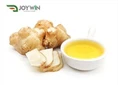
* Inulin (chicory root / Jerusalem artichoke) - a prebiotic dietary fiber increasingly used as a functional bulking and flavor-modulating ingredient in seasoning blends; Joywin Natural is the world's largest organic inulin manufacturer, offering 90% and 95% purity specifications
Inulin deserves special mention in this context: as a prebiotic fiber, it adds functional health positioning to low-sodium seasoning products, supports digestive health claims, and can help improve the mouthfeel and texture of seasoning blends - making it an increasingly popular ingredient in premium low-sodium formulations.
5. Natural Flavor Masking Agents
Because potassium chloride and other salt substitutes can introduce off-notes (bitterness, metallic taste), formulators often incorporate natural flavor masking agents:
* Licorice root extract - natural sweetness that masks bitterness
* Stevia leaf extract - ultra-low-calorie sweetness for bitterness suppression
* Citric acid and malic acid - acidulants that brighten flavor and enhance salt perception
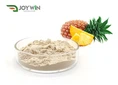
* Bromelain (pineapple protease enzyme) - used in some meat-based seasoning applications for tenderizing and flavor development; Joywin Natural is one of only four bromelain manufacturers in the world
Part 3: How to Evaluate and Qualify Low-Sodium Seasoning Salt Ingredient Suppliers
Sourcing the right ingredients is only half the battle. Qualifying the right suppliers is equally critical - and in the dietary supplement and food ingredient space, supplier qualification is not just best practice, it is a regulatory requirement.
According to FDA Good Manufacturing Practice (GMP) guidelines for dietary supplements (21 CFR Part 111), manufacturers must establish a supplier qualification program that verifies the identity, purity, strength, and composition of incoming ingredients. This means your suppliers must be able to provide documentation that supports your own compliance.
Step 1: Verify Certifications and Regulatory Compliance
When evaluating any low-sodium seasoning salt ingredient supplier, the minimum certification baseline should include:
|
Certification |
Why It Matters |
|
cGMP (Current Good Manufacturing Practice) |
FDA requirement for dietary supplement ingredients; ensures manufacturing consistency and safety |
|
ISO 9001 |
International quality management standard; demonstrates systematic quality control |
|
ISO 22000 / FSSC 22000 |
Food safety management system; critical for food-grade ingredient suppliers |
|
BRC (British Retail Consortium) |
Globally recognized food safety standard; required by many major retailers |
|
Kosher & Halal |
Essential for accessing global markets with religious dietary requirements |
|
Organic (NOP/JAS) |
Required for organic-certified product lines; NOP for US markets, JAS for Japanese markets |
|
Non-GMO |
Increasingly required by clean-label and natural product brands |
NSF International, a globally recognized certification body, emphasizes that GMP certification involves rigorous auditing of manufacturing facilities twice per year, ensuring ongoing compliance rather than a one-time snapshot. This level of scrutiny is what separates reliable ingredient suppliers from those who may cut corners.
Step 2: Request and Review Technical Documentation
For every ingredient you source, request the following documentation package:
* Certificate of Analysis (CoA) - batch-specific testing results for identity, purity, and potency
* Material Safety Data Sheet (MSDS/SDS) - safety handling information
* Specification Sheet - detailed technical parameters including particle size, moisture content, heavy metals limits
* Heavy Metal Testing Report - especially critical for plant-based ingredients (lead, arsenic, cadmium, mercury)
* Pesticide Residue Report - mandatory for herb and spice ingredients
* Microbial Testing Report - total plate count, yeast/mold, pathogens (Salmonella, E. coli)
* Allergen Declaration - critical for clean-label compliance
* Country of Origin Declaration - for import compliance and traceability
Step 3: Assess Manufacturing Capabilities and Capacity
A supplier's ability to meet your volume requirements consistently is just as important as their quality credentials. Key questions to ask:
* What is your annual production capacity for this ingredient?
* Do you own your manufacturing facilities, or do you use contract manufacturers?
* Do you have your own raw material sourcing base (e.g., farming or extraction operations)?
* What is your lead time for standard orders vs. custom specifications?
* Can you provide references from existing customers in similar industries?
Suppliers who own their own raw material base - such as Joywin Natural, which operates China's largest self-controlled planting base for organic inulin and bromelain - offer significant advantages in terms of supply chain stability, traceability, and quality consistency.
Step 4: Evaluate Customization and R&D Capabilities
For low-sodium seasoning salt applications, off-the-shelf ingredients may not always meet your exact formulation needs. The best suppliers offer:
* Custom particle size specifications (important for blending uniformity)
* Custom blending and co-processing (pre-blended ingredient systems)
* Application-specific formulation support (R&D collaboration)
* Stability testing and shelf-life data
* Regulatory support (assistance with labeling, claims, and market registration)
Step 5: Conduct Supplier Audits
The Nutritional Outlook industry publication notes that dietary supplement manufacturers and their ingredient suppliers must cooperate closely on regulatory compliance - and this cooperation should include on-site audits or third-party audit reports. Whether you conduct audits in person or through a qualified third-party auditing firm, this step is non-negotiable for high-risk or high-volume ingredient relationships.
Part 4: The Global Sourcing Landscape for Low-Sodium Seasoning Salt Ingredients
China: The World's Largest Ingredient Manufacturing Hub
China remains the dominant global source for the majority of food and dietary supplement ingredients used in low-sodium seasoning salt formulations. Chinese manufacturers offer:
* Competitive pricing due to economies of scale and lower production costs
* Broad ingredient portfolios covering herbs, spice extracts, mineral salts, enzymes, and functional fibers
* Advanced manufacturing infrastructure with many facilities holding international certifications
* Strong export experience with established logistics networks to North America, Europe, and Asia-Pacific
However, sourcing from China requires careful due diligence. Buyers should prioritize suppliers with verifiable international certifications (BRC, FSSC 22000, cGMP), transparent supply chains, and a track record of serving regulated markets.
India: A Major Source for Herb and Spice Extracts
India is the world's largest producer and exporter of spices, making it a critical sourcing region for herb and spice ingredients used in low-sodium seasoning blends. Key sourcing considerations for Indian suppliers include:
* Pesticide residue compliance (a historically challenging area for Indian spice exports)
* Aflatoxin testing for relevant commodities (chili, paprika, turmeric)
* Traceability to farm level for premium and organic specifications
Southeast Asia: Emerging Source for Tropical Ingredients
Thailand, Indonesia, and the Philippines are important sources for specific ingredients:
* Bromelain (pineapple-derived enzyme) - Thailand is a major production hub
* Coconut-derived ingredients - coconut aminos as a sodium-free flavor enhancer
* Tropical spice extracts - lemongrass, galangal, kaffir lime
Europe: Premium Organic and Clean-Label Ingredients
European suppliers, particularly from Germany, France, and the Netherlands, are leading sources for:
* Certified organic herb and spice extracts
* Yeast extracts and fermentation-derived umami ingredients
* Clean-label natural flavor systems
European-sourced ingredients typically command premium pricing but offer strong regulatory compliance and clean-label positioning.
Part 5: Regulatory Considerations for Low-Sodium Seasoning Salt Ingredients
Navigating the regulatory landscape is one of the most complex aspects of sourcing low-sodium seasoning salt ingredients for international markets. Here is a market-by-market overview:
United States (FDA)
* Sodium content claims are regulated under 21 CFR 101.61
* "Low sodium": ≤140 mg per serving
* "Reduced sodium": ≥25% less sodium than the reference food
* "No salt added" / "Unsalted": No salt added during processing (product may still contain naturally occurring sodium)
* Potassium chloride used as a salt substitute must comply with FDA GRAS (Generally Recognized as Safe) status
* Dietary supplement ingredients must comply with 21 CFR Part 111 (cGMP) and DSHEA requirements
European Union
* Nutrition and health claims regulated under Regulation (EC) No 1924/2006
* "Low sodium/salt": ≤0.12g sodium per 100g (or 100ml)
* "Very low sodium/salt": ≤0.04g sodium per 100g
* Novel food ingredients require pre-market authorization under Regulation (EU) 2015/2283
China (NMPA / GB Standards)
* Low sodium claims governed by GB 28050-2011 (National Standard for Nutrition Labeling)
* "Low sodium": ≤120mg per 100g or 100ml
* Import ingredients must comply with GB standards and may require registration with China's National Medical Products Administration (NMPA) for health food applications
Key Regulatory Best Practices for Ingredient Buyers
1.Always verify the regulatory status of each ingredient in your target market before purchasing
2.Require suppliers to provide market-specific regulatory support documentation
3.Maintain a regulatory file for each ingredient including GRAS notices, safety dossiers, and any relevant approvals
4.Work with a qualified regulatory consultant for complex multi-market launches
Part 6: Building a Resilient Low-Sodium Seasoning Salt Supply Chain
Dual-Sourcing Strategy
One of the most important supply chain risk management principles is dual sourcing - qualifying at least two suppliers for each critical ingredient. This protects against:
* Supply disruptions (natural disasters, geopolitical events, factory shutdowns)
* Quality failures from a single supplier
* Price leverage in negotiations
* Regulatory issues in a specific country of origin
Inventory Management for Seasoning Ingredients
Most low-sodium seasoning salt ingredients have shelf lives ranging from 12 to 36 months under proper storage conditions (cool, dry, away from light and moisture). Effective inventory management strategies include:
* FIFO (First In, First Out) rotation to minimize waste
* Safety stock levels based on lead times and demand variability
* Vendor-managed inventory (VMI) arrangements with key suppliers for high-volume ingredients
* Annual supplier performance reviews to assess quality, delivery, and service
Sustainability and Ethical Sourcing
Increasingly, buyers and end consumers are demanding transparency about the sustainability and ethical credentials of ingredient supply chains. When sourcing low-sodium seasoning salt ingredients, consider:
* Organic certification for herb and spice ingredients
* Fair trade certification for ingredients sourced from developing countries
* Carbon footprint and environmental impact of manufacturing processes
* Supplier social responsibility audits (labor practices, environmental compliance)
Suppliers who invest in sustainable practices - such as operating certified organic farming bases, implementing ISO 14001 environmental management systems, and maintaining transparent supply chains - are better positioned to support your brand's sustainability commitments.
Part 7: Practical Sourcing Checklist for Low-Sodium Seasoning Salt Ingredients
Use this checklist as a practical tool when evaluating new ingredient suppliers:
Pre-Qualification
* Confirm ingredient is approved/GRAS in target markets
* Verify supplier holds relevant certifications (cGMP, ISO 22000, BRC, Kosher, Halal)
* Review supplier's quality management system documentation
* Check supplier's regulatory compliance history (any FDA warning letters, import alerts, recalls)
Technical Evaluation
* Request and review Certificate of Analysis (CoA) for recent batches
* Evaluate specification sheet against your formulation requirements
* Request heavy metal, pesticide residue, and microbial testing reports
* Obtain allergen declaration and country of origin documentation
* Request stability data and shelf-life information
Commercial Evaluation
* Obtain pricing for target volume tiers (sample, trial, commercial scale)
* Confirm minimum order quantities (MOQs) and lead times
* Review payment terms and incoterms
* Assess packaging options (25kg bags, fiber drums, custom packaging)
* Confirm export documentation capabilities (phytosanitary, fumigation, COO)
Relationship and Risk Assessment
* Conduct reference checks with existing customers
* Schedule facility audit (on-site or third-party)
* Assess financial stability and business continuity planning
* Identify backup/secondary supplier for dual-sourcing
Part 8: Why Partner with Joywin Natural for Your Low-Sodium Seasoning Salt Ingredients
At Joywin Natural (www.joywinnatural.com), we have been a trusted supplier of premium dietary supplement and food ingredients since 2013. As an innovation-driven biotechnology company headquartered in Chongqing, China, we bring a unique combination of manufacturing excellence, scientific expertise, and global compliance capabilities to every customer relationship.
Our Key Advantages for Low-Sodium Seasoning Salt Ingredient Sourcing:
Organic Inulin - The World's Largest Manufacturer Joywin Natural operates China's largest self-controlled planting base for organic inulin and Jerusalem artichoke inulin. Our inulin products (90% and 95% purity specifications) are ideal for use in low-sodium seasoning salt formulations as a prebiotic fiber that improves mouthfeel, adds functional health positioning, and supports clean-label claims. We hold NOP (USDA Organic) and JAS (Japanese Organic) certifications.
Bromelain - One of Only Four Global Manufacturers Our bromelain manufacturing facility in Thailand leverages local pineapple resources to produce a full range of bromelain specifications (200 GDU/g to 2400 GDU/g). Bromelain is increasingly used in meat-based seasoning applications for its flavor-enhancing and tenderizing properties.
Comprehensive Certification Portfolio We hold all the certifications that matter to international buyers:
* NOP / JAS (Organic)
* BRC (British Retail Consortium)
* FSSC 22000 (Food Safety)
* cGMP (Current Good Manufacturing Practice)
* Kosher & Halal
* ISO 9001 (Quality Management)
* ISO 14001 (Environmental Management)
* ISO 22000 (Food Safety Management)
R&D and Customization Capabilities Our team of food scientists and application specialists can work with you to develop customized ingredient solutions tailored to your specific low-sodium seasoning salt formulation needs - from particle size optimization to custom blending and co-processing.
Global Export Experience We serve customers across North America, Europe, Asia-Pacific, and the Middle East, with established logistics networks and full export documentation support.
Conclusion: The Future of Low-Sodium Seasoning Salt Ingredient Sourcing
The low-sodium seasoning salt market is not a passing trend - it is a structural shift driven by aging populations, rising chronic disease awareness, and increasingly health-conscious consumers worldwide. With the global low sodium salt market projected to nearly double by 2036, and the sodium reduction agents market already exceeding USD 3.4 billion, the commercial opportunity for brands and manufacturers in this space has never been greater.
Sourcing the right ingredients for low-sodium seasoning salt formulations requires a systematic approach: understanding the functional role of each ingredient, qualifying suppliers against rigorous quality and regulatory standards, building resilient supply chains, and partnering with manufacturers who can grow with your business.
Whether you are sourcing potassium chloride, herb and spice extracts, umami enhancers, prebiotic fibers like inulin, or functional enzymes like bromelain, the principles in this guide will help you make smarter, more confident sourcing decisions. If you want to know more about Low-Sodium Seasoning Salt or are interested in purchasing it, you can send an email to contact@joywinworld.com.