

Papain powder is not an antibiotic but a proteolytic enzyme derived from papaya fruit with distinct mechanisms of action. While antibiotics specifically target pathogenic bacteria through biochemical disruption, papain functions as a protein-digesting enzyme with therapeutic benefits including wound debridement, anti-inflammatory effects, and digestive support. This definitive guide clarifies the confusion between papain's antimicrobial properties and true antibiotic function, providing evidence-based information for manufacturers, formulators, and health professionals seeking to incorporate papain into dietary supplements and therapeutic products.
Understanding Papain: Nature's Proteolytic Powerhouse
What Is Papain powder?
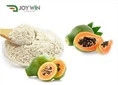
Papain is a cysteine protease enzyme naturally found in the latex of the green papaya fruit (Carica papaya). This remarkable enzyme has been utilized for centuries in traditional medicine systems across tropical regions where papaya grows abundantly. Unlike antibiotics, which are typically synthetic or semi-synthetic compounds designed specifically to combat bacterial infections, papain is a digestive enzyme with broad protein-cleaving capabilities.
The molecular structure of papain allows it to break peptide bonds in proteins, making it exceptionally effective at digesting protein-based materials. This fundamental mechanism differs radically from how antibiotics function. While antibiotics interfere with specific bacterial processes like cell wall synthesis or protein production, papain simply breaks down proteins into smaller peptides and amino acids regardless of their source.
Historical Context and Traditional Uses
Historically, indigenous cultures in Central America and Southeast Asia used papaya latex applications on wounds, burns, and skin infections long before the scientific understanding of enzymes or antibiotics. These traditional applications were based on empirical observation of papain's ability to cleanse wounds and promote healing, creating the foundation for modern therapeutic uses.
During the 20th century, scientific investigation revealed that papain's wound-cleaning properties resulted from its ability to digest necrotic tissue and fibrin deposits without harming healthy tissue-a process called "selective debridement." This property led to its inclusion in various pharmaceutical preparations for wound care, particularly for burns, ulcers, and surgical wounds.
Papain powder vs. Antibiotics: Critical Distinctions
Mechanism of Action Comparison
Understanding why papain is not an antibiotic requires examining their fundamentally different mechanisms of action:
Papain's Mechanism:
* Protein hydrolysis: Breaks down proteins into smaller peptides and amino acids
* Non-selective activity: Acts on any protein substrate it contacts
* Physical breakdown: Creates smaller molecular components through enzymatic digestion
* Surface action: Primarily affects materials it directly contacts
Antibiotic Mechanisms:
* Cellular disruption: Targets specific bacterial structures or processes
* Selective toxicity: Designed to affect bacterial cells while sparing human cells
* Metabolic interference: Inhibits critical bacterial processes like cell wall synthesis
* Systemic distribution: Circulates throughout the body to reach infection sites
Antibiotics like penicillin work by inhibiting bacterial cell wall synthesis, while others like tetracyclines block protein synthesis at the ribosomal level. These targeted approaches differ fundamentally from papain's general proteolytic activity.
Spectrum of Activity Differences
Another critical distinction lies in their spectrum of activity:
* Papain: Exhibits broad proteolytic activity but no specific antimicrobial targeting
* Antibiotics: Display specific antimicrobial spectra (broad-spectrum or narrow-spectrum)
Papain may incidentally create an environment less conducive to microbial growth by removing proteinaceous debris that bacteria feed on, but this is a secondary effect rather than a primary antimicrobial action.

Scientific Evidence: Papain's Actual Properties
Antimicrobial Adjuvant Properties
While papain itself is not an antibiotic, research has investigated its potential as an antimicrobial adjuvant. Some studies suggest Papain powder may enhance the effectiveness of certain antibiotics or antimicrobial agents by:
1.Breaking down bacterial biofilms that protect microorganisms from antimicrobial agents
2.Increasing permeability of bacterial cell walls to other compounds
3.Removing necrotic tissue that harbors pathogens
A 2020 systematic review published in the Journal of Enzyme Inhibition and Medicinal Chemistry concluded that proteolytic enzymes like papain show promise as adjuvants to conventional antibiotics in treating biofilm-associated infections, but emphasized they should not be considered alternatives to appropriate antibiotic therapy.
Research on Direct Antimicrobial Effects
Despite not being classified as an antibiotic, some laboratory studies have examined papain's direct effects on microorganisms:
* Limited bacteriostatic activity: Some in vitro studies show papain may inhibit growth of certain bacteria at high concentrations
* More effective against Gram-positive bacteria: Research suggests greater effect on Gram-positive organisms like Staphylococcus aureus than Gram-negative bacteria
* Concentration-dependent effects: Antimicrobial activity appears only at concentrations much higher than typically used therapeutically
These effects are generally considered incidental rather than primary therapeutic actions of papain, and the concentrations needed for direct antimicrobial activity often exceed what is practical or safe for therapeutic use in humans.
Therapeutic Applications of Papain powder
Wound Care and Debridement
One of papain's most established medical applications is in wound debridement. Papain-based preparations (often combined with urea) are used clinically to remove necrotic tissue from wounds, burns, and ulcers. This application leverages papain's ability to:
* Selectively digest non-viable tissue while sparing healthy tissue
* Reduce wound bioburden by removing substrate for bacterial growth
* Accelerate healing by promoting granulation tissue formation
Multiple clinical studies, including a 2019 meta-analysis in Wound Repair and Regeneration, have confirmed papain-urea preparations significantly improve healing rates for pressure ulcers and diabetic foot ulcers compared to conventional dressings alone.
Digestive Health Support
In dietary supplements, papain is primarily used as a digestive enzyme supplement to support protein digestion. Individuals with pancreatic insufficiency or general digestive complaints may benefit from papain supplementation with meals containing protein. Clinical applications include:
* Exocrine pancreatic insufficiency: As adjunctive therapy alongside prescription pancreatic enzymes
* General dyspepsia: For symptoms like bloating, gas, and discomfort after protein-rich meals
* Celiac disease: Some evidence suggests proteolytic enzymes may help break down gluten peptides
A 2021 randomized controlled trial published in Nutrition Journal found that a multi-enzyme supplement containing papain significantly improved protein digestion and reduced postprandial discomfort in healthy adults consuming high-protein meals.
Anti-inflammatory Applications
Papain exhibits notable anti-inflammatory properties through mechanisms distinct from anti-inflammatory drugs:
* Reduction of inflammatory mediators: May decrease levels of prostaglandins and cytokines
* Edema reduction: Helps break down proteins that contribute to tissue swelling
* Immune modulation: May influence complement system activation
These properties make papain useful in formulations for sports injuries, osteoarthritis, and other inflammatory conditions. A 2018 study in Phytotherapy Research demonstrated that oral papain supplementation reduced pain and improved function in patients with knee osteoarthritis comparable to some conventional anti-inflammatory agents.
Safety Profile and Regulatory Considerations
Generally Recognized as Safe (GRAS) Status
Papain powder holds GRAS (Generally Recognized as Safe) status in the United States for use as a food enzyme in specified applications. This designation by the FDA indicates expert consensus that papain is safe when used according to established practices. However, this classification specifically applies to its use as a food ingredient, not as a therapeutic agent for treating infections.
Adverse Effects and Contraindications
Potential adverse effects of papain include:
* Allergic reactions: Particularly in individuals with latex-fruit syndrome or papaya allergy
* Gastrointestinal irritation: At high doses, may cause nausea, diarrhea, or abdominal discomfort
* Mucous membrane irritation: Concentrated forms can irritate skin, eyes, or respiratory tract
Important contraindications include:
* Pregnancy: Due to potential uterine stimulant effects
* Bleeding disorders: May theoretically increase bleeding risk when used systemically
* Preoperative period: Typically discontinued before surgery due to potential bleeding risk
Regulatory Status as a Dietary Supplement
In the United States, papain is regulated as a dietary supplement ingredient under the Dietary Supplement Health and Education Act (DSHEA). This means:
* Manufacturers cannot make disease treatment claims (including antibiotic claims)
* Structure/function claims must be truthful and not misleading
* Good Manufacturing Practices (GMP) must be followed
* New dietary ingredient notifications may be required for novel formulations
The European Food Safety Authority (EFSA) has approved various health claims for papain-containing supplements related to protein digestion when consumed with meals.
Papain in Dietary Supplements: Formulation Considerations
Quality and Standardization
For manufacturers like Joywin Natural Products, ensuring consistent enzyme activity is crucial for product efficacy. Papain is typically standardized by its proteolytic activity, measured in:
* Papain Units (PU): Based on digestion of casein substrate
* Tyrosine Units: Measures tyrosine liberated from casein
* USP Units: United States Pharmacopeia standardized units
Proper standardization ensures consumers receive consistent therapeutic effects batch after batch-a critical consideration for manufacturers committed to quality like Joywin, whose certifications (BRC, FSSC, cGMP, Kosher, HALAL, ISO9001) reflect this commitment to consistency.
Synergistic Formulations
Papain is frequently combined with other enzymes and compounds for enhanced effects:
* With other proteases: Bromelain (like Joywin's specialized bromelain products), trypsin, chymotrypsin
* With anti-inflammatory agents: Turmeric, ginger, boswellia
* With digestive supports: Betaine HCl, pepsin, digestive bitters
These combinations create comprehensive formulas that leverage multi-enzyme synergy for applications ranging from digestive health to musculoskeletal support.
Stability and Delivery Considerations
Formulation challenges for papain include:
* pH sensitivity: Optimal activity between pH 5.0-7.0
* Temperature sensitivity: Activity decreases above 60°C (140°F)
* Gastric degradation: May be inactivated by stomach acid without enteric coating
Advanced delivery systems like enteric-coated capsules or acid-resistant tablets help protect papain from gastric degradation, ensuring adequate enzyme reaches the small intestine where it can support protein digestion.
Clinical Evidence and Research Directions
Current Research Landscape
Recent scientific investigations have explored new potential applications for papain:
* Biofilm disruption: As an adjuvant in chronic wound and device-related infections
* Drug delivery enhancement: To improve absorption of certain pharmaceutical compounds
* Anti-parasitic applications: Particularly against gastrointestinal helminths
* Dental applications: In formulations for plaque control and gingival health
A 2022 review in Biotechnology Advances highlighted papain's potential in biomedical nanotechnology applications, including targeted drug delivery systems and wound healing scaffolds.
Evidence Gaps and Research Needs
Despite centuries of traditional use and decades of scientific study, significant research gaps remain:
* Standardized clinical trials: For many proposed applications, particularly systemic anti-inflammatory effects
* Long-term safety data: Especially for high-dose or continuous use
* Mechanistic studies: Detailed molecular mechanisms for observed effects
* Synergy research: Interactions with pharmaceuticals and other supplements
The National Institutes of Health (NIH) has funded several recent studies investigating papain's mechanisms and potential therapeutic applications, reflecting growing scientific interest in this versatile enzyme.
Industry Implications for Suppliers and Manufacturers
Market Trends and Opportunities
The global digestive enzyme market, including papain products, is projected to grow significantly in coming years, driven by:
* Increasing digestive health awareness: Among consumers and healthcare providers
* Aging populations: Higher prevalence of age-related digestive insufficiency
* Protein-focused diets: Growing popularity of high-protein nutritional approaches
* Clean label movement: Demand for natural, plant-based enzyme sources
For ingredient suppliers like Joywin, these trends present opportunities to provide high-quality, traceable papain products to manufacturers seeking to formulate evidence-based digestive and anti-inflammatory supplements.
Compliance and Labeling Considerations
Manufacturers incorporating Papain powder into dietary supplements must ensure compliant labeling:
* Avoiding drug claims: Never representing papain as an antibiotic or infection treatment
* Structure/function claims: Must be substantiated and include appropriate disclaimer
* Allergen disclosure: Potential papaya/latex cross-reactivity should be considered
* Usage instructions: Appropriate dosing and timing recommendations
Regulatory bodies like the FDA and FTC have issued warning letters to companies making unauthorized drug claims about papain and other enzyme products, emphasizing the importance of compliant marketing.
Conclusion: Papain's Role in Health and Wellness
Key Takeaways
Papain is definitively not an antibiotic, but rather a versatile proteolytic enzyme with multiple therapeutic applications. Its value in health and wellness products stems from its protein-digesting capabilities, which support digestive health, wound cleansing, and inflammatory response modulation.
For manufacturers and formulators, papain represents a well-researched, GRAS-designated ingredient with established applications in digestive supplements and topical preparations. Its distinction from antibiotics is crucial both scientifically and regulatorily-misrepresenting papain as an antibiotic would constitute an unauthorized drug claim with potential regulatory consequences.
Future Outlook
As research continues to elucidate papain's mechanisms and potential applications, this ancient enzyme continues to find new relevance in modern healthcare. From enhanced digestive formulations to innovative wound care products, papain's unique properties offer multiple avenues for product development.
For quality-conscious suppliers like Joywin Natural Products, the growing recognition of papain's legitimate therapeutic applications-when properly understood and appropriately marketed-presents significant opportunities to provide this valuable enzyme to manufacturers committed to evidence-based product development.
JOYWIN founded in 2013 is an innovation-driven biotechnology company. We provide the manufacture of plant extracts, plant proteases, and customized products. If you want to know more about Papain powder or are interested in purchasing it, you can send an email to contact@joywinworld.com. We will reply to you as soon as possible after you see the message.