


Millions of people worldwide experience the uncomfortable burning sensation of acid reflux. It's a condition that disrupts daily life and can lead to more serious health issues if left unmanaged. In the search for natural remedies, many turn to digestive enzymes like papain, the proteolytic enzyme derived from the papaya fruit. A common question we hear from customers and consumers alike is: "Is papain good for acid reflux?"
At Chongqing Joywin Natural Products Co., Ltd. , we have spent over a decade at the forefront of the natural ingredients industry. As a leading manufacturer of plant extracts and proteases-including being one of the world's four major bromelain producers-we possess deep, firsthand expertise in the science and application of enzymes like papain. This blog post aims to provide an authoritative, evidence-based answer to that question. We will delve into the mechanisms of acid reflux, explore how papain powder interacts with the digestive system, review the scientific evidence, and provide crucial safety considerations.
Our goal is to cut through the misinformation and provide a clear, logical guide that adheres to the highest standards of Experience, Expertise, Authoritativeness, and Trustworthiness (E-E-A-T). Whether you are a formulator, a health professional, or an individual seeking relief, this guide will equip you with the knowledge you need.
Understanding Acid Reflux and GERD
Before we can evaluate papain's role, it's essential to understand what acid reflux is and what causes it.
What is Acid Reflux?
Acid reflux occurs when stomach acid flows backward into the tube connecting your mouth and stomach (the esophagus). This happens when a muscle called the lower esophageal sphincter (LES) weakens or relaxes inappropriately. Normally, the LES acts as a one-way valve, closing tightly after food passes into the stomach. When it fails to close completely, digestive juices and stomach contents can splash back up.
Common Symptoms:
* Heartburn: A burning pain in the chest, often after eating, which might be worse at night.
* Regurgitation: A sour or bitter-tasting acid backing up into your throat or mouth.
* Dyspepsia: General indigestion, including stomach discomfort, bloating, and nausea.
From Reflux to GERD:
When acid reflux occurs frequently (more than twice a week) and causes inflammation in the esophagus, it is diagnosed as Gastroesophageal Reflux Disease (GERD). GERD is a chronic condition that can lead to more severe complications, such as esophagitis, strictures (narrowing of the esophagus), or Barrett's esophagus, which increases the risk of esophageal cancer.
Conventional Treatments and Their Limitations:
Standard medical treatments often include:
* Antacids: Provide quick relief by neutralizing stomach acid.
* H2 Blockers: Reduce acid production.
* Proton Pump Inhibitors (PPIs): More powerful acid blockers that allow the esophageal lining to heal.
While effective for many, these medications are not without potential side effects, especially with long-term use. PPIs, for example, have been linked to an increased risk of nutrient deficiencies (like magnesium and vitamin B12), kidney disease, and bone fractures. This has led many to explore dietary changes and natural supplements, such as papain powder, as complementary or alternative approaches.
What is Papain? A Deep Dive into the Enzyme
To understand if papain can help with acid reflux, we must first understand what it is and how it functions in the body. This is where Joywin's core expertise in plant proteases provides valuable insight.
Origin and Extraction:
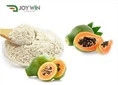
Papain is a proteolytic enzyme, meaning it breaks down proteins into smaller peptides and amino acids. It is extracted from the latex of the raw papaya fruit (Carica papaya). The process, which we at Joywin are intimately familiar with through our work with similar enzymes like bromelain, involves collecting, purifying, and drying the latex to create a stable, potent papain powder.
The Mechanism of Action:
Papain's primary role is to catalyze the hydrolysis of peptide bonds within proteins. Think of it as a precise pair of molecular scissors that cuts long protein chains into smaller, more manageable pieces. In the context of digestion, this process is crucial.
Papain vs. Stomach Enzymes:
The human stomach naturally produces its own powerful proteolytic enzyme, pepsin. Pepsin is activated by the highly acidic environment of the stomach (optimal pH 1.5-3.5). Papain, however, is active over a broader pH range (approximately pH 3-9), with its optimum activity between pH 5-7. This is a critical distinction.
Joywin's Expertise:
Our experience as a major producer of bromelain-another protease with similar applications-gives us a unique perspective on papain. We understand the nuances of enzyme activity, stability, and formulation. We know that the quality of papain is determined by its purity and activity, measured in units like USP/U (United States Pharmacopeia units) or MCU (Milk Clotting Units). A high-quality, standardized product is essential for both research and reliable supplement formulation.

The Potential Link: How Papain Might Affect Acid Reflux
The question "Is papain good for acid reflux?" doesn't have a simple yes or no answer. The relationship is complex and involves several theoretical mechanisms, some beneficial and some potentially detrimental. Let's analyze them with scientific logic.
The Case FOR Papain (The "Protein Overload" Theory)
One of the most compelling arguments for using papain in managing reflux relates to protein digestion.
1.Supporting Gastric Digestion: If a meal is particularly high in protein, the stomach has to work harder and produce more acid and pepsin to break it down. This can increase stomach pressure and potentially contribute to reflux. By supplementing with papain powder, which begins its work in the less acidic environment of the stomach, you may be able to "pre-digest" some of the protein. This could reduce the burden on the stomach's own digestive processes, potentially leading to faster gastric emptying and less opportunity for acid to back up into the esophagus.
2.Addressing the Real Culprit: Pepsin: This is perhaps the most scientifically interesting theory. Recent research suggests that the primary cause of tissue damage in acid reflux isn't just the acid itself, but the pepsin that the acid activates. When stomach contents reflux into the esophagus, it's not just hydrochloric acid that comes up; it's also pepsin. This pepsin can become embedded in the tissues of the esophagus and pharynx.
3.The Inactivation Hypothesis: Here's where papain could play a role. If pepsin is the primary aggressor, inactivating it could be a key therapeutic goal. While papain cannot work in the highly acidic environment required for pepsin activity, some researchers hypothesize that introducing a protease like papain might help degrade the pepsin that has become lodged in esophageal tissues. Furthermore, if papain helps neutralize the stomach contents slightly (raising the pH), it could potentially inactivate the pepsin that is present, as pepsin requires a low pH to function.
The Case AGAINST Papain (The "Irritant" Theory)
On the other hand, there are valid reasons to be cautious about using papain for acid reflux.
1.Direct Mucosal Irritation: Papain is a potent enzyme. Just as it breaks down protein in food, it has the potential to irritate or even damage mucous membranes. There are documented cases of esophageal damage from papain tablets when not swallowed correctly. For someone with an already inflamed and sensitive esophagus due to GERD, introducing a strong proteolytic enzyme could potentially worsen the irritation and pain.
2.Stimulation of Acid Secretion: The presence of amino acids and peptides (the byproducts of protein digestion) in the stomach can signal the G cells to release gastrin, a hormone that, in turn, stimulates the parietal cells to produce more acid. While this is a normal part of digestion, for someone with hypersensitive acid control, this could potentially exacerbate the problem.
3.Timing and Formulation Matter: The effect of papain is highly dependent on how it is taken. A papain capsule taken with a meal will act on the food bolus. A tablet that dissolves in the esophagus (a major risk) can cause localized damage. This is why formulation and proper usage are critical.
Reviewing the Scientific Evidence: What Do Studies Say?
To adhere to E-E-A-T principles, we must turn to the available scientific literature. It is important to be transparent: there are very few high-quality, modern clinical trials specifically investigating papain for GERD.
* Historical Use: Papain has a long history of use as a digestive aid in traditional medicine systems and as an over-the-counter supplement for indigestion. This historical use provides a foundation of experiential evidence.
* Focus on Pepsin: Most of the contemporary scientific discussion linking proteases to reflux relief centers not on papain, but on other enzymes, and focuses on a different condition. For example, a significant body of research, including a 2021 study by Johnston et al. in The Laryngoscope, has investigated the use of a proprietary complex containing amylase and protease from Aspergillus oryzae for Laryngopharyngeal Reflux (LPR), also known as "silent reflux." This research suggests that oral protease supplements can help degrade pepsin in the throat, providing relief.
* Extrapolating to Papain: It is biologically plausible that papain could have a similar effect on pepsin. Both are endoproteases, meaning they can cleave peptide bonds within a protein. However, their activity profiles differ. Papain is a cysteine protease, while pepsin is an aspartic protease. This difference means they have different specificities and pH optima. Therefore, while the concept is promising, it is an extrapolation, and direct evidence for papain is lacking.
* The Need for More Research: As responsible ingredient manufacturers, we must emphasize the need for dedicated, high-quality research on papain for reflux. The theoretical mechanisms are sound, but they need to be validated in clinical settings.
Conclusion on Evidence: The scientific case for papain in acid reflux is based on logical deduction and indirect evidence, not direct clinical proof. It is a promising area, but not a settled one.
Papain vs. Other Digestive Enzymes for Reflux
It is helpful to compare papain to other enzymes, particularly bromelain, which is our specialty at Joywin.
* Papain vs. Bromelain: Both are proteolytic enzymes. Bromelain, derived from pineapple stems, has a broader spectrum of activity and is better known for its anti-inflammatory properties. For reflux, bromelain's anti-inflammatory effect could theoretically help soothe an irritated esophagus, which might be an advantage over papain. However, papain's slightly different pH profile might make it more active in the stomach's changing environment during a meal. The choice between them might depend on whether the primary goal is protein digestion support (both) or reducing inflammation (bromelain's edge).
* Papain vs. Pepsin: This is not a competition, but a potential partnership. The goal of supplementation is not to replace pepsin, but to support the overall digestive process, potentially reducing the work and acid requirement of the stomach.
* Combination Products: Many high-quality digestive supplements combine multiple enzymes (proteases, lipases, amylases) to cover the breakdown of all macronutrients. A formula containing papain might also include bromelain for its anti-inflammatory benefits, and other enzymes for fats and carbohydrates, providing a more holistic approach to digestive support.
How to Use Papain Powder Safely and Effectively
If you are considering papain for digestive health, it is crucial to prioritize safety. This information is for educational purposes and does not constitute medical advice. Always consult with a healthcare provider before starting any new supplement.
Recommended Usage:
* With Meals: To aid in protein digestion, take papain supplements with or immediately after a protein-containing meal.
* Between Meals: Some practitioners suggest taking proteases between meals to target systemic inflammation or, theoretically, to help clear pepsin from tissues. This should be done with extreme caution and under professional guidance due to the risk of stomach irritation.
* Form: Look for papain in enteric-coated capsules or tablets, which are designed to dissolve in the small intestine rather than the stomach, potentially reducing the risk of esophageal irritation. However, for digestive purposes, a standard capsule taken with food is common.
Dosage:
Dosage is typically based on enzyme activity, not just weight. A common dosage ranges from 100mg to 500mg, but you must follow the manufacturer's instructions. The activity, measured in MCU (Milk Clotting Units), is a more accurate measure of potency. A typical potency might be 1000 MCU or more per gram.
Precautions and Side Effects:
* Esophageal Irritation: This is the primary risk. Always take capsules with a full glass of water and never take them dry or lying down.
* Allergies: People with a latex allergy may also be allergic to papain, as papaya latex is the source.
* Stomach Upset: Some may experience nausea or stomach discomfort.
* Drug Interactions: Papain can increase the absorption and effects of certain drugs, and may theoretically interact with blood thinners (like warfarin) due to its mild fibrinolytic (anti-clotting) activity. This interaction is not as well-documented as it is for bromelain, but caution is warranted.
Who Should Avoid Papain?
* Individuals with a known allergy to papaya or latex.
* Those with active gastric or duodenal ulcers.
* People with severe esophageal inflammation.
* Individuals taking blood-thinning medication.
* Pregnant or breastfeeding women, due to a lack of safety data.
A Note on Sourcing High-Quality Papain Powder
As a professional supplier, Joywin believes that the efficacy and safety of any supplement begin with the raw material. This principle guides our entire operation.
When sourcing papain for formulation or personal use, look for:
1.Manufacturing Standards: The ingredient should be manufactured in a facility that adheres to strict quality control practices. Certifications like ISO9001, ISO22000, cGMP, Kosher, and HALAL are indicators of a commitment to quality and safety. As highlighted on our website, Joywin holds these certifications, ensuring our products meet global standards.
2.Purity and Potency Testing: A reputable supplier will provide a Certificate of Analysis (COA) guaranteeing the enzyme's activity and confirming the absence of contaminants like heavy metals, pesticides, and microbes.
3.Transparency: A trustworthy manufacturer will be transparent about their sourcing, production methods, and quality control processes.
4.Expertise: Companies like Joywin, with a deep specialization in plant proteases (including being one of the world's leading bromelain manufacturers), possess the technical knowledge to produce stable, high-quality enzyme products. Our experience in managing complex supply chains, such as our bromelain factory in Thailand, speaks to our global capability and commitment to excellence.
Conclusion: Is Papain Good for Acid Reflux?
So, let's return to our central question. Based on our analysis of the digestive process, the properties of papain, and the current scientific landscape, here is a balanced conclusion:
Papain is not a proven, first-line treatment for acid reflux, but it shows theoretical promise as a supportive digestive aid for some individuals. Its potential benefits lie in its ability to assist with protein digestion, which could theoretically reduce the burden on the stomach and lessen the likelihood of reflux. The most intriguing, though still hypothetical, mechanism is its potential to help degrade refluxed pepsin, which is increasingly seen as the main cause of tissue damage in GERD and LPR.
However, these potential benefits are counterbalanced by real risks, particularly the possibility of direct irritation to an already sensitive esophagus. The lack of direct clinical evidence for papain in treating reflux means it should be approached with informed caution.
The Verdict:
For someone with mild, occasional indigestion related to heavy meals, a high-quality papain supplement might offer some relief by improving protein breakdown. For someone with diagnosed GERD or significant esophageal inflammation, introducing a potent protease like papain could be risky and should only be considered under the strict guidance of a healthcare professional.
JOYWIN founded in 2013 is an innovation-driven biotechnology company. We provide the manufacture of plant extracts, plant proteases, and customized products. If you want to know more about Papain Powder or are interested in purchasing it, you can send an email to contact@joywinworld.com. We will reply to you as soon as possible after we see the message.