

The question "Is resveratrol worth taking?" has become increasingly relevant as this polyphenolic compound gains popularity in the dietary supplement market. Found naturally in grapes, Japanese knotweed, and peanuts, resveratrol has been hailed as a miracle molecule with anti-aging, cardioprotective, and anticancer properties. However, separating scientific fact from marketing hype requires careful examination of the clinical evidence.
This comprehensive guide analyzes the latest research from 2025–2026, including systematic reviews, randomized controlled trials, and meta-analyses, to provide manufacturers, formulators, and health-conscious consumers with an authoritative answer. We examine bioavailability challenges, clinically validated benefits, potential risks, and optimal formulation strategies for resveratrol powder to help you make informed decisions about this intriguing compound.
1. Understanding Resveratrol: Nature's Multifunctional Polyphenol
1.1 What Is Resveratrol?
Resveratrol (3,5,4'-trihydroxy-trans-stilbene) is a non-flavonoid polyphenolic compound belonging to the stilbene class. It functions as a phytoalexin-a defensive substance produced by plants in response to stress, injury, fungal infection, or ultraviolet radiation . Over 70 plant species synthesize resveratrol, with particularly high concentrations found in:
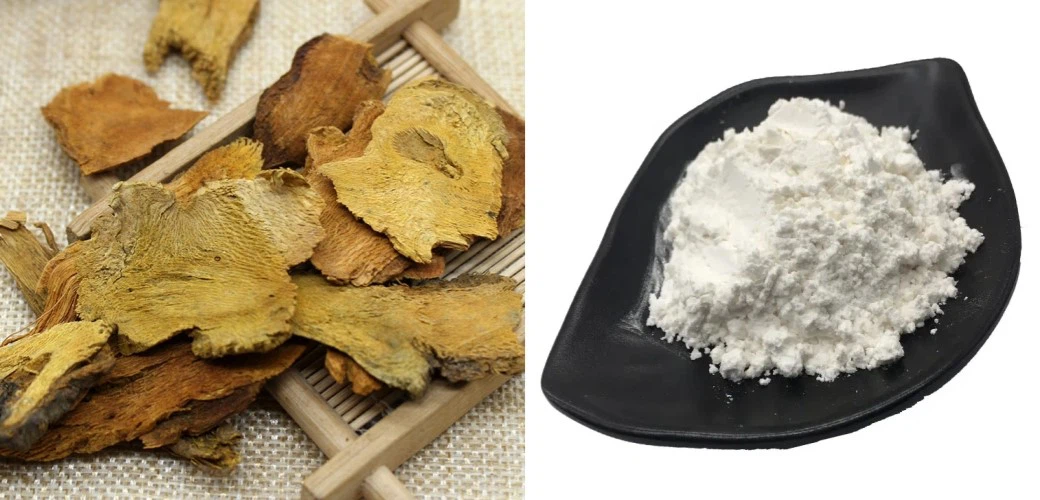
* Japanese knotweed (Fallopia japonica): The primary commercial source for resveratrol powder production
* Grape skins and seeds: Responsible for resveratrol's presence in red wine
* Peanuts and peanut products: Including peanut butter and roasted peanuts
* Berries: Particularly blueberries, bilberries, and cranberries
* Itadori tea: A traditional Japanese beverage made from knotweed
1.2 Chemical Forms and Stability
Resveratrol exists in two isomeric forms:
|
Isomer |
Characteristics |
Biological Activity |
|
trans-Resveratrol |
Naturally occurring, more stable |
Higher biological activity, primary form used in supplements |
|
cis-Resveratrol |
Formed by UV exposure |
Lower activity (approximately 9-fold less potent as Glo1 inducer) |
The trans-isomer is the focus of most clinical research and commercial resveratrol powder production. However, it presents significant formulation challenges due to:
* Low water solubility (<0.05 mg/mL)
* Chemical instability under light and heat
* Rapid metabolism and elimination
* Bitter taste profile
1.3 Historical Context and the "French Paradox"
Resveratrol first gained widespread attention in the 1990s as a potential explanation for the "French Paradox"-the observation that French populations consuming high-fat diets exhibited relatively low rates of cardiovascular disease, attributed to regular red wine consumption. This hypothesis, while oversimplified, catalyzed decades of research into resveratrol's biological effects.
Today, the scientific community recognizes that resveratrol's mechanisms are far more complex and multifaceted than initially understood, involving multiple molecular pathways rather than a single mode of action .
2. The Bioavailability Challenge: Why Formulation Matters
2.1 Pharmacokinetic Limitations
Before addressing "Is resveratrol worth taking?", we must confront its fundamental limitation: poor bioavailability. Following oral consumption, resveratrol undergoes:
1.Rapid intestinal metabolism: Conversion to glucuronide and sulfate conjugates
2.Extensive first-pass hepatic metabolism: >99% of orally administered resveratrol is metabolized before reaching systemic circulation
3.Short half-life: Approximately 1–3 hours for the parent compound
4.Low free plasma concentrations: Typically nanomolar ranges, while many in vitro studies use micromolar concentrations
A 2026 FAO review emphasizes that "the integration of resveratrol into food systems poses a challenge due to its low water solubility, chemical instability, poor bioavailability, and bitter taste" .
2.2 Advanced Delivery Systems: The Solution to Bioavailability
Recent innovations in formulation technology have dramatically improved resveratrol's therapeutic potential. A groundbreaking 2026 study published in Food Chemistry: X compared various delivery systems for trans-resveratrol:
|
Delivery System |
Bioaccessibility Improvement |
Intestinal Tissue Accumulation |
|
Liposomes |
1.82-fold increase |
0.400 μM |
|
Bilosomes |
2.14–2.32-fold increase |
16.801 μM |
|
Chitosan/PGA-coated bilosomes |
8–40% (concentration-dependent) |
Variable |
The researchers concluded that "bilosomes outperform liposomes for hydrophobic compound delivery," achieving 42-fold higher intestinal tissue accumulation compared to conventional liposomes .
Other innovative approaches include:
* Nanoemulsions: Enhancing solubility and absorption
* Cyclodextrin complexes: Improving stability and dissolution
* Solid lipid nanoparticles: Providing sustained release
* Co-administration with bioavailability enhancers: Such as piperine, quercetin, or hesperetin
A 2025 comprehensive review notes that "nanotechnology-driven formulations mitigate risks by enhancing stability and enabling targeted delivery, though rigorous safety validation remains essential" .
2.3 Implications for Supplement Manufacturers
For formulators using resveratrol powder, these findings have critical implications:
* Raw material quality matters: Source verification and purity testing are essential
* Formulation determines efficacy: Delivery systems are not optional add-ons but fundamental to product performance
* Synergistic combinations: Pairing resveratrol with complementary compounds (hesperetin, quercetin) may enhance effects through multiple mechanisms
* Dose-response relationships: Higher doses don't necessarily translate to better outcomes without appropriate delivery technology
3. Clinical Evidence: What Does Resveratrol Actually Do?
3.1 Cardiovascular and Metabolic Health
Diabetes and Cardio-Metabolic Risk Factors
A landmark 2025 systematic review and Bayesian network meta-analysis published in Phytotherapy Research examined the efficacy of resveratrol among patients with type 2 diabetes mellitus (T2DM). Analyzing 17 studies involving 1,337 participants, researchers found that:
Resveratrol significantly improved :
* HOMA-IR (insulin resistance)
* Total cholesterol (TC)
* Triglycerides (TG)
* High-density lipoprotein (HDL)
* Low-density lipoprotein (LDL)
* Systolic blood pressure (SBP)
* Diastolic blood pressure (DBP)
The study concluded that "resveratrol was generally the most effective" among the herbal phytochemicals evaluated (including curcumin, silymarin, and berberine), with "significant therapeutic potential in the regulation of blood glucose, blood lipids, and body weight" .
Triglyceride Reduction and Anti-Inflammatory Mechanisms
A 2025 meta-analysis integrated with network pharmacology and molecular dynamics simulations published in Springer's Clinical and Experimental Medicine provided mechanistic insights into resveratrol's lipid-lowering effects. Analyzing seven RCTs (n = 337), researchers found:
* Significant triglyceride reduction: Resveratrol consistently lowered TG levels
* No significant effects: On total cholesterol, LDL, or HDL in the overall analysis
* Mechanistic explanation: Resveratrol modulates inflammatory pathways rather than classic lipid metabolism regulators
Molecular dynamics simulations confirmed stable binding to three pro-inflammatory hubs:
* Interleukin-6 (IL6): Binding energy -13.95 kcal/mol
* Interleukin-1β (IL1B): Binding energy -11.86 kcal/mol
* Tumor Necrosis Factor (TNF): Binding energy -11.28 kcal/mol
The researchers concluded that "RES specifically lowered TG but not other lipids, potentially through direct modulation of inflammatory pathways," positioning resveratrol as "a promising therapeutic candidate for hypertriglyceridemia" .
Post-Menopausal Women's Health
A 2025 systematic review and meta-analysis in Nutrition, Metabolism and Cardiovascular Diseases specifically examined resveratrol's effects on lipid profiles in post-menopausal women-a population at increased cardiovascular risk. The findings support resveratrol's role in managing cardiometabolic health during this life stage .
3.2 Joint Health and Osteoarthritis
One of the most compelling recent studies on resveratrol comes from a 2025 randomized controlled trial published in Inflammopharmacology. Researchers investigated whether resveratrol supplementation could improve physical function in knee osteoarthritis patients-a debilitating condition affecting millions worldwide.
Study Design :
* 12-week, double-blinded, randomized, placebo-controlled trial
* 137 knee OA patients, aged 63–73 years
* Intervention: 500 mg/day resveratrol (n = 67) vs. placebo (n = 70)
* 122 patients completed the study (placebo: 65, resveratrol: 57)
Key Findings:
|
Outcome Measure |
Resveratrol Group Improvement |
Statistical Significance |
|
Pain intensity (VAS) |
Significant reduction |
p < 0.05 |
|
WOMAC index |
Significant improvement |
p < 0.05 |
|
Oxford Knee Score |
Significant increase |
p < 0.05 |
|
Knee flexion ROM |
Significant increase |
p < 0.05 |
|
Gait velocity |
Significant increase |
p < 0.05 |
|
Handgrip strength |
Significant increase |
p < 0.05 |
|
SPPB total performance |
Significant improvement |
p < 0.05 |
Mechanistic Insights:
The resveratrol group showed:
* Higher plasma SIRT1 levels
* Lower 8-isoprostanes levels (oxidative stress marker)
Correlation analysis revealed robust associations between changes in plasma SIRT1 and improvements in:
* Oxford Knee Score (r² = 0.204, p = 0.0005)
* SPPB total (r² = 0.223, p = 0.0001)
* Handgrip strength (r² = 0.119, p = 0.008)
* Gait speed (r² = 0.138, p = 0.004)
The researchers concluded: "Overall, resveratrol supplementation enhances the physical capabilities of OA patients by increasing SIRT1 levels" .
3.3 Anti-Aging and Longevity Mechanisms
SIRT1 Activation
Resveratrol's most celebrated mechanism involves activation of sirtuin 1 (SIRT1)-a NAD+-dependent deacetylase implicated in longevity pathways. SIRT1 activation produces downstream effects on:
* Mitochondrial biogenesis
* Cellular stress resistance
* Inflammation modulation
* Metabolic regulation
The osteoarthritis study provides direct human evidence of SIRT1 upregulation following resveratrol supplementation, with corresponding functional improvements .
Glyoxalase 1 Induction and Dicarbonyl Stress
A 2025 study in Antioxidants explored the effects of a trans-resveratrol and hesperetin combination (tRES+HESP), marketed as GlucoRegulate. Key findings include :
* Glo1 induction: Increased expression of glyoxalase 1, the primary enzyme detoxifying methylglyoxal-a reactive dicarbonyl compound involved in aging and diabetic complications
* Nrf2 activation: Upregulation of antioxidant response element-linked genes
* Multi-modal benefits: Prevention of dicarbonyl stress, lipid peroxidation, oxidative stress, proteotoxicity, and hyperglycemia-linked glycolytic overload
The supplement improved insulin resistance and decreased fasting/postprandial glucose and low-grade inflammation in overweight and obese subjects in a clinical trial, providing "a new treatment option for the prevention of type 2 diabetes and metabolic dysfunction-associated steatotic liver disease" .
3.4 Cancer Prevention and Adjunctive Therapy
Resveratrol's anticancer properties have been extensively studied, though most evidence remains preclinical. A comprehensive 2026 review in Frontiers in Nutrition examined resveratrol's effects on cancer hallmarks :
Mechanisms of Anticancer Activity:
|
Cancer Hallmark |
Resveratrol Mechanism |
|
Sustained proliferation |
Suppression of PI3K/Akt pathway |
|
Evading apoptosis |
Activation of JNK/c-JUN signaling |
|
Replicative immortality |
Telomerase modulation |
|
Angiogenesis |
Inhibition of VEGF signaling |
|
Invasion/metastasis |
Downregulation of MMP-9, CXCR4, FAK |
|
Inflammation |
Inhibition of NF-κB activation |
The review notes that "resveratrol has demonstrated beneficial effects on various diseases, including cancer, as evidenced by numerous studies," and "may also help address multiple cancers by influencing their growth and metastasis" .
However, the authors emphasize that most evidence comes from preclinical studies, and well-designed human trials are needed to establish clinical efficacy.
3.5 Emerging Research Areas
Ongoing Clinical Trials
An active clinical trial registered as NCT07395921 (RESINCA) is investigating resveratrol's effects on inflammatory biomarkers and cardiometabolic parameters in community-dwelling adults. The study examines three doses (120 mg, 250 mg, and 500 mg total polyphenols) delivered via grape pomace bars over 8 weeks, measuring :
Primary outcomes:
* Total plasma antioxidant capacity
* Ultra-sensitivity CRP
* IL-6, TNF-α
* Plasma malondialdehyde
* Advanced glycation end-products (AGEs)
Secondary outcomes:
* Body composition (weight, BMI, fat mass, skeletal muscle mass)
* Metabolic parameters (fasting insulin/glucose, HOMA-IR)
* Physical function (handgrip strength, sit-to-stand test)
* Cardiovascular measures (heart rate variability, blood pressure)
This study will provide valuable dose-response data in healthy populations-currently an evidence gap.
4. Safety Profile: Benefits vs. Risks
4.1 Generally Recognized as Safe
Resveratrol has a favorable safety profile at recommended doses. Most clinical studies use doses ranging from 150 mg to 2000 mg daily without serious adverse events. Common mild side effects may include:
* Gastrointestinal discomfort
* Nausea
* Diarrhea (at very high doses)
4.2 Drug Interactions: A Critical Consideration
A comprehensive 2025 review in Frontiers in Nutrition highlights the "double-edged sword" nature of nutraceuticals, including resveratrol :
Key Interactions:
* CYP3A4 inhibition: Resveratrol may affect metabolism of drugs processed by this enzyme
* P-glycoprotein modulation: Potential interactions with chemotherapy agents and other medications
* Anticoagulant effects: Theoretical increased bleeding risk when combined with blood thinners (warfarin, aspirin)
The review emphasizes that resveratrol and other phytochemicals "exhibit dual therapeutic and toxicological profiles, necessitating balanced risk–benefit evaluation," particularly in "polypharmacy populations" .
4.3 Contraindications and Precautions
Populations who should exercise caution:
* Individuals taking prescription medications (especially anticoagulants, antihypertensives, and chemotherapeutic agents)
* Pregnant or breastfeeding women (insufficient safety data)
* People with hormone-sensitive conditions (resveratrol has weak estrogenic activity in some contexts)
* Those scheduled for surgery (potential bleeding risk)
4.4 Quality and Purity Considerations
For manufacturers sourcing resveratrol powder, quality control is paramount:
* Source verification: Confirm botanical origin (Fallopia japonica is preferred for trans-resveratrol content)
* Purity testing: HPLC analysis for trans-resveratrol content and absence of contaminants
* Heavy metal testing: Compliance with regulatory limits
* Microbiological testing: Ensuring product safety
* Stability studies: Understanding degradation under various conditions
5. Optimal Dosing and Formulation Strategies
5.1 Evidence-Based Dosing Ranges
Clinical studies have used various doses with different outcomes:
|
Condition |
Effective Dose |
Duration |
Key Outcomes |
|
Type 2 diabetes |
500–1000 mg/day |
8–12 weeks |
Improved insulin resistance, lipids, BP |
|
Osteoarthritis |
500 mg/day |
12 weeks |
Reduced pain, improved function |
|
Hypertriglyceridemia |
150–500 mg/day |
8–12 weeks |
Significant TG reduction |
|
Metabolic syndrome |
500 mg/day |
12 weeks |
Improved glycemic control |
5.2 Formulation Considerations for Maximum Efficacy
Based on current evidence, optimal resveratrol powder formulations should address:
1.Bioavailability enhancement: Incorporate advanced delivery systems (bilosomes, cyclodextrins, nanoemulsions)
2.Synergistic combinations: Consider pairing with:
* Hesperetin: Enhanced Glo1 induction
* Quercetin: Complementary antioxidant effects
* Piperine: Reduced metabolism (though interaction potential requires consideration)
3.Stability protection: Light-protective packaging, appropriate excipients
4.Dose optimization: Balance efficacy with safety; higher isn't always better
5.3 Target Populations: Who Benefits Most?
The evidence suggests resveratrol provides greatest benefit for:
*Individuals with metabolic dysfunction: Type 2 diabetes, insulin resistance, hypertriglyceridemia
* Osteoarthritis patients: Particularly older adults seeking improved physical function
* Post-menopausal women: Cardiovascular and metabolic support
* Overweight/obese individuals: Improved glycemic control and reduced inflammation
* Those with elevated inflammatory markers: CRP, IL-6, TNF-α
6. Market Trends and Consumer Considerations
6.1 Growing Demand for Science-Backed Ingredients
The global resveratrol market continues to expand, driven by:
* Aging population seeking healthy aging solutions
* Increased consumer awareness of metabolic health
* Preference for natural, plant-based ingredients
* Demand for multi-functional supplements
6.2 Consumer Education Needs
Market research indicates consumers seek answers to:
*"Is resveratrol worth taking?" (the question this article addresses)
* "What dose do I need?"
* "How long until I see results?"
* "Are there side effects?"
* "Which brand should I choose?"
Brands that provide transparent, evidence-based answers build trust and loyalty.
6.3 Regulatory Landscape
Manufacturers must navigate varying regulatory requirements:
|
Region |
Regulatory Status |
Key Requirements |
|
United States |
Generally recognized as safe (GRAS) for foods; dietary supplement ingredient |
Compliance with cGMPs, accurate labeling |
|
European Union |
Novel food status considerations |
Compliance with EFSA requirements |
|
China |
Approved ingredient |
Registration for imported products |
|
Japan |
Foods with Function Claims (FFC) eligible |
Scientific substantiation required |
7. Conclusion: The Verdict on Resveratrol
7.1 Summary of Evidence
After comprehensive analysis of the 2025–2026 research, we can provide an evidence-based answer to "Is resveratrol worth taking?":
YES, for specific populations and with appropriate formulations:
✅ Metabolic health: Robust evidence supports resveratrol for improving insulin resistance, blood lipids (particularly triglycerides), and blood pressure in individuals with type 2 diabetes and metabolic syndrome
✅ Joint health: High-quality RCT evidence demonstrates significant improvements in pain, function, and physical performance in knee osteoarthritis patients
✅ Inflammatory conditions: Consistent anti-inflammatory effects across multiple studies, mediated by modulation of IL-6, TNF-α, and other inflammatory markers
✅ Healthy aging support: Mechanisms including SIRT1 activation and Glo1 induction provide plausible pathways for promoting healthy aging
CAUTION in certain contexts:
⚠️ Healthy individuals without risk factors: Evidence for preventive benefits in healthy populations is less robust; benefits may be modest
⚠️ Polypharmacy patients: Potential drug interactions require medical supervision
⚠️ Poor formulations: Products without bioavailability enhancement may deliver negligible levels of active compound
7.2 The Formulation Imperative
The question "Is resveratrol worth taking?" cannot be answered without considering formulation quality. Advanced delivery systems transform resveratrol from a poorly absorbed laboratory curiosity into a clinically effective supplement. Manufacturers who invest in science-backed formulations create products that deliver genuine value .
7.3 Future Directions
Emerging research directions include:
* Personalized approaches based on genetic variations in metabolizing enzymes
* Combination formulations targeting multiple pathways synergistically
* Novel delivery systems further enhancing bioavailability
* Longer-term studies examining disease prevention outcomes
* Specific applications in oncology as adjunctive therapy
7.4 Final Recommendations
For formulators and manufacturers:
1.Source high-quality, authenticated resveratrol powder with documented trans-resveratrol content
2.Invest in bioavailability-enhanced formulations using validated delivery systems
3.Consider synergistic combinations (hesperetin, quercetin) for multi-target effects
4.Target specific populations with evidence-based product positioning
5.Provide transparent, science-backed educational content
6.Maintain compliance with regional regulatory requirements
For consumers and healthcare professionals:
1.Choose products with documented bioavailability enhancement
2.Look for clinical evidence supporting specific claims
3.Consider individual health status and medication use
4.Maintain realistic expectations-resveratrol supports health but is not a miracle cure
5.Consult healthcare providers before starting supplementation, especially with existing medical conditions
At Joywin Natural Ingredients, we are committed to providing premium resveratrol powder and supporting our clients with the technical expertise needed to develop effective, innovative products. If you want to know more about it or are interested in purchasing it, you can send an email to contact@joywinworld.com. We will reply to you as soon as possible after we see the message.