

In the competitive world of dietary supplements, understanding the nuances of ingredients like taurine powder and L-taurine is critical for B2B decision-makers. Whether you're a brand owner, manufacturer, or R&D specialist, sourcing high-quality taurine can impact product efficacy, compliance, and market success. This in-depth guide clarifies the confusion between taurine and L-taurine, delves into key procurement factors, and highlights why Joywin Natural is your trusted partner for premium bulk ingredients. By the end, you'll have a clear roadmap for selecting and integrating taurine into your formulations, backed by scientific evidence and industry best practices.
What Is Taurine? A Scientific Overview
Taurine, or 2-aminoethanesulfonic acid, is a conditional amino acid abundantly found in tissues like the heart, brain, and retina. Unlike other amino acids, it is not incorporated into proteins but plays vital roles in osmoregulation, antioxidant defense, and bile salt formation. Scientifically, taurine does not have stereoisomers (e.g., L or D forms) due to its unique sulfonic acid group-meaning "L-taurine" is a misnomer often used colloquially to refer to the pure, biologically active form.
Key Health Benefits Supported by Research:
* Cardiovascular Health: A systematic review published in PubMed (e.g., a meta-analysis of RCTs) indicates taurine supplementation may improve blood pressure and endothelial function.
* Exercise Performance: Randomized controlled trials (RCTs) show that taurine can reduce muscle fatigue and enhance recovery.
* Neurological Support: Evidence from Google Scholar highlights taurine's role in neuroprotection, cited in studies on cognitive decline.
For B2B clients, understanding these benefits is crucial for product positioning. At Joywin Natural, our taurine is sourced to maximize these effects, with detailed Technical Data Sheets (TDS) outlining its applications.
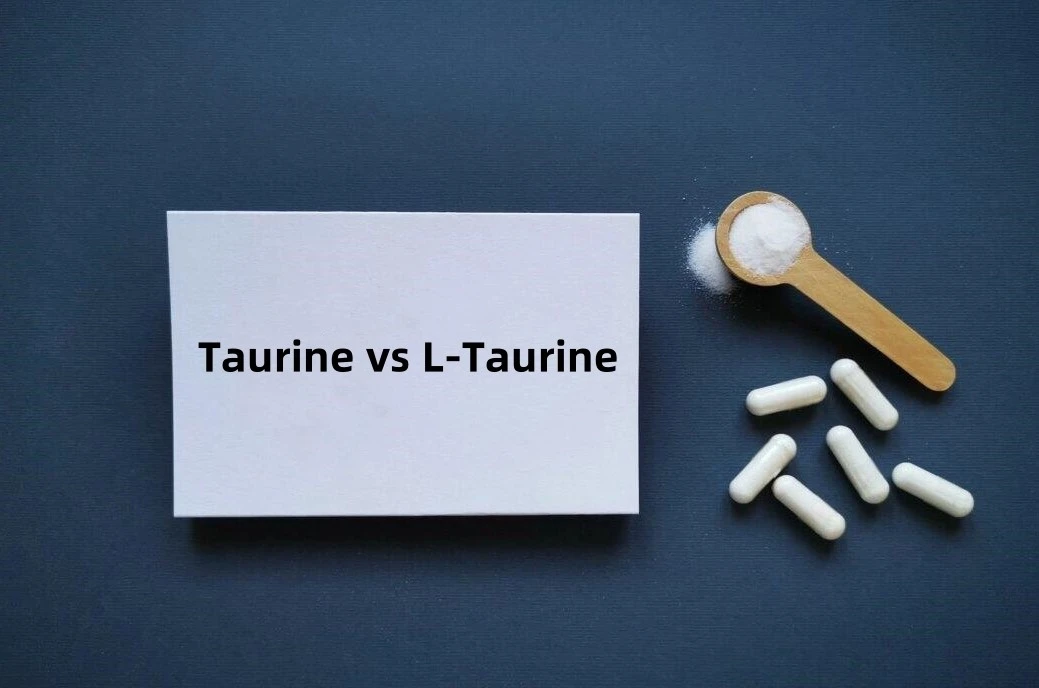
Taurine vs L-Taurine: Debunking the Myths
The term "L-taurine" is frequently encountered in supplier catalogs, but it's essential to clarify that taurine lacks chiral centers and thus does not exist in L or D forms. This misconception may stem from analogies to other amino acids like L-carnitine. In reality, high-quality taurine powder refers to the synthesized or natural form that meets pharmacopeial standards.
Why the Distinction Matters for B2B Buyers:
* Purity and Identity: Suppliers using "L-taurine" may imply higher purity, but verified documentation like a Certificate of Analysis (COA) is what counts.
* Regulatory Acceptance: Agencies like the FDA and EFSA recognize taurine as a single entity, so procurement should focus on compliance rather than nomenclature.
By prioritizing suppliers who adhere to USP (United States Pharmacopeia) or Ph. Eur. (European Pharmacopoeia) monographs, you ensure the taurine you purchase is standardized for identity, strength, and quality.
Why Taurine Powder Is Essential for B2B Applications
Taurine is a versatile ingredient used in various dosage forms, from capsules to functional beverages. Its stability, solubility, and compatibility make it ideal for large-scale manufacturing. According to industry reports, the global taurine market is projected to grow at a CAGR of 5.5%, driven by demand for clean-label and evidence-based supplements.
Applications in B2B Settings:
* Sports Nutrition: Enhances endurance and recovery in pre-workout blends.
* Health Supplements: Supports cardiovascular and cognitive health in fortified products.
* Food and Beverage: Used in energy drinks for its synergistic effects with caffeine.
At Joywin Natural, we offer bulk taurine that integrates seamlessly into your production lines, with customization options for particle size and flowability. Explore our Taurine Product Page for specifications.
Key Considerations for Sourcing Taurine Powder
B2B procurement of taurine involves multifaceted decisions. Here, we break down the critical factors using industry frameworks and scientific references.
1. Ingredient Sourcing and Traceability
Traceability ensures that taurine is derived from reliable sources, whether synthetic (common due to cost-effectiveness) or natural (e.g., from marine sources). Challenges like supply chain opacity can lead to adulteration.
* Best Practice: Implement a traceability system aligned with HACCP (Hazard Analysis Critical Control Point) principles. For instance, Joywin Natural provides full supply chain transparency, from raw material origin to final packaging.
* Reference: The FDA's cGMP (current Good Manufacturing Practice) regulations mandate traceability to prevent contamination (21 CFR Part 111).
2. Standardization and Purity
Standardization guarantees that taurine powder contains ≥99% pure taurine, free from impurities like heavy metals or residual solvents.
* Industry Standards: USP and Ph. Eur. set strict limits for assays and impurities. A typical COA for taurine should include tests for identity, potency, and microbiological purity.
* Case Study: A Meta-analysis in PubMed concluded that standardized taurine supplementation yields consistent health outcomes, underscoring the importance of purity.
3. Bioavailability and Absorption
Bioavailability refers to the fraction of taurine that reaches systemic circulation. Although taurine is highly bioavailable, factors like dosage form and excipients can influence absorption.
* Research Insight: RCTs show that taurine's bioavailability is optimal in powder form due to rapid dissolution. Combining it with enhancers like phospholipids can further improve uptake.
* Practical Tip: Review bioavailability data in TDS documents when sourcing taurine.
4. Dosage Form Compatibility
Taurine must be compatible with your product matrix-whether it's a tablet, liquid, or powder blend. Key parameters include hygroscopicity, flowability, and particle size distribution.
* Expert Advice: Work with suppliers who offer taurine variants tailored to specific applications. For example, fine powders for encapsulation or coarse grades for direct compression.
* Internal Link: Learn about our customized solutions on the Joywin Natural Services Page.
5. Regulatory Compliance and Certifications
Global regulations vary, but compliance is non-negotiable. Key frameworks include:
* FDA Regulations: In the U.S., taurine must comply with dietary supplement cGMPs (21 CFR Part 111) and generally recognized as safe (GRAS) status for certain uses.
* EFSA Guidelines: In Europe, EFSA has issued positive opinions on taurine's safety for use in food supplements.
* Certifications: Look for NSF International or Informed-Choice certifications, which verify that taurine is free from banned substances-critical for sports nutrition brands.
Quality Control in Taurine Powder Production
Rigorous quality control (QC) is the backbone of reliable taurine supply. Let's explore essential QC documents and processes.
1. Understanding COA, TDS, and MSDS
* COA (Certificate of Analysis): A must-have document confirming that taurine meets specifications (e.g., purity, heavy metals). At Joywin Natural, every batch comes with a COA accessible via our portal.
* TDS (Technical Data Sheet): Provides data on physicochemical properties, aiding in formulation design.
* MSDS (Material Safety Data Sheet): Outlines handling and safety precautions, aligned with OSHA standards.
2. The Role of cGMP, HACCP, and International Standards
Adherence to cGMP ensures consistent production, while HACCP mitigates risks like microbial contamination. Additionally, certifications like NSF/ANSI 173 for supplements demonstrate commitment to quality.
* Authority Reference: The USP Verification Program offers third-party testing, adding an extra layer of credibility for taurine.
Navigating the Supply Chain for Taurine Powder
The supply chain for taurine can be complex, involving multiple stakeholders from synthesis to distribution. Common issues include geopolitical disruptions and quality inconsistencies.
* Solution: Partner with vertically integrated suppliers like Joywin Natural, who control manufacturing and logistics to ensure timely delivery and batch-to-batch consistency. Our About Us Page details our supply chain ethos.
Regulatory Landscape: FDA, EFSA, and Global Requirements
Navigating regulations is paramount for market access. Here's a snapshot:
* FDA: Taurine is approved as a dietary ingredient under DSHEA. Compliance with labeling and cGMPs is mandatory.
* EFSA: Taurine is permitted in food supplements under Regulation (EC) No 1925/2006, with established ADI (Acceptable Daily Intake).
* Global Standards: In regions like Asia, references to Ph. Eur. or JP (Japanese Pharmacopoeia) may apply.
Citing FDA guidance documents and EFSA scientific opinions in your sourcing decisions minimizes legal risks.
Overcoming Industry Challenges: Adulteration and Quality Issues
The taurine powder market isn't immune to challenges like adulteration with cheaper substitutes (e.g., glycine) or inconsistent potency. A study by NSF International found that up to 10% of tested supplements had purity issues.
Mitigation Strategies:
* Demand third-party testing from accredited labs.
* Choose suppliers with cGMP and ISO 9001 certifications.
* Leverage Joywin Natural's commitment to transparency-we provide batch-specific COAs and conduct routine audits.
By addressing these challenges proactively, B2B buyers can safeguard their brand reputation.
Conclusion
In the debate of "taurine vs L-taurine," the key takeaway is that quality and compliance trump terminology. Sourcing high-quality taurine requires a diligent approach to traceability, standardization, and regulatory alignment. As evidenced by scientific literature and industry standards, partnering with a reputable supplier like Joywin Natural ensures that your formulations deliver on safety and efficacy. We invite you to deepen your knowledge and explore how jowin taurine powder can elevate your products. If you want to know more about it or are interested in purchasing it, you can send an email to contact@joywinworld.com. We will reply to you as soon as possible after we see the message.