


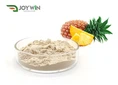

In the intricate world of digestion, enzymes play a vital role in breaking down the foods we consume, allowing our bodies to absorb essential nutrients efficiently. Among the myriad of enzymes found in nature, three stand out for their specific functions: amylase, Bromelain Powder, and lipase. Each of these enzymes targets different macromolecules-carbohydrates, proteins, and fats, respectively-facilitating their conversion into absorbable substances. In this blog post, we will explore the unique characteristics of amylase, bromelain, and lipase, their sources, functions, and the significant roles they play in our digestive health. Understanding these enzymes not only enhances our appreciation for the complexity of our digestive system but also highlights the importance of a balanced diet rich in various nutrients.
The Importance of These Enzymes
Amylase, bromelain, and lipase are three essential enzymes that play crucial roles in various bodily functions.
(1)Role in Digestion
Amylase is responsible for breaking down carbohydrates. It is mainly secreted by the pancreas and salivary glands. In the digestive process, amylase converts complex carbohydrates into simpler sugars that can be easily absorbed by the body. For example, it helps in the digestion of starchy foods like bread, potatoes, and rice.
Bromelain, on the other hand, is found in pineapples and aids in the digestion of proteins. It can help break down large protein molecules into smaller peptides and amino acids, facilitating their absorption.
Lipase is essential for the digestion of fats. It is produced by the pancreas and breaks down triglycerides into fatty acids and glycerol. This allows the body to absorb and utilize fats for energy and other important functions.
(2)Significance in Health
These enzymes are of great significance in maintaining overall health. Adequate levels of amylase ensure proper digestion of carbohydrates, which is important for energy production. Without sufficient amylase, undigested carbohydrates can lead to digestive issues such as bloating and gas.
Bromelain has been shown to have anti-inflammatory properties. It can help reduce inflammation in the body, which may be beneficial in preventing and managing certain chronic diseases. For instance, it may help alleviate symptoms of arthritis and other inflammatory conditions.
Lipase is crucial for maintaining healthy lipid metabolism. It helps in the absorption of essential fatty acids and plays a role in preventing disorders related to fat digestion and absorption.
In conclusion, amylase, Bromelain Powder, and lipase are essential enzymes that play vital roles in digestion and overall health. Maintaining proper levels of these enzymes through a balanced diet and healthy lifestyle can contribute to optimal bodily function and disease prevention.
Amylase - The Starch Breaker
(1)Function in the Body
Amylase plays a crucial role in the body's digestive process. When we consume starchy foods, amylase gets to work. It acts on the polysaccharide starch, breaking it down into smaller units. Specifically, amylase hydrolyzes the alpha-1,4-glycosidic bonds in starch molecules. This process converts complex starch into simpler sugars such as maltose and dextrin. As a result, these smaller sugar molecules can be more easily absorbed by the body and used for energy production. For instance, when we eat a bowl of pasta, amylase secreted by the salivary glands starts the digestion process in the mouth. As the food moves through the digestive tract, more amylase from the pancreas continues to break down the starch, ensuring efficient digestion.
(2)Significance in Pancreatic Health
Amylase is also significant in detecting and diagnosing pancreatic disorders, particularly acute pancreatitis. In cases of acute pancreatitis, the pancreas becomes inflamed, often due to factors such as gallstones or excessive alcohol consumption. One of the diagnostic criteria for acute pancreatitis is an elevated level of serum amylase or lipase. Typically, in acute pancreatitis, serum amylase or lipase can be more than four times the upper limit of normal. According to the reference "The Emergency Daily Question", a diagnosis of acute pancreatitis is established by the presence of two of the following three criteria: characteristic abdominal pain, serum amylase or lipase >4 times the upper limit of normal, and imaging findings suggestive of acute pancreatitis. Additionally, the article "Urinary Trypsinogen" mentions that urine amylase and serum amylase activity are often measured in patients with acute pancreatitis. Urine trypsinogen 2 detection also shows higher sensitivity and specificity than blood and urine amylase in diagnosing acute pancreatitis. Thus, amylase levels play a crucial role in the diagnosis and monitoring of pancreatic health.

Bromelain Powder- The Proteolytic Enzyme
(1)Sources and Properties
Bromelain is an enzyme extracted from the stem, fruit, and leaves of pineapples. It is a proteolytic enzyme, meaning it breaks down proteins. Bromelain has several unique properties. It has a molecular weight of around 33,000 and an isoelectric point of 9.55. The enzyme is a light yellowish powder with a slightly distinctive odor. Bromelain is soluble in water but insoluble in alcohol, chloroform, or ether. It has a broad pH range for optimal activity, typically between 6 and 8. Bromelain preferentially hydrolyzes the carboxyl side chains of basic amino acids like arginine and aromatic amino acids like phenylalanine and tyrosine.
(2)Health Benefits
Bromelain offers a wide range of health benefits. One of its most notable advantages is its anti-inflammatory properties. Studies have shown that bromelain can help reduce inflammation in the body. For example, research mentioned in "Smoke In My Dreams - Your Informative Fitness Supplement" indicates that bromelain is a natural anti-inflammatory enzyme that can be used as a supplement to help with joint pain and inflammation caused by injuries, osteoarthritis, or rheumatoid arthritis. Bromelain can also aid in digestion by breaking down proteins into smaller peptides and amino acids, facilitating their absorption. Additionally, bromelain may have benefits for wound healing. It can help reduce swelling and promote the healing process. According to some studies, bromelain may also have potential in preventing blood clot formation and improving cardiovascular health. Moreover, bromelain has been found to have immunomodulatory effects, meaning it can help regulate the immune system. This may be beneficial in preventing and managing certain autoimmune diseases. In conclusion, bromelain is a unique and beneficial enzyme with a wide range of potential health applications.
Lipase - The Fat Digester
(1)Function in Metabolism
Lipase is crucial for the digestion and metabolism of fats. It is produced by the pancreas and acts on triglycerides, breaking them down into fatty acids and glycerol. This process is essential for the body to absorb and utilize fats for energy production and other important functions. For instance, when we consume fatty foods like oils, butter, and meats, lipase gets to work. It hydrolyzes the ester bonds in triglycerides, releasing the fatty acids and glycerol. These smaller molecules can then be transported across the intestinal wall and into the bloodstream. Once in the bloodstream, they can be taken up by cells and used for various metabolic processes. Fatty acids can be oxidized to produce energy, used to synthesize cell membranes, or stored as fat for later use. Lipase also plays a role in maintaining healthy lipid metabolism by ensuring that fats are properly digested and absorbed. Without sufficient lipase activity, undigested fats can accumulate in the digestive tract, leading to digestive issues such as diarrhea, steatorrhea (fatty stools), and malabsorption.
(2)Role in Pancreatic Diseases
Lipase is of great importance in diagnosing and treating pancreatic conditions. In cases of pancreatic diseases, such as acute pancreatitis or chronic pancreatitis, the production and activity of lipase can be affected. Acute pancreatitis is often caused by factors such as gallstones, excessive alcohol consumption, or certain medications. One of the diagnostic criteria for acute pancreatitis is an elevated level of serum lipase. Typically, in acute pancreatitis, serum lipase can be more than four times the upper limit of normal. According to medical research, the measurement of serum lipase levels is a sensitive and specific indicator of pancreatic injury. In addition to diagnosis, lipase also plays a role in the treatment of pancreatic diseases. For example, in some cases of chronic pancreatitis, pancreatic enzyme replacement therapy may be used. This involves taking supplements containing lipase, along with other digestive enzymes, to help improve digestion and absorption of fats. By ensuring proper fat digestion, pancreatic enzyme replacement therapy can help alleviate symptoms such as abdominal pain, diarrhea, and weight loss. Moreover, understanding the role of lipase in pancreatic diseases can also lead to the development of new treatment strategies. For instance, researchers are exploring ways to modulate lipase activity or target specific pathways involved in lipase regulation as potential therapeutic approaches for pancreatic disorders. In conclusion, lipase is an important enzyme in the diagnosis and treatment of pancreatic diseases, and further research on its role may lead to improved management of these conditions.
Clinical Significance and Diagnosis
(1)Laboratory Tests
Laboratory tests play a crucial role in diagnosing various diseases by measuring the levels of amylase, Bromelain Powder, and lipase. For instance, elevated levels of amylase and lipase are important diagnostic indicators for acute pancreatitis. As mentioned earlier, in acute pancreatitis, serum amylase or lipase can be more than four times the upper limit of normal. These enzymes are routinely measured in blood samples to help diagnose and monitor the progression of pancreatic disorders.
In addition to pancreatitis, abnormal levels of these enzymes can also be indicative of other conditions. For example, low levels of amylase may suggest a problem with the production or secretion of this enzyme, which could be due to disorders of the pancreas or salivary glands. On the other hand, high levels of lipase may be seen in cases of gallstone obstruction or certain types of intestinal disorders that affect fat digestion.
Laboratory tests for these enzymes are relatively simple and can be performed quickly. Blood samples are taken and analyzed for the levels of amylase, bromelain, and lipase. The results can provide valuable information to healthcare providers, helping them make accurate diagnoses and develop appropriate treatment plans.
(2)Imaging Studies
Imaging studies also play an important role in detecting pancreatic disorders related to amylase, Bromelain Powder, and lipase. For example, ultrasound imaging can be used to visualize the pancreas and detect any signs of inflammation, enlargement, or other abnormalities. In cases of acute pancreatitis, ultrasound may show an enlarged pancreas with possible fluid collections or signs of inflammation.
Computed tomography (CT) scans are another useful imaging tool. They can provide detailed images of the pancreas and surrounding organs, helping to identify any structural abnormalities or complications associated with pancreatic disorders. For instance, a CT scan may show areas of pancreatic necrosis or the presence of gallstones that may be causing pancreatitis.
Magnetic resonance imaging (MRI) can also be used to evaluate the pancreas. It can provide high-resolution images and is particularly useful in detecting subtle changes in the pancreas that may not be visible on other imaging modalities. In addition, MRI can be used to assess the function of the pancreas by measuring the flow of pancreatic juices and other secretions.
Imaging studies are often used in conjunction with laboratory tests to provide a comprehensive evaluation of pancreatic disorders. By combining the information from both types of tests, healthcare providers can make more accurate diagnoses and develop more effective treatment plans.
Prevention and Treatment
(1)Lifestyle Changes
Maintaining a healthy lifestyle is crucial for maintaining healthy levels of amylase, bromelain, and lipase and preventing pancreatic diseases. A balanced diet rich in whole grains, fruits, vegetables, and lean proteins can help ensure an adequate intake of nutrients that support enzyme production. For example, including starchy foods like oats and sweet potatoes can provide a source of carbohydrates for amylase to act on. Incorporating pineapple and other sources of bromelain into the diet can support protein digestion. And consuming healthy fats like avocados and nuts can help maintain proper lipase function.
Regular exercise is also an important part of a healthy lifestyle. Exercise can help improve digestion and metabolism, which in turn can support enzyme function. According to research, regular physical activity can help reduce the risk of chronic diseases such as diabetes and heart disease, which can also have an impact on pancreatic health.
Stress management is another important aspect of maintaining healthy enzyme levels. Chronic stress can disrupt digestion and hormone balance, which can affect enzyme production. Practices such as meditation, yoga, and deep breathing can help reduce stress and promote overall health.
Finally, avoiding excessive alcohol consumption and maintaining a healthy weight can also help prevent pancreatic diseases. Excessive alcohol can damage the pancreas and disrupt enzyme production. And being overweight or obese can increase the risk of developing diabetes and other conditions that can affect pancreatic function.
(2)Medical Interventions
There are several medical treatments available for conditions related to amylase, bromelain, and lipase. In cases of acute pancreatitis, treatment typically involves hospitalization and supportive care. This may include intravenous fluids to prevent dehydration, pain management, and close monitoring of vital signs and enzyme levels. In some cases, surgery may be necessary to remove gallstones or address other underlying causes of pancreatitis.
For chronic pancreatitis, treatment may involve pancreatic enzyme replacement therapy. This involves taking supplements containing amylase, bromelain, lipase, and other digestive enzymes to help improve digestion and absorption. In addition, pain management and treatment of any underlying conditions such as diabetes or malnutrition may be necessary.
In cases where low enzyme levels are due to a specific disorder of the pancreas or salivary glands, treatment may focus on addressing the underlying cause. For example, if a tumor is causing a blockage in the pancreatic duct, surgery may be necessary to remove the tumor and restore normal enzyme function.
Finally, research is ongoing into new treatments for pancreatic diseases. For example, scientists are exploring the use of stem cells to regenerate damaged pancreatic tissue and restore enzyme production. And new drugs are being developed to target specific pathways involved in pancreatic inflammation and disease.
In conclusion, prevention and treatment of conditions related to amylase, bromelain, and lipase involve a combination of lifestyle changes and medical interventions. By maintaining a healthy lifestyle and seeking appropriate medical care when needed, individuals can help protect their pancreatic health and overall well-being.
The different between amylase Bromelain Powder and lipase
(1)Function Differences
Amylase is mainly responsible for breaking down carbohydrates. It acts on starch molecules, converting complex carbohydrates into simpler sugars that can be absorbed by the body. Bromelain, on the other hand, is a proteolytic enzyme that breaks down proteins. It helps in the digestion of proteins by hydrolyzing them into smaller peptides and amino acids. Lipase is essential for the digestion of fats. It breaks down triglycerides into fatty acids and glycerol, enabling the body to absorb and utilize fats.
For example, when we eat a meal containing bread, potatoes, and rice, amylase is activated to break down the starches. If the meal also includes meat, bromelain can aid in the digestion of the proteins. And when there are fatty foods like oils or butter, lipase gets to work on breaking down the fats.
(2)Sources and Properties
Amylase is mainly secreted by the pancreas and salivary glands. It is a water-soluble enzyme that works in a relatively neutral pH range. Bromelain is extracted from pineapples. It is soluble in water but insoluble in alcohol, chloroform, or ether. It has a broad pH range for optimal activity, typically between 6 and 8. Lipase is produced by the pancreas. It is also water-soluble and has an optimal activity at a slightly alkaline pH.
(3)Health Benefits and Applications
Amylase is crucial for proper digestion of carbohydrates and energy production. Without sufficient amylase, undigested carbohydrates can lead to digestive issues. Bromelain has anti-inflammatory properties and can help with joint pain and inflammation caused by injuries, osteoarthritis, or rheumatoid arthritis. It also aids in digestion and may have benefits for wound healing and preventing blood clot formation. Lipase is important for maintaining healthy lipid metabolism and preventing disorders related to fat digestion and absorption. It plays a key role in the diagnosis and treatment of pancreatic diseases.
In conclusion, amylase, bromelain, and lipase have distinct functions, sources, properties, and health benefits. Understanding these differences can help us better understand their roles in the body and take appropriate measures to maintain their healthy levels and overall health.
Conclusion
Amylase, Bromelain Powder, and lipase are three essential enzymes that perform unique and vital functions in the body. Each enzyme has its specific role in digestion and overall health, and their proper functioning is crucial for maintaining optimal bodily function.
Amylase is responsible for breaking down carbohydrates, ensuring the body can obtain energy from starchy foods. Bromelain, extracted from pineapples, is a proteolytic enzyme that aids in protein digestion and offers anti-inflammatory benefits. Lipase is essential for the digestion of fats and plays a significant role in maintaining healthy lipid metabolism and diagnosing pancreatic diseases.
Understanding the differences between these enzymes can help individuals make informed decisions about their diet and lifestyle. A balanced diet that includes sources of these enzymes can support proper digestion and overall health. For example, consuming starchy foods for amylase, pineapple for bromelain, and healthy fats for lipase can help maintain enzyme levels.
In addition to diet, regular exercise, stress management, and avoiding excessive alcohol consumption and maintaining a healthy weight are important lifestyle factors that can contribute to pancreatic health and the proper functioning of these enzymes.
Medical interventions are also available for conditions related to these enzymes. Pancreatic enzyme replacement therapy can help individuals with chronic pancreatitis or low enzyme levels due to specific disorders. Ongoing research is exploring new treatments for pancreatic diseases, which may lead to improved management and treatment options.
In conclusion, amylase, bromelain, and lipase are essential for digestion and overall health. By understanding their functions, sources, properties, and health benefits, individuals can take steps to maintain their healthy levels and protect their pancreatic health. A combination of lifestyle changes and medical interventions can help manage conditions related to these enzymes and promote overall well-being.
JOYWIN founded in 2013 is an innovation-driven biotechnology company. The JOYWIN Bromelain factory located in Thailand makes use of local abundant resources to provide customers with various specifications of bromelain products. From 200GDU/g to 2400GDU/g. Holding bromelain workshops, plant protease workshops, and warehouses also own cutting-edge facilities and strict quality control systems. As one of four global bromelain manufacturers, we are FSSC22000, ISO9001, ISO14001, ISO22000, BRC, and Cgmp-certified factory. If you want to know more about Bromelain Powder or are interested in purchasing it, you can email at contact@joywinworld.com . We will reply to you as soon as possible after we see the message.