


As a premier supplier of dietary supplement ingredients at Joywin Natural, we continuously explore the scientific foundations of nutritional compounds that support human health. Among these, taurine-a conditionally essential amino acid-has emerged as a subject of intense scientific investigation for its potential neuroprotective and neurological benefits. Once primarily recognized for its role in cardiovascular function and bile acid conjugation, contemporary research reveals that taurine constitutes approximately 0.1% of total body weight and is the most abundant free amino acid in several key organs, including the brain, retina, heart, and skeletal muscle.
In the central nervous system, taurine powder functions as a neuromodulator, osmoregulator, antioxidant, and neuroprotectant, influencing everything from neurotransmitter balance to cellular stability. Unlike typical neurotransmitters, taurine doesn't bind to traditional receptor sites but operates through distinct mechanisms that modulate neuronal excitability and protect against damage. This multifaceted compound has demonstrated significant potential in addressing various neurological challenges, from common neurodegenerative conditions to acute brain injuries.
This comprehensive examination of taurine's role in neurological health synthesizes current scientific understanding, explores therapeutic applications, and considers practical supplementation approaches. As specialists in premium ingredient manufacturing, we at Joywin Natural are committed to providing not only high-quality ingredients but also evidence-based information that supports informed decision-making in the supplement industry.
Understanding Taurine: Chemistry, Sources, and Biological Roles
Chemical Properties and Natural Occurrence
Taurine (2-aminoethanesulfonic acid) is a sulfur-containing amino acid that differs structurally from protein-building amino acids as it contains a sulfonic acid group instead of a carboxyl group. This unique chemical structure contributes to its distinctive biological activities, particularly its membrane-stabilizing properties and antioxidant capabilities. Unlike most amino acids, taurine is not incorporated into proteins but exists primarily in its free form within tissues.
While the human body can synthesize taurine from cysteine with the help of the enzyme cysteine sulfinic acid decarboxylase, this endogenous production is often insufficient, making dietary sources particularly important. Natural taurine-rich foods include:
* Animal proteins: Meat, fish, and seafood (especially shellfish)
* Dairy products: Milk and cheese
* Seaweeds: Certain varieties contain modest amounts
* Energy drinks: Often fortified with synthetic taurine
For individuals with restricted diets or specific health conditions, supplemental taurine may provide therapeutic benefits that dietary sources alone cannot achieve in sufficient quantities.
Physiological Functions Beyond Neurology
Before delving into taurine's specific neurological applications, it's essential to recognize its broad physiological significance:
1.Cardiovascular Support: taurine powder helps regulate blood pressure, improve endothelial function, and protect against ischemia-reperfusion injury in heart tissue.
2.Visual System Maintenance: As the retina's most abundant amino acid, taurine protects photoreceptor cells from light-induced damage and supports optimal visual function.
3.Metabolic Regulation: Taurine enhances insulin sensitivity, supports bile acid conjugation for fat digestion, and aids in electrolyte balance through osmoregulation.
4.Immune Modulation: Emerging research indicates taurine may influence immune cell function and inflammatory responses throughout the body.
These systemic effects are particularly relevant to neurological health, as brain function is intimately connected with cardiovascular integrity, metabolic status, and systemic inflammation-all areas where taurine exerts measurable influence.
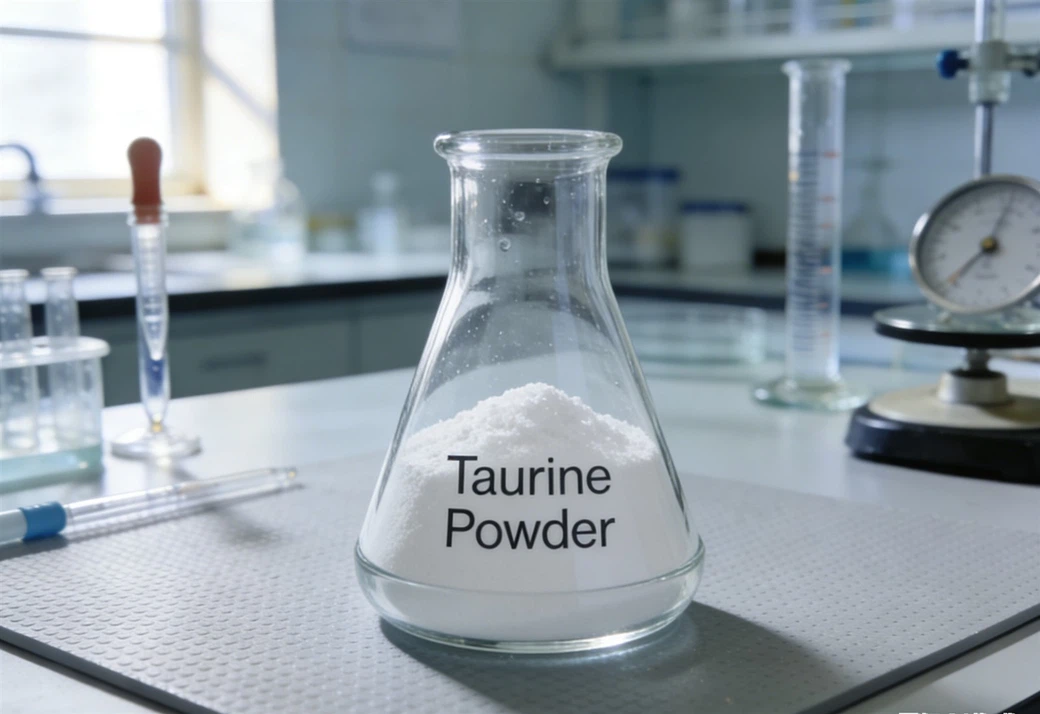
Taurine's Neuroprotective Mechanisms: A Multidimensional Approach
Antioxidant and Anti-inflammatory Actions
Oxidative stress and neuroinflammation represent fundamental pathological processes in numerous neurological disorders. Taurine addresses these challenges through several complementary mechanisms:
* Direct Antioxidant Activity: Taurine's chemical structure enables it to neutralize reactive oxygen species (ROS) and reactive nitrogen species (RNS) before they damage neuronal membranes, proteins, and DNA. Research indicates taurine is particularly effective against hypochlorous acid (HOCl), a potent oxidant produced during inflammation.
* Indirect Antioxidant Effects: Taurine powder enhances the activity of endogenous antioxidant enzymes, including superoxide dismutase (SOD) and glutathione peroxidase, while reducing the expression of pro-oxidant enzymes like NADPH oxidase.
Anti-inflammatory Modulation: Taurine suppresses the activation of nuclear factor-kappa B (NF-κB), a master regulator of inflammatory gene expression. This action reduces the production of pro-inflammatory cytokines (TNF-α, IL-1β, IL-6) that contribute to neuronal damage in conditions ranging from stroke to neurodegenerative diseases.
* Mitochondrial Protection: By stabilizing mitochondrial membranes and improving electron transport chain efficiency, taurine helps maintain cellular energy production while minimizing ROS generation-a critical consideration for energy-intensive neurons.
Neuromodulation and Neurotransmitter Regulation
Unlike classical neurotransmitters that primarily excite or inhibit neuronal activity, taurine functions as a neuromodulator that fine-tunes synaptic transmission:
* GABAergic System Interaction: Taurine binds to GABA_A receptors, enhancing inhibitory neurotransmission. This action helps maintain the excitation-inhibition balance critical for preventing neuronal hyperexcitability and excitotoxicity-a common pathway in epilepsy, migraines, and neurodegenerative conditions.
* Glycine Receptor Activation: Taurine also activates glycine receptors, particularly in the brainstem and spinal cord, contributing to its calming effects on the nervous system.
* Glutamate Regulation: By modulating glutamatergic signaling, taurine helps prevent excessive excitatory activity that can lead to calcium overload and neuronal death. This glutamate-regulating capacity is especially relevant for stroke, traumatic brain injury, and neurodegenerative disorders.
* Calcium Homeostasis: Taurine influences calcium signaling pathways, helping maintain appropriate intracellular calcium levels-a critical factor in neuronal survival and function.
Osmotic Regulation and Cellular Stability
As a major organic osmolyte in the brain, Taurine powder helps maintain cell volume against osmotic challenges. During pathological conditions that disrupt ionic balance (such as stroke or traumatic injury), this osmoregulatory function helps prevent cellular swelling or shrinkage that could compromise neuronal integrity. This capacity extends beyond physical stabilization to include protection of protein structure and function under osmotic stress.
Taurine in Specific Neurological Conditions: Evidence and Applications
Neurodegenerative Disorders
Alzheimer's Disease (AD)
Research suggests taurine may address multiple pathological features of AD:
* Amyloid-beta reduction: Animal studies show taurine supplementation decreases amyloid-beta accumulation, a hallmark of AD pathology.
* Tau pathology modulation: Preliminary evidence indicates taurine may reduce hyperphosphorylation of tau protein, another key feature of AD.
* Cognitive enhancement: Human and animal studies demonstrate improved cognitive performance with taurine supplementation, potentially through enhanced synaptic plasticity and neurogenesis.
* Mitochondrial support: By improving mitochondrial function in neurons, taurine addresses the bioenergetic deficits observed in AD brains.
Parkinson's Disease (PD)
Taurine's potential benefits in PD include:
* Dopaminergic protection: Experimental models show taurine protects dopaminergic neurons from toxins like MPTP and 6-OHDA that preferentially damage the substantia nigra.
* Motor symptom improvement: Animal studies indicate taurine supplementation improves motor coordination and reduces tremor-like behaviors.
* Non-motor symptom management: Through its calming effects on the nervous system, taurine may help address anxiety, sleep disturbances, and other non-motor symptoms common in PD.
Huntington's Disease (HD)
Although research is more limited, taurine shows promise for HD through:
* Excitotoxicity reduction: By modulating glutamate signaling, taurine may help counter the excitotoxic processes prominent in HD.
* Mitochondrial stabilization: Improved mitochondrial function could address the bioenergetic deficits observed in HD.
Epilepsy and Seizure Disorders
Taurine's GABA-enhancing properties position it as a potential adjunct in epilepsy management:
* Seizure threshold elevation: Multiple animal models demonstrate taurine raises the seizure threshold, making seizures less likely to occur.
* Anticonvulsant synergy: Taurine powder may enhance the effectiveness of conventional antiepileptic drugs while potentially allowing lower dosages.
* Status epilepticus protection: Experimental evidence suggests taurine may protect against neuronal damage during prolonged seizures.
* Genetic epilepsy models: Particularly promising results have emerged in genetic models of epilepsy, suggesting taurine might be especially beneficial for certain inherited forms.
A comprehensive review in the journal Epilepsy Research concluded that while human trials have produced mixed results-possibly due to methodological differences-taurine remains a compelling candidate for further investigation in specific epilepsy subtypes.
Stroke and Ischemic Brain Injury
The multi-mechanistic nature of taurine makes it particularly promising for addressing the complex pathophysiology of stroke:
Table: Taurine's Protective Mechanisms in Stroke
|
Mechanism |
Specific Action |
Potential Benefit |
|
Anti-excitotoxic |
Reduces glutamate release and calcium influx |
Limits infarction expansion |
|
Anti-oxidative |
Neutralizes ROS generated during reperfusion |
Reduces oxidative damage to penumbra |
|
Anti-inflammatory |
Suppresses microglial activation and cytokine production |
Limits secondary inflammatory injury |
|
Anti-apoptotic |
Inhibits caspase activation and mitochondrial permeability transition |
Preserves vulnerable neurons |
|
Edema reduction |
Osmotic regulation stabilizes cell volume |
Reduces cytotoxic edema |
|
Blood-brain barrier protection |
Maintains tight junction integrity |
Limits vasogenic edema and peripheral immune infiltration |
Animal models consistently demonstrate that taurine administration-whether before ischemia (preconditioning) or after (treatment)-significantly reduces infarct volume and improves functional outcomes. Timing appears critical, with the most pronounced benefits observed when taurine is administered during or shortly after the ischemic event.
Traumatic Brain Injury (TBI) and Concussion
Similar to its effects in stroke, Taurine powder addresses multiple pathological cascades in TBI:
* Secondary injury mitigation: By reducing oxidative stress, inflammation, and excitotoxicity, taurine may limit the expansion of damage following the initial mechanical injury.
* Cognitive recovery: Animal studies show improved learning and memory outcomes with post-injury taurine administration.
* Axonal protection: Preliminary evidence suggests taurine may help preserve axonal integrity, potentially reducing diffuse axonal injury-a major contributor to TBI morbidity.
While human TBI studies are limited, the compelling preclinical data and taurine's excellent safety profile justify further investigation, particularly for mild TBI where conventional pharmaceutical options remain limited.
Migraine and Headache Disorders
Taurine's neuromodulatory properties may benefit migraine sufferers through:
* Cortical spreading depression modulation: Animal research indicates taurine can suppress cortical spreading depression-the electrophysiological phenomenon believed to underlie migraine aura.
* Vascular regulation: By improving endothelial function and reducing neurogenic inflammation, taurine may address both vascular and neuronal components of migraine pathophysiology.
* Preventive potential: Anecdotal reports and limited clinical observations suggest regular taurine supplementation may reduce migraine frequency and severity, possibly through stabilization of neuronal membranes and reduction of hyperexcitability.
Neurodevelopmental and Psychiatric Conditions
Emerging research explores taurine's potential in:
* Autism Spectrum Disorders (ASD): Given the excitatory/inhibitory imbalance observed in ASD, taurine's GABA-enhancing effects warrant investigation. Preliminary reports suggest possible benefits for sensory sensitivities and anxiety in autistic individuals.
* Attention-Deficit/Hyperactivity Disorder (ADHD): Taurine's calming neuromodulatory effects might complement conventional ADHD treatments, particularly for hyperactivity symptoms.
* Anxiety and mood disorders: Through its interaction with GABA and glycine systems, taurine exhibits anxiolytic properties in animal models, suggesting potential adjunctive applications in anxiety disorders.
Clinical Evidence: Human Studies and Trials
Cognitive Function in Aging Populations
Several human studies have investigated taurine's effects on cognitive performance:
A 12-week randomized, double-blind, placebo-controlled trial with healthy middle-aged women found that 3 grams of daily taurine supplementation significantly improved measures of cognitive flexibility, working memory, and psychomotor speed compared to placebo. These benefits were particularly pronounced in women with lower baseline taurine levels, suggesting that correcting deficiency states might yield the most dramatic cognitive improvements.
Another study examining taurine in combination with other neuroprotective compounds demonstrated enhanced verbal memory and executive function in older adults with mild cognitive complaints. While these combination studies make it challenging to isolate taurine's specific contribution, they reinforce the potential of nutritional approaches to support cognitive resilience during aging.
Epilepsy Clinical Trials
Human epilepsy studies have produced mixed but intriguing results:
* An early trial with 4 grams of daily taurine as adjunctive therapy reduced seizure frequency in 11 of 18 patients with difficult-to-control epilepsy, with three becoming seizure-free.
* Another study found particular benefit for absence seizures, with 10 of 12 children showing reduced frequency.
* More recent controlled trials have shown more modest effects, potentially reflecting differences in patient populations, epilepsy types, or concomitant medications.
The variation in outcomes underscores the likelihood that taurine's benefits may be most apparent in specific epilepsy subtypes, particularly those involving GABAergic dysfunction or mitochondrial impairment.
Stroke Recovery Studies
While large-scale human stroke trials specifically evaluating taurine are limited, several relevant observations emerge:
* Epidemiological studies note an inverse relationship between dietary taurine intake and stroke risk in certain populations.
* Studies of taurine-containing nutritional formulations in post-stroke recovery show improvements in neurological function and quality of life measures.
* Cardiac surgery studies (which shares ischemic mechanisms with stroke) demonstrate that perioperative taurine administration reduces markers of neuronal injury.
These indirect lines of evidence, combined with robust preclinical data, justify dedicated clinical trials of taurine in acute stroke and recovery phases.
Safety, Dosage, and Practical Considerations
Safety Profile and Tolerability
Taurine boasts an exceptional safety record with minimal adverse effects even at high doses. Human studies have used doses up to 10 grams daily for extended periods without significant safety concerns. The few reported side effects are typically mild and gastrointestinal in nature (nausea, diarrhea) when doses exceed individual tolerance thresholds.
Notably, unlike many neurological interventions, Taurine powder does not cause sedation, cognitive impairment, or dependency-advantages that make it particularly attractive for long-term use in chronic neurological conditions. However, as with any intervention, individual responses vary, and medical supervision remains advisable, particularly for those with pre-existing health conditions or concurrent medications.
Dosage Considerations Based on Evidence
Table: Taurine Dosage Ranges for Neurological Support
|
Application |
Suggested Daily Dosage |
Key Considerations |
|
General neuroprotection |
500-2,000 mg |
Lower end for maintenance, higher for specific support |
|
Cognitive enhancement |
1,500-3,000 mg |
Studies show benefits in this range for cognitive metrics |
|
Epilepsy adjunct |
2,000-4,000 mg |
Divided doses, typically as adjunct to conventional therapy |
|
Migraine prevention |
1,000-2,000 mg |
Consistent daily use appears more important than acute dosing |
|
Post-stroke/TBI recovery |
2,000-3,000 mg |
Early initiation may optimize benefits |
|
Age-related cognitive decline |
1,500-2,500 mg |
Long-term consistent use likely necessary for sustained benefits |
Dosage should be individualized based on factors including body weight, dietary intake, specific health status, and therapeutic goals. Starting at lower doses and gradually increasing allows assessment of individual tolerance.
Formulation and Bioavailability Considerations
While taurine itself has excellent oral bioavailability (approximately 80-90%), formulation decisions impact user experience and potential benefits:
1.Timing: Divided doses throughout the day may maintain more stable tissue levels, though single daily dosing has proven effective in many studies.
2.Combination formulations: Taurine often appears alongside complementary nutrients like magnesium, B vitamins, and other amino acids in neurological support formulations. While these combinations may offer synergistic benefits, they complicate isolation of taurine-specific effects.
3.Quality considerations: As with all supplements, ingredient purity and manufacturing standards significantly impact safety and efficacy. At Joywin Natural, our commitment to cGMP, ISO certifications, and rigorous quality control ensures pharmaceutical-grade taurine suitable for neurological applications.
Future Research Directions and Unanswered Questions
Despite promising evidence, several important questions remain regarding taurine's neurological applications:
1.Optimal timing: When should taurine be initiated relative to neurological events (e.g., immediately post-stroke vs. during recovery)?
2.Population specificity: Which patient subgroups derive the greatest neurological benefit from taurine supplementation?
3.Long-term effects: While short-term studies show excellent safety, more longitudinal data would strengthen the case for chronic use in progressive conditions like neurodegenerative diseases.
4.Biomarker development: Identifying reliable biomarkers of taurine status in the central nervous system would facilitate personalized dosing and timing.
5.Mechanistic refinements: Further elucidation of taurine's precise molecular targets and signaling pathways could reveal new applications and optimize existing ones.
Ongoing research employing advanced techniques like neuroimaging, metabolomics, and genetic profiling promises to address these questions, potentially expanding taurine's role in neurological health management.
Conclusion: Integrating Taurine into Neurological Health Strategies
The accumulating evidence positions taurine as a compelling, multi-mechanistic agent with significant potential across a spectrum of neurological conditions. From its fundamental roles in cellular homeostasis to its targeted effects on excitotoxicity, oxidative stress, and neuroinflammation, taurine addresses multiple pathological processes common to diverse neurological disorders.
As specialists in premium ingredient supply, Joywin Natural recognizes both the promise and complexity of nutritional interventions in neurological health. Taurine exemplifies the potential of well-characterized, naturally occurring compounds to complement conventional approaches, potentially offering enhanced efficacy with favorable safety profiles.
For healthcare practitioners, supplement formulators, and informed consumers, taurine represents a valuable addition to comprehensive neurological support strategies. While not a standalone solution for complex conditions, its multimodal mechanisms, excellent tolerability, and substantial evidence base justify serious consideration in both preventive and therapeutic contexts.
As research continues to refine our understanding of taurine's neurological applications, its role will likely expand, offering new possibilities for supporting brain health across the lifespan. At Joywin Natural, we remain committed to providing the highest quality taurine and other neurosupportive ingredients, backed by scientific integrity and manufacturing excellence.
JOYWIN founded in 2013 is an innovation-driven biotechnology company. We provide the manufacture of plant extracts, plant proteases, and customized products. If you want to know more about taurine powder or are interested in purchasing it, you can send an email to contact@joywinworld.com. We will reply to you as soon as possible after we see the message.