

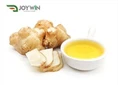
In the world of dietary supplements, few ingredients possess the deep historical roots and modern scientific validation of Ginger Root Powder. Derived from the rhizome of Zingiber officinale, this botanical has been a cornerstone of traditional medicine systems for centuries, used to treat ailments ranging from colds to digestive disorders .
However, for B2B buyers, product developers, and procurement specialists, tradition is not enough. The modern nutraceutical industry demands data, reproducibility, and clinical evidence.
Recent advances in analytical chemistry and a surge in high-quality randomized controlled trials (RCTs) have illuminated precisely how the bioactive compounds in ginger-namely the gingerols and shogaols-exert their effects on human physiology . This comprehensive guide answers the question: What are 5 health benefits of ginger powder? We will explore the molecular mechanisms, examine the latest clinical data, and provide formulation insights to help you leverage this "superfood root" in your next product line.
The Bioactive Foundation: Gingerols and Shogaols
Before diving into the specific health benefits, it is crucial to understand the active constituents that make Ginger Root Powder a functional ingredient.
Fresh ginger is dominated by gingerols (specifically 6-gingerol, 8-gingerol, and 10-gingerol), which are responsible for the characteristic pungent taste. When ginger is dried or heated, these gingerols dehydrate to form shogaols (6-shogaol, 8-shogaol, and 10-shogaol), which are even more pungent and exhibit distinct bioactivities .
Recent research published in Antioxidants (2025) confirms that these phenolic compounds exert their effects through multiple pathways, including the activation of the Nrf2 antioxidant pathway and the inhibition of pro-inflammatory enzymes . For formulators, this means that the processing and drying methods used to create Ginger Powder directly influence its therapeutic potency.
Benefit 1: Potent Anti-Inflammatory Effects (COX-2 Inhibition)
Perhaps the most well-researched benefit of ginger is its ability to combat inflammation at the molecular level.
The Mechanism: Selective COX-2 Inhibition
Inflammation is a complex biological response to harm, mediated by enzymes like cyclooxygenase-2 (COX-2). Traditional non-steroidal anti-inflammatory drugs (NSAIDs) work by inhibiting COX enzymes, but they often inhibit COX-1 as well, leading to gastrointestinal side effects.
Groundbreaking research using ultrafiltration liquid chromatography mass spectrometry identified that specific compounds in ginger-including 10-gingerol, 8-shogaol, and 10-shogaol-bind directly to the COX-2 enzyme active site . Critically, these compounds showed no inhibition of COX-1, suggesting a targeted anti-inflammatory action with a potentially safer gastrointestinal profile than conventional NSAIDs .
* Potency Data: Purified 10-shogaol inhibited COX-2 with an IC50 value of just 7.5 μM .
Clinical Validation
A landmark 2025 systematic review and meta-analysis published in Inflammopharmacology pooled data from 29 randomized controlled trials. The results were decisive:
* C-reactive protein (CRP): Reduced by 0.86 mg/L
* Tumor Necrosis Factor-α (TNF-α): Reduced by 1.90 pg/mL
* Interleukin-6 (IL-6): Reduced by 1.15 pg/mL
The study concluded that ginger supplementation significantly improves inflammatory biomarkers, particularly in individuals with underlying health conditions such as osteoarthritis or type 2 diabetes .
Formulation Application
For brands developing joint health supplements, Ginger Root Powder offers a natural alternative or adjunct to synthetic anti-inflammatories. It pairs synergistically with other botanicals like turmeric (curcumin) to modulate the inflammatory cascade.

Benefit 2: Powerful Antioxidant Activity and Oxidative Stress Reduction
Oxidative stress, caused by an imbalance between free radicals and the body's antioxidant defenses, is a precursor to numerous chronic diseases .
The Mechanism: Nrf2 Pathway Activation
The antioxidant capacity of ginger is primarily attributed to its phenolic compounds, particularly 6-gingerol and 6-shogaol. These compounds have been shown to activate the nuclear factor erythroid 2 (Nrf2) signaling pathway, which is the body's master regulator of antioxidant defense . Activation of Nrf2 leads to the upregulation of endogenous antioxidant enzymes like superoxide dismutase (SOD) and catalase (CAT).
Quantifying the Effect
The 2025 meta-analysis quantified the impact of ginger on oxidative stress markers:
* Total Antioxidant Capacity (TAC): Increased by 0.22 mmol/L
* Malondialdehyde (MDA): Decreased by 0.76 μmol/L (MDA is a key marker of lipid peroxidation)
* Superoxide Dismutase (SOD): Increased by 48.12 U/L
Bioaccessibility Insights
A 2025 study in Antioxidants highlighted that the antioxidant capacity of ginger is formulation-dependent. Using ORAC (Oxygen Radical Absorbance Capacity) and DPPH assays, researchers found that liquid formulations of ginger extract demonstrated superior antioxidant activity (11,336.7 μmol TE) compared to standard powders, due to enhanced bioaccessibility of 6-gingerol . This underscores the importance of delivery systems in maximizing the efficacy of Ginger Root Powder in finished products.
Benefit 3: Immune System Modulation and Enhancement
The immunomodulatory potential of ginger is an exciting and emerging area of research, bridging the gap between traditional use for "colds" and modern immunology.
The Mechanism: Enhancing Natural Killer (NK) Cell Activity
Natural Killer (NK) cells are a type of lymphocyte critical for the body's first-line defense against virus-infected cells and tumor formation.
A compelling study published in the Korean Journal of Medicinal Crop Science investigated the effects of ginger extracts and compounds on immune function. The results showed:
* NK Cell Activity: Ginger extract significantly improved the lysing (killing) activity of NK cells in both in vitro human lymphocyte cultures and in vivo mouse studies.
* T Cell Proliferation: The study observed enhanced proliferation of B cells, T cells, and CD3+CD4+ T cell subsets when treated with ginger oleoresin and gingerol fractions .
The researchers noted that the protective mechanism appears to involve both the antioxidant activity of gingerol and a specific enhancement of NK cell function, providing scientific validation for the traditional belief that ginger helps prevent the common cold .
Cytokine Modulation
A 2024 critical review in Frontiers in Nutrition confirmed that ginger's bioactive compounds trigger the release of anti-inflammatory cytokines while reducing pro-inflammatory cytokines, contributing to a balanced and effective immune response .
Benefit 4: Digestive Health and Nausea Relief
The use of ginger for digestive ailments is perhaps its most established application, recognized by major health authorities worldwide.
Regulatory Recognition
According to the Merck Manual, scientific studies suggest ginger is effective for pregnancy-related nausea and postoperative nausea and vomiting . The Committee on Herbal Medicinal Products (HMPC) in Europe acknowledges dried Ginger Root Powder as a well-established use for the prevention of nausea and vomiting in motion sickness .
Clinical Data on Nausea in Pregnancy
Data compiled by the UK Food Standards Agency from multiple randomized controlled trials provides a robust picture of ginger's efficacy for nausea during pregnancy:
* Ensiyeh et al. (2005): A double-blind RCT of 70 pregnant women using 1000 mg/day of ginger powder capsules demonstrated a significant reduction in the severity of nausea compared to the control group .
* Vutyavanich (2001): A double-blind trial using 1000 mg/day of ginger powder over 4 days found significant improvements in nausea and vomiting scores .
* Smith (2004): A large equivalence trial with 291 women confirmed that ginger was as effective as Vitamin B6 for treating nausea in pregnancy, with no significant difference in adverse outcomes .
Mechanism of Action
While the exact mechanism is still under investigation, it is believed that gingerols and shogaols act as serotonin (5-HT3) receptor antagonists in the digestive tract, similar to some anti-emetic medications, helping to calm gastric activity and reduce the urge to vomit.
Benefit 5: Metabolic Health and Glycemic Control
The global rise in metabolic syndrome has driven interest in natural ingredients that can support healthy blood sugar and lipid levels. Emerging evidence positions ginger as a valuable ally in this domain.
Impact on Glycemic Markers
The Merck Manual notes that ginger is being evaluated for type 2 diabetes, with emerging evidence showing a slight decrease in HbA1C (a key marker of average blood sugar levels over time) . This is corroborated by multiple mechanistic studies suggesting that ginger compounds can improve insulin sensitivity and glucose uptake.
Cardiovascular Support and Platelet Aggregation
The effect of ginger on cardiovascular health, specifically platelet aggregation (blood clotting), has been the subject of significant research.
* Thromboxane Inhibition: An open-label trial by Srivastava (1989) found that consumption of 5g of raw ginger per day for 7 days resulted in a 37% inhibition of thromboxane B2 production (p < 0.01), a potent promoter of platelet aggregation .
* Synergistic Effects: A study by Young et al. (2006) found that ginger (1g) had a synergistic effect with the medication nifedipine on anti-platelet aggregation .
Note for Formulators: While these effects are promising for cardiovascular support, they also necessitate a clear warning on labels regarding potential interactions with blood-thinning medications (see Safety section below).
Formulation Strategies for Ginger Root Powder
For B2B clients, understanding how to effectively incorporate Ginger Powder into various product matrices is key to commercial success.
1. Standardization and Potency
* Marker Compounds: Look for powder standardized to a minimum percentage of gingerols (often ≥5% or ≥6% total gingerols) to ensure batch-to-batch consistency and efficacy .
* Formulation Impact: The 2025 study confirmed that antioxidant activity is positively correlated with extract concentration .
2. Dosage Guidelines
Based on the clinical trials reviewed:
* General Wellness & Inflammation: 1000 mg – 1500 mg per day (divided doses) .
* Nausea Support: 1000 mg – 2000 mg per day, typically divided into 4 doses .
* Maximum Studied: Trials have used up to 4g per day without significant adverse effects, though digestive discomfort may occur at higher doses .
3. Synergistic Combinations
* Joint Health: Combine with Curcumin (Turmeric) and Boswellia Serrata for comprehensive inflammatory pathway modulation.
* Immune Support: Pair with Elderberry, Zinc, and Vitamin C to leverage ginger's NK cell-enhancing properties .
* Digestive Formulas: Blend with Fennel, Peppermint, and Probiotics for a comprehensive digestive health product.
Safety, Toxicology, and Regulatory Considerations
Adhering to safety protocols is paramount for demonstrating Trust and Authority in the nutraceutical space.
General Safety Profile
Ginger is "Generally Recognized as Safe" (GRAS) by the FDA. The Merck Manual states that ginger is usually not harmful, though some people may experience mild side effects like a burning sensation or digestive discomfort .
Drug Interactions
This is a critical area for product labeling and consumer education.
* Anticoagulants (Blood Thinners): Due to its inhibitory effect on thromboxane B2 and platelet aggregation, ginger may increase the risk of bleeding when taken with medications like warfarin (Coumadin), clopidogrel (Plavix), or aspirin . The UK Food Standards Agency documentation includes a case report of a patient whose INR (a measure of blood clotting time) rose significantly after taking a ginger supplement alongside warfarin .
* Monitoring: The Merck Manual advises that patients taking ginger and anticoagulants should be monitored for the development of bleeding or blood clots .
Use During Pregnancy
While ginger is widely used for pregnancy-related nausea, the data requires nuance.
* A review of multiple RCTs by the UK Food Standards Agency shows that while ginger is effective for nausea, trials have reported instances of spontaneous abortion in both ginger and control groups. However, the rates were not statistically different from background rates, and no pattern of congenital anomalies was attributed to ginger .
* Recommendation: It is prudent to include a label advisory for pregnant and nursing women to consult their healthcare provider before use.
Sourcing the Finest Ginger Root Powder
As a supplier, Joywin Natural understands that the efficacy of your finished product begins with the quality of the raw material.
Specifications for B2B Buyers
When sourcing Ginger Powder, insist on:
1.High-Performance Liquid Chromatography (HPLC) Analysis: To verify the levels of key marker compounds like 6-gingerol, 8-gingerol, and 6-shogaol .
2.Heavy Metal and Microbial Testing: To ensure safety for international markets and compliance with pharmacopeial standards .
3.Origin and Traceability: Knowing the origin helps predict the flavor profile and potency of the powder.
Conclusion: The Evidence-Based Verdict on Ginger Powder
So, what are the 5 health benefits of ginger powder? The scientific literature provides a robust answer:
1.Anti-Inflammatory Power: It selectively inhibits COX-2 and significantly reduces systemic inflammatory markers like CRP, TNF-α, and IL-6 .
2.Antioxidant Protection: It boosts the body's Total Antioxidant Capacity and reduces oxidative damage by activating the Nrf2 pathway .
3.Immune Modulation: It enhances the activity of Natural Killer (NK) cells, supporting the body's defense against pathogens .
4.Digestive Comfort: It is a clinically validated, regulator-approved remedy for nausea, including motion sickness and pregnancy-related nausea .
5.Metabolic Support: It supports healthy glycemic control and positively influences platelet aggregation for cardiovascular health .
For nutraceutical brands, Ginger Powder is not merely a commodity spice; it is a multifunctional active ingredient with a deep well of clinical support. By sourcing high-quality, standardized powder and formulating with a clear understanding of its mechanisms, you can create products that meet the demands of today's science-driven consumers.
At Joywin Natural, we are committed to providing premium, rigorously tested Ginger Root Powder to help you bring effective, trustworthy supplements to market. If you want to know more about it or are interested in purchasing it, you can send an email to contact@joywinworld.com. We will reply to you as soon as possible after you see the message.