

Ginkgo biloba extract powder (GBE) represents one of the most extensively researched botanical ingredients in the dietary supplement industry, with a substantial body of scientific evidence supporting its diverse health benefits. Derived from the leaves of the Ginkgo biloba tree, often referred to as a "living fossil" due to its ancient lineage, this standardized extract has become a cornerstone ingredient in cognitive health, circulatory support, and overall wellness formulations. For B2B decision-makers in the global supplement market, understanding the multifaceted applications and scientific validation of ginkgo biloba extract is essential for developing evidence-based products that meet consumer demands for efficacy and quality.
The global market for ginkgo biloba extract continues to demonstrate robust growth, driven by increasing consumer awareness of cognitive health, aging populations, and the growing preference for natural health solutions. According to recent market analysis, the global ginkgo biloba extract market is projected to reach significant valuation by 2028, with compound annual growth rates reflecting sustained demand across North American, European, and Asian markets. This growth trajectory underscores the importance of sourcing high-quality, scientifically-validated ginkgo biloba extract for product development in the competitive dietary supplement landscape.
Historical Context and Traditional Use
1. Ancient Traditional Applications
Ginkgo biloba holds a unique position in traditional medicine systems, with documented use dating back thousands of years:
* Traditional Chinese Medicine (TCM): In TCM practices, ginkgo biloba seeds (baiguo) were traditionally used for respiratory conditions, digestive complaints, and cognitive support, while leaf preparations gained prominence in more recent centuries.
* Historical indications: Traditional applications included addressing symptoms now associated with circulatory disorders, cognitive decline, and age-related health concerns, demonstrating remarkable prescience regarding modern scientific findings.
* Cultural significance: The ginkgo biloba tree itself holds cultural importance in Eastern traditions, symbolizing longevity and resilience due to its remarkable survival through geological epochs and environmental challenges.
This extensive historical usage provides valuable context for modern applications of ginkgo biloba extract, while contemporary scientific research has refined our understanding of its mechanisms and optimal applications.
2. Modern Scientific Rediscovery
The transition of ginkgo biloba from traditional remedy to scientifically-validated extract involved several key developments:
* 1960s German research: Systematic scientific investigation began in Germany, leading to the development of standardized extraction protocols and the first clinical studies.
* Standardization breakthroughs: The establishment of consistent extraction methodologies in the 1970s allowed for reproducible clinical research and reliable product quality.
* Global research expansion: Over subsequent decades, research into ginkgo biloba extract expanded worldwide, with thousands of scientific publications examining its pharmacological properties and clinical applications.
* This evolution from traditional use to evidence-based ingredient exemplifies the successful integration of herbal medicine traditions with modern scientific standards, positioning ginkgo biloba extract as a model for botanical supplement development.
Key Bioactive Components
1. Primary Active Constituents
The biological activity of Ginkgo biloba extract powder is primarily attributed to two major groups of compounds:
* Flavonoid glycosides: Comprising approximately 24% of standardized extracts, these compounds including quercetin, kaempferol, and isorhamnetin derivatives contribute significantly to the antioxidant and free-radical scavenging properties of ginkgo biloba extract.
* Terpene lactones: Representing approximately 6% of quality extracts, this unique group includes ginkgolides A, B, C, and bilobalide, which demonstrate specific effects on platelet-activating factor (PAF) inhibition and neuroprotective mechanisms.
* Ginkgolic acids: These compounds are typically limited to ≤5 ppm in quality extracts due to potential allergenic properties, demonstrating the importance of sophisticated purification processes in ginkgo biloba extract production.
The synergistic interaction between these compound classes creates the comprehensive activity profile of ginkgo biloba extract, highlighting the importance of full-spectrum standardization rather than isolation of individual components.
2. Standardization and Quality Markers
Consistent efficacy of Ginkgo biloba extract powder depends on rigorous standardization to specific marker compounds:
* Standardized ratios: High-quality ginkgo biloba extract is typically standardized to contain 22-27% flavonoid glycosides and 5-7% terpene lactones, creating the 24/6 standardization that represents the research-backed ratio used in most clinical studies.
* Additional quality markers: Advanced analytical protocols also monitor ginkgolic acid content, residual solvents, heavy metals, and pesticide residues to ensure safety and purity.
* Chromatographic fingerprinting: Sophisticated suppliers utilize HPLC and other chromatographic methods to verify the complete phytochemical profile beyond simple marker compounds, ensuring consistency with clinically-validated materials.
This comprehensive approach to standardization distinguishes premium ginkgo biloba extract from inferior products and provides B2B partners with assurance of consistent biological activity in finished products.
Mechanisms of Action
1. Neurological Mechanisms
Ginkgo biloba extract powder demonstrates multiple effects on neurological function through several interconnected mechanisms:
* Cerebral blood flow enhancement: Multiple human studies have demonstrated that ginkgo biloba extract administration increases cerebral blood flow and tissue oxygenation, particularly in regions vulnerable to age-related perfusion deficits.
* Neurotransmitter modulation: Research indicates that ginkgo biloba extract influences multiple neurotransmitter systems, including cholinergic, serotonergic, and noradrenergic pathways, contributing to its effects on cognitive processes.
* Mitochondrial function support: Components of ginkgo biloba extract have been shown to support mitochondrial membrane integrity and energy production in neuronal cells, potentially enhancing neuronal resilience under stress conditions.
These neurological mechanisms collectively contribute to the cognitive-enhancing and neuroprotective properties documented in clinical research on ginkgo biloba extract.
2. Vascular and Circulatory Mechanisms
Beyond neurological effects, ginkgo biloba extract demonstrates significant activity within the vascular system:
* Peripheral circulation enhancement: Clinical studies have documented improved microcirculatory flow and tissue perfusion following ginkgo biloba extract supplementation, particularly in extremities.
* Platelet-activating factor (PAF) inhibition: The unique ginkgolides, particularly ginkgolide B, demonstrate specific inhibition of PAF, a potent mediator of platelet aggregation and inflammatory processes.
* Vascular endothelial function: Research suggests that ginkgo biloba extract supports endothelial nitric oxide production and protects against endothelial dysfunction, contributing to vasodulatory and anti-atherogenic effects.
These vascular mechanisms explain the traditional use of ginkgo biloba extract for circulatory disorders and support its application in cardiovascular health formulations.
3 Antioxidant and Cellular Protection
The antioxidant properties of Ginkgo biloba extract powder represent a fundamental aspect of its biological activity:
* Reactive oxygen species scavenging: The flavonoid components of ginkgo biloba extract demonstrate potent free radical scavenging activity against multiple reactive oxygen and nitrogen species.
* Membrane protection: Components of ginkgo biloba extract incorporate into cellular membranes, protecting against lipid peroxidation and maintaining membrane fluidity and function.
* Antioxidant enzyme induction: Beyond direct free radical scavenging, research indicates that ginkgo biloba extract may enhance the activity of endogenous antioxidant systems, including superoxide dismutase and glutathione peroxidase.
These antioxidant mechanisms contribute to the protective effects of ginkgo biloba extract across multiple tissue types and organ systems.
Cognitive Function Benefits
1. Age-Related Cognitive Support
The most extensively researched application of Ginkgo biloba extract powder involves cognitive function in aging populations:
* Systematic review evidence: A 2022 meta-analysis of randomized controlled trials concluded that ginkgo biloba extract demonstrates significant benefits for cognitive function in adults with age-related cognitive decline, with particular improvements in attention, memory, and executive function.
* Long-term studies: The landmark GUIDAGE observational study followed nearly 3,000 elderly participants for 20 years, finding that long-term ginkgo biloba extract use was associated with significantly reduced incidence of Alzheimer's disease and other dementias.
* Dosage considerations: Clinical evidence typically supports efficacy at doses of 120-240 mg daily of standardized ginkgo biloba extract, with longer duration of use (≥6 months) associated with more consistent benefits.
This substantial body of evidence supports the position of ginkgo biloba extract as a well-validated ingredient for cognitive support formulations targeting aging populations.
2. Cognitive Enhancement in Healthy Adults
Beyond age-related decline, research has investigated the cognitive effects of ginkgo biloba extract in healthy populations:
* Acute cognitive effects: Several randomized controlled trials have demonstrated that single doses of ginkgo biloba extract can enhance attention, memory speed, and accuracy in healthy young and middle-aged adults, particularly under conditions of cognitive demand or fatigue.
* Stress-related cognitive impairment: Research suggests that ginkgo biloba extract may mitigate cognitive deficits associated with psychological stress, potentially through modulation of cortisol responses and cerebral blood flow.
* Dose-response relationships: Studies investigating different dosages indicate that cognitive effects in healthy adults typically follow an inverted U-shaped curve, with optimal benefits at moderate doses (120-180 mg) of standardized ginkgo biloba extract.
These findings support the inclusion of ginkgo biloba extract in cognitive enhancement products targeting healthy adults seeking to maintain or optimize mental performance.
Cardiovascular and Circulatory Effects
1. Peripheral Circulation Support
Ginkgo biloba extract powder demonstrates well-established benefits for peripheral circulatory conditions:
* Intermittent claudication: Multiple meta-analyses have confirmed that ginkgo biloba extract significantly improves pain-free walking distance in individuals with peripheral arterial disease, with effects comparable to conventional therapies.
* Microcirculatory enhancement: Laser Doppler flowmetry and other techniques have documented improved microcirculatory flow following ginkgo biloba extract supplementation, supporting its traditional use for cold extremities and related circulatory concerns.
* Mechanistic basis: These clinical benefits derive from the combined effects of ginkgo biloba extract on blood rheology, endothelial function, and vascular tone regulation.
These circulatory effects expand the application potential of ginkgo biloba extract beyond cognitive health to include comprehensive circulatory support formulations.
2. Ocular and Auditory Applications
The circulatory benefits of ginkgo biloba extract extend to specialized sensory tissues:
* Ocular blood flow: Clinical studies have demonstrated that ginkgo biloba extract improves ocular blood flow and may support visual function in conditions involving compromised circulation.
* Glaucoma-related findings: Some research suggests that ginkgo biloba extract may improve pre-existing visual field damage in normal-tension glaucoma, potentially through enhanced ocular perfusion and neuroprotective mechanisms.
* Tinnitus management: Multiple systematic reviews have reported that ginkgo biloba extract demonstrates efficacy for tinnitus relief, particularly in cases with suspected vascular origins or accompanied by cognitive concerns.
These specialized applications demonstrate the diverse potential of ginkgo biloba extract in targeted health formulations beyond mainstream cognitive products.
Quality Standards and Standardization
1. Pharmacopoeial Standards
Quality assurance for Ginkgo biloba extract powder is guided by established pharmacopoeial standards:
* United States Pharmacopeia (USP): The USP includes detailed monographs for ginkgo biloba extract specifying identity, purity, strength, quality, and packaging standards, providing crucial guidance for manufacturers and regulators.
* European Pharmacopoeia (Ph. Eur.): Similarly, the Ph. Eur. contains comprehensive monographs for ginkgo biloba extract with specific testing requirements and acceptance criteria aligned with European regulatory frameworks.
* Additional standards: Various national pharmacopoeias and international standards organizations provide additional specifications that collectively establish rigorous quality benchmarks for ginkgo biloba extract.
Adherence to these recognized standards ensures that ginkgo biloba extract meets consistent quality, safety, and efficacy requirements for use in dietary supplements across global markets.
2. cGMP and Quality Systems
Manufacturing quality for ginkgo biloba extract depends on comprehensive quality systems:
* cGMP compliance: Responsible manufacturers adhere to current Good Manufacturing Practices as defined by FDA regulations (21 CFR Part 111) and equivalent international standards, ensuring consistent quality control throughout production.
* HACCP implementation: Hazard Analysis and Critical Control Points systems proactively identify and control potential safety hazards during ginkgo biloba extract manufacturing.
* Documentation practices: Comprehensive batch records, standard operating procedures, and change control protocols ensure manufacturing consistency and traceability for ginkgo biloba extract.
* Third-party verification: Engagement with independent organizations such as NSF International for Good Manufacturing Practices audits and product certification provides additional quality assurance for B2B partners.
These systematic approaches to quality management differentiate premium ginkgo biloba extract suppliers and provide crucial assurance to B2B partners.
Table: Ginkgo Biloba Extract Technical Specifications
|
Parameter |
Specification |
Testing Method |
|
Flavonoid Glycosides |
22-27% |
HPLC |
|
Terpene Lactones |
5-7% |
HPLC |
|
Ginkgolic Acids |
≤5 ppm |
HPLC |
|
Loss on Drying |
≤5.0% |
Gravimetric |
|
Heavy Metals |
≤10ppm total |
ICP-MS |
|
Total Plate Count |
≤10,000 cfu/g |
USP <61> |
|
Pesticide Residues |
Meet applicable standards |
LC-MS/MS, GC-MS/MS |
B2B Sourcing Considerations
1. Critical Quality Evaluation Factors
B2B partners should assess multiple factors when sourcing Ginkgo biloba extract powder:
* Standardization verification: Confirmation of consistent 24/6 standardization (flavonoid glycosides/terpene lactones) through comprehensive Certificates of Analysis from qualified laboratories.
* Raw material sourcing: Documentation of sustainable ginkgo biloba leaf sourcing, cultivation practices, and geographical origin, all of which can influence phytochemical profiles.
* Manufacturing documentation: Evidence of cGMP compliance, HACCP implementation, and comprehensive quality systems throughout the manufacturing process for ginkgo biloba extract.
* Stability data: Accelerated and real-time stability studies supporting the recommended shelf life and storage conditions for the specific ginkgo biloba extract formulation.
These evaluation criteria enable B2B partners to select ginkgo biloba extract suppliers capable of delivering consistent quality and performance in finished products.
2. Supply Chain Transparency and Documentation
Comprehensive documentation ensures supply chain integrity for ginkgo biloba extract:
* Certificate of Analysis (COA): Detailed documentation verifying all specification parameters for each batch of ginkgo biloba extract, including potency, purity, and safety parameters.
* Technical Data Sheet (TDS): Comprehensive information on composition, physical characteristics, and recommended applications for the specific ginkgo biloba extract.
* Material Safety Data Sheet (MSDS): Safety information for regulatory compliance and safe handling of ginkgo biloba extract in manufacturing environments.
* Traceability documentation: Batch-specific records enabling traceability throughout the supply chain, from raw material sourcing to finished ginkgo biloba extract.
This documentation provides crucial assurance to B2B partners and supports regulatory compliance for finished products containing ginkgo biloba extract.
Formulation Guidelines
1. Delivery System Compatibility
Ginkgo biloba extract powder demonstrates good compatibility with various delivery systems:
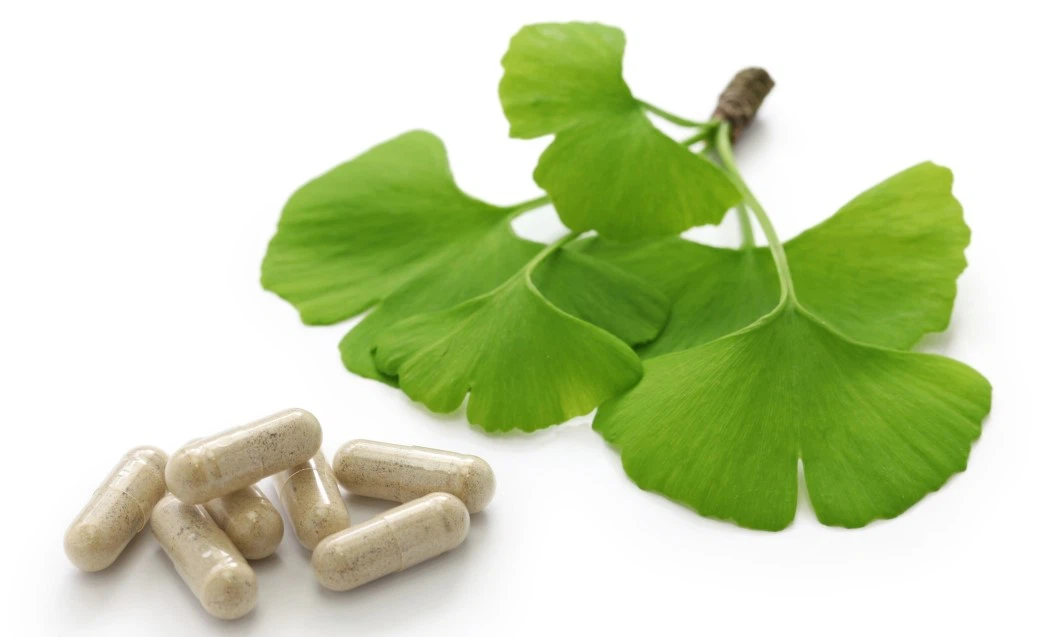
* Solid dosage forms: Tablets and capsules represent the most common delivery systems for ginkgo biloba extract, with established excipient compatibility and proven stability profiles.
* Liquid formulations: Tinctures, sprays, and other liquid delivery systems can effectively deliver ginkgo biloba extract, though stability considerations may require specific formulation approaches.
* Emerging formats: Gummies, chewables, and orally dissolving tablets present formulation challenges primarily related to taste masking but offer consumer preference benefits for ginkgo biloba extract delivery.
Selection of appropriate delivery systems should consider target consumer preferences, desired dosing regimens, and stability requirements for the specific ginkgo biloba extract formulation.
2. Synergistic Ingredient Combinations
Strategic combination with complementary ingredients can enhance the efficacy of ginkgo biloba extract:
* Cognitive enhancement stacks: Combination with phosphatidylserine, bacopa monnieri, or lion's mane mushroom may provide complementary cognitive benefits through different mechanisms.
* Circulatory support blends: Pairing with vinpocetine, vincamine, or other circulatory supportive ingredients may enhance the vascular benefits of ginkgo biloba extract.
* Antioxidant combinations: Strategic combination with other antioxidant compounds such as acetyl-L-carnitine or alpha-lipoic acid may provide enhanced protection against oxidative stress.
These combination strategies enable B2B partners to develop differentiated products that leverage the multifaceted benefits of ginkgo biloba extract while addressing specific health concerns through complementary mechanisms.
Safety Profile and Regulatory Status
1. Clinical Safety Data
Ginkgo biloba extract powder demonstrates an excellent safety profile based on extensive clinical research:
* Clinical trial safety: Analysis of clinical trials involving thousands of participants has established the favorable safety profile of standardized ginkgo biloba extract at recommended doses (typically 120-240 mg daily).
* Long-term safety: Observational studies following participants for up to 20 years of continuous ginkgo biloba extract use have not identified significant safety concerns.
* Adverse event profile: The most commonly reported adverse effects are mild and transient, including gastrointestinal discomfort and headache, with incidence rates similar to placebo in controlled trials.
This substantial safety database supports the widespread use of ginkgo biloba extract in dietary supplements across diverse population groups.
2. Drug Interaction Considerations
Despite its general safety, several potential interactions warrant consideration:
Anticoagulant medications: Theoretical potential for interaction with blood-thinning medications exists due to the PAF-inhibiting properties of ginkgo biloba extract, though clinical evidence for significant interactions is limited.
* Anticonvulsant medications: Case reports suggest potential interactions with certain anticonvulsant drugs, though controlled studies are lacking.
* Metabolic considerations: Components of ginkgo biloba extract may influence cytochrome P450 enzymes, though the clinical significance appears limited at recommended doses.
These considerations highlight the importance of appropriate labeling and usage guidelines for products containing ginkgo biloba extract, particularly for populations taking multiple medications.
3. Global Regulatory Status
The regulatory status of ginkgo biloba extract varies across international markets:
* United States: Regulated as a dietary ingredient under DSHEA, with structure/function claims requiring substantiation and appropriate disclaimer statements.
* European Union: Varying status across member states, with some countries recognizing traditional use claims for circulatory and cognitive support under the Traditional Herbal Medicinal Products Directive.
* Asia: Diverse regulatory frameworks, with some countries recognizing ginkgo biloba extract within traditional medicine systems while others regulate it as a dietary supplement.
Understanding these regulatory variations is essential for B2B partners developing products for specific international markets containing ginkgo biloba extract.
Market Analysis and Future Trends
1. Evolving Market Dynamics
The market for Ginkgo biloba extract powder continues to evolve in response to several key trends:
* Cognitive health expansion: Growing consumer awareness of cognitive health across all age groups, not just aging populations, is expanding the potential market for ginkgo biloba extract products.
* Scientific validation demand: Increasing consumer sophistication drives demand for scientifically-validated ingredients like ginkgo biloba extract with substantial clinical research backing.
* Quality differentiation: Market segmentation between premium, clinically-validated ginkgo biloba extract and lower-cost alternatives is becoming more pronounced, creating opportunities for quality-focused suppliers.
* Sustainability considerations: Environmentally conscious consumers are increasingly interested in sustainably sourced ginkgo biloba extract, creating differentiation opportunities for suppliers with verified sustainable practices.
These market dynamics present both challenges and opportunities for B2B partners, highlighting the importance of strategic positioning for products containing ginkgo biloba extract.
2. Innovation and Future Directions
Several emerging trends are shaping the future applications of ginkgo biloba extract:
* Delivery system innovation: Advanced delivery technologies aiming to enhance the bioavailability and efficacy of ginkgo biloba extract are entering the market.
* Personalized nutrition: Growing interest in personalized health solutions may lead to targeted ginkgo biloba extract formulations for specific genetic profiles or health status categories.
* Combination product development: Continued research into synergistic ingredient combinations is expanding the application potential of ginkgo biloba extract beyond traditional uses.
* Clinical research expansion: Ongoing research continues to explore new potential applications for ginkgo biloba extract, potentially expanding its evidence base and market opportunities.
These innovation pathways suggest a promising future for ginkgo biloba extract as both a standalone ingredient and a component of sophisticated health formulations.
Conclusion
Ginkgo biloba extract powder represents a premier botanical ingredient with substantial scientific validation supporting its benefits for cognitive function, circulatory health, and overall wellness. The multifaceted mechanisms of action-including enhanced cerebral blood flow, neurotransmitter modulation, platelet-activating factor inhibition, and potent antioxidant activity-provide a scientific foundation for its diverse health applications. The extensive clinical research base, particularly for cognitive support in aging populations and circulatory enhancement, positions ginkgo biloba extract as an evidence-based choice for formulators developing products in these health categories.
For B2B partners, successful incorporation of ginkgo biloba extract into product formulations requires careful attention to quality parameters, including proper standardization to the established 24/6 ratio (flavonoid glycosides/terpene lactones), verification of purity and safety, and selection of appropriate delivery systems. Partnering with suppliers who demonstrate comprehensive quality management, scientific expertise, and supply chain transparency ensures access to ginkgo biloba extract that delivers consistent, reliable performance in finished products.
As consumer interest in cognitive health and natural medicine continues to grow, ginkgo biloba extract remains a cornerstone ingredient in the dietary supplement landscape, offering formulators a scientifically-validated option for developing effective health products that meet consumer demands for evidence-based natural solutions.
JOYWIN founded in 2013 is an innovation-driven biotechnology company. We provide the manufacture of plant extracts, plant proteases, and customized products. If you want to know more about Ginkgo Biloba Extract Powder or are interested in purchasing it, you can send an email to contact@joywinworld.com. We will reply to you as soon as possible after we see the message.