

In the ever-evolving landscape of food science and nutrition, few ingredients have garnered as much widespread application and acclaim as Inulin Prebiotic Powder. Derived naturally from plants like chicory root, Jerusalem artichoke, and agave, this versatile soluble fiber has transitioned from a niche nutritional supplement to a fundamental component in product development across global food industries. But what exactly is its role?
At its core, inulin is a prebiotic dietary fiber-a compound that resists digestion in the upper gastrointestinal tract and selectively ferments in the colon, nurturing beneficial gut bacteria. However, its function extends far beyond gut health. For food manufacturers, inulin powder serves as a critical multi-tasker: it expertly mimics fat, creating creamy, satisfying textures in reduced-calorie products; it acts as a bulking agent and sugar replacer, enabling cleaner labels; and it enhances the nutritional profile by boosting fiber content without altering taste. For suppliers like Joywin Natural, a world-leading manufacturer of organic inulin, understanding these multifaceted roles is key to empowering brands to create the next generation of healthier, tastier, and more sustainable foods.
This comprehensive analysis delves into the science, applications, and technical nuances of inulin, providing an authoritative resource for product developers and formulators.
What is Inulin? Nature's Storage Carbohydrate
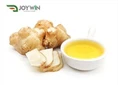
Inulin Prebiotic Powder is not a synthetic or engineered ingredient. It is a naturally occurring polysaccharide, belonging to a class of carbohydrates known as fructans. It serves as an energy reserve in thousands of plants, including common sources like:
* Chicory Root: The most common commercial source, offering high inulin yield.
* Jerusalem Artichoke: A key source for Joywin Natural, known for its organic cultivation potential.
* Agave: Used in various food and beverage products.
* Garlic, Onions, Leeks, and Asparagus: Contribute to dietary inulin intake.
Chemically, inulin is a chain of fructose molecules linked by β-(2→1) glycosidic bonds, typically terminated by a glucose unit. This specific bond is crucial because human digestive enzymes cannot break it down. As a result, inulin passes through the small intestine undigested, reaching the colon intact where it performs its prebiotic magic. The length of the fructose chain (degree of polymerization, or DP) can vary, leading to different functional properties. Short-chain inulins are slightly sweet and more soluble, while long-chain inulins (like those often derived from Jerusalem artichoke) are more effective at fat mimetics and creating robust gel structures.
Core Function 1: A Premier Prebiotic for Gut Health
The most celebrated biological function of inulin is its role as a prebiotic. The International Scientific Association for Probiotics and Prebiotics (ISAPP) defines a prebiotic as "a substrate that is selectively utilized by host microorganisms conferring a health benefit" (Gibson et al., 2017). Inulin perfectly fits this definition.
* Selective Fermentation: Upon reaching the colon, inulin serves as a preferred food source for beneficial bacterial groups, primarily Bifidobacterium and Lactobacillus. These bacteria ferment inulin, producing short-chain fatty acids (SCFAs) like butyrate, acetate, and propionate.
* Health Implications of SCFAs: These SCFAs are fundamental to colonic and systemic health. Butyrate is the primary energy source for colonocytes (cells lining the colon), promoting a healthy gut barrier and reducing inflammation. Acetate and propionate are absorbed into the bloodstream, influencing metabolism and immune function.
* Clinical Backing: A robust body of research supports these effects. A review published in The Journal of Nutrition concluded that inulin-type fructans consistently increase bifidobacteria, improve stool frequency, and have beneficial effects on calcium absorption (Roberfroid et al., 2010).
* Consumer Demand: With gut health being a top consumer priority, adding inulin powder is a direct and scientifically valid way for brands to make a "prebiotic," "gut-friendly," or "digestive wellness" claim on packaging, aligning with clean-label trends.

Core Function 2: A Versatile Dietary Fiber
Inulin Prebiotic Powder is classified as a soluble dietary fiber. This designation comes with significant regulatory and formulation benefits.
* Meeting Fiber Goals: Many global dietary guidelines recommend 25-38 grams of fiber daily, a target most consumers fail to meet. Incorporating just 5-10 grams of inulin powder per serving into staple foods like bread, cereals, yogurt, or snack bars can significantly help close this "fiber gap."
* Physiological Benefits: As a soluble fiber, inulin aids in softening stool and promoting regularity. It also contributes to a feeling of fullness (satiety), which can support weight management goals. The European Food Safety Authority (EFSA) has approved the health claim that "chicory inulin contributes to normal bowel function by increasing stool frequency" (EFSA Journal, 2015).
* Labeling Advantage: It allows for a straightforward "high in fiber" or "source of fiber" claim, instantly boosting the perceived nutritional value of a product without adding sugars or fats.
Core Function 3: A Natural Fat Replacer and Texture Modifier
One of the most valuable technical functions of inulin, especially long-chain inulin, is its ability to mimic the mouthfeel and texture of fat. When finely milled inulin powder is dispersed in water or another liquid, it forms a gel particle network that creates a smooth, creamy, and fatty sensation.
* The Science of Fat Mimicry: The sub-micron gel particles formed by long-chain inulin interact to entrap water, creating a structure that lubricates and coats the palate similarly to fat crystals. This makes it invaluable in:
1.Reduced-Fat Dairy Products: Low-fat yogurts, cream cheeses, and ice creams can regain a rich, creamy mouthfeel.
2.Dressings and Spreads: Fat-reduced mayonnaise, margarine, and savory spreads maintain their desired spreadability and coating properties.
3.Meat Products: Inulin can improve juiciness and texture in low-fat sausages and patties.
* Clean Label Solution: Unlike some synthetic fat replacers, inulin is recognized as a natural dietary fiber, allowing for a cleaner ingredient list.
Core Function 4: A Sugar and Calorie Reducer
Inulin Prebiotic Powder can strategically replace sugars and other carbohydrates, addressing two major market demands: sugar reduction and calorie management.
* Sweetness Profile: Shorter-chain inulins possess a mild, neutral sweetness, typically about 10% that of sucrose. While not a direct 1:1 sweetener replacement, it can be used synergistically with high-intensity sweeteners (like stevia or monk fruit) to bulk up volume, mask off-notes, and provide a more sugar-like temporal sweetness profile.
* Bulking Agent: In sugar-free or reduced-sugar products like chocolates, baked goods, and confections, the removal of sugar (a primary bulking agent) leaves a void. Inulin powder effectively fills this void, providing the necessary volume and texture, preventing a sandy or chalky mouthfeel.
* Caloric Contribution: Recognized as a fiber, inulin provides only about 1.0-1.5 kcal/g (as opposed to 4 kcal/g for sugars and starch, and 9 kcal/g for fat). This significant caloric reduction is a powerful tool for creating "light" or "weight management" product categories.
Core Function 5: A Synergistic Ingredient and Stabilizer
Beyond its primary roles, inulin acts as a functional team player in complex food systems.
* Synergy with Sweeteners and Gums: As mentioned, it improves the taste profile of non-nutritive sweeteners. It also works synergistically with gums (e.g., guar gum, xanthan gum) to enhance gel strength and stability in systems, potentially reducing the total amount of hydrocolloids needed.
* Water-Binding and Ice Crystal Control: Its excellent water-holding capacity improves the shelf-life and softness of baked goods. In frozen desserts, it helps control ice crystal growth, resulting in a smoother, creamier texture after thawing.
* Foam and Emulsion Stabilizer: In certain applications, inulin can help stabilize foams (e.g., in mousses) and oil-in-water emulsions, contributing to product structure and longevity.
Inulin in Action: Application-Specific Breakdown
1. Bakery Products
In breads, cakes, and muffins, inulin (typically at 3-8% flour weight) improves moisture retention, softness, and shelf-life. It can replace shortening for fat reduction and partially replace sugar. Its browning properties also enhance crust color.
2. Dairy and Alternatives
A flagship application. In yogurt (1-3%), it provides creaminess, syneresis control (reducing whey separation), and a prebiotic boost. In ice cream (2-5%), it improves creaminess, melt resistance, and body. It's equally effective in plant-based yogurts and desserts.
3. Cereals, Snacks, and Bars
In extruded cereals or snack bars (5-15%), inulin adds crispness or chewiness, binds ingredients, and supports high-fiber claims without compromising taste.
4. Beverages
Due to its solubility, short-chain inulin is ideal for fiber fortification in still drinks, meal replacements, and smoothies (1-5%) without settling or altering clarity. It can also add body to reduced-sugar beverages.
5. Meat Products
In processed meats like sausages (1-3%), inulin improves water binding, yields a better texture, and can replace a portion of animal fat, creating healthier lipid profiles.
6. Chocolate and Confectionery
In sugar-free chocolates and hard candies (10-30%), inulin is an essential bulking agent, preventing crystallization and providing a pleasant melt-in-the-mouth texture.
Technical Considerations for Formulators
Successfully incorporating inulin powder requires attention to its physical properties.
* Dispersion and Solubility: Inulin dissolves best in warm water (30-50°C). For dry mixes, ensure even dispersion with other dry ingredients to prevent clumping.
* Chain Length Selection: This is critical. Long-chain inulin (DP>23, like Joywin's high-performance inulin) is optimal for fat replacement and gel formation. Standard or short-chain inulin is better for mild sweetness, high solubility, and general fiber fortification.
* Dosage: Effective dosage varies by application:
Prebiotic effect: ≥3g per serving
Fiber source: 2.5-5g per serving
Fat replacement: 1-6% of total formulation, depending on fat reduction level.
* Interaction with Other Ingredients: Be mindful of high acidity (pH <3.5) and high heat for extended periods, which can hydrolyze inulin over time. In low-pH products, ensure stability testing over the intended shelf life.
Joywin Natural: Your Partner for Premium Inulin Prebiotic Powder Solutions
As a global leader in inulin production, Chongqing Joywin Natural Products Co., Ltd. is uniquely positioned to support food manufacturers in harnessing these functions. Our expertise, grounded in being the world's largest organic inulin manufacturer, ensures a supply of consistent, high-quality inulin powder.
* Product Range: We offer a spectrum of inulin products, from organic Jerusalem artichoke inulin to various chain-length specifications, allowing precise matching to your application needs.
* Quality and Traceability: Our production is backed by a suite of international certifications including BRC, FSSC 22000, cGMP, ISO, and organic (NOP/JAS). This guarantees ingredient safety, purity, and traceability from farm to factory-a critical component of E-A-T (Expertise, Authoritativeness, Trustworthiness).
* Technical Partnership: We go beyond supply to provide technical data, formulation guidance, and support, helping you optimize functionality and navigate labeling regulations.
Conclusion: The Indispensable Functional Fiber
The function of inulin in food is multifaceted and profound. It is simultaneously a health-promoting prebiotic, a label-friendly fiber, a technical wizard for texture, and a strategic tool for sugar and fat reduction. In an era where consumers demand nutrition, taste, and clean labels, inulin powder stands out as an ingredient that delivers on all fronts.
For forward-thinking food manufacturers, mastering the use of inulin is no longer optional but a strategic imperative for product innovation. By partnering with an authoritative and credible supplier like Joywin Natural, brands can confidently leverage the full spectrum of inulin's benefits to create successful, next-generation food products that meet the market's evolving demands.
Disclaimer: This information is for educational and commercial formulation purposes only. It is not intended as a health claim. Product developers are responsible for ensuring the safety, stability, and regulatory compliance of their final products, including making appropriate claims in accordance with local regulations (FDA, EFSA, etc.). Always conduct thorough trials under actual processing conditions.
JOYWIN founded in 2013 is the largest organic inulin and Jerusalem artichoke inulin manufacturer in the world. We supply products with high quality, strict quality control, and independent testing to guarantee the high specification of our products. Holding inulin workshops, plant protease workshops, and warehouses also own cutting-edge facilities and strict quality control systems. As leading inulin manufacturers in China, we are FSSC22000, ISO9001, ISO14001, ISO22000, BRC, and Cgmp-certified factory. If you want to know more about Inulin Prebiotic Powder or are interested in purchasing it, you can send an email to contact@joywinworld.com. We will reply to you as soon as possible after we see the message.