

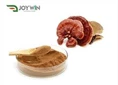
Monascus powder, derived from the fermentation of rice and other substrates with Monascus purpureus and related fungal species, represents one of the most versatile natural ingredients in both traditional medicine and modern nutraceuticals. With a history spanning millennia, this vibrant reddish-purple powder has evolved from traditional Asian food uses to a globally recognized dietary supplement supported by substantial scientific research. For supplement formulators and manufacturers seeking evidence-based natural ingredients, Monascus offers a unique combination of historical validation and modern scientific substantiation.
The global market for Monascus products continues to expand, driven by growing consumer interest in natural alternatives for health maintenance. As a supplier of premium dietary supplement ingredients, understanding the full spectrum of applications for Monascus powder enables you to make informed decisions about product development and marketing claims. This comprehensive guide explores the historical, scientific, and practical dimensions of Monascus, providing you with the expertise needed to leverage this remarkable ingredient in your formulations.
Historical Background and Traditional Uses
Ancient Origins in Eastern Practices
The application of Monascus species dates back over 2,000 years in China, where it was traditionally known as "Hong Qu" or "red yeast rice" . Historical records indicate its use during the Han Dynasty (200 CE) for various purposes, including food preservation, coloring, and medicinal applications . Traditional Chinese medicine valued Monascus for its ability to promote blood circulation, remove blood stasis, and invigorate the spleen to improve digestion . These historical applications demonstrate an early understanding of the substance's health-promoting properties, long before modern science identified its active components.
The traditional manufacturing technique of Monascus originated from folk skills and gradually developed into specialized workshops . Beyond its healthcare functions, Monascus was employed in wine brewing and food making, and used to extract red pigment for various applications . The Compendium of Materia Medica, the classic Chinese herbal text, documented Monascus applications, particularly noting the use of highland barley Monascus in Tibetan medicine with recognized functions for promoting blood circulation and aiding digestion . This historical documentation provides a foundation for modern scientific investigation and validation.
Cultural Significance and Traditional Preparation
Throughout Eastern Asia, Monascus became deeply integrated into food culture and traditional medicine practices. Different regions developed unique fermentation techniques using various substrates, with rice being the most common base for producing what became known as red yeast rice . The traditional method involved cultivating Monascus in rice with a specific microorganism, resulting in a product with both functional properties and vibrant coloration . These traditional techniques have been refined over centuries and now incorporate modern quality control measures while preserving the essential characteristics that made Monascus valuable to ancient practitioners.
Chemical Composition of Monascus Powder
Monacolins: The Cholesterol-Managing Compounds
The most extensively studied components of Monascus are the monacolins, with monacolin K (also known as lovastatin) being the most prominent. Monacolin K was first identified in the late 1970s by researcher Endo, who isolated it from Monascus ruber . This discovery revealed that Monascus contained a natural compound identical to the pharmaceutical agent used for cholesterol management. To date, researchers have identified 39 different monacolin compounds from Monascus fermentation products .
Monacolins exist in both open-ring acid form and closed-ring lactone form, with the acid form demonstrating superior bioavailability and biological activity. Research indicates that the open-ring monacolin K is approximately twice as effective as its closed-ring counterpart at inhibiting cholesterol synthesis . This distinction is crucial for supplement formulators seeking to maximize the efficacy of their Monascus-based products. The specific ratio of these forms can be influenced by processing conditions, storage parameters, and formulation choices, highlighting the importance of careful manufacturing protocols.
Pigments: The Colorful Bioactives
Monascus produces a fascinating array of azaphilone pigments through polyketide biosynthesis pathways . These pigments are categorized into three primary groups based on their color characteristics:
* Yellow pigments (monascin and ankaflavin) with absorption peaks at approximately 380nm
* Orange pigments (monascorubrin and rubropunctatin) absorbing at around 470nm
* Red pigments (monascorubramine and rubropunctamine) with absorption maxima near 505nm
Beyond their visual properties, these pigments demonstrate significant biological activities. Research has revealed that yellow pigments exhibit anti-inflammatory, antioxidant, and anti-tumor properties . Orange pigments have demonstrated hypolipidemic effects, while red pigments show antimicrobial and anticancer potential . The diversity of these pigment compounds contributes to the multifaceted applications of Monascus in both health products and food systems.
Other Bioactive Components
Monascus powder contains numerous additional compounds that contribute to its health-promoting properties:
* Sterols: Including ergosterol (a vitamin D2 precursor) and stigmasterol, which demonstrate anti-inflammatory and antioxidant activities
* Dimerumic acid: A potent antioxidant that helps combat oxidative stress
* Fatty acids: Both saturated and unsaturated varieties that influence bioavailability
* Flavonoids and phenolic compounds: Contributing to the overall antioxidant capacity
* Natural enzymes: Including amylases, proteases, and lipases that aid digestive processes
This diverse chemical profile underscores why Monascus exerts such broad biological effects and offers multiple applications in dietary supplement formulations.

Modern Applications and Health Benefits
Cholesterol Management and Cardiovascular Health
The most well-researched application of Monascus powder is in supporting healthy cholesterol levels already within the normal range. Clinical studies have demonstrated that Monascus preparations containing monacolin K can significantly impact lipid parameters, with one review noting reductions in total cholesterol by up to 21.5% . The primary mechanism involves competitive inhibition of HMG-CoA reductase, the rate-limiting enzyme in cholesterol biosynthesis . This targeted action makes Monascus particularly valuable for supplement formulations designed to support cardiovascular wellness.
Beyond monacolin K, other constituents in Monascus contribute to cardiovascular benefits. Yellow pigments (monascin and ankaflavin) have been shown to help reduce serum triglycerides and LDL cholesterol while simultaneously elevating HDL cholesterol levels . The combination of multiple bioactive compounds working through complementary mechanisms creates a synergistic effect that distinguishes whole Monascus from isolated single compounds. This natural multi-component approach aligns with current consumer preferences for holistic, naturally-sourced health ingredients.
Antioxidant and Anti-inflammatory Properties
The diverse pigment compounds in Monascus demonstrate significant free radical scavenging activity and help modulate inflammatory pathways. Research has confirmed that Monascus yellow pigments possess notable antioxidant capabilities, while newer red pigments isolated from Monascus pilosus have demonstrated specific anti-inflammatory activity . These properties make Monascus a valuable ingredient for formulations targeting oxidative stress reduction and inflammatory response management.
The anti-inflammatory mechanisms involve inhibition of pro-inflammatory cytokine production and modulation of inflammatory enzymes. Studies on specific Monascus pigments such as monapilonitrile A, monapilosine, and N-ethanolic monapilosine have shown they can significantly reduce inflammation markers in experimental models . These findings suggest applications beyond cardiovascular support, including sports nutrition formulas, healthy aging products, and general wellness supplements where inflammation management is desirable.
Metabolic Health and Additional Benefits
Emerging research points to several other promising applications for Monascus powder:
* Blood sugar metabolism: Some Monascus compounds demonstrate potential to support healthy glucose metabolism, with studies noting hypoglycemic effects
* Hepatoprotective properties: Research on highland barley Monascus has revealed liver-protecting effects, with compounds showing hypolipidemic and hepatoprotective activities
* Anti-fatigue effects: Studies suggest Monascus supplementation may improve exercise tolerance and reduce fatigue
* Anticancer potential: Preliminary research indicates certain Monascus pigments may inhibit proliferation of various cancer cells, though more studies are needed
These diverse applications position Monascus as a versatile ingredient for formulators creating products targeting metabolic syndrome, liver health, and overall vitality.
Table: Key Bioactive Compounds in Monascus and Their Demonstrated Benefits
|
Compound Category |
Specific Examples |
Primary Health Benefits |
|
Monacolins |
Monacolin K (Lovastatin) |
Cholesterol synthesis inhibition, cardiovascular support |
|
Yellow Pigments |
Monascin, Ankaflavin |
Anti-inflammatory, antioxidant, lipid modulation |
|
Orange Pigments |
Monascorubrin, Rubropunctatin |
Hypolipidemic effects, metabolic support |
|
Red Pigments |
Monascorubramine, Rubropunctamine |
Antimicrobial, anticancer potential |
|
Sterols |
Ergosterol, Stigmasterol |
Anti-inflammatory, antioxidant, vitamin D precursor |
Industrial and Food Applications
Natural Food Coloring
Monascus pigments represent a safe, natural alternative to synthetic food colorants, particularly in products where vibrant red, orange, and yellow hues are desired. These pigments have been employed as natural food colorants for centuries, with historical documents referencing their use dating back possibly to the 1st century CE . Modern applications include use in meat products, seasonings, beverages, and confectionery items where they provide attractive coloration without synthetic additives .
The coloring properties of Monascus are attributed to its azaphilone pigments, which exhibit excellent stability across various processing conditions. Beyond their visual appeal, these pigments offer the additional advantage of biological activity, creating functional food products that deliver both aesthetic and health benefits. As consumer demand for clean-label products continues to grow, Monascus pigments present an appealing solution for formulators seeking to replace artificial colors with natural alternatives that offer added functionality.
Fermentation and Food Processing
Monascus plays a crucial role in various traditional fermentation processes, particularly in Asian food production. It is integral to the manufacturing of red yeast rice wine, rice vinegar, fermented tofu, and other traditional products . In these applications, Monascus not only contributes color and flavor but also introduces functional compounds that enhance the nutritional profile of the final product.
In red yeast rice wine production specifically, certain Monascus strains have been shown to generate significant levels of bioactive compounds. Research has documented that specific purple Monascus strains (H5-3) can produce lovastatin concentrations reaching 63.75 mg/L in fermented liquor . This demonstrates how traditional fermentation processes leveraging Monascus can yield products with naturally enhanced functional properties, bridging culinary tradition and modern health science.
Nutraceutical and Supplement Development
For supplement manufacturers, Monascus powder offers diverse application possibilities:
* Single-ingredient capsules targeting cardiovascular health
* Combination formulas for metabolic syndrome management
* Functional food additions to enhance product nutritional profiles
* Specialized pigment extracts for targeted biological effects
The development of specialized Monascus products has been advanced through standardized production methods. China has implemented specific standards including the "Polysaccharide Monascus" group standard (2023) and "Lovastatin Monascus Rice" industry standard (2024) to ensure product quality and safety . These standards help guarantee that Monascus ingredients meet specific criteria for bioactive compound content and absence of contaminants, providing confidence to formulators and consumers alike.
Quality Considerations and Safety Profile
Regulatory Standards and Production Controls
The quality and safety of Monascus powder depend significantly on strict production controls and adherence to regulatory standards. Modern production methods focus on optimizing Monascus strains and fermentation conditions to maximize beneficial compounds while minimizing potential contaminants. Critical considerations include:
* Strain selection: Choosing well-characterized Monascus strains with known metabolic profiles
* Fermentation control: Managing temperature, humidity, and substrate composition to direct metabolic pathways
* Contamination prevention: Implementing Good Manufacturing Practices to avoid introduction of undesirable microorganisms
* Testing protocols: Verifying absence of citrinin and confirming levels of key active compounds
China's National Health Commission initially specified that only purple Monascus could be used in health food products, though this restriction has sparked academic debate due to its failure to account for strain-specific differences . Current standards focus more on the final product composition and safety profile rather than strictly limiting which species may be used, allowing for greater innovation while maintaining safety.
Citrinin Management and Safety Assurance
One significant safety consideration in Monascus production is the potential presence of citrinin, a hepatonephrotoxic mycotoxin that some Monascus strains can produce . However, modern production methods have effectively addressed this challenge through:
* Citrinin-free strain development: Selective breeding of Monascus strains that do not produce citrinin
* Process optimization: Controlling fermentation conditions to suppress citrinin formation
* Advanced extraction: Purification techniques to remove potential contaminants
* Rigorous testing: Implementing sensitive detection methods to ensure product safety
Research has confirmed that the Monascus genus itself does not produce soft penicillic acid, with safety concerns primarily stemming from contamination during production processes . Modern industrial production effectively controls these risks through standardized procedures and quality monitoring, resulting in Monascus ingredients with excellent safety profiles suitable for dietary supplement applications.
Future Perspectives and Research Directions
Emerging Applications and Scientific Discoveries
Ongoing research continues to reveal new potential applications for Monascus powder and its constituent compounds. Scientists are investigating:
* Novel pigment compounds with unique biological activities
* Synergistic effects between different Monascus components
* Gut microbiome interactions and how Monascus compounds influence digestive health
* Metabolic engineering approaches to enhance production of specific valuable compounds
* Targeted delivery systems to improve bioavailability of active constituents
The diverse biological activities of Monascus pigments continue to attract scientific interest. Recent studies have identified new pigments from fermented rice of Monascus pilosus with demonstrated anti-inflammatory effects . Other research has revealed that specific yellow pigment components can reduce serum cholesterol, triglycerides, and LDL-C while increasing HDL-C, supporting their application in cardiovascular health formulations . These ongoing discoveries ensure that Monascus will remain a subject of scientific interest and innovation in the coming years.
Market Trends and Consumer Preferences
The market for Monascus-based products is evolving in response to several key trends:
* Demand for natural alternatives: Consumers increasingly seek natural options for health maintenance, favoring ingredients like Monascus with long traditional use histories
* Scientific validation: Growing interest in evidence-based natural products supports continued research into Monascus mechanisms and efficacy
* Personalized nutrition: Developing specialized Monascus formulations targeting specific health concerns and population segments
* Clean label movement: Preference for recognizable, traditionally-used ingredients with minimal processing
* Global integration: Increasing acceptance of traditionally Asian ingredients in Western markets
These trends position Monascus favorably for continued market growth and product innovation. As research uncovers more about its multifaceted applications, supplement manufacturers have opportunities to develop novel products that meet evolving consumer needs while delivering genuine health benefits.
Conclusion: The Versatility of Monascus Powder
Monascus represents a remarkable convergence of traditional wisdom and modern science, offering diverse applications ranging from cardiovascular support to natural food coloring. Its rich composition of monacolins, pigments, sterols, and other bioactive compounds underlies its multifaceted benefits and applications. For supplement manufacturers and formulators, Monascus provides an evidence-based ingredient with strong consumer appeal and proven efficacy.
As research continues to uncover new dimensions of this traditional ingredient, its applications in both health products and food systems continue to expand. By selecting high-quality Monascus produced under strict quality control standards and staying informed about emerging research, supplement brands can develop innovative products that meet consumer demands for effective, naturally-sourced health solutions. The future of Monascus appears bright, with ongoing scientific validation enhancing its position as a valuable ingredient in the global nutraceutical market.
For businesses seeking to incorporate Monascus into their product lines, attention to quality standards, scientific substantiation, and clear communication of benefits will be key to success in this evolving marketplace. With its unique combination of historical pedigree and modern scientific validation, Monascus offers compelling opportunities for innovative product development and market differentiation.
JOYWIN founded in 2013 is an innovation-driven biotechnology company. We provide the manufacture of plant extracts, plant proteases, and customized products. If you want to know more about Monascus Powder or are interested in purchasing it, you can send an email to contact@joywinworld.com. We will reply to you as soon as possible after we see the message.