

Statin medications are widely prescribed to manage cholesterol levels and reduce the risk of cardiovascular diseases. However, one of the potential side effects of statins is statin-induced myopathy. In the quest for solutions to mitigate this side effect, coenzyme Q10 (COQ10 Powder) has emerged as a promising candidate. But what exactly is the appropriate dose of CoQ10 for treating statin myopathy? This question has become a topic of great interest and research in the medical community. In this blog, we will explore the role of CoQ10 in addressing statin myopathy and try to shed light on the optimal dosage.
What is Coenzyme Q10?
Coenzyme Q10 (CQ10), also known as ubiquinone, is a naturally occurring compound found in the body. It plays a crucial role in the production of energy within cells. CQ10 is involved in the electron transport chain in mitochondria, where it helps convert nutrients into adenosine triphosphate (ATP), the energy currency of the body.
It has several potential health benefits. It is known for its antioxidant properties, which can help protect cells from damage caused by free radicals. It may also support heart health by improving heart muscle function and reducing oxidative stress. Some studies suggest that it could be beneficial for conditions such as statin-induced myopathy (muscle weakness caused by statin drugs), certain neurological disorders, and infertility.
Statins and the CoQ10 Connection
Statins are commonly used drugs for lowering cholesterol. While playing a positive role, they may also bring some side effects. Studies have shown that statins will reduce the synthesis of coenzyme Q10 in the body while inhibiting cholesterol synthesis. Coenzyme Q10 is a naturally occurring antioxidant that protects the heart and muscles. When the level of COQ10 Powder in the body decreases, it may increase the risk of muscle damage and cause statin myopathy.
The main symptoms of statin myopathy include muscle pain, weakness, fever, etc., which can increase the burden on the kidneys and even induce renal failure in severe cases. Coenzyme Q10 can provide energy for cell growth and metabolism and maintain the integrity of muscle cell membranes, thereby reducing the damage of statins to muscles.
Studies have confirmed that supplementation with coenzyme Q10 can improve the symptoms of myopathy to a certain extent. However, its exact efficacy still needs to be further verified. At present, the use of coenzyme Q10 while taking statins has not been included in the treatment guidelines, and hospitals have not used it routinely. However, for elderly patients and other groups who are more likely to have insufficient coenzyme Q10 in their bodies, doctors may recommend supplementing coenzyme Q10 while using statins to reduce the risk of muscle damage.
It should be noted that supplementing coenzyme Q10 cannot completely prevent muscle damage caused by statins. Some patients may experience adverse reactions such as gastrointestinal discomfort and nausea when taking coenzyme Q10. Those who are allergic to coenzyme Q10 are prohibited from using it. When using statins, patients still need to pay attention to whether they experience symptoms such as muscle pain and fatigue. If they feel uncomfortable during taking statins, it is recommended to seek medical attention in time and follow the doctor's advice for diagnosis and treatment.
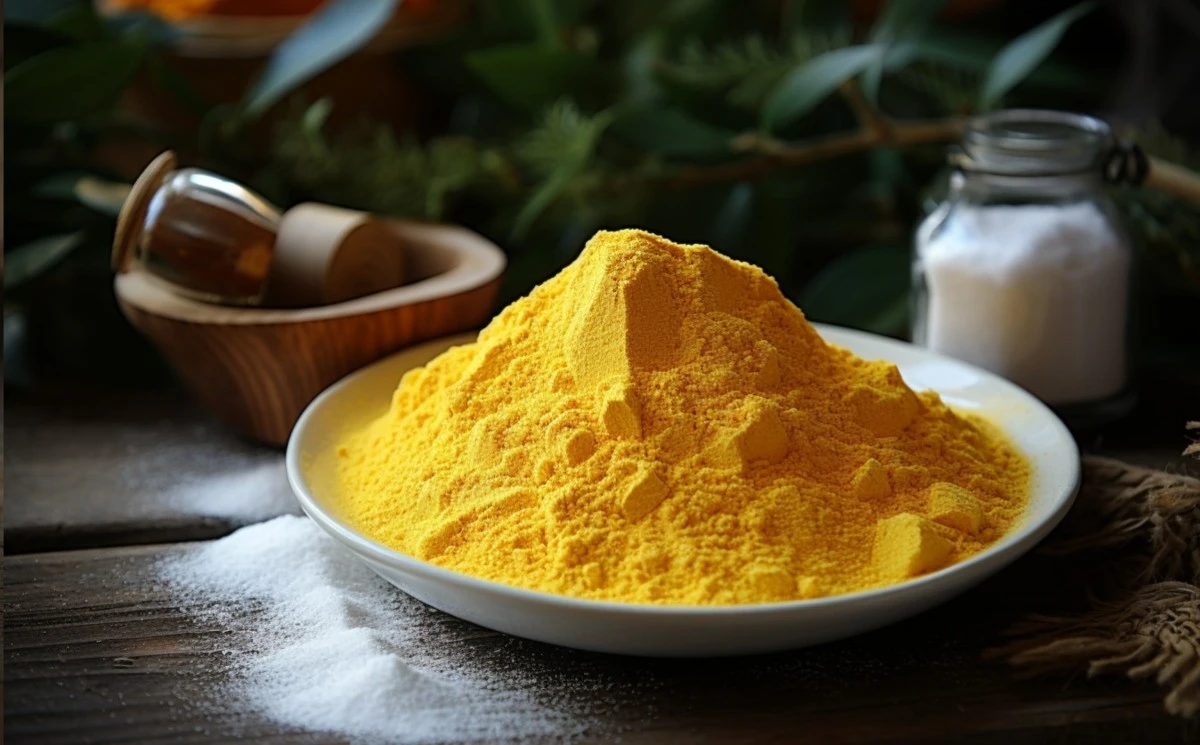
The Clinical Landscape For CoQ10 supplementation
Studies have consistently shown that CoQ10 supplementation can help alleviate symptoms of statin-associated muscle symptoms (SAMS). However, the findings are not universal, and some trials have found no significant benefit. The variations in findings could be attributed to differences in study design, patient populations, doses, and forms of CoQ10 used.
1. Dosage Considerations
For those considering COQ10 Powder, the optimal dose is a point of contention. Doses between 100-200mg per day are commonly used, but some evidence suggests higher doses upwards of 300mg or more may be necessary to significantly impact CoQ10 levels in the body. Choosing the right dosage is a personal matter that should be discussed with a healthcare professional.
2. Varieties of CoQ10 Supplements
CoQ10 supplements are available in two principal forms: ubiquinone and ubiquinol. Ubiquinone, the oxidized and more stable version, has been conventionally utilized in dietary supplements. Conversely, ubiquinol is the reduced form that acts as a potent antioxidant and is touted for its superior bioavailability and efficacy. Advocates exist for both variants, suggesting that the optimal choice may be determined by individual physiological response and absorption efficiency.
3. Absorption and Bioavailability
CoQ10 is a fat-soluble compound, meaning it is best taken with a meal containing fats to enhance its absorption. Furthermore, the presence of other substances, such as piperine from black pepper or fat emulsifiers like lecithin, has been shown to improve CoQ10's bioavailability, making it easier for the body to utilize.
Dosage standards for COQ10 Powder in patients with statin myopathy
Different sources have different recommendations for the dosage of Coenzyme Q10 in patients with statin myopathy. The commonly used dosage range is 100-200 mg/day, which is believed to relieve symptoms such as muscle soreness caused by taking statins to a certain extent. For example, studies have shown that for patients who experience muscle soreness, fatigue and other discomfort symptoms due to long-term use of statins, the degree of muscle soreness is reduced and the frequency of attacks may also be reduced after supplementing with 100-200 mg/day of Coenzyme Q10.
The 2021 edition of the "Chinese Expert Consensus on the Clinical Application of Drugs to Improve Myocardial Metabolism" points out that for patients with statin-induced myopathy, the dose of Coenzyme Q10 should start at 200-400mg/d. Suspend statins for a few weeks before starting Coenzyme Q10 to relieve muscle symptoms, and then restart statins. If muscle symptoms recur but are less severe than before, combined treatment can be continued; if there is no effect, statins and coenzyme Q10 should be discontinued, and other cholesterol-lowering treatments should be considered.
It should be noted that the dose of coenzyme Q10 should be adjusted according to the patient's specific situation. When determining the dose, doctors usually consider factors such as the patient's age, physical condition, and severity of the disease. In addition, patients should pay close attention to their own physical reactions while taking coenzyme Q10. If any discomfort occurs, they should inform the doctor in time so that the treatment plan can be adjusted.
|
Group |
Markedly effective |
Effective |
Ineffective |
Total effective rate |
|
Control group (45 cases) |
29 (64.44) |
13 (28.89) |
3 (6.67) |
42 (93.33) |
|
Observation group (45 cases) |
24 (53.33) |
12 (26.67) |
9 (20.00) |
36 (80.00) |
|
P |
<0.05 |
<0.05 |
<0.05 |
<0.05 |
Changes in blood lipid levels before and after treatment in the two groups
As shown in Table 2, the changes in blood lipid levels in the observation group were more obvious after treatment, and the differences before and after treatment were statistically significant, P<0.05. After treatment, there were statistically significant differences in total cholesterol (TC), triglyceride (TG), high-density lipoprotein (HDL-C), and low-density lipoprotein (LDL-C) levels between the two groups, P <0.05.
|
Group |
Item |
Before treatment |
After treatment |
P |
|
Control group (45 cases) |
TC |
5.84±1.76 |
5.67±1.63 |
>0.05 |
|
TG |
2.17±0.84 |
2.04±0.64 |
>0.05 |
|
|
HDL-C |
3.41±0.83 |
3.40±0.91 |
>0.05 |
|
|
LDL-C |
0.94±0.24 |
0.96±0.34 |
>0.05 |
|
|
Observation group (45 cases) |
TC |
5.78±1.92 |
5.00±1.24 |
<0.05 |
|
TG |
2.20±0.91 |
1.72±0.53 |
<0.05 |
|
|
HDL-C |
3.37±0.90 |
2.71±0.76 |
<0.05 |
|
|
LDL-C |
0.97±0.23 |
1.10±0.19 |
<0.05 |
Incorporating CoQ10 into Your Health Regimen
Adding COQ10 Powder to your daily routine can be a straightforward way to support your muscles' health, especially if you're taking a statin. However, before making any changes, it's crucial to consult with a healthcare provider. Here are some general guidelines for integrating CoQ10 into your supplement routine:
1. Always Consult with a Healthcare Provider
The decision to add any supplement to your regimen should be a collaborative one between you and your healthcare provider. They can help you determine the right form, dosage, and potential interactions with other medications or supplements.
2. Consider the Source and Form
Different preparations of CoQ10 may have varied effects. Look for reputable brands using high-quality sources, and consider your preferred form based on your unique needs.
3. Patience is Key
Like with most supplements, it can take several weeks for the benefits of CoQ10 to become evident. Consistency is crucial, and patience is required to allow the body's levels to reach their optimal balance.
JOYWIN founded in 2013 is an innovation-driven biotechnology company. We provide the manufacture of plant extracts, plant proteases, and customized products. If you want to know more about COQ10 Powder or are interested in purchasing it, you can email at contact@joywinworld.com. We will reply as soon as possible after we see the message.