





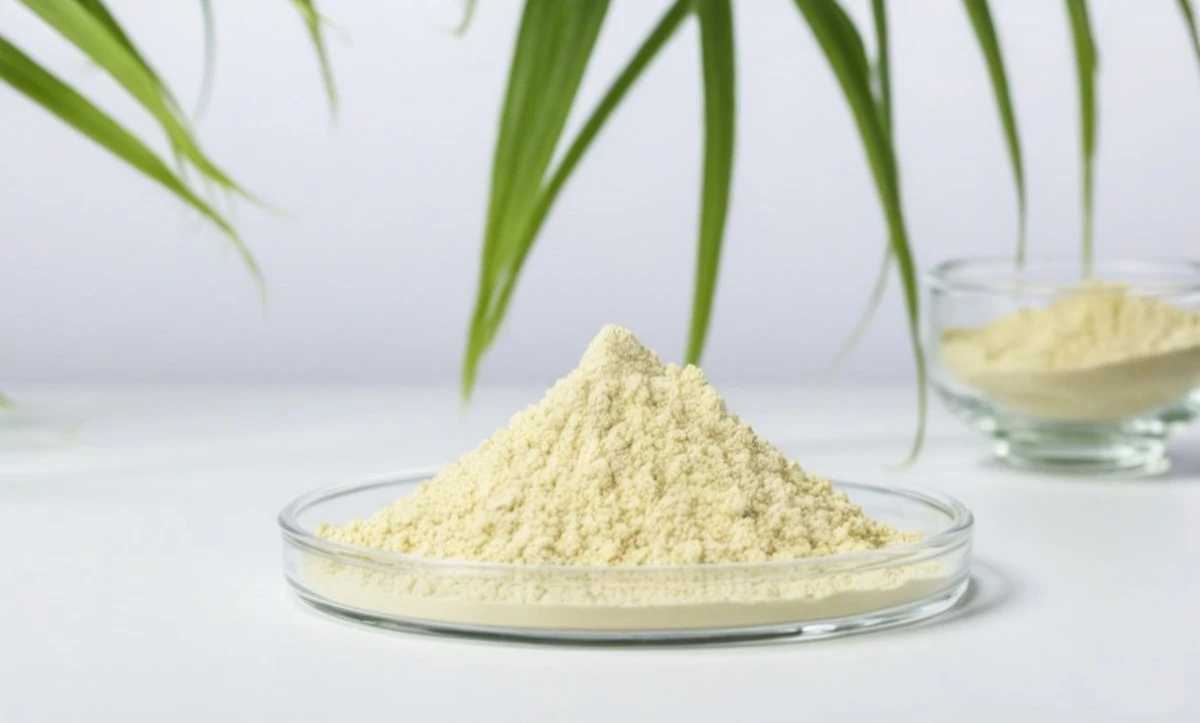
Troxerutin Powder, chemically named 7,3,4-tris(O-(2-hydroxyethyl))rutin, is a semi-synthetic flavonoid. Its chemical properties are relatively stable, in the form of yellow, yellow-green or light brown powder, odorless, slightly salty, and hygroscopic. Its source is mainly obtained through the hydroxyethylation reaction of rutin.
The discovery of troxerutin has certain historical origins. As early as 1936, scientists discovered substances in lemons and red peppers that could improve capillary function. Although it was not confirmed at the time, subsequent research gradually clarified the important role of rutin. In order to improve the problems of rutin's poor water solubility and poor intestinal absorption, after continuous research and improvement, French scientists successfully prepared troxerutin in 1966.
Medical Uses
1. Cerebrovascular Disorders
Troxerutin has a significant therapeutic effect on ischemic cerebrovascular diseases such as cerebral embolism and the resulting hemiplegia and aphasia. It inhibits platelet aggregation and prevents thrombosis, thereby improving blood circulation in the brain. By increasing the oxygen content in the blood, it promotes the formation of new blood vessels to enhance collateral circulation and provide more oxygen and nutrients to damaged brain tissue. Clinical studies have shown that troxerutin can promote the recovery of neurological function to a certain extent and improve the quality of life of patients with symptoms such as hemiplegia and aphasia caused by cerebral embolism.
2. Cardiovascular Conditions
In pre-myocardial infarction syndrome, troxerutin can reduce the risk of myocardial infarction through its anti-platelet aggregation and anti-thrombotic effects. For thrombophlebitis and varicose veins, it can enhance capillary resistance, reduce vascular permeability, reduce inflammatory reactions, and relieve symptoms such as pain and swelling. At the same time, it helps improve venous return and reduce heaviness and fatigue in the legs.
3. Edema and Lymphatic Issues
Troxerutin Powder has an excellent therapeutic effect on edema resulting from increased capillary permeability. It can reduce the permeability of capillaries and reduce the leakage of tissue fluid, thereby reducing the symptoms of edema. For lymphedema caused by obstruction of lymphatic return, troxerutin can promote lymph circulation, increase lymphatic return, and help eliminate swelling. In clinical application, it is usually necessary to adjust the dosage and treatment cycle according to the patient's specific illness and physical condition to achieve the best therapeutic effect.
Mechanism of Action
1. Antiplatelet Aggregation
The mechanism by which troxerutin inhibits platelet aggregation and prevents thrombosis mainly lies in its ability to inhibit the activity of platelet phosphodiesterase. This inhibitory effect enhances cAMP levels within platelets, thereby inhibiting platelet aggregation. Additionally, Troxerutin, its chemical properties are relatively stable, in the form of yellow, yellow-green or light brown powder, odorless, slightly salty, and hygroscopic. Its source is mainly obtained through the hydroxyethylation reaction of rutin.
The discovery of troxerutin has certain historical origins. As early as 1936, scientists discovered substances in lemons and red peppers that could improve capillary function. Although it was not confirmed at the time, subsequent research gradually clarified the important role of rutin. In order to improve the problems of rutin's poor water solubility and poor intestinal absorption, after continuous research and improvement, French scientists successfully prepared troxerutin in 1966.
2. Vascular Protection
The mechanism of troxerutin's action in combating vascular damage, increasing capillary resistance and reducing permeability is relatively complex. On the one hand, it can counteract the damage to blood vessels caused by substances such as 5-hydroxytryptamine and bradykinin. By inhibiting the effects of these vasoactive substances, it reduces the damage to vascular endothelial cells and inflammatory responses. On the other hand, troxerutin can enhance the resistance of capillaries, which may be related to its ability to improve the stability of capillary walls. At the same time, it can reduce the permeability of capillaries, which is mainly achieved by regulating the connection and cell function between capillary endothelial cells, thereby effectively preventing problems such as edema caused by increased vascular permeability.
3. Promotion of Angiogenesis
The specific ways in which troxerutin powder promotes angiogenesis to enhance collateral circulation likely involve multiple aspects. It might stimulate the proliferation and migration of endothelial cells by regulating the expression of a series of cytokines and growth factors, thus initiating the angiogenesis process. Simultaneously, troxerutin could be capable of improving the local microenvironment and providing favorable conditions for the growth of new blood vessels, for example, by increasing the supply of oxygen and nutrients. In addition, it may also affect the remodeling of the extracellular matrix, provide structural support for angiogenesis, and thus promote the establishment and improvement of collateral circulation.
Dosage and Administration
1. Oral Administration
The oral dosage forms of troxerutin include tablets and granules. The dosage of oral tablets is usually 300 mg once, 2 to 3 times a day. For granules, such as for varicose veins caused by chronic venous insufficiency, 3.5 g once a day. However, it should be noted that when oral tablets are used in pediatric liver transplant patients, some drugs have split doses. For example, the frequency of use of the existing specifications of tacrolimus capsules (0.5mg) is 44.05%, while the frequency of use of the existing specifications of warfarin sodium tablets (3mg), ursodeoxycholic acid capsules (250mg), bicyclol tablets (50mg), compound sulfamethoxazole tablets (sulfamethoxazole 0.4mg) and voriconazole tablets (200mg) is low, and they need to be used in divided doses to meet clinical needs.
Regarding oral granules, taking cold and fever granules as an example. Patients should take this product with warm water. Generally, the dosage is 1 to 2 bags each time, and the frequency of use is usually three times a day. Because this product is cold in nature and can easily damage the spleen and stomach, it is recommended that patients take it half an hour after a meal to reduce the occurrence of gastrointestinal discomfort symptoms.
2. Injection Methods
2.1 Intramuscular Injection
The dosage of troxerutin for intramuscular injection is generally 0.1-0.2g once, twice a day. When injecting intramuscularly, be careful not to insert the needle completely to prevent the needle stem from breaking at the root connection. For patients who need long-term intramuscular injections, the injection sites should be changed alternately, and a thin and long needle should be used to avoid and reduce the occurrence of nodules. At the same time, when two liquid medicines need to be injected at the same time, pay attention to the incompatibility taboos, and choose the appropriate syringe and needle according to the amount of liquid medicine, viscosity and irritation. Infants and young children under two years old should not be injected in the posterior buttocks because there is a risk of damaging the sciatic nerve. In addition, injections should be avoided in scars, nodules, inflammations, skin diseases and old needle holes, and injections should not be made in areas of congestion and hematoma.
2.2 Intravenous Drip
The dosage of troxerutin intravenous drip varies according to the dosage form. For example, troxerutin injection, troxerutin for injection, and troxerutin sodium chloride injection, 240-480mg once a day; troxerutin glucose injection, 0.4g once a day. When performing intravenous drip, the following matters need to be noted: First, before intravenous drip, check whether the intravenous indwelling needle is unobstructed, and flush the tube if necessary. Secondly, infants, children, and the elderly should not drip liquids too fast to avoid discomfort and affect heart function. Furthermore, the intravenous indwelling needle should be checked regularly and fixed to prevent it from falling off. For the infusion of chemotherapy drugs or drugs that irritate blood vessels, pay close attention to whether the veins are red, swollen, itchy, painful, etc., and pay special attention to whether the drug leaks, because some chemotherapy drugs can cause greater damage to the skin.
Adverse Effects
1. Gastrointestinal Disturbances
Troxerutin Powder may cause adverse reactions in the digestive system, such as nausea, vomiting, and abdominal pain. These symptoms are relatively common. Patients may feel nauseous within a short period of time after taking the drug, accompanied by dry heaves or vomiting, and may have varying degrees of abdominal pain. The possible reason is that troxerutin stimulates the gastrointestinal mucosa to a certain extent, affecting the normal peristalsis and digestive function of the gastrointestinal tract. In addition, individual differences in gastrointestinal sensitivity and the metabolic process of the drug in the body may also be related to it.
2. Respiratory Issues
Troxerutin may cause symptoms chest tightness and breathlessness. Patients will feel chest tightness, difficulty breathing, and even difficulty breathing in severe cases. This may be because troxerutin triggers spasms of respiratory smooth muscles or affects the neural regulation mechanism of the respiratory system. Some patients may have underlying respiratory diseases, and the use of troxerutin aggravates the original condition. In addition, individual allergic reactions to drugs may also be one of the causes of adverse respiratory symptoms.
3. Cutaneous Reactions
Regarding the skin, troxerutin may cause adverse symptoms such as rash and itching. The rash may appear in different forms such as erythema, papules or wheals, distributed in various parts of the body. The itching symptoms can be mild or severe, and in severe cases it can affect the patient's normal life. The cause may be that troxerutin triggers the body's immune response, leading to the occurrence of skin inflammation. At the same time, the individual's allergic constitution and the direct effect of the drug on skin cells may also be involved.
Special Considerations
1. Children and Elderly
Currently, there are relatively few studies on the application of troxerutin in children, so it is not recommended for use in children. As for the elderly, there is still a lack of relevant drug research data. However, due to the decline in physical functions of the elderly and possible reductions in liver and kidney function, when using troxerutin, close attention should be paid to possible adverse reactions such as digestive system symptoms, respiratory system symptoms, and skin symptoms. At the same time, elderly patients need to strengthen monitoring during medication, pay attention to their physical changes, and adjust the dosage according to individual conditions.
2. Pregnancy and Lactation
The safety of Troxerutin Powder for pregnant women is still unclear. When considering its use, it is necessary to weigh the potential benefits of the drug to pregnant women against the possible risks to the fetus. There is also uncertainty about the use of troxerutin for breastfeeding women. Because the drug may be secreted through breast milk and have potential effects on the baby, breastfeeding women should carefully weigh the pros and cons.
Drug Interactions
1. Interactions with Antiplatelet Drugs
When troxerutin is combined with antiplatelet drugs like aspirin, the risk of bleeding might be heightened. This is because both possess the effect of inhibiting platelet aggregation, and superimposed use may excessively inhibit platelet function.
For example, in a study of patients with cardiovascular and cerebrovascular diseases, patients who used troxerutin and aspirin at the same time had a higher chance of mild bleeding symptoms (such as bleeding gums and skin ecchymosis) than those who used either drug alone.
2. Interactions with Anticoagulants
When used in combination with anticoagulants such as warfarin, coagulation function indicators need to be closely monitored. Troxerutin may enhance the effect of anticoagulants, resulting in prolonged coagulation time and increased bleeding tendency.
It has been reported that a patient suffered from epistaxis due to taking troxerutin and warfarin at the same time and failing to adjust the dose of warfarin in time.
3. Interactions with Anti-inflammatory Drugs
When troxerutin is used in combination with nonsteroidal anti-inflammatory drugs (for example, indomethacin), it may impact its natriuretic effect. This effect is more pronounced in patients with restricted sodium intake.
4. Interactions with Antibiotics
When used in combination with certain aminoglycoside antibiotics (such as gentamicin), it may increase the risk of ototoxicity, especially for patients with renal impairment. However, there are relatively few specific cases at present, and further research and observation are still needed.
It should be noted that due to individual differences and different disease conditions, the interaction between Troxerutin Powder and other drugs may vary. During clinical medication, the patient's symptoms and related indicators should be closely monitored to ensure that the medication is safe and effective.
Conclusion
Troxerutin Powder can be used to treat ischemic cerebrovascular disease and hemiplegia and aphasia caused by it. It has good therapeutic effects on pre-myocardial infarction syndrome, thrombophlebitis, varicose veins, edema caused by increased capillary permeability, and lymphedema caused by obstructed lymphatic return.
The mechanism of action includes inhibiting platelet aggregation to prevent thrombosis, combating vascular damage, increasing capillary resistance and reducing its permeability, and promoting new blood vessel formation to enhance collateral circulation.
There are many precautions for use. During medication, avoid direct sunlight, high temperature and standing for too long. It is prohibited to use when the properties of the drug change. It is not recommended for children. There is still a lack of research data on the use of the drug for the elderly, but they need to be closely monitored. The safety of pregnant and lactating women is not yet clear. When used in combination with other drugs, such as antiplatelet drugs, anticoagulants, nonsteroidal anti-inflammatory drugs and antibiotics, interactions may occur, increase the risk of bleeding, affect drug efficacy or produce other adverse reactions, so close monitoring is required.
Future research directions can focus on further clarifying its safety and effectiveness in special populations, deeply exploring the specific mechanisms and effects of its interactions with various drugs, and optimizing medication regimens to reduce the occurrence of adverse reactions. At the same time, research on its mechanism of action can be increased to provide theoretical support for the development of more effective treatment strategies. In addition, for some areas that are not yet clear, such as the potential role of troxerutin in the treatment of certain rare diseases or emerging diseases, it is also worth exploring in depth.
JOYWIN founded in 2013 is an innovation-driven biotechnology company. We provide the manufacture of plant extracts, plant proteases, and customized products. If you want to know more about Troxerutin Powder or are interested in purchasing it, you can email at contact@joywinworld.com. We will reply as soon as possible after we see the message.