

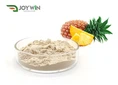
In the world of natural wellness and dietary supplements, few enzymes are as versatile and widely utilized as bromelain powder. Derived from the stems and fruit of the pineapple plant (Ananas comosus), this powerful proteolytic enzyme complex has earned its place in countless formulations for its remarkable anti-inflammatory, digestive, and circulatory benefits. As one of the world's four primary bromelain manufacturers, JOYWIN Natural Products Co., Ltd. brings a unique perspective to this discussion, rooted in a decade of specialized experience in producing high-purity bromelain for the global market.
The growing popularity of bromelain presents an important responsibility for suppliers, formulators, and consumers alike: understanding its interactions. While bromelain offers impressive benefits, its very mechanism of action-breaking down proteins-means it can interact with medications, other supplements, and certain health conditions in ways that require careful consideration. This comprehensive guide examines what not to mix with bromelain, providing evidence-based information to ensure safe and effective use of this remarkable enzyme.
Understanding bromelain powder : Mechanism and Bioactivity
Before exploring interactions, it's essential to understand what makes bromelain unique. Unlike many plant compounds that work through antioxidant or anti-inflammatory pathways, bromelain is a complex mixture of protein-digesting enzymes (proteases), primarily including stem bromelain, fruit bromelain, and ananain. These enzymes work by selectively cleaving peptide bonds in proteins, which explains both their therapeutic effects and potential interactions.
Bromelain's key biological activities include:
* Protein Digestion: Breaking down dietary proteins in the digestive tract
* Fibrinolytic Activity: Modulating blood clotting by breaking down fibrin
* Anti-inflammatory Action: Reducing swelling and inflammation through multiple pathways
* Edema Reduction: Decreasing fluid accumulation in tissues
*Immune Modulation: Influencing cytokine production and immune cell activity
The standardized measurement of bromelain's potency is expressed in Gelatin Digesting Units (GDU) or Milk Clotting Units (MCU), with JOYWIN offering products ranging from 200 GDU/g to 2400 GDU/g to meet diverse formulation needs. This wide potency range allows for tailored applications but also necessitates awareness of appropriate dosing and potential interactions across different concentrations.

Critical Interactions: Medications to Avoid with Bromelain powder
Bromelain's ability to modulate physiological processes means it can significantly alter how certain medications work in the body. The following categories represent the most important medication interactions to consider.
1. Blood Thinners and Anticoagulants
This represents one of the most significant and well-documented interaction concerns. Bromelain exhibits mild anticoagulant and antiplatelet properties by multiple mechanisms: it may inhibit platelet aggregation, enhance fibrinolysis (breaking down blood clots), and potentially potentiate the effects of conventional anticoagulant medications.
Specific Medications of Concern:
* Warfarin (Coumadin): Bromelain may enhance warfarin's anticoagulant effects, increasing bleeding risk.
* Aspirin: Both substances inhibit platelet aggregation through different mechanisms, potentially creating additive effects.
* Clopidogrel (Plavix): Concurrent use may increase bleeding tendency.
* Heparin and related products: Enhanced anticoagulant effect possible.
* Novel Oral Anticoagulants (NOACs): Including apixaban, rivaroxaban, dabigatran-theoretical increased bleeding risk.
A study published in the Journal of Medicinal Food noted that bromelain administration resulted in increased clotting times in animal models, supporting the theoretical concern for interactions with anticoagulant medications. While human studies specifically examining this interaction are limited, the pharmacological mechanisms strongly suggest caution is warranted.
Practical Recommendation: Individuals taking any anticoagulant or antiplatelet medication should consult their healthcare provider before using bromelain supplements. Monitoring of clotting parameters (INR for warfarin users) may be necessary if concurrent use is approved.
2. Antibiotics
Research indicates bromelain may enhance the absorption and effectiveness of certain antibiotics, particularly amoxicillin and tetracycline derivatives. While this might initially seem beneficial, it can actually lead to unpredictable antibiotic blood levels and potentially increase side effects.
A clinical study published in Arzneimittel-Forschung (Drug Research) found that combining bromelain with amoxicillin resulted in significantly higher blood concentrations of the antibiotic compared to amoxicillin alone. This altered pharmacokinetic profile could theoretically increase antibiotic-associated side effects or lead to dosage miscalculations.
Practical Recommendation: Those prescribed antibiotics should inform their healthcare provider if they are taking bromelain supplements. Timing separation (taking several hours apart) may be advised, but professional guidance is essential.
3. Sedatives and CNS Depressants
Limited evidence suggests bromelain might theoretically potentiate the effects of sedative medications, including:
* Benzodiazepines (alprazolam, diazepam, lorazepam)
* Barbiturates
* Sleep medications (zolpidem, eszopiclone)
* Certain antidepressants with sedative properties
The mechanism isn't fully understood but may relate to bromelain's potential effects on drug metabolism or blood-brain barrier permeability.
Practical Recommendation: Caution is advised when combining bromelain with medications that cause drowsiness or sedation. Starting with lower bromelain doses and monitoring response is prudent.
4. Chemotherapy Medications
Bromelain's ability to modulate inflammation and potentially affect cell membranes has raised theoretical concerns about interactions with chemotherapeutic agents. Some researchers have investigated bromelain as a potential adjunct to cancer therapy due to its anti-inflammatory properties, but these applications remain experimental.
The primary concern is that bromelain might alter the metabolism or tissue distribution of chemotherapy drugs, potentially affecting their efficacy or toxicity. Additionally, because bromelain may have mild immunomodulatory effects, there's theoretical concern about combining it with immunotherapy agents.
Practical Recommendation: Cancer patients undergoing chemotherapy or immunotherapy should only use bromelain under the direct supervision of their oncologist, who can monitor for potential interactions specific to their treatment regimen.
Table: Major Medication Interactions with Bromelain
|
Medication Category |
Specific Examples |
Nature of Interaction |
Precaution Level |
|
Anticoagulants/Antiplatelets |
Warfarin, aspirin, clopidogrel, NOACs |
Increased bleeding risk due to additive anticoagulant effects |
High - Medical consultation essential |
|
Antibiotics |
Amoxicillin, tetracyclines |
Altered absorption and blood concentration |
Moderate - Timing separation may help |
|
Sedatives/CNS Depressants |
Benzodiazepines, sleep medications |
Potentiated sedative effects |
Moderate - Caution with activities requiring alertness |
|
Chemotherapy Agents |
Various cancer treatments |
Theoretical alteration of drug metabolism/efficacy |
High - Oncologist supervision required |
Supplement Combinations Requiring Caution
Beyond medications, bromelain powder can interact with other dietary supplements that share similar mechanisms of action. While some combinations are intentionally designed to enhance effects (such as bromelain with quercetin for allergy support), others may create excessive biological activity.
1. Other Natural Blood Thinners
Combining bromelain with supplements that have anticoagulant properties may create additive effects similar to pharmaceutical combinations:
Supplements of Concern:
* Garlic (especially aged garlic extract): Contains compounds that inhibit platelet aggregation
* Ginkgo biloba: Inhibits platelet-activating factor (PAF)
* Omega-3 fatty acids (high dose): Mild antiplatelet effects at doses above 3g daily
* Vitamin E (high dose): Antioxidant that may inhibit platelet aggregation at doses above 400 IU
* Turmeric/Curcumin: Mild antiplatelet and anticoagulant properties
Practical Recommendation: While these combinations aren't necessarily contraindicated, they should be approached cautiously, especially by individuals with bleeding disorders, those preparing for surgery, or people already taking anticoagulant medications.
2. Other Proteolytic Enzymes
Bromelain is sometimes formulated alongside other proteolytic enzymes like papain (from papaya), serrapeptase, or nattokinase in systemic enzyme formulations. While these combinations are designed to work synergistically, they may increase the risk of certain side effects:
Potential Concerns:
* Enhanced anticoagulant effects when combined with nattokinase or serrapeptase
* Increased gastrointestinal discomfort with high doses of multiple proteases
* Theoretical risk of excessive protein breakdown in rare circumstances
Practical Recommendation: Follow dosage guidelines carefully when using combination enzyme products. Higher-potency combinations should be used with particular attention to individual tolerance.
3. Immune-Stimulating Supplements
Because bromelain has demonstrated immunomodulatory effects in research, combining it with potent immune stimulants requires consideration:
Examples:
* Echinacea: Commonly used for immune support
* Astragalus: Traditional immune-modulating herb
* High-dose zinc: Immune-stimulating mineral
* Mushroom extracts (reishi, maitake, turkey tail): Various immune effects
Practical Recommendation: These combinations are generally safe for most people but should be monitored carefully in individuals with autoimmune conditions or those taking immunosuppressant medications.
Food Interactions and Timing Considerations
The timing of bromelain supplementation relative to meals significantly affects its activity and potential for interactions.
1. Timing Relative to Protein-Rich Meals
Bromelain's digestive versus systemic effects are largely determined by when it's taken:
* With meals: Bromelain acts primarily as a digestive aid, breaking down dietary proteins
* Between meals (on empty stomach): Bromelain powder is more likely to be absorbed systemically, exerting anti-inflammatory and circulatory effects
Practical Implication: Those concerned about potential medication or supplement interactions might consider taking bromelain with meals to minimize systemic absorption, though this also reduces its anti-inflammatory benefits.
2. Pineapple Consumption
Since bromelain is naturally present in pineapple, particularly in the stem and core, regular consumption of fresh pineapple (especially the core) while taking bromelain supplements could theoretically lead to higher cumulative enzyme intake. However, the bromelain content in culinary pineapple is substantially lower than in standardized supplements.
Practical Recommendation: Normal dietary pineapple consumption is generally not concerning, but individuals taking high-dose bromelain supplements might moderate excessive intake of pineapple core.
Health Conditions Warranting Special Precautions
Certain pre-existing health conditions may require modified bromelain use or medical supervision.
1. Bleeding Disorders
Individuals with conditions such as hemophilia, von Willebrand disease, or thrombocytopenia may be more susceptible to bromelain's anticoagulant effects. Even mild inhibition of platelet aggregation could potentially exacerbate bleeding tendencies.
Practical Recommendation: Individuals with bleeding disorders should only use bromelain under medical supervision, with careful monitoring of bleeding parameters.
2. Gastrointestinal Conditions
While bromelain is often used to support digestion, it may exacerbate certain gastrointestinal conditions:
* Peptic ulcers: Bromelain's proteolytic activity might theoretically irritate existing ulcers
* Gastroesophageal reflux disease (GERD): Some individuals report increased heartburn with bromelain
* Inflammatory bowel disease (IBD) flares: Theoretical concern about increased intestinal permeability during active inflammation
Practical Recommendation: Those with active gastrointestinal conditions should start with lower bromelain doses and monitor symptoms. Taking bromelain with food may reduce gastrointestinal side effects.
3. Surgical Considerations
Bromelain's potential effects on bleeding and inflammation necessitate special consideration around surgical procedures:
* Pre-operative: Most sources recommend discontinuing bromelain 1-2 weeks before elective surgery
* Post-operative: Bromelain is sometimes used to reduce swelling and bruising after surgery, but only under medical supervision and typically not immediately following procedures with high bleeding risk
Practical Recommendation: Always inform surgeons and anesthesiologists about bromelain use when scheduling any surgical procedure.
4. Kidney Disorders
While bromelain is generally considered safe for normal kidneys, individuals with severe renal impairment may process protein derivatives differently. Bromelain is a protein-based enzyme, and its metabolites are cleared through the kidneys.
Practical Recommendation: Those with significant kidney disease should consult a nephrologist before using bromelain supplements, particularly at higher doses.
5. Pregnancy and Lactation
Limited research exists on bromelain use during pregnancy and breastfeeding. Pineapple (the food source) is generally considered safe in normal food amounts during pregnancy, but concentrated supplements present different considerations.
Practical Recommendation: Due to insufficient safety data and theoretical concerns about bromelain's potential effects on pregnancy, most experts recommend avoiding high-dose bromelain supplements during pregnancy and lactation unless specifically recommended by a healthcare provider.
The JOYWIN Difference: Quality and Consistency in Bromelain Production
As a global leader in bromelain manufacturing, JOYWIN Natural Products brings unique insights to bromelain safety through our commitment to quality and consistency. Our bromelain production facility in Thailand utilizes advanced extraction and purification technologies to create products with standardized potency ranging from 200 GDU/g to 2400 GDU/g.
Several quality factors directly impact bromelain's safety profile:
1.Standardized Potency: Precisely measured enzyme activity ensures consistent dosing, reducing the risk of unexpected effects from batch-to-batch variation.
2.Purity Assurance: Our bromelain undergoes rigorous testing to ensure it's free from contaminants that could cause adverse reactions.
3.Manufacturing Standards: JOYWIN maintains multiple international certifications including ISO9001, ISO22000, FSSC, cGMP, Kosher, and HALAL, reflecting our commitment to quality management and safety at every production stage.
4.Technical Specifications: We provide detailed product specifications allowing formulators to calculate precise dosing in finished products, an essential factor in preventing excessive intake.
These quality measures don't eliminate the need for interaction awareness, but they do ensure that the bromelain itself is a consistent, high-quality material when it reaches formulators and eventually consumers.
Practical Guidelines for Safe Bromelain powder Use
Based on the interaction information presented, the following practical guidelines can help maximize bromelain's benefits while minimizing risks:
1. Consultation and Disclosure
* Always inform healthcare providers about bromelain use, especially when:
- Prescribed new medications (particularly anticoagulants, antibiotics, or sedatives)
- Planning surgical procedures
- Managing chronic health conditions (especially bleeding disorders or kidney disease)
2. Mindful Timing and Dosing
* Consider the purpose when timing doses:
- For digestive support: Take with protein-containing meals
- For systemic anti-inflammatory effects: Take between meals on an empty stomach
* Start with lower doses (following product recommendations) and increase gradually if needed
* Follow product-specific dosing guidelines, as potency varies significantly between products
3. Monitoring and Adjustment
* Be alert for potential signs of interactions:
- Increased bruising or bleeding (may indicate enhanced anticoagulant effects)
- Excessive drowsiness (possible interaction with sedatives)
- Gastrointestinal discomfort (may indicate need for dose adjustment)
* Adjust use based on individual response and tolerance
4. Quality Selection
* Choose bromelain products from reputable manufacturers like JOYWIN that provide:
- Clear potency labeling (GDU or MCU)
- Third-party testing verification
- Transparent sourcing and manufacturing information
* Be wary of products making unrealistic health claims or with unclear potency information
Conclusion: Informed Use Maximizes Benefits, Minimizes Risks
Bromelain powder remains one of nature's most valuable proteolytic enzymes, with applications spanning digestive health, inflammation management, circulatory support, and beyond. As with any biologically active compound, its effectiveness is enhanced when used with awareness of potential interactions and appropriate precautions.
The key interactions to remember include:
1.Significant caution with anticoagulant medications due to additive effects on bleeding risk
2.Possible altered absorption of certain antibiotics, requiring timing considerations
3.Theoretical interactions with sedatives and chemotherapy agents warranting medical consultation
4.Consideration of pre-existing health conditions, particularly bleeding disorders and upcoming surgeries
5.Mindful combinations with other supplements having similar mechanisms of action
As one of only four primary bromelain manufacturers worldwide, JOYWIN Natural Products emphasizes that quality manufacturing and informed usage together create the optimal framework for benefiting from this remarkable enzyme. By understanding both bromelain's considerable benefits and its appropriate usage parameters, formulators, healthcare providers, and consumers can make educated decisions that maximize therapeutic value while prioritizing safety.
The future of bromelain in dietary supplements and functional foods continues to expand as research reveals new applications and refinements in usage. Through continued commitment to quality production, transparent labeling, and consumer education, the supplement industry can ensure that bromelain remains a safe, effective, and valued component of natural health strategies worldwide.
JOYWIN founded in 2013 is an innovation-driven biotechnology company. The JOYWIN Bromelain factory located in Thailand makes use of local abundant resources to provide customers with various specifications of bromelain products. From 200GDU/g to 2400GDU/g. Holding bromelain workshops, plant protease workshops, and warehouses also own cutting-edge facilities and strict quality control systems. As one of four global bromelain manufacturers, we are FSSC22000, ISO9001, ISO14001, ISO22000, BRC, and Cgmp-certified factory. If you want to know more about Bromelain Powder or are interested in purchasing it, you can email at contact@joywinworld.com. We will reply to you as soon as possible after we see the message.