

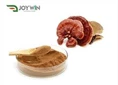
In the world of functional mushrooms, one species stands out for its distinctive frilly appearance and impressive nutritional profile: Maitake (Grifola frondosa). Known as the "dancing mushroom" in Japanese-a name said to originate from the joyful dance of foragers upon finding it-Maitake has transitioned from a prized culinary delicacy to a globally recognized dietary supplement. As Maitake Extract Powder gains prominence in the wellness industry, suppliers, formulators, and health-conscious consumers alike are asking: what does the science actually say about its benefits?
For over thirty years, modern research has been investigating the compounds within this unique mushroom, validating many of its traditional uses and uncovering new potential applications. This comprehensive guide delves deep into the evidence-backed benefits of Maitake extract, examining its mechanisms, optimal use, and quality considerations. As a trusted supplier of premium plant-based ingredients, we at Joywin Natural are committed to providing not only high-quality products but also the research-based education that empowers our clients to make informed decisions.
Understanding Maitake: From Forest Floor to Functional Extract
Botanical Profile and History
Maitake is a polypore mushroom that grows in large, clustered masses at the base of oak and other hardwood trees. Unlike many medicinal mushrooms that have primarily Asian historical use, Maitake has a global traditional footprint, with documented use in both Eastern medicine and European folk traditions. For centuries, it was valued as both a food source and a supportive botanical.
The shift from consuming the whole mushroom to utilizing concentrated extracts represents a significant advancement in accessing its benefits. The extraction process, typically using hot water or alcohol, concentrates the mushroom's bioactive compounds, particularly its unique polysaccharides, which are not fully bioavailable when consuming the whole mushroom in culinary amounts.
Key Bioactive Compounds in Maitake Extract Powder
The therapeutic potential of Maitake is primarily attributed to its rich and complex chemistry:
* Beta-Glucans (especially D-Fraction): These are the most researched compounds in Maitake. The mushroom contains particularly high concentrations of beta-1,3 and beta-1,6 glucans, which have demonstrated significant immunomodulating properties. The proprietary "Maitake D-Fraction" refers to a specific protein-bound beta-glucan complex first isolated by renowned researcher Dr. Hiroaki Nanba.
* Griffolan: A specific type of beta-glucan unique to Maitake that activates specific immune cells.
* SX-Fraction: A compound studied for its potential effects on metabolic health and insulin sensitivity.
* Antioxidants: Including ergothioneine (a unique mushroom antioxidant), phenols, and flavonoids.
* Vitamins and Minerals: B-vitamins, vitamin D (when exposed to UV light), potassium, and amino acids.
The concentration and bioavailability of these compounds are dramatically enhanced through proper extraction methods, which is why standardized extracts are the focus of both research and high-quality supplement formulations.

The Evidence-Based Benefits of Maitake Extract Powder
1. Immune System Modulation and Support
This is the most well-researched and celebrated benefit of Maitake extract.
Mechanism of Action: Maitake's beta-glucans, particularly the D-Fraction, do not directly attack pathogens. Instead, they "train" and modulate the immune system by interacting with receptors on immune cells like macrophages, natural killer (NK) cells, and dendritic cells. This interaction primes these cells to respond more effectively to challenges without creating overstimulation.
Key Research Findings:
* A study published in the Journal of Medicinal Food demonstrated that Maitake extract significantly enhanced the activity of macrophages and increased the production of immune-signaling molecules like interleukin-1 and cytotoxic T-cells in animal models.
* Human research, including a pilot study noted in the Journal of Cancer Research and Clinical Oncology, observed increased immune cell activity in cancer patients taking Maitake D-Fraction alongside conventional treatment.
* Unlike some immune stimulants, Maitake appears to exert an adaptogenic effect on immunity-helping to regulate and balance the immune response, which is valuable for both underactive and overactive immune states.
Practical Implication: For formulators, this makes Maitake extract a versatile ingredient for products aimed at general immune maintenance, seasonal wellness support, and complementary approaches to overall immune health. It represents a shift from mere stimulation to intelligent immune education.
2. Metabolic Health and Blood Sugar Regulation
Emerging as a major area of interest, Maitake's potential benefits for metabolic syndrome are significant.
Mechanism of Action: The SX-Fraction and other polysaccharides in Maitake appear to influence glucose metabolism through multiple pathways. Research suggests they may improve insulin sensitivity at the cellular level, support pancreatic beta-cell function, and inhibit enzymes involved in carbohydrate breakdown (like alpha-glucosidase), leading to a slower release of glucose into the bloodstream.
Key Research Findings:
* Animal studies, such as one in BMC Complementary and Alternative Medicine, have consistently shown that Maitake extract can lower elevated blood glucose and improve insulin sensitivity in models of type 2 diabetes.
* A small but notable human trial involving type 2 diabetic patients, referenced in the Diabetes Research Journal, found that consumption of Maitake powder led to a modest but significant reduction in fasting blood glucose levels over periods of several weeks.
* Researchers theorize that the benefits may extend to improving lipid profiles as well, with some studies noting reductions in triglycerides and LDL cholesterol.
Practical Implication: This positions Maitake Extract Powder as a promising, research-backed ingredient for the growing market of natural metabolic support supplements, especially those targeting blood sugar balance, weight management, and overall cardiometabolic health.
3. Complementary Cancer Support
It is crucial to state unequivocally that Maitake is not a cure for cancer. However, its role as a complementary supportive agent during conventional cancer treatment is a serious subject of scientific inquiry.
Mechanism of Action: The proposed anticancer mechanisms are multi-faceted. The D-Fraction is believed to stimulate immune cells (like NK cells and cytotoxic T-cells) that can recognize and eliminate abnormal cells. Some in vitro (test tube) studies also suggest certain Maitake compounds may induce apoptosis (programmed cell death) in specific cancer cell lines and inhibit angiogenesis (the formation of new blood vessels that tumors need to grow).
Key Research Findings:
* The most compelling data comes from in vitro and animal studies. For instance, research in the Annals of Translational Medicine showed that Maitake D-Fraction inhibited tumor growth and metastasis in mouse models.
* Human clinical data remains preliminary but promising. A study of breast cancer patients, discussed in the International Journal of Oncology, found that those taking Maitake Extract Powder alongside chemotherapy showed better immune parameters and quality of life measures than those on chemotherapy alone.
* The U.S. National Institutes of Health (NIH) has recognized Maitake as a mushroom worthy of investigation for its biological effects related to cancer.
Practical Implication and Critical Note: Formulators must communicate this benefit with extreme care, clarity, and responsibility. Marketing language should focus exclusively on general immune support and overall well-being and must never imply direct treatment or cure. Joywin Natural provides this information for educational purposes to underscore the depth of scientific investigation, not to make disease claims.
4. Cardiovascular Health
Supporting heart health is an interconnected benefit stemming from Maitake's metabolic and antioxidant properties.
Mechanism of Action: Beyond potential improvements in lipid profiles, Maitake contains compounds that may support healthy blood pressure. Its antioxidant and anti-inflammatory effects contribute to reducing oxidative stress on the vascular system, a key factor in long-term cardiovascular health.
Key Research Findings: While direct human trials on cardiovascular endpoints are limited, multiple animal studies point to positive effects on markers of heart health. The combined benefits for metabolism, inflammation, and oxidative stress create a compelling, holistic case for cardiovascular support.
5. Liver Health and Detoxification Support
The liver, the body's primary detoxification organ, also appears to benefit from Maitake's protective compounds.
Mechanism of Action: Research indicates that Maitake polysaccharides can have a hepatoprotective effect, helping to shield liver cells from damage caused by toxins. They may also support the liver's own antioxidant systems, such as glutathione production.
Key Research Findings: Studies, including those published in Food & Function, have demonstrated that Maitake extract can help maintain healthy liver enzyme levels and protect liver tissue in models of chemical-induced liver stress in animals.
6. Antioxidant and Anti-Inflammatory Activity
Chronic, low-grade inflammation and oxidative stress are root drivers of many age-related health concerns.
Mechanism of Action: Maitake is a source of diverse antioxidants, including the unique compound ergothioneine, which cells actively retain and use to combat oxidative damage. Its polysaccharides also modulate the production of inflammatory cytokines.
Key Research Findings: Numerous in vitro and animal studies confirm the free-radical scavenging and inflammation-regulating capacity of Maitake extract, providing a foundational benefit that supports all the others.
Table 1: Summary of Key Benefits and Supporting Evidence for Maitake Extract Powder
|
Primary Benefit |
Key Bioactive Compounds |
Strength of Evidence |
Primary Mechanisms |
|
Immune Modulation |
D-Fraction (Beta-Glucans), Griffolan |
Strong (Numerous in vitro, animal, and human pilot studies) |
Activation of macrophages, NK cells, and T-cells; cytokine regulation. |
|
Metabolic & Blood Sugar Support |
SX-Fraction, Polysaccharides |
Moderate-Strong (Consistent animal studies, emerging human data) |
Improved insulin sensitivity, alpha-glucosidase inhibition. |
|
Complementary Cancer Support |
D-Fraction |
Preliminary but Promising (Strong in vitro/animal data, early-stage human trials) |
Immune stimulation, apoptosis induction, anti-angiogenesis (in vitro). |
|
Cardiovascular Health |
Polysaccharides, Antioxidants |
Moderate (Primarily animal and mechanistic studies) |
Lipid modulation, antioxidant protection, anti-inflammatory. |
|
Liver Protection |
Polysaccharides |
Moderate (Animal model studies) |
Hepatoprotection, support of antioxidant systems. |
|
Antioxidant & Anti-inflammatory |
Ergothioneine, Phenols, Polysaccharides |
Strong (Biochemical and in vitro evidence) |
Free-radical scavenging, modulation of inflammatory pathways. |
Quality and Standardization: What Makes an Effective Maitake Extract
Not all Maitake extracts are created equal. The benefits described are tied to specific compounds, and their concentration depends entirely on raw material quality and manufacturing rigor. At Joywin Natural, we understand that quality is the bridge between traditional use and modern efficacy.
Critical Quality Factors:
1.Raw Material Source: Was the Maitake cultivated organically or wild-harvested from clean environments? Cultivated Maitake often allows for better consistency and control over the starting biomass.
2.Part of the Mushroom Used: The fruiting body (the above-ground "mushroom") contains the highest concentration of beta-glucans, compared to the mycelium (root structure) grown on grain.
3.Extraction Method: Dual extraction (using both hot water and alcohol) is considered the gold standard. Water extracts polysaccharides like beta-glucans, while alcohol extracts other beneficial compounds like triterpenoids and antioxidants.
4.Standardization: This is non-negotiable for a reliable ingredient. High-quality extracts are standardized to a guaranteed percentage of bioactive compounds, most commonly:
* Beta-Glucans (often 30% or higher)
* Polysaccharides (often 40% or higher)
* Specific fractions like the D-Fraction
5.Third-Party Verification: Reputable suppliers provide Certificates of Analysis (CoA) from independent laboratories verifying purity, potency, and the absence of contaminants like heavy metals, pesticides, and microbes.
Application and Formulation: Incorporating Maitake Extract
For product developers and brands, Maitake extract offers versatile application potential.
Common Delivery Formats:
* Capsules and Tablets: The most common format for dietary supplements, allowing for precise dosing.
* Powders: Can be incorporated into drink mixes, protein powders, or superfood blends.
* Liquid Tonics and Tinctures: Often utilizes a full-spectrum dual extract.
* Functional Foods and Beverages: A growing category where Maitake can be included in coffees, teas, chocolates, or soups for added functional benefits.
Typical Dosage Ranges:
Dosage depends heavily on the extract's standardization. General guidelines from clinical studies and traditional use suggest:
* For general immune and wellness support: 500 mg to 1,500 mg of a standardized extract (e.g., 30% beta-glucans) per day.
* For more targeted metabolic support: Studies often use doses in the range of 3,000 to 6,000 mg of mushroom powder equivalent per day.
It is essential for brands to base their dosage recommendations on the specific extract potency they are using and to comply with all regional regulatory guidelines regarding structure/function claims.
Synergistic Formulations:
Maitake works well in combination with other ingredients, creating more comprehensive formulas:
* Immune Complexes: Combined with other immune-modulating mushrooms (like Reishi, Shiitake, Turkey Tail), Vitamin C, Zinc, and Elderberry.
* Metabolic Blends: Paired with ingredients like Berberine, Cinnamon, Chromium, and Alpha-Lipoic Acid.
* Adaptogenic Stacks: Combined with other adaptogens like Ashwagandha or Rhodiola for stress and energy support.
Safety, Side Effects, and Contraindications
Maitake extract is generally recognized as safe (GRAS) for most adults when used appropriately.
* Safety Profile: It has an excellent safety profile with minimal side effects, which are typically mild and may include digestive upset in sensitive individuals.
* Important Considerations:
- Allergies: Those with known allergies to mushrooms should avoid Maitake.
- Surgery: Due to its potential effects on immune function and blood sugar, it is often recommended to discontinue use at least two weeks before scheduled surgery.
- Medication Interactions: Individuals on blood sugar-lowering medications (insulin, metformin, etc.) or immunosuppressant drugs (e.g., after an organ transplant) should consult a physician before use, as Maitake may potentiate the effects of these medications.
- Pregnancy and Lactation: Due to insufficient research, use during pregnancy or breastfeeding is not typically recommended unless under the guidance of a healthcare provider.
The Future of Maitake Research and Market Potential
The scientific journey of the Maitake mushroom is far from over. Current research trends include:
* Precision in Immune Modulation: Understanding exactly how its beta-glucans "train" the immune system for more targeted applications.
* Gut-Immune Axis: Exploring its role as a prebiotic and its impact on gut microbiota, which is intimately linked to systemic immunity and metabolism.
* Neuroprotective Effects: Early studies are beginning to investigate its potential for supporting cognitive health and neuroprotection.
From a market perspective, the demand for evidence-based, natural immune and metabolic support ingredients is stronger than ever. Maitake extract, with its deep traditional roots and growing scientific dossier, is perfectly positioned to meet this demand. For forward-thinking brands, it represents an opportunity to develop sophisticated, multifunctional products that resonate with educated consumers seeking more than just single-action solutions.
Conclusion: A Multifunctional Ingredient Backed by Tradition and Science
Maitake Extract Powder is far more than a simple mushroom supplement. It is a complex, naturally derived source of powerful compounds-most notably its unique beta-glucans-that interact with fundamental human physiology. From providing intelligent, balancing support to the immune system to promoting healthy metabolic function and offering protective antioxidant activity, the benefits of Maitake are both broad and deeply interconnected.
The key to accessing these benefits lies in choosing a high-quality, standardized extract from a supplier that prioritizes science, transparency, and rigorous quality control. As a supplier dedicated to these very principles, Joywin Natural recognizes the importance of providing ingredients that deliver on their promise, backed by credible information.
Whether you are a formulator creating the next generation of wellness products or a brand seeking to educate your customers, understanding the comprehensive science behind Maitake extract is the first step. By harnessing the power of this remarkable functional mushroom responsibly and effectively, we can all contribute to a healthier future, one well-researched ingredient at a time.
JOYWIN founded in 2013 is an innovation-driven biotechnology company. We provide the manufacture of plant extracts, plant proteases, and customized products. If you want to know more about Maitake Extract powder or are interested in purchasing it, you can email at contact@joywinworld.com. We will reply as soon as possible after we see the message.