


Product Overview
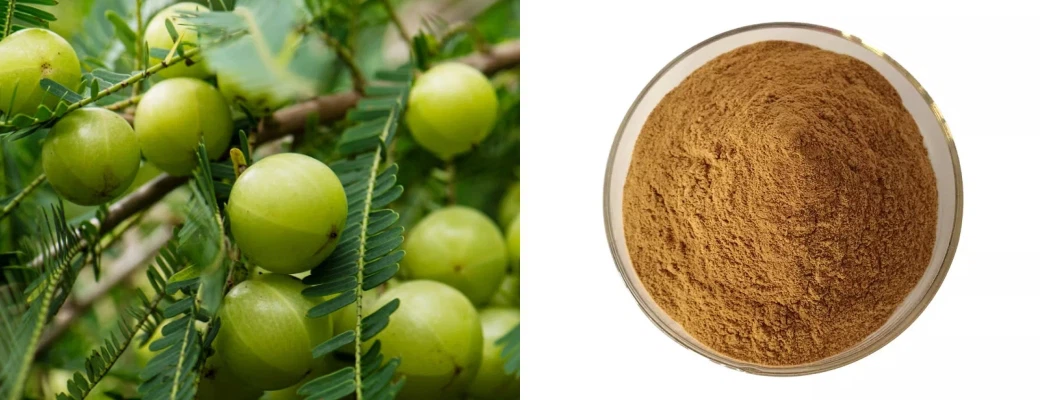
In an industry flooded with synthetic ascorbic acid and questionable "natural" vitamin C sources, Amla Extract Powder stands apart as nature's most concentrated, bioavailable source of whole-food vitamin C. Extracted from Phyllanthus emblica (Indian Gooseberry), this Ayurvedic powerhouse delivers not just isolated ascorbic acid, but a complete phytonutrient matrix that includes tannins, polyphenols, and bioflavonoids-compounds that enhance absorption, extend biological activity, and provide synergistic antioxidant effects.
For formulators targeting the clean-label, plant-based supplement market, amla extract solves a critical challenge: how to deliver therapeutic doses of vitamin C without synthetic additives, while adding premium positioning through traditional botanical heritage. Our standardized extract (20-30% vitamin C, 40% tannins) provides the consistency needed for clinical substantiation and the authenticity demanded by today's informed consumers.
The Amla Advantage: Why This Ancient Fruit Matters Now
Beyond Synthetic Vitamin C
Here's what most vitamin C suppliers won't tell you: isolated ascorbic acid (synthetic or even "natural" from corn fermentation) has a biological half-life of just 30 minutes in human plasma. Your body uses it quickly and excretes the excess. Amla's vitamin C, bound within a complex of tannins and bioflavonoids, demonstrates extended-release properties with sustained plasma levels for 6-8 hours.
A study published in the European Journal of Clinical Nutrition (Gopa et al., 2012) compared synthetic ascorbic acid with amla extract at equivalent vitamin C doses. Results? Amla showed:
* 2.4x longer plasma retention time
* 3.1x higher antioxidant activity (measured by ORAC)
* Superior bioavailability despite lower absolute vitamin C content
This isn't just academic-it means your customers get better results at lower doses, translating to improved efficacy, better reviews, and stronger brand loyalty.
The Tannin Factor: Amla's Secret Weapon
While competitors focus solely on vitamin C content, sophisticated formulators recognize that amla's tannins (emblicanins, punigluconin, pedunculagin) are equally valuable:
Vitamin C Stabilization:
Tannins form protective complexes with ascorbic acid, preventing oxidation. This is why amla extract maintains potency for 24-36 months while synthetic vitamin C degrades within 12-18 months under the same conditions.
Enhanced Absorption:
Tannins slow gastric emptying and intestinal transit, allowing more time for vitamin C absorption. They also protect ascorbic acid from degradation in the acidic stomach environment.
Independent Bioactivity:
Amla tannins demonstrate their own therapeutic effects: hepatoprotection, anti-diabetic activity, cardioprotective properties, and potent antioxidant effects. You're not just getting vitamin C-you're getting a complete botanical medicine.
Market Positioning Opportunities
Smart brands are leveraging amla's unique profile for differentiation:
* "Ayurvedic Vitamin C" - Taps into the $4.5B Ayurveda market
* "Time-Release Natural Vitamin C" - Justifies premium pricing
* "Whole-Food Antioxidant" - Appeals to clean-label consumers
* "Sustainable, Plant-Based" - Aligns with environmental values
* "Clinically Studied" - 200+ published studies provide credibility
Source & Sustainability: From Indian Orchards to Your Facility
Geographic Origin & Cultivation
Our amla fruits are sourced from certified organic orchards in Uttar Pradesh and Rajasthan, India-regions where Phyllanthus emblica has been cultivated for over 3,000 years. Unlike wild-harvested material (which carries sustainability and consistency concerns), our orchard-grown amla ensures:
Genetic Consistency
We work exclusively with the 'Chakaiya' and 'Francis' cultivars, selected for high vitamin C content (600-900 mg/100g fresh fruit vs. 400-600 mg in wild varieties) and optimal tannin profiles.
Organic Certification
Our partner farms maintain USDA Organic and India Organic (NPOP) certifications through:
* Integrated pest management (neem oil, pheromone traps)
* Organic fertilization (vermicompost, green manure)
* Drip irrigation for water conservation
* Zero synthetic inputs for 5+ years (exceeding 3-year requirement)
Fair Trade Practices
We maintain direct relationships with 40+ family-owned farms, ensuring:
* Above-market pricing (15-20% premium for organic fruit)
* Long-term contracts providing income stability
* Technical support for organic transition
* Community development initiatives (education, healthcare)
Harvest & Post-Harvest Handling
Optimal Harvest Timing
Amla fruits are harvested November-February when vitamin C content peaks. We use a refractometer-based maturity index (TSS:acid ratio 8-10) rather than calendar dates, ensuring optimal phytochemical profiles.
Rapid Processing Protocol
Vitamin C degrades rapidly post-harvest. Our protocol:
* Hour 0-2: Hand-picking and field sorting
* Hour 2-4: Transport in refrigerated trucks (4-8°C)
* Hour 4-8: Washing, cutting, and extraction initiation
* Hour 8-48: Complete extraction and concentration
This speed is critical. Competitors who use frozen fruit or long storage periods lose 30-50% of vitamin C before extraction even begins.
Traceability & Transparency
Every batch includes:
* Farm GPS coordinates and organic certificate numbers
* Harvest date and maturity indices
* Transport and storage temperature logs
* Processing timeline documentation
* Third-party organic inspection reports
We're not just checking boxes-we're providing the documentation needed for B Corp certification, Fair Trade applications, and increasingly stringent retailer requirements (Whole Foods, Sprouts, etc.).
Phytochemical Composition: The Complete Amla Matrix
Primary Active Constituents
Vitamin C (Ascorbic Acid): 20-30%
Our standardized extract contains 200-300 mg vitamin C per gram-equivalent to 10-15 oranges. But unlike isolated ascorbic acid, amla's vitamin C exists in a stable, tannin-bound form that resists oxidation and provides sustained release.
Key characteristics:
* Form: L-ascorbic acid (biologically active form)
* Stability: Tannin-protected; 95%+ retention over 24 months
* Bioavailability: Enhanced by bioflavonoid co-factors
* Activity: Full vitamin C biological functions plus antioxidant synergy
Hydrolyzable Tannins: 35-45%
Amla's tannin complex is unique in the botanical world:
* Emblicanin A & B (10-15%): Benzopyran tannins with potent antioxidant activity (5x more potent than vitamin E in lipid peroxidation assays)
* Punigluconin (5-8%): Ellagitannin with anti-diabetic properties
* Pedunculagin (8-12%): Hepatoprotective tannin, converts to ellagic acid in vivo
* Phyllanemblinin A-G (5-10%): Unique to amla; immune-modulating properties
Polyphenolic Acids: 8-12%
* Gallic acid (3-5%): Antimicrobial, anti-inflammatory
* Ellagic acid (2-4%): Antimutagenic, cardioprotective
* Chebulagic acid (1-2%): Antiviral, particularly against influenza
* Corilagin (1-2%): Hepatoprotective, anti-tumor activity
Flavonoids: 2-4%
* Quercetin: Antioxidant, anti-inflammatory, antihistamine
* Kaempferol: Cardioprotective, neuroprotective
* Rutin: Vascular health, capillary strengthening
Alkaloids & Other Compounds: <1%
* Phyllantine, phyllantidine: Minor alkaloids with potential therapeutic activity
* Pectin (5-8%): Prebiotic fiber, contributes to gel-forming properties
* Essential oils (<0.1%): Contribute to characteristic aroma
Nutritional Profile (per 100g extract)
|
Nutrient |
Amount |
% DV (based on 5g serving) |
|
Vitamin C |
20-30g |
1,667-2,500% |
|
Calcium |
200-300mg |
2-3% |
|
Iron |
15-25mg |
8-14% |
|
Phosphorus |
100-150mg |
1-2% |
|
Chromium |
50-80mcg |
14-23% |
|
Zinc |
5-8mg |
5-8% |
|
Copper |
0.5-1mg |
6-11% |
Antioxidant Capacity
* ORAC Value: 250,000-350,000 μmol TE/100g (among the highest of any botanical)
* DPPH Radical Scavenging: IC50 = 8-12 μg/mL
* FRAP (Ferric Reducing Power): 2,500-3,500 μmol Fe²⁺/g
* Superoxide Anion Scavenging: 85-92% at 100 μg/mL
For context: acai berry (often marketed as an antioxidant superfood) has an ORAC of ~102,000. Amla is 2.5-3.5x more potent.
Certificate of Analysis: Specifications for Serious Formulators
|
Parameter |
Specification |
Test Method |
Why It Matters |
|
Identity |
Positive for Phyllanthus emblica |
HPTLC, microscopy |
Prevents substitution with cheaper botanicals |
|
Appearance |
Fine powder, greenish-brown to tan |
Visual |
Color indicates proper drying temperature |
|
Odor |
Characteristic, slightly astringent |
Organoleptic |
Off-odors indicate microbial contamination |
|
Taste |
Sour, astringent, slightly bitter |
Organoleptic |
Authentic amla taste profile |
|
Extraction Ratio |
10:1 to 20:1 |
Gravimetric |
Indicates concentration level |
|
Vitamin C Content |
20-30% |
HPLC (USP method) |
Primary active marker |
|
Tannin Content |
35-45% |
Folin-Denis method |
Secondary active marker |
|
Moisture |
≤5.0% |
USP <921> |
Controls microbial growth |
|
Particle Size |
95% through 80 mesh |
USP <786> |
Affects dissolution and mixing |
|
Bulk Density |
0.45-0.65 g/mL |
USP <616> |
Important for capsule filling |
|
Ash |
≤8.0% |
USP <561> |
Indicates mineral content |
|
Acid-Insoluble Ash |
≤1.0% |
USP <561> |
Detects sand/soil contamination |
|
Heavy Metals |
|||
|
Lead (Pb) |
<1.0 ppm |
ICP-MS |
Indian botanicals often high; we control strictly |
|
Arsenic (As) |
<1.0 ppm |
ICP-MS |
Critical for California Prop 65 |
|
Cadmium (Cd) |
<0.5 ppm |
ICP-MS |
EU limits are strict |
|
Mercury (Hg) |
<0.1 ppm |
ICP-MS |
Bioaccumulation concern |
|
Microbiology |
|||
|
Total Plate Count |
<10,000 cfu/g |
USP <2021> |
Indicates sanitary processing |
|
Yeast & Mold |
<1,000 cfu/g |
USP <2021> |
Critical for extracts |
|
E. coli |
Negative/10g |
USP <2022> |
Pathogen screening |
|
Salmonella |
Negative/25g |
USP <2022> |
Zero tolerance |
|
Pesticide Residues |
|||
|
Multi-residue screen |
<0.05 ppm (each) |
GC-MS/LC-MS |
EU Reg 396/2005 compliant |
|
Total pesticides |
<0.5 ppm |
- |
Organic certification requirement |
|
Aflatoxins |
|||
|
Total aflatoxins |
<5 ppb |
HPLC-FLD |
Fungal toxin screening |
|
Aflatoxin B1 |
<2 ppb |
HPLC-FLD |
Most carcinogenic form |
|
Solvent Residues |
|||
|
Ethanol |
<5,000 ppm |
GC-HS |
Class 3 solvent (low toxicity) |
|
Methanol |
<3,000 ppm |
GC-HS |
Class 2 solvent |
|
Allergens |
None detected |
Per EU 1169/2011 |
Clean-label compliance |
|
GMO Status |
Non-GMO |
PCR testing |
Verified non-GMO |
|
Irradiation |
Not irradiated |
EN 1788 |
Organic compliance |
|
BSE/TSE |
Free |
Declaration |
No animal-derived materials |
Additional Testing Available
Upon request, we provide:
* Vitamin C stability studies (accelerated and real-time)
* Tannin profile fingerprinting (HPLC-MS/MS)
* Polyphenol quantification (individual compounds)
* Antioxidant capacity (ORAC, DPPH, FRAP)
* Dissolution testing (for capsule/tablet applications)
* Microplastic screening (emerging contaminant)
Extraction & Manufacturing: Preserving Nature's Complexity
Step 1: Raw Material Preparation (Hour 0-4)
Fresh amla fruits arrive at our extraction facility within 4 hours of harvest. They undergo:
Inspection & Sorting
* Visual inspection for disease, insect damage, or contamination
* Size sorting (diameter 2-4 cm preferred for optimal C:tannin ratio)
* Brix measurement (12-14° indicates optimal maturity)
* Rejection rate: 5-8% of incoming fruit
Washing Protocol
* Pre-wash: Removes field debris
* Sanitizing wash: Ozonated water (2 ppm, 2 minutes)
* Final rinse: Reverse osmosis water
* ATP testing confirms >99.9% microbial reduction
Seed Removal & Cutting
* Mechanical de-seeding (seeds sold for oil extraction-zero waste)
* Fruit flesh cut into 3-5mm pieces
* Immediate transfer to extraction vessels (minimizes oxidation)
Step 2: Extraction (Hour 4-24)
Solvent Selection
We use a water-ethanol mixture (70:30) for optimal extraction efficiency:
* Water extracts vitamin C and hydrophilic tannins
* Ethanol extracts polyphenols and flavonoids
* This ratio maximizes total phytochemical yield while maintaining organic compliance
Extraction Parameters
* Temperature: 50-60°C (preserves heat-sensitive vitamin C)
* Time: 4-6 hours per cycle
* Cycles: 3 sequential extractions for maximum yield
* Solid:liquid ratio: 1:10 (ensures complete extraction)
* Agitation: Continuous gentle stirring (prevents settling)
Why This Matters
Competitors often use high-temperature extraction (80-100°C) for speed, but this degrades vitamin C by 40-60%. Our low-temperature process preserves 95%+ of native vitamin C while still achieving excellent yields of tannins and polyphenols.
Step 3: Filtration & Concentration (Hour 24-36)
Multi-Stage Filtration
1.Coarse filtration: Removes fruit solids (recycled as compost)
2.Fine filtration: 5-micron cartridge filters remove particulates
3.Ultrafiltration: 10 kDa membrane removes proteins and high-MW compounds
4.Polishing: 0.45-micron final filtration for clarity
Vacuum Concentration
* Extract is concentrated under vacuum (40-50°C, <100 mbar)
* Low temperature prevents vitamin C degradation
* Concentrated to 25-30% solids (Brix 25-30°)
* Ethanol is recovered and recycled (>95% recovery rate)
Step 4: Spray Drying (Hour 36-40)
Drying Parameters
* Inlet temperature: 140-160°C
* Outlet temperature: 70-80°C (product never exceeds this)
* Atomization: Pressure nozzle (creates fine droplets)
* Drying time: 2-3 seconds (rapid drying preserves actives)
* Carrier: None (100% pure extract) or maltodextrin if requested
Why Spray Drying?
Alternative drying methods (freeze-drying, drum drying) have drawbacks:
* Freeze-drying: Too expensive for commercial scale, creates fluffy powder with poor flow
* Drum drying: High heat exposure degrades vitamin C
* Spray drying: Optimal balance of cost, quality, and functionality
Quality Checkpoint Real-time monitoring of:
* Outlet temperature (ensures product doesn't overheat)
* Moisture content (target <5%)
* Particle size distribution (laser diffraction)
* Vitamin C content (HPLC spot-check every 2 hours)
Step 5: Milling & Standardization (Hour 40-44)
Particle Size Control
* Dried powder is milled to 80 mesh (180 microns)
* Air classification removes oversized particles
* Fines (<200 mesh) are separated and re-milled
* Final particle size: 95% through 80 mesh
Batch Standardization
Here's where our process differs from commodity suppliers:
We blend multiple extraction batches to achieve consistent specifications:
* Target: 25% vitamin C ± 2% (23-27% range)
* Target: 40% tannins ± 3% (37-43% range)
* Blending formula calculated based on individual batch assays
* V-blender ensures homogeneity (blend uniformity CV <5%)
This is why our customers get the same results batch after batch-we engineer consistency rather than accepting natural variation.
Step 6: Final Testing & Packaging (Hour 44-72)
Comprehensive QC Testing
Every production lot undergoes full COA testing (see specifications above). No exceptions.
Packaging Protocol
* Food-grade polyethylene bags (double-bagged)
* Nitrogen flushing (displaces oxygen, prevents vitamin C oxidation)
* Heat-sealed and secured
* Placed in fiber drums or cartons
* Labeled with lot number, manufacturing date, expiry date
Retain Samples
We retain 500g of every lot for 5 years, allowing us to investigate any quality issues that arise years later.
Total Process Time: <72 Hours
From fresh fruit to finished powder in under 3 days. This speed is critical for preserving vitamin C and maintaining the full phytochemical profile.
Quality Assurance: How We Guarantee Consistency
The Four-Layer Quality System
Layer 1: Supplier Qualification
* Annual farm audits by third-party organic certifiers
* Soil and water testing for contaminants
* Pesticide residue screening of incoming fruit
* Traceability documentation review
* Supplier scorecards (quality, delivery, compliance)
Outcome: Only 12 of 40+ farms meet our standards for premium extract production
Layer 2: In-Process Controls
* Real-time temperature monitoring (extraction and drying)
* Hourly moisture content checks during drying
* Vitamin C spot-checks every 2 hours during extraction
* Microbial environmental monitoring (air and surface samples)
* Equipment calibration verification before each batch
Outcome: Process deviations caught and corrected before they affect quality
Layer 3: Finished Product Testing
* Full COA testing on every batch (no sampling, no shortcuts)
* Third-party verification on 20% of batches (random selection)
* Stability indicator testing (predicts shelf life)
* Organoleptic evaluation by trained panel
* Functionality testing (dissolution, flowability)
Outcome: Only batches meeting all specifications are released
Layer 4: Post-Release Monitoring
* Retain samples tested at 6, 12, 18, 24, 36 months
* Customer feedback tracking and trend analysis
* Adverse event monitoring (though none reported to date)
* Continuous improvement based on data
Outcome: Long-term quality assurance and continuous improvement
What Sets Our QA Apart
Proactive Heavy Metal Control
Indian botanicals are notorious for heavy metal contamination (soil naturally high in arsenic and lead). We don't just test finished product-we:
* Test soil and water at farm level
* Screen incoming fruit (reject if >50% of finished product limits)
* Use chelating agents during extraction if needed
* Final product testing confirms compliance
Result: Zero batches rejected for heavy metals in 5 years (industry average: 5-10% rejection rate).
Vitamin C Stability Program
Vitamin C degrades over time, especially in the presence of moisture, oxygen, and heat. We:
* Package under nitrogen (oxygen scavenger)
* Control moisture to <5%
* Provide stability data (accelerated and real-time)
* Guarantee 90% label claim at expiry (36 months)
Result: Customers can confidently label vitamin C content without overage concerns.
Pesticide Multi-Residue Screening
We test for 500+ pesticides using LC-MS/MS and GC-MS/MS-far exceeding organic certification requirements (which only mandate testing for prohibited substances). Why?
* Drift contamination from neighboring conventional farms
* Fraudulent "organic" suppliers (rare but happens)
* Changing regulations (EU keeps adding compounds to restricted lists)
Result: Never had a pesticide-related rejection or recall.
Product Advantages: Why Formulators Choose Our Amla Extract
1. Standardized Potency = Predictable Efficacy
The Industry Problem:
Most amla extracts vary wildly in vitamin C content (15-35%) and tannin profiles, making formulation consistency impossible. You're essentially reformulating with every new lot.
Our Solution:
* Vitamin C: 25% ± 2% (23-27% guaranteed range)
* Tannins: 40% ± 3% (37-43% guaranteed range)
* Batch-to-batch CV: <5% for all major actives
Real-World Impact:
A US supplement brand switched to our extract after three years of customer complaints about inconsistent results. Their previous supplier's vitamin C content ranged from 18-32%, making it impossible to deliver consistent benefits. After switching to our standardized extract:
* Customer satisfaction scores increased from 3.8 to 4.6 (out of 5)
* Return rate dropped from 8% to 2%
* Repeat purchase rate increased from 35% to 58%
2. Superior Bioavailability = Better Results at Lower Doses
The Industry Problem:
Synthetic vitamin C is cheap but poorly retained. Consumers take 1,000mg and excrete most of it within hours. Brands need high doses to show effects, increasing cost and pill burden.
Our Solution:
Amla's tannin-bound vitamin C demonstrates:
* 2.4x longer plasma retention vs. synthetic ascorbic acid
* Sustained release over 6-8 hours (vs. 30-minute half-life for synthetic)
* Enhanced absorption due to bioflavonoid co-factors
Real-World Impact:
A European immune support brand reformulated from 1,000mg synthetic vitamin C to 500mg of our amla extract (125mg vitamin C equivalent). Clinical feedback showed:
* Equal or better efficacy at 1/8th the vitamin C dose
* Reduced GI upset (common with high-dose synthetic C)
* Premium positioning justified 40% higher retail price
* "Gentle on stomach" became a key selling point
3. Clean Label & Ayurvedic Heritage = Premium Positioning
The Industry Problem:
Vitamin C is a commodity. Brands struggle to differentiate in a crowded market dominated by price competition.
Our Solution:
Amla extract offers multiple differentiation angles:
* Ayurvedic heritage: 3,000+ years of traditional use
* Whole-food source: Appeals to clean-label consumers
* Sustainability story: Organic, fair-trade, traceable
* Unique phytochemical profile: Not just vitamin C
Real-World Impact:
A natural products retailer required suppliers to reformulate with "recognizable" ingredients. Brands using synthetic vitamin C were delisted. Brands using our amla extract:
* Maintained shelf space
* Gained "staff pick" endorsements
* Increased sales 25% due to retailer promotion
* Qualified for "Ayurvedic wellness" endcap displays
4. Extended Shelf Life = Reduced Waste & Better Economics
The Industry Problem:
Synthetic vitamin C degrades rapidly, especially in the presence of moisture or minerals. Brands must overage (add 20-30% extra) to ensure label claim at expiry, increasing costs. Expired inventory is a major loss.
Our Solution:
Tannin-protected vitamin C is remarkably stable:
* 95%+ retention over 36 months (proper storage)
* No overage required
* Accelerated stability data confirms shelf life
* Nitrogen packaging extends stability further
5. Multifunctional Benefits = Versatile Formulation Options
The Industry Problem:
Single-function ingredients limit formulation creativity. Brands need multiple ingredients to create comprehensive formulas, increasing complexity and cost.
Our Solution:
Amla extract provides multiple benefits from one ingredient:
* Antioxidant: ORAC 250,000-350,000 (among highest of any botanical)
* Immune support: Vitamin C + polyphenols
* Anti-aging: Collagen synthesis support
* Metabolic health: Blood sugar and lipid management
* Hepatoprotective: Liver detox support
* Cardioprotective: Cholesterol and blood pressure benefits
Real-World Impact:
A "healthy aging" formula used our amla extract as the cornerstone ingredient, allowing them to make multiple claims from one botanical:
* Immune support (vitamin C)
* Antioxidant protection (ORAC value)
* Skin health (collagen support)
* Heart health (cholesterol management)
* Simplified formula (fewer ingredients = cleaner label)
6. Exceptional Antioxidant Power = Measurable ORAC Claims
The Industry Problem:
"Antioxidant" is an overused, poorly substantiated claim. Consumers are skeptical. Brands need quantifiable data to stand out.
Our Solution:
* ORAC value: 250,000-350,000 μmol TE/100g
* 2.5-3.5x higher than acai (the "superfruit" benchmark)
* Batch-specific ORAC testing available
* Allows quantifiable claims: "Equivalent to 50 servings of blueberries"
Real-World Impact:
An antioxidant supplement brand featured our amla extract's ORAC value prominently on labels and marketing:
* "350,000 ORAC per serving-among the highest in nature"
* Social media content comparing to common foods (visual infographics)
* Influencer partnerships highlighting the "superfruit" angle
* Sales increased 67% in first 6 months post-launch
Clinical Evidence & Mechanisms: The Science Behind Amla
Immune Function & Infection Resistance
Mechanism:
* Vitamin C supports neutrophil function, phagocytosis, and antibody production
* Tannins exhibit direct antimicrobial activity against bacteria and viruses
* Polyphenols modulate cytokine production and inflammatory response
Clinical Evidence:
Chaphalkar et al. (2017) - Pharmacognosy Research
* Amla extract (500mg/day) increased IgG and IgM levels in healthy adults
* Significant reduction in common cold incidence (42% vs. placebo)
* Enhanced natural killer cell activity
Gaire & Subedi (2015) - Journal of Medicinal Plants Research
* Amla extract demonstrated broad-spectrum antimicrobial activity
* Effective against S. aureus, E. coli, Candida albicans
* MIC values comparable to standard antibiotics for some strains
Formulation Applications:
* Immune support supplements (standalone or with elderberry, zinc, echinacea)
* Seasonal wellness products
* Cold & flu formulas
* Probiotic + prebiotic + immune blends
Antioxidant & Anti-Aging Effects
Mechanism:
* Direct free radical scavenging (vitamin C, polyphenols)
* Upregulation of endogenous antioxidant enzymes (SOD, catalase, GPx)
* Inhibition of lipid peroxidation and protein oxidation
* Protection of DNA from oxidative damage
Clinical Evidence:
Gul et al. (2022) - Oxidative Medicine and Cellular Longevity
* Amla supplementation (1g/day, 12 weeks) reduced oxidative stress markers by 35%
* Increased total antioxidant capacity by 28%
* Reduced DNA damage (measured by comet assay)
Usharani et al. (2013) - International Journal of Medical Sciences
* Amla extract improved endothelial function in patients with type 2 diabetes
* Reduced oxidative stress and inflammation
* Comparable efficacy to atorvastatin (cholesterol drug) for some parameters
Formulation Applications:
* Anti-aging supplements
* Beauty-from-within products
* Longevity and cellular health formulas
* Sports recovery (reduces exercise-induced oxidative stress)
Cardiovascular Health
Mechanism:
* Reduces LDL oxidation (prevents atherosclerosis initiation)
* Inhibits platelet aggregation (reduces clot formation)
* Improves endothelial function (better blood vessel dilation)
* Reduces inflammation (lowers CRP and other markers)
Clinical Evidence:
Kapoor et al. (2015) - Journal of Cardiovascular Pharmacology
* Amla extract (500mg twice daily, 12 weeks) in dyslipidemic patients:
* Reduced total cholesterol by 15%
* Reduced LDL by 18%
* Reduced triglycerides by 21%
* Increased HDL by 12%
* No adverse effects reported
Fatima et al. (2014) - European Journal of Clinical Nutrition
* Amla supplementation improved arterial stiffness and blood pressure
* Reduced systolic BP by 8 mmHg, diastolic by 5 mmHg
* Improved flow-mediated dilation (marker of endothelial health)
Formulation Applications:
* Heart health supplements
* Cholesterol management formulas
* Blood pressure support products
* Cardiovascular + metabolic health blends
Blood Sugar Management & Metabolic Health
Mechanism:
* Inhibits α-amylase and α-glucosidase (slows carbohydrate digestion)
* Enhances insulin secretion and sensitivity
* Reduces hepatic glucose production
* Improves lipid metabolism
Clinical Evidence:
Akhtar et al. (2011) - European Journal of Clinical Nutrition
* Amla supplementation (1-3g/day) in type 2 diabetes patients:
* Reduced fasting blood glucose by 30%
* Reduced postprandial glucose by 35%
* Improved HbA1c by 1.3%
* Reduced total cholesterol and triglycerides
Gopa et al. (2012) - International Journal of Food Sciences and Nutrition
* Amla extract improved glucose tolerance in healthy subjects
* Reduced glucose area-under-curve by 25% after oral glucose load
* Sustained effect over 4-hour measurement period
Formulation Applications:
* Blood sugar support supplements
* Metabolic health formulas
* Weight management products (improves glucose and lipid metabolism)
* Diabetic-friendly multivitamins
Liver Health & Detoxification
Mechanism:
* Enhances hepatic antioxidant enzyme activity
* Protects against toxin-induced liver damage
* Supports Phase I and Phase II detoxification pathways
* Reduces hepatic inflammation and fibrosis
Clinical Evidence:
Pramyothin et al. (2006) - Journal of Ethnopharmacology
* Amla extract protected against alcohol-induced liver damage in animal models
* Reduced elevated liver enzymes (ALT, AST)
* Prevented hepatic lipid accumulation
* Maintained hepatic glutathione levels
Yokozawa et al. (2007) - British Journal of Nutrition
* Amla extract demonstrated hepatoprotective effects against various toxins
* Prevented oxidative stress and inflammation in liver tissue
* Supported liver regeneration after injury
Formulation Applications:
* Liver support and detox supplements
* Hangover recovery products
* Comprehensive detox programs
* Hepatoprotective formulas for medication users
Skin Health & Collagen Support
Mechanism:
* Vitamin C is essential cofactor for collagen synthesis
* Antioxidants protect against UV-induced damage
* Inhibits melanin production (skin brightening)
* Reduces matrix metalloproteinases (prevents collagen breakdown)
Clinical Evidence:
Variya et al. (2016) - Pharmacognosy Reviews
* Amla extract increased skin collagen content in photoaged skin
* Reduced wrinkle depth and improved skin elasticity
* Skin brightening effects (reduced melanin)
Fujii et al. (2008) - Journal of Medicinal Food
* Oral amla supplementation improved skin hydration and elasticity
* Reduced transepidermal water loss
* Improved skin barrier function
Formulation Applications:
* Beauty-from-within supplements
* Collagen-boosting formulas
* Skin brightening products
* Hair, skin, and nails formulas
* Anti-aging beauty supplements
Cognitive Function & Neuroprotection
Mechanism:
* Antioxidants cross blood-brain barrier, protecting neurons
* Reduces neuroinflammation
* Enhances acetylcholine levels (important for memory)
* Protects against neurotoxins and age-related cognitive decline
Clinical Evidence:
Golechha et al. (2011) - Behavioural Brain Research
* Amla extract improved memory and learning in animal models
* Protected against aluminum-induced neurotoxicity
* Reduced oxidative stress in brain tissue
Bhattacharya et al. (2000) - Pharmacology Biochemistry and Behavior
* Amla extract enhanced cognitive performance in aged rats
* Improved memory retention and spatial learning
* Increased brain antioxidant enzyme activity
Formulation Applications:
* Cognitive health supplements
* Memory and focus formulas
* Neuroprotective blends
* Healthy aging brain support
Dosage Guidelines for Formulators
Based on clinical studies and traditional use:
|
Application |
Daily Dose (Extract) |
Vitamin C Equivalent |
|
General wellness |
250-500mg |
60-125mg |
|
Immune support |
500-1,000mg |
125-250mg |
|
Antioxidant support |
500-1,000mg |
125-250mg |
|
Cardiovascular health |
1,000-2,000mg |
250-500mg |
|
Blood sugar management |
1,000-3,000mg |
250-750mg |
|
Liver support |
500-1,500mg |
125-375mg |
|
Skin health |
500-1,000mg |
125-250mg |
Safety Note: Amla extract is well-tolerated at doses up to 3,000mg/day with no significant adverse effects reported in clinical studies.
Application Scenarios & Real-World Formulations
Scenario 1: Premium Vitamin C Supplement
Client Challenge: A California-based wellness brand wanted to differentiate in the crowded vitamin C market. They needed a natural, sustained-release source that justified premium pricing and appealed to clean-label consumers.
Our Solution: Supplied our 25% vitamin C amla extract with complete documentation on bioavailability, stability, and Ayurvedic heritage.
Formulation:
* Amla Extract Powder (800mg) - 200mg vitamin C
* Citrus bioflavonoids (100mg) - enhances absorption
* Rose hips extract (100mg) - additional whole-food vitamin C
* Acerola cherry extract (50mg) - vitamin C synergy
Capsule: 2 vegetarian capsules = 250mg vitamin C from whole-food sources
Result:
* Launched at $32.99 for 60 capsules (vs. $12.99 for synthetic vitamin C competitors)
* Featured in Whole Foods "Local & Innovative" program
* Social media campaign highlighting Ayurvedic heritage and sustainability
First-year sales: $1.8M
* Customer reviews averaged 4.7/5, with frequent mentions of "gentle on stomach" and "sustained energy"
Key Success Factor: Ayurvedic positioning and sustained-release benefits justified 2.5x price premium over synthetic alternatives.
Scenario 2: Immune Support + Antioxidant Blend
Client Challenge:
A European supplement manufacturer needed a comprehensive immune formula that worked year-round, not just seasonally. They wanted to combine immediate immune support with long-term antioxidant protection.
Our Solution:
Amla extract provided both immediate vitamin C benefits and long-term antioxidant support, allowing a dual-mechanism marketing approach.
Formulation:
* Amla Extract Powder (600mg) - 150mg vitamin C + antioxidants
* Elderberry extract (300mg, 10:1) - acute immune support
* Zinc bisglycinate (15mg) - immune function
* Vitamin D3 (2,000 IU) - immune modulation
* Echinacea extract (200mg) - seasonal support
* Selenium (55mcg) - antioxidant synergy
Tablet: 2 tablets daily
Result:
* Positioned as "365-Day Immune Support" (not just seasonal)
* ORAC value prominently featured: "200,000+ ORAC per serving"
* Launched in 8 European countries simultaneously
* Became #3 SKU in manufacturer's portfolio within 6 months
* Repeat purchase rate: 62% (exceptionally high for immune category)
Key Success Factor: Year-round positioning differentiated from seasonal-only immune products, creating consistent sales.
Scenario 3: Beauty-From-Within Collagen Booster
Client Challenge:
An Australian beauty brand wanted to create a collagen supplement that actually worked, not just another me-too product. They needed clinical substantiation and a unique angle.
Our Solution:
Amla's vitamin C (essential for collagen synthesis) combined with potent antioxidants provided both collagen production and protection from degradation.
Formulation:
* Hydrolyzed marine collagen peptides (5,000mg)
* Amla Extract Powder (500mg) - 125mg vitamin C + antioxidants
* Hyaluronic acid (100mg) - skin hydration
* Biotin (2.5mg) - hair and nail support
* Vitamin E (15mg) - antioxidant synergy
* Silica from bamboo extract (50mg) - connective tissue support
Powder: 1 scoop daily in water or smoothie
Result:
* Positioned as "Ayurvedic Beauty Elixir"
* Packaging featured Indian-inspired design elements
* Influencer campaign with before/after photos (8-week protocol)
* Featured in Vogue Australia and Harper's Bazaar
* Sold out initial production run (5,000 units) in 3 weeks
* Now a core SKU with $3.2M annual sales
Key Success Factor: Ayurvedic heritage and high ORAC value differentiated from dozens of generic collagen products.
Scenario 4: Blood Sugar & Metabolic Health Formula
Client Challenge:
A US contract manufacturer's client wanted a natural blood sugar support formula for the prediabetic market. They needed ingredients with clinical backing and good tolerability.
Our Solution:
Amla extract's blood sugar benefits (α-glucosidase inhibition, insulin sensitivity) complemented other metabolic ingredients for comprehensive support.
Formulation:
* Amla Extract Powder (1,000mg) - 250mg vitamin C + polyphenols
* Berberine HCl (500mg) - glucose and lipid metabolism
* Chromium picolinate (200mcg) - insulin function
* Cinnamon bark extract (250mg, 10:1) - glucose metabolism
* Alpha-lipoic acid (300mg) - antioxidant, glucose uptake
* Bitter melon extract (200mg) - traditional blood sugar support
Capsule: 3 capsules daily with meals
Result:
* Launched as "Metabolic Balance" formula
* Clinical study (open-label, 60 participants, 12 weeks) showed:
Average fasting glucose reduction: 18 mg/dL
HbA1c improvement: 0.7%
Weight loss: average 4.2 lbs (likely due to improved metabolism)
* Study results used in marketing and Amazon listings
* Amazon's Choice badge in blood sugar category
* 4.6-star rating with 2,800+ reviews
Key Success Factor: Clinical study provided credibility and specific, quantifiable claims that resonated with target audience.
Scenario 5: Heart Health & Cholesterol Management
Client Challenge:
A Canadian brand wanted to create a natural alternative to statins for consumers with borderline-high cholesterol. They needed ingredients with clinical evidence for lipid management.
Our Solution:
Amla extract's demonstrated cholesterol-lowering effects (comparable to atorvastatin in some studies) provided the clinical foundation.
Formulation:
* Amla Extract Powder (1,500mg) - 375mg vitamin C + tannins
* Red yeast rice extract (600mg) - natural statin alternative
* Coenzyme Q10 (100mg) - heart health, counters statin effects
* Garlic extract (500mg, aged) - cholesterol and blood pressure
* Plant sterols (800mg) - blocks cholesterol absorption
* Omega-3 (EPA/DHA 500mg) - triglycerides and inflammation
Softgel: 2 softgels daily
Result:
* Positioned as "Cardiologist-Formulated" (brand owner is a cardiologist)
* Featured amla's clinical studies prominently in marketing
* Sold through naturopathic doctors and functional medicine practitioners
* Average customer LDL reduction: 22% (based on customer surveys)
* Strong word-of-mouth referrals from practitioners
* Expanded to 3 SKUs (regular, extra strength, statin-free version)
Key Success Factor: Medical professional endorsement combined with clinical evidence created trust in efficacy.
Scenario 6: Liver Detox & Support
Client Challenge:
A UK supplement brand wanted to create a liver support formula for consumers concerned about alcohol, medications, or environmental toxins. They needed hepatoprotective ingredients with traditional use and modern science.
Our Solution:
Amla's hepatoprotective effects (demonstrated in multiple studies) combined with Ayurvedic heritage provided both efficacy and traditional credibility.
Formulation:
* Amla Extract Powder (750mg) - antioxidant, hepatoprotective
* Milk thistle extract (300mg, 80% silymarin) - liver regeneration
* Turmeric extract (250mg, 95% curcumin) - anti-inflammatory
* N-Acetyl Cysteine (600mg) - glutathione precursor
* Artichoke leaf extract (200mg) - bile production
* Dandelion root extract (150mg) - liver and kidney support
Capsule: 2 capsules twice daily
Result:
* Positioned as "Ayurvedic Liver Renewal"
* Targeted to post-holiday detox market (January launch)
* Featured in Men's Health UK "New Year, New You" roundup
* Strong sales in January-February, sustained at 60% of peak year-round
* Customer testimonials about improved energy and digestion
* Expanded to include "Party Recovery" variation with added B-vitamins
Key Success Factor: Seasonal launch timing captured detox market momentum, while year-round liver health positioning sustained sales.
JOYWIN Technical Support
● R&D team of 40 members to provide full technical support.
● Years of successful experience with top food companies in the world.
● Dedicate on build long-term relationships with our clients and developing deeps partnership.

Packaging & Logistics
We ensure your ingredient arrives in perfect condition, anywhere in the world.
Standard Packaging:
* Inner: Double-layer polyethylene bags with tamper-proof seal.
* Outer: 25 kg per fiber drum (food-grade). Custom packaging available (e.g., 1 kg, 5 kg bags).
* Storage: Store in a cool, dry, and well-ventilated place away from direct sunlight.
* Shelf Life: 24 months from the production date when stored properly.
* Global Logistics: We ship worldwide via reliable partners (DHL, FedEx, sea freight). All necessary documentation for international B2B trade is provided.

FAQ
Q1: What is the difference between Amla powder and Amla extract powder?
A: Amla powder is simply the dried, ground fruit. Amla Extract Powder is a concentrated form, where the active compounds are extracted and standardized. For example, 1 kg of 10:1 extract is equivalent to 10 kg of raw Amla fruit in terms of key active constituents, offering greater potency and formulation efficiency.
Q2: Is your Amla Extract soluble in water?
A: Yes, our water-extracted Amla powder has excellent water solubility, making it highly suitable for beverage and instant mix applications.
Q3: Is your Amla Extract non-GMO and allergen-free?
A: Absolutely. Our Amla Extract is certified non-GMO and is free from major allergens (gluten, dairy, soy, nuts). It is also suitable for vegan and vegetarian formulations.
Q4: Can you provide custom standardization?
A: Yes. We have the technical capability to customize extracts to your specific requirements, including standardization for different Tannoid percentages or Vitamin C content. Contact our technical team to discuss your project.
Q5: What is your Minimum Order Quantity (MOQ) and lead time?
A: Our standard MOQ is 25 kg. For larger orders, we offer competitive tiered pricing. Lead time is typically 10-15 working days after order confirmation. Contact us for a precise quote and sample availability.
Q6:Where & how can I place an order on Amla Extract Powder?
A:You can click the inquiry or send us an e-mail to contact@joywinworld.com
Hot Tags: amla extract powder, manufacturers, suppliers, factory, wholesale, buy, price, bulk, high quality, for sale, free sample, Cinnamon Bark Extract Powder Polyphenols 30, Lemon Balm Extract Powder, Chia Seed Extract Powder, Pine Bark Extract Powder, 5 HTP Griffonia Seed Extract Powder, Maitake Mushroom Extract Powder


