


The FOS Formulation Dilemma: Why Generic Prebiotics Fail
Every product developer knows the frustration: you formulate a "gut health" supplement with generic fructooligosaccharides, only to face complaints about digestive discomfort, inconsistent results, or that telltale "off" taste that ruins consumer acceptance. Your marketing team promises "clinically-proven prebiotics," but the reality is batch-to-batch variability that makes efficacy claims feel like a gamble.
Here's what most FOS suppliers won't tell you: not all fructooligosaccharides are created equal. The degree of polymerization (DP), purity level, production method, and raw material source dramatically impact both tolerability and prebiotic effectiveness. A DP2-4 short-chain FOS behaves completely differently than a DP2-10 mixed-chain product-yet both get labeled simply as "FOS 95%."
For formulators developing digestive health products, weight management supplements, or functional foods, this ambiguity isn't just inconvenient-it's a competitive disadvantage. Your customers expect gentle, effective prebiotic support. Regulatory bodies demand substantiation. Your brand reputation depends on consistent, predictable results.
JOYWIN's Fructooligosaccharides Powder represents a precision-engineered approach: enzymatically produced from premium chicory inulin, standardized to optimal DP distribution (DP2-8), rigorously purified to ≥95% purity, and manufactured in our vertically-integrated facility with pharmaceutical-grade quality controls.
Understanding Fructooligosaccharides Powder : The Science Behind Selective Prebiotics
What Makes FOS Different from Other Prebiotics?
Fructooligosaccharides (FOS), also known as oligofructose, are short-chain carbohydrates consisting of fructose units linked by β(2→1) glycosidic bonds, typically terminated by a glucose unit. This molecular structure makes them resistant to human digestive enzymes but perfectly fermentable by beneficial gut bacteria.
Chemical structure: GFₙ (where G = glucose, F = fructose, n = 1-9)
Key characteristics:
- **Molecular formula**: (C₆H₁₀O₅)ₙ · C₆H₁₂O₆
- **Degree of polymerization (DP)**: Typically 2-10 units
- **Glycosidic linkage**: β(2→1) fructosyl-fructose bonds
- **Reducing sugar**: Terminal glucose unit
- **Solubility**: Highly water-soluble (>80g/100mL at 25°C)
- **Sweetness**: 30-50% relative to sucrose (depends on DP)
Fructooligosaccharides Powder vs. Inulin vs. GOS: Understanding the Prebiotic Spectrum
|
Parameter |
FOS (Our Product) |
Inulin |
GOS |
|
Chain Length (DP) |
2-8 (short-chain) |
10-60 (long-chain) |
2-8 |
|
Source |
Chicory inulin (enzymatic) |
Chicory root (extraction) |
Lactose (enzymatic) |
|
Sweetness |
30-50% sucrose |
10% sucrose |
30-35% sucrose |
|
Solubility |
Excellent (>80g/100mL) |
Good (10-15g/100mL) |
Excellent |
|
Fermentation Speed |
Fast (proximal colon) |
Slow (distal colon) |
Fast |
|
Digestive Tolerance |
High (5-15g/day) |
Moderate (10-20g/day) |
High |
|
Caloric Value |
~1.5 kcal/g |
~1.5 kcal/g |
~2.0 kcal/g |
|
Bifidogenic Effect |
Strong |
Strong |
Strong |
|
Regulatory Status |
GRAS, Novel Food (EU) |
GRAS, Novel Food (EU) |
GRAS |
Why FOS excels for formulations:
- Superior solubility: Dissolves instantly without heating or high-shear mixing
- Clean taste profile: Mild sweetness enhances palatability without artificial sweetener notes
- Gentle fermentation: Shorter chains reduce gas and bloating compared to long-chain inulin
- Versatile applications: Stable in acidic beverages, heat-resistant, compatible with probiotics
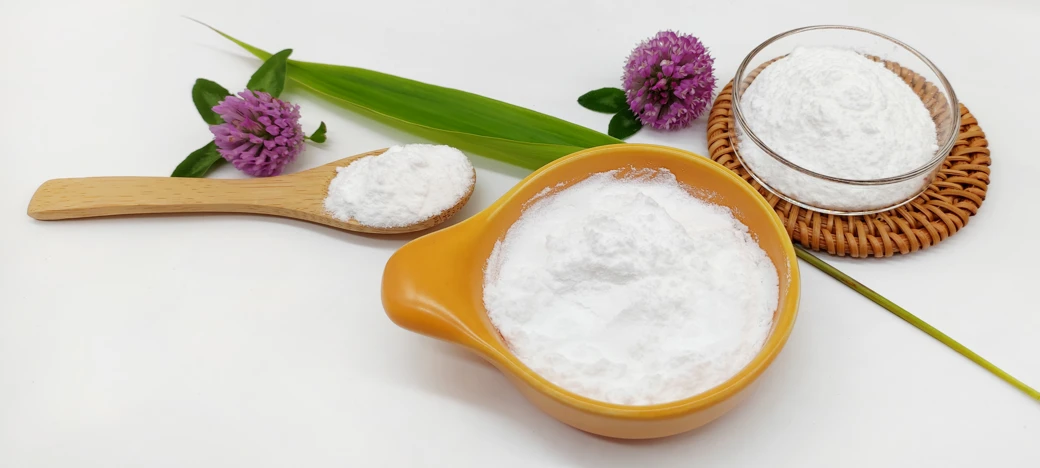
Production Source: From Chicory Fields to Pharmaceutical-Grade Powder
Why Chicory-Derived FOS Represents the Gold Standard
While Fructooligosaccharides Powder can be produced from various sources (sucrose enzymatic synthesis, Jerusalem artichoke, asparagus), **chicory inulin-derived FOS offers distinct advantages:
Chicory (*Cichorium intybus*) cultivation:
- Temperate climate crop with 150+ day growing season
- Taproots accumulate 15-20% inulin (fresh weight basis)
- Sustainable agriculture: drought-resistant, low pesticide requirements
- European varieties (Belgium, Netherlands, France) known for superior inulin quality
JOYWIN's chicory advantage:
- Contract farming partnerships: Long-term relationships with certified organic chicory growers
- Harvest optimization: Roots collected post-frost when inulin content peaks
- Traceability: GPS-tagged fields enable complete farm-to-finished-product tracking
- Sustainability: Chicory crop rotation improves soil health; processing byproducts used as animal feed
Two Production Methods: Why Enzymatic Hydrolysis Wins
Method 1: Acid hydrolysis (cheaper, lower quality)
- Uses mineral acids (HCl, H₂SO₄) to break down inulin
- Produces uncontrolled DP distribution
- Generates unwanted byproducts (HMF, colorants)
- Requires extensive purification
- Results in variable prebiotic activity
Method 2: Enzymatic hydrolysis (our method)
- Uses specific endo-inulinase enzymes
- Produces controlled, consistent DP distribution
- Minimal byproduct formation
- Gentle processing preserves molecular integrity
- Superior taste and color profile
Our enzymatic advantage:
- Pharmaceutical-grade enzymes (non-GMO sources)
- Optimized pH (5.0-6.0) and temperature (50-60°C) conditions
- Precise reaction time control for target DP profile
- Enzyme deactivation and removal ensures zero residual activity
- Reproducible results batch after batch
Molecular Composition & Specifications
Oligosaccharide Profile
Our Fructooligosaccharides Powder contains a carefully controlled distribution of oligomers:
DP distribution (by HPLC analysis):
- DP2 (1-kestose): 10-20%
- DP3 (nystose): 35-45%
- DP4 (fructosylnystose): 25-35%
- DP5-8: 10-15%
- DP≥9: <5%
Why this matters: The DP2-4 range provides optimal bifidogenic effect with excellent digestive tolerance. Too much DP2 (simple sugars) reduces prebiotic specificity; too much DP≥5 increases fermentation intensity and potential discomfort.
Technical Specifications (Certificate of Analysis)
|
Parameter |
Specification |
Test Method |
|
Composition |
||
|
Appearance |
White to off-white powder |
Visual |
|
FOS Content (dry basis) |
≥95.0% |
HPLC |
|
Fructose + Glucose + Sucrose |
≤5.0% |
HPLC |
|
Degree of Polymerization |
DP 2-8 (≥90%) |
HPLC |
|
Physical Properties |
||
|
Moisture |
≤5.0% |
Karl Fischer / Gravimetric |
|
Ash |
≤0.5% |
USP <281> |
|
pH (10% solution, 25°C) |
5.0-7.0 |
Potentiometric |
|
Bulk Density |
0.50-0.70 g/mL |
USP <616> |
|
Particle Size |
95% through 80 mesh |
USP <786> |
|
Solubility (25°C) |
≥80 g/100mL water |
Gravimetric |
|
Sweetness |
||
|
Relative Sweetness |
30-50% (vs. sucrose) |
Sensory panel |
|
Caloric Value |
||
|
Energy |
~1.5 kcal/g (6.3 kJ/g) |
Calculated |
|
Heavy Metals |
||
|
Lead (Pb) |
≤0.5 ppm |
ICP-MS |
|
Arsenic (As) |
≤0.3 ppm |
ICP-MS |
|
Cadmium (Cd) |
≤0.3 ppm |
ICP-MS |
|
Mercury (Hg) |
≤0.1 ppm |
ICP-MS |
|
Microbiological |
||
|
Total Plate Count |
≤1,000 CFU/g |
USP <2021> |
|
Yeast & Mold |
≤100 CFU/g |
USP <2021> |
|
Coliforms |
≤10 CFU/g |
USP <2022> |
|
E. coli |
Negative/10g |
USP <2022> |
|
Salmonella |
Negative/25g |
USP <2022> |
|
Contaminants |
||
|
Pesticide Residues |
Complies with EU Reg. 396/2005 |
GC-MS/LC-MS |
|
PAHs (sum of 4) |
≤10 ppb |
GC-MS |
|
Dioxins & PCBs |
Complies with EU Reg. 1881/2006 |
GC-MS/MS |
Shelf Life: 24 months in original sealed packaging
Storage: Cool (<25°C), dry (<60% RH), protected from light
Packaging: 25kg multi-layer kraft paper bags with PE liner (food-grade)
Manufacturing Process: Precision Engineering for Consistent Quality
Our 7-stage production process combines traditional chicory processing with cutting-edge enzymatic technology.
Stage 1: Raw Material Reception & Preparation
Chicory root processing:
- Washing: Multi-stage water washing removes soil and field debris
- Inspection: Automated optical sorting eliminates damaged or diseased roots
- Slicing: Thin slices (2-3mm) maximize extraction efficiency
- Quality check: Inulin content verification (HPLC spot test)
Stage 2: Hot Water Extraction
Inulin extraction:
- Temperature: 80-85°C for 60-90 minutes
- Ratio: 1:3 chicory to water
- Multiple extractions: 2-3 sequential extractions maximize yield
- Filtration: Removal of fiber, protein, and particulate matter
- Concentration: Vacuum evaporation to 30-40% solids
Quality control: Brix monitoring, inulin content verification
Stage 3: Enzymatic Hydrolysis (Core Technology)
Precision enzyme treatment:
- Enzyme: Endo-inulinase (EC 3.2.1.7) from non-GMO *Aspergillus niger*
- Dosage: Optimized for target DP distribution (proprietary ratio)
- pH adjustment: 5.5-6.0 (optimal enzyme activity)
- Temperature: 55-60°C (enzyme stability range)
- Reaction time: 4-8 hours (monitored by HPLC)
- Endpoint determination: Real-time DP profiling ensures consistency
Why this matters: Precise control of enzyme concentration, temperature, and time determines the final DP distribution-the key factor affecting prebiotic efficacy and digestive tolerance.
Stage 4: Enzyme Deactivation & Purification
Multi-step purification:
- Heat inactivation: 95°C for 10 minutes (denatures enzymes)
- pH adjustment: Neutralization to pH 6.5-7.0
- Activated carbon treatment: Removes color bodies, residual proteins, odors
- Ultrafiltration: Molecular weight cutoff membranes remove high-MW impurities
- Ion exchange: Removes minerals, salts, and charged impurities
- Final filtration: 0.45μm removes particulates
Result: Crystal-clear solution with >95% FOS purity
Stage 5: Concentration & Crystallization
Concentration:
- Vacuum evaporation: Low-temperature (50-55°C) concentration to 70-75% solids
- Prevents degradation: Minimal heat exposure preserves FOS structure
Optional crystallization (for higher purity grades):
- Controlled cooling induces selective FOS crystallization
- Centrifugation separates crystals from mother liquor
- Washing removes residual monosaccharides
Stage 6: Spray Drying
Powder production:
- Inlet temperature: 160-180°C
- Outlet temperature: 80-95°C
- Atomization: Pressure nozzle or centrifugal atomizer
- Drying chamber: Co-current flow for gentle drying
- Cyclone separation: Efficient powder recovery
- Cooling: Fluid bed cooler reduces temperature to <40°C
Result: Free-flowing, fine white powder with excellent reconstitution properties
Stage 7: Quality Control & Packaging
Final testing:
- Identity: HPLC fingerprint matching reference standard
- Purity: FOS content, monosaccharide content, DP distribution
- Safety: Heavy metals, pesticides, microbiology, contaminants
- Physical: Moisture, ash, particle size, solubility, pH
Packaging:
- Environment: Clean room (Class 100,000) with positive pressure
- Materials: Food-grade multi-layer kraft bags with PE liner
- Sealing: Heat-sealed with tamper-evident features
- Labeling: Batch number, production date, expiry, storage instructions
- Palletization: Stretch-wrapped pallets for stable transport
Documentation: Each batch includes COA, MSDS, allergen statement, GMO declaration, certificates
Quality Assurance: Pharmaceutical Standards for Food Ingredients
Comprehensive Testing Protocol
Raw material testing:
- Chicory root identity verification (botanical authentication)
- Inulin content and DP distribution
- Pesticide residue screening (>500 compounds)
- Heavy metal analysis
- Microbial contamination check
In-process monitoring:
- Hourly pH and temperature logging during enzymatic hydrolysis
- HPLC sampling every 2 hours to track DP evolution
- Enzyme activity verification
- Purification efficiency (conductivity, UV absorbance)
- Spray dryer parameters (inlet/outlet temp, feed rate, moisture)
Finished product release testing:
- Full COA panel (100% batch testing, not sampling)
- Stability indicator testing (color, taste, solubility)
- Packaging integrity verification
- Label accuracy review
Retention & stability:
- Retain samples stored for 3 years (traceability)
- Accelerated stability: 40°C/75% RH for 6 months
- Real-time stability: 25°C/60% RH for 24+ months
- Annual re-testing confirms shelf-life claims
Certifications & Compliance
Manufacturing certifications:
- **ISO 22000**: Food Safety Management System
- **ISO 9001**: Quality Management System
- **FSSC 22000**: Food Safety System Certification
- **HACCP**: Hazard Analysis Critical Control Points
- **GMP**: Good Manufacturing Practices (NSF/ANSI 455)
- **BRC**: British Retail Consortium (Grade AA)
- **Kosher**: Orthodox Union or equivalent
- **Halal**: Islamic Food and Nutrition Council of America (IFANCA)
Product certifications:
- **Organic**: USDA NOP, EU, JAS (organic chicory source available)
- **Non-GMO**: Verified non-genetically modified (chicory and enzymes)
- **Vegan**: No animal-derived ingredients or processing aids
- **Allergen-free**: Free from major allergens (gluten, dairy, soy, nuts, etc.)
Regulatory compliance:
- **USA**: GRAS (Generally Recognized as Safe), FDA compliant
- **EU**: Novel Food Regulation (EC) No 258/97 (long history of safe use)
- **Canada**: Approved prebiotic ingredient
- **Australia/New Zealand**: FSANZ approved
- **China**: GB standards compliant
- **Japan**: Food additive approval
Traceability & Transparency
Complete chain of custody:
- Chicory field GPS coordinates and harvest dates
- Extraction batch records with time-stamped process data
- Enzyme lot numbers and supplier documentation
- Packaging material certificates
- Transportation records and storage conditions
Customer access:
- Online batch tracking system (coming 2026)
- Facility audit invitations (virtual or in-person)
- Third-party testing verification encouraged
- Regulatory support documentation library
Distinctive Advantages: Why JOYWIN FOS Outperforms Commodity Alternatives
1. Optimized DP Distribution for Maximum Efficacy
The problem: Generic FOS products have uncontrolled DP profiles-some batches heavy in DP2 (minimal prebiotic effect), others in DP≥6 (excessive fermentation, digestive discomfort).
Our solution:
- Precisely controlled DP2-8 distribution (≥90%)
- DP3-4 dominant (60-80% of total) for optimal bifidogenic effect
- Minimal DP≥9 (<5%) reduces fermentation intensity
- Batch-to-batch consistency (CV <5%) ensures predictable formulation performance
Clinical relevance: Studies show DP3-4 oligofructose has the strongest selective fermentation by *Bifidobacterium* species with best tolerability profile.
2. Superior Purity: ≥95% FOS Content
The problem: Many "FOS 95%" products actually contain 10-20% monosaccharides (glucose, fructose, sucrose), reducing prebiotic density and adding unwanted calories.
Our solution:
- Guaranteed ≥95% FOS (by HPLC, not just calculation)
- ≤5% monosaccharides + disaccharides
- Extensive purification removes simple sugars
- True prebiotic fiber content matches label claims
Formulation benefit: Higher purity means you can deliver 5g prebiotic fiber in a smaller serving size, improving consumer compliance.
3. Exceptional Solubility & Processing Ease
The problem: Some FOS powders clump, dissolve slowly, or leave residue-complicating manufacturing and affecting finished product quality.
Our solution:
- Instant cold-water solubility (>80g/100mL)
- Fine particle size (95% through 80 mesh) for smooth texture
- Non-hygroscopic powder (proper spray drying) resists caking
- Excellent flow properties (bulk density 0.50-0.70 g/mL)
Manufacturing advantages:
- Direct blending into dry mixes without pre-dissolution
- No specialized mixing equipment required
- Reduced processing time and energy costs
- Consistent dispersion in liquids (no settling)
4. Clean Taste Profile for Better Consumer Acceptance
The problem: Off-flavors from acid hydrolysis or contamination ruin product palatability, especially in beverages and chewables.
Our solution:
- Enzymatic production yields clean, neutral-sweet taste
- Activated carbon treatment removes residual flavors
- No bitter or chemical aftertaste
- Mild sweetness (30-50% sucrose) enhances formulations
Sensory testing: Blind taste panels rate our FOS significantly higher in "overall acceptability" vs. acid-hydrolyzed competitors.
5. Rigorous Contaminant Control
The problem: Agricultural ingredients risk pesticide residues, heavy metals, and microbial contamination-regulatory nightmares for supplement brands.
Our solution:
- Pesticide screening: >500 compounds tested, complies with strictest EU limits
- Heavy metals: Pb <0.5ppm, As <0.3ppm (well below regulatory limits)
- Microbiology: Low TPC (<1,000 CFU/g), pathogen-free
- Mycotoxin testing: Aflatoxins, ochratoxin A, zearalenone screened
- PAH/dioxin testing: Complies with EU food safety regulations
Peace of mind: Our FOS passes California Prop 65, EU Novel Food, and Health Canada requirements without additional treatment.
6. Sustainable & Ethical Sourcing
Environmental commitment:
- Chicory cultivation improves soil health (deep taproot breaks compaction)
- Low water requirements vs. other crops
- Minimal pesticide/herbicide use (naturally pest-resistant)
- Processing byproducts (chicory pulp) used as animal feed or compost
- Energy-efficient spray drying with heat recovery
Social responsibility:
- Fair pricing for contract farmers
- Long-term partnerships support rural communities
- Safe working conditions (certified by third-party audits)
- Transparent supply chain (no forced labor, child labor)
Scientific Evidence: Proven Prebiotic Benefits
Selective Gut Microbiota Modulation
Mechanism: FOS resists digestion in the upper GI tract, reaching the colon intact where beneficial bacteria ferment it selectively.
Key research:
-Bifidobacterium proliferation: Human trials show 5-10g FOS daily increases *Bifidobacterium* populations by 10-100 fold within 1-2 weeks (*British Journal of Nutrition*, 2017).
- Lactobacillus support: Moderate increases in *Lactobacillus* species observed (*Nutrients*, 2019).
- Pathogen suppression: Competitive exclusion and SCFA production inhibit *Clostridium difficile*, *E. coli*, and other pathogens (*Gut Microbes*, 2018).
Dose-response: Prebiotic effects observable at 2.5-5g/day; optimal benefits at 5-10g/day; higher doses (>15g/day) may cause digestive discomfort in sensitive individuals.
Short-Chain Fatty Acid (SCFA) Production
Mechanism: Bacterial fermentation of FOS produces acetate, propionate, and butyrate-bioactive metabolites with systemic health effects.
Key research:
- Butyrate production: Primary energy source for colonocytes, supports intestinal barrier integrity (*Cell Host & Microbe*, 2018).
- Acetate & propionate: Cross intestinal barrier, influence liver metabolism, appetite regulation, immune function (*Nature Reviews Gastroenterology & Hepatology*, 2019).
- pH reduction: SCFA production lowers colonic pH (6.5→5.5), inhibiting pathogenic bacteria and enhancing mineral absorption (*American Journal of Clinical Nutrition*, 2016).
Clinical measurement: FOS supplementation (10g/day) increases fecal SCFA concentrations by 20-40% within 2 weeks.
Digestive Health & Regularity
Mechanism: Increased bacterial biomass and SCFA-induced water retention improve stool characteristics.
Key research:
- Constipation relief: Meta-analysis of 7 RCTs (n=471) found FOS supplementation (5-20g/day) significantly increased stool frequency and improved consistency (*World Journal of Gastroenterology*, 2017).
- IBS symptom management: Low-dose FOS (3-6g/day) improved bloating and abdominal discomfort in IBS-C patients (*Alimentary Pharmacology & Therapeutics*, 2018).
- Transit time: Moderate reduction in whole-gut transit time without causing diarrhea (*Neurogastroenterology & Motility*, 2016).
Clinical note: Start with low doses (2.5-5g/day) and gradually increase to minimize adaptation symptoms (gas, bloating).
Immune System Support
Mechanism: Gut microbiota modulation influences systemic immunity through multiple pathways.
Key research:
- GALT stimulation: Increased *Bifidobacterium* enhances gut-associated lymphoid tissue (GALT) function (*Frontiers in Immunology*, 2019).
- Cytokine modulation: FOS supplementation reduced pro-inflammatory cytokines (IL-6, TNF-α) in obese individuals (*Nutrition & Metabolism*, 2018).
- Infection resistance: Prebiotic feeding reduced incidence and duration of common cold in elderly populations (*British Journal of Nutrition*, 2016).
Metabolic Health Benefits
Mechanism: SCFA production, gut hormone modulation, and microbiota shifts influence glucose and lipid metabolism.
Key research:
- Blood glucose: Systematic review found FOS supplementation (8-10g/day) reduced fasting blood glucose by 5-8 mg/dL in prediabetic individuals (*Nutrition Reviews*, 2018).
- Insulin sensitivity: Improved HOMA-IR scores in metabolic syndrome patients (*European Journal of Clinical Nutrition*, 2017).
- Lipid profile: Modest reductions in total cholesterol (3-5%) and triglycerides (5-10%) with 10-20g/day FOS (*Obesity Reviews*, 2019).
- Weight management: Increased satiety hormone PYY and GLP-1 secretion; modest weight loss (1-2kg over 12 weeks) in overweight adults (*Appetite*, 2018).
Calcium & Mineral Absorption
Mechanism: SCFA-induced pH reduction enhances mineral solubility and absorption in the colon.
Key research:
- Calcium bioavailability: FOS supplementation (8g/day) increased calcium absorption by 15-20% in adolescents (*American Journal of Clinical Nutrition*, 2015).
- Magnesium absorption: Similar enhancement observed for magnesium (*Journal of Nutrition*, 2016).
- Bone health: Year-long FOS supplementation improved bone mineral density in postmenopausal women (*Osteoporosis International*, 2017).
Application: Particularly valuable in calcium-fortified products and bone health formulations.
Application Scenarios: Versatile Solutions Across Categories
Digestive Health Supplements
Target market: Gut health, regularity, microbiome support, IBS management
Formulation strategies:
- Standalone prebiotic: 5-10g FOS per serving in powder or capsule form
- Synbiotic combinations: FOS + probiotics (*Bifidobacterium*, *Lactobacillus*) for synergistic effect
- Fiber blends: FOS + psyllium + acacia fiber for comprehensive digestive support
- *Digestive enzymes: FOS + amylase, lipase, protease for complete digestive wellness
Dosing recommendations:
- Maintenance: 2.5-5g daily
- Therapeutic: 5-10g daily
- Maximum: 15g daily (split into 2-3 doses)
Case example: A European gut health brand formulated a "Microbiome Reset" powder with 8g JOYWIN FOS, 50 billion CFU multi-strain probiotics, and digestive enzymes. Consumer feedback highlighted:
- Noticeable improvement in regularity within 3-5 days
- Minimal gas/bloating (attributed to optimized DP distribution)
- Pleasant taste enabling daily compliance
- 73% repurchase rate within 60 days
Weight Management & Satiety Products
Target market: Appetite control, metabolic support, healthy weight loss
Formulation strategies:
- Meal replacement shakes: 5-8g FOS for satiety enhancement and fiber content
- Pre-meal supplements: 3-5g FOS 30 minutes before meals to increase fullness
- Metabolic support: FOS + green tea extract + chromium for glucose management
- Fiber gummies: 2-3g FOS per serving for convenient fiber supplementation
Mechanism: FOS increases GLP-1 and PYY secretion (satiety hormones), slows gastric emptying, and reduces caloric absorption.
Case example: A North American weight management brand added 6g FOS to their meal replacement shake, enabling:
- "High fiber" claim (5g+ per serving)
- Improved satiety scores in consumer testing (+32% vs. control)
- Reduced post-shake hunger ratings
- Prebiotic benefit as additional selling point
Functional Foods & Beverages
Target market: Health-conscious consumers seeking functional benefits in everyday foods
Formulation strategies:
- Protein bars: 3-5g FOS for fiber fortification and binding properties
- Yogurt & dairy: 2-4g FOS enhances probiotic survival and prebiotic claim
- Beverages: 2-5g FOS in ready-to-drink wellness shots, kombuchas, functional waters
- Baked goods: FOS as partial sugar replacement (30-50% substitution) with added fiber
- Cereals & granola: 3-6g FOS per serving for "good source of fiber" claim
Technical benefits:
- Excellent heat stability (baking, pasteurization, UHT)
- Acid stability (pH 3.0-7.0) for beverage applications
- Maillard reaction participation (browning in baked goods)
- Moisture retention (improves texture, extends shelf life)
Case example: A Japanese functional beverage company created a "Gut Health Latte" with 4g FOS, collagen peptides, and MCT oil. Product success factors:
- Clean label (only 5 ingredients)
- Mild sweetness from FOS reduced added sugar by 40%
- Prebiotic + protein positioning attracted health-conscious millennials
- Shelf-stable format (UHT processing) enabled wide distribution
Children's Nutrition
Target market: Pediatric digestive health, picky eaters, immune support
Formulation strategies:
- Gummies: 1-2g FOS per gummy for gentle prebiotic support
- Chewable tablets: 1.5-3g FOS with vitamins/minerals
- Powder mixes: 2-4g FOS in chocolate or vanilla flavored drinks
- Probiotic supplements: FOS + kid-friendly probiotic strains
Pediatric considerations:
- Lower doses (1-5g/day) appropriate for children
- Taste is critical-FOS mild sweetness helps mask other ingredients
- Safety profile excellent (no known adverse effects in children)
- Supports healthy growth and development
Case example: A US pediatric supplement brand developed "Tummy Buddies" chewables with 2g FOS, 5 billion CFU *Bifidobacterium infantis*, and vitamin D. Parent feedback:
- Kids actually asked for their "gummy" (taste acceptance)
- Reduced tummy aches and irregular bowel movements
- Fewer sick days (immune support benefit)
- Pediatrician-recommended status boosted credibility
Sports Nutrition & Performance
Target market: Athletes, fitness enthusiasts, gut health during training
Formulation strategies:
- Post-workout recovery: FOS + protein + BCAAs for gut health during intense training
- Endurance formulas: Low-dose FOS (2-3g) to support gut barrier integrity
- Immune support: FOS + vitamin C + zinc for athletes prone to infections
- Protein powders: 3-5g FOS improves mixability and adds prebiotic benefit
Athletic considerations:
- High-intensity exercise can compromise gut barrier ("leaky gut")
- Prebiotic support may reduce exercise-induced GI distress
- Immune function often suppressed after intense training
- FOS low caloric value fits macro-tracking athletes
Case example: A European sports nutrition brand added 4g FOS to their plant-based protein powder, resulting in:
- Improved digestibility scores vs. previous formula
- "Gut-friendly protein" marketing angle
- Reduced bloating complaints (common with plant proteins)
- Crossover appeal to general wellness market
Senior Nutrition & Healthy Aging
Target market: Elderly populations, age-related digestive decline, bone health
Formulation strategies:
- Senior multivitamins: 3-5g FOS enhances calcium/magnesium absorption
- Bone health formulas: FOS + calcium + vitamin D + vitamin K2
- Digestive support: FOS + enzymes + probiotics for age-related constipation
- Immune formulas: FOS + elderberry + echinacea for infection resistance
Geriatric benefits:
- Constipation relief (common in elderly)
- Enhanced mineral absorption (critical for bone health)
- Immune support (immunosenescence)
- Cognitive health (gut-brain axis)
Case example: A Japanese healthy aging brand created a "Silver Vitality" powder with 5g FOS, collagen, calcium, and B vitamins. Clinical feedback:
- Improved regularity in 80% of users within 2 weeks
- Bone density maintenance in 12-month follow-up
- High compliance (pleasant taste, easy mixing)
- Positioned as comprehensive aging support
JOYWIN Manufacturing Facilities
JOYWIN founded in 2013 is an innovation-driven biotechnology company. we provide the manufacture of plant extracts, plant proteases, and customized products. We believe Good produce= Integrity+ Technology+Quality Control.

JOYWIN Exhibition Show
JOYWIN attend international exhibitions, including CPhI, FIC, API, Vitafoods, SupplesideWest.

FAQ
Q: What's the difference between FOS and inulin? Can I use them interchangeably?
A: While both are chicory-derived fructans, they have important differences:
Chain length**: FOS (DP 2-8) vs. inulin (DP 10-60)
Solubility: FOS is highly soluble (>80g/100mL) vs. inulin (10-15g/100mL)
Sweetness: FOS is sweeter (30-50% sucrose) vs. inulin (10% sucrose)
Fermentation: FOS ferments faster (proximal colon) vs. inulin (distal colon)
Tolerance: FOS generally better tolerated at equivalent doses
Applications:
- Use FOS when you need: high solubility, mild sweetness, gentle prebiotic effect, beverage applications
- Use inulin when you need: higher fiber content per gram, slower fermentation, fat replacement, texture modification
Combination: Many formulators use both (e.g., 60% inulin + 40% FOS) for complementary benefits-full-colon coverage and balanced fermentation.
Q: How much FOS should I include in my formulation to make prebiotic claims?
A: This depends on your target market's regulations:
USA (FDA):
- No official prebiotic definition yet
- Can use "prebiotic fiber" in structure/function claims with substantiation
- Typical effective dose: 5-8g per serving (based on published research)
- "Good source of fiber": ≥2.5g fiber per serving
- "Excellent source of fiber": ≥5g fiber per serving
EU (EFSA):
- No approved prebiotic health claims currently
- Can state "contributes to normal bowel function" with ≥12g chicory inulin/FOS per day
- Fiber content claims: "Source of fiber" (≥3g/100g or ≥1.5g/100kcal); "High fiber" (≥6g/100g or ≥3g/100kcal)
Canada (Health Canada):
- Prebiotic claims allowed with minimum 3-4g per serving
- Must demonstrate selective fermentation by beneficial bacteria
General recommendation: Include 3-10g per daily serving for meaningful prebiotic effect. Lower doses (1-3g) provide some benefit but may not support strong claims.
Our regulatory team can provide market-specific guidance and claim substantiation documentation.
Q: Will FOS cause digestive discomfort like some fiber supplements?
A: FOS is generally well-tolerated, but individual responses vary:
Factors affecting tolerance:
- Dose: Higher doses (>15g/day) increase likelihood of gas/bloating
- Adaptation: First-time users may experience temporary symptoms (1-2 weeks)
- Individual microbiome: Baseline gut bacteria composition affects fermentation intensity
- DP distribution: Our optimized DP2-8 profile minimizes excessive fermentation vs. longer-chain inulins
Minimizing discomfort:
- Start with low doses (2.5-5g/day) and gradually increase
- Split daily dose (e.g., 2.5g twice daily vs. 5g once)
- Take with meals (slows fermentation)
- Ensure adequate hydration
Clinical data: Studies show 5-10g/day FOS is well-tolerated by >90% of users. Our controlled DP distribution specifically reduces fermentation intensity compared to generic FOS or long-chain inulin.
Formulation tip: For sensitive populations (IBS, elderly, children), recommend starting doses of 1-3g/day.
Q: Is FOS suitable for diabetics and low-carb diets?
A: Yes, FOS is an excellent choice for these populations:
Glycemic impact:
- FOS is not digested in the small intestine (no blood glucose spike)
- Glycemic index: ~10-15 (very low)
- Does not require insulin for metabolism
- May actually improve glucose metabolism through SCFA production
Caloric value:
- ~1.5 kcal/g (vs. 4 kcal/g for digestible carbs)
- 62% calorie reduction vs. sugar
Net carbs:
- Total carbs: 100g FOS = 100g carbs
- Fiber: 95g (FOS is classified as soluble fiber)
- Net carbs: 5g (only the monosaccharide fraction)
Ketogenic diets: FOS is generally acceptable in moderate amounts (5-10g/day) as it doesn't significantly impact ketosis. However, strict keto followers may limit all carbs.
Diabetic formulations: FOS is commonly used in diabetic-friendly products as a:
- Sugar replacer (30-50% sweetness)
- Fiber source
- Prebiotic for metabolic health
Blood sugar studies: Research shows 8-10g FOS daily improves fasting glucose and insulin sensitivity in prediabetic individuals.
Q: Can FOS be used in hot-fill beverages and baked goods?
A: Absolutely-FOS has excellent thermal stability:
Heat stability:
- Stable up to 140°C for short periods (pasteurization, baking)
- Minimal degradation during typical food processing
- Some hydrolysis may occur at pH <3.5 + high heat (long-term)
Suitable applications:
- **Hot-fill beverages** (85-95°C): Fully stable, no degradation
- **HTST pasteurization** (72°C/15 sec): No issues
- **UHT treatment** (135-150°C/2-4 sec): Minimal impact
- **Baking** (180-200°C oven, internal temp ~95°C): Stable, participates in Maillard reaction (browning)
- **Retort processing** (121°C/20-40 min): Some degradation possible at pH <4.0
pH considerations:
- Most stable at pH 4.0-7.0
- At pH <3.5 (highly acidic), some hydrolysis may occur over extended shelf life
- Solution: Use slightly higher FOS level to account for minor degradation, or buffer pH
Functional benefits in baking:
- Moisture retention (softer texture, extended freshness)
- Browning enhancement (Maillard reaction)
- Partial sugar replacement (30-50% substitution possible)
- Added fiber content
Case studies: FOS is successfully used in protein bars (baking at 180°C), RTD coffee drinks (hot-fill), and UHT-processed nutritional beverages.
Q: Is your FOS non-GMO and allergen-free?
A: Yes, on both counts:
Non-GMO status:
- Chicory source: Non-GMO chicory roots (conventional breeding, no genetic modification)
- Enzymes: Derived from non-GMO *Aspergillus niger* strains (verified by supplier documentation)
- Processing aids: All non-GMO
- Verification: Third-party non-GMO testing available upon request
- Certification: Can provide Non-GMO Project Verified certification for specific batches (additional cost)
Allergen status:
FOS is free from all major allergens:
- ✓ Gluten-free (no wheat, barley, rye)
- ✓ Dairy-free (no milk, lactose, casein, whey)
- ✓ Soy-free
- ✓ Nut-free (tree nuts and peanuts)
- ✓ Egg-free
- ✓ Fish/shellfish-free
- ✓ Sesame-free
Cross-contamination prevention:
- Dedicated production lines (no allergen processing in facility)
- Allergen control program (cleaning validation, testing)
- Supplier allergen declarations verified
Documentation: We provide allergen statements and non-GMO declarations with every shipment.
Q: Can I combine FOS with probiotics in the same formulation?
A: Yes-this is highly recommended for synbiotic (synergistic probiotic + prebiotic) products:
Benefits of combination:
- FOS feeds probiotics during shelf life (improves survival)
- Enhanced colonization of probiotic strains in the gut
- Synergistic health benefits (greater than either alone)
- Marketing advantage ("synbiotic" positioning)
Compatible probiotic strains:
- Bifidobacterium species (especially *B. lactis*, *B. longum*, *B. bifidum*)
- Lactobacillus species (*L. acidophilus*, *L. plantarum*, *L. rhamnosus*)
- Bacillus spores (less dependent on FOS but still compatible)
- Saccharomyces boulardii (yeast probiotic, compatible)
Formulation considerations:
- Moisture control: Keep finished product moisture <5% (critical for probiotic stability)
- Packaging: Moisture-barrier packaging (blister packs, desiccant sachets)
- Dosing: 3-5g FOS + 1-50 billion CFU probiotics per serving (typical)
- Stability testing: Verify probiotic counts remain above label claim through expiry
Proven combinations:
- FOS + *Bifidobacterium lactis*: Excellent stability and clinical evidence
- FOS + multi-strain blends: Broad-spectrum gut health support
- FOS + spore probiotics: Extremely stable, no refrigeration needed
Case success: Many top-selling synbiotic products use FOS as the prebiotic component due to its proven bifidogenic effect and excellent stability profile.
Q: What technical support do you provide for product development?
A: JOYWIN offers comprehensive technical partnership:
Formulation consultation:
- Dosage recommendations for target health benefits
- Ingredient compatibility testing (send us your formula)
- Flavor optimization (masking strategies if needed)
- Texture and mouthfeel guidance
- Processing parameter recommendations
Stability & shelf-life:
- Accelerated stability study protocols
- Real-time stability monitoring guidance
- Packaging recommendations for optimal shelf life
- Troubleshooting degradation or quality issues
Regulatory support:
- Market-specific regulatory documentation
- Health claim substantiation (providing published research)
- Label review for compliance
- Import/export regulatory guidance
- Novel Food applications (EU), NDI notifications (USA), etc.
Quality assurance:
- Method transfer for finished product testing
- Specification development
- Supplier audit preparation
- Third-party testing coordination
Marketing support:
- Clinical study summaries and white papers
- Ingredient story for brand storytelling
- High-resolution product images
- Educational materials for sales teams
- Co-marketing opportunities
Ongoing partnership:
- Dedicated account manager (single point of contact)
- Technical hotline (email/phone support)
- Quarterly market intelligence updates
- Priority allocation during supply constraints
- Continuous improvement feedback loop
Application lab: We can conduct preliminary trials in our applications lab (beverage, powder, tablet, gummy formulations) to demonstrate feasibility before you invest in full-scale development.
For the Fructooligosaccharides Powder price, just send email to contact@joywinworld.com, or submit your requirement in bottom form, we are of service at any time!
Hot Tags: Fructooligosaccharides Powder, manufacturers, suppliers, factory, wholesale, buy, price, bulk, high quality, for sale, free sample


