

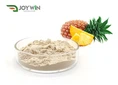
In today's health-conscious world, where individuals increasingly take proactive steps to manage their well-being through dietary supplements, questions about safety and potential side effects are both common and prudent. As a leading global manufacturer of bromelain powder, a popular proteolytic enzyme derived from pineapple stems, Joywin Natural encounters a wide range of inquiries from our B2B partners and, indirectly, from consumers worldwide. One question that occasionally surfaces in online forums and customer queries is unexpected: "Can bromelain cause anxiety?"
This question presents a critical opportunity for education. At Joywin Natural, where our core philosophy is "Good produce = Integrity + Technology + Quality Control," we believe that responsible ingredient supply is grounded in transparent science and evidence-based information. Anxiety is a serious and complex condition affecting millions, and attributing it to a specific supplement without robust evidence can cause unnecessary alarm or deter people from a beneficial ingredient.
This comprehensive analysis will directly address this concern. We will explore the established biochemical profile of bromelain, examine the physiological mechanisms of anxiety, review the full body of clinical and pharmacological research, and provide a clear, authoritative verdict. Our goal is to empower brands, formulators, and informed consumers with facts, dispelling myths and reinforcing the importance of sourcing high-quality, well-researched ingredients from certified suppliers.
Part 1: Understanding Bromelain powder: A Well-Studied Proteolytic Enzyme
1.1 What is Bromelain? Source and Core Activity
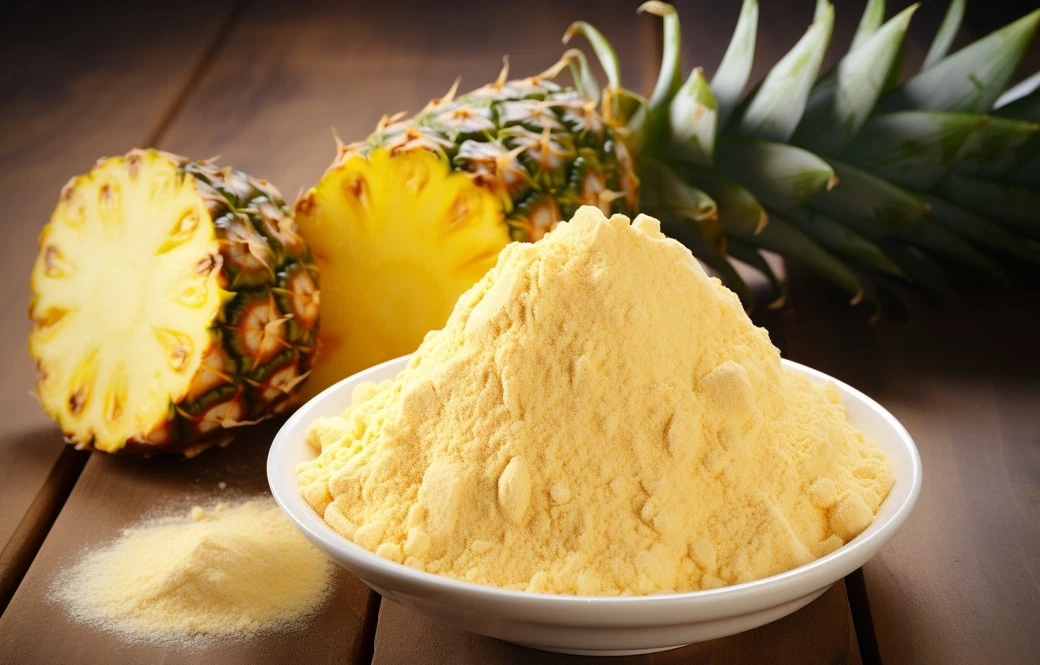
Bromelain is not a single compound but a complex mixture of proteolytic (protein-digesting) enzymes and other compounds like phosphatases, glucosidases, and peroxidases. It is most commonly extracted from the stem (Ananas comosus), though it is also present in the fruit. The stem-derived extract is standardized for activity, typically measured in Gelatin Digestion Units (GDU/g) or Milk Clotting Units (MCU).
Joywin's Manufacturing Context: As one of the four primary bromelain manufacturers globally, with our factory located in Thailand (a prime pineapple-growing region), we oversee a vertically integrated process. Our bromelain is produced under stringent cGMP, ISO, and FSSC 22000 certifications, ensuring a pure, potent, and consistent product ranging from 200 GDU/g to 2400 GDU/g.
1.2 Established Pharmacological Properties and Uses
Decades of in vitro, animal, and human clinical research have delineated bromelain's primary mechanisms and therapeutic applications:
* Anti-inflammatory Action: Its most prominent effect. Bromelain modulates key inflammatory pathways, reducing the production of pro-inflammatory prostaglandins and cytokines like TNF-α and IL-6.
* Analgesic (Pain-Relieving) Effect: Closely linked to its anti-inflammatory activity, it helps alleviate pain associated with conditions like osteoarthritis and musculoskeletal injuries.
* Fibrinolytic and Anti-Edema Effects: It aids in breaking down fibrin, a blood-clotting protein, which can help reduce swelling and improve circulation.
* Digestive Aid: As a proteolytic enzyme, it assists in the breakdown of dietary proteins in the gut, supporting digestion.
* Enhanced Antibiotic Absorption: Some studies show it can improve the absorption of certain antibiotics.
These properties underpin its use in supplements for joint health, post-exercise recovery, surgical trauma recovery, sinusitis support, and digestive wellness.
Part 2: Understanding Anxiety: A Complex Neurophysiological State
To evaluate a potential link, one must understand what anxiety is biologically.
Anxiety disorders involve dysregulation in several key systems:
* Neurotransmitter Imbalance: Primarily involving GABA (gamma-aminobutyric acid), the brain's main inhibitory "calming" neurotransmitter, as well as serotonin, norepinephrine, and glutamate.
* HPA Axis Dysregulation: The Hypothalamic-Pituitary-Adrenal (HPA) axis governs the stress response. Chronic anxiety is often linked to an overactive HPA axis and elevated levels of the stress hormone cortisol.
* Inflammatory Pathways: Emerging research in the field of psychoneuroimmunology reveals a strong link between systemic inflammation and mood disorders. Pro-inflammatory cytokines can cross the blood-brain barrier and influence neurotransmitter metabolism, potentially contributing to anxious states.
This last point is crucial, as it provides the only plausible, albeit indirect, scientific intersection with bromelain's known actions.
Part 3: Investigating the Claim: Can Bromelain powder Cause Anxiety?
Let's analyze this question through multiple lenses: direct evidence, pharmacological plausibility, and reported adverse events.
3.1 Direct Clinical Evidence: What the Research Says
A comprehensive review of the scientific literature-including databases like PubMed, Scopus, and Cochrane Library-reveals no clinical studies, case reports, or pharmacological data linking bromelain supplementation to the induction or exacerbation of anxiety in humans or animals.
In fact, the prevailing research suggests the opposite potential. Given the established link between inflammation and anxiety, bromelain's potent anti-inflammatory properties could theoretically contribute to a reduction in inflammation-driven anxious symptoms. Studies on bromelain's effect on conditions like osteoarthritis often report improvements in overall well-being alongside physical symptom relief, with no noted anxiety as a side effect.
3.2 Pharmacological Plausibility: Is There a Mechanism?
For bromelain powder to cause anxiety, it would need to:
1.Cross the blood-brain barrier in significant amounts to directly affect CNS neurotransmitters.
2.Possess a pharmacological property that decreases GABA activity, increases glutamate/norepinephrine, or stimulates the HPA axis.
The Scientific Consensus: Bromelain is a large protein complex. Current evidence indicates it is poorly absorbed across the blood-brain barrier. Its primary actions occur in the systemic circulation and peripheral tissues (joints, digestive tract, sites of injury). There is no known receptor or enzyme target for bromelain within the brain's anxiety pathways (e.g., GABA-A receptors, serotonin transporters). Therefore, a direct, causative mechanistic pathway for bromelain inducing anxiety is not supported by its known pharmacology.
3.3 Analysis of Reported Side Effects and Safety Profiles
Authoritative safety reviews from sources like the European Food Safety Authority (EFSA) and the German Commission E (a respected regulatory body for herbal medicines) document bromelain's side effect profile. The most common are:
* Mild Gastrointestinal Distress: Nausea, diarrhea, or abdominal discomfort, especially at high doses.
* Allergic Reactions: Possible in individuals allergic to pineapple, celery, carrot, or other allergens due to cross-reactivity.
* Increased Menstrual Bleeding: Due to its mild anti-platelet (blood-thinning) effect.
* Drug Interactions: Potential to increase absorption of antibiotics like amoxicillin or to potentiate the effects of anticoagulant drugs (e.g., warfarin, aspirin).
Notably, anxiety is absent from every major scientific listing of bromelain's adverse reactions.
Part 4: Exploring the Origins of the Myth and Alternative Explanations
If the science doesn't support a link, why does this question exist online?
1.Correlation vs. Causation (The Post Hoc Fallacy): An individual might take bromelain powder and later experience anxiety due to an unrelated life stressor, health issue, or another supplement/drug. The temporal sequence is mistaken for a causal relationship.
2.The "Nocebo" Effect: The opposite of the placebo effect. If a person reads an unsubstantiated claim that a supplement can cause anxiety, the power of suggestion may actually trigger anxious feelings after ingestion.
3.Misattribution of Physical Sensations: High doses of bromelain can cause GI upset. For some, the physical sensation of stomach discomfort or cramping can be misinterpreted as or trigger feelings of generalized anxiety.
4.Underlying Health Conditions: Individuals with pre-existing conditions like histamine intolerance or Mast Cell Activation Syndrome (MCAS) may react to various foods and supplements. While not typical, a complex plant extract could theoretically trigger a mediator release in a highly sensitive individual, which might include symptoms like heart palpitations or restlessness that feel like anxiety. This is not a common effect of bromelain but highlights why individuals with complex conditions should consult a doctor.
5.Low-Quality or Adulterated Products: This is a critical point for suppliers and brands. Low-grade bromelain from uncertified sources may contain impurities, fillers, or undeclared stimulants (e.g., caffeine analogues) that could contribute to jitteriness or anxiety. This underscores the vital importance of sourcing from certified, transparent manufacturers like Joywin.
Part 5: Bromelain, Inflammation, and Anxiety: A Potential Positive Link
As mentioned, the most compelling scientific narrative is not of causation but of potential alleviation.
* The Inflammation-Anxiety Cycle: Chronic low-grade inflammation is now recognized as a potential contributor to neuroinflammation and mood disorders.
* Bromelain as a Modulator: By systemically reducing inflammatory cytokines (e.g., TNF-α, IL-6), a high-quality bromelain supplement could, in theory, help modulate one physiological driver of anxiety. While not a treatment for anxiety disorders, this supports its role in a holistic approach to wellness where reducing systemic stress on the body is key.
Part 6: Responsible Use and Sourcing: The Joywin Natural Standard
Safety is paramount. Whether you are a formulator or a consumer, these guidelines ensure safe and effective use:
6.1 Recommended Dosage and Best Practices
* Standard Dosage: Typical supplemental doses range from 250 mg to 1000 mg daily of bromelain standardized to 2000-2400 GDU/g, often divided into 2-3 doses taken between meals (for systemic anti-inflammatory effects) or with meals (for digestive support).
* Start Low, Go Slow: Begin with a lower dose to assess personal tolerance.
* Consult Healthcare Providers: Essential for individuals taking anticoagulants, antibiotics, who are pregnant/breastfeeding, who have pineapple allergies, or who have scheduled surgery.
6.2 The Imperative of Premium Sourcing
The question of side effects cannot be separated from questions of quality. Anxiety linked to a "bromelain" product is far more likely to stem from an impure or mislabeled ingredient than from pure, pharmaceutical-grade bromelain powder.
What to Demand from a Supplier (The Joywin Checklist):
* Activity Standardization: The product must be labeled with its GDU/g or MCU potency. A "500 mg" capsule is meaningless without knowing its enzymatic strength.
* Purity Certifications: Look for cGMP, ISO, FSSC 22000, Halal, and Kosher certifications that guarantee rigorous manufacturing controls.
* Comprehensive Third-Party Testing: A Certificate of Analysis (CoA) should verify:
Potency (GDU/g)
Absence of microbial contamination (Salmonella, E. coli, total plate count)
Heavy metals (lead, arsenic, cadmium, mercury) within safe limits
Absence of major allergens if produced in a dedicated facility
* Transparent Origin: Knowing the extract is derived from pineapple stems (not fruit filler) and processed in a dedicated facility (like our Thailand plant) ensures consistency and quality.
Conclusion: A Verdict Based on Evidence
Can bromelain powder cause anxiety? Based on a thorough review of decades of pharmacological research, clinical studies, and adverse event reporting, the definitive answer is no, there is no credible scientific evidence that pure, high-quality bromelain causes anxiety.
Its molecular properties, absorption profile, and well-documented mechanisms of action do not support a pathway for inducing anxiety. In contrast, its systemic anti-inflammatory effects may indirectly support emotional well-being by mitigating a known physiological contributor to mood dysregulation.
The persistence of this myth online likely stems from the common pitfalls of anecdotal reporting, the nocebo effect, and the critical variable of ingredient quality. This highlights a core tenet of our business: in the supplement industry, safety and efficacy are inextricably linked to integrity and quality control.
For brands and formulators, this provides a clear mandate: source your bromelain from partners who provide not just a product, but a full dossier of trust-verified potency, impeccable certifications, and transparent manufacturing. By doing so, you can confidently assure your customers of the safety and benefits of this remarkable enzyme, allowing them to experience its supportive effects for joint, digestive, and overall health without unwarranted concern.
JOYWIN founded in 2013 is an innovation-driven biotechnology company. The JOYWIN Bromelain factory located in Thailand makes use of local abundant resources to provide customers with various specifications of bromelain products. From 200GDU/g to 2400GDU/g. Holding bromelain workshops, plant protease workshops, and warehouses also own cutting-edge facilities and strict quality control systems. As one of four bromelain manufacturers in the world, we are FSSC22000, ISO9001, ISO14001, ISO22000, BRC, and Cgmp-certified factory. If you want to know more about Bromelain Powder or are interested in purchasing it, you can send an email to contact@joywinworld.com. We will reply to you as soon as possible after we see the message.