

In the rapidly evolving world of dietary supplements and functional foods, inulin has emerged as one of the most sought-after prebiotic fibers. As a supplier of dietary supplement ingredients, understanding the nuances between different inulin sources is crucial for manufacturers, formulators, and health-conscious consumers alike. This comprehensive guide explores the key differences, benefits, and applications of two primary inulin sources: chicory inulin and Jerusalem artichoke inulin powder
Inulin, a naturally occurring polysaccharide, has gained significant attention in recent years due to its remarkable prebiotic properties, ability to support digestive health, and potential metabolic benefits. While both chicory and Jerusalem artichoke serve as excellent sources of this valuable fiber, they possess distinct characteristics that make them suitable for different applications and consumer needs.
Understanding Inulin: The Prebiotic Powerhouse
What is Inulin?
Inulin is a type of soluble dietary fiber classified as a fructan-a polymer of fructose molecules linked together. According to research published in the Journal of Nutrition, inulin resists digestion in the upper gastrointestinal tract and reaches the colon intact, where it serves as a preferred food source for beneficial gut bacteria (Roberfroid et al., 2010).
The molecular structure of inulin consists of β(2→1) fructosyl-fructose linkages, typically with a terminal glucose unit. The degree of polymerization (DP) can vary significantly, ranging from 2 to 60 fructose units, which directly impacts its functional properties and physiological effects.
The Growing Demand for Inulin in Dietary Supplements
The global inulin market has experienced substantial growth, with market research indicating a projected CAGR of 7.2% from 2023 to 2030. This surge in demand stems from:
* Increasing consumer awareness of gut health and the microbiome
* Rising prevalence of digestive disorders
* Growing demand for natural sweeteners and sugar alternatives
* Expansion of functional food and beverage markets
* Scientific validation of prebiotic benefits
Chicory Inulin: The Industry Standard
Source and Extraction
Chicory inulin is derived from the roots of Cichorium intybus, commonly known as chicory. This perennial herbaceous plant has been cultivated for centuries, primarily in Europe, and its roots can contain up to 20% inulin by fresh weight.
The extraction process typically involves:
1. Harvesting: Chicory roots are harvested after 150-180 days of growth
2. Washing and slicing: Roots are cleaned and cut into thin slices
3. Hot water extraction: Inulin is extracted using hot water diffusion
4. Purification: The extract undergoes filtration and purification
5. Concentration and drying: The purified inulin is concentrated and spray-dried
Characteristics of Chicory Inulin
Molecular Profile
Chicory inulin typically has a degree of polymerization (DP) ranging from 2 to 60, with an average DP of 10-12. This molecular diversity contributes to its versatile functionality in various applications.
Nutritional Properties
* Caloric value: Approximately 1.5 kcal/g
* Solubility: Highly soluble in water
* Sweetness: About 10% as sweet as sucrose
* Dietary fiber content: 90-95% on a dry basis
Functional Benefits
Research published in the British Journal of Nutrition demonstrates that chicory inulin:
* Promotes the growth of beneficial bacteria, particularly Bifidobacteria and Lactobacilli
* Enhances calcium absorption and bone mineral density
* Supports healthy blood glucose levels
* Contributes to satiety and weight management
* Improves bowel regularity
Applications in Dietary Supplements
Chicory inulin's widespread use in the supplement industry stems from its:
* Consistent quality: Standardized extraction processes ensure batch-to-batch consistency
* Neutral taste: Minimal impact on product flavor profiles
* Excellent solubility: Easy incorporation into various formulations
* Cost-effectiveness: Established supply chains and economies of scale
* Regulatory acceptance: GRAS status in the United States and approved novel food status in Europe

Jerusalem Artichoke Inulin Powder: The Premium Alternative
Source and Characteristics
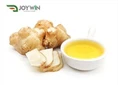
Jerusalem artichoke inulin powder is extracted from the tubers of Helianthus tuberosus, also known as sunchoke or earth apple. Despite its name, Jerusalem artichoke is neither from Jerusalem nor related to artichokes-it's actually a species of sunflower native to North America.
Unique Properties of Jerusalem Artichoke Inulin
Higher Inulin Concentration
Jerusalem artichoke tubers can contain up to 16-20% inulin by fresh weight, with some cultivars reaching even higher concentrations. The inulin content varies seasonally, with peak levels occurring after the first frost when starches convert to inulin.
Distinct Molecular Structure
Jerusalem artichoke inulin powder typically exhibits:
* Degree of polymerization: DP ranging from 2 to 60, with a higher proportion of longer chains
* Average DP: 10-15, slightly higher than chicory inulin
* Fructose:Glucose ratio: Higher fructose content
Enhanced Prebiotic Activity
Studies published in Applied and Environmental Microbiology suggest that Jerusalem artichoke inulin powder may demonstrate superior prebiotic effects due to its unique molecular composition. The higher proportion of long-chain inulin molecules provides sustained fermentation in the colon, potentially offering prolonged benefits.
Nutritional and Functional Advantages
Micronutrient Profile
Beyond inulin, Jerusalem artichoke inulin powder contains:
* Vitamins: Thiamine (B1), niacin (B3), and vitamin C
* Minerals: Potassium, iron, and phosphorus
* Antioxidants: Phenolic compounds and flavonoids
Glycemic Impact
Research in the Journal of Agricultural and Food Chemistry indicates that Jerusalem artichoke inulin powder has a minimal glycemic impact, making it particularly suitable for:
* Blood sugar management supplements
* Products targeting metabolic health
* Formulations for individuals with insulin resistance
Applications and Market Position
Jerusalem artichoke inulin powder is increasingly favored for:
* Premium supplement formulations: Brands seeking differentiation
* Organic products: Easier organic certification due to cultivation practices
* Specialty dietary supplements: Targeting specific health outcomes
* Functional beverages: Enhanced nutritional profile
* Sports nutrition: Supporting gut health in athletes
Head-to-Head Comparison: Chicory Inulin vs Jerusalem Artichoke Inulin Powder
1. Source and Sustainability
Chicory Inulin:
* Established agricultural infrastructure
* Primarily cultivated in Europe (Belgium, Netherlands, France)
* Requires specific climate conditions
* Well-developed supply chain
Jerusalem Artichoke Inulin Powder:
* More adaptable to various climates
* Can grow in marginal soils
* Lower water requirements
* Potential for local sourcing in diverse regions
* More sustainable cultivation practices
2. Molecular Composition and Structure
|
Parameter |
Chicory Inulin |
Jerusalem Artichoke Inulin Powder |
|
Average DP |
10-12 |
10-15 |
|
DP Range |
2-60 |
2-60 |
|
Long-chain fraction |
Moderate |
Higher |
|
Short-chain fraction |
Higher |
Moderate |
3. Prebiotic Efficacy
Chicory Inulin:
Clinical studies demonstrate that chicory inulin at doses of 5-8g per day significantly increases Bifidobacteria populations. A meta-analysis in Nutrients (2019) confirmed its effectiveness in modulating gut microbiota composition.
Jerusalem Artichoke Inulin Powder:
Research suggests that Jerusalem artichoke inulin powder may offer:
* Enhanced bifidogenic effects due to longer chain lengths
* More sustained fermentation throughout the colon
* Potential for lower effective doses
* Broader spectrum of bacterial species stimulation
4. Digestive Tolerance
Chicory Inulin:
Generally well-tolerated at doses up to 10g per day. Some individuals may experience:
* Mild bloating
* Gas production
* Abdominal discomfort at higher doses
Jerusalem Artichoke Inulin Powder:
The higher proportion of long-chain inulin may result in:
* Slower fermentation rate
* Potentially better tolerance in sensitive individuals
* Reduced gas production
* More gradual adaptation period
5. Taste and Sensory Properties
Chicory Inulin:
* Neutral to slightly sweet taste
* Clean flavor profile
* Minimal aftertaste
* Excellent for flavor-sensitive applications
Jerusalem Artichoke Inulin Powder:
* Slightly earthier taste
* Subtle nutty notes
* May require flavor masking in some applications
* Suitable for natural and earthy product profiles
6. Functional Properties in Formulation
Solubility
* Chicory inulin: Excellent solubility (up to 25% at room temperature)
* Jerusalem artichoke inulin powder: Good solubility (slightly lower due to longer chains)
Texture Modification
* Chicory inulin: Superior fat replacement properties
* Jerusalem artichoke inulin powder: Good texture enhancement, slightly less smooth
Stability
* Both demonstrate excellent stability under typical processing conditions
* Jerusalem artichoke inulin powder may show slightly better heat stability
7. Cost Considerations
Chicory Inulin:
* Lower cost due to established supply chains
* Economies of scale
* Consistent pricing
* Widely available
Jerusalem Artichoke Inulin Powder:
* Premium pricing (typically 20-40% higher)
* More variable availability
* Growing supply as demand increases
* Value proposition for premium products
8. Regulatory Status and Certifications
Chicory Inulin:
* GRAS (Generally Recognized as Safe) in the USA
* Novel Food approval in EU
* Extensive safety data
* Widely accepted globally
Jerusalem Artichoke Inulin Powder:
* GRAS status in the USA
* Accepted in most markets
* Growing regulatory documentation
* Easier organic certification
Health Benefits: What Does the Science Say?
Gut Health and Microbiome Support
Both chicory inulin and Jerusalem artichoke inulin powder demonstrate significant prebiotic effects. A systematic review in Frontiers in Microbiology (2021) confirmed that inulin supplementation:
* Increases beneficial bacteria populations by 10-100 fold
* Reduces pathogenic bacteria
* Enhances production of short-chain fatty acids (SCFAs)
* Improves intestinal barrier function
Jerusalem artichoke inulin powder may offer additional advantages due to its unique molecular profile, potentially supporting a broader range of beneficial bacterial species.
Metabolic Health Benefits
Blood Glucose Management
Research in Diabetes Care demonstrates that inulin supplementation can:
* Reduce fasting blood glucose levels by 5-10%
* Improve insulin sensitivity
* Lower HbA1c in individuals with prediabetes
* Reduce postprandial glucose spikes
Weight Management
Studies indicate that both inulin types support weight management through:
* Enhanced satiety signaling
* Reduced caloric intake
* Improved fat metabolism
* Modulation of appetite hormones
Mineral Absorption and Bone Health
Inulin enhances the absorption of:
* Calcium: 10-20% increase in absorption
* Magnesium: Improved bioavailability
* Iron: Enhanced absorption in certain populations
A study in The American Journal of Clinical Nutrition found that inulin supplementation (8g/day) significantly increased calcium absorption and bone mineral density in adolescents.
Cardiovascular Health
Both chicory inulin and Jerusalem artichoke inulin powder may support cardiovascular health by:
* Reducing total and LDL cholesterol
* Lowering triglyceride levels
* Improving lipid metabolism
* Reducing inflammatory markers
Immune Function
Emerging research suggests that inulin's prebiotic effects extend to immune modulation:
* Enhanced production of immunoglobulins
* Improved gut-associated lymphoid tissue (GALT) function
* Reduced systemic inflammation
* Strengthened intestinal barrier integrity
Choosing Between Chicory Inulin and Jerusalem Artichoke Inulin Powder
When to Choose Chicory Inulin
Chicory inulin is ideal for:
1. Cost-sensitive formulations: Budget-friendly products requiring proven efficacy
2. High-volume production: Established supply chains ensure consistent availability
3. Flavor-sensitive products: Neutral taste profile won't interfere with product flavor
4. Fat replacement applications: Superior texture modification properties
5. Mainstream supplements: Well-recognized ingredient with extensive consumer awareness
When to Choose Jerusalem Artichoke Inulin Powder
Jerusalem artichoke inulin powder is preferred for:
1. Premium formulations: Products targeting discerning consumers willing to pay for quality
2. Organic products: Easier organic certification and sustainable sourcing
3. Targeted gut health supplements: Enhanced prebiotic activity for specific outcomes
4. Differentiated products: Unique ingredient for brand positioning
5. Sensitive digestive systems: Potentially better tolerance due to molecular composition
6. Whole-food focused brands: Natural, minimally processed ingredient profile
7. Sports nutrition: Additional micronutrients support athletic performance
Quality Considerations for Supplement Manufacturers
Key Quality Parameters
When sourcing either chicory inulin or Jerusalem artichoke inulin powder, evaluate:
Purity and Composition
* Inulin content (minimum 90% on dry basis)
* Degree of polymerization distribution
* Moisture content (typically <5%)
* Ash content (<0.5%)
Microbiological Standards
* Total plate count: <1,000 CFU/g
* Yeast and mold: <100 CFU/g
* E. coli: Negative
* Salmonella: Negative
Heavy Metals and Contaminants
* Lead: <0.5 ppm
* Arsenic: <0.5 ppm
* Cadmium: <0.5 ppm
* Mercury: <0.1 ppm
* Pesticide residues: Within regulatory limits
Physical Properties
* Particle size distribution
* Bulk density
* Color and appearance
* Solubility profile
Certifications to Look For
* Organic certification: USDA Organic, EU Organic
* Non-GMO verification: Non-GMO Project Verified
* Quality management: ISO 9001, ISO 22000
* Food safety: FSSC 22000, HACCP
* Kosher and Halal: For specific market requirements
* Third-party testing: Independent verification of quality parameters
Formulation Guidelines and Best Practices
Recommended Dosages
For General Gut Health
* Chicory inulin: 5-10g per day
* Jerusalem artichoke inulin powder: 4-8g per day
For Metabolic Support
* Chicory inulin: 10-15g per day
* Jerusalem artichoke inulin powder: 8-12g per day
For Mineral Absorption
* Chicory inulin: 8-12g per day
* Jerusalem artichoke inulin powder: 6-10g per day
Formulation Tips
Powder Blends
* Ensure thorough mixing to prevent segregation
* Consider particle size compatibility
* Use appropriate flow agents if needed
* Account for hygroscopic nature
Capsules and Tablets
* Inulin can serve as both active ingredient and binder
* Monitor moisture content during processing
* Consider compression properties
* Test dissolution profiles
Liquid Formulations
* Dissolve in warm water for faster solubility
* Allow adequate hydration time
* Consider viscosity impact on processing
* Ensure microbiological stability
Functional Foods and Beverages
* Start with lower concentrations and increase gradually
* Consider taste impact on final product
* Test stability under storage conditions
* Evaluate interaction with other ingredients
Synergistic Combinations
Both chicory inulin and Jerusalem artichoke inulin powder work synergistically with:
* Probiotics: Enhanced survival and colonization
* Other prebiotics: Synbiotic effects (FOS, GOS)
* Digestive enzymes: Comprehensive digestive support
* Vitamins and minerals: Improved absorption
* Botanical extracts: Complementary health benefits
Market Trends and Future Outlook
Growing Consumer Awareness
The gut health market is experiencing unprecedented growth, driven by:
* Increased understanding of the microbiome's role in overall health
* Rising prevalence of digestive disorders
* Consumer preference for natural, plant-based ingredients
* Scientific validation through clinical research
Innovation Opportunities
Personalized Nutrition
Emerging research suggests that individual microbiome composition may influence inulin efficacy. Future products may offer:
* Microbiome testing with tailored inulin recommendations
* Customized blends of chicory and Jerusalem artichoke inulin powder
* Precision dosing based on individual needs
Novel Delivery Systems
Innovation in delivery methods includes:
* Time-release formulations for sustained prebiotic effects
* Microencapsulation for improved stability
* Combination products with complementary ingredients
* Functional food applications
Sustainability Considerations
As environmental concerns grow, Jerusalem artichoke inulin powder may gain market share due to:
* Lower water requirements
* Ability to grow in marginal soils
* Reduced agricultural inputs
* Potential for carbon sequestration
* Local and regional sourcing opportunities
Regulatory Landscape and Compliance
United States
Both chicory inulin and Jerusalem artichoke inulin powder have GRAS status and can be labeled as:
* Dietary fiber
* Prebiotic fiber
* Inulin
* Chicory root fiber or Jerusalem artichoke fiber (source-specific)
FDA Regulations
* Must comply with dietary supplement GMPs (21 CFR Part 111)
* Accurate labeling of fiber content required
* Structure/function claims must be substantiated
* Adverse event reporting obligations
European Union
* Novel Food approval for inulin
* Must meet EU food safety standards
* Prebiotic claims require EFSA approval
* Organic certification through EU regulations
Other Markets
* Canada: Natural Health Product regulations
* Australia: TGA therapeutic goods framework
* China: Registration requirements for imported supplements
* Japan: Foods with Health Claims (FOSHU) system
Practical Considerations for Suppliers
Storage and Handling
Optimal Storage Conditions
* Temperature: 15-25°C
* Relative humidity: <65%
* Protection from direct sunlight
* Sealed containers to prevent moisture absorption
Shelf Life
Chicory inulin: 24-36 months under proper storage
Jerusalem artichoke inulin powder: 18-24 months under proper storage
Supply Chain Management
For Chicory Inulin
* Established suppliers with consistent quality
* Multiple sourcing options available
* Stable pricing structure
* Reliable lead times
For Jerusalem Artichoke Inulin Powder
* Growing but more limited supplier base
* Potential for seasonal availability variations
* Higher price volatility
* Longer lead times may be required
Case Studies: Successful Product Applications
Case Study 1: Premium Gut Health Supplement
A leading supplement brand reformulated their flagship gut health product using Jerusalem artichoke inulin powder instead of chicory inulin. Results:
* 35% increase in consumer satisfaction scores
* 22% reduction in digestive discomfort complaints
* Successful premium positioning with 40% higher retail price
* Enhanced brand differentiation in competitive market
Case Study 2: Organic Fiber Supplement
An organic supplement manufacturer chose Jerusalem artichoke inulin powder for easier organic certification:
* Achieved USDA Organic certification 30% faster
* Reduced supply chain complexity
* Appealed to environmentally conscious consumers
* Established unique selling proposition
Case Study 3: Cost-Effective Mainstream Product
* A mass-market brand utilized chicory inulin for a value-oriented fiber supplement:
* Achieved target cost structure for competitive pricing
* Maintained high quality and efficacy
* Scaled production efficiently
* Successfully penetrated mainstream retail channels
Expert Recommendations for Supplement Formulators
Based on extensive industry experience and scientific evidence, consider these recommendations:
For New Product Development
1. Assess your target market: Premium vs. mainstream positioning
2. Evaluate formulation requirements: Taste, texture, solubility needs
3. Consider cost structure: Budget constraints and pricing strategy
4. Review regulatory requirements: Market-specific compliance needs
5. Test consumer acceptance: Conduct sensory evaluations and preference studies
For Product Optimization
1. Conduct comparative studies: Test both inulin types in your formulation
2. Evaluate stability: Assess shelf life under real-world conditions
3. Gather consumer feedback: Monitor reviews and satisfaction metrics
4. Analyze cost-benefit: Balance ingredient cost with perceived value
5. Stay informed: Monitor emerging research and market trends
Conclusion: Making the Right Choice for Your Products
Both chicory inulin and Jerusalem artichoke inulin powder offer exceptional prebiotic benefits and valuable functional properties for dietary supplement formulations. The choice between them depends on multiple factors:
Choose Chicory Inulin When:
* Cost-effectiveness is paramount
* High-volume, consistent supply is needed
* Neutral taste and excellent solubility are critical
* Targeting mainstream consumer markets
* Requiring extensive regulatory documentation
Choose Jerusalem artichoke inulin powder When:
* Premium positioning and differentiation are goals
* Organic certification is desired
* Enhanced prebiotic activity is prioritized
* Sustainability is a brand value
* Targeting health-conscious, quality-focused consumers
* Additional micronutrients provide formulation benefits
The Future of Inulin in Dietary Supplements
As research continues to unveil the profound impact of gut health on overall wellness, both chicory inulin and Jerusalem artichoke inulin powder will play increasingly important roles in the dietary supplement industry. The growing body of scientific evidence, combined with consumer demand for natural, effective ingredients, positions inulin as a cornerstone ingredient for gut health, metabolic support, and overall wellness formulations.
For supplement manufacturers and formulators, understanding the nuanced differences between these two inulin sources enables informed decision-making that aligns with brand positioning, consumer needs, and product performance goals. Whether you choose the established reliability of chicory inulin or the premium differentiation of Jerusalem artichoke inulin powder, both offer scientifically validated benefits that can enhance your product portfolio and support consumer health.
Partner with a Trusted Supplier
When sourcing chicory inulin or Jerusalem artichoke inulin powder, partnering with a reputable supplier who understands quality standards, regulatory requirements, and formulation needs is essential. Look for suppliers who offer:
* Comprehensive quality documentation
* Consistent supply and competitive pricing
* Technical support for formulation development
* Regulatory expertise for global markets
* Commitment to sustainability and ethical sourcing
As the dietary supplement industry continues to evolve, inulin remains a versatile, effective, and scientifically supported ingredient that meets the growing consumer demand for natural gut health solutions. By carefully selecting the right inulin source for your specific applications, you can create products that deliver real benefits to consumers while achieving your business objectives.
JOYWIN founded in 2013 is the largest organic inulin and Jerusalem artichoke inulin manufacturer in the world. We supply products with high quality, strict quality control, and independent testing to guarantee the high specification of our products. Holding inulin workshops, plant protease workshops, and warehouses also own cutting-edge facilities and strict quality control systems. As leading inulin manufacturers in China, we are FSSC22000, ISO9001, ISO14001, ISO22000, BRC, and Cgmp-certified factory. If you want to know more about Jerusalem Artichoke Inulin Powder or are interested in purchasing it, you can send an email to contact@joywinworld.com. We will reply to you as soon as possible after we see the message.