

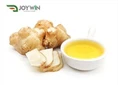
Ground ginger powder - also called ginger powder or dried ginger powder - is made from the rhizome of Zingiber officinale, a flowering plant native to Southeast Asia. The fresh ginger root is harvested, carefully dried (typically at low temperatures to preserve bioactive compounds), and then finely milled into a pale-yellow powder with a warm, pungent aroma.
For thousands of years, ginger has been a cornerstone of Ayurvedic medicine, Traditional Chinese Medicine (TCM), and ancient Greek and Arabic healing traditions. Today, it is one of the most widely consumed spices and dietary supplement ingredients in the world - and for good reason.
Unlike fresh ginger, ginger powder offers a concentrated, shelf-stable, and standardizable form of the plant's bioactive compounds. This makes it especially valuable for dietary supplement manufacturers, formulators, and health-conscious consumers who want consistent, measurable doses of ginger's therapeutic constituents.
Key Bioactive Compounds in Ground Ginger Powder:
* Gingerols - the primary active compounds in fresh ginger; potent anti-inflammatory and antioxidant agents
* Shogaols - formed during drying; more concentrated in ginger powder than in fresh root; shown to be even more bioactive than gingerols
* Zingerone - a phenolic compound with antioxidant and lipid-lowering properties
* Paradols - contribute to ginger's anti-inflammatory and cholesterol-modulating effects
The drying process that creates ginger powder actually increases the concentration of shogaols - compounds formed when gingerols are dehydrated by heat. Research published in Phytomedicine and other peer-reviewed journals suggests that shogaols may be more potent than gingerols in their cholesterol-lowering and anti-inflammatory activities.
At Joywin Natural, we specialize in manufacturing premium-grade dietary supplement ingredients, including standardized plant extracts and botanical powders. Our commitment to quality, backed by certifications including cGMP, BRC, FSSC22000, Kosher, and HALAL, ensures that every batch of ginger powder meets the highest standards of purity and potency.
Understanding Cholesterol: The Basics You Need to Know
Before we dive into the evidence on ginger powder and cholesterol, it helps to understand what cholesterol actually is - and why it matters so much for your health.
Cholesterol is a waxy, fat-like substance found in every cell of your body. It is essential for producing hormones, vitamin D, and the bile acids that help you digest food. Your liver produces most of the cholesterol your body needs, but you also get it from the foods you eat.
Cholesterol travels through your bloodstream attached to proteins called lipoproteins. The two main types you need to know are:
|
Lipoprotein Type |
Common Name |
Role in the Body |
Ideal Level |
|
LDL (Low-Density Lipoprotein) |
"Bad" Cholesterol |
Carries cholesterol to cells; excess builds up in artery walls |
< 100 mg/dL (optimal) |
|
HDL (High-Density Lipoprotein) |
"Good" Cholesterol |
Carries cholesterol away from arteries back to the liver |
> 60 mg/dL (protective) |
|
VLDL (Very Low-Density Lipoprotein) |
Triglyceride carrier |
Carries triglycerides in the blood |
< 30 mg/dL |
|
Triglycerides (TG) |
Blood fats |
Energy storage; elevated levels increase cardiovascular risk |
< 150 mg/dL |
High LDL cholesterol and high triglycerides are major risk factors for atherosclerosis (hardening of the arteries), heart attack, and stroke. According to the World Health Organization (WHO), cardiovascular disease (CVD) is the leading cause of death globally, responsible for an estimated 17.9 million deaths per year. Managing cholesterol is one of the most powerful levers for reducing this risk.
Important Context: While statins and other prescription medications are the standard of care for high cholesterol, there is growing scientific and consumer interest in complementary approaches - including dietary supplement ingredients like ground ginger powder - that may support healthy lipid levels naturally.

What Does the Science Say? Clinical Evidence Reviewed
The short answer to the question "Can ginger powder lower cholesterol?" is: Yes - and there is meaningful clinical evidence to support this. Let's walk through the most important research.
1. Meta-Analysis: Ginger Reduces LDL and Triglycerides
One of the most rigorous pieces of evidence comes from a systematic review and meta-analysis published in Phytomedicine (2018), which analyzed data from multiple randomized controlled trials (RCTs) on ginger supplementation and lipid profiles. The researchers concluded that ginger supplementation had a statistically significant favorable effect on triglycerides (TAG) and LDL cholesterol, making it a promising nutraceutical for cardiovascular support.
↓ LDL Significant reduction in "bad" cholesterol across multiple RCTs
↓ 12.5 mg/dL average reduction in triglycerides (meta-analysis data)
109 Randomized controlled trials reviewed in comprehensive ginger health analysis
< 2g Daily dose shown most effective for cholesterol reduction
2. Comprehensive Meta-Analysis: Lipid Profile & Body Weight (2022)
A more recent and expansive multivariate meta-analysis published in Current Pharmaceutical Design (2022) examined the effect of Zingiber officinale on blood lipids across dozens of clinical trials. The findings were compelling: ginger consumption significantly improved the lipid profile, with results showing:
* A mean reduction in total triglycerides of –12.54 mg/dL (95% CI: –20.01 to –5.08)
* Meaningful reductions in LDL cholesterol
* Modest improvements in HDL cholesterol levels
* Reductions in total cholesterol in several subgroups
The authors concluded that ginger supplementation is a safe and effective complementary strategy for improving blood lipid parameters.
3. Comprehensive Review of 109 Randomized Controlled Trials
Perhaps the most sweeping review of ginger's health effects was published in the journal Nutrients (2020) by researchers at Seoul National University. This landmark paper analyzed 109 randomized controlled trials examining ginger's effects on human health. Among the key findings related to cardiovascular health:
Ginger consistently demonstrated lipid-lowering effects across diverse populations
Both ginger powder and ginger extract were effective forms
Anti-inflammatory and antioxidant mechanisms were identified as key pathways
Ginger was well-tolerated with a favorable safety profile in virtually all trials
The breadth of this review - spanning 109 RCTs - gives it exceptional weight in the scientific literature.
4. Ginger as a Cardiovascular Nutraceutical (2025)
A 2025 review published in Cureus - a peer-reviewed journal indexed in PubMed - specifically examined ginger as a nutraceutical supplement for protection against cardiovascular diseases. The review synthesized data from multiple clinical trials and reached several important conclusions:
* Ginger decreases triglycerides (TGs) and LDL cholesterol without significantly reducing total cholesterol in some populations
* Daily consumption of less than 2 g of ginger powder is more effective in lowering TGs and cholesterol than higher doses
* Ginger's safety profile makes it a viable long-term supplement for cardiovascular risk reduction
* The anti-inflammatory and antioxidant properties of ginger contribute to its cardioprotective effects beyond just lipid modulation
The authors emphasized that ginger's multi-target mechanism - acting on lipid metabolism, oxidative stress, and inflammation simultaneously - makes it uniquely valuable compared to single-mechanism interventions.
Summary of Clinical Evidence: Across multiple systematic reviews, meta-analyses, and over 100 randomized controlled trials, ginger powder has consistently demonstrated the ability to reduce LDL cholesterol and triglycerides. The evidence is strongest for doses under 2 grams per day taken over 6–12 weeks.
How Does Ginger Powder Lower Cholesterol? The Mechanisms Explained
Understanding how ground ginger powder affects cholesterol is just as important as knowing that it does. The science points to several distinct, complementary biological mechanisms.
1. Inhibition of Cholesterol Biosynthesis
The liver is the primary site of cholesterol production in the body. Research suggests that gingerols and shogaols - the key bioactive compounds in ginger powder - can inhibit key enzymes involved in cholesterol synthesis, including HMG-CoA reductase, the same enzyme targeted by statin drugs (though ginger's inhibitory effect is milder). By reducing the liver's cholesterol output, ginger helps bring overall blood cholesterol levels down.
2. Upregulation of LDL Receptors
Research published in PMC (NIH) demonstrated that 6-shogaol - a compound found in higher concentrations in ginger powder than in fresh ginger - can upregulate LDL receptors in the liver. More LDL receptors mean the liver can clear more LDL cholesterol from the bloodstream, directly reducing circulating LDL levels.
3. Powerful Antioxidant Activity
Oxidized LDL cholesterol is far more dangerous than regular LDL - it is oxidized LDL that triggers the inflammatory cascade leading to plaque formation in artery walls (atherosclerosis). Ginger's potent antioxidant compounds - particularly gingerols, shogaols, and zingerone - neutralize free radicals and prevent LDL oxidation, thereby reducing the atherogenic potential of LDL cholesterol even before its absolute levels are reduced.
4. Anti-Inflammatory Effects
Chronic low-grade inflammation is now recognized as a key driver of cardiovascular disease and dyslipidemia. Ginger is one of nature's most potent natural anti-inflammatory agents. Its bioactive compounds inhibit pro-inflammatory cytokines (including TNF-α and IL-6) and suppress the NF-κB signaling pathway - a master regulator of inflammation. By reducing systemic inflammation, ginger helps create a metabolic environment more conducive to healthy cholesterol levels.
5. Enhanced Bile Acid Excretion
Bile acids are synthesized from cholesterol in the liver and are essential for fat digestion. When bile acids are excreted rather than reabsorbed, the liver must use more cholesterol to make new bile acids - effectively reducing the body's total cholesterol pool. Some research suggests that ginger compounds may enhance bile acid excretion, contributing to its overall cholesterol-lowering effect.
6. Modulation of Lipid Metabolism Genes
Emerging research at the molecular level shows that ginger compounds can influence the expression of genes involved in lipid metabolism, including those regulating fatty acid oxidation and triglyceride synthesis. This genomic-level action helps explain why ginger's effects on triglycerides are often more pronounced than its effects on total cholesterol.
The Multi-Target Advantage: Unlike single-mechanism drugs, ground ginger powder works through multiple simultaneous pathways - inhibiting cholesterol synthesis, upregulating LDL clearance, preventing LDL oxidation, reducing inflammation, and modulating lipid metabolism genes. This multi-target approach may explain why it is effective even at relatively low doses.
How Much Ground Ginger Powder Do You Need?
One of the most practical questions anyone asks about a supplement is: How much do I actually need to take? The clinical research on ginger and cholesterol gives us some useful guidance.
1. Effective Dosage Range from Clinical Trials
Across the clinical trials reviewed in the major meta-analyses, the most commonly studied and effective dosage range for lipid-lowering effects was 1 to 3 grams of ginger powder per day, taken over a period of 6 to 12 weeks.
Interestingly, the 2025 review in Cureus found that doses below 2 grams per day were actually more effective for lowering triglycerides and LDL cholesterol than higher doses. This suggests a "sweet spot" in the 1–2 gram range - more is not necessarily better when it comes to ginger powder and cholesterol.
|
Daily Dose |
Duration |
Primary Effect Observed |
Evidence Level |
|
0.5 – 1 g/day |
8–12 weeks |
Modest TG reduction; anti-inflammatory |
Moderate (RCTs) |
|
1 – 2 g/day |
6–12 weeks |
Significant LDL & TG reduction (optimal range) |
Strong (Meta-analyses) |
|
2 – 3 g/day |
6–10 weeks |
LDL reduction; some TG benefit |
Moderate (RCTs) |
|
> 4 g/day |
Any |
Diminishing returns; GI discomfort possible |
Limited evidence |
2. Timing and Form
Most clinical trials administered ginger powder in capsule or tablet form, typically divided into 2–3 doses throughout the day with meals. Taking ginger powder with food may improve tolerability and absorption. The powder form offers flexibility - it can be encapsulated, blended into functional foods, or incorporated into beverages.
⚠️ Medical Disclaimer: The dosage information above is based on published clinical research and is provided for educational purposes only. Always consult a qualified healthcare professional before starting any new supplement regimen, especially if you are taking medications or have a pre-existing medical condition.
Ground Ginger Powder vs. Other Natural Cholesterol Remedies
How does ginger powder stack up against other popular natural approaches to cholesterol management? Here's a science-based comparison:
|
Natural Ingredient |
Primary Effect on Lipids |
Mechanism |
Evidence Strength |
|
Ground Ginger Powder |
↓ LDL, ↓ TG, modest ↑ HDL |
Multi-target: antioxidant, anti-inflammatory, LDL receptor upregulation |
Strong (109 RCTs, multiple meta-analyses) |
|
Berberine |
↓ LDL, ↓ TG, ↑ HDL |
PCSK9 inhibition, AMPK activation |
Strong |
|
Plant Sterols |
↓ LDL (up to 10–15%) |
Blocks cholesterol absorption in gut |
Very strong |
|
Red Yeast Rice |
↓ LDL, ↓ TC |
Natural statin (monacolin K) |
Strong (but regulatory concerns) |
|
Omega-3 Fatty Acids |
↓ TG (significant), neutral on LDL |
Reduces hepatic VLDL production |
Very strong |
|
Garlic Powder |
Modest ↓ TC and LDL |
Inhibits cholesterol synthesis |
Moderate |
What makes ginger powder particularly attractive in this landscape is its exceptional safety profile, wide availability, low cost, and multi-target mechanism. While it may not produce the dramatic LDL reductions seen with plant sterols or berberine, its combination of lipid-lowering, anti-inflammatory, and antioxidant effects makes it a valuable component of a comprehensive cardiovascular health strategy.
Furthermore, ginger powder is highly compatible with other natural ingredients - making it an excellent candidate for combination supplement formulations targeting cardiovascular health.
How to Use Ground Ginger Powder Every Day
One of the great advantages of ginger powder as a dietary supplement ingredient is its remarkable versatility. Here are practical, evidence-aligned ways to incorporate it into daily life:
1. Dietary Supplement Capsules & Tablets
The most precise and clinically validated method. Standardized ginger powder capsules (typically 500 mg per capsule) allow for accurate dosing in line with clinical trial protocols. This is the preferred format for supplement manufacturers seeking to deliver consistent, measurable doses of ginger powder.
2. Functional Beverages
Ground ginger powder dissolves readily in hot water, making it ideal for:
* Ginger tea: Stir ½–1 teaspoon into hot water with lemon and honey
* Golden milk: Combine with turmeric, black pepper, and plant-based milk for a potent anti-inflammatory drink
* Smoothies: Add ¼–½ teaspoon to fruit or vegetable smoothies
* Functional shots: Mix with apple cider vinegar, lemon juice, and cayenne for a concentrated wellness shot
3. Culinary Applications
Incorporating ginger powder into cooking is a delicious and sustainable way to benefit from its cholesterol-modulating properties:
* Sprinkle into soups, stews, and curries
* Add to marinades for fish, chicken, or tofu
* Mix into oatmeal, yogurt, or overnight oats
* Use in heart-healthy baked goods (ginger cookies, muffins)
* Blend into salad dressings with olive oil and citrus
4. Functional Food Fortification
For food and supplement manufacturers, ginger powder can be incorporated into:
* Protein bars and energy bars
* Meal replacement powders
* Probiotic and prebiotic blends
* Cardiovascular health supplement stacks
* Herbal tea blends
Pro Tip for Supplement Formulators: When combining ginger powder with other lipid-lowering ingredients such as berberine, plant sterols, or omega-3s, consider synergistic effects. Ginger's anti-inflammatory and antioxidant properties complement the mechanisms of these other ingredients, potentially producing additive or synergistic cardiovascular benefits.
Safety, Side Effects & Who Should Be Cautious
One of the most compelling aspects of ground ginger powder as a dietary supplement ingredient is its outstanding safety record. Ginger has been consumed by billions of people for thousands of years, and modern clinical research confirms its safety at therapeutic doses.
1. General Safety Profile
Ginger is classified as Generally Recognized as Safe (GRAS) by the U.S. Food and Drug Administration (FDA). The comprehensive review of 109 RCTs published in Nutrients found that ginger was well-tolerated in virtually all clinical trials, with adverse events being rare and generally mild.
The 2025 Cureus review specifically noted that ginger's safety profile makes it suitable for long-term supplementation - an important consideration for managing a chronic condition like high cholesterol.
2. Possible Side Effects
At doses used in clinical trials (1–3 g/day), side effects are uncommon. When they do occur, they are typically mild and gastrointestinal in nature:
* Mild heartburn or acid reflux (especially on an empty stomach)
* Bloating or gas
* Mild nausea (paradoxically, at high doses)
* Mouth or throat irritation
Taking ginger powder with food significantly reduces the likelihood of these side effects.
3. Who Should Exercise Caution
While ginger powder is safe for most people, certain groups should consult a healthcare provider before supplementing:
* People on blood-thinning medications (warfarin, aspirin, clopidogrel): Ginger has mild antiplatelet activity and may enhance the effects of anticoagulants
* People with gallstones: Ginger stimulates bile production, which could be problematic for those with gallstones
* Pregnant women: While culinary amounts are safe, high-dose supplementation during pregnancy should be discussed with a doctor
* People with diabetes on medication: Ginger may have mild blood sugar-lowering effects; monitor glucose levels when starting supplementation
* Pre-surgery patients: Due to its antiplatelet effects, ginger supplementation is typically stopped 1–2 weeks before surgery
Important: Ground ginger powder is a complementary supplement, not a replacement for prescribed cholesterol-lowering medications. If you have been diagnosed with high cholesterol or cardiovascular disease, work with your healthcare provider to develop a comprehensive management plan.
Key Takeaways: Ginger Powder & Cholesterol
Ground ginger powder contains potent bioactive compounds (gingerols, shogaols) that work through multiple mechanisms to lower LDL and triglycerides
Multiple systematic reviews and meta-analyses confirm ginger's lipid-lowering effects across diverse populations
The optimal dose appears to be 1–2 grams per day for 6–12 weeks
Ginger works best as part of a heart-healthy lifestyle, not as a standalone intervention
Ground ginger powder has an excellent safety profile and is well-tolerated at therapeutic doses
Its multi-target mechanism (antioxidant + anti-inflammatory + lipid metabolism) gives it unique advantages over single-mechanism approaches
Frequently Asked Questions
❓ Can ginger powder lower cholesterol on its own?
Clinical evidence shows that ginger powder can meaningfully reduce LDL cholesterol and triglycerides. However, for best results, it should be used as part of a comprehensive approach that includes a heart-healthy diet, regular physical activity, and - where necessary - medical treatment. It is a powerful complement, not a standalone cure.
❓ What is the difference between ginger powder and ginger extract?
Ginger powder is simply dried, milled ginger root - a whole-food supplement containing all of ginger's natural compounds in their natural ratios. Ginger extract is a more concentrated product, often standardized to a specific percentage of gingerols or shogaols. Both have demonstrated cholesterol-lowering effects in clinical trials, though extracts allow for more precise dosing of specific bioactive compounds.
❓ How long does it take for ginger powder to lower cholesterol?
Most clinical trials showing significant lipid improvements used supplementation periods of 6 to 12 weeks. Some studies have shown measurable changes in triglycerides within 4 weeks, while LDL reductions tend to become statistically significant after 8–12 weeks of consistent use.
❓ Is ground ginger powder better than fresh ginger for cholesterol?
Ground ginger powder actually contains higher concentrations of shogaols - compounds formed during the drying process that are more potent than gingerols in some biological activities. This means ginger powder may have equal or superior cholesterol-lowering activity compared to fresh ginger, while also offering the practical advantages of standardized dosing and longer shelf life.
❓ Can I take ginger powder with statins?
There is no well-documented harmful interaction between ginger powder and statins. Some research even suggests that ginger's antioxidant and anti-inflammatory effects may complement the lipid-lowering action of statins. However, always inform your doctor about any supplements you are taking alongside prescription medications.
❓ Where can I source high-quality ginger powder for supplement manufacturing?
For B2B buyers and supplement manufacturers, sourcing matters enormously. Look for suppliers who offer cGMP-certified, third-party tested ginger powder with clear specifications for moisture content, ash content, heavy metals, and microbial limits. Joywin Natural provides premium-grade botanical ingredients with full certification documentation including BRC, FSSC22000, cGMP, Kosher, and HALAL.
Conclusion: Should You Consider Ground Ginger Powder for Cholesterol?
The evidence is clear: ginger powder is a scientifically validated, safe, and versatile dietary supplement ingredient with meaningful cholesterol-lowering properties.
Across multiple systematic reviews, meta-analyses, and over 100 randomized controlled trials, ginger supplementation has consistently demonstrated the ability to reduce LDL cholesterol and triglycerides - two of the most important cardiovascular risk factors. Its multi-target mechanism, working simultaneously through antioxidant, anti-inflammatory, and lipid-metabolic pathways, gives it a unique profile that single-mechanism interventions cannot replicate.
The optimal dose - less than 2 grams per day for 6 to 12 weeks - is achievable, affordable, and well-tolerated by the vast majority of adults. Ground ginger powder's GRAS status, long history of safe use, and compatibility with other natural ingredients make it an excellent choice for inclusion in cardiovascular health supplement formulations.
For supplement manufacturers, formulators, and brand owners, ginger powder represents a compelling ingredient with strong market demand, robust scientific backing, and excellent consumer acceptance. Whether used as a standalone ingredient or as part of a synergistic cardiovascular health blend, it delivers real, measurable value.
Of course, no supplement replaces the fundamentals: a diet rich in fruits, vegetables, whole grains, and healthy fats; regular aerobic exercise; healthy body weight; and not smoking. But within a comprehensive heart-health strategy, ginger powder earns its place as a powerful, natural ally.
JOYWIN founded in 2013 is an innovation-driven biotechnology company. We provide the manufacture of plant extracts, plant proteases, and customized products. If you want to know more about Ground Ginger Powder or are interested in purchasing it, you can send an email to contact@joywinworld.com. We will reply to you as soon as possible after we see the message.