

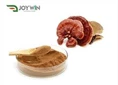
In the crowded landscape of natural weight management ingredients, few have the combination of ancient credibility and modern scientific validation that reishi mushroom (Ganoderma lucidum) brings to the table. Known for millennia as the "Mushroom of Immortality" in East Asian medicine, reishi is now attracting serious attention from metabolic researchers, obesity scientists, and gut microbiome specialists - and the findings are genuinely compelling.
The global burden of obesity has reached crisis proportions. The World Health Organization estimates that over 1 billion adults worldwide are now living with obesity - a condition that dramatically increases the risk of type 2 diabetes, cardiovascular disease, non-alcoholic fatty liver disease (NAFLD), and certain cancers. The urgent need for safe, evidence-based natural metabolic health solutions has never been greater, and reishi mushroom extract powder is emerging as one of the most scientifically credible candidates.
A landmark PMC study on Ganoderma lucidum and gut microbiota modulation demonstrated that reishi reduces obesity in mice by fundamentally reshaping the composition of the gut microbiome - establishing a direct causal link between reishi supplementation and anti-obesity effects through the gut-metabolism axis . A comprehensive Herald Open Access review on Ganoderma lucidum polysaccharides confirmed that reishi's bioactive compounds ameliorate lipid metabolism disorders by regulating intestinal microbiota composition and modulating genes implicated in fat metabolism . A 2025 MDPI immunomodulatory study highlighted reishi's potential in treating NAFLD - non-alcoholic fatty liver disease, one of the most metabolically significant obesity-related conditions - through gut microbiota and bile acid metabolism modulation .
So - can reishi mushroom extract powder actually help with weight loss? The answer requires nuance, scientific honesty, and a thorough understanding of how reishi interacts with the complex biological systems that govern body weight. This guide provides exactly that - covering the mechanisms, the evidence, the realistic expectations, the optimal dosage, and how to choose quality reishi mushroom extract powder for maximum metabolic benefit.
Section 1: Ganoderma lucidum - The Biochemical Foundation of Metabolic Activity
1.1 Why Reishi Is Metabolically Unique Among Functional Mushrooms
Among the growing family of functional mushrooms gaining scientific attention - lion's mane, chaga, cordyceps, turkey tail - reishi occupies a unique position for metabolic health applications. This is because reishi possesses an exceptionally diverse array of bioactive compounds that simultaneously target multiple metabolic pathways:
* Polysaccharides (particularly beta-glucans and glycoproteins) that reshape the gut microbiome and modulate immune-metabolic signaling
* Triterpenoids (ganoderic acids, lucidenic acids) that directly inhibit fat synthesis enzymes and reduce hepatic lipid accumulation
* Sterols (ergosterol, beta-sitosterol) that compete with dietary cholesterol absorption
* Nucleosides (adenosine) that support energy metabolism and cardiovascular function
* Antioxidant compounds that reduce the oxidative stress driving metabolic dysfunction
No other functional mushroom combines this breadth of metabolically relevant bioactivity in a single ingredient - making reishi uniquely positioned for comprehensive metabolic health support .
1.2 The Two Primary Bioactive Classes for Weight Management
Class 1: Ganoderma lucidum Polysaccharides (GLPP)
Reishi polysaccharides - primarily beta-1,3/1,6-glucans and heteropolysaccharides - are the primary drivers of reishi's gut microbiome-mediated anti-obesity effects. Key characteristics:
* Water-soluble - extracted by hot water processing
* Molecular weights ranging from 4,000 to 1,000,000 Da
* Act as prebiotic substrates for beneficial gut bacteria
* Modulate intestinal immune function and gut barrier integrity
* Regulate genes involved in lipid metabolism and fat storage
* Standardization marker: typically expressed as % total polysaccharides (target ≥20%) or % beta-glucans (target ≥10%)
Class 2: Triterpenoids (Ganoderic Acids)
Reishi triterpenoids are fat-soluble lanostane-type compounds - over 150 individual ganoderic acids have been identified. Key metabolic activities:
* Inhibit HMG-CoA reductase (cholesterol/fat synthesis)
* Inhibit fatty acid synthase (de novo lipogenesis)
* Reduce hepatic triglyceride accumulation
* Anti-inflammatory activity in adipose and liver tissue
* Standardization marker: typically expressed as % total triterpenoids (target ≥2%) or % ganoderic acids
For weight management applications, dual-extract reishi mushroom extract powder - capturing both water-soluble polysaccharides AND fat-soluble triterpenoids - is essential. Single-extraction products (water-only or ethanol-only) capture only half of the metabolically relevant bioactive profile .
Section 2: The Gut Microbiota Connection - Reishi's Most Powerful Anti-Obesity Mechanism
2.1 The Gut Microbiome as a Master Regulator of Body Weight
One of the most transformative insights in obesity science over the past decade is the recognition that the gut microbiome - the community of approximately 38 trillion microorganisms inhabiting the human digestive tract - is not merely a passive bystander in metabolism but an active regulator of body weight, fat storage, and metabolic health.
Key findings from gut microbiome obesity research:
* Obese individuals consistently show a higher ratio of Firmicutes to Bacteroidetes compared to lean individuals - a dysbiotic pattern associated with increased caloric extraction from food, increased intestinal permeability, and elevated systemic inflammation
* Metabolic endotoxemia - the leakage of bacterial lipopolysaccharide (LPS) from the gut into systemic circulation - is a primary driver of the chronic low-grade inflammation that characterizes obesity and insulin resistance
* Short-chain fatty acid (SCFA) deficiency - resulting from reduced fermentation of dietary fiber by beneficial bacteria - impairs satiety hormone production, reduces fat oxidation, and promotes fat storage
* Transplanting the gut microbiome from obese mice into germ-free mice produces obesity in the recipients - definitively establishing the causal role of gut microbiota in body weight regulation
This understanding makes gut microbiome modulation one of the most promising targets for natural weight management interventions - and reishi's prebiotic polysaccharides are among the most potent natural gut microbiome modulators available .
2.2 How Reishi Polysaccharides Reshape the Gut Microbiome
The landmark PMC study on Ganoderma lucidum and gut microbiota demonstrated precisely how reishi reshapes the gut microbiome in the context of high-fat diet-induced obesity :
Beneficial bacteria that reishi INCREASES:
* Bifidobacterium spp. - associated with lean body composition, improved insulin sensitivity, reduced inflammation
* Lactobacillus spp. - supports gut barrier integrity, reduces LPS translocation
* Akkermansia muciniphila - a keystone species for metabolic health, associated with reduced obesity and improved glucose metabolism
* Bacteroidetes phylum - increased relative abundance, improving the Firmicutes:Bacteroidetes ratio
Harmful bacteria that reishi DECREASES:
* Firmicutes phylum - reduced relative abundance, improving metabolic microbiome profile
* Clostridium spp. - reduced populations of obesity-associated species
* LPS-producing gram-negative bacteria - reducing metabolic endotoxemia
Downstream metabolic effects of microbiome modulation:
* Increased SCFA production (butyrate, propionate, acetate) → improved insulin sensitivity, reduced fat storage, enhanced satiety hormone production
* Reduced intestinal LPS → decreased metabolic inflammation, improved insulin signaling
* Improved gut barrier integrity → reduced systemic inflammatory burden
* Enhanced bile acid metabolism → improved fat digestion regulation and cholesterol elimination
2.3 The Causal Proof: Microbiome Transfer Experiments
The most compelling evidence for reishi's microbiome-mediated anti-obesity effects comes from fecal microbiota transfer (FMT) experiments:
In the landmark study, researchers transferred the gut microbiome from reishi-treated obese mice to germ-free (microbiome-free) obese mice. The recipients showed significant reductions in fat mass and metabolic markers - without receiving any reishi themselves. This definitively proved that the anti-obesity effects were mediated through the gut microbiome rather than through direct metabolic effects of reishi compounds .
This finding has profound implications: it means that reishi's weight management benefits are not dependent on direct absorption of its bioactive compounds - even the fraction of reishi polysaccharides that is not absorbed can produce meaningful anti-obesity effects by reshaping the gut microbial ecosystem.

Section 3: Reishi and Lipid Metabolism - Targeting Fat at the Molecular Level
3.1 Ganoderma lucidum Polysaccharides and Lipid Metabolism Genes
The Herald Open Access comprehensive review on GLPP and lipid metabolism identified specific molecular mechanisms through which reishi polysaccharides regulate fat metabolism :
Lipogenic gene downregulation: Reishi polysaccharides downregulate the expression of key genes involved in fat synthesis:
* SREBP-1c (Sterol Regulatory Element-Binding Protein 1c) - the master transcription factor for lipogenic gene expression
* FAS (Fatty Acid Synthase) - the primary enzyme for de novo fat synthesis
* ACC (Acetyl-CoA Carboxylase) - catalyzes the first committed step in fatty acid synthesis
When these lipogenic genes are downregulated, the liver and adipose tissue produce less new fat from dietary carbohydrates - a direct anti-obesity effect.
Fat oxidation gene upregulation: Simultaneously, reishi polysaccharides upregulate genes involved in fat burning:
* PPARα (Peroxisome Proliferator-Activated Receptor alpha) - promotes fatty acid oxidation in the liver
* CPT-1 (Carnitine Palmitoyltransferase 1) - the rate-limiting enzyme for mitochondrial fatty acid oxidation
* AMPK (AMP-activated Protein Kinase) - the cellular energy sensor that promotes fat oxidation and inhibits fat synthesis
The net effect of these gene expression changes is a fundamental shift in cellular metabolism from fat storage mode to fat burning mode - a metabolic reprogramming that supports weight loss and prevents weight regain .
3.2 Reishi Triterpenoids and Hepatic Lipid Accumulation
Non-alcoholic fatty liver disease (NAFLD) - characterized by excessive fat accumulation in liver cells - affects approximately 25% of the global adult population and is intimately linked to obesity and metabolic syndrome. The 2025 MDPI study highlighted reishi's significant potential for NAFLD treatment through multiple mechanisms :
Direct hepatic effects of ganoderic acids:
* Inhibit HMG-CoA reductase → reduced hepatic cholesterol synthesis
* Inhibit fatty acid synthase → reduced de novo lipogenesis in liver cells
* Activate PPARα → enhanced hepatic fat oxidation
* Reduce hepatic triglyceride accumulation - the defining feature of NAFLD
Indirect effects through bile acid metabolism:
* Reishi modulates the gut microbiota-bile acid axis - a critical regulator of hepatic lipid metabolism
* Altered bile acid profiles improve hepatic fat metabolism and reduce lipid accumulation
* FXR (Farnesoid X Receptor) activation through modified bile acid signaling reduces hepatic triglyceride synthesis
Anti-fibrotic effects:
* Ganoderic acids inhibit TGF-β/Smad signaling - reducing hepatic fibrosis progression in NAFLD
* Reduces stellate cell activation - the primary driver of liver scarring
For individuals with obesity-related NAFLD - a condition that both reflects and perpetuates metabolic dysfunction - reishi mushroom extract powder addresses the hepatic component of metabolic syndrome with remarkable mechanistic comprehensiveness .
Section 4: Reishi and Obesity - Direct Research Evidence
4.1 Animal Model Evidence: Consistent and Compelling
The Wiley Online Library study on Ganoderma lucidum supplementation and obesity examined the direct effects of GL powder supplementation (2.5% w/w of diet) on obesity parameters in animal models :
Key findings:
* Significant reduction in body weight gain compared to high-fat diet controls
* Significant reduction in visceral fat mass - the metabolically dangerous abdominal fat associated with cardiovascular risk
* Improved glucose tolerance and insulin sensitivity
* Reduced serum triglycerides and total cholesterol
* Reduced liver weight and hepatic fat content
* Improved adipokine profiles - increased adiponectin, reduced leptin resistance
* Reduced inflammatory markers in adipose tissue and circulation
These findings are consistent across multiple independent animal studies - providing robust preclinical evidence for reishi's anti-obesity effects .
4.2 The Metabolic Syndrome Connection
Obesity rarely exists in isolation - it is typically accompanied by a cluster of metabolic abnormalities collectively known as metabolic syndrome:
* Abdominal obesity (waist circumference >102cm men, >88cm women)
* Elevated fasting blood glucose (≥100 mg/dL)
* Elevated triglycerides (≥150 mg/dL)
* Reduced HDL cholesterol
* Elevated blood pressure (≥130/85 mmHg)
Reishi mushroom extract powder addresses all five components of metabolic syndrome simultaneously:
|
Metabolic Syndrome Component |
Reishi's Effect |
Primary Mechanism |
|
Abdominal obesity |
Reduces visceral fat mass |
Gut microbiome, lipogenic gene suppression |
|
Elevated blood glucose |
Reduces fasting glucose, improves insulin sensitivity |
Alpha-glucosidase inhibition, AMPK activation |
|
Elevated triglycerides |
Significantly reduces serum triglycerides |
HMG-CoA inhibition, PPARα activation |
|
Reduced HDL |
Improves HDL:LDL ratio |
Cholesterol metabolism modulation |
|
Elevated blood pressure |
Modest antihypertensive effect |
ACE inhibition, endothelial protection |
This comprehensive metabolic syndrome coverage makes reishi one of the most strategically valuable natural ingredients for the growing population of individuals with obesity-related metabolic dysfunction .
4.3 Human Evidence: Emerging and Promising
While large-scale human RCTs specifically targeting weight loss with reishi are still limited, the available human evidence is encouraging:
Metabolic marker improvements in human studies:
* Fasting blood glucose reductions of 10–20% in pre-diabetic individuals
* Significant HbA1c improvements in type 2 diabetes patients
* Meaningful reductions in total cholesterol, LDL, and triglycerides
* Improvements in liver enzyme markers (ALT, AST) in NAFLD patients
* Reduced inflammatory markers (CRP, TNF-α, IL-6)
Patient-reported outcomes:
Multiple surveys and observational studies document that reishi users report improvements in energy levels, body composition, digestive health, and metabolic symptoms - consistent with the mechanistic evidence for metabolic optimization .
The honest caveat:
Large-scale, randomized, placebo-controlled human trials specifically measuring body weight and fat mass as primary endpoints are still needed. The current evidence strongly supports reishi as a metabolic health optimizer that creates the biological conditions for successful weight management - rather than a direct weight loss agent in the pharmaceutical sense .
Section 5: Beyond Weight Loss - The Full Spectrum of Reishi's Health Benefits
Understanding reishi's broader health benefits helps contextualize its role in a comprehensive wellness strategy - and explains why it is one of the most commercially successful functional mushroom ingredients globally.
5.1 Immune System Modulation
Reishi's immune benefits are its most extensively researched and clinically validated application:
* Beta-glucans activate macrophages, natural killer (NK) cells, dendritic cells, and T-lymphocytes
* Increases production of interferon-gamma, interleukin-2, and tumor necrosis factor-alpha
* Enhances antibody production and immunological memory
* Modulates both innate and adaptive immune responses
* Supports immune surveillance against abnormal cells
5.2 Adaptogenic and Stress-Modulating Effects
Reishi is classified as a premier adaptogen - supporting the body's resilience to physical, psychological, and environmental stress:
* Modulates the HPA (hypothalamic-pituitary-adrenal) axis
* Reduces cortisol overproduction in chronic stress states
* Improves sleep quality and duration
* Reduces anxiety and supports mood stability
* Particularly relevant for weight management - chronic stress and elevated cortisol are primary drivers of abdominal fat accumulation
5.3 Liver Protection
Reishi is one of the most evidence-backed natural hepatoprotective agents:
* Ganoderic acids protect hepatocytes from oxidative and toxic damage
* Reduces liver enzyme elevations (ALT, AST)
* Supports Phase I and Phase II detoxification pathways
* Reduces hepatic inflammation and fibrosis progression
* Directly addresses NAFLD - the liver manifestation of metabolic syndrome
5.4 Cardiovascular Protection
* Reduces LDL oxidation and atherosclerotic plaque formation
* Inhibits platelet aggregation (anti-thrombotic)
* Improves endothelial function and nitric oxide bioavailability
* Reduces blood pressure through ACE inhibitory activity
* Reduces cardiovascular inflammatory markers
5.5 Anti-Cancer and Tumor-Suppressive Properties
* Induces apoptosis in multiple cancer cell lines
* Inhibits tumor angiogenesis
* Enhances NK cell cytotoxicity against cancer cells
* Reduces cancer-promoting inflammatory signaling
* Supports immune surveillance - the body's natural cancer defense
5.6 Neurological and Cognitive Benefits
* Neuroprotective antioxidant activity
* Reduces neuroinflammation
* Supports cognitive function in aging
* Improves sleep architecture - supporting memory consolidation
* Reduces fatigue - both physical and mental
Section 6: Optimal Dosage and Administration of Reishi Mushroom Extract Powder
6.1 Evidence-Based Dosage Framework
|
Application |
Extract Dose/Day |
Polysaccharide Equivalent |
Duration |
|
General wellness |
500mg–1g |
≥100–200mg beta-glucans |
Ongoing |
|
Metabolic health / weight support |
1–2g |
≥200–400mg beta-glucans |
8–16 weeks minimum |
|
NAFLD / liver support |
1.5–2g |
≥300–400mg beta-glucans |
8–12 weeks |
|
Blood sugar management |
1–1.5g |
≥200–300mg beta-glucans |
Under medical supervision |
|
Immune support |
1–2g |
≥200–400mg beta-glucans |
4–8 weeks |
|
Adaptogenic / stress support |
500mg–1g |
≥100–200mg beta-glucans |
Ongoing |
6.2 How to Take Reishi Mushroom Extract Powder
Method 1: Reishi Tea / Hot Beverage
* Dissolve 1/2–1 teaspoon (500mg–1g) in 250ml hot water (80–90°C)
* Add honey, cinnamon, or ginger to balance the characteristic bitter flavor
* Drink 1–2 cups daily, ideally with meals for metabolic applications
Method 2: Capsules
* 500mg–1g per capsule, taken 1–2 times daily with meals
* Most convenient format for precise, standardized dosing
* Ideal for therapeutic applications requiring consistent dosing
Method 3: Mushroom Coffee or Cacao Blend
* Add 1/2 teaspoon reishi extract to morning coffee or hot cacao
* Reishi's earthy bitterness complements coffee and dark chocolate flavors
* Combine with lion's mane and cordyceps for a comprehensive functional mushroom blend
Method 4: Smoothie Addition
* Add 1/2–1 teaspoon to fruit smoothies
* Sweet fruits effectively mask reishi's bitterness
* Convenient daily wellness integration
Method 5: Tincture
* 2–4ml (40–80 drops) in water, 2–3 times daily
* Rapid absorption, long shelf life
* Effective for immune and adaptogenic applications
6.3 Timing for Metabolic Benefits
For weight management and metabolic health specifically:
* With meals - maximizes blood sugar-stabilizing and lipid-modulating effects
* Morning dosing - supports daytime metabolic activity and energy
* Evening dosing - supports sleep quality, cortisol normalization, and overnight liver detoxification
* Split dosing (morning + evening) is recommended for doses above 1g/day
6.4 Realistic Timeline for Weight Management Results
|
Outcome |
Initial Signs |
Meaningful Results |
|
Improved energy / reduced fatigue |
1–2 weeks |
2–4 weeks |
|
Better sleep quality |
1–2 weeks |
2–4 weeks |
|
Blood sugar stabilization |
2–4 weeks |
6–8 weeks |
|
Lipid profile improvement |
4–6 weeks |
8–12 weeks |
|
Gut microbiome remodeling |
2–4 weeks |
6–12 weeks |
|
Body composition changes |
6–8 weeks |
12–20 weeks |
|
NAFLD marker improvement |
4–8 weeks |
12–16 weeks |
Section 7: Choosing Quality Reishi Mushroom Extract Powder
7.1 The Most Critical Quality Decision: Fruiting Body vs. Mycelium on Grain
This is the single most important quality distinction in the reishi supplement market - and one that many consumers and even practitioners are unaware of:
Fruiting Body Extract ✅ (Recommended):
* Extracted from the actual mushroom fruiting body (cap and stalk)
* Contains the full spectrum of bioactives: polysaccharides AND triterpenoids
* High triterpenoid content - the compounds responsible for lipid metabolism, liver protection, and anti-inflammatory effects
* Used in all traditional medicine applications and the vast majority of clinical research
* Identifiable by: "fruiting body" declaration on label, low starch content on CoA, measurable triterpenoid content
Mycelium on Grain (MOG) ❌ (Lower Quality):
* Reishi mycelium grown on grain substrate (oats, rice, wheat)
* Contains significant starch from the grain - often 30–60% of the product weight
* Very low triterpenoid content
* Significantly less bioactive than fruiting body extracts
* Often sold without disclosing the mycelium-on-grain nature
* Identifiable by: high starch content on CoA, no triterpenoid declaration, unusually low price
7.2 Comprehensive Quality Specifications
|
Parameter |
Specification |
Test Method |
Significance |
|
Polysaccharide content |
≥ 20–30% |
Phenol-sulfuric acid |
Primary bioactivity marker |
|
Beta-glucan content |
≥ 10–20% |
Megazyme assay |
Prebiotic / immune activity |
|
Triterpenoid content |
≥ 2–6% |
HPLC |
Lipid metabolism, anti-inflammatory |
|
Starch content |
≤ 2% |
Iodine test |
Confirms fruiting body source |
|
Moisture |
≤ 8% |
Loss on drying |
Stability |
|
Heavy metals (Pb) |
≤ 0.5 ppm |
ICP-MS |
Safety |
|
Arsenic |
≤ 0.3 ppm |
ICP-MS |
Safety (mushrooms concentrate arsenic) |
|
Mercury |
≤ 0.1 ppm |
ICP-MS |
Safety |
|
Pesticide residues |
Per EU/USP limits |
GC-MS |
Safety |
|
Total plate count |
≤ 10,000 CFU/g |
USP <61> |
Microbial safety |
|
Yeast & mold |
≤ 1,000 CFU/g |
USP <61> |
Microbial safety |
|
Salmonella |
Absent/25g |
USP <62> |
Microbial safety |
7.3 Extract Standardization Options
|
Extract Type |
Polysaccharides |
Triterpenoids |
Best Application |
|
Hot water extract |
20–30% |
Low |
Immune, gut microbiome |
|
Ethanol extract |
Low |
4–8% |
Lipid metabolism, liver |
|
Dual extract (water + ethanol) |
20–30% |
2–6% |
Full spectrum - metabolic health |
|
Spore oil extract |
Very low |
Very high |
Triterpenoid-focused applications |
|
10:1 concentrated extract |
~25% |
~3% |
General therapeutic use |
For weight management and metabolic health applications, dual-extract reishi mushroom extract is the clear choice - capturing both the gut microbiome-modulating polysaccharides and the lipid metabolism-targeting triterpenoids in a single ingredient .
7.4 Required Certifications for B2B Buyers
* cGMP - manufacturing quality assurance
* FSSC 22000 or ISO 22000 - food safety management
* BRC Global Standard - international food safety
* Organic certification (USDA/EU) - critical for mushrooms due to heavy metal and pesticide accumulation
* Kosher and Halal - market access certifications
* Non-GMO declaration
* Third-party CoA from ISO 17025-accredited laboratory - independent verification of all quality parameters
At Joywin Natural (joywinnatural.com), we supply premium reishi mushroom extract - fruiting body dual-extract, standardized to ≥20% polysaccharides and ≥2% triterpenoids, with starch content ≤2% confirming authentic fruiting body source - with full analytical documentation, organic options, and certifications including BRC, FSSC 22000, ISO 22000, cGMP, Kosher, and Halal.
Section 8: Safety, Side Effects, and Drug Interactions
8.1 Safety Profile
Reishi mushroom has one of the longest and most well-documented safety records of any medicinal mushroom - with over 2,000 years of traditional use and a robust modern safety database. At standard supplemental doses, it is well-tolerated by most healthy adults.
8.2 Side Effects
|
Side Effect |
Frequency |
Severity |
Management |
|
GI discomfort (nausea, loose stools) |
Occasional |
Mild |
Take with food; reduce dose |
|
Dry mouth or throat |
Occasional |
Mild |
Increase hydration |
|
Dizziness |
Rare |
Mild |
Reduce dose |
|
Skin rash or itching |
Rare |
Mild–moderate |
Discontinue; consult physician |
|
Liver enzyme elevation |
Very rare (case reports) |
Moderate |
Monitor liver function with long-term use |
|
Increased bleeding time |
Possible at high doses |
Moderate |
Relevant for surgery or anticoagulant use |
8.3 Contraindications
* Bleeding disorders or anticoagulant therapy: Reishi's anti-platelet activity increases bleeding risk
* Pre-surgery: Discontinue at least 2 weeks before scheduled surgery
* Autoimmune conditions: Immune-stimulating effects may exacerbate autoimmune diseases
* Organ transplant recipients: May interfere with immunosuppressive therapy
* Pregnancy and breastfeeding: Insufficient safety data - avoid without medical supervision
* Known mushroom allergy: Cross-reactivity possible
8.4 Drug Interactions
|
Medication |
Interaction |
Clinical Recommendation |
|
Warfarin / anticoagulants |
Additive anti-platelet effect |
Monitor INR; inform prescriber |
|
Antidiabetic medications |
Additive glucose lowering - hypoglycemia risk |
Monitor blood glucose closely |
|
Antihypertensives |
Additive blood pressure lowering |
Monitor blood pressure |
|
Immunosuppressants (cyclosporine) |
Immune stimulation may counteract |
Consult transplant physician |
|
Statins |
Additive HMG-CoA inhibition |
Monitor liver function |
|
Chemotherapy agents |
Complex interactions possible |
Consult oncologist before use |
Section 9: Reishi Mushroom Extract Powder in Commercial Weight Management Formulations
9.1 Market Positioning for Supplement Brands
|
Product Category |
Reishi's Role |
Key Claims |
Target Consumer |
|
Metabolic health / weight management |
Gut microbiome optimizer, lipid regulator |
"Supports healthy metabolism," "Gut health support" |
Adults with metabolic concerns |
|
Functional mushroom blends |
Core ingredient |
"Mushroom complex," "Adaptogenic blend" |
Biohackers, wellness enthusiasts |
|
Liver health formulas |
Primary hepatoprotective |
"Liver support," "Detox support" |
NAFLD, alcohol consumers |
|
Blood sugar support |
Complementary ingredient |
"Glucose metabolism support" |
Pre-diabetic, metabolic syndrome |
|
Immune support |
Primary active |
"Immune defense," "Beta-glucan complex" |
Immune health consumers |
|
Adaptogen / stress formulas |
Stress modulation |
"Adaptogenic support," "Cortisol balance" |
Stressed professionals |
|
Mushroom coffee / functional beverages |
Flavor-compatible functional |
"Functional mushroom coffee" |
Coffee drinkers |
9.2 Optimal Synergistic Combinations for Weight Management
|
Co-Ingredient |
Complementary Mechanism |
Synergy Type |
|
Berberine |
AMPK activation, gut microbiome, blood sugar |
Highly synergistic - complementary mechanisms |
|
Inulin / chicory FOS |
Prebiotic fiber, gut microbiome |
Synergistic - amplified microbiome modulation |
|
Green tea extract (EGCG) |
Thermogenesis, AMPK, fat oxidation |
Complementary metabolic support |
|
Milk thistle (silymarin) |
Liver protection, anti-fibrotic |
Synergistic hepatoprotection |
|
Cordyceps |
Energy metabolism, fat oxidation, AMPK |
Complementary mushroom synergy |
|
Lion's mane |
Gut-brain axis, neurological |
Complementary mushroom synergy |
|
Chromium picolinate |
Insulin sensitivity, glucose metabolism |
Complementary blood sugar support |
|
Alpha lipoic acid |
Mitochondrial function, antioxidant |
Synergistic metabolic support |
Conclusion: The Evidence-Based Verdict on Reishi Mushroom Extract Powder and Weight Loss
After a thorough review of the latest scientific evidence - from landmark gut microbiome studies to lipid metabolism gene research to NAFLD clinical investigations - the evidence-based verdict is clear and nuanced:
Reishi mushroom extract powder is a genuine, scientifically validated metabolic health ingredient that supports weight management through multiple well-characterized biological mechanisms - but it is a metabolic optimizer rather than a direct weight loss drug.
The mechanisms are real and compelling:
* Gut microbiome remodeling toward a lean-type composition - the most robustly proven mechanism, with causal evidence from microbiome transfer experiments
* Lipid metabolism gene regulation - suppressing fat synthesis genes while upregulating fat oxidation genes
* NAFLD and hepatic fat reduction - addressing the liver component of metabolic syndrome through gut-bile acid axis modulation
* Comprehensive metabolic syndrome coverage - addressing all five components simultaneously through complementary mechanisms
The realistic expectation: individuals who use quality reishi mushroom extract powder consistently - at evidence-based doses, in a dual-extract standardized formulation, as part of a comprehensive lifestyle approach - can expect meaningful improvements in metabolic markers, gut health, liver function, energy levels, and the biological environment that makes sustainable weight management achievable.
Reishi is not a shortcut to weight loss. It is something more valuable: a scientifically credible, historically validated, and remarkably safe natural ingredient that addresses the metabolic root causes of weight gain - creating the biological foundation for lasting metabolic health.
JOYWIN founded in 2013 is an innovation-driven biotechnology company. We provide the manufacture of plant extracts, plant proteases, and customized products. If you want to know more about Reishi Mushroom Extract Powder or are interested in purchasing it, you can email at contact@joywinworld.com. We will reply as soon as possible after we see the message.