

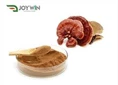
The global cosmetic industry is witnessing a significant shift toward natural, sustainable, and scientifically-backed ingredients, with shiitake mushroom extract powder emerging as a multifunctional powerhouse. Derived from Lentinula edodes, this botanical extract has transcended its culinary heritage to become a coveted cosmetic ingredient with demonstrated efficacy in addressing hyperpigmentation, photoaging, and skin barrier dysfunction. The global mushroom cosmetics market, valued at approximately $1.5 billion in 2024, is projected to grow at a CAGR of 6.2% from 2025 to 2030, reflecting increasing consumer demand for fungal-derived bioactive compounds.
For B2B decision-makers in cosmetic manufacturing, shiitake mushroom extract represents more than just a natural alternative-it offers a scientifically-validated, multifunctional ingredient that aligns with clean beauty trends while delivering measurable performance benefits. At Joywin Natural, we understand that successful ingredient integration requires not only premium-quality materials but also comprehensive technical support and supply chain reliability. This authoritative guide examines the scientific basis, formulation considerations, and quality parameters that B2B partners should evaluate when incorporating shiitake mushroom extract into cosmetic products.
Chemical Composition of Shiitake Mushroom Extract
The efficacy of shiitake mushroom extract in cosmetic applications stems from its complex biochemical profile, which includes both primary and secondary metabolites with demonstrated skin benefits. Understanding this composition is essential for B2B partners seeking to leverage specific functional properties in their formulations.
Bioactive Compounds
Shiitake mushroom extract powder contains several classes of bioactive compounds relevant to cosmetic applications:
* Polysaccharides: Lentinan (β-1,3-D-glucan with β-1,6 branches) represents the most studied polysaccharide, comprising approximately 20-25% of the dry weight in premium extracts. This high-molecular-weight compound demonstrates immunomodulatory, wound-healing, and moisturizing properties through interaction with skin immune cells and enhancement of collagen synthesis.
* Phenolic Compounds: Gallic acid, protocatechuic acid, pyrogallol, and other phenolic compounds contribute significantly to the antioxidant capacity of shiitake mushroom extract. A 2023 study published in the Journal of Cosmetic Dermatology identified 18 phenolic compounds in shiitake extracts, with concentrations varying based on extraction methodology.
* Terpenoids: These volatile compounds, including lentinellic acid and various sesquiterpenes, contribute to the anti-inflammatory and antimicrobial properties of the extract.
* Ergosterol: This fungal sterol serves as a precursor to vitamin D2 when exposed to UV radiation and demonstrates skin-barrier reinforcing properties in cosmetic formulations.
* Low-Molecular-Weight Compounds: Amino acids (particularly glutamic acid and aspartic acid), vitamins (B1, B2, B12, and precursors to vitamin D), and minerals (zinc, selenium, potassium) contribute to the overall skin-nourishing properties of the extract.
The specific composition of shiitake mushroom extract varies significantly based on cultivation conditions, harvest timing, and extraction methodology, highlighting the importance of standardized processes and comprehensive quality control for consistent cosmetic performance.
Skin Brightening and Hyperpigmentation Control
Tyrosinase Inhibition Mechanism
One of the most valued properties of Shiitake mushroom extract powder in cosmetic applications is its ability to inhibit tyrosinase, the key enzyme responsible for melanin production. Multiple mechanisms contribute to this depigmenting effect:
* Direct Tyrosinase Inhibition: Kojić acid-like compounds naturally present in shiitake mushroom extract compete with tyrosine for binding sites on the tyrosinase enzyme, effectively reducing melanin synthesis. A 2022 randomized double-blind study published in the International Journal of Cosmetic Science demonstrated that a 2% shiitake extract formulation reduced melanin index by 18.7% after 8 weeks of application, with efficacy comparable to 1% kojic acid but with superior skin compatibility.
* Downregulation of Melanogenic Pathways: Beyond direct enzyme inhibition, components in shiitake mushroom extract modulate the MITF (microphthalmia-associated transcription factor) pathway, reducing the expression of multiple melanogenesis-related proteins, including TRP-1 and TRP-2.
* Antioxidant-Mediated Pigmentation Control: The phenolic compounds in shiitake extracts scavenge free radicals that would otherwise stimulate melanocyte activity, providing secondary protection against UV-induced hyperpigmentation.
Clinical Evidence
Clinical studies support the depigmenting claims for shiitake mushroom extract. A 12-week, placebo-controlled trial involving 62 participants with moderate hyperpigmentation found that a serum containing 3% standardized shiitake extract significantly improved overall skin brightness (p<0.01) and reduced spot size (p<0.05) compared to baseline and placebo. The treatment group demonstrated a 22.3% improvement in melanin index versus 8.7% in the placebo group, with dermatologist assessment confirming visible improvement in 79% of participants.

Anti-Aging and Antioxidant Properties
Oxidative Stress Protection
The antioxidant capacity of shiitake mushroom extract powder contributes significantly to its anti-aging efficacy. Multiple mechanisms provide protection against oxidative damage:
* Free Radical Scavenging: The phenolic compounds in shiitake, particularly gallic acid and protocatechuic acid, demonstrate potent free radical scavenging activity. ORAC (Oxygen Radical Absorbance Capacity) values for premium shiitake extracts typically range from 25,000-35,000 μmol TE/100g, exceeding many conventional botanical antioxidants.
* Enzymatic Antioxidant Enhancement: In vitro studies using human fibroblast models have demonstrated that shiitake mushroom extract upregulates the expression of endogenous antioxidant enzymes, including superoxide dismutase (SOD), catalase, and glutathione peroxidase, providing longer-term protection against oxidative stress.
* Metal Chelation: Specific components in shiitake extracts chelate transition metals such as copper and iron, preventing Fenton reaction-mediated oxidative damage to cellular components.
Collagen Protection and Synthesis
Beyond antioxidant activity, shiitake mushroom extract demonstrates direct anti-aging benefits through collagen modulation:
* Matrix Metalloproteinase (MMP) Inhibition: Research published in Experimental Dermatology demonstrated that a polysaccharide-rich fraction of shiitake extract significantly inhibited MMP-1 expression in UV-irradiated fibroblasts by approximately 42% at 0.1% concentration, protecting existing collagen from degradation.
* Collagen Biosynthesis Stimulation: The same study observed a 35% increase in procollagen type I synthesis in human dermal fibroblasts treated with 0.05% shiitake extract, suggesting dual functionality in both protecting existing collagen and stimulating new collagen formation.
Clinical Anti-Aging Evidence
A 2023 split-face, randomized clinical trial evaluated the anti-aging efficacy of a formulation containing 2% shiitake mushroom extract in 45 participants with moderate photoaging. After 16 weeks, treated sides showed significant improvement in wrinkle depth (18.2% reduction), skin elasticity (14.7% improvement), and roughness parameters (21.3% improvement) compared to vehicle-controlled sides. Histological analysis of skin biopsies revealed increased collagen density and improved epidermal organization in the treatment group.
Moisturization and Barrier Support
Hyaluronic Acid Synthesis Enhancement
The moisturizing properties of shiitake mushroom extract derive from both humectant activity and biological modulation of skin hydration mechanisms:
* Hyaluronic Acid Production: β-glucans from shiitake mushrooms have been shown to stimulate hyaluronic acid synthesis in keratinocytes by upregulating HAS2 (hyaluronan synthase 2) expression. A study in the Journal of Dermatological Science reported a 2.3-fold increase in hyaluronic acid production in human keratinocytes treated with 0.01% shiitake-derived β-glucan.
* Aquaporin Modulation: Emerging research suggests that certain compounds in shiitake extracts may influence aquaporin-3 expression, enhancing water transport in the epidermis and improving overall skin hydration.
Barrier Function Improvement
The skin barrier reinforcement properties of shiitake mushroom extract make it particularly valuable in formulations targeting sensitive or compromised skin:
* Ceramide Synthesis: Sphingolipid fractions from shiitake have demonstrated the ability to stimulate ceramide production in epidermal models, enhancing barrier integrity and reducing transepidermal water loss (TEWL).
* Claudin Expression: Polysaccharide components appear to upregulate tight junction proteins, particularly claudin-1, strengthening the epidermal barrier and reducing permeability to environmental aggressors.
Clinical hydration studies using corneometry have demonstrated that formulations containing as little as 1% shiitake mushroom extract can improve skin hydration by 18-25% within 4 hours of application, with sustained benefits observed over 8-hour measurement periods.
Anti-Inflammatory and Soothing Effects
Inflammatory Pathway Modulation
The anti-inflammatory properties of shiitake mushroom extract powder make it valuable in formulations targeting sensitive, reactive, or compromised skin:
* Cytokine Regulation: Multiple in vitro studies have demonstrated that polysaccharide fractions from shiitake mushrooms significantly inhibit the production of pro-inflammatory cytokines, including TNF-α, IL-6, and IL-8, in UV-irradiated and chemically-stimulated keratinocytes.
* NF-κB Pathway Inhibition: The primary anti-inflammatory mechanism appears to involve suppression of NF-κB translocation to the nucleus, preventing the transcription of inflammatory mediators. A 2022 study identified specific triterpenoids in shiitake extracts as particularly potent NF-κB inhibitors.
* COX-2 and iNOS Suppression: Ethanol-soluble fractions of shiitake demonstrate dose-dependent inhibition of cyclooxygenase-2 (COX-2) and inducible nitric oxide synthase (iNOS) expression in macrophage models, suggesting potential for reducing inflammation-associated erythema.
Clinical Anti-Inflammatory Evidence
A randomized, double-blind study evaluated the soothing effects of a cream containing 2% shiitake mushroom extract on sodium lauryl sulfate (SLS)-induced irritation. The treatment group demonstrated significantly faster recovery from erythema (34% improvement at 24 hours, p<0.01) and reduced TEWL compared to the control group, supporting claims for barrier repair and anti-irritant properties.
Extraction Methods and Standardization
Extraction Techniques
The biological activity of shiitake mushroom extract in cosmetic applications is heavily influenced by extraction methodology:
* Hot Water Extraction: This traditional method effectively extracts water-soluble compounds, particularly polysaccharides like lentinan. Optimal extraction parameters typically involve water-to-material ratios of 15-20:1, temperatures of 90-100°C, and extraction times of 2-3 hours. This method yields extracts rich in β-glucans but may miss alcohol-soluble bioactive compounds.
* Ethanol/Water Extraction: Using hydroalcoholic solvents (typically 30-70% ethanol) provides a more comprehensive extraction of both water-soluble and alcohol-soluble compounds, including phenolic compounds and triterpenoids. This approach generally produces extracts with broader biological activity.
* Supercritical CO₂ Extraction: This method efficiently extracts non-polar compounds, including ergosterol and certain triterpenoids, without solvent residues. While excellent for specific fractions, supercritical extraction may miss water-soluble bioactive compounds.
* Enzyme-Assisted Extraction: Using food-grade enzymes such as cellulase, pectinase, or protease can improve extraction yield and bioavailability by breaking down cell walls. This method is particularly effective for increasing polysaccharide extraction efficiency.
Standardization Approaches
Consistent quality in shiitake mushroom extract powder requires standardization to specific marker compounds:
* Polysaccharide Standardization: Premium extracts are often standardized to 30-40% polysaccharides, with β-glucan content specifically quantified using enzymatic or HPLC methods.
* Phenolic Content Standardization: Total phenolic content, measured by Folin-Ciocalteu assay, provides an indicator of antioxidant potential, with high-quality extracts typically containing 8-15% phenolic compounds.
* Activity-Based Standardization: Some manufacturers standardize based on biological activity, such as tyrosinase inhibition capacity or antioxidant activity (ORAC value), ensuring consistent functional performance in final formulations.
At Joywin Natural, our shiitake mushroom extract employs a proprietary dual-extraction methodology that maximizes both water-soluble and alcohol-soluble bioactive compounds, followed by standardization to multiple marker compounds to ensure batch-to-batch consistency and predictable performance in cosmetic applications.
Quality Specifications and Analytical Methods
Essential Quality Parameters
B2B partners should establish comprehensive quality specifications for shiitake mushroom extract, including:
* Identity and Purity: Macroscopic and microscopic examination, HPLC fingerprint matching against reference standards, and DNA barcoding to verify species authenticity and detect potential adulteration.
* Chemical Composition: Specification ranges for key bioactive compounds, including polysaccharide content (typically 30-40% for premium extracts), β-glucan content (20-30%), total phenolic content (8-15%), and specific marker compounds.
* Microbiological Quality: Total aerobic microbial count (<1000 CFU/g), total combined yeasts and molds (<100 CFU/g), and absence of specified pathogens including Escherichia coli, Salmonella species, Staphylococcus aureus, and Pseudomonas aeruginosa.
* Contaminant Testing: Heavy metals (arsenic <2 ppm, cadmium <1 ppm, lead <3 ppm, mercury <0.5 ppm), pesticide residues (below established limits for botanical ingredients), mycotoxins (aflatoxins, ochratoxin A), and solvent residues (where applicable).
Analytical Methodologies
Robust quality control requires validated analytical methods:
* Spectrophotometric Methods: For quantification of total polysaccharides (phenol-sulfuric acid method), total phenolics (Folin-Ciocalteu), and antioxidant capacity (ORAC, DPPH, FRAP).
* Chromatographic Techniques: HPLC-DAD for phenolic compound profiling, HPLC-ELSD for polysaccharide molecular weight distribution, and GC-MS for volatile compounds and solvent residue analysis.
* Biological Activity Assays: Tyrosinase inhibition assay, collagenase inhibition assay, and antioxidant capacity measurements to verify functional properties.
* Microscopic and Morphological Analysis: Light microscopy for detection of adulterants and verification of plant material identity.
Regular third-party verification through organizations like NSF International provides additional quality assurance for B2B partners. Comprehensive documentation, including Certificates of Analysis (COA), Technical Data Sheets (TDS), and Material Safety Data Sheets (MSDS), should accompany each batch of shiitake mushroom extract.
Formulation Considerations for Cosmetic Applications
Compatibility with Delivery Systems
Shiitake mushroom extract powder demonstrates compatibility with various cosmetic delivery systems:
* Aqueous Systems: Water-based extracts integrate seamlessly into toners, essences, hydrogels, and serums. The polysaccharide content can contribute to formulation viscosity and sensory properties.
* Emulsion Systems: Both oil-in-water and water-in-oil emulsions effectively deliver shiitake bioactive compounds. The extract typically incorporates into the aqueous phase during emulsion manufacturing.
* Anhydrous Systems: Powdered extracts can be incorporated into anhydrous formulations, though bioavailability may be reduced compared to pre-dissolved extracts.
* Encapsulation Systems: Advanced delivery systems including liposomes, niosomes, and polymeric nanoparticles can enhance stability, bioavailability, and targeted delivery of shiitake bioactives.
Synergistic Ingredient Combinations
Shiitake mushroom extract demonstrates particular efficacy when combined with complementary ingredients:
* With Other Depigmenting Agents: Combinations with niacinamide, tranexamic acid, or bakuchiol can provide multi-pathway approaches to hyperpigmentation management.
* With Antioxidants: Pairing with vitamins C and E, ferulic acid, or other botanical antioxidants creates comprehensive protection against oxidative stress.
* With Barrier-Supporting Ingredients: Combinations with ceramides, cholesterol, and fatty acids provide complementary barrier reinforcement.
* With Hydrating Agents: Hyaluronic acid, glycerin, and betaine enhance the moisturizing effects of shiitake polysaccharides.
Concentration Guidelines
Effective concentrations of shiitake mushroom extract vary by application:
* Skin Brightening: 1-3% for tyrosinase inhibition and melanogenesis regulation
* Anti-Aging: 0.5-2% for antioxidant and collagen-protective effects
* Moisturization: 0.5-1.5% for hydration and barrier support
* Soothing/Anti-Inflammatory: 1-2% for calming irritated skin
Formulators should conduct compatibility testing to ensure stability and efficacy at selected use levels, particularly when combining with other active ingredients.
Stability and Preservation Challenges
Degradation Pathways
The complex composition of shiitake mushroom extract powder presents specific stability challenges:
* Enzymatic Degradation: Endogenous enzymes in crude extracts can continue to act on bioactive compounds, potentially altering composition over time.
* Oxidative Degradation: Phenolic compounds are susceptible to oxidation, particularly in aqueous formulations exposed to oxygen and light.
* Microbiological Contamination: The nutrient-rich composition supports microbial growth, requiring robust preservation systems.
* Polysaccharide Depolymerization: High-molecular-weight polysaccharides may undergo hydrolysis, particularly in acidic formulations or at elevated temperatures.
Stabilization Strategies
Effective stabilization of shiitake mushroom extract in cosmetic formulations includes:
* Antioxidant Systems: Combination of chelating agents (EDTA, phytic acid) with free radical scavengers (BHT, tocopherol, ascorbyl palmitate) to protect phenolic compounds.
* pH Optimization: Maintaining formulation pH between 5.0-7.0 to minimize acid hydrolysis of polysaccharides while remaining compatible with skin physiology.
* Light Protection: Opaque packaging and inclusion of photostabilizers to prevent light-induced degradation.
* Temperature Control: Storage at controlled room temperature and avoidance of excessive heating during manufacturing.
* Preservation Systems: Broad-spectrum preservation compliant with target market regulations (e.g., paraben-free, formaldehyde-releaser-free systems as needed).
Accelerated stability testing according to ICH guidelines provides essential data on shelf life and storage conditions for finished products containing shiitake mushroom extract.
Regulatory Landscape and Compliance
Global Regulatory Status
The regulatory status of shiitake mushroom extract powder in cosmetics varies by region:
* United States: Under the FDA's Federal Food, Drug, and Cosmetic Act, shiitake extract is generally permitted in cosmetics without pre-approval, though ingredient safety is the responsibility of the manufacturer. cGMP compliance (21 CFR Part 210/211) is required for manufacturing facilities.
* European Union: Shiitake extract must comply with the EU Cosmetics Regulation (EC No 1223/2009), with safety assessment required by a qualified safety assessor. The extract is not currently listed in the Cosmetics Ingredient Database (Cosing) with specific restrictions.
* China: Shiitake extract is included in the Inventory of Existing Cosmetic Ingredients in China (IECIC), permitting its use without special notification.
* Japan: As a recognized food ingredient, shiitake extract is generally permitted in cosmetics under Japan's Pharmaceutical and Medical Device Act.
Claim Substantiation
Cosmetic claims for products containing shiitake mushroom extract require appropriate substantiation:
* Antioxidant Claims: Supported by ORAC values, free radical scavenging assays, and potentially in vivo measurements of oxidative stress markers.
* Brightening/Whitening Claims: Require tyrosinase inhibition data and clinical studies demonstrating reduction in hyperpigmentation.
* Anti-Aging Claims: Supported by collagen protection/stimulation data, antioxidant capacity, and clinical measurements of wrinkle reduction and elasticity improvement.
* Moisturizing Claims: Substantiated by corneometry measurements and TEWL reduction in clinical studies.
Regulatory compliance requires that all claims be truthful, not misleading, and supported by appropriate evidence according to regional requirements.
Sourcing Considerations for B2B Partners
Quality Assurance Protocols
When sourcing shiitake mushroom extract for cosmetic applications, B2B partners should implement rigorous quality verification:
* Supply Chain Transparency: Documentation of origin, cultivation practices (organic, wild-harvested, or conventional), and processing methods.
* Certification Verification: Valid organic certifications (USDA Organic, Ecocert, COSMOS), where applicable, and verification of GMP compliance at manufacturing facilities.
* Comprehensive Documentation: Review of COAs, TDS, MSDS, and stability data for each batch.
* Third-Party Verification: Independent testing through organizations like NSF International, USP, or Eurofins to verify composition and purity.
Technical Support Capabilities
Premium suppliers like Joywin Natural provide extensive technical support, including:
* Formulation Guidance: Compatibility testing, concentration recommendations, and manufacturing process optimization.
* Claim Substantiation Support: Providing scientific data to support marketing claims.
* Regulatory Assistance: Documentation for global market access and compliance.
* Customization Options: Tailored extracts with specific bioactive profiles for targeted applications.
Supply Chain Reliability
Consistent supply of high-quality shiitake mushroom extract requires:
* Multiple Sourcing Options: Relationships with certified cultivators in different geographical regions to mitigate crop variability.
* Inventory Management: Adequate stock levels to ensure continuous supply.
* Quality Consistency: Rigorous quality control and standardized processes to ensure batch-to-batch consistency.
* Transparent Communication: Proactive notification of potential supply challenges or quality variations.
Conclusion: The Versatile Future of Shiitake in Cosmetics
Shiitake mushroom extract powder has firmly established itself as a multifunctional cosmetic ingredient with scientifically-validated efficacy in skin brightening, anti-aging, moisturization, and soothing applications. Its complex biochemical composition, featuring unique polysaccharides, phenolic compounds, and triterpenoids, provides multiple mechanisms of action that align with current consumer preferences for natural, sustainable, and effective cosmetic ingredients.
For B2B decision-makers, successful integration of shiitake mushroom extract into cosmetic formulations requires attention to quality parameters, extraction methodology, standardization approaches, and compatibility with other formulation components. The growing body of clinical evidence supports both cosmetic efficacy and skin compatibility, making this botanical extract a valuable addition to product lines targeting hyperpigmentation, photoaging, and skin sensitivity.
As consumer interest in mushroom-derived cosmetics continues to grow, shiitake mushroom extract offers formulators a scientifically-backed ingredient with a compelling narrative rooted in traditional use and modern validation. With proper attention to sourcing, quality control, and formulation optimization, this versatile extract can contribute significantly to product differentiation and consumer satisfaction.
At Joywin Natural, we provide premium-quality shiitake mushroom extract with comprehensive technical documentation and support. Our vertically integrated supply chain ensures consistent quality, while our technical team offers formulation guidance tailored to your specific product development needs.
JOYWIN founded in 2013 is an innovation-driven biotechnology company. We provide the manufacture of plant extracts, plant proteases, and customized products. If you want to know more about shiitake mushroom extract powder or are interested in purchasing it, you can send an email to contact@joywinworld.com. We will reply to you as soon as possible after we see the message.