

In today's health-conscious market, few ingredients have captured the attention of brand developers, food scientists, and supplement formulators quite like Inulin Prebiotic Powder. This versatile, plant-derived prebiotic fiber has evolved from a simple texturizer to a cornerstone of functional food and nutraceutical innovation. Its unique ability to deliver proven health benefits while improving the sensory profile of products makes it an indispensable tool for creating the next generation of wellness-focused offerings.
For B2B decision-makers, navigating the inulin landscape requires more than a superficial understanding. It demands deep insight into its biochemical mechanisms, the nuances of its health claims, the critical importance of quality and sourcing, and its practical application across diverse formulations. This comprehensive guide is designed to equip you with that knowledge, positioning your brand at the forefront of the prebiotic revolution.
1. The Scientific Foundation: Understanding Inulin as a Prebiotic
1.1. Chemical Structure and Sources
Inulin Prebiotic Powder is a naturally occurring fructan, a polymer of fructose molecules linked by β-(2→1) bonds, typically terminated by a glucose unit. This specific chemical structure is key to its function: the bonds are resistant to hydrolysis by human digestive enzymes in the upper gastrointestinal tract.
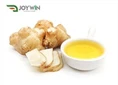
It is widely distributed in nature, with significant commercial extraction from the roots of chicory (Cichorium intybus) and Jerusalem artichoke (Helianthus tuberosus). Other dietary sources include garlic, onions, leeks, and asparagus. The choice of botanical source and processing method significantly influences the final ingredient's properties.
1.2. The Prebiotic Mechanism: Fueling a Healthy Microbiome
By definition, a prebiotic is a substrate that is selectively utilized by host microorganisms, conferring a health benefit. Inulin fulfills this role perfectly. Upon reaching the colon intact, it serves as a fermentable fuel for beneficial bacteria.
This fermentation process yields short-chain fatty acids (SCFAs), primarily acetate, propionate, and butyrate. These SCFAs are not mere byproducts; they are bioactive molecules with local and systemic effects. They lower the colonic pH, inhibiting pathogenic bacteria, provide energy for colonocytes, and are absorbed into the bloodstream where they influence metabolism, immunity, and inflammation.
Table: Key Beneficial Bacteria Stimulated by Inulin Fermentation
|
Bacterial Genus/Species |
Primary Health Association |
|
Bifidobacterium |
Enhances gut barrier function, crowds out pathogens, supports immune modulation. |
|
Lactobacillus |
Contributes to a balanced gut environment and supports digestive health. |
|
Faecalibacterium prausnitzii |
A major butyrate producer with strong anti-inflammatory properties. |
2. Documented Health Benefits and Clinical Authority
The health benefits of Inulin Prebiotic Powder are not based on trend but on a robust and growing body of scientific evidence, making it a low-risk, high-impact ingredient for product development.
2.1. Gut Health and Digestive Function
This is the most well-established benefit. By increasing Bifidobacteria and Lactobacillus, inulin directly promotes a balanced gut microbiota. The resulting increase in stool biomass and frequency supports regular bowel movements. The European Food Safety Authority (EFSA) has authorized a specific health claim for "chicory inulin" that it "contributes to normal bowel function by increasing stool frequency".
2.2. Metabolic Health: Blood Sugar and Lipids
Research indicates inulin's significant potential in managing metabolic disorders. Clinical studies show it can improve glycemic control by enhancing insulin sensitivity and modulating the release of incretin hormones. Furthermore, through SCFA-mediated mechanisms, inulin has been shown to positively modulate lipid profiles, including reductions in circulating triglycerides and cholesterol levels.
2.3. Calcium Absorption and Bone Health
Certain studies, particularly in adolescents and post-menopausal women, have demonstrated that enrichment of the diet with inulin-type fructans can enhance the absorption of minerals, most notably calcium. This points to its valuable role in bone health formulations.
2.4. Immune Function and Systemic Health
The gut is the largest immune organ. By strengthening the intestinal barrier and promoting the production of anti-inflammatory SCFAs like butyrate, inulin supports healthy immune surveillance and systemic inflammatory balance. This gut-immune axis is a key area of interest for future product development.

3. The B2B Imperative: Sourcing, Quality, and Specifications
For formulators, the efficacy and safety of the final product are inextricably linked to the quality of the raw ingredient. Here, professional sourcing is paramount.
3.1. Degree of Polymerization (DP): The Critical Differentiator
Not all inulin is the same. Its functional and physiological properties are heavily influenced by its chain length, or Degree of Polymerization (DP).
* Short-Chain Inulin/Oligofructose (DP 2-10): Highly soluble, sweet, and ferments rapidly in the proximal colon. Ideal for sweetness enhancement and rapid prebiotic effects.
*Long-Chain/High-Performance (HP) Inulin (DP > 23): Less soluble, more viscous, and ferments slowly throughout the colon. Provides sustained prebiotic activity, superior fat-mimicking texture, and is often associated with greater benefits for satiety and metabolic health.
3.2. Non-Negotiable Quality Documentation
A reputable supplier provides full transparency through essential documentation:
* Certificate of Analysis (CoA): This legal document confirms the product meets specifications for purity (inulin content), DP profile, microbiology (total plate count, yeast/mold, absence of Salmonella and E. coli), heavy metals (lead, arsenic, cadmium, mercury), and pesticides.
* Technical Data Sheet (TDS): Provides key physical and chemical data for R&D: solubility, bulk density, pH, particle size, and appearance.
* Material Safety Data Sheet (MSDS/SDS): Essential for safe handling, storage, and transportation.
3.3. Regulatory and Safety Compliance
* GMP Certification: The supplier's facility must operate under current Good Manufacturing Practices (cGMP), as outlined by the U.S. FDA (21 CFR Part 111) for dietary supplements. This ensures consistent quality and safety.
* GRAS Status: Inulin is Generally Recognized as Safe (GRAS) in the United States and approved for food use in the EU and other major markets.
* Third-Party Certifications: Depending on your brand positioning, you may require Organic (e.g., USDA, EU), Non-GMO Project Verified, Kosher, or Halal certification. Industry-specific certifications like NSF or Informed-Choice for sport nutrition are also critical for certain segments.
4. Formulation Mastery and Industrial Applications
Inulin's versatility is a key driver of its popularity. It serves multiple functional roles, allowing for clean-label innovation.
4.1. Multifunctional Roles in Product Development
* Prebiotic/Fiber Enrichment: The primary use, adding soluble fiber content without compromising taste.
* Sugar and Fat Replacement: Its mild sweetness (about 10% of sugar's sweetness for long-chain) and ability to form a creamy, fat-like gel make it an excellent tool for reducing calories and improving the nutritional profile of products like dairy, baked goods, and dressings.
* Texture and Mouthfeel Modifier: Improves body, creaminess, and stability in products like yogurts, ice cream, and protein shakes.
* Synbiotic Formulations: Inulin acts as a perfect partner for probiotics, creating synbiotics. The prebiotic fiber helps protect and nourish the probiotic strains, enhancing their survival through the GI tract and their efficacy in the colon.
4.2. Application Considerations and Dosage
Effective daily doses in clinical studies typically range from 5g to 15g. Formulators must consider:
* Tolerance: Introducing fiber too quickly can cause gas or bloating. Formulating with long-chain inulin or providing usage instructions for gradual dose escalation can mitigate this.
* Solubility and Stability: Short-chain inulin is highly soluble, while long-chain requires more effort to disperse. Inulin can degrade in highly acidic environments (pH <3.5) over time, and its functionality can be reduced by high-temperature processing.
* Moisture Management: As a hygroscopic ingredient, inulin requires careful packaging and storage to prevent clumping.
5. Navigating Market Trends and Future Directions
The global Inulin Prebiotic Powder market is on a strong growth trajectory, driven by rising consumer awareness of gut health and demand for natural, functional ingredients. Beyond mainstream foods and supplements, exciting frontiers are emerging:
* Medical Nutrition and Pharmaceuticals: Research is exploring inulin's role in targeted drug delivery to the colon and its therapeutic potential in metabolic disease management.
* Personalized Nutrition: As science uncovers how individual microbiome composition affects response to prebiotics, the future lies in tailored formulations.
* Novel Formats: The demand for convenient, on-the-go wellness is fueling innovation in ready-to-drink beverages, functional shots, and gummy formats incorporating inulin.
Conclusion: Your Strategic Partner in Prebiotic Innovation
Inulin Prebiotic Powder is more than an ingredient; it is a strategic asset for creating scientifically substantiated, market-leading products. Its unique combination of proven health benefits, multifaceted functionality, and natural origin aligns perfectly with contemporary consumer demands.
Success, however, depends on partnering with a supplier who embodies Expertise, Authoritativeness, and Trustworthiness (E-A-T). At Joywin Natural, we are more than a vendor. We are your technical partner, with deep expertise in the production and application of premium inulin sourced from trusted botanical origins.
We provide:
* Full Traceability & Premium Quality: From source to specification, ensuring purity, consistency, and compliance.
* Technical Expertise: Support in selecting the right DP profile (from organic inulin to specialized blends) and overcoming formulation challenges.
* Complete Regulatory Documentation: CoAs, TDS, and all necessary certifications to streamline your compliance and quality assurance.
JOYWIN founded in 2013 is the largest organic inulin and Jerusalem artichoke inulin manufacturer in the world. We supply products with high quality, strict quality control, and independent testing to guarantee the high specification of our products. Holding inulin workshops, plant protease workshops, and warehouses also own cutting-edge facilities and strict quality control systems. As leading inulin manufacturers in China, we are FSSC22000, ISO9001, ISO14001, ISO22000, BRC, and Cgmp-certified factory. If you want to know more about Inulin Prebiotic Powder or are interested in purchasing it, you can send an email to contact@joywinworld.com. We will reply to you as soon as possible after we see the message.